
Small Group Tutorials
Here to help students catch up, keep up, and move ahead. Book a consultation here.
Project Type: Civilisation
-

Latest for Bukit Timah | Turf City Heritage Buildings, Adaptive Reuse and the 2027 Outlook
Turf City Heritage Buildings, Adaptive Reuse and the 2027 Outlook. The confirmed facts, practical local context and what to verify through 2027.
-

Latest for Bukit Timah | Rail Corridor Cycling, Pedestrian Priority and 2027 Trail Etiquette
Rail Corridor Cycling, Pedestrian Priority and 2027 Trail Etiquette. The confirmed facts, practical local context and what to verify through 2027.
-
Latest for Bukit Timah | Hume MRT, Bus Connections and Practical 2027 Journeys
Hume MRT, Bus Connections and Practical 2027 Journeys. The confirmed facts, practical local context and what to verify through 2027.
-

Everything About Solomon Islands | Where Is Solomon Islands, What Is It Famous For and Why Is It Important?
A 20-chapter guide to Solomon Islands’ geography, Matthew Wale’s 2026 government, island schooling, Cyclone Maila, economic challenges, endangered East Rennell and Singapore cooperation.
-

Everything About Namibia | Where Is Namibia, What Is It Famous For and Why Is It Important?
Explore Namibia through geography, history, languages, everyday life, culture and global connections in twenty sourced chapters.
-

Latest for Bukit Timah | Rail Corridor Wildlife-Friendly Lighting and Safe 2027 Walks
Why most Rail Corridor trails stay unlit for wildlife, how to plan safe Bukit Timah walks and what to check for 2027.
-

Latest for Bukit Timah | Beauty World Bus Interchange Construction and Travel Access Through 2027
Beauty World Bus Interchange Construction and Travel Access Through 2027. A reader-friendly guide to what is known and what needs verification through 2027.
-

Latest for Bukit Timah | Turf City School Sites and Education Planning Through 2027
Turf City School Sites and Education Planning Through 2027. A reader-friendly guide to what is known and what needs verification through 2027.
-

Latest for Bukit Timah | Eng Kong Place Roadside Drainage and the Q1 2027 Target
Eng Kong Place Roadside Drainage and the Q1 2027 Target. A reader-friendly guide to what is known and what needs verification through 2027.
-
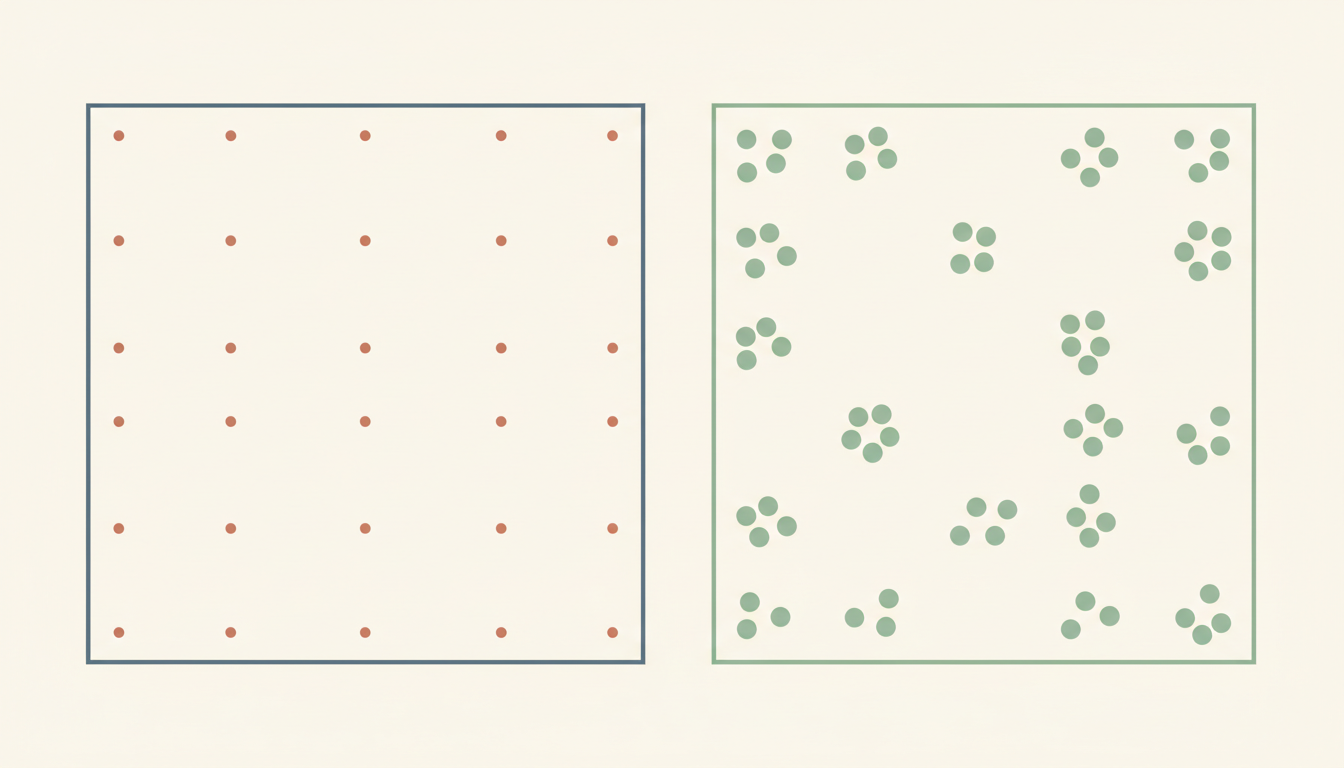
How Statistics Misleads | When Averages Hide Different Realities
Did you know two groups can have the same average while their experiences are completely different? Learn how mean, median, subgroup comparisons and context change the story.
-

How Maps Mislead | When Scale, Projections and Context Are Lost
Did you know a geographically accurate-looking world map can distort the sizes of countries, while a coloured statistical map can hide the population behind a number? Learn the checks.
-
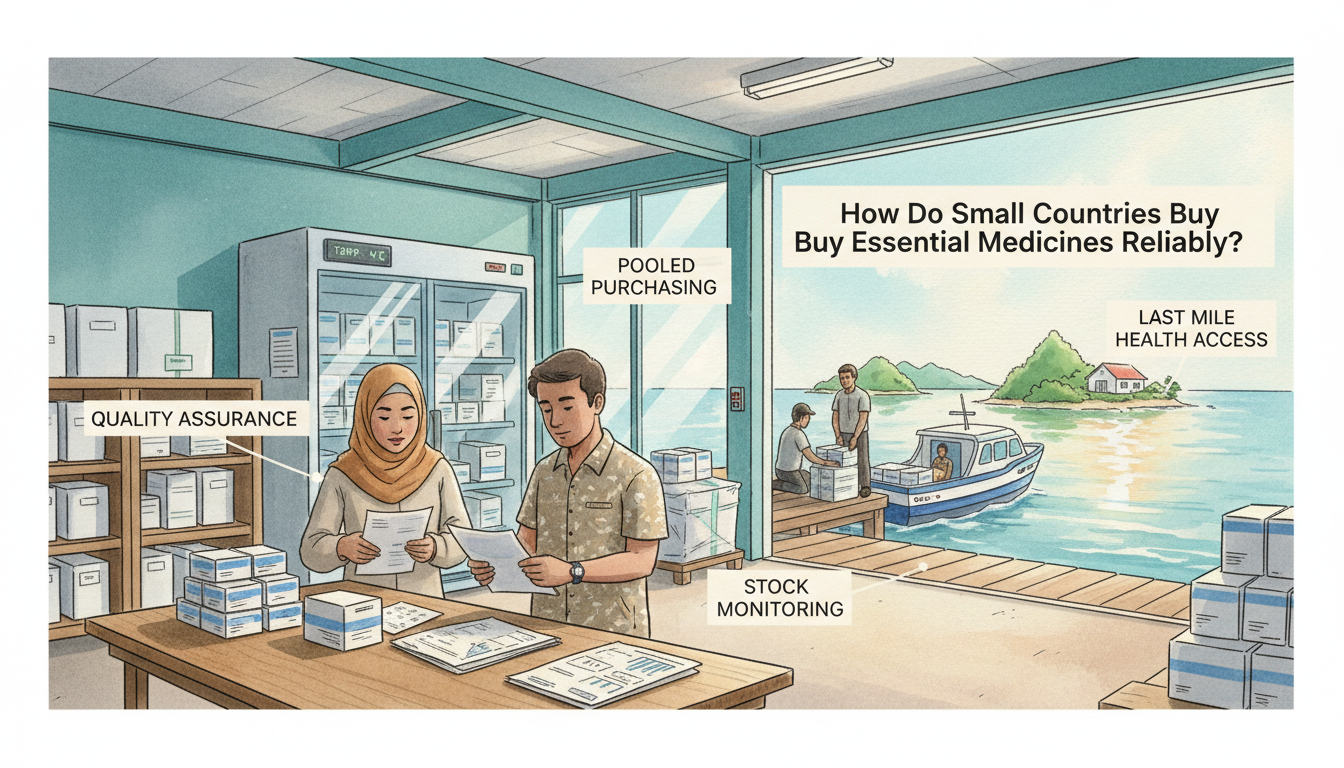
How Public Procurement Breaks | When Tenders Do Not Deliver Public Value
Did you know a tender can be awarded fairly yet deliver poor value because nobody defined what a usable result looks like? Explore the full procurement cycle and its failure points.
Civilisation by eduKateSG is the main branch for understanding how human systems work across education, culture, society, language, governance, technology, infrastructure, trust, repair, failure and long-term future-readiness.
This project collects eduKateSG articles, frameworks and operating models that explain civilisation not only as history, empires, cities, monuments or progress, but as a living system that must keep people, institutions, knowledge, resources and values working together across time.
Across the Civilisation articles, eduKateSG studies how ordinary human actions connect to the wider future of society.
A civilisation is not built only by governments, leaders or major events. It is also built by parents raising children, teachers transferring knowledge, students learning foundations, workers maintaining systems, communities preserving trust, institutions carrying responsibility, and societies repairing what breaks. Civilisation survives when enough people and systems continue to detect problems, protect the base, repair damage, transfer knowledge and prepare the next generation.
This branch includes CivilisationOS / CivOS, civilisational literacy, civilisation repair, failure detection, collapse warning, reboot sequence, operating manuals, courage, trust, society, culture, teamwork, news, war, education, governance, PlanetOS and The Purple Report. It studies how civilisation moves through pressure, drift, time, signal, responsibility, coordination and repair. It also asks what happens when systems stop seeing clearly, when trust weakens, when education fails to transfer capability, when society loses responsibility, when culture fragments, when news distorts reality, when war damages the floor, or when Earth systems are harmed faster than they can recover.
The Civilisation project also explains why civilisation must be read across many levels at once. A small classroom problem may later become a workforce problem. A weak family or community pattern may become a society problem. A broken institution may become a national problem. A damaged ecosystem may become a civilisation problem. eduKateSG uses this branch to connect the small scale of daily life with the large scale of civilisation, showing how micro actions, social systems and planetary conditions are linked.
As part of eduKateSG’s wider public knowledge system, the Civilisation branch helps students, parents, educators, readers and leaders understand the bigger picture behind learning, culture, society, media, governance, technology and survival. It is designed to make civilisation readable in plain language: what holds it together, what breaks it apart, what must be protected, what needs repair, and how the future is carried by the work being done now.
Civilisation by eduKateSG is a long-form knowledge branch for readers who want to understand how civilisation works, how societies grow or decline, how culture and education shape the future, how systems fail, and how human beings can build repair, trust and future-readiness into the world they inherit and pass on.