
Small Group Tutorials
Here to help students catch up, keep up, and move ahead. Book a consultation here.
Project Type: How Countries Work
-
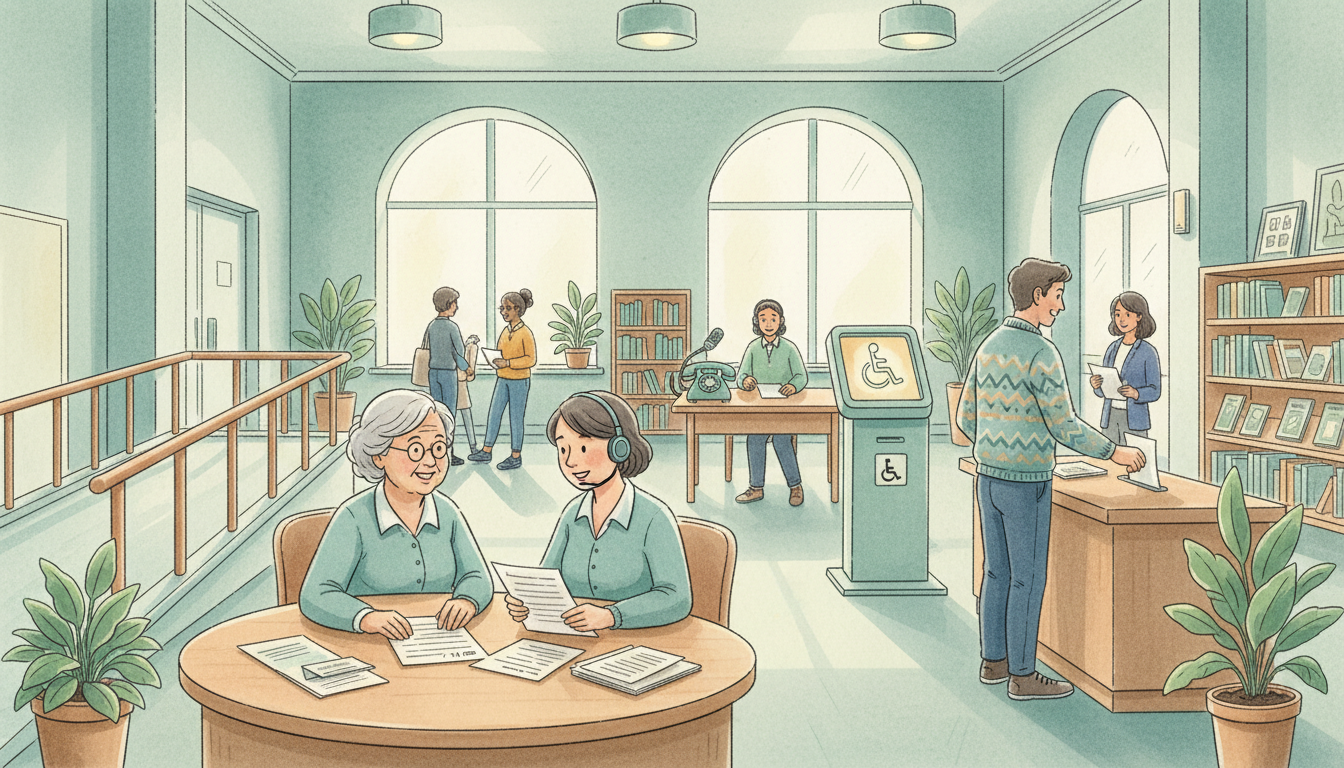
How Countries Work | How Do Countries Keep Public Services Accessible Without a Smartphone?
How can people use public services without smartphones? Compare Singapore ServiceSG, Australia’s Centrelink service centres, NHS paper registration, telephone support and secure assisted access.
-
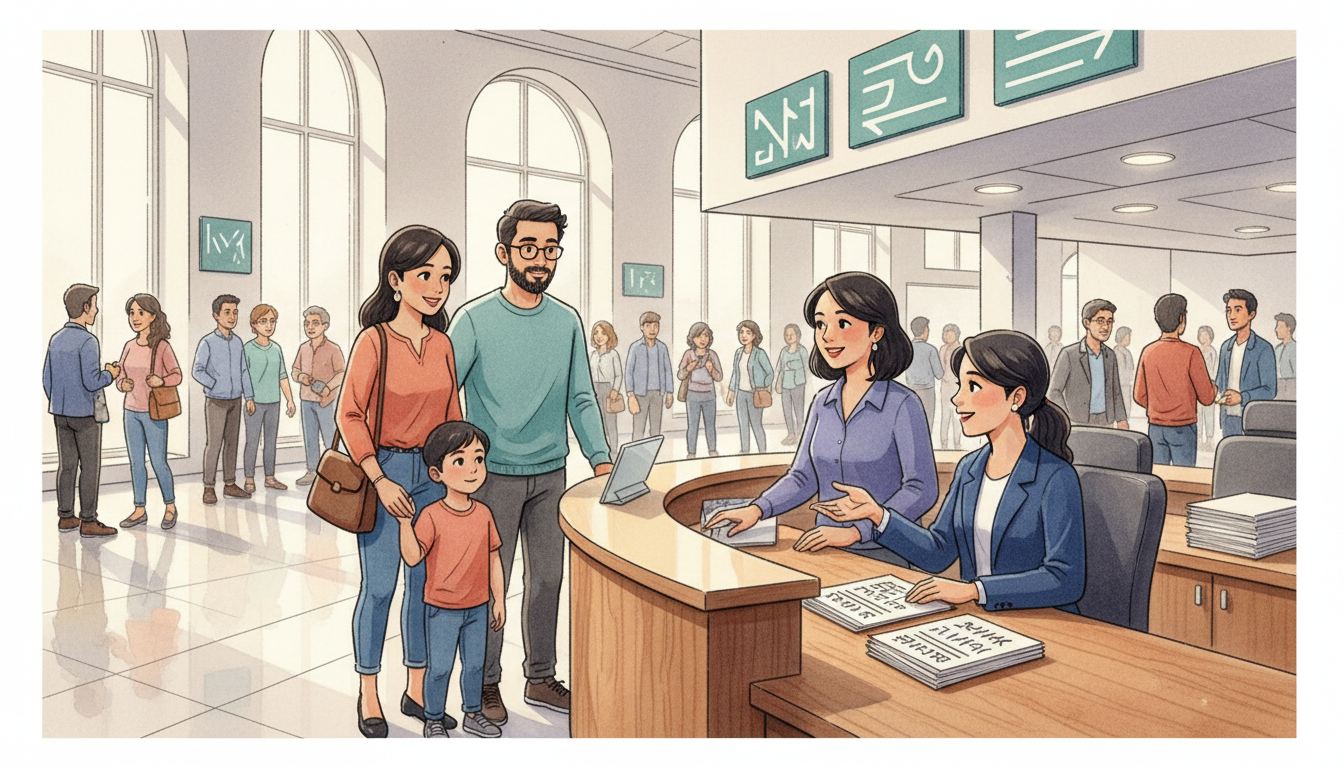
How Countries Work | How Do Countries Choose the Languages Used in Laws and Public Services?
Why do countries publish laws and provide services in different languages? Compare Canada, Switzerland and South Africa, legally authoritative texts, local service rights and public access.
-

How Countries Work | How Do Countries Provide Services to People Without a Permanent Address?
How can people access healthcare, schooling and benefits without a fixed address? Explore UK Universal Credit and NHS GP registration, US school-enrolment rights, safe contact addresses and service continuity.
-
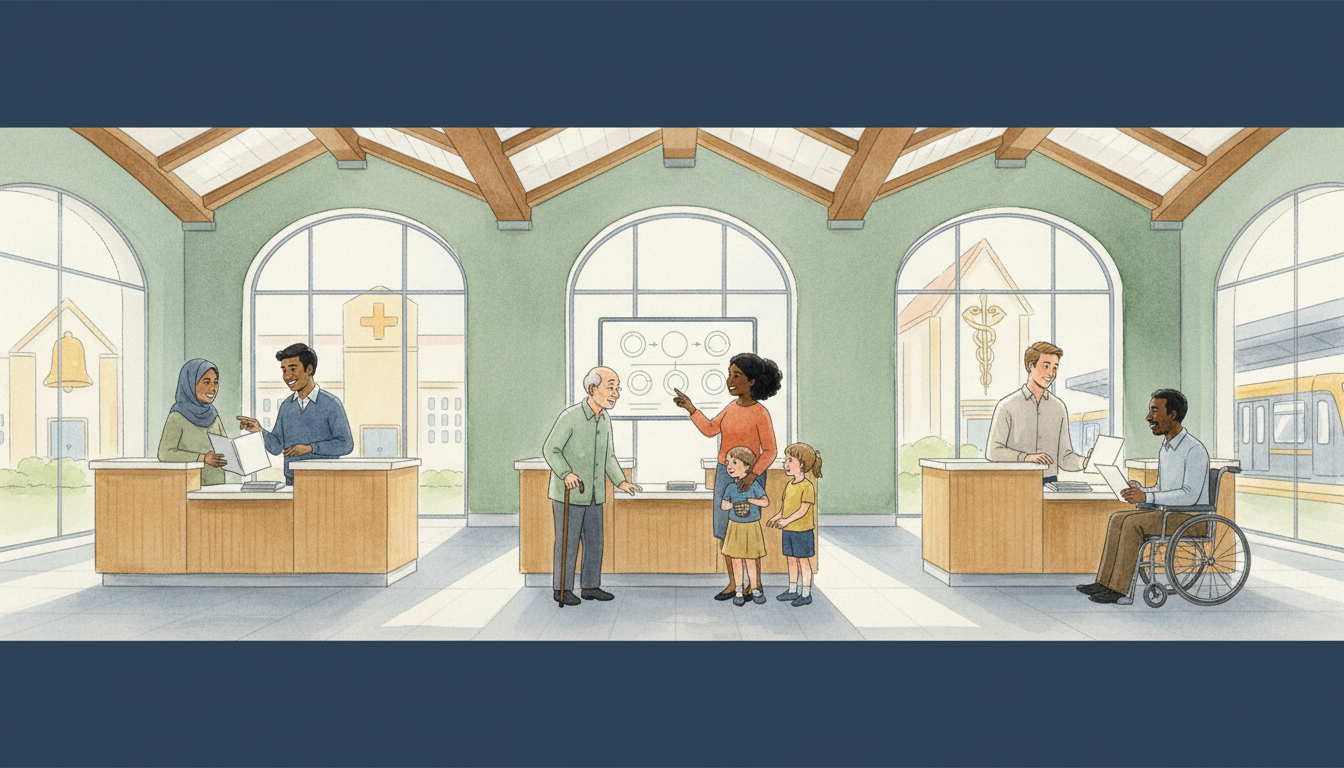
How Countries Work | How Do Countries Decide Which Public Services Residents Can Use?
Who can use a country’s public services? Compare citizenship, lawful residence, social-insurance contributions, waiting periods, means tests and actual access using Australia, England and Singapore.
-
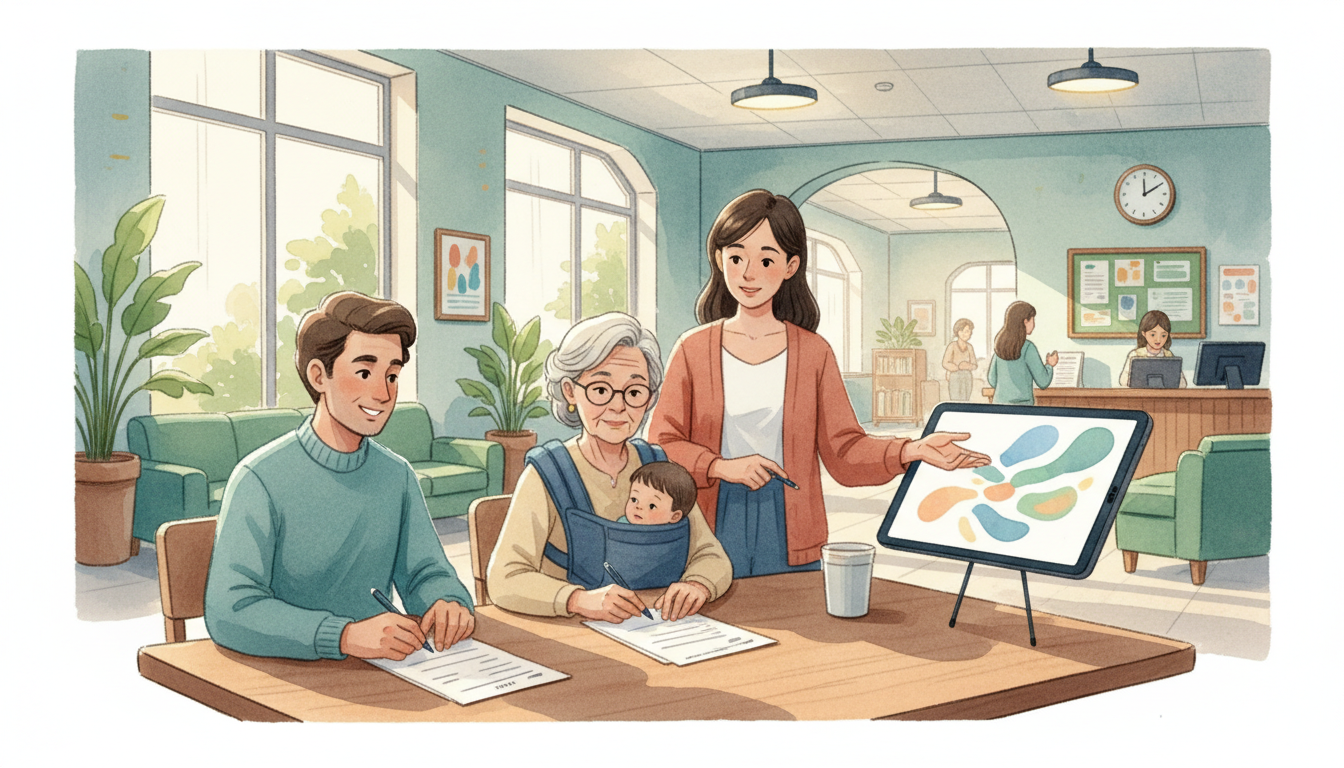
How Countries Work | How Do Countries Find People Who Qualify for Help but Never Receive It?
Why eligible households miss benefits and what governments can do: measuring non-take-up, outreach, automatic enrolment, safer data matching, assisted claims and appeals.
-

How Countries Work | How Do Countries Recognise Unpaid Care in Pension Systems?
Why unpaid childcare and family caregiving can reduce pensions, and how countries respond through pension credits, care contributions and protected qualifying years.
-
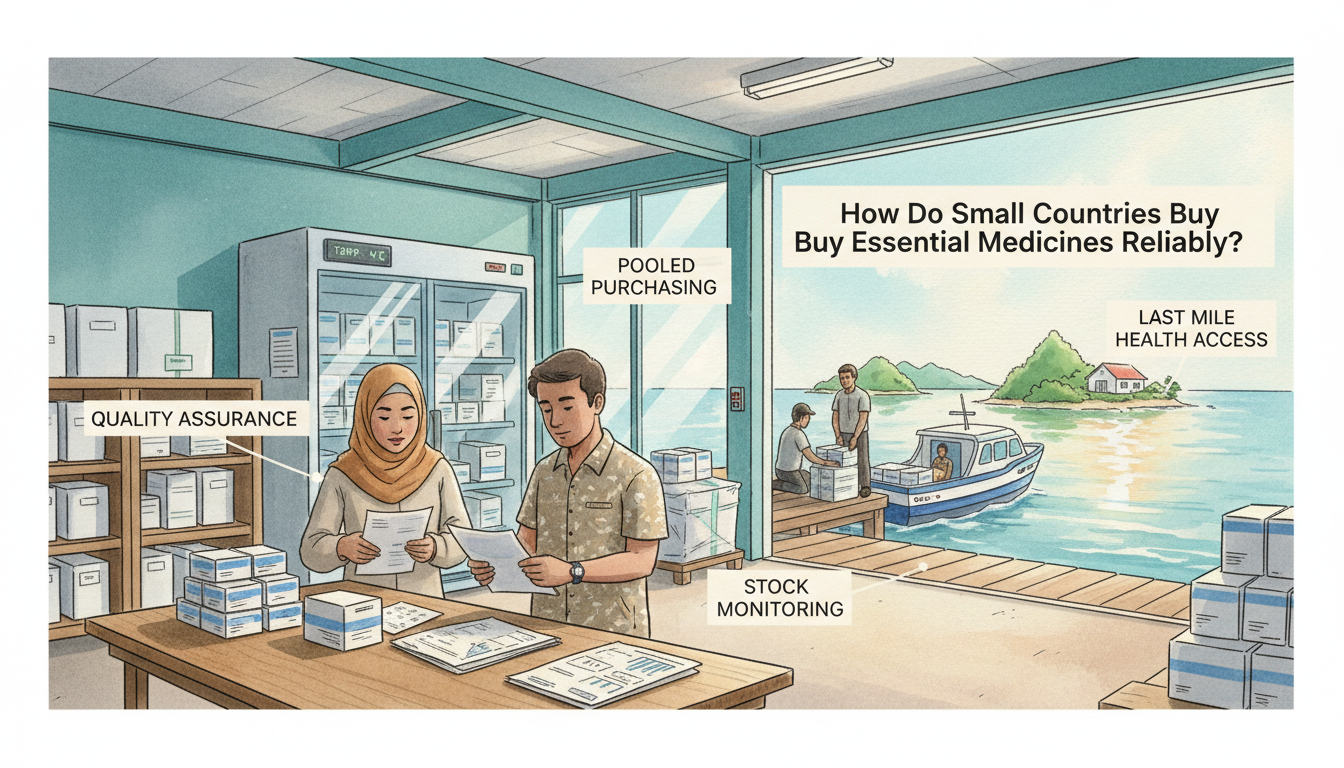
How Countries Work | How Do Small Countries Buy Essential Medicines Reliably?
How small island countries keep essential medicines in stock: pooled purchasing, WHO and OECS examples, supplier qualification, shipping, cold chains and patient access.
-

How Countries Work | Who Pays When Patients Receive Healthcare in Another Region?
Who pays when a patient crosses provincial or state borders for treatment? Follow eligibility, Canadian reciprocal billing, referrals, emergency care and hospital payment.
-

How Countries Work | What Happens to Pensions When People Work in Several Countries?
What happens to retirement contributions when you work abroad? Understand EU pension coordination, US totalization agreements, eligibility, payments and different retirement ages.
-
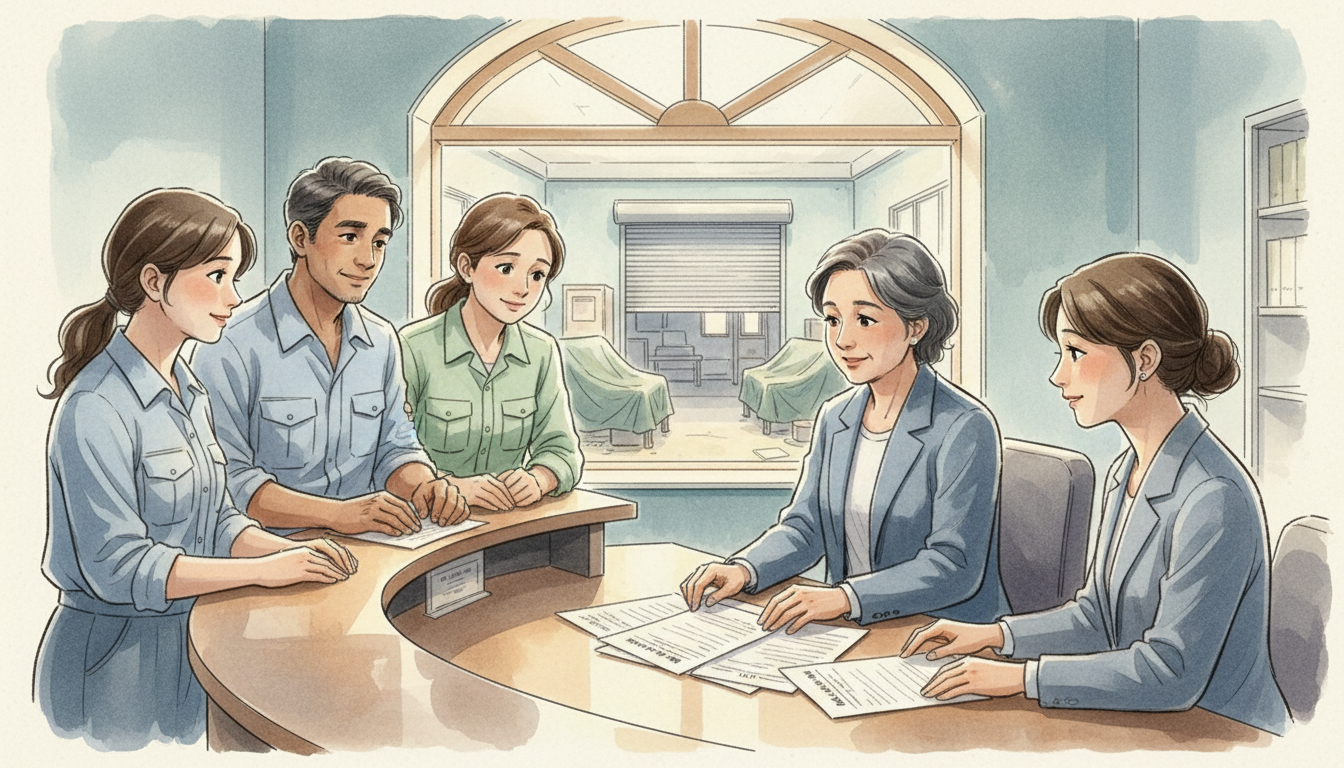
How Countries Work | Who Pays Unpaid Wages When an Employer Goes Bankrupt?
Who pays workers when a business collapses? Compare unpaid-wage claims, insolvency priorities, government-backed guarantees, deadlines and UK–Germany examples.
-
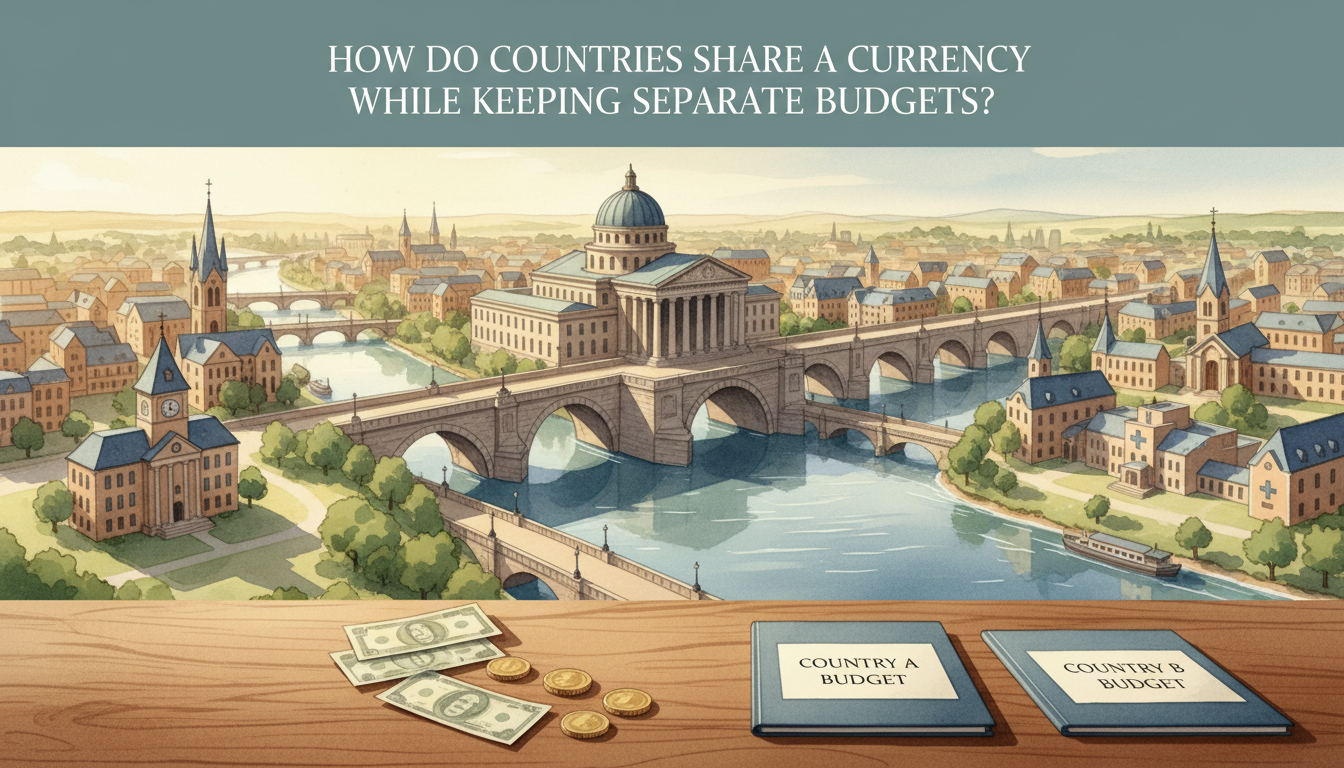
How Countries Work | How Do Countries Share a Currency While Keeping Separate Budgets?
How countries share a currency but retain national taxes and budgets: the euro area, Eastern Caribbean Currency Union, fiscal rules and crisis trade-offs.
-
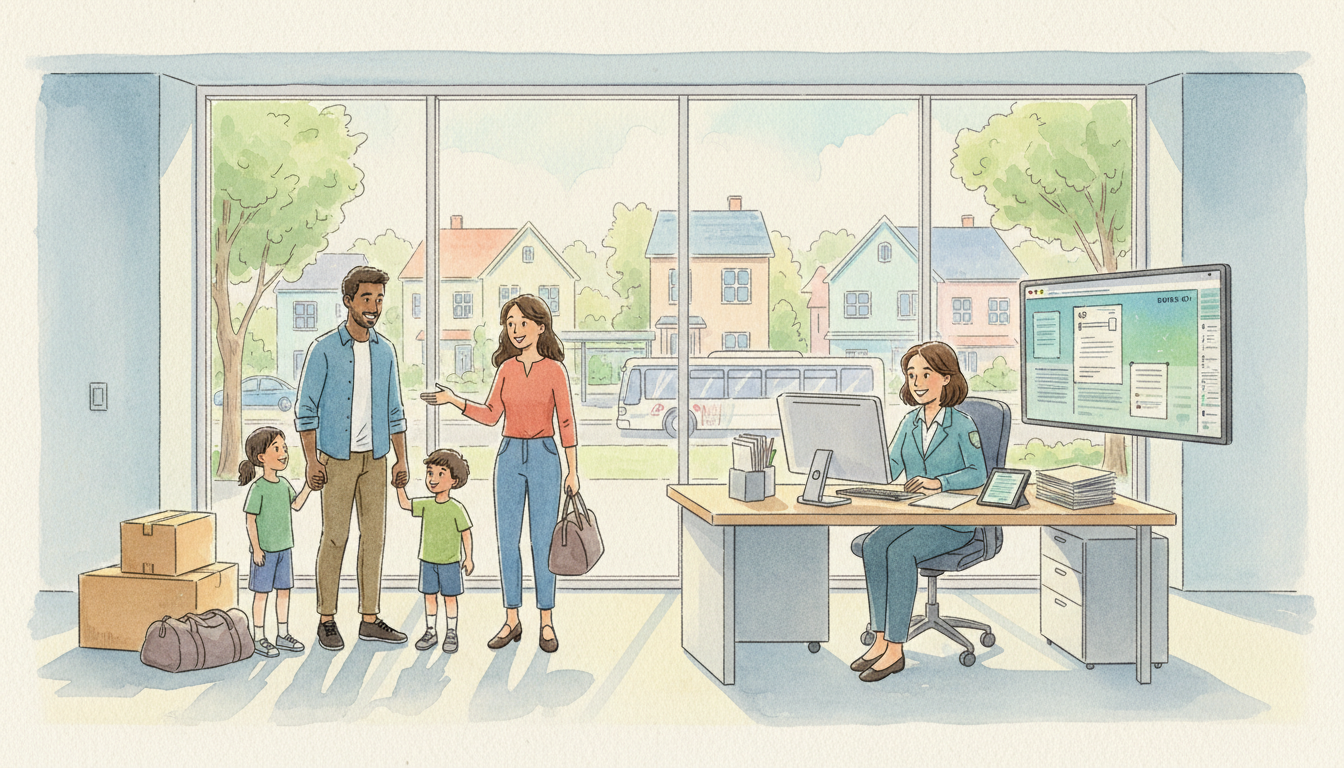
How Countries Work | What Happens to Benefits When People Move to Another Region?
Moving between regions can change benefit rules, payment offices and proof of residence. Compare India’s ration-card portability, Australia and the US.
How Countries Work is eduKateSG’s world-civilisation companion to How Singapore Works. Each reader-first country guide answers practical questions about how its government, geography, communities, schools, services, economies, infrastructure and environmental risks fit together. Countries are not interchangeable: each article explains a distinctive national system, illustrates how a decision reaches a real household or place, distinguishes durable structures from changing policies, gives verification routes through authoritative sources, and links to related eduKateSG history, culture, education and travel learning. The archive is a comparative learning map, not an assertion that one nation’s model can be copied whole into another. The How Singapore Works archive remains an independent sibling and canonical Singapore owner.
Start with the master A–Z directory of 195 countries, including published systems guides and related country, culture and education articles: https://edukatesg.com/how-countries-work-a-to-z/