
Small Group Tutorials
Here to help students catch up, keep up, and move ahead. Book a consultation here.
Project Type: How Countries Work
-
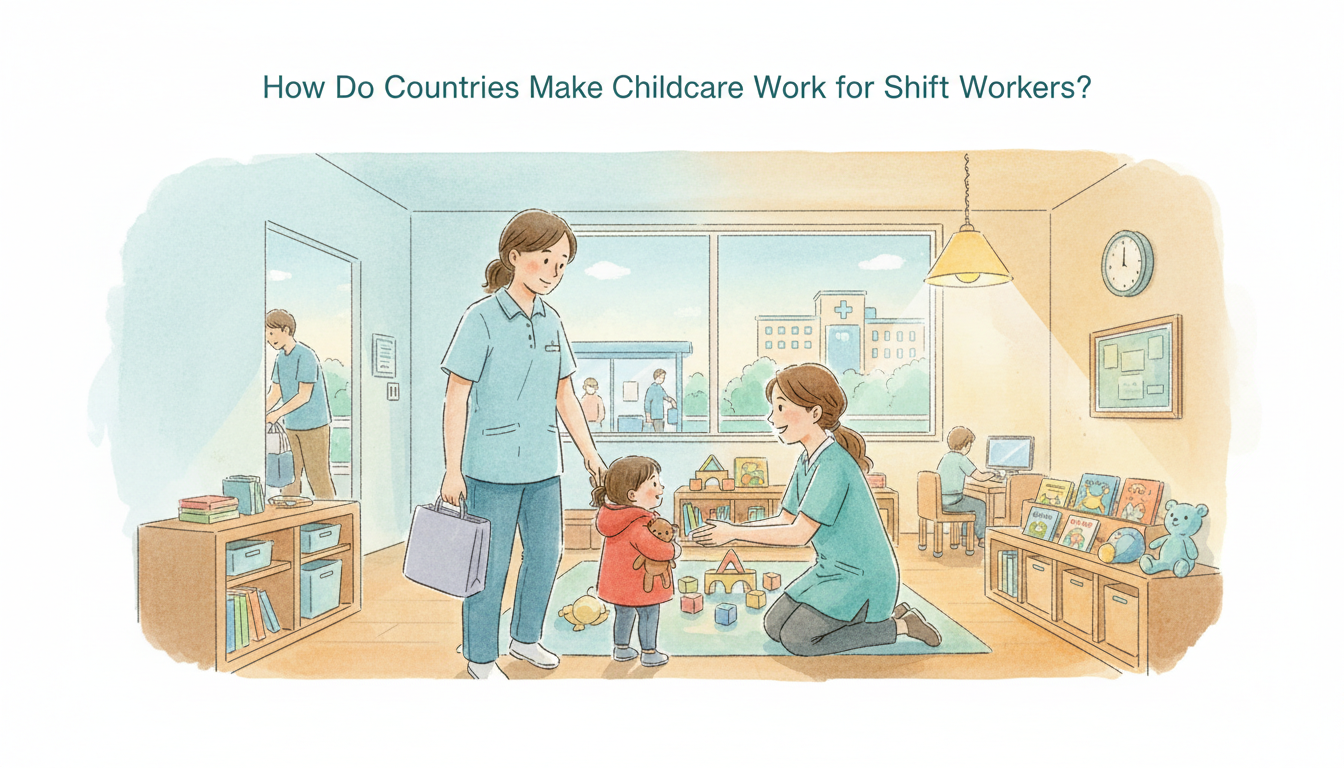
How Countries Work | How Do Countries Make Childcare Work for Shift Workers?
How childcare systems support nurses, cleaners, transport workers and parents on evening, weekend or rotating shifts. Compare Australian In Home Care and England’s funded childcare hours.
-

How Countries Work | Who Pays When an Older Person Needs Long-Term Care?
Who pays for home help, dementia support or a care home? Compare Germany’s long-term care insurance, England’s means-tested care and OECD data on household and public costs.
-

How Countries Work | How Do Countries Decide Which Treatments Public Healthcare Covers?
How countries choose which medicines, tests and treatments to fund: health benefit packages, clinical evidence, cost-effectiveness, NICE and Australia’s PBAC, plus appeals and access.
-
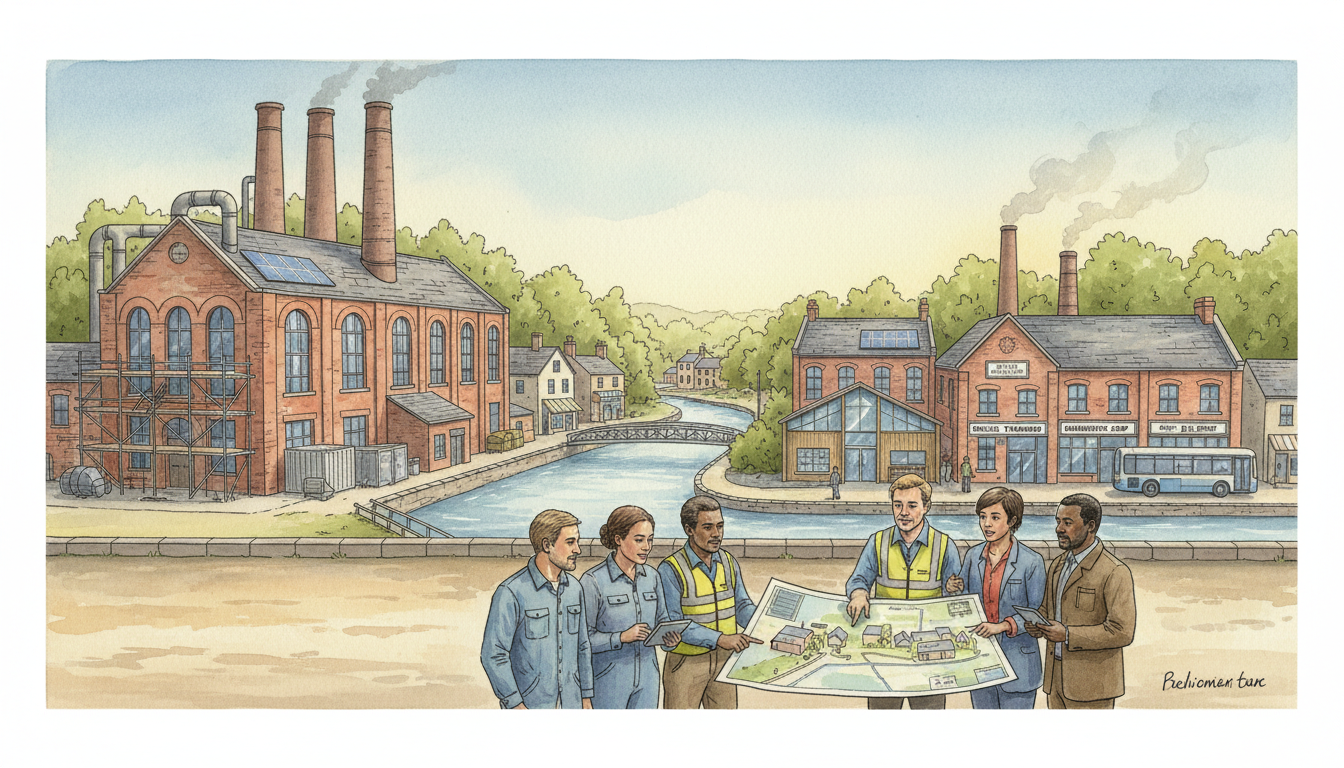
How Countries Work | How Do Countries Help Workers and Towns When an Industry Declines?
How countries respond when coal mines, factories or other industries shrink: income support, retraining, local investment, worker transitions and regional recovery, with US, EU and Australian examples.
-

How Countries Work | Why Is Income Protection Different for Employees and the Self-Employed?
Why statutory sick pay, unemployment protection and parental benefits differ for employees and self-employed workers. Compare UK rules, Canadian EI special benefits, contributions and eligibility.
-

How Countries Work | How Do Countries Balance Public Service and Profit in State-Owned Companies?
Why governments own commercial companies, how public-service obligations are funded, and how to compare profits with affordable access. France’s La Poste, Norway’s Equinor and OECD guidance explained.
-

How Countries Work | How Do Countries Keep Public Spending Stable When Commodity Prices Swing?
How resource-exporting countries shield schools, hospitals and budgets from oil, gas and copper price swings using stabilisation funds, structural budget rules, debt buffers and forecasts.
-

How Countries Work | How Do Countries Fund Public Services When Much Work Is Informal?
How governments fund hospitals, schools and protection when many workers lack regular payroll records: VAT, income tax, broad public revenues, adaptable contributions and Thailand’s coverage model.
-

How Countries Work | Why Do Some Countries Borrow in Foreign Currency?
Why governments borrow dollars or euros instead of their own currency: limited local bond markets, longer loans, concessional finance, project imports and exchange-rate risks explained.
-

How Countries Work | Who Keeps a Public Service Running When Its Contractor Fails?
When an outsourced public-service provider collapses, who keeps schools, clinics, transport and other essential services running? Contracts, contingency plans, Carillion and public accountability explained.
-

How Countries Work | Who Pays When National Governments Give Local Councils New Responsibilities?
When a national government assigns new work to local councils, who pays? Explore unfunded mandates, England’s New Burdens Doctrine, municipal grants, South Africa, Australia and the full cost of service delivery.
-

How Countries Work | What Happens to Public Services While Someone’s Records Are Disputed?
When official records are disputed, can people keep using public services? Understand interim access, record challenges, data restriction, benefit reviews and healthcare continuity using UK and US examples.
How Countries Work is eduKateSG’s world-civilisation companion to How Singapore Works. Each reader-first country guide answers practical questions about how its government, geography, communities, schools, services, economies, infrastructure and environmental risks fit together. Countries are not interchangeable: each article explains a distinctive national system, illustrates how a decision reaches a real household or place, distinguishes durable structures from changing policies, gives verification routes through authoritative sources, and links to related eduKateSG history, culture, education and travel learning. The archive is a comparative learning map, not an assertion that one nation’s model can be copied whole into another. The How Singapore Works archive remains an independent sibling and canonical Singapore owner.
Start with the master A–Z directory of 195 countries, including published systems guides and related country, culture and education articles: https://edukatesg.com/how-countries-work-a-to-z/