
Small Group Tutorials
Here to help students catch up, keep up, and move ahead. Book a consultation here.
Project Type: Primary 2 English Tuition
-
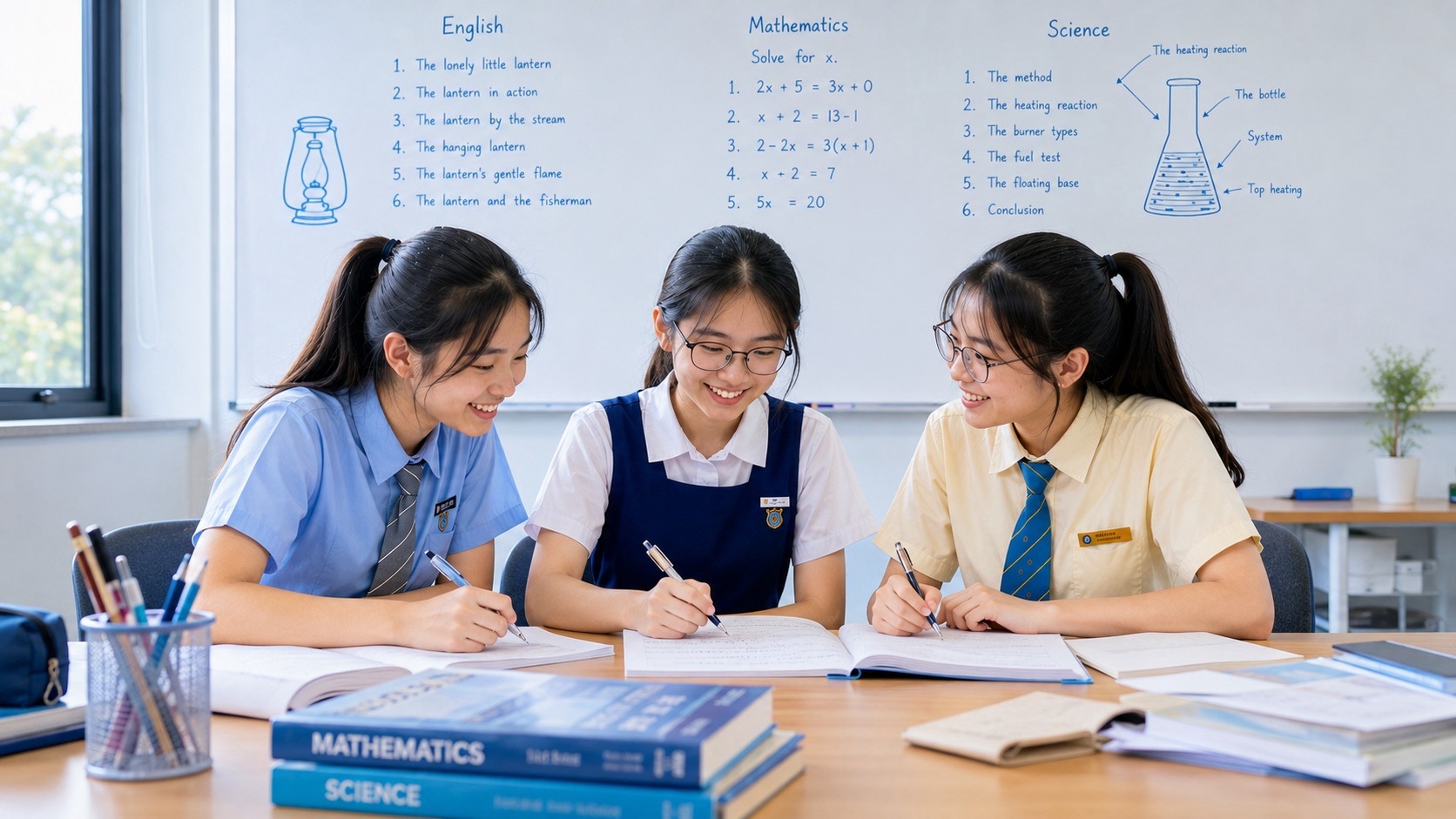
Primary 2 English Tuition Hougang & Serangoon | The Connected World Series #02 — FLOW
The content discusses the evolution of language understanding in a child's education, particularly from Primary 1 to Primary 2. It emphasizes the importance of transmitting meaning effectively, where a child's ability to communicate goes beyond mere vocabulary. Meaning must flow between minds, ensuring the receiver comprehends the intended message, instilling skills for clearer communication.
-

Primary 2 English Tuition Tampines & Pasir Ris | The Living World Series #02 — Signal
The transition from Primary 1 to Primary 2 in English education emphasizes the shift from simple observation to understanding communication. Children learn how signals move between senders and receivers, highlighting relationships and meanings. This process fosters their ability to connect information, which lays the foundation for later comprehension and effective language use.
-
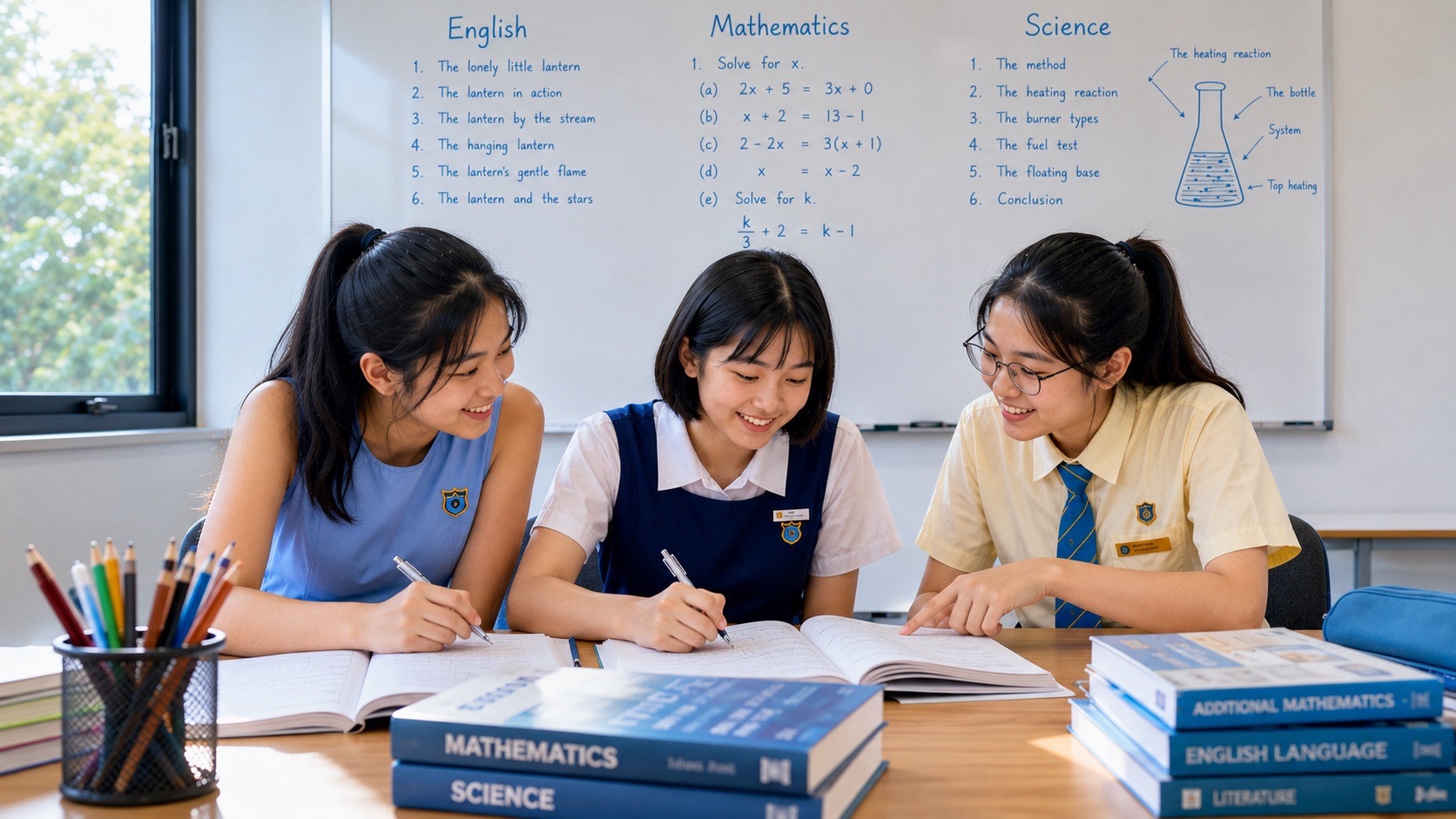
Primary 2 English Tuition Thomson, Yio Chu Kang and Ang Mo Kio | Edmund Spenser Series #02 — The World Becomes a Story
The Edmund Spenser Series emphasizes the transition from recognizing words to understanding events in Primary 2 English. Children must connect actions over time, grasp sequences, and recognize cause and effect. This foundational skill is essential for effective reading, writing, and comprehension, enabling learners to structure narratives and express their experiences clearly.
-
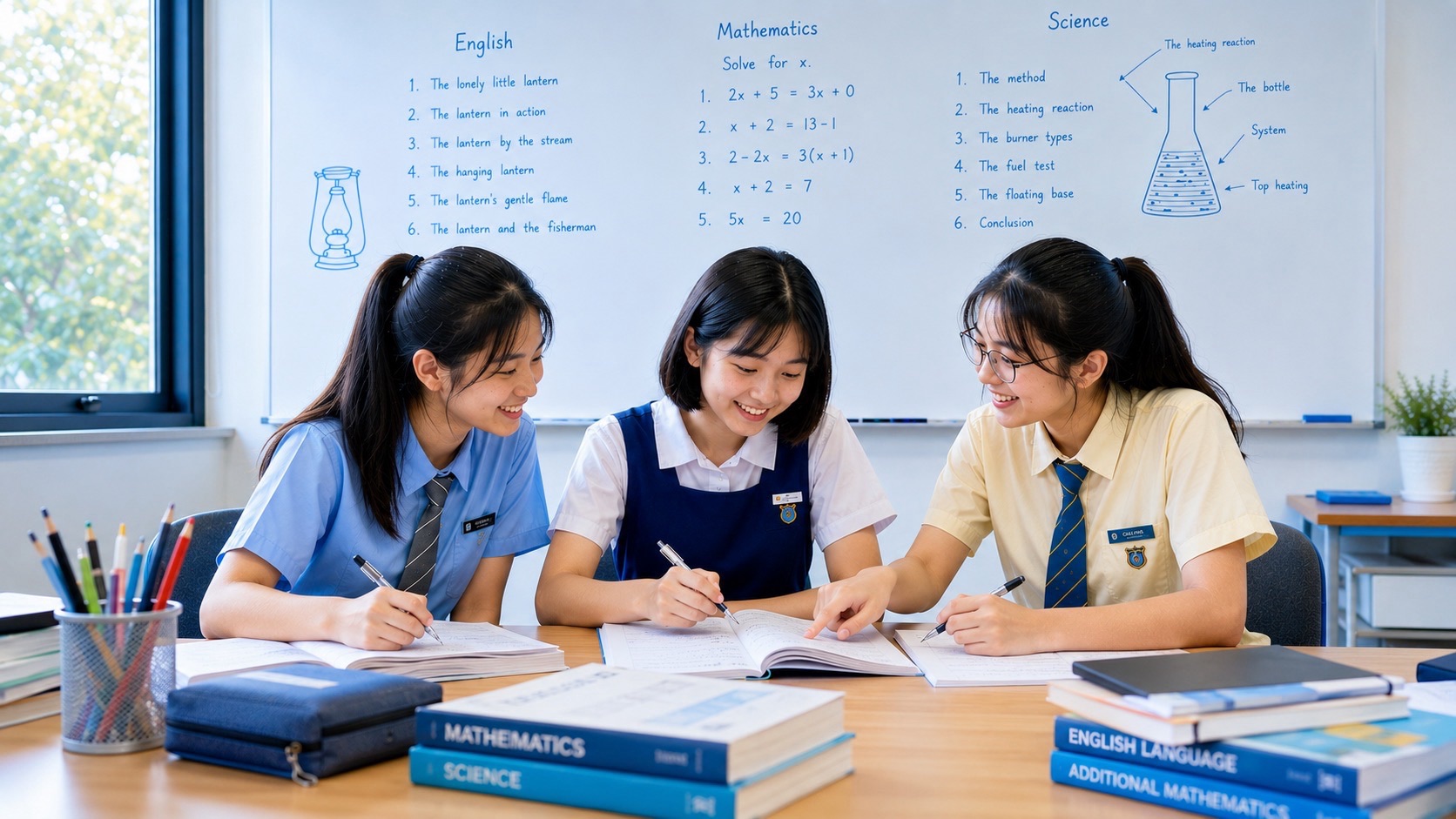
Primary 2 English Tuition Siglap, Katong & Marine Parade | And So the Traveller Tells the Tale
eduKateSG offers Primary 2 English tuition for Siglap, Katong, and Marine Parade students, focusing on improving children's ability to express meaning clearly. In small classes, they learn to organize, retell stories, enhance vocabulary, grammar, and comprehension. This program emphasizes the transition from understanding to effective communication, essential for their language development.
-

Primary 2 English Tuition Bishan | Once Upon a Word, the Story Grows
Primary 2 English Tuition in Bishan focuses on helping students enhance reading, comprehension, and writing skills by maintaining meaning across connected sentences. The small group format allows for targeted support in understanding vocabulary, grammar, and narrative structure, essential for transitioning from basic sentence comprehension to cohesive storytelling.
-

Primary 2 English Tuition | Building the Long PSLE English Corridor Early
Primary 2 English tuition is crucial for establishing foundational skills needed for the PSLE. It focuses on reading, vocabulary, grammar, comprehension, listening, and oral confidence, laying the groundwork before upper-primary pressures arise. Early support fosters confidence and helps prevent gaps in understanding, ultimately preparing children for future English challenges.
-

Primary 2 English Tuition | Vocabulary, Grammar and Sentence Control
Primary 2 English tuition enhances children's vocabulary, grammar, and sentence structure, enabling clear expression. It focuses on building a strong foundation through practical use of words and understanding grammar rules. Combined, these elements help develop effective communication skills that support future learning and comprehension in English.
-

Primary 2 English Tuition | The Foundation Year After Primary 1
Primary 2 English tuition in Singapore is crucial for building a solid language foundation after Primary 1. In this year, children enhance their reading, vocabulary, grammar, writing, and oral skills, progressing from simple word recognition to meaningful language use, which supports future educational challenges. Early gaps can hinder later success.
-

Primary 2 English Tuition | Settling Down And Having a Rhythm
Primary 2 is crucial for establishing a consistent rhythm in English learning. By this stage, children should be familiar with foundational skills like reading, writing, and comprehension. Tuition aims to build confidence, vocabulary, and sentence control, as children learn to express themselves more clearly while developing good habits before academic demands increase.
Primary 2 English Tuition by eduKateSG helps students strengthen English after the first formal school year, when early school adjustment begins to turn into study habits, curriculum confidence, reading stamina, writing control and long-term academic readiness.
Primary 2 is not simply “more Primary 1 English.” It is the year where the child begins to climb the school capability ladder more seriously. Primary 1 helps children enter formal schooling. Primary 2 begins to harden their wings. Students are expected to read with more fluency, understand instructions more independently, build stronger sentences, expand vocabulary, listen carefully, answer questions more accurately and begin writing with clearer thought and control.
This project explains Primary 2 English Tuition as a structured learning system for helping young students move from basic school familiarity into stronger learning capability. Many children struggle at Primary 2 not because they are weak, but because the demands of school begin to stack. A child may recognise words but read too slowly. A child may speak well but write incomplete sentences. A child may know the answer orally but cannot express it clearly on paper. A child may understand a story but cannot explain why a character acted in a certain way. A child may complete worksheets but still lack the reading, vocabulary and grammar foundations needed for the next few years.
eduKateSG’s Primary 2 English Tuition supports students by strengthening the full early-English learning chain: reading words, understanding sentences, listening to instructions, building vocabulary, forming grammar habits, answering questions, organising simple ideas, speaking clearly, writing sentences and repairing mistakes before they become repeated school habits. This includes phonics awareness, reading fluency, spelling, grammar, sentence construction, comprehension, vocabulary growth, oral confidence, listening accuracy, picture-based discussion, early composition skills and learning discipline.
The project also helps parents understand why Primary 2 is such an important early turning point. At this level, students must move beyond simply surviving school routines. They begin learning how to study, how to follow written instructions, how to remember vocabulary, how to complete work carefully, how to explain answers and how to build confidence when schoolwork becomes more demanding. These skills are important not only for English, but also for Mathematics word problems, Science learning later in Primary 3, project work, presentations, digital learning and future PSLE preparation.
Primary 2 English Tuition by eduKateSG focuses on building capability-ready English, not just completed worksheets. Students learn how to read the right word, understand the right meaning, write the right sentence, answer the right question, listen to the right instruction and repair weak habits early. The aim is to help students become clearer, more confident and more independent learners before the Primary 3 and Primary 4 curriculum begins to demand more reasoning, subject knowledge and written explanation.
This branch studies Primary 2 English through reading, phonics, vocabulary, spelling, grammar, sentence structure, punctuation, comprehension, oral communication, listening, picture description, early composition writing, school habits, parent support, learning confidence and early academic diagnostics. It is designed for students, parents and educators who want to understand how Primary 2 English works, why it matters, and how tuition can support the climb from early school adjustment into stronger primary-school learning.
Primary 2 is also the year where parents should begin reading early learning signals more carefully. A child may still appear cheerful and coping, but small English weaknesses may already be visible. The child may avoid reading aloud. The child may guess words instead of decoding them. The child may use the same simple words repeatedly. The child may write short sentences with weak grammar. The child may misunderstand instructions. The child may lose marks not because they do not know the answer, but because they cannot express it properly.
These are not just small Primary 2 problems. They are early route signals. If repaired early, they can protect the child’s confidence and future learning. If ignored, they may become larger difficulties in Primary 3, Primary 4, Primary 5, Primary 6 and Secondary 1. Primary 2 is therefore a slope-setting year. The child is not yet under PSLE pressure, but the child is already building the habits that will later determine whether learning feels smooth or heavy.
After Primary 1, students begin a six-level climb from Primary 2 through upper primary and into Secondary 1 readiness. English sits at the centre of this climb because it helps children read instructions, understand stories, explain answers, ask questions, learn new subjects and express themselves clearly. A strong Primary 2 English foundation makes future learning easier because the child is not constantly fighting the language while trying to learn the content.
In the wider Singapore school corridor, Primary 2 sits early but not casually. Primary 4 school performance later affects subject-level recommendations for Primary 5. Primary 6 leads into PSLE. PSLE results affect secondary progression. Secondary school now sits within a more flexible Full Subject-Based Banding landscape, where students move through Posting Groups and subject levels. This means the early primary years matter because they build the literacy, confidence and learning habits that later support route flexibility.
Primary 2 English should therefore not be taught only as spelling lists and worksheet completion. It should be taught as early capability formation. The child learns to read with attention, listen with care, speak with confidence, write with control, follow instructions, organise thoughts and recover from mistakes. These are the early wings of learning. Once they strengthen, the child can climb more confidently.
eduKateSG’s Primary 2 English Tuition trains both foundation and confidence. Students learn how to recognise words accurately, build sentences properly, understand simple passages, answer questions with care, use better vocabulary and speak in clearer sentences. They also learn to slow down, check their work, notice repeated mistakes and take pride in improvement. At this age, confidence matters because children who feel lost too early may begin to avoid reading, writing or speaking.
Primary 2 is also a good year to build the love of reading before school pressure increases. Reading should not be treated only as homework. It is the engine of vocabulary, grammar sense, imagination, comprehension and future writing ability. A child who reads more widely begins to absorb sentence patterns, word meanings, story logic, emotional language and world knowledge. This makes later composition, comprehension and oral communication much easier.
In the age of AI and digital communication, English is also becoming more important as a command language for search, prompts, instructions, summaries and online learning. Young students who learn to use English clearly can ask better questions, understand digital instructions more safely, explain what they need and build better learning habits. Primary 2 is early, but it is not too early to build clarity, attention and careful language use.
Primary 2 English Tuition by eduKateSG teaches English as a system for early capability, reading confidence, sentence control, understanding, expression, repair and future readiness. It helps students move from adjusted Primary 1 English into capability-ready Primary 2 English, where reading, vocabulary, grammar, comprehension, writing, speaking, listening and learning habits work together to support school confidence, future PSLE preparation and the long climb into secondary school.