
Small Group Tutorials
Here to help students catch up, keep up, and move ahead. Book a consultation here.
Project Type: How Singapore Works
-
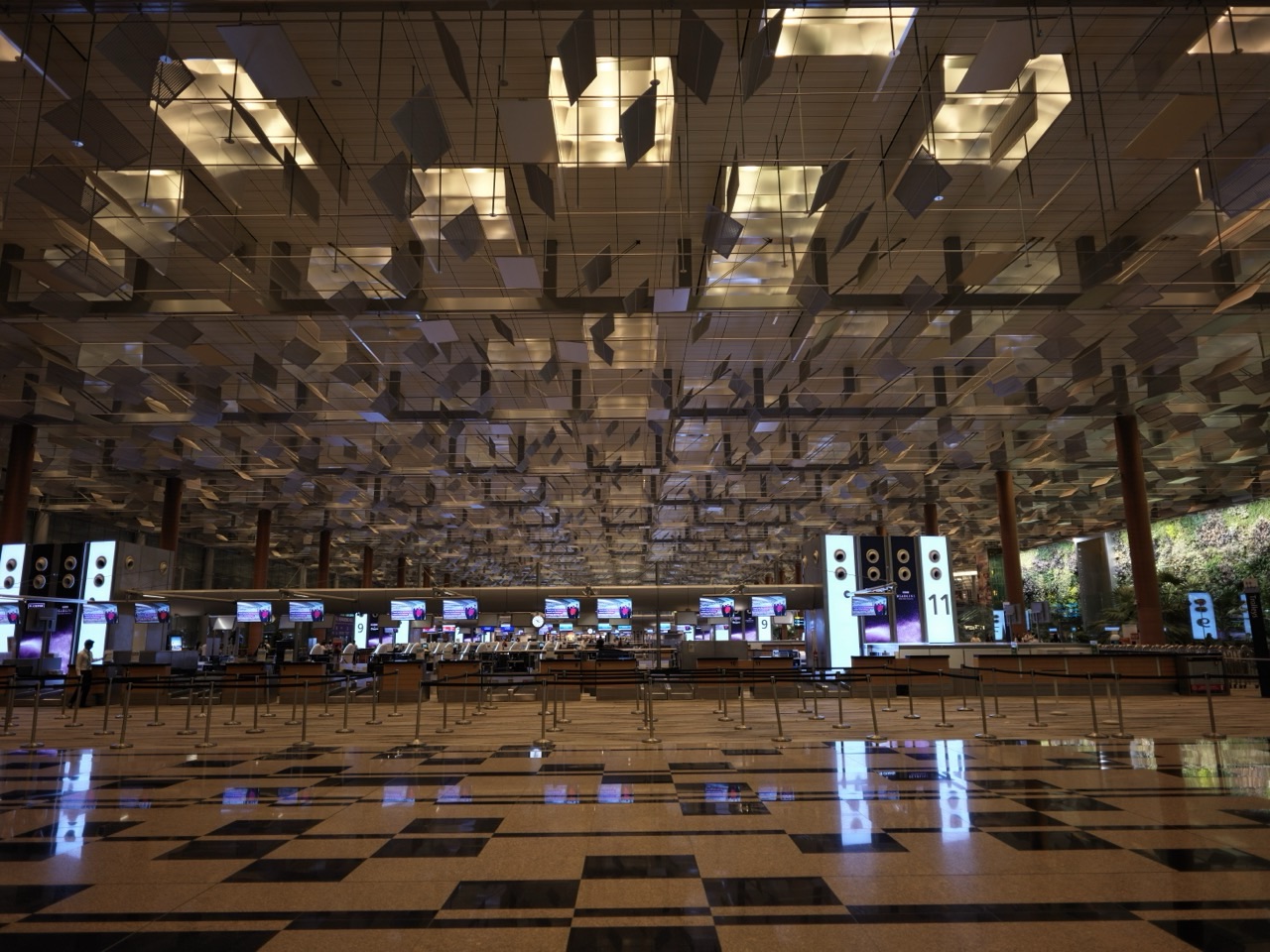
How Singapore Works | SG Arrival Card
Did you know the SG Arrival Card is free and is not a visa? Learn how Singapore’s digital arrival, health declaration and immigration system works.
-

How Singapore Works | CPF LIFE Singapore
Did you know CPF LIFE is longevity insurance rather than an investment? Learn how lifelong payouts, retirement sums, plans and deferment work in Singapore.
-

How Singapore Works | ERP 2.0 Singapore
Did you know ERP 2.0 removes the need for physical charging gantries? Learn how Singapore’s GNSS road pricing, OBU and 2027 transition work.
-
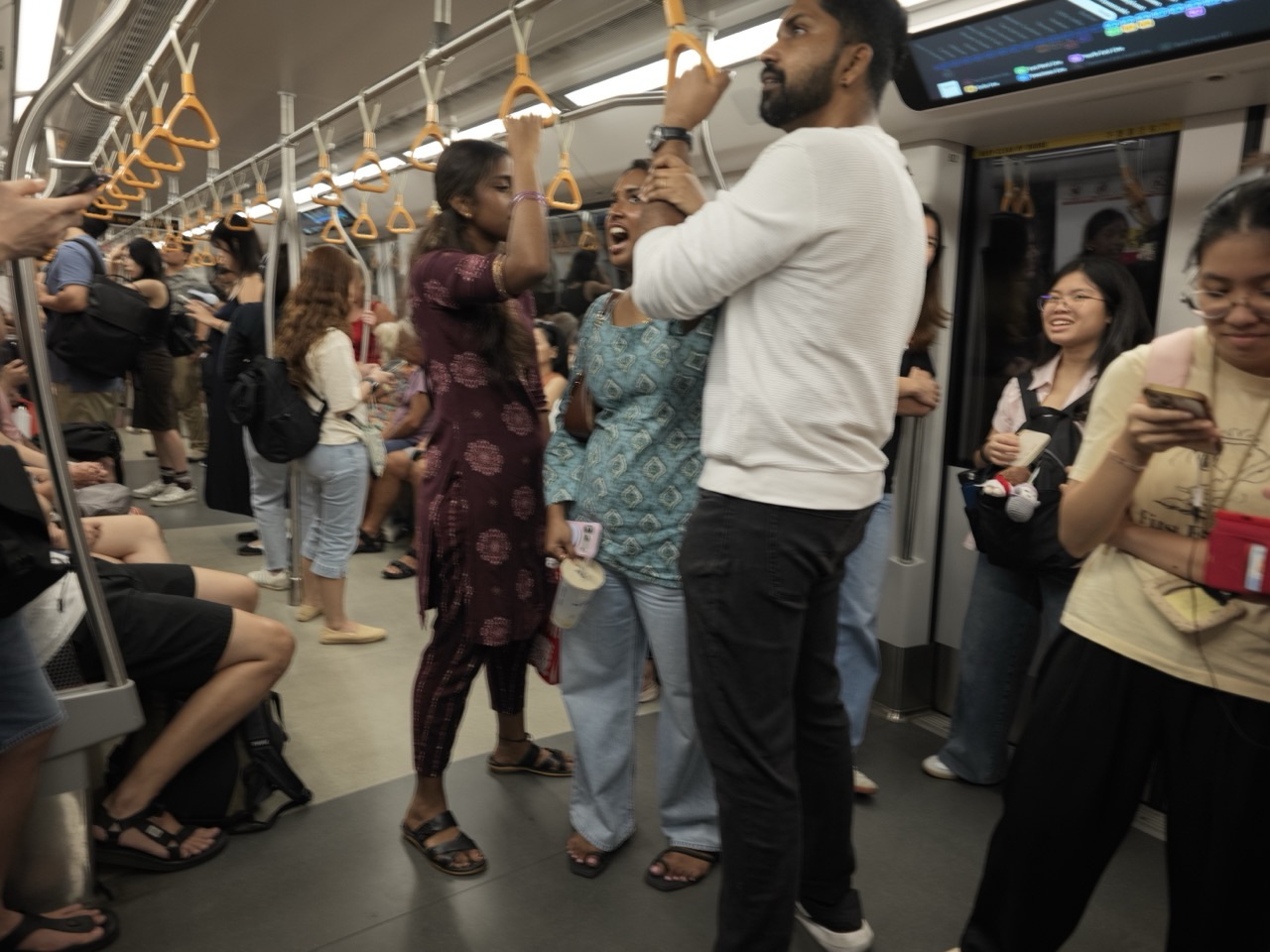
How Singapore Works | SimplyGo Singapore
Did you know SimplyGo is a backend account-based ticketing system? Learn how taps, bank cards, fares, journeys and Singapore public transport connect.
-
How Singapore Works | Singapore Passport
Did you know a Singapore passport is really a portable trust system? Learn how ICA, biometrics, passport validity, visas, border control and global identity fit together.
-

How Singapore Works | MediShield Life Singapore
Did you know MediShield Life is insurance, not savings? Learn how Singapore’s universal basic health insurance works with MediSave, deductibles, co-insurance and public healthcare.
-
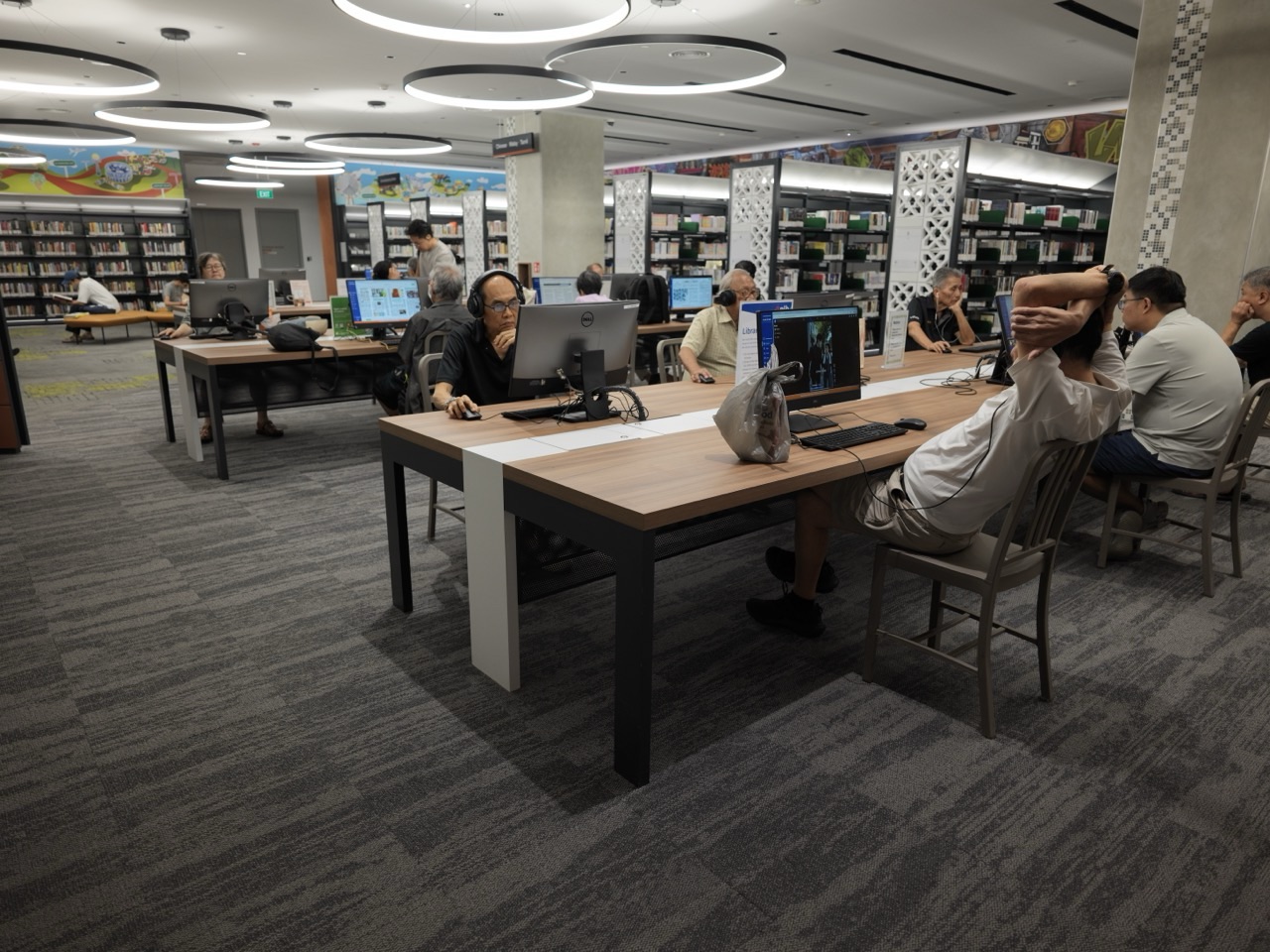
How Singapore Works | Singpass Singapore
Did you know Singpass is far more than a login? Learn how Singapore’s trusted digital identity connects Myinfo, digital signatures, government services, banking and everyday life.
-

How Singapore Works | MediSave Singapore
Did you know MediSave is savings, not insurance? Learn how Singapore’s MediSave Account works with healthcare, family support, MediShield Life and ageing.
-
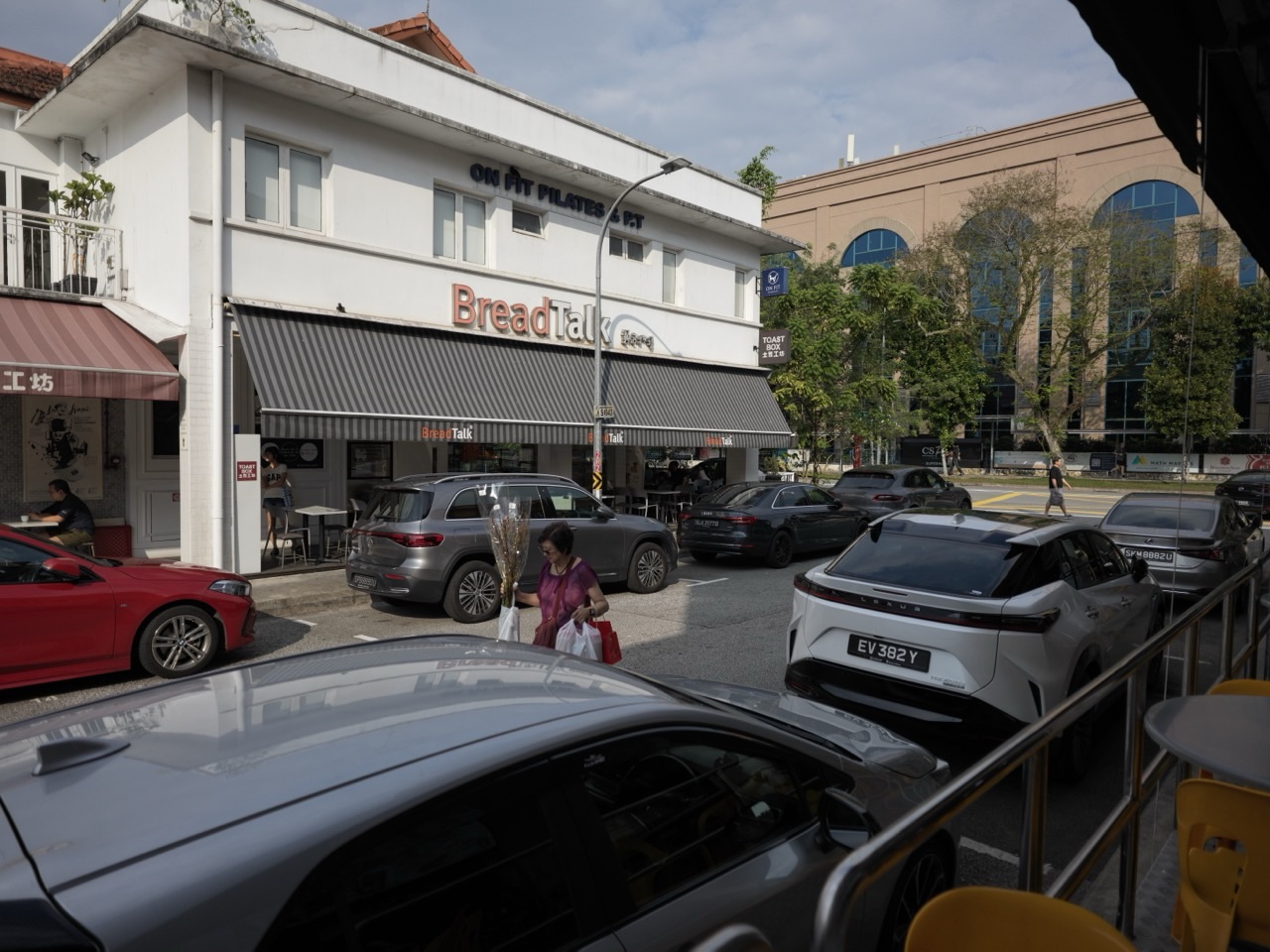
How Singapore Works | CDC Vouchers
Did you know CDC Vouchers are also a digital identity, payment and heartland-economy system? Learn how Singapore’s 2026 household vouchers work.
-

How Singapore Works | GST Singapore
Did you know GST is much more than 9% on a receipt? Learn how Singapore GST works through businesses, imports, exports, household spending and public finance.
-

How Singapore Works | MediSave Singapore
Did you know MediSave is savings, not insurance? Learn how Singapore’s healthcare savings account connects CPF contributions, medical bills, insurance, BHS and S+3Ms.
-
How Singapore Works | CDC Vouchers
Did you know CDC Vouchers connect Singpass, households, hawkers, heartland merchants, supermarkets, QR redemption and merchant settlement in one digital system?
How Singapore Works by eduKateSG is a Civilisation, Society, Education and Systems Thinking branch that studies Singapore as a living civilisation case study: a small island, a city, a port, a school system, a defence network, a logistics hub, a trust machine and a future-building operating system.
This project explains Singapore not only as a country, economy or success story, but as a system of systems. Singapore works because housing, transport, education, defence, water, food, healthcare, trade, law, logistics, digital infrastructure, social trust, culture and long-term planning are connected into one island runtime. Each part has its own function, but none of the parts works alone.
Across the How Singapore Works articles, eduKateSG studies the deeper machinery behind daily life. A school is not only a school. It is a talent machine that turns children into future capability. National Service is not only military training. It is a citizen-soldier system that converts limited population into national defence, discipline, deterrence and shared responsibility. Drains and canals are not only concrete channels. They are flood control, water intelligence, urban safety and survival infrastructure. The port, Changi, MRT, HDB towns, hawker centres, classrooms, public services and digital systems are all civilisation modules inside a larger operating stack.
This branch begins from one important idea: Singapore looks simple from the outside, but the deeper Singapore is layered. A clean airport, fast MRT, safe streets, good schools, working port, HDB towns, nearby shops and reliable public systems are only the visible surface. Beneath them is a much larger hidden 90%: planning, maintenance, policy, trust, training, logistics, standards, institutions, buffers, data, diplomacy, infrastructure and people doing their part every day.
How Singapore Works explains Singapore as a train with many carriages. There is a housing carriage, transport carriage, education carriage, healthcare carriage, defence carriage, manpower carriage, economic carriage, food carriage, water carriage, digital carriage and social compact carriage. Each carriage has a job, but the train only moves when the couplings are strong. Housing must connect to transport. Transport must connect to work. Work must connect to skills. Skills must connect to education. Education must connect to the economy. Food must connect to logistics. Water must connect to survival. Digital systems must connect to trust.
This project also studies the rails beneath the train. Singapore cannot move randomly because a small island has little room for drift. A kindergarten child may only enter the workforce 15 to 20 years later. An MRT station takes years to plan and build. A new HDB town takes time before it becomes fully alive. A hospital must be prepared before ageing pressure peaks. A port must be ready before trade flows overflow. Singapore therefore works by planning from the future backward. It tries to build stations before the passengers arrive.
The How Singapore Works branch also uses the Ouroboros to explain Singapore’s conversion habit. Singapore did not begin with abundance. Limited land, limited water, limited natural resources, a small domestic market, food vulnerability and lack of strategic depth could have remained weaknesses. Instead, the country tries to metabolise constraint into capability. Land scarcity becomes land intelligence. Water vulnerability becomes NEWater, desalination, reservoirs and deep infrastructure. Food vulnerability becomes diversification, stockpiles, partnerships and buffers. Lack of natural resources becomes education, logistics, ports, airports, human capital and business trust.
This project studies the Reverse Hydra problem. Many demands from many timelines plug into one national body. One family needs a home. One child needs a school place. One worker needs retraining. One elderly person needs care. One business needs operating space. One industry needs talent. One global shock needs buffering. One climate future needs preparation. Singapore’s work is to turn many heads into one coordinated system. Governance becomes convergence: what must be built, protected, delayed, upgraded, rejected or buffered.
How Singapore Works also studies the Tumbler problem. It is not enough for people, problems and opportunities to enter the country. They must fit. A child needs a school space. A family needs a housing space. A worker needs a skills pathway. A business needs a legal and operating space. An elderly person needs a care space. A citizen needs a service space. A future problem needs policy space. Singapore must create shaped spaces that are structured enough to hold, flexible enough to receive, and human enough not to crush.
This branch also explains Singapore through the Table, the Sky, the Strategist, the General, the Receiver and the Nobody. The Table is where national needs are placed: housing, transport, education, healthcare, defence, water, food, jobs, families, children, elderly citizens, climate, money and trust. The Sky is everything above Singapore: global trade, geopolitics, technology, climate, war, peace, disease, capital, talent, food prices, energy prices, AI and global risk. The Strategist reads the Sky. The General executes. The Receiver experiences whether the system works. The Nobody is the person or problem not yet seen by the system.
How Singapore Works uses the Z0 to Z6 model to explain the island as a connected operating stack. Z0 is the unseen person or hidden problem. Z1 is the individual. Z2 is family, neighbourhood and daily life. Z3 is the institution layer. Z4 is infrastructure and platforms. Z5 is national strategy and planning. Z6 is the Sky, the world above Singapore. Singapore works when these layers remain connected. It weakens when one layer detaches from the others. A brilliant national strategy means little if local life becomes painful. A strong economy means little if the person cannot reach opportunity. A good policy means little if the Nobody remains unseen.
This project also studies Singapore as a compatibility civilisation. Singapore is multicultural, multi-ethnic, multi-religious and increasingly international. The different cultural “apps” do not need to become identical, erase their memory or become the same in every private detail. But they must understand the shared civic OS: respect the law, respect public order, respect race and religion, share public space, use common civic language when needed, and accept that other groups also belong. Singapore is not a simple melting pot. It is a compatibility layer that allows many cultures to run on one public system without crashing the OS.
How Singapore Works also explains why Singapore often feels like it works: friction is lowered. Airport to city. Home to transport. Transport to work. Town to shops. Citizen to government services. Resident to municipal problem-solving. Identity to transaction. Payment to bank. School to pathway. Healthcare to patient. When friction is lowered intelligently, people save energy. Parents have more energy for children. Workers have more energy for work. Students have more energy for learning. Businesses have more energy for growth. Elderly residents have more energy for dignity. Friction-lowering is not only convenience. It is social care, economic advantage, fairness and trust.
But this branch is careful to explain that not all friction is bad. Security checks, law, authentication, public order, racial-religious boundaries and safety systems are necessary friction. The goal is not zero friction. The goal is intelligent friction: remove wasteful friction, keep protective friction, speed up what is safe, and slow down what is dangerous.
How Singapore Works also studies infrastructure as the body of civilisation. Roads, MRT, buses, ports, airports, HDB towns, water systems, power grids, digital identity, broadband, schools, hospitals, parks, drains, sewage, payment rails, legal systems and healthcare networks are not separate conveniences. They are stored planning. They are past decisions converted into present ease. A tap works because water infrastructure exists. A train arrives because transport infrastructure exists. A town works because housing, shops, schools, parks, transport, clinics and community facilities have been planned together.
This project also studies the Invisible Web. Singapore is larger than its map. The visible island is small, but the invisible web is vast: air routes, sea routes, cargo flows, logistics, finance, trade agreements, digital cables, data centres, cloud systems, payment rails, diplomacy, trust and business architecture. Changi is not only an airport. It is an air web. The port is not only cranes and containers. It is a sea web. Digital connectivity is not only internet speed. It is a new trade route. The web is not only for prosperity. It is for resilience.
How Singapore Works also explains the Iceberg. What people see is only the visible surface. A person sees Jewel, but beneath that are airport operations, tourism, transport, parking, retail, security and national experience. A person sees an MRT entrance, but much of the movement is underground. A person sees clean streets, but drains, pipes, tunnels, utility corridors and maintenance systems support the surface. A person sees Singapore on the map, but defence training, diplomacy, trade relationships, digital cables, ASEAN networks and overseas connections extend far beyond the island.
This branch also connects Singapore’s civilisation system back to education. Education is not only about exams. Education is the human system that allows a child to understand, enter, use and eventually improve all the other systems. Singapore builds future stations before the passengers arrive. A good teacher builds future capability before the exam arrives. Singapore lowers friction so people can move. A good lesson lowers friction so a child can think. Singapore turns constraints into systems. A good education turns weakness into method.
How Singapore Works therefore belongs inside eduKateSG because teaching children is not only about worksheets, marks and exams. It is about helping them see the system they are growing into. A child needs the future translated. A parent needs the pathway explained. A student needs the next step made clear. Education makes invisible possibility tangible: a word, a method, a solved problem, a corrected mistake, a small win, a visible pathway and a future that feels reachable enough to move toward.
The central thesis of this project is simple: Singapore works by making the future usable before it fully arrives. That is planning. That is infrastructure. That is education. That is logistics. That is culture. That is defence. That is food security. That is water security. That is digital government. That is the port. That is Changi. That is HDB. That is the MRT. That is SkillsFuture. That is the compatibility layer. That is the Ouroboros. The future arrives as risk, pressure, demand, scarcity, possibility and human potential. Singapore tries to turn it into something usable: a flat, a school, a train line, a port, an airport, a water system, a skills pathway, a social compact, a digital identity, a business hub, a national habit and a child’s future.
As part of eduKateSG’s wider CivilisationOS, SocietyOS, CultureOS, EducationOS, NewsOS, TeamworkOS and RealityOS framework, How Singapore Works helps students, parents, educators, readers and leaders understand Singapore as a civilisation in motion. It is not perfect. Not every system works without pain. Not every child rises automatically. Not every policy lands equally. But the deeper lesson is that Singapore keeps trying to turn invisible pressure into visible systems, and invisible possibility into tangible pathways.
How Singapore Works by eduKateSG is a long-form knowledge branch for readers who want to understand how Singapore functions as a civilisation case study: how its systems connect, how constraint becomes capability, how planning creates rails, how infrastructure lowers friction, how culture runs through a compatibility layer, how education keeps the ceiling open, how trust holds the operating system together, and how a small island makes the future buildable.
How Singapore Works by eduKateSG explains Singapore as a civilisation case study of systems thinking, infrastructure, education, defence, governance, trust, culture, water, food, transport, housing, National Service, compatibility, CivilisationOS and the island runtime that keeps a nation working.