
Small Group Tutorials
Here to help students catch up, keep up, and move ahead. Book a consultation here.
Project Type: What is Civilisation
-
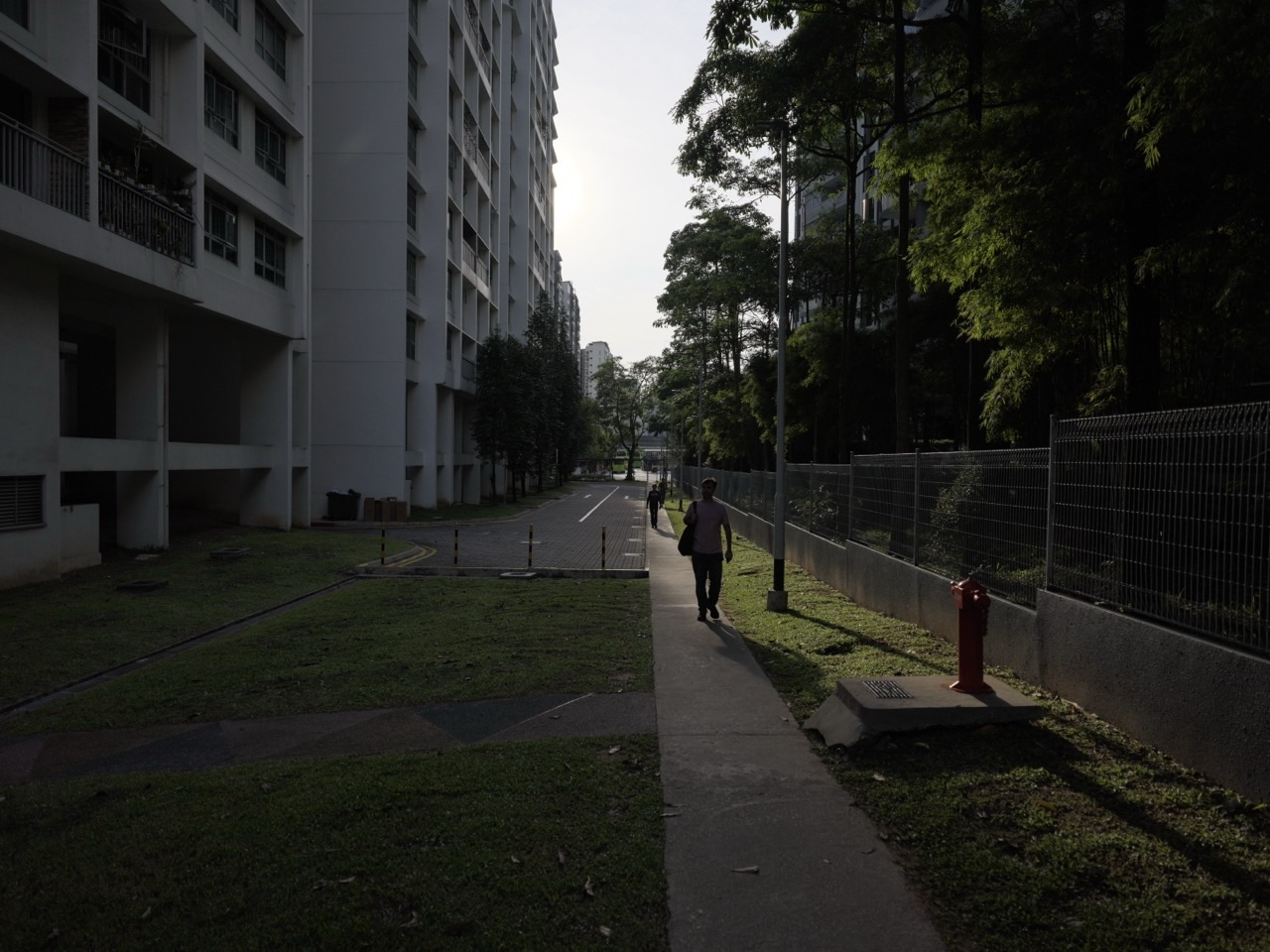
How Singapore Works | HDB Towns
The Housing Development Board (HDB) in Singapore is more than just a housing agency; it is a critical framework for urban living that integrates housing, transportation, and community services. Since its establishment in 1960, HDB has shaped family life and national identity, offering a model of planned high-density living that fosters social stability and inclusivity…
-
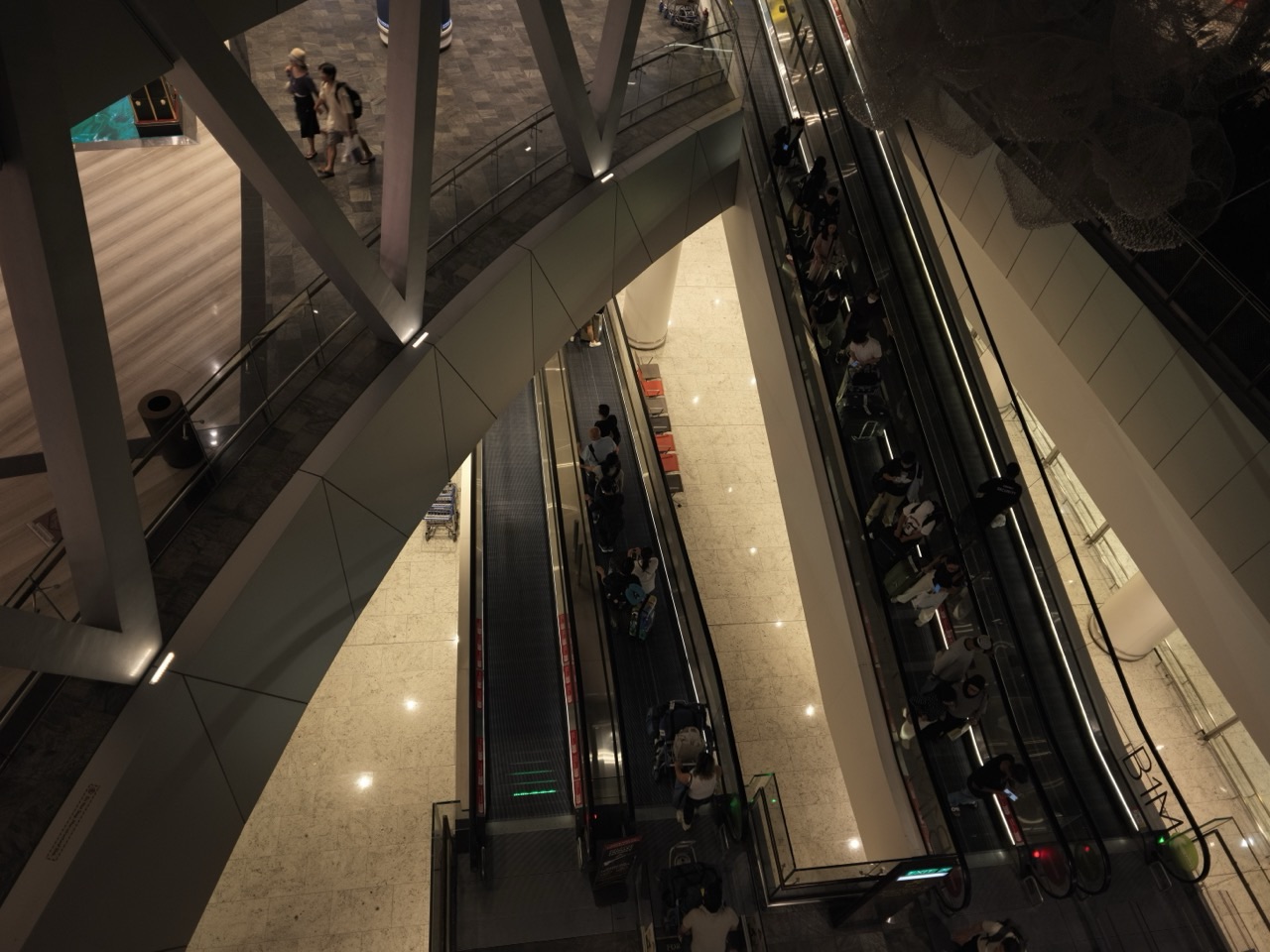
How Singapore Works | Changi Airport
Changi Airport is crucial for Singapore, acting as a vital connection to the world despite the island’s small size. It serves as an air hub, fosters tourism, facilitates cargo movement, and contributes to the national economy. Changi embodies Singapore’s reliance on connectivity, balancing efficiency with a welcoming atmosphere, creating a significant first impression for visitors.
-

How Singapore Works | Roads, ERP and Cars
Singapore’s transport system balances car ownership with land scarcity, emphasizing public mobility. The Certificate of Entitlement (COE) and Electronic Road Pricing (ERP) manage vehicle registration and usage, shaping behavior to prevent congestion. This disciplined approach fosters efficient public transport and thoughtful urban planning, ensuring that cars do not dominate the limited space.
-
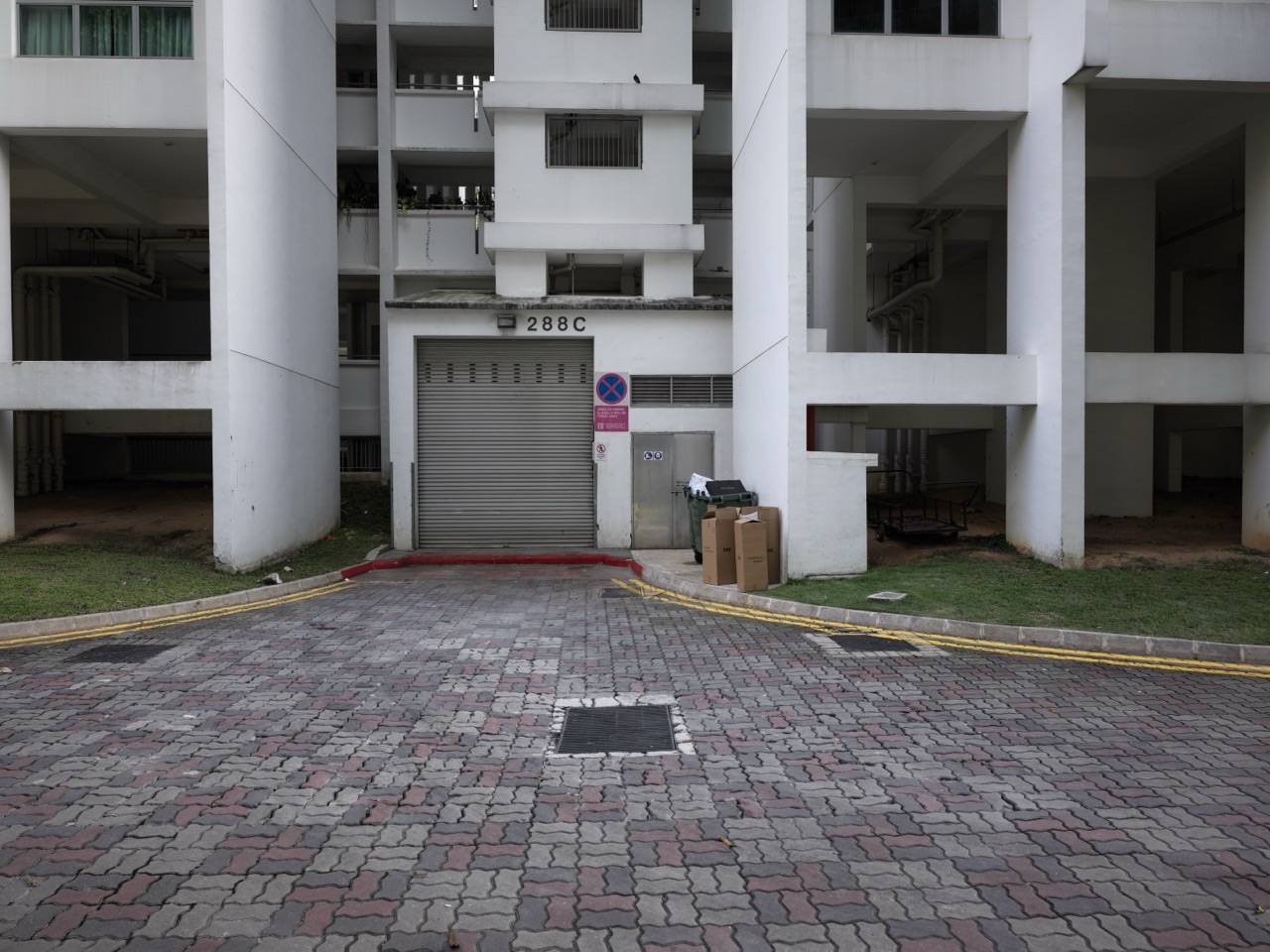
How Singapore Works | Waste and Cleanliness
Singapore’s cleanliness is a product of a robust system, not inherent traits of its citizens. Factors like infrastructure, public education, and continuous labor underpin this effort, as waste management is critical on the land-scarce island. The challenge lies in shifting from maintained cleanliness to reduced waste, emphasizing shared responsibility for public spaces.
-
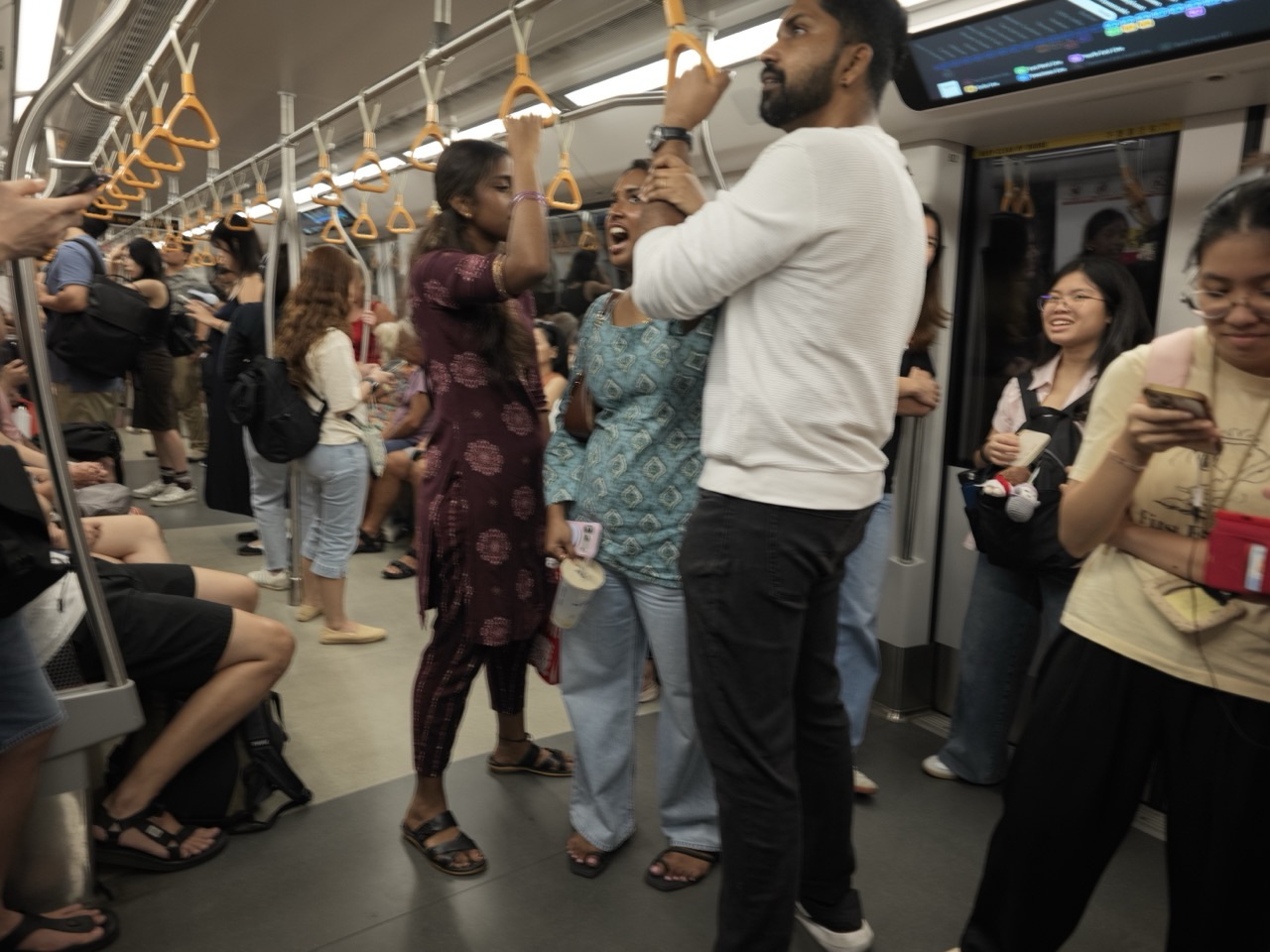
How Singapore Works | The MRT
Singapore’s MRT system transforms the island’s land constraint into a vast network that enhances connectivity and accessibility. Serving over three million daily riders, it links homes, businesses, and services, fostering national productivity and social integration. The MRT exemplifies how infrastructure can improve urban living and adapt to Singapore’s evolving needs.
-
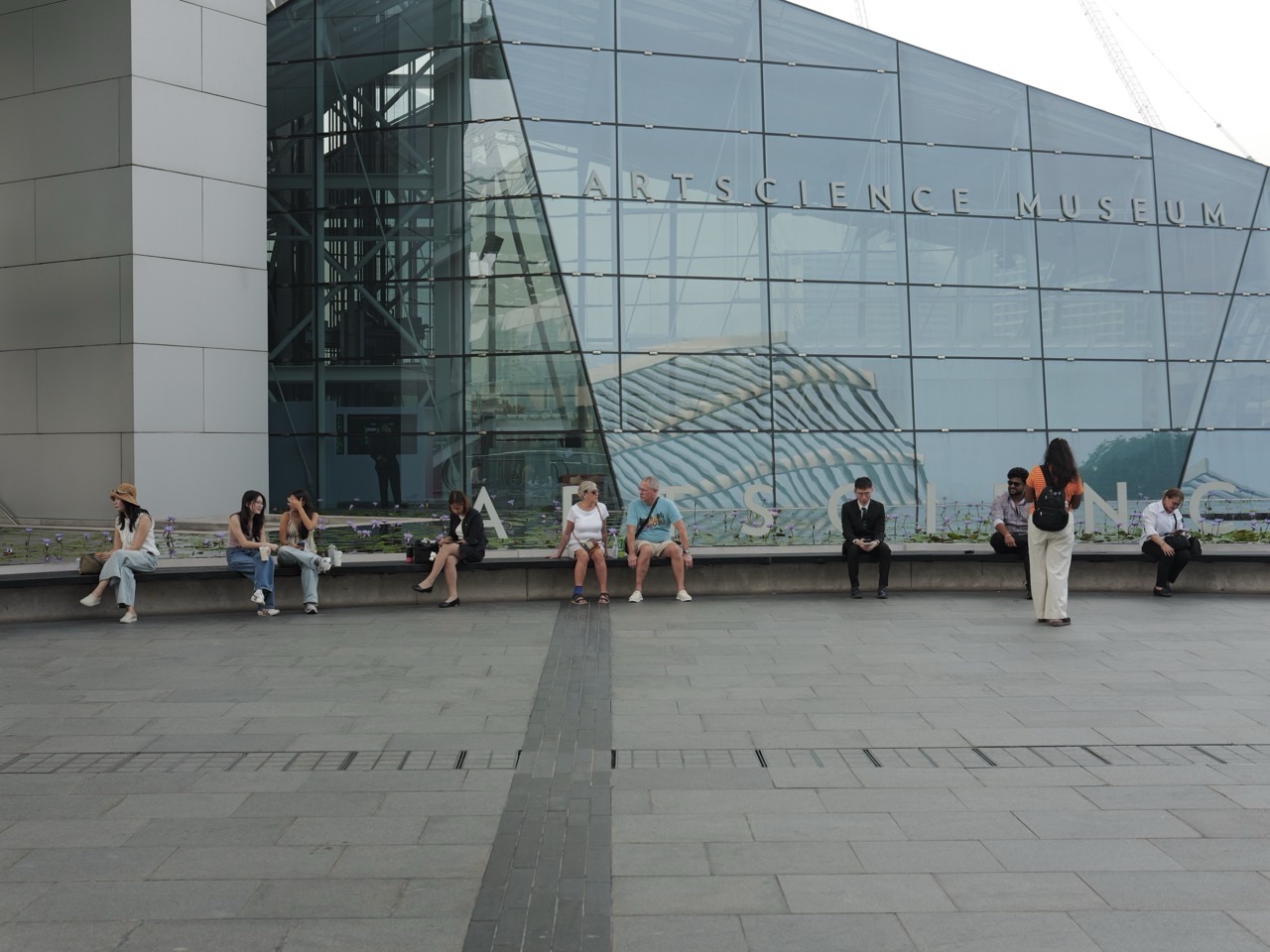
How Singapore Works | Tourism
Singapore’s tourism transforms the city into a cohesive experience, showcasing efficiency, cleanliness, safety, and multiculturalism. From Changi Airport to vibrant neighborhoods, every aspect represents the nation’s identity. This well-integrated system enhances visitor comfort, fosters trust, and ultimately promotes Singapore as a reliable destination, while emphasizing the emotional connection formed through tourism.
-

How Singapore Works | CPF
The Central Provident Fund (CPF) in Singapore is a vital savings system designed to connect work income to future needs such as housing, healthcare, and retirement. It requires contributions from both employees and employers, creating financial structure and discipline. CPF addresses long-term risks, ensuring that individuals are prepared for future uncertainties while promoting national stability.
-
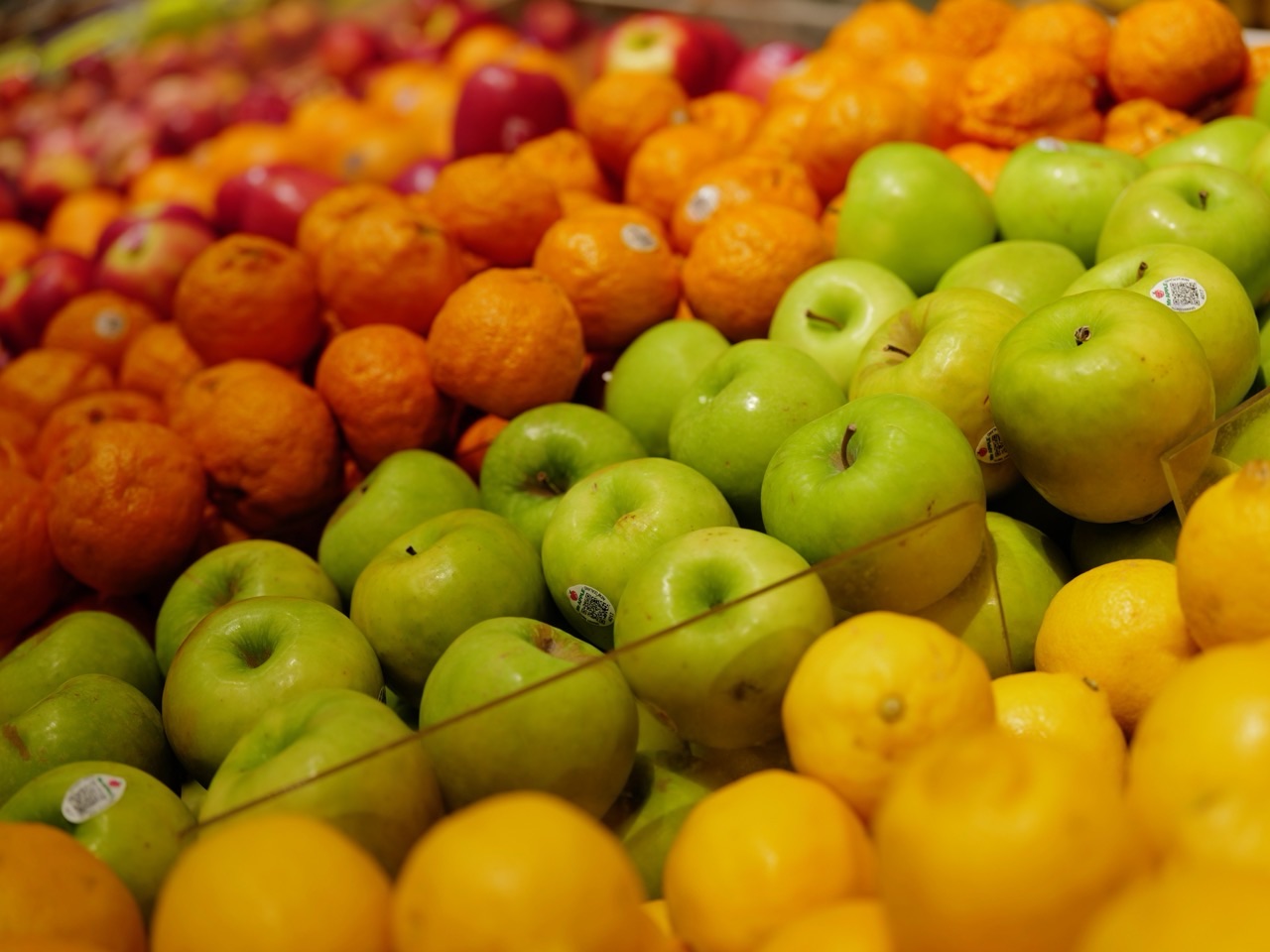
How Singapore Works | Food Security
Singapore faces significant food security challenges due to its reliance on imports for over 90% of its food. The nation addresses these risks by diversifying import sources, forming global partnerships, stockpiling essential items, and promoting local production. This strategic approach ensures the stability of their food supply amid external disruptions, maintaining trust and resilience within…
-

How Singapore Works | Healthcare
How Singapore healthcare works as a layered system of care delivery, subsidies, MediSave, MediShield Life, MediFund, prevention, ageing and family support. Current scheme parameters remain with MOH and CPF.
-

How Singapore Works | The CBD
The CBD of Singapore serves as the nation’s essential interface with the world, facilitating business, finance, and global relations. It transforms trust into commercial value, relying on the surrounding heartland for its workforce. This symbiotic relationship promotes economic efficiency while reflecting Singapore’s image as a reliable hub for international commerce.
-
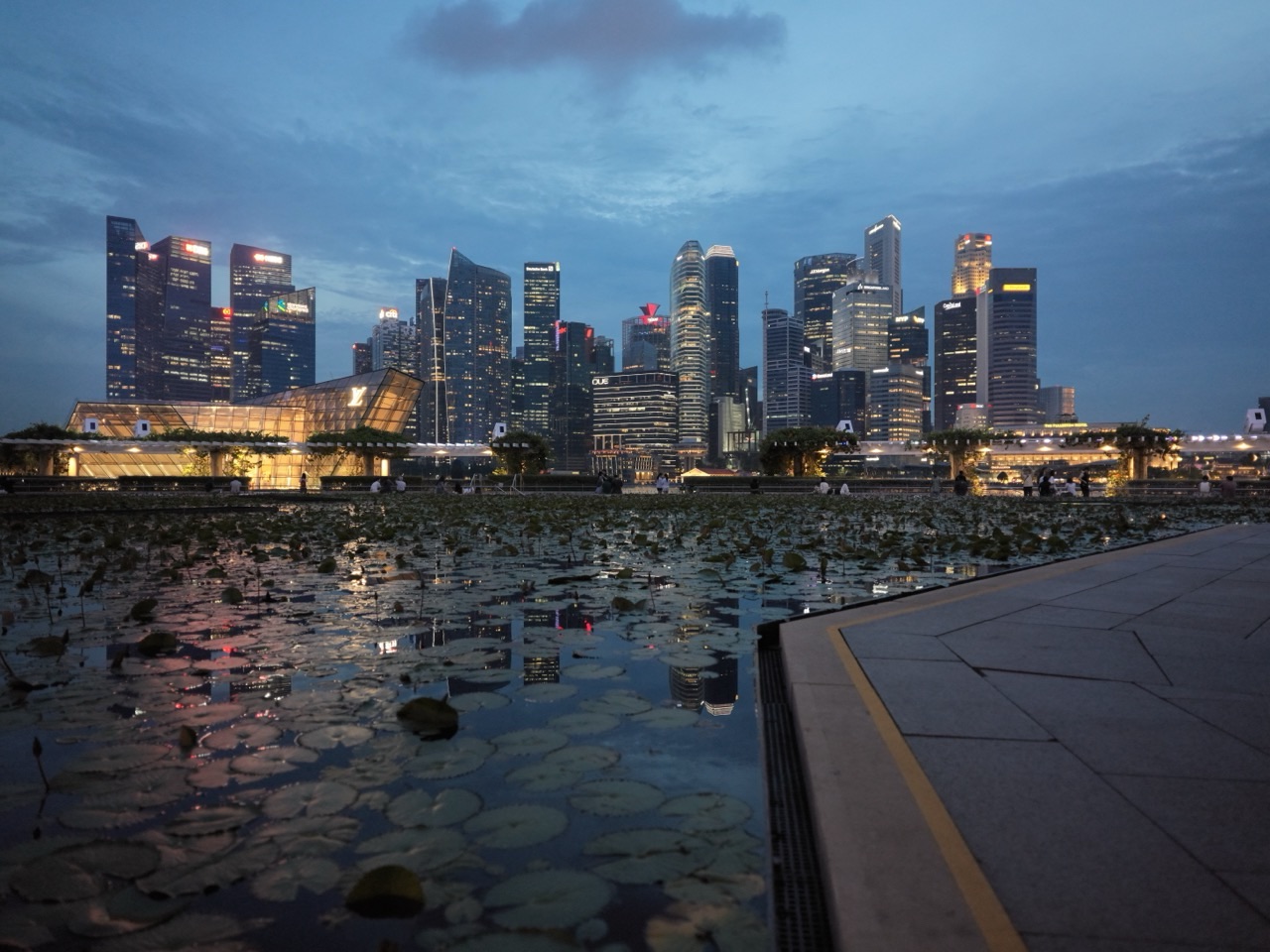
How Singapore Works | Water
Singapore, facing geographical water challenges, engineered its water security through a multifaceted system known as the Four National Taps: local catchment, imported water, NEWater, and desalinated water. This innovative approach not only ensures resilience against scarcity but also emphasizes conservation, public trust, and the integration of water management with national survival and economic stability.
-
How Singapore Works | The Heartland
The heartland of Singapore represents the everyday experience of its citizens, encompassing residential life, communal spaces, and essential services within walking distance. It serves as the connective tissue between home and nation, fostering social interactions and ensuring accessibility. As Singapore evolves, the heartland must adapt to changing demographics and pressures, highlighting its crucial role in…
What Is Civilisation by eduKateSG is a Civilisation, Society and Culture branch that explains civilisation as the long-term human system that carries knowledge, trust, responsibility, institutions, education, infrastructure, values, repair and future-readiness across generations.
This project studies civilisation not only as history, empires, cities, monuments, technology or economic progress, but as the living structure that allows people to survive, cooperate, learn, build, recover and pass a workable world forward.
Across the What Is Civilisation articles, eduKateSG explores the basic question of what civilisation really means. A civilisation is not only a powerful country or an ancient empire. It is a connected system of people, families, schools, communities, governments, laws, language, culture, work, trade, memory, science, technology, care and repair. Civilisation exists when enough of these systems can work together over time to protect life, transfer knowledge, organise society and prepare the next generation.
This branch explains civilisation as something that happens at many levels at once. At the smallest level, civilisation begins with daily behaviours: learning, teaching, speaking truthfully, keeping promises, caring for children, respecting rules, building trust and repairing harm. At larger levels, civilisation appears through schools, cities, healthcare, transport, food systems, energy systems, courts, governments, media, science, culture and international cooperation. The small and large levels are connected. When everyday trust breaks, large systems eventually weaken. When large systems fail, everyday life becomes harder.
What Is Civilisation also studies civilisational literacy. Many people read news, politics, war, culture, technology or education as separate topics, but civilisation is the larger pattern connecting them. A change in education may later affect society. A failure in trust may affect governance. A breakdown in news literacy may affect public reality. A war may damage infrastructure, memory and future opportunity. A climate or resource crisis may damage the planetary floor beneath every society. Civilisation literacy helps readers ask: What is this event doing to the long-term human system?
This project also separates civilisation from society and culture while showing how they depend on one another. Culture carries meaning, memory, values and identity. Society organises people into roles, duties, institutions and responsibilities. Civilisation holds these systems across time and connects them to survival, knowledge, infrastructure, governance, repair and future-building. Culture gives meaning. Society gives structure. Civilisation carries the whole system forward.
As part of eduKateSG’s wider CivilisationOS framework, What Is Civilisation helps students, parents, educators, readers and leaders understand civilisation as a living operating system rather than a distant historical topic. It asks what holds civilisation together, what breaks it apart, what must be protected, what needs repair, and how ordinary people contribute to the future through education, trust, responsibility, work, care and courage.
What Is Civilisation by eduKateSG is a long-form knowledge branch for readers who want to understand civilisation, civilisational literacy, society, culture, education, governance, war, news, repair, collapse, future-readiness and the human systems that allow people to live, learn, cooperate and build across time.
What Is Civilisation by eduKateSG explains civilisation as a living system of culture, society, education, trust, governance, repair, infrastructure, future-readiness and human survival.