
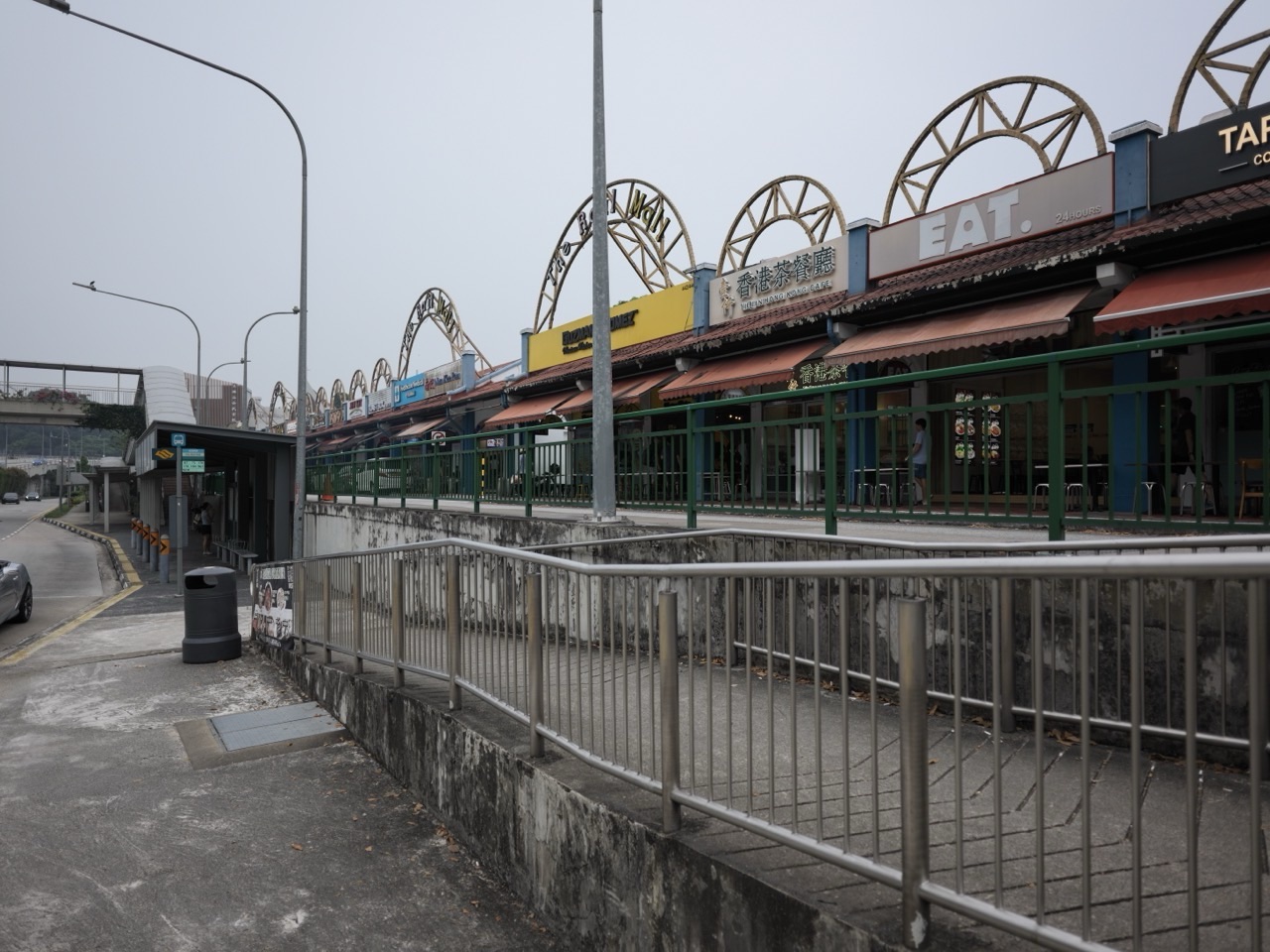
Hume MRT station opened on 28 February 2025, years after its structural shell had been built. Its history is an interesting example of planning ahead: provision for a future station came first, followed by the work needed to turn it into a functioning stop on an operating railway.
eduKateSG · Bukit Timah history
Choose your reading route
1. Why was there a shell station at Hume?
2. Construction had to work around the live railway
3. The route from the 2021 contract to the 2025 opening
4. Using Hume for a neighbourhood history outing
Why was there a shell station at Hume?
At the opening, Murali Pillai’s Ministry of Transport speech explained that a shell had been provided to preserve the option of opening a station as the area developed. Starting with that provision reduced the later time needed to deliver the station.
A shell is a useful way to understand the difference between reserving a possibility and providing a complete passenger service. The structure is one part of a station; the systems, access and testing needed for daily use come later.
The speech places the decision to proceed alongside changes around the Rail Corridor and plans for the former Bukit Timah Fire Station. The station’s story therefore connects transport planning with the evolving neighbourhood.
Look at the sequence as two decisions: make room for a future stop, then complete it when the case for opening has developed.
Construction had to work around the live railway
The same speech describes an unusual early constraint: there was no ground-level access to the station box. Construction material was delivered through the Downtown Line from Gali Batu Depot and Hillview station.
It also records integration of power, signalling and communications with the existing line, with much work and testing carried out during limited overnight engineering hours.
This helps explain why opening a station involves more than finishing platforms. The new stop must operate as part of a railway that is already carrying people.
Imagine adding a new room to a building that remains in daily use, then increasing the complexity to include trains, control systems and passenger access. The analogy is imperfect, but it conveys why the sequence of work matters so much.
The route from the 2021 contract to the 2025 opening
LTA’s January 2021 contract announcement provides a dated marker for the completion works. The opening speech notes that the groundbreaking ceremony took place exactly four years before the 28 February 2025 opening.
LTA’s Downtown Line page confirms the passenger-service opening date. That distinguishes the station’s operational beginning from the earlier existence of its shell.
The sequence is easy to remember: provision first, completion works later, then passenger service. Each stage answers a different question about when the station was built.
For residents, the last of those stages is the most immediately useful one. It is when a structure becomes a place to begin and end an ordinary journey.
Using Hume for a neighbourhood history outing
Our Hume MRT visitor guide covers exits and local orientation. Choose your destination before choosing an exit, and check the current signs at the station.
For a public heritage visit, the National Archives’ Former Ford Factory directions identify the approach from Hume MRT. The official Rail Corridor website provides current walking information for another nearby outing.
While passing through the station, think about the part of the story that is no longer visible: the interval when provision existed but passenger service had yet to begin.
Hume makes a useful modern companion to Bukit Timah’s older railway history. It shows a different generation of transport infrastructure becoming part of the neighbourhood’s daily life.