
Start with the main Day 35 Singapore River Cruise Vocabulary guide
This is extra Singapore River vocabulary companion reading, not a second Day 34 in the numbered series. The primary 100-word field guide is Top 100 Singapore Vocabulary Words | Day 35: Singapore River Cruise, Clarke Quay and Boat Quay Heritage. It provides the full operator-specific visitor guidance, ten thematic learning scenes, source-backed river history, responsible boating and a complete learning notebook. The original URL of this additional reading is retained so older links continue to lead readers here.
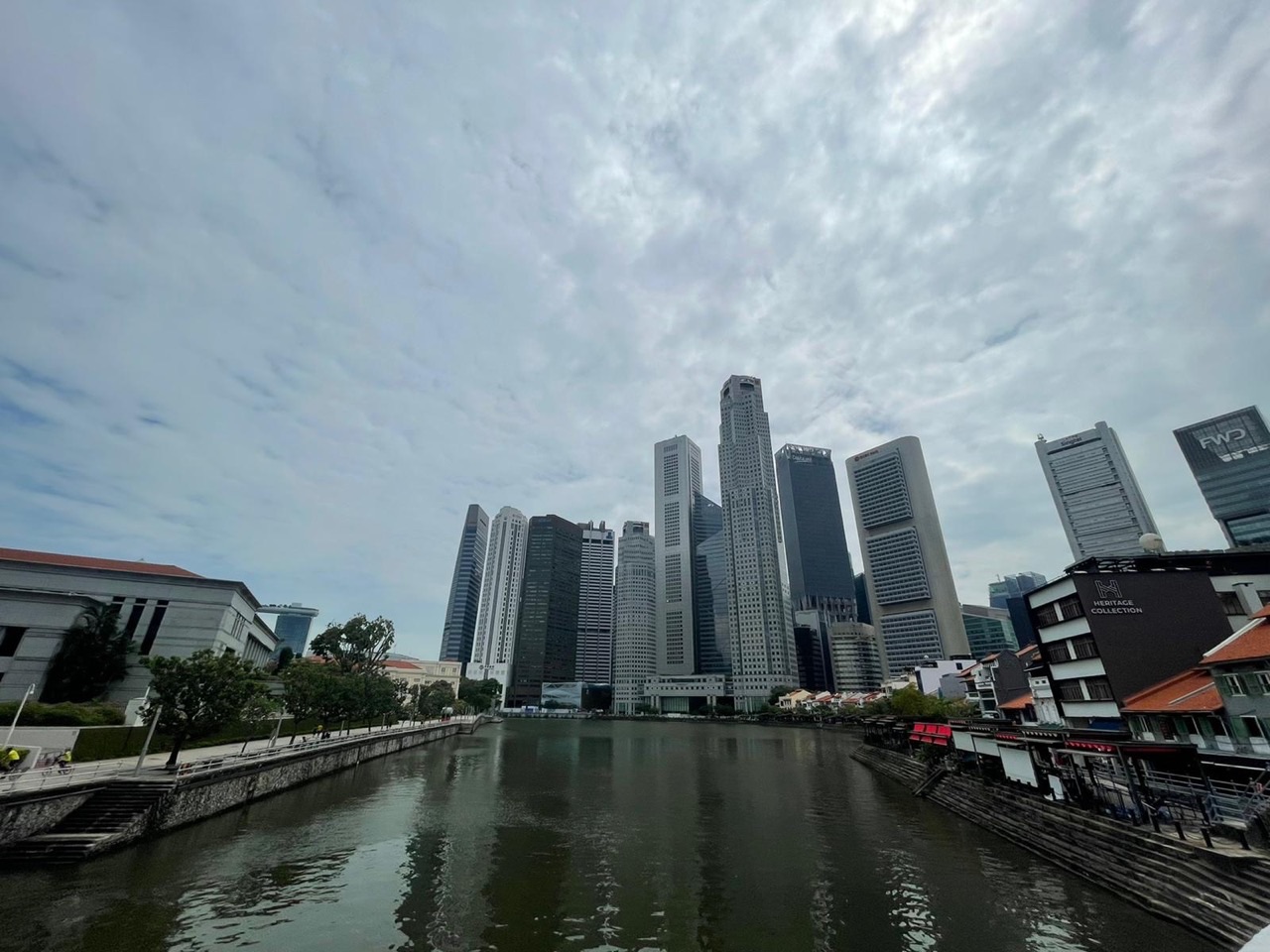
The Singapore River runs through the historic trading areas of Boat Quay, Clarke Quay and Robertson Quay, where boats once carried cargo into the city. It is now a place to walk beside conserved shophouses, cross old bridges, study public art and enjoy modern riverfront life. Between 1977 and 1987, the river underwent a ten-year clean-up; later, Marina Barrage helped create a freshwater reservoir. This article teaches 100 Singapore River, Boat Quay and Clarke Quay vocabulary words with clear meanings, sample sentences and cultural explanations.
Why is the Singapore River part of Singapore’s culture? For centuries, maritime communities, traders, port workers and residents lived and worked near the water. Merchants and cargo workers later made the river an important trade corridor. Its pollution and restoration show how urban growth can both provide livelihoods and damage the environment. The National Heritage Board’s river story records the people and commerce; its clean-up history records environmental improvement alongside relocations of some residents, hawkers and businesses. A credible heritage story includes all those chapters, not just a modern postcard.
Find an answer immediately using the 100-word finder, the three-quay explanation, the river clean-up timeline or the walking and cruise advice. This is an educational guide, not a live restaurant or river-cruise timetable. Current boating routes, public pathways and business hours should be checked for the particular day.
Singapore River in a minute: ten things worth knowing
- What: an important central Singapore waterway linking older trading districts with the Marina basin.
- Boat Quay: a lower-river commercial district associated with early land reclamation, godowns, bumboats and merchants.
- Clarke Quay: a later warehouse and shophouse area with conserved architecture, now widely used for leisure and dining.
- Robertson Quay: the largest and most upstream of the three main historical quays, associated with warehouses and later redevelopment.
- Clean-up: a coordinated programme from 1977 to 1987, officially declared complete on 2 September 1987.
- Water infrastructure: Marina Barrage opened in October 2008; Marina Reservoir was commissioned as freshwater in November 2010.
- Historic crossings: Cavenagh Bridge dates to 1869, and the current Elgin Bridge to 1929.
- Conservation: URA gazetted Boat and Clarke Quay conservation areas on 7 July 1989.
- Ways to explore: a public walk using NHB’s heritage material or a commercial boat service with its own route and ticket rules.
- What not to assume: a modern restaurant was always a restaurant, that every preserved bridge is wholly original, or that environmental improvement had no effect on local livelihoods.
Boat Quay, Clarke Quay and Robertson Quay: three related stories
Boat Quay grew rapidly as a commercial district near the lower Singapore River. URA’s Boat Quay record documents the earlier presence of Orang Laut communities and the Temenggong’s house at the river mouth, the 1822–23 colonial Town Plan and reclamation that shaped the riverbank. Its broad curve was associated with the name Belly of the Carp. Historic godowns and merchants moved goods between shore and visiting vessels. Today’s conserved shop rows tell only part of that wider story.
Clarke Quay is named for Governor Sir Andrew Clarke. URA’s conservation history records the 1880s River House, Teochew architectural traditions and substantial warehouse buildings. The district’s present venues are examples of adaptive reuse. A modern dinner under a bright canopy takes place where earlier workers stored and distributed cargo; the different uses deserve different descriptions.
Robertson Quay, farther upstream, developed from reclaimed low ground as the trading city expanded. URA identifies it with warehouses, boatyards and the name of municipal figure J. Murray Robertson. Later redevelopment introduced housing, hotels, arts and leisure. The three quays should not be combined into a claim that the whole river has one atmosphere, one admission policy or one original building type.
The 1977–1987 clean-up changed water and people
The river once carried rubbish, industrial waste and sewage so severe that aquatic life struggled. PUB’s official account describes a 1977–1987 multi-agency effort involving the removal of waste sources, refuse and polluted riverbed deposits. NHB’s historical narrative gives 2 September 1987 as the formal completion date. The conclusion was not that water had never been polluted or would never need management again; it marked a difficult ten-year transformation.
NHB also records that the programme involved relocation of over 46,000 people from squatter settlements across the Singapore River and Kallang Basin and nearly 5,000 itinerant hawkers to hawker centres. This matters. Clean water, improved sanitation and safer public spaces brought benefits, but some established communities and livelihoods were disrupted. The people affected should not be omitted because a present-day photograph looks beautiful.
The 2008 Barrage and 2010 freshwater dates are different
PUB’s Marina Barrage page gives 31 October 2008 for the Barrage’s official opening, April 2009 for the start of the desalting process and 20 November 2010 for the commissioning of Marina Reservoir as freshwater. The Barrage helps manage water supply, flood risk and recreation. All three dates should be distinguished from the 1987 river clean-up. The system still requires water-quality monitoring and careful urban drainage management.
Older photographs can show a tidal river serving cargo boats, while today’s basin is part of a freshwater reservoir system. This is why a student must check when a photograph was taken before explaining the water as if every generation used the river in the same way.
Bridges are chapters of Singapore’s engineering history
The National Heritage Board’s record for Cavenagh, Anderson and Elgin Bridges explains changing construction methods and transport needs. Cavenagh Bridge’s cast-iron construction dates to 1869; later crossings include steel and reinforced concrete. The current Elgin Bridge dates to 1929. Farther upstream, Coleman, Read, Ord and other bridges belong to distinct periods and may have been rebuilt. A bridge name may have a nineteenth-century origin without every current beam being that old.
During a walk, choose one bridge and ask three things: what did it connect, who needed to cross, and how has its physical structure changed? Those questions help students link architecture, engineering, social history and the geography of a city.
Free riverwalk or river cruise: choose the one you need
The National Heritage Board Singapore River Walk and its detailed booklet guide visitors through bridges, quays and buildings from the lower river to Robertson Quay. A self-guided walk can be educational without purchasing a boat ticket or a dining package. It is also flexible: a child can focus on one bridge and one former warehouse instead of trying to complete every stop at once.
A river cruise can offer a different perspective, but the operator sets boarding points, routes, schedules, safety conditions and prices. A photograph of a tourist bumboat does not verify today’s departure time or ticket validity. In Singapore’s tropical climate, thunderstorms and heavy rain may change the experience; follow any operator or official public-safety notice.
Why conservation in 1989 still matters
URA’s Boat Quay record and Clarke Quay record give 7 July 1989 as the conservation-area gazette date. The designations helped protect older trading streetscapes as the river’s role changed. Conservation is not the same as freezing every business in its original purpose: warehouse façades can frame contemporary dining and social spaces. Yet their historic origin should not be treated as merely decorative branding.
Public access and private ownership can coexist. A waterfront promenade may be open for walking, while tables, heritage buildings or boat landings are managed by businesses or operators. Respecting these boundaries is part of learning how a historic urban district actually works.
Choose one of ten vocabulary routes
- 1. Know where the Singapore River flows — words 1–10
- 2. Boat Quay and the people who made trade possible — words 11–20
- 3. Clarke Quay: old warehouses, new uses — words 21–30
- 4. Robertson Quay: the upstream extension of commerce — words 31–40
- 5. The 1977 to 1987 river clean-up — words 41–50
- 6. Marina Barrage and the freshwater basin — words 51–60
- 7. The bridges that let Singapore cross its history — words 61–70
- 8. Riverside walks and modern tourist boats — words 71–80
- 9. Preserved shophouses and riverfront life today — words 81–90
- 10. Memory, evidence and what the river means to Singapore — words 91–100
Quick finder: every one of the 100 terms
1–10: 1. Singapore River · 2. River mouth · 3. Upstream · 4. Downstream · 5. Riverbank · 6. Quay · 7. Promenade · 8. Marina Reservoir · 9. Tidal waterway · 10. Urban waterfront
11–20: 11. Boat Quay · 12. Orang Laut · 13. Temenggong · 14. Belly of the Carp · 15. Entrepôt trade · 16. Godown · 17. Bumboat · 18. Tongkang · 19. Lighterman · 20. Cargo landing
21–30: 21. Clarke Quay · 22. Sir Andrew Clarke · 23. River House · 24. Teochew architectural style · 25. Cannery · 26. Whampoa’s Ice House · 27. Gambier · 28. Godown conversion · 29. Covered courtyard · 30. Nightlife district
31–40: 31. Robertson Quay · 32. J. Murray Robertson · 33. Upstream warehouse · 34. Boatyard · 35. Tidal swamp · 36. Warehouse district · 37. Land reclamation · 38. Residential redevelopment · 39. Riverside arts space · 40. Alkaff Quay
41–50: 41. River pollution · 42. 1977 clean-up programme · 43. 2 September 1987 completion · 44. Untreated sewage · 45. Industrial effluent · 46. Refuse removal · 47. Dredging · 48. Business relocation · 49. Housing resettlement · 50. Coordinated public policy
51–60: 51. Marina Barrage · 52. 31 October 2008 · 53. Desalting · 54. 20 November 2010 · 55. Catchment · 56. Flood control · 57. Barrage gate · 58. Stormwater runoff · 59. Freshwater reservoir · 60. Water-quality monitoring
61–70: 61. Cavenagh Bridge · 62. Anderson Bridge · 63. Elgin Bridge · 64. Coleman Bridge · 65. Read Bridge · 66. Ord Bridge · 67. Clemenceau Bridge · 68. Alkaff Bridge · 69. Pedestrian crossing · 70. Bridge conservation
71–80: 71. River cruise · 72. Tourist bumboat · 73. Embarkation · 74. Disembarkation · 75. Cruise route · 76. Boarding point · 77. Ticket validity · 78. Life jacket · 79. Weather restriction · 80. Self-guided heritage walk
81–90: 81. Conservation area · 82. 7 July 1989 designation · 83. Shophouse · 84. Five-foot way · 85. Warehouse façade · 86. Restoration · 87. Adaptive reuse · 88. Riverside dining · 89. Public-private boundary · 90. Neighbourhood impact
91–100: 91. Singapore River Walk · 92. Historical evidence · 93. Oral history · 94. Archival photograph · 95. Historical interpretation · 96. Source attribution · 97. Social displacement · 98. Environmental legacy · 99. Community memory · 100. Evidence-based caption
How to learn Singapore vocabulary from a real street scene
Use the routine notice → name → explain → check → retrieve. Look at one physical feature, such as a bridge or river step. Name it clearly and explain its function. Then ask what the image cannot prove: a preserved building does not establish its current owner or original use, and a riverboat in a photograph does not establish today’s service schedule. Source-check one date, then write your new sentence from memory.
Primary-school readers can begin with riverbank, quay, boat and bridge. Secondary students can use more demanding terms such as entrepôt trade, land reclamation, urban water catchment and social displacement. A good response does not merely declare that old Singapore was exciting or the modern city clean; it offers an actual explanation and recognises people whose experiences differed.
Part 1 — Know where the Singapore River flows
The river connects historic commercial districts to today’s managed Marina basin. Its geography helps visitors interpret maps and understand why a quay, a bridge and a reservoir serve different purposes.
1. Singapore River
Meaning: The historic waterway winding through central Singapore toward Marina Reservoir. Example: “We walked beside the Singapore River after lunch.” Singapore historical and cultural significance: It links early port trade with today’s waterfront and water management.
2. River mouth
Meaning: The point where a river meets a bay or another water body. Example: “We began near the river mouth at the Civic District.” Singapore historical and cultural significance: The river mouth has changed as land was reclaimed and the basin was managed.
3. Upstream
Meaning: The direction toward a river’s source rather than its mouth. Example: “Our walk went upstream to Robertson Quay.” Singapore historical and cultural significance: Useful for describing the order of the three historic quays.
4. Downstream
Meaning: The direction in which a river usually flows toward its outlet. Example: “Boat Quay is generally downstream of Robertson Quay.” Singapore historical and cultural significance: A directional word makes a route clearer than saying left or right without a map.
5. Riverbank
Meaning: The land immediately beside a waterway. Example: “Older warehouses stood on the riverbank.” Singapore historical and cultural significance: Workers used the river edge for trade before it became a promenade.
6. Quay
Meaning: A waterfront place or structure used by boats for loading, unloading or stopping. Example: “The old quay handled cargo from smaller boats.” Singapore historical and cultural significance: It explains the names Boat Quay, Clarke Quay and Robertson Quay.
7. Promenade
Meaning: A pedestrian route intended for walking beside water or through a public setting. Example: “We strolled along the riverside promenade.” Singapore historical and cultural significance: A commercial waterway has also become public walking space.
8. Marina Reservoir
Meaning: The freshwater reservoir connected to the Singapore River and central Marina basin. Example: “The river now drains into the Marina Reservoir system.” Singapore historical and cultural significance: The Barrage project changed the older open tidal-water relationship.
9. Tidal waterway
Meaning: A waterway whose level or flow is influenced by the sea’s tides. Example: “Historical boats worked in a tidal waterway.” Singapore historical and cultural significance: The term applies differently before and after the later Marina Barrage.
10. Urban waterfront
Meaning: The place where a built-up city meets a river, harbour or other water. Example: “Singapore’s urban waterfront includes both heritage and modern buildings.” Singapore historical and cultural significance: It invites questions about public access, transport and infrastructure.
Part 1 recall challenge: Choose three words and explain them without the definitions. Use one in a short heritage caption and one in a visitor question. Name a relevant primary source or note what you cannot be sure of.
Part 2 — Boat Quay and the people who made trade possible
Boat Quay was an early centre of the trading port, built along a curved riverbank. The working history includes Orang Laut and Malay communities, Chinese merchants, cargo workers and many other residents; it did not begin as a dining strip.
11. Boat Quay
Meaning: The historically busy commercial quay near the lower Singapore River. Example: “Boat Quay is now known for conserved shophouses.” Singapore historical and cultural significance: A former goods-transfer district became a riverfront dining and public-walking area.
12. Orang Laut
Meaning: Maritime communities of the Malay world, often translated as Sea People. Example: “The heritage sign described Orang Laut communities near the river.” Singapore historical and cultural significance: Their presence predates the colonial trading-house story.
13. Temenggong
Meaning: A Malay title associated with security and leadership in older regional polities. Example: “The Temenggong had a house near the historic river mouth.” Singapore historical and cultural significance: It records local authority before British plans reshaped the settlement.
14. Belly of the Carp
Meaning: A historical nickname for the broad Boat Quay river bend. Example: “Some Chinese merchants called the bend the Belly of the Carp.” Singapore historical and cultural significance: The fish-shaped curve held symbolic commercial meaning in local accounts.
15. Entrepôt trade
Meaning: The import, storage and re-export of goods through a trading port. Example: “Entrepôt trade helped Singapore grow.” Singapore historical and cultural significance: It explains why so many warehouses and merchant offices stood near the river.
16. Godown
Meaning: A warehouse used to store commercial goods. Example: “The godown once held bags of rice and other cargo.” Singapore historical and cultural significance: A regional word survives in documents and conserved building descriptions.
17. Bumboat
Meaning: A small boat used historically for short-distance waterborne transport and trade. Example: “Bumboats once crowded Boat Quay.” Singapore historical and cultural significance: Modern sightseeing boats evoke the appearance of earlier working vessels.
18. Tongkang
Meaning: A traditional cargo vessel used in regional rivers and coastal trade. Example: “A tongkang carried goods toward the quay.” Singapore historical and cultural significance: Its role is specific to transport work rather than tourism.
19. Lighterman
Meaning: A worker who moves goods in a lighter or smaller cargo craft. Example: “Lightermen carried cargo between big ships and the bank.” Singapore historical and cultural significance: Port success depended on people performing physically difficult work.
20. Cargo landing
Meaning: A designated waterside point where goods could be transferred onto land. Example: “Historical cargo landings had steps at the river’s edge.” Singapore historical and cultural significance: Some preserved river steps help readers imagine the labour once done there.
Part 2 recall challenge: Choose three words and explain them without the definitions. Use one in a short heritage caption and one in a visitor question. Name a relevant primary source or note what you cannot be sure of.
Part 3 — Clarke Quay: old warehouses, new uses
Clarke Quay now contains restaurants, music and busy evening public spaces, but URA describes large old warehouses and shophouses whose earlier uses were commercial, residential and industrial.
21. Clarke Quay
Meaning: The historic riverside warehouse precinct now adapted for dining and entertainment. Example: “We visited Clarke Quay on a heritage walk.” Singapore historical and cultural significance: The name applies to a district with multiple premises, not one restaurant.
22. Sir Andrew Clarke
Meaning: A colonial governor after whom Clarke Quay was named. Example: “The trail explained the name Sir Andrew Clarke.” Singapore historical and cultural significance: A geographical name preserves one strand of colonial administrative history.
23. River House
Meaning: A conserved Teochew-style merchant house at Clarke Quay dating to the 1880s. Example: “River House stands among later commercial uses.” Singapore historical and cultural significance: The building shows how a former residence could become a warehouse.
24. Teochew architectural style
Meaning: Building features historically associated with Teochew Chinese communities. Example: “The roof ridge showed Teochew architectural details.” Singapore historical and cultural significance: Community craftsmanship shaped Clarke Quay’s historic streetscape.
25. Cannery
Meaning: A place where food was processed and preserved, often in sealed cans. Example: “A former cannery is part of the quay’s history.” Singapore historical and cultural significance: An industrial activity can survive as a building name after the work has ended.
26. Whampoa’s Ice House
Meaning: A historic ice-storage place linked to merchant Hoo Ah Kay. Example: “The trail mentioned Whampoa’s Ice House.” Singapore historical and cultural significance: Ice was once valuable technology before modern refrigeration became widespread.
27. Gambier
Meaning: A plant-derived commodity formerly used in tanning and other processes. Example: “Gambier was among the goods stored in river warehouses.” Singapore historical and cultural significance: Naming a commodity reveals what older commerce actually handled.
28. Godown conversion
Meaning: The change of a warehouse into a venue with a different use. Example: “A godown conversion created a modern hospitality space.” Singapore historical and cultural significance: Physical heritage can be kept while the building’s function changes.
29. Covered courtyard
Meaning: An open or partly enclosed area with roof protection for visitors. Example: “We rested in a covered courtyard away from the sun.” Singapore historical and cultural significance: Comfort improvements are modern additions beside old building fabric.
30. Nightlife district
Meaning: A part of a city with concentrated evening restaurants, venues and activity. Example: “Clarke Quay is commonly described as a nightlife district.” Singapore historical and cultural significance: The contemporary identity differs from the earlier cargo economy.
Part 3 recall challenge: Choose three words and explain them without the definitions. Use one in a short heritage caption and one in a visitor question. Name a relevant primary source or note what you cannot be sure of.
Part 4 — Robertson Quay: the upstream extension of commerce
Robertson Quay developed later as trade expanded up the river. Its former warehouses, yards and reclaimed ground have been adapted into a mixed neighbourhood with homes, restaurants and cultural facilities.
31. Robertson Quay
Meaning: The most upstream and largest of the three main historic Singapore River quays. Example: “We followed the river toward Robertson Quay.” Singapore historical and cultural significance: Its waterfront developed later than the earliest Boat Quay trade.
32. J. Murray Robertson
Meaning: The municipal figure after whom Robertson Quay is generally named. Example: “URA associates the quay with J. Murray Robertson.” Singapore historical and cultural significance: Naming history should be attributed to a reliable source rather than guessed.
33. Upstream warehouse
Meaning: A storehouse farther inland along a river. Example: “The upstream warehouse held imported commodities.” Singapore historical and cultural significance: Commercial expansion required more storage space beyond Boat Quay.
34. Boatyard
Meaning: A place where boats are built, repaired or maintained. Example: “Boatyards once operated near Robertson Quay.” Singapore historical and cultural significance: Industrial skill formed part of the district’s identity.
35. Tidal swamp
Meaning: Low-lying wetland influenced by changing sea levels. Example: “The older district included tidal swamp.” Singapore historical and cultural significance: Reclamation changed the original physical geography.
36. Warehouse district
Meaning: An area with concentrations of buildings for commercial storage. Example: “Early-twentieth-century Robertson Quay became a warehouse district.” Singapore historical and cultural significance: Large trade networks needed storage and river access.
37. Land reclamation
Meaning: Creating usable land by filling areas previously covered with water. Example: “Land reclamation changed the upper riverbank.” Singapore historical and cultural significance: The present urban district does not preserve the original shoreline unchanged.
38. Residential redevelopment
Meaning: Rebuilding or reusing urban land for housing. Example: “Residential redevelopment followed a change in port uses.” Singapore historical and cultural significance: People now live where older maritime work once dominated.
39. Riverside arts space
Meaning: A place by the river used for exhibitions or creative activities. Example: “A riverside arts space added another reason to visit.” Singapore historical and cultural significance: Contemporary cultural life is not limited to restaurant dining.
40. Alkaff Quay
Meaning: An older riverside location associated with the Alkaff merchant family. Example: “Alkaff Quay appears in the upstream river history.” Singapore historical and cultural significance: Arab merchant networks contributed to Singapore’s trade and land ownership.
Part 4 recall challenge: Choose three words and explain them without the definitions. Use one in a short heritage caption and one in a visitor question. Name a relevant primary source or note what you cannot be sure of.
Part 5 — The 1977 to 1987 river clean-up
The ten-year clean-up is a major environmental achievement and also a story of resettlement and changing livelihoods. PUB and NHB document pollution sources, infrastructure projects and the formal completion date.
41. River pollution
Meaning: Contamination of river water by sewage, rubbish and other harmful materials. Example: “River pollution was severe in the 1970s.” Singapore historical and cultural significance: The condition reflected accumulated effects of urban and industrial activity.
42. 1977 clean-up programme
Meaning: A coordinated effort begun in 1977 to clean the Singapore River and Kallang Basin. Example: “The 1977 programme involved several agencies.” Singapore historical and cultural significance: Its objective was broader than collecting visible litter.
43. 2 September 1987 completion
Meaning: The date the ten-year clean-up was formally declared complete. Example: “The class recorded 2 September 1987.” Singapore historical and cultural significance: The date differs from when cargo trade largely ended and when Marina Barrage later opened.
44. Untreated sewage
Meaning: Wastewater released without the treatment needed to protect public health and the environment. Example: “Untreated sewage once entered the waterway.” Singapore historical and cultural significance: Sanitation reform was vital to long-term river quality.
45. Industrial effluent
Meaning: Wastewater produced by factories or other industrial operations. Example: “Industrial effluent contributed to the polluted river.” Singapore historical and cultural significance: Controlling pollutant sources matters more than surface appearance alone.
46. Refuse removal
Meaning: The collection of discarded objects and waste from an area. Example: “Refuse removal took place during the project.” Singapore historical and cultural significance: Visible cleaning was only one part of the water-quality effort.
47. Dredging
Meaning: Removing material from the bottom of a river or other water body. Example: “Dredging removed deposits from the riverbed.” Singapore historical and cultural significance: Heavy engineering was needed alongside better sewage management.
48. Business relocation
Meaning: Moving commercial operations from one site to another. Example: “Business relocation altered riverside livelihoods.” Singapore historical and cultural significance: Environmental projects can change where people work.
49. Housing resettlement
Meaning: Moving households into different accommodation during urban change. Example: “Housing resettlement affected communities by the river.” Singapore historical and cultural significance: The environmental improvement had human and social consequences.
50. Coordinated public policy
Meaning: Different public organisations working toward connected government goals. Example: “The clean-up depended on coordinated public policy.” Singapore historical and cultural significance: Water, housing, health and trade could not be addressed separately.
Part 5 recall challenge: Choose three words and explain them without the definitions. Use one in a short heritage caption and one in a visitor question. Name a relevant primary source or note what you cannot be sure of.
Part 6 — Marina Barrage and the freshwater basin
PUB documents a sequence of distinct milestones: Barrage opened in 2008, desalting began in 2009, and the reservoir was commissioned as freshwater in 2010. The waterway’s role therefore changed again long after the 1987 clean-up.
51. Marina Barrage
Meaning: A water-control structure spanning Marina Channel. Example: “Marina Barrage helps manage the city’s central water basin.” Singapore historical and cultural significance: Its functions include flood control, water supply and recreation.
52. 31 October 2008
Meaning: The official opening date of Marina Barrage. Example: “PUB lists 31 October 2008 for the opening.” Singapore historical and cultural significance: Opening the structure was not the same moment as commissioning the freshwater reservoir.
53. Desalting
Meaning: The process of reducing salt in a body of water. Example: “Desalting began in April 2009.” Singapore historical and cultural significance: Fresh rainfall gradually changed the formerly saltier basin.
54. 20 November 2010
Meaning: The date Marina Reservoir was commissioned as a freshwater reservoir. Example: “The commissioning took place in November 2010.” Singapore historical and cultural significance: It is a later milestone than both the 1987 clean-up and the 2008 Barrage opening.
55. Catchment
Meaning: Land from which rainfall drains into a water body or collection system. Example: “The city’s catchment supplies water to Marina Reservoir.” Singapore historical and cultural significance: Urban streets and drainage infrastructure form part of the water cycle.
56. Flood control
Meaning: Measures reducing the likelihood or severity of damaging floods. Example: “The Barrage contributes to flood control.” Singapore historical and cultural significance: Water levels have to be managed under changing weather conditions.
57. Barrage gate
Meaning: A movable part of a barrier regulating water movement. Example: “A barrage gate can be operated under specific conditions.” Singapore historical and cultural significance: Controllable infrastructure is distinct from a natural riverbank.
58. Stormwater runoff
Meaning: Rainwater travelling over roofs, roads or soil into drains and waterways. Example: “Stormwater runoff increased after heavy rain.” Singapore historical and cultural significance: A built-up city needs systems for safe collection and release.
59. Freshwater reservoir
Meaning: A managed body of relatively low-salinity water stored for use and treatment. Example: “Marina Reservoir is a freshwater reservoir.” Singapore historical and cultural significance: Stored water still requires environmental protection and treatment.
60. Water-quality monitoring
Meaning: Regular testing and observation of conditions affecting the water. Example: “Water-quality monitoring continued after the project.” Singapore historical and cultural significance: A clean-up cannot guarantee permanent results without maintenance.
Part 6 recall challenge: Choose three words and explain them without the definitions. Use one in a short heritage caption and one in a visitor question. Name a relevant primary source or note what you cannot be sure of.
Part 7 — The bridges that let Singapore cross its history
Bridges are useful places to study engineering, commerce and public movement. NHB records older crossings and distinguishes surviving original structures from rebuilt versions.
61. Cavenagh Bridge
Meaning: The historic river crossing completed in 1869 near Empress Place. Example: “We crossed Cavenagh Bridge on foot.” Singapore historical and cultural significance: It is the oldest surviving suspension bridge over the river.
62. Anderson Bridge
Meaning: A road bridge near the lower Singapore River dating to the early twentieth century. Example: “Anderson Bridge appeared beside the old pedestrian crossing.” Singapore historical and cultural significance: It reflects newer transport and structural technology.
63. Elgin Bridge
Meaning: The present 1929 crossing between North and South Bridge Roads. Example: “Elgin Bridge linked the two sides of our walk.” Singapore historical and cultural significance: The site has a longer bridge history than the surviving structure.
64. Coleman Bridge
Meaning: A crossing named after early colonial architect George D. Coleman. Example: “Coleman Bridge led toward Clarke Quay.” Singapore historical and cultural significance: Reconstruction means an old bridge name need not imply all the present material is original.
65. Read Bridge
Meaning: A crossing at Clarke Quay associated with merchant William Henry Read. Example: “We took a photograph from Read Bridge.” Singapore historical and cultural significance: It belongs to the district’s trading history and pedestrian network.
66. Ord Bridge
Meaning: A historic crossing named for Sir Harry St George Ord. Example: “Ord Bridge appeared on the heritage trail map.” Singapore historical and cultural significance: Bridge names reflect successive periods of colonial administration.
67. Clemenceau Bridge
Meaning: A bridge on the upstream city-side river network. Example: “We crossed Clemenceau Bridge toward the next heritage stop.” Singapore historical and cultural significance: A bridge’s role depends on its place in the changing street network.
68. Alkaff Bridge
Meaning: The distinctive pedestrian bridge at Robertson Quay with a boat-like shape. Example: “We admired Alkaff Bridge from the bank.” Singapore historical and cultural significance: Its name remembers an Arab merchant family’s riverfront holdings.
69. Pedestrian crossing
Meaning: A designated route allowing people to pass safely from one side to another. Example: “We chose a marked pedestrian crossing.” Singapore historical and cultural significance: Safe movement matters as much as an attractive riverside photograph.
70. Bridge conservation
Meaning: Care and protection of bridges with historical and technical value. Example: “Bridge conservation preserved the older engineering story.” Singapore historical and cultural significance: A structure requires maintenance to remain safe and historically legible.
Part 7 recall challenge: Choose three words and explain them without the definitions. Use one in a short heritage caption and one in a visitor question. Name a relevant primary source or note what you cannot be sure of.
Part 8 — Riverside walks and modern tourist boats
Today’s river cruises are visitor services, not reinstated freight routes. A heritage trail is usually accessible for independent learning, while commercial boats need date-specific tickets and boarding instructions.
71. River cruise
Meaning: A passenger boat trip intended for sightseeing. Example: “We considered a river cruise after a museum visit.” Singapore historical and cultural significance: Modern boat tourism differs from earlier commercial cargo operations.
72. Tourist bumboat
Meaning: A passenger vessel whose design or branding recalls traditional riverboats. Example: “A tourist bumboat travelled past the shophouses.” Singapore historical and cultural significance: The word bumboat survives in another economic context.
73. Embarkation
Meaning: The act of boarding a vessel at a designated place. Example: “We checked the embarkation point on our ticket.” Singapore historical and cultural significance: A passenger must use an authorised landing.
74. Disembarkation
Meaning: The act of leaving a vessel at the end of a journey. Example: “The crew directed disembarkation.” Singapore historical and cultural significance: Safe boat access is not the same as climbing from any river step.
75. Cruise route
Meaning: The set course a tour operator intends to follow. Example: “We read the cruise route before paying.” Singapore historical and cultural significance: Routes vary by operator and changing river conditions.
76. Boarding point
Meaning: The named place where passengers may enter a vessel. Example: “The ticket stated one boarding point.” Singapore historical and cultural significance: A boat visible from a bridge may not stop at that location.
77. Ticket validity
Meaning: The dates, times and conditions when an entry product can be used. Example: “We checked ticket validity before leaving home.” Singapore historical and cultural significance: A promotional photograph cannot prove current ticket rights.
78. Life jacket
Meaning: A personal flotation device used under applicable maritime safety procedures. Example: “The staff showed passengers the life jackets.” Singapore historical and cultural significance: Operator instructions take priority over casual assumptions.
79. Weather restriction
Meaning: A condition under which an outdoor activity may be delayed or cancelled for safety. Example: “A thunderstorm created a weather restriction.” Singapore historical and cultural significance: Singapore weather can change a planned river outing.
80. Self-guided heritage walk
Meaning: A route followed independently using published history and maps. Example: “We chose a self-guided heritage walk instead of a cruise.” Singapore historical and cultural significance: NHB provides free learning material for understanding quays and bridges.
Part 8 recall challenge: Choose three words and explain them without the definitions. Use one in a short heritage caption and one in a visitor question. Name a relevant primary source or note what you cannot be sure of.
Part 9 — Preserved shophouses and riverfront life today
URA protected Boat and Clarke Quay conservation areas in 1989. New restaurants and leisure uses can operate in older buildings, but public routes remain distinct from private premises and residents’ needs.
81. Conservation area
Meaning: A district with selected buildings or streets protected for their historic value. Example: “Boat Quay is a conservation area.” Singapore historical and cultural significance: Protection recognises the former commercial streetscape.
82. 7 July 1989 designation
Meaning: The date Boat and Clarke Quay conservation areas were formally gazetted. Example: “Our history notes included 7 July 1989.” Singapore historical and cultural significance: Designation is distinct from each shophouse’s construction date.
83. Shophouse
Meaning: A narrow traditional urban building used for commercial and sometimes residential purposes. Example: “Conserved shophouses line the river.” Singapore historical and cultural significance: They connect architecture with small business and family history.
84. Five-foot way
Meaning: A sheltered passage commonly found in front of historic Southeast Asian shophouses. Example: “We stayed under the five-foot way during rain.” Singapore historical and cultural significance: Pedestrian shelter reflects everyday tropical urban design.
85. Warehouse façade
Meaning: The exterior front of a building once used to store goods. Example: “The warehouse façade remained after interior changes.” Singapore historical and cultural significance: An old exterior does not prove a building’s present business is old.
86. Restoration
Meaning: Repairing or recovering significant features of an older building. Example: “Restoration brought back the decorative details.” Singapore historical and cultural significance: Authentic conservation requires research and craftspeople.
87. Adaptive reuse
Meaning: Giving an old building a new compatible purpose. Example: “Adaptive reuse turned a warehouse into a dining venue.” Singapore historical and cultural significance: It allows commercial life to continue without losing all the physical history.
88. Riverside dining
Meaning: Food service operating beside a river. Example: “Riverside dining drew evening visitors.” Singapore historical and cultural significance: The contemporary use is different from earlier cargo work.
89. Public-private boundary
Meaning: The division between common pathways and privately controlled space. Example: “The family respected the public-private boundary near restaurant tables.” Singapore historical and cultural significance: Historic buildings do not automatically grant unrestricted access.
90. Neighbourhood impact
Meaning: The effects of activities on nearby people, businesses and public space. Example: “The council considered the neighbourhood impact of late events.” Singapore historical and cultural significance: Tourism brings opportunities but also noise and crowd considerations.
Part 9 recall challenge: Choose three words and explain them without the definitions. Use one in a short heritage caption and one in a visitor question. Name a relevant primary source or note what you cannot be sure of.
Part 10 — Memory, evidence and what the river means to Singapore
The final words are research skills. A credible history includes the people whose labour built the port and those relocated during environmental improvement, instead of treating the modern river as a story without social costs.
91. Singapore River Walk
Meaning: The National Heritage Board’s heritage trail linking river quays, bridges and community sites. Example: “We used the Singapore River Walk booklet to plan a short visit.” Singapore historical and cultural significance: It gives a credible framework rather than only tourism advertising.
92. Historical evidence
Meaning: Original or well-supported information about the past. Example: “The school essay used historical evidence for the clean-up.” Singapore historical and cultural significance: A confident claim still needs a checkable source.
93. Oral history
Meaning: Recorded first-hand memories of people who experienced past events. Example: “An oral history described workers unloading cargo.” Singapore historical and cultural significance: Personal testimony gives texture to official timelines.
94. Archival photograph
Meaning: A photograph preserved as a historic record. Example: “The archival photograph showed boats near Boat Quay.” Singapore historical and cultural significance: A dated photograph should not be described as today’s traffic.
95. Historical interpretation
Meaning: A reasoned account of what evidence tells us about a past event. Example: “Our historical interpretation linked trade and pollution.” Singapore historical and cultural significance: Interpretations should distinguish documented fact from inference.
96. Source attribution
Meaning: Naming the author, agency or source behind a quoted fact. Example: “We added source attribution for an NHB bridge date.” Singapore historical and cultural significance: Readers can then verify and evaluate the claim.
97. Social displacement
Meaning: Movement or disruption of people and communities through redevelopment. Example: “The project involved social displacement as well as clean water.” Singapore historical and cultural significance: People’s livelihoods deserve attention alongside environmental achievements.
98. Environmental legacy
Meaning: The longer-term result of actions affecting natural systems. Example: “The clean river is an environmental legacy requiring care.” Singapore historical and cultural significance: Infrastructure changes should be maintained and assessed over time.
99. Community memory
Meaning: Shared recollections of people connected with a place. Example: “River families hold different forms of community memory.” Singapore historical and cultural significance: One attractive photograph does not represent every resident.
100. Evidence-based caption
Meaning: Text that clearly identifies an image and what can be supported about it. Example: “We wrote an evidence-based caption for the bridge photograph.” Singapore historical and cultural significance: An honest caption separates observation, source-supported history and opinion.
Part 10 recall challenge: Choose three words and explain them without the definitions. Use one in a short heritage caption and one in a visitor question. Name a relevant primary source or note what you cannot be sure of.
Worked example: three river milestones collapsed into one year
Misleading statement: “In 1987 Singapore built Marina Barrage and created the clean freshwater river.” This improperly combines several events. The major clean-up was completed in 1987; the Barrage opened in 2008, desalting began in 2009, and the freshwater reservoir was commissioned in 2010.
Corrected statement: “Singapore’s ten-year river clean-up was formally completed on 2 September 1987. The later Marina Barrage opened on 31 October 2008, with Marina Reservoir commissioned as a freshwater reservoir on 20 November 2010.” The sentence distinguishes environmental restoration from later engineering.
Worked example: a heritage shopfront does not prove its original business
Unreliable caption: “Every restaurant at Clarke Quay has served meals here since the 1800s.” The conserved buildings include former godowns, merchants’ properties and other commercial spaces. Their present uses often began much later.
Better caption: “Clarke Quay preserves parts of a nineteenth-century warehouse and shophouse district, and many buildings now support modern dining and entertainment.” A precise heritage caption tells the reader what was conserved without inventing the original menu.
Worked example: a photograph isn’t a river-cruise timetable
A traveller sees a bumboat passing Boat Quay in an online photo and writes: “The same boat stops here every ten minutes and tickets include every bridge.” The image establishes a boat appeared at the place when the photograph was taken; it does not verify operator, route, price or present departure frequency.
Better response: “I’ll consult a named river-cruise provider’s current booking details, use the designated boarding point and follow weather instructions. If the cruise is not suitable, I can learn about the river from public paths and NHB’s walking-trail material.”
Creative writing: two versions of the same river
“The curve of Boat Quay glowed beneath the office towers, and a passenger boat made slow ripples along the water. On a heritage panel, an older photograph showed a very different river: crowded bumboats and labourers carrying cargo up narrow steps. We crossed a bridge and walked toward Clarke Quay, where warehouse fronts had been restored and adapted for modern businesses. The buildings were familiar, yet their uses had changed. I began to think of the Singapore River not as a picture but as a history of people, boats, dirty water, patient cleaning and new choices about how to share the city.”
This is fictional writing practice, not an eyewitness account of a named visit. It relies on public heritage records for the historical ideas and uses the character’s feelings as literary interpretation.
Ten quick checks with answers
- 1. Which three quays are commonly linked by the Singapore River Walk? Boat, Clarke and Robertson.
- 2. Which quay is the most upstream? Robertson Quay.
- 3. What is a godown? A commercial warehouse.
- 4. What did lightermen and bumboats do? Helped transfer goods around the port and river.
- 5. Which year began the major government river clean-up? 1977.
- 6. When was the clean-up officially completed? 2 September 1987.
- 7. When did Marina Barrage open? 31 October 2008.
- 8. When was Marina Reservoir commissioned as freshwater? 20 November 2010.
- 9. When was Cavenagh Bridge completed? 1869.
- 10. Why should writing about the clean-up mention relocation? Because environmental improvements changed some homes, workplaces and communities.
Ten frequently asked Singapore River questions
1. What is the Singapore River famous for?
Historic commerce, bumboats and lightermen, Boat Quay’s conserved shophouses, Clarke Quay’s warehouses, Robertson Quay and the major clean-up of 1977–1987.
2. How are Boat Quay and Clarke Quay different?
Boat Quay developed as a major early port trading area near the lower river. Clarke Quay grew through warehouses and merchant buildings farther upstream and now supports a variety of leisure uses.
3. What is Robertson Quay?
The largest and most upstream of the three main quays, known historically for boatyards and storage buildings and now for a mixed neighbourhood with homes, arts and hospitality.
4. When was the Singapore River cleaned?
The major effort ran from 1977 to 1987, with formal completion on 2 September 1987 according to National Heritage Board.
5. What happened to former cargo workers and riverbank businesses?
The river’s transformation involved the cessation or relocation of older trades. Some residents and hawkers also moved during redevelopment, an important part of the social history.
6. Is the modern Singapore River a freshwater body?
It is connected with Marina Reservoir, a managed freshwater system following Marina Barrage’s 2008 opening and the reservoir commissioning in 2010.
7. Which river bridge dates to 1869?
Cavenagh Bridge, a historic cast-iron suspension bridge near the river mouth.
8. When were Boat Quay and Clarke Quay conserved?
URA records both conservation areas as gazetted on 7 July 1989.
9. Do I need a river-cruise ticket to enjoy the area?
No. Public promenades and the NHB heritage walk allow independent exploration. Commercial tours have their own payment and access rules.
10. Are today’s riverside restaurants original nineteenth-century restaurants?
Not necessarily. Many occupy former godowns and shophouses that have been restored and adapted for new uses.
Primary sources for the waterway’s history
- National Heritage Board — The Singapore River Story: historic commerce, waterways and the workers who sustained river trade.
- NHB — The Singapore River clean-up: programme history, completion date and social effects.
- NHB — Singapore River Walk: public heritage route and site explanations.
- NHB — Singapore River Walk booklet: quays, merchant buildings and bridge histories.
- URA — Boat Quay Conservation Area: older communities, early reclamation and 1989 protection.
- URA — Clarke Quay Conservation Area: River House, Teochew shophouses, godowns and conservation.
- URA — Robertson Quay Conservation Area: upstream storage, boatyards and redevelopment.
- NHB — Historic Cavenagh, Anderson and Elgin Bridges: engineering and 1869-to-1929 dates.
- PUB — The Clean-up of Singapore River: the 1977–1987 project and water-management context.
- PUB — Marina Barrage: 2008 opening and 2010 freshwater-reservoir commissioning.
Continue the Singapore culture and vocabulary series
The main directory is Top 100 Singapore Vocabulary Words | Touring and Visiting. Day 22: Merlion and Lion City follows the lower waterfront’s iconic sculpture; Day 31: Lau Pa Sat and Satay Street connects heritage trade architecture to the food landscape nearby. Continue through the eduKate Vocabulary Learning Hub to build meaning, recall and precise writing.
A river is more than water between attractive restaurants
The Singapore River is a good place to ask who lived here before the present buildings, how merchants moved goods, what pollution costs people, and why environmental change required major public effort. It is also a place where residents and visitors now walk, meet and find different experiences. With a few accurate words and one good historical source, that familiar skyline becomes a much deeper story.
Previous chapter: Day 33: Singapore Airlines (SQ), KrisFlyer and Singapore Girl explains the country’s airline story, from 1947 roots to 1972 company identity and modern international travel. Use the Singapore vocabulary master directory to choose other themes.