
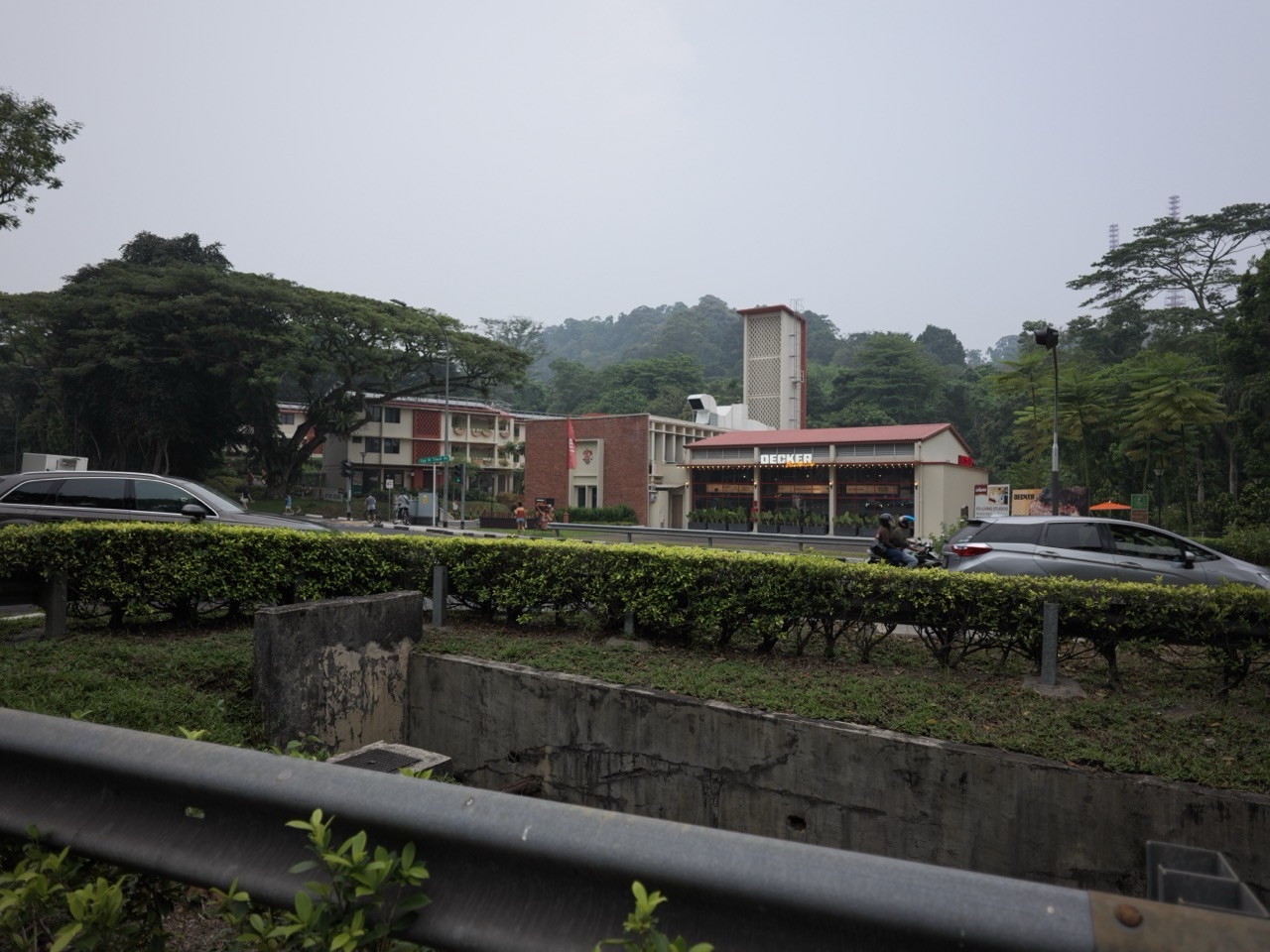
Did you know? The conserved building at 260 Upper Bukit Timah Road no longer operates as a fire station, but it has begun a second life as a community destination. URA reports that recreation, learning and co-living spaces opened in 2025. Meanwhile, a future visitor centre and eco-pedestrian bridge are still being planned for a later phase.
To enjoy this corner of Bukit Timah during late 2026 or in 2027, the most important distinction is between the accessible portions of an operating hub and the future links still shown on official plans.
At a glance: current uses and future plans
- Where: Former Bukit Timah Fire Station, 260 Upper Bukit Timah Road.
- Now: URA confirms community recreation, learning and co-living uses began in 2025.
- Heritage status: the property is within the Former Bukit Timah Fire Station Conservation Area.
- Not yet a confirmed public facility: the proposed nature visitor centre and eco-pedestrian bridge to Bukit Batok Nature Park.
- Through 2027: watch for official project updates, operator opening hours and public access notices; there is no verified bridge-opening date for 2027.
- Important: the site includes areas that may be residential, private or operational. Do not expect unrestricted entry.
Why reuse a fire station instead of starting from scratch?
A historic fire station holds more than a façade. Its large functional openings and former staff accommodation tell a story about how emergency services worked, where firefighters lived and how the neighbourhood grew. Reusing the site can keep these physical clues visible while giving the buildings new jobs.
URA’s 2021 plans explored a community node with urban farming, workshops, wellness and shared green spaces. By 2025, some recreation, learning and co-living functions were actually in use. It is important not to convert an early artist’s impression into a list of businesses or classes definitely operating today.
The conservation portal shows why adaptive reuse needs care: alteration and new-use work must follow conservation rules. That is different from an ordinary mall refurbishment, and helps explain why a heritage node can develop in phases.
What makes this a useful starting point for nature and heritage?
On the broader Upper Bukit Timah map, the former station sits between familiar places: Bukit Timah Nature Reserve, Bukit Batok Nature Park, the Rail Corridor and the Former Ford Factory. URA sees the station as a potential gateway where the district’s natural and built heritage meet.
But an attractive planning diagram is not a safe walking route. A proposed bridge cannot be used until it is officially opened, and roads around the site still need proper crossings. For a family, choose one established visitor destination rather than assuming every nearby green patch is already part of a connected public trail.
The future eco-pedestrian bridge
URA’s 2026 Rail Corridor page describes a visitor centre and eco-pedestrian bridge intended to connect the former fire station node and Rail Corridor with Bukit Batok Nature Park. Both are described as later-phase works.
There is no published guarantee that either facility will welcome visitors during 2027. Even if parts of the compound are open, that does not establish that a bridge is complete or that adjacent construction zones are accessible.
URA has also highlighted retrofitting ambitions to reduce the former station’s energy demand by 40%. This is a design objective; it should not be presented as an independent, measured operational result without a completed assessment.
A practical visit in late 2026
Start with the conserved exterior from a public location. Notice which shapes reflect an emergency service building, and which additions seem better suited to leisure or shared activity. Avoid entering private residences, work sites or areas without public entry signs.
For a meal, exhibition, event or workshop at a particular operator, check that operator’s latest opening details before travelling. A community hub need not work like a ticketed museum; different businesses and activity spaces can follow separate schedules.
If you want the building’s historical timeline rather than this live-access guide, visit our Former Bukit Timah Fire Station history and conservation article. It explains the building’s service role and restoration background in greater depth.
How should you plan for 2027?
- Look for a formal NParks or URA visitor-centre opening announcement before describing that facility as ready.
- Look for separate eco-pedestrian bridge construction and public-access notices; an artist’s impression does not grant a right to cross.
- If new cafés or workshops open, verify their address and hours rather than assigning one uniform timetable to the whole site.
- Check the Rail Corridor’s current access map if linking another attraction to your trip.
- Stay on public footpaths and use proper road crossings; do not walk through closed land to reach Bukit Batok Nature Park.
Frequently asked questions
Has the former Bukit Timah Fire Station reopened?
URA says new community recreation, learning and co-living spaces opened in 2025. Opening a community space is not the same as making every room or former service building public.
Can I cross the proposed eco-bridge in 2026?
No official public opening is confirmed in the URA source; it describes the bridge as a later-phase plan. Follow existing legal routes.
Will the nature visitor centre open in 2027?
The 2026 planning account does not promise a specific 2027 date. Check for a new official opening notice.
What is the nearest heritage attraction?
The Former Ford Factory is another Upper Bukit Timah heritage site, with its own visiting hours and entrance. Do not assume the two sites operate as one compound.
Official sources
Updated 24 October 2026. Primary evidence: URA Rail Corridor’s latest former fire station status, URA’s original 2021 rejuvenation plans, conservation guidelines for 260 Upper Bukit Timah Road and URA’s 2026 sustainability account.