
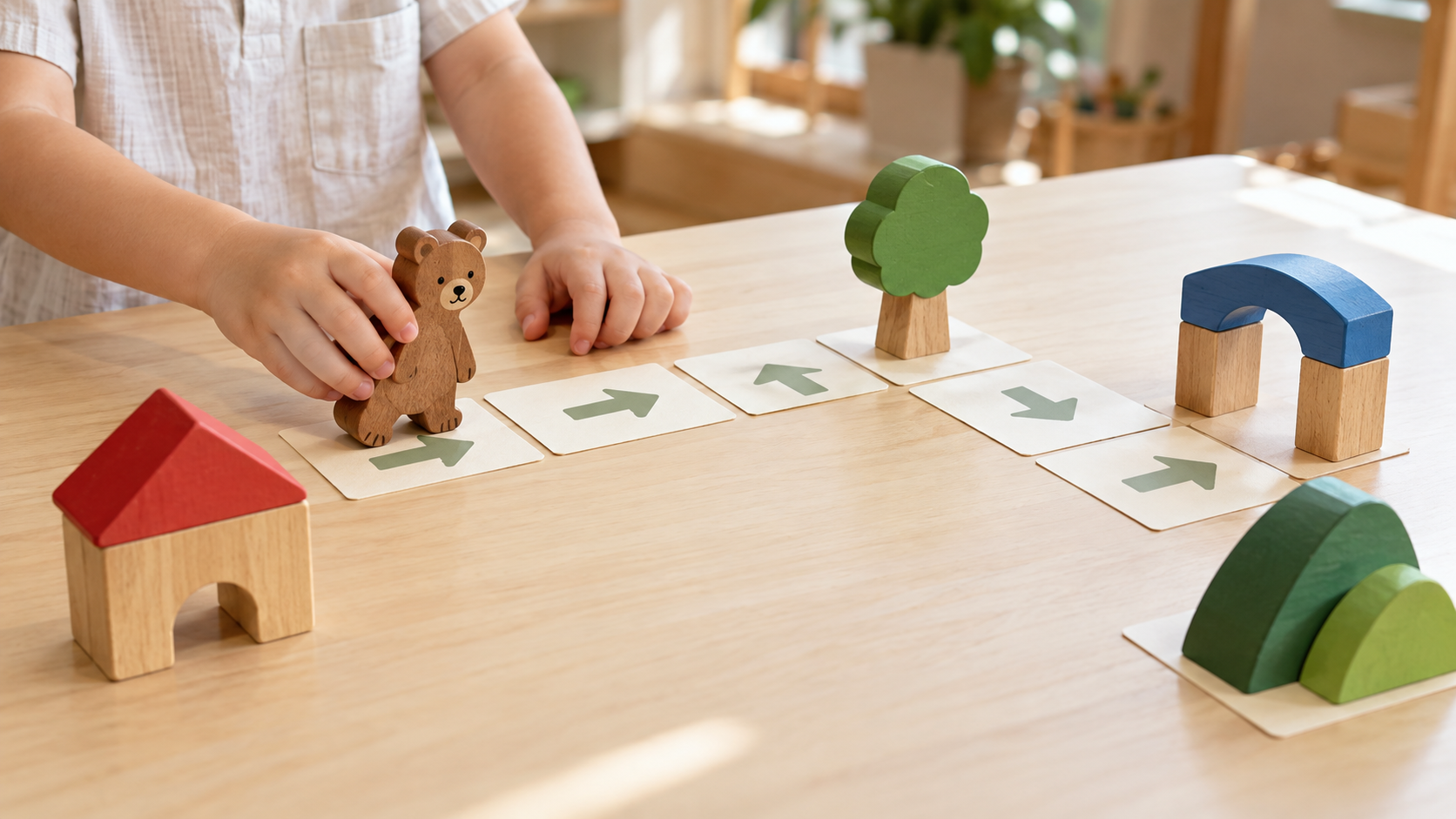
Explore this vocabulary series
Children’s Vocabulary Ages 1–12: series hub — choose everyday words, Base Fence meanings, Connecting Fence sentences or Maximum Fence extensions.
Age 5: Everyday Age 5 · Base Age 5 (this guide) · Connecting Age 5 · Maximum Age 5
Previous: Base Age 4 · Next: Base Age 6
Choose a guide that fits the child’s current needs. At early ages, longer sentences are adult models, not required spoken targets.
Top 100 Essential Vocabulary Words for Children | Base Fence Age 5 is a practical vocabulary guide for parents, caregivers and tutors supporting children aged 60–71 months. This fifth Base Fence article selects useful words for learning communities, information, stories, print, quantities, materials, routes, inquiry, environments and cooperative behaviour. The examples help adults make meanings clear through familiar activities and conversation.
Essential vocabulary for a five-year-old is useful when it helps someone communicate a purpose: giving a clue, retelling an event, recording a result, comparing amounts or explaining a route. This Age 5 vocabulary list gives each word an understandable meaning, a complete adult example, a gentle expansion and another setting in which the word can work. The 100 entries are a selected adult planning resource, not a required spoken total, reading test or guarantee of later school performance.
The Base Fence approach keeps a meaningful word at the centre and adds language when it clarifies the message. “Route” can become “our route” and then “Our route takes the bear past the tree to the bridge.” “Evidence” can become “useful evidence” and then “The marks give us evidence about where the water went.” The adult offers the fuller model while responding to the child’s current contribution, with speech, gestures, pictures and established communication methods available as ways to participate.
eduKate · Base Fence · Age 5
Find your next useful word
A long guide for adults. Choose one familiar situation, then use a little language in real life.
Understand the age range and the Base Fence approach.
Scan ten everyday groups and choose a familiar word.
Try the words during care, play, books and outings.
Use a flexible plan and record real communication.
Support family languages and prepare for the next stage.
Full chapter index
Start here and scan the list
Words 1–50: participation, information, accounts, print and quantities
Words 51–100: properties, routes, inquiry, environments and cooperation
Use, adapt and continue
- 14. Everyday routines: turn the words into useful messages
- 15. A flexible four-week plan for adults
- 16. Observation: preserve what actually happened
- 17. Guidance for tutors and other caregivers
- 18. Family languages and different ways to join
- 19. From Age 5 towards Age 6
- 20. Questions parents and tutors often ask
- 21. Sources and further reading
Age 5 here means from the fifth birthday until before the sixth birthday: approximately 60–71 months. It does not mean Primary 5, Grade 5 or a fifth reading level. The activities fit adult-supported play, shared reading, familiar routines and practical questions, with support adapted to the individual child.
The Base Fence Age 4 guide remains useful. Earlier words are not replaced at a birthday. A child can keep using plan, compare, question, help and return while encountering a more precise description or a new way to organise information. The series is a growing resource, not a set of gates requiring every earlier entry to be demonstrated before another is introduced.
This selection includes words for different kinds of meaning. Member identifies belonging to a defined group. Detail identifies a particular piece of information. Estimate names an approximate judgement, while result names an observed outcome. Width specifies a dimension, and destination identifies an intended endpoint. These distinctions can help make a message clearer when a familiar activity supplies the context.
Did you know that a toy journey can support several different communication purposes without becoming several lessons? Someone may choose a destination, describe a route, ask for a clue, notice missing information or record what happened. The adult can select the word that fits the child’s actual intention rather than teaching every possible label before the play begins.
The 100 entries are an editorial selection, not a scientifically ranked list that every child must know at this age. Languages, education arrangements, interests and daily experiences differ. A relevant word for an actual task may be more useful than an unfamiliar table entry. Some meanings may first be useful for adult modelling or supported understanding, with independent use developing through later experiences.
For broader professional context, ASHA’s kindergarten communication resource discusses listening, speaking, reading and writing at the end of that school stage. It is organised by an education stage whose timing can differ across systems; it is not a universal deadline for every child in the Age 5 range. If you have concerns about hearing, lost skills or communication development, seek advice from the child’s doctor or a qualified speech-language professional rather than using this selected word list as an assessment.
The Base Fence examples are original eduKate teaching suggestions, not an individual therapy programme or a clinically validated treatment. Use existing professional recommendations where relevant and adapt pace, materials and physical participation. This long article belongs in adult preparation. The child’s experience can remain a short clear exchange with a practical purpose and room for their own ideas.
Begin with a shared scene or genuine question. A toy map, a familiar book, an appropriate comparison or a short routine gives the word a reference. Less visible meanings such as opinion or confidence need a clear speaker and context, rather than an expectation that the child define an abstract idea on demand.
Choose the base word for the job it can do. A clue helps narrow a search. A summary helps a listener understand the main events. A numeral records a number, while a measurement addresses a particular dimension. The adult’s choice should make the actual message more useful, not merely replace familiar language with a more impressive term.
Offer a short natural model first. “A clue”, “Our destination” or “I will record the result” can make the meaning available without a long preface. Use accurate ordinary language and explain unfamiliar parts briefly. A clear model does not require exaggerated speech or a demand to repeat every word.
Respond to the child’s intention. A point to a map might request information, identify a destination or suggest a different route. A drawing might record a result or begin an imagined story. Observe the context and clarify when needed before expanding. A grammatically complete sentence about the wrong intention would not improve the exchange.
Add one connection that helps. If the child says “More”, make clear what is being compared or requested. If they say “Result”, identify what happened in the particular setup. If they say “Confused”, offer a clearer explanation or another way to show the information. The expansion should preserve the message and respond to the practical need.
Leave space for another turn. The child can continue an action, disagree, ask or contribute a detail. You do not need to follow every short message with a testing question. A successful response may be an adapted action or a clear choice rather than a spoken copy of the adult’s model.
Revisit the meaning in another understandable context. Record can describe a drawing, adult-written note or accessible digital entry. Equal can concern number or length when the property is named. Route can apply to another toy journey with different landmarks. The new example broadens the word while keeping enough familiar information available to support understanding.
Expand information, relationships and intentions
An information expansion gives the listener a relevant detail. Book can become the book with the dog on its cover. Result can become what happened with this strip across this gap. More language helps when it resolves a real uncertainty; a chain of unrelated adjectives may only make the message harder to follow.
A relationship expansion makes the comparison or reference explicit. “Equal” can become “equal numbers of cups.” “Left” can become “the toy turns left while facing the tree.” The adult supplies the feature or viewpoint that the word needs, rather than expecting the child to infer an unstated rule.
An intention expansion explains why someone is communicating. “Repeat” can become “Please repeat the last part so I can understand.” “Select” can become “I will select a strip that reaches.” The fuller adult model shows a purpose, while the child’s current message still receives a response without having to match the sentence length.
Keep knowing, guessing and checking distinct
Fact, opinion, clue and evidence are related but different. A preference can be shared respectfully without becoming a fact about everyone. A clue may help identify an answer without proving it. Evidence supports a particular claim, and the strength of that support depends on the actual information and question.
An estimate or prediction comes before a careful check or observed result in many activities. If the outcome differs, acknowledge the new information calmly. The useful model is a link between question, method and observation, not an insistence that the first answer must be defended.
The adult should state limits too. A single toy attempt may show what happened in that setup without establishing every possible cause. A familiar logo may be recognised without unfamiliar words being read independently. A clear direction in play does not establish real-world navigation or safety judgement. Accurate distinctions can remain simple and useful.
Choose a manageable starting set
A small adult plan might include a word for the purpose, one for an action and one for the message. During a toy journey, those could be destination, select and clue. During a picture account, they might be experience, retell and detail. This is an organisational option, not a daily quota or prescribed amount of practice.
Keep words that remain useful across days and change examples when interests change. If planning becomes constant prompting, simplify. One responsive conversation can offer more practical value than a completed list of adult questions that leaves no room for the child’s own purpose.
The ten groups below contain 100 distinct entries. Their order supports navigation and does not prescribe acquisition. Each table offers a complete adult example, with the fuller entry explaining meaning, expansion and transfer. Read what you need before the activity, then put the article aside during the interaction.
Family names, local terms and familiar routines can be adapted. Use the child’s established communication methods and choose words with a real purpose in their day. The table is a map for adult preparation, not a worksheet or a list of sentences every child must say independently.
Learning communities and shared participation · quick scan
| No. | Word | Adult model |
|---|---|---|
| 1 | Principal | The principal leads this school. |
| 2 | Class | Our class is sharing a story. |
| 3 | Attendance | The teacher is checking attendance to see who is here. |
| 4 | Partner | You can work with a partner to build this bridge. |
| 5 | Leader | The leader is showing our group the first step. |
| 6 | Member | Each person here is a member of our reading group. |
| 7 | Audience | We are the audience for Teddy's puppet story. |
| 8 | Speaker | The speaker is telling us about the picture. |
| 9 | Listener | The listener is checking which book you mean. |
| 10 | Volunteer | I volunteer to carry the empty basket. |
Information, reasons and finding out · quick scan
| No. | Word | Adult model |
|---|---|---|
| 11 | Information | This label gives us information about where the books belong. |
| 12 | Fact | It is a fact that this picture shows three cups. |
| 13 | Opinion | My opinion is that this story has the funniest ending. |
| 14 | Detail | The red handle is a useful detail for finding this bag. |
| 15 | Example | An apple is an example of a fruit. |
| 16 | Clue | The picture of a dog is a clue to which book I mean. |
| 17 | Evidence | The wet marks are evidence that water reached this part of the paper. |
| 18 | Result | The result is that the strip reaches both sides of the gap. |
| 19 | Cause | My push caused the toy to move. |
| 20 | Effect | One effect of the push is that the toy moves forward. |
Accounts, stories and conversation · quick scan
| No. | Word | Adult model |
|---|---|---|
| 21 | Retell | I will retell the story using these three pictures. |
| 22 | Sequence | This sequence shows getting paper, drawing and putting the crayons away. |
| 23 | Setting | The garden is the setting for this part of the story. |
| 24 | Action | The character's action is to open the box. |
| 25 | Dialogue | This dialogue shows the characters choosing a game. |
| 26 | Conversation | Our conversation is about which book to read. |
| 27 | Paragraph | This paragraph tells us how the character finds the toy. |
| 28 | Topic | Our topic is the toy bridge. |
| 29 | Summary | My summary is that Teddy lost the ball and found it in the basket. |
| 30 | Experience | Our bus ride was an experience we shared. |
Reading, writing and print choices · quick scan
| No. | Word | Adult model |
|---|---|---|
| 31 | Vowel | The letter a is a vowel letter in this word. |
| 32 | Consonant | The letter m is a consonant letter in this name. |
| 33 | Capital | Your name begins with a capital letter. |
| 34 | Lowercase | This word uses a lowercase m. |
| 35 | Punctuation | This punctuation mark helps show that the sentence is a question. |
| 36 | Space | This space separates two written words. |
| 37 | Spelling | I will check the spelling of this name. |
| 38 | The print on this label tells us what is inside. | |
| 39 | Write | I will write your message on this card. |
| 40 | Read | I will read the instruction so we know what to do. |
Numbers, order and quantities · quick scan
| No. | Word | Adult model |
|---|---|---|
| 41 | Estimate | I estimate that we need about four sheets of paper. |
| 42 | Order | We will put these strips in order from shortest to longest. |
| 43 | Number | The number of cups here is three. |
| 44 | Numeral | The numeral 3 represents the number three here. |
| 45 | Total | The total is five cups when we put these groups together. |
| 46 | Fewer | This group has fewer blocks than that group. |
| 47 | More | This group has more blocks than that group. |
| 48 | Equal | These groups have equal numbers of cups. |
| 49 | Half | Each equal part is one half of this paper shape. |
| 50 | Whole | These pieces together make the whole picture. |
Materials, dimensions and properties · quick scan
| No. | Word | Adult model |
|---|---|---|
| 51 | Material | This box is made from cardboard material. |
| 52 | Solid | This wooden block is a solid object. |
| 53 | Liquid | The liquid water takes the shape of this container. |
| 54 | Surface | The toy is resting on this surface. |
| 55 | Shape | The shape on this card is a triangle. |
| 56 | Weight | We are comparing the weights of these two objects. |
| 57 | Length | We are comparing the lengths of these strips. |
| 58 | Height | We are comparing the heights of these towers. |
| 59 | Width | The width of this path gives the toy room to move. |
| 60 | Depth | We are comparing the depths of these empty boxes. |
Maps, routes and position · quick scan
| No. | Word | Adult model |
|---|---|---|
| 61 | Map | This map shows the toy house and the bridge. |
| 62 | Route | Our route goes from the house to the bridge. |
| 63 | Path | The bear follows this path between the blocks. |
| 64 | Left | The toy turns left while facing the tree. |
| 65 | Right | The toy turns right while facing the house. |
| 66 | Forward | The bear moves forward towards the tree. |
| 67 | Backward | The bear moves backward while still facing the tree. |
| 68 | Opposite | The toy shop is opposite the toy house across this path. |
| 69 | Distance | We are comparing the distances along these two toy routes. |
| 70 | Destination | The bridge is the bear's destination in this game. |
Inquiry, preparation and completing actions · quick scan
| No. | Word | Adult model |
|---|---|---|
| 71 | Observe | We will observe how the toy moves on this surface. |
| 72 | Record | I will record what happened with a drawing and a few words. |
| 73 | Discover | We discovered that this strip reaches both sides. |
| 74 | Investigate | We will investigate which strip reaches across this gap. |
| 75 | Identify | We can identify the book by its title and cover. |
| 76 | Select | We will select a strip that reaches across the gap. |
| 77 | Organise | We are organising the crayons and paper for our activity. |
| 78 | Prepare | We will prepare the table for drawing. |
| 79 | Repeat | Please repeat the last part so I can understand. |
| 80 | Complete | The picture puzzle is complete when all these pieces are in place. |
Living places and everyday environments · quick scan
| No. | Word | Adult model |
|---|---|---|
| 81 | Habitat | The pond is part of this animal's habitat. |
| 82 | Shelter | The covered place gives the characters shelter from the rain. |
| 83 | Weather | Today's weather here is rainy and windy. |
| 84 | Season | This book describes a snowy winter season in another place. |
| 85 | Sunlight | Sunlight is falling on this part of the floor. |
| 86 | Shadow | The toy blocks some light and makes a shadow on the paper. |
| 87 | Temperature | The thermometer gives information about temperature. |
| 88 | Environment | Our reading environment includes the light, space and sounds around us. |
| 89 | Protect | The folder helps protect the paper from getting bent in the bag. |
| 90 | Reuse | We can reuse this box to store our large blocks. |
Confidence, support and cooperative behaviour · quick scan
| No. | Word | Adult model |
|---|---|---|
| 91 | Confident | I feel confident about finding this familiar book. |
| 92 | Curious | I feel curious about why the shadow moved. |
| 93 | Confused | I am confused about which basket you mean. |
| 94 | Frustrated | This task seems frustrating because the pieces keep slipping. |
| 95 | Responsible | My responsibility is to put the borrowed book in its folder. |
| 96 | Respectful | I will listen to your answer before deciding our next step. |
| 97 | Patient | I am being patient while you finish explaining your picture. |
| 98 | Independent | You chose the book independently, and I can help you read it. |
| 99 | Careful | I will check both ends before comparing the strips. |
| 100 | Cooperative | We are being cooperative by sharing the materials and listening to each plan. |
1. Principal
A principal is the person leading a school in many education settings. Titles vary, so use the actual role name in your child’s setting rather than assuming every place has the same structure.
Say: “The principal leads this school.” Add the person’s known name or one accurately described responsibility when relevant. A story can introduce the word if the child has no direct experience of the role.
Base Fence: principal → school principal → The school principal is speaking with the families. The adult model connects a role with a clear event without claiming to know private responsibilities or decisions.
Try another setting: compare a familiar teacher’s role with the principal’s role using accurate information from that setting. Avoid presenting the principal only as someone who punishes children or treating leadership as proof that other work matters less. The useful base word helps identify people and possible sources of information, with real names, titles and responsibilities kept truthful and proportionate to the child’s interest.
2. Class
A class is a group of learners organised for teaching or an activity, and the word can also refer to the lesson itself. Begin with the use most familiar in the child’s day.
Say: “Our class is sharing a story.” Name the actual group and activity, or use a clear picture when the child is not part of such a setting. The word should not imply that every child follows an identical education arrangement.
Base Fence: class → our class → Our class is making a picture together. The adult’s fuller model identifies a shared activity while allowing different kinds of participation.
Try another setting: talk about a familiar music class or another real group, explaining whether class means the people or the scheduled session in that sentence. Avoid treating class membership as a requirement to behave or communicate in one particular style. The useful base meaning supports discussing a group, routine and experience, with the adult clarifying which reference is intended.
3. Attendance
Attendance means being present at an event, place or scheduled activity. Begin with a concrete group routine rather than a record the child is expected to manage independently.
Say: “The teacher is checking attendance to see who is here.” Explain the practical purpose and use names accurately, without making a quiet response the only way presence can be recognised.
Base Fence: attendance → class attendance → Class attendance records who is present for the session. The adult model links the abstract noun with a visible checking action.
Try another setting: a toy group can check which characters have arrived for a pretend event. Keep presence separate from worth, effort or participation style. Someone may be absent for many reasons, and the child does not need private explanations about another family. The useful base word helps understand an ordinary organisational routine, while adults handle actual records, privacy and any questions about attendance requirements in the relevant setting.
4. Partner
A partner is someone working, playing or doing an activity with another person in the relevant context. Begin with a small shared purpose rather than assuming the relationship must be a close friendship.
Say: “You can work with a partner to build this bridge.” Explain what each person might do and make the arrangement manageable. The child can ask for help or a different role.
Base Fence: partner → my partner → My partner is holding the picture while I describe it. The adult’s fuller model names cooperation through a specific action.
Try another setting: two toys can be partners in a game or two adults can carry out a task together. Distinguish partnership from ownership or a duty to agree with every suggestion. A child can be a considerate partner while expressing a different idea or needing space. The useful base word supports coordinating a shared activity, with adults helping establish fair roles, clear expectations and comfortable participation.
5. Leader
A leader guides or coordinates a group in a particular situation. Begin with a simple activity where the responsibility is clear and can be shared, rather than treating leader as a permanent ranking of people.
Say: “The leader is showing our group the first step.” Name the action and make room for others to ask questions. Leadership should help the activity work, not remove everyone else’s voice.
Base Fence: leader → group leader → The group leader is helping everyone understand the plan. The adult model connects the role with a practical purpose and audience.
Try another setting: take turns leading a short toy route or familiar game, with adult support. Explain that a leader can listen, change an idea and ask for help. Avoid teaching that being first, loudest or most controlling automatically makes someone the leader. The useful base meaning helps describe a temporary or assigned role, with responsibility and cooperation made visible through actions.
6. Member
A member is someone or something belonging to a particular group. Begin with a clear small group whose membership is known, rather than asking the child to infer social belonging from appearance.
Say: “Each person here is a member of our reading group.” Name the group and purpose, and avoid implying that membership requires the same skill level or communication style.
Base Fence: member → group member → Every group member can contribute in a suitable way. The adult’s fuller model connects belonging with an accessible opportunity rather than a performance condition.
Try another setting: describe the members of a toy team or the items in a clearly defined set. Explain the rule or agreement that makes the grouping relevant. Avoid using member to exclude a child from friendship or make worth depend on a group’s approval. The useful base word supports discussing participation and categories, with adults keeping the particular group explicit and treating people respectfully whether or not they belong to it.
7. Audience
An audience is the people who watch, listen to or receive a performance, presentation or other communication. Begin with a small familiar exchange rather than a public speaking demand.
Say: “We are the audience for Teddy’s puppet story.” Explain what the toy is sharing and let the child participate comfortably. Listening does not require one fixed posture or uninterrupted eye contact.
Base Fence: audience → our audience → Our audience can see the pictures while we tell the story. The adult model links a message with the people receiving it.
Try another setting: consider whether a younger sibling or familiar adult would need another detail to understand a picture account. The audience’s knowledge can affect how much explanation is useful. Avoid requiring a child to perform for visitors or treating quiet listening as the only valid response. The useful base word helps connect communication with its recipients, while consent and the child’s comfort guide any real sharing.
8. Speaker
A speaker is a person talking in the relevant interaction, and the word can also name a sound-producing device. Begin with the person meaning and a clear conversational turn.
Say: “The speaker is telling us about the picture.” Name who is talking and what information they are sharing, without making the role depend on volume or confidence.
Base Fence: speaker → the speaker → The speaker is explaining where the toy should go. The adult’s full model connects a person, communication action and message.
Try another setting: swap speaker and listener roles in a short drawing-description game. The adult can ask for clarification when needed, modelling that speaking is a shared effort to make meaning clear. Introduce the device meaning separately if it arises. Avoid demanding a particular voice, accent or posture as proof of being a good speaker. The useful base word identifies a current role, with different communication methods and appropriate support respected throughout the interaction.
9. Listener
A listener is someone attending to spoken or other audible information. Begin with a real exchange where the listener can respond, ask or act on what was communicated.
Say: “The listener is checking which book you mean.” Show that listening can involve a clarifying question rather than silent compliance. A person may need the message repeated or shown another way.
Base Fence: listener → a listener → A listener can ask for more information when the message is unclear. The adult model connects the role with an active practical response.
Try another setting: describe a simple picture while another person arranges large toys, then exchange roles. Notice whether the information was clear and accessible, rather than judging listening from eye contact alone. Avoid treating a missed direction as proof that the child deliberately ignored it. The useful base word supports reciprocal communication, with the speaker also responsible for a manageable message and the adult attending to hearing, context and support needs.
10. Volunteer
A volunteer is someone who offers to do something freely, or a person contributing in a voluntary role. Begin with a small genuine option where declining is acceptable.
Say: “I volunteer to carry the empty basket.” Make the offer clear and choose a suitable task. The child can observe that volunteering is an offer, not an instruction imposed on someone else.
Base Fence: volunteer → a volunteer → A volunteer is offering to help organise the books. The adult’s fuller model names both choice and contribution.
Try another setting: a toy group can ask whether anyone wants to show a picture, while respecting a no or an alternative contribution. Avoid calling a child a volunteer after assigning them a task without choice. Real community volunteering may have specific arrangements that adults manage. The useful base meaning supports understanding an offered role, with willingness, appropriate responsibility and personal boundaries kept distinct from pressure to please a group.
11. Information
Information is something communicated or learned about a subject. Begin with a practical question and the detail needed to answer it, rather than a vague collection of words.
Say: “This label gives us information about where the books belong.” Show the actual label and use it in the routine. Its purpose makes the broad noun easier to understand.
Base Fence: information → useful information → This information helps us choose the right basket. The adult model connects a message with a specific action and purpose.
Try another setting: use a simple map or an adult’s explanation to find a familiar place in a toy scene. Ask what information is still missing if the route is unclear. Avoid teaching that every printed statement is automatically reliable or that more information always helps. The useful base word supports asking, checking and organising, with adults distinguishing what is relevant, known and understandable in the particular situation.
12. Fact
A fact is something that is true, though people may need evidence or reliable information to establish it. Begin with a clear checkable example and distinguish the truth from someone’s confidence in saying it.
Say: “It is a fact that this picture shows three cups.” Check the actual image together and count if that helps. Choose an unambiguous example rather than a claim that depends on hidden information.
Base Fence: fact → a checkable fact → We can check the fact by looking at the cups in this picture. The adult model links a claim with an appropriate way to examine it.
Try another setting: compare a stated preference with an observable feature, keeping the difference simple. Avoid implying that every fact can be checked by looking or that a confident adult statement must be true. The useful base meaning supports truthful communication, with the adult modelling correction when new information shows that an earlier claim was mistaken.
13. Opinion
An opinion is a person’s view, judgement or preference about something. Begin with a genuine preference, where different responses can coexist without one being a factual mistake.
Say: “My opinion is that this story has the funniest ending.” Explain one reason if useful and invite the child’s own view without requiring agreement.
Base Fence: opinion → my opinion → My opinion is that the blue cover suits this picture. The adult’s fuller model identifies the speaker and the judgement rather than presenting taste as a universal rule.
Try another setting: let two toys prefer different games and discuss a workable order. Explain that opinions can have reasons and can change. Some claims presented as opinions still contain factual parts that can be checked, so avoid teaching that the label makes every statement equally accurate. The useful base word helps people express a perspective respectfully while distinguishing personal preference from information about what actually happened or exists.
14. Detail
A detail is a particular piece of information or a small feature within a larger whole. Begin with one visible element that helps someone understand a picture, event or description.
Say: “The red handle is a useful detail for finding this bag.” Show why the feature matters in the current choice rather than asking the child to list everything they can see.
Base Fence: detail → useful detail → This detail helps the listener know which bag I mean. The adult model connects information with an audience and purpose.
Try another setting: add one missing detail to a short story account, such as where the character found the toy. Avoid assuming that a longer account is always clearer. An irrelevant detail can distract, while one precise feature can resolve confusion. The useful base meaning supports noticing, describing and clarifying, with the adult helping select what matters to the actual question rather than rewarding quantity alone.
15. Example
An example is a particular case used to show or explain a broader idea. Begin with a familiar category and a clear member, keeping the relationship explicit.
Say: “An apple is an example of a fruit.” Show an appropriate picture and then name another fruit if useful. One example illustrates the category without defining every possible member.
Base Fence: example → an example → This triangle is an example of a three-sided flat shape. The adult’s fuller model connects the particular object with an accurate broader feature.
Try another setting: give an example of a helpful action in a familiar story. Avoid treating one illustration as the only valid form, such as teaching that every triangle must look like the same upright drawing. The useful base word helps explain ideas through concrete cases, with adults choosing clear examples and acknowledging their limits rather than expecting the child to infer a complete rule from one object.
16. Clue
A clue is information that may help answer a question or solve a problem. Begin with a small understandable search where the clue genuinely narrows the possibilities.
Say: “The picture of a dog is a clue to which book I mean.” Show a few familiar books and make the relevant feature clear, rather than hiding the rule.
Base Fence: clue → a useful clue → This clue tells us to look for the book with the dog. The adult model connects information with a practical next action.
Try another setting: a toy search can use a simple location clue, with help available if the child is unsure. Explain that a clue may suggest rather than prove an answer. Avoid creating distress by hiding a comfort object or making the search increasingly difficult. The useful base word supports asking for and using information, with the adult keeping the problem manageable and checking whether the clue actually helps the listener.
17. Evidence
Evidence is information or an observation used to support a claim or answer a question. Begin with a clear small claim and something relevant that can be checked.
Say: “The wet marks are evidence that water reached this part of the paper.” Use a suitable adult-managed example and keep the claim limited to what the marks actually support.
Base Fence: evidence → useful evidence → The marks give us evidence about where the water went. The adult’s fuller model links an observation with a specific question, rather than treating evidence as an impressive word for any detail.
Try another setting: check a story statement against a visible picture or the words an adult reads accurately. Explain that one observation may not settle every explanation. Avoid saying a clue proves someone’s motive or that a single result establishes a universal rule. The useful base meaning supports careful checking, with adults modelling how a claim can become stronger, weaker or still uncertain as information changes.
18. Result
A result is what happens as an outcome of an action, process or check. Begin with a small safe activity where the action and outcome are both visible.
Say: “The result is that the strip reaches both sides of the gap.” Show the actual arrangement after trying it, and distinguish it from the prediction made beforehand.
Base Fence: result → our result → Our result shows what happened with this strip in this setup. The adult model keeps the conclusion appropriately specific.
Try another setting: compare the result of two suitable toy arrangements, naming what was changed. Avoid treating a result as good only when it matches the adult’s expectation. An unexpected outcome can still provide useful information. The base word helps people describe what happened and decide a next step, with adults noting limits such as one attempt, unclear measurement or changes in the setup rather than pretending every observation gives a final answer.
19. Cause
A cause is something that brings about or contributes to an event. Begin with a clear practical action whose effect can be observed, while keeping broader explanations cautious.
Say: “My push caused the toy to move.” Demonstrate gently with a suitable toy and a clear surface. The adult can link the action and change without introducing several possible influences at once.
Base Fence: cause → a cause → The push was a cause of the toy’s movement in this example. The fuller model leaves room for other relevant conditions, such as the surface and the object’s shape.
Try another setting: discuss a story’s clearly stated reason for an event, distinguishing it from a guess about a character’s motive. Avoid assuming that because one event happened first it must have caused the next. The useful base meaning supports simple explanations, with adults showing an understandable relationship and acknowledging when the available information does not establish the cause confidently.
20. Effect
An effect is a change or outcome produced by a cause or contributing action. Begin with the same clear event used to discuss cause, so the two roles can be compared without a new complex scene.
Say: “One effect of the push is that the toy moves forward.” Name the actual movement and keep the explanation tied to what happened.
Base Fence: effect → an effect → The toy’s movement is an effect of the push in this setup. The adult’s fuller model connects the outcome with a particular action and context.
Try another setting: an adult can move a lamp safely and discuss the resulting change in a pictured or real shadow, with suitable equipment control. Avoid presenting every later event as an effect of the earlier one. The useful base word helps distinguish an action from what follows because of it, with adults keeping claims proportionate and allowing that more than one influence may be relevant.
21. Retell
Retell means giving an account again, using the important events or information from something heard, read or experienced. Begin with a familiar short sequence and useful supports.
Say: “I will retell the story using these three pictures.” Name the beginning situation, one change and the ending, while making clear that an adult is modelling the account.
Base Fence: retell → retell a story → I can retell the story in my own words while keeping its main events. The adult model distinguishes preserving meaning from repeating every original sentence.
Try another setting: recall one small event from an outing, with a photograph or object as a cue. The child can point, act or offer shorter parts while the adult helps connect them. Avoid requiring a complete unfamiliar story as proof of understanding or treating every different phrase as an error. The useful base verb supports sharing an account with another person, with accuracy and purpose more important than memorised length.
22. Sequence
A sequence is an order of items or events. Begin with a short familiar series where the chosen order has an understandable purpose, rather than a long memory task.
Say: “This sequence shows getting paper, drawing and putting the crayons away.” Use clear pictures or actual actions, naming the relationship between the parts.
Base Fence: sequence → event sequence → The event sequence helps us explain what happened first and next. The adult’s fuller model gives the arrangement a communication purpose.
Try another setting: arrange a simple story’s events or the steps of a toy journey, with support available. Some activities allow more than one sensible order, so avoid treating the adult’s preferred arrangement as the only possible sequence unless the task genuinely requires it. The useful base meaning supports planning and retelling, with adults clarifying whether they are describing what really happened, a necessary procedure or one possible plan among several.
23. Setting
A setting is the place and, where relevant, time or circumstances in which a story or event happens. Begin with a clear familiar story scene and one identifiable location.
Say: “The garden is the setting for this part of the story.” Show the scene and name a visible feature that helps identify it. The child does not need to analyse every background detail.
Base Fence: setting → story setting → The story setting is a garden on a rainy morning. The adult model adds time or conditions only when the book supports that information.
Try another setting: compare two scenes in which the same character moves to another place. Explain that a story may have more than one setting. Avoid inventing weather, time or location merely to make an answer sound fuller. The useful base word helps listeners understand where and when an account takes place, with pictures, text and known experience supplying the actual details.
24. Action
An action is something a person, animal or other agent does in the relevant context. Begin with a visible familiar movement or purposeful act rather than a broad abstract explanation.
Say: “The character’s action is to open the box.” Show the event in a picture sequence or toy scene, and distinguish the doing from the object itself.
Base Fence: action → a character’s action → This action changes what happens next in the story. The adult’s fuller model connects a particular act with the account’s development, using a clear example.
Try another setting: compare two ways a toy character could respond to a small problem. Name the actual action rather than judging the character’s whole personality. Avoid assuming that every thought or feeling is visible in a movement. The useful base meaning supports describing events and possible choices, with adults separating what was done from a guess about why it was done or how someone felt.
25. Dialogue
Dialogue is an exchange between people or characters, especially speech represented in a story. Begin with two clear voices and a short understandable purpose.
Say: “This dialogue shows the characters choosing a game.” Read or act out a brief exchange, making each speaker clear without requiring dramatic performance from the child.
Base Fence: dialogue → story dialogue → The story dialogue tells us what each character says to the other. The adult model identifies the spoken exchange rather than the surrounding description.
Try another setting: let two toys ask and answer a genuine small question within play. A child can provide one part, point to a response or simply watch. Avoid making quotation punctuation a prerequisite for enjoying the exchange. The useful base word helps distinguish conversation within a story from the narrator’s account, with actual words and speakers kept accurate when discussing a book and imagined alternatives clearly named as new play.
26. Conversation
A conversation is an exchange of messages between people, often involving speaking and listening but supported by other communication methods too. Begin with a real shared purpose rather than a chain of adult test questions.
Say: “Our conversation is about which book to read.” Let both people offer information, ask or choose, and respond to what was actually communicated.
Base Fence: conversation → our conversation → Our conversation helps us understand each other’s ideas. The adult’s fuller model connects the exchange with a purpose and more than one perspective.
Try another setting: discuss a picture or recent event, leaving space for the child’s detail to influence the next turn. The exchange need not be long or use one fixed posture to be meaningful. Avoid treating conversation as uninterrupted adult speech with occasional required answers. The useful base word supports reciprocal communication, with clarification, pauses, gestures and respectful disagreement available when they help people share meaning.
27. Paragraph
A paragraph is a group of related sentences or a section of writing organised around a part of the message. At Age 5, begin with an adult-read example rather than requiring independent composition.
Say: “This paragraph tells us how the character finds the toy.” Show the section on the page and read it accurately, keeping the focus on what the grouping does for the reader.
Base Fence: paragraph → a paragraph → The paragraph groups related information so the reader can follow it. The adult model supplies a purpose without suggesting that every paragraph has a fixed number of sentences.
Try another setting: record a short dictated account and explain a possible break when the message moves to another part. The child can contribute ideas without writing the text physically. Avoid making paragraph structure a performance target for every five-year-old. The useful base meaning is awareness of how longer writing can be organised, with later instruction building on understanding rather than memorising a universal sentence count.
28. Topic
A topic is the subject being discussed, written about or considered. Begin with a small familiar conversation and name what the messages are mainly about.
Say: “Our topic is the toy bridge.” Point to the object or picture if useful, then notice how different details can relate to the same subject.
Base Fence: topic → our topic → Our topic is how to make the bridge reach across the gap. The adult’s fuller model narrows a broad object into a practical question.
Try another setting: identify the topic of a short adult-read information page, distinguishing it from one incidental detail. Avoid treating every child connection as an irrelevant interruption; they may be explaining a relationship the adult has not yet understood. Clarify the purpose before redirecting. The useful base word supports organising attention and messages, with the adult making the subject explicit rather than expecting the child to infer a hidden boundary for the conversation.
29. Summary
A summary is a shorter account of the main information or events. Begin with a familiar small story and an adult model that preserves the central meaning without every detail.
Say: “My summary is that Teddy lost the ball and found it in the basket.” Read the original account first or use clear pictures so the relationship can be checked.
Base Fence: summary → short summary → A short summary keeps the main events without repeating every sentence. The adult model names the purpose rather than simply demanding fewer words.
Try another setting: summarise one practical activity for a familiar caregiver, including what was made and one important change. Different purposes may make different details important, so explain the audience and question. Avoid treating the shortest answer as automatically the best. The useful base meaning supports selecting relevant information, with adult help for deciding what a listener needs and no requirement that the child produce a polished account independently.
30. Experience
An experience is something a person lives through, does or encounters, including their own perspective on it. Begin with a familiar real event and leave room for different people to remember or feel about it differently.
Say: “Our bus ride was an experience we shared.” Name one actual event, then invite the child’s own detail rather than prescribing what should have mattered most.
Base Fence: experience → shared experience → We can talk about the shared experience of visiting the library. The adult’s fuller model gives the broad word a clear event and audience.
Try another setting: compare a character’s experience with something familiar, while keeping imagined and real events distinct. Avoid assuming that two people in the same place had identical feelings or noticed the same things. The useful base word supports reflection and storytelling, with adults listening to the child’s account and acknowledging uncertainty rather than replacing it with an impressive or adult-approved version.
31. Vowel
Vowel can name a speech sound made with a relatively open vocal tract or a letter used to represent vowel sounds. Begin with one clearly identified use, since a letter and a sound are related but not identical.
Say: “The letter a is a vowel letter in this word.” Show a familiar printed example and read the word accurately. The child does not need to explain all possible sounds associated with the letter.
Base Fence: vowel → vowel letter → This vowel letter helps us write the familiar word on the card. The adult model keeps the print reference explicit.
Try another setting: listen to a clearly modelled vowel sound within a familiar spoken word, using existing teaching guidance where relevant. Avoid teaching that each vowel letter always makes only one sound or that a letter name is the same as every sound it can represent. The useful base word supports discussing print and speech carefully, with manageable examples rather than a complete spelling-system lesson.
32. Consonant
Consonant can name a speech sound made with some constriction in the vocal tract or a letter commonly representing such sounds. Begin with the particular sound or letter meaning needed in the activity.
Say: “The letter m is a consonant letter in this name.” Point to the actual print and use the person’s correct name. A separate spoken example can show a related sound.
Base Fence: consonant → consonant letter → This consonant letter is at the start of the printed word. The adult’s fuller model names the feature being discussed without confusing letter names and sounds.
Try another setting: notice a clearly modelled consonant sound in a familiar word, following appropriate teaching guidance. Avoid adding an unnecessary vowel to a sound demonstration or assuming one letter always has one pronunciation. The useful base meaning helps the child ask about language, while systematic phonics or speech instruction, when needed, remains a separate guided process rather than something inferred from this vocabulary entry.
33. Capital
Capital has several meanings; here it refers to an uppercase letter form. Begin with a familiar name or sentence where the printed example is clear and correctly used.
Say: “Your name begins with a capital letter.” Show the actual initial and name it accurately, without requiring the child to copy it independently.
Base Fence: capital → capital letter → This sentence begins with a capital letter in our English example. The adult model connects the form with a real print function.
Try another setting: match a capital form with the corresponding lowercase form in a familiar word or name. Explain that the two forms can represent the same letter even when they look different. Avoid teaching capital as meaning physically larger in every font or context. Introduce the city meaning separately if it arises. The useful base word supports noticing conventions and asking about print, with reading and handwriting abilities treated as distinct from recognising what the adult is describing.
34. Lowercase
Lowercase describes the letter forms commonly used for most letters in ordinary English text, contrasted with capitals. Begin with a familiar printed word and one clear example.
Say: “This word uses a lowercase m.” Point to the actual form and read the word naturally. The child can compare it with a capital M without needing to write either one.
Base Fence: lowercase → lowercase letter → The lowercase letter matches this capital form in our alphabet example. The adult’s fuller model makes the correspondence explicit.
Try another setting: notice a familiar lowercase letter in another appropriate typeface, allowing differences in appearance to be discussed. Some printed forms vary, so avoid treating one design as the only valid shape. Lowercase does not simply mean the smallest mark on the page. The useful base word supports talking about print choices and conventions, with adult models and the child’s existing teaching guidance providing context rather than a demand to identify every form in one session.
35. Punctuation
Punctuation consists of marks used to help organise written language and guide interpretation. Begin with one clear mark in an adult-read sentence, rather than a full inventory of names and rules.
Say: “This punctuation mark helps show that the sentence is a question.” Point to the question mark and read the actual sentence accurately, keeping its purpose understandable.
Base Fence: punctuation → punctuation mark → The punctuation mark helps the reader follow this written message. The adult model connects a visible feature with meaning rather than treating it as decoration.
Try another setting: write a short dictated message and discuss one appropriate ending mark. Avoid teaching that punctuation is simply a place to breathe or that every pause in speech requires a comma. The useful base meaning is awareness of how writing is organised, with conventions introduced through real messages and further instruction adapted to the child’s current learning rather than expected from a word-list entry.
36. Space
Space can mean an area, an available gap or other concepts. Here begin with the gap between written words in ordinary English print, making the current meaning explicit.
Say: “This space separates two written words.” Show a clear adult-written sentence and point to the gap, then read the message normally.
Base Fence: space → word space → The space helps us see where one written word ends and another begins. The adult’s fuller model names a practical reading function.
Try another setting: help record a short dictated message and leave clear spaces while explaining what you are doing. Do not assume every writing system follows the same convention or treat the physical gap as a spoken sound. Introduce room-space or outer-space meanings separately when relevant. The useful base word supports noticing layout and making a message easier to read, with handwriting, spelling and independent decoding treated as different skills needing their own appropriate support.
37. Spelling
Spelling is the conventional arrangement of letters used to write a word in a language. Begin with a familiar name or useful word, and make the spoken and written references clear.
Say: “I will check the spelling of this name.” Use a reliable supplied form and copy it accurately rather than guessing how a person’s name should be written.
Base Fence: spelling → word spelling → The spelling shows which letters we use in this written word. The adult model connects the arrangement with a real message.
Try another setting: help record a word the child wants in a picture caption. Explain what you know and check uncertainty honestly. Avoid treating invented early writing as a moral error or assuming that a child who recognises a word can spell it independently. The useful base meaning supports asking for help and noticing written conventions, with systematic spelling instruction guided separately and the child’s intended meaning still valued while the adult supplies the conventional form.
38. Print
Print can describe visible written text or the action of producing it in several ways. Begin with the text meaning in a familiar book or label, keeping the current reference clear.
Say: “The print on this label tells us what is inside.” Point to the actual words and read them accurately, distinguishing them from the picture if both are present.
Base Fence: print → printed words → These printed words help us identify the book basket. The adult’s fuller model gives the text a practical purpose.
Try another setting: notice print in a different familiar setting, such as a sign or a card, without turning the outing into a reading test. Explain that pictures and logos can also communicate but are not identical to written words. Introduce printing as an action separately if useful. The base word supports discussing visible language, with adults distinguishing familiar recognition from independent reading and keeping important information interpreted by the responsible adult.
39. Write
Write means recording language or information in a written form. It can involve handwriting, typing or other accessible methods, so begin with a real purpose rather than one required physical technique.
Say: “I will write your message on this card.” Ask what the child wants to communicate, record it faithfully and read it back to check the meaning.
Base Fence: write → write a message → We can write a message so Grandma can read it later. The adult model connects an action with an audience and purpose.
Try another setting: make a short materials list or label together, allowing drawing, dictation and established tools to support participation. Avoid making neat letter formation a condition for sharing an idea. The child may understand writing’s purpose before managing its conventional forms independently. The useful base verb helps connect spoken intentions with a lasting record, with adults explaining their contribution clearly and preserving the child’s ownership of the original message.
40. Read
Read means interpreting written language or another established written code to obtain meaning. Begin with a familiar real purpose and make the adult’s role clear when they supply the text.
Say: “I will read the instruction so we know what to do.” Read the actual wording accurately and explain any unfamiliar part without silently replacing it with a different instruction.
Base Fence: read → read the message → We can read this message to find out where the book belongs. The adult’s fuller model connects print with useful information.
Try another setting: share a book while distinguishing looking at pictures, recalling a familiar account and reading unfamiliar words. Each can support enjoyment, but they are different observations. Avoid claiming independent decoding from one memorised page or recognised logo. The useful base verb helps talk about how written information is accessed, with accessible methods and appropriate teaching support available rather than one fixed performance expectation for every child.
41. Estimate
Estimate means making an approximate judgement about an amount or measurement using available information. Begin with a low-stakes quantity that can later be checked, keeping the approximation explicit.
Say: “I estimate that we need about four sheets of paper.” Explain the practical reason and then see what the actual activity uses. The estimate may be revised.
Base Fence: estimate → estimate the amount → We can estimate the amount before we count or measure it carefully. The adult model distinguishes an approximate starting point from a checked result.
Try another setting: estimate whether a suitable strip is long enough for a toy gap, then compare it directly. Avoid presenting an estimate as a guaranteed fact or marking every different approximation as failure. The useful base meaning supports planning under uncertainty, with adults choosing manageable examples and showing that checking or changing an estimate is a sensible response to new information rather than a reason for embarrassment.
42. Order
Order can describe an arrangement in a sequence or several other meanings. Begin with a clear sequence of familiar objects or events and state the organising rule.
Say: “We will put these strips in order from shortest to longest.” Align the relevant ends and keep the number of items manageable, providing support rather than a memory challenge.
Base Fence: order → length order → This length order helps us compare the strips clearly. The adult’s fuller model connects the arrangement with a practical purpose.
Try another setting: order a few story pictures according to what actually happened, explaining that the rule now concerns time rather than size. Avoid treating the adult’s preferred arrangement as the only valid order when another purpose would justify a different one. Introduce a shop order or command meaning separately if needed. The useful base word helps organise information, with the adult keeping the current rule explicit and the physical task accessible.
43. Number
A number is an abstract mathematical value used for purposes such as counting, measuring or ordering. Begin with a familiar small set and its quantity, rather than equating the number only with a printed shape.
Say: “The number of cups here is three.” Show the actual set and count once per cup if that helps, connecting the final count with how many there are.
Base Fence: number → number of cups → The number of cups matches the number of people at this table. The adult model links two clear quantities in a real routine.
Try another setting: represent the same small number with different suitable objects or a spoken word. Explain that a written numeral is one way to record the number. Avoid assuming that reciting a long sequence establishes understanding of quantity. The useful base meaning supports asking how many and comparing amounts, with concrete examples and appropriate adult support keeping the relationship clear.
44. Numeral
A numeral is a written symbol or combination of symbols used to represent a number. Begin with a clear familiar example and connect it with a small visible quantity.
Say: “The numeral 3 represents the number three here.” Show the printed symbol beside three suitable large objects, and say the number word naturally.
Base Fence: numeral → written numeral → This written numeral records how many cups are in our group. The adult’s fuller model distinguishes the representation from the actual objects and quantity.
Try another setting: use another clear card or a familiar label containing the same numeral. Explain that context matters, since numbers can also appear in names, codes or labels rather than describing a quantity directly. Avoid making handwriting accuracy the test of the concept. The useful base word supports discussing how mathematical information is recorded, with the child able to point, choose or use an accessible tool while the adult models the relationship.
45. Total
A total is the whole amount obtained when relevant parts are considered together. Begin with two small clearly defined groups and a practical reason to combine their counts.
Say: “The total is five cups when we put these groups together.” Use an example whose actual numbers match the statement, showing the groups before and after combining them.
Base Fence: total → total number → The total number tells us how many cups we have altogether. The adult model explains the purpose of the count without requiring formal written calculation.
Try another setting: check the total materials available for a shared activity, keeping the relevant set clear. Avoid changing which objects count halfway through the example or treating a memorised answer as evidence of every related calculation. The useful base meaning supports combining and checking quantities, with the adult making the parts, whole and question understandable and allowing pointing or moving objects to contribute to the response.
46. Fewer
Fewer describes a smaller number of countable items in a comparison. Begin with two small clear groups of similar objects so the relevant quantity can be checked.
Say: “This group has fewer blocks than that group.” Match objects one to one or count with support, naming the groups rather than relying on how spread out they look.
Base Fence: fewer → fewer blocks → We have fewer blocks in this basket than in the other basket. The adult’s fuller model makes both sides of the comparison explicit.
Try another setting: compare two sets of picture cards, keeping object size and spacing from becoming misleading clues. Explain that fewer concerns how many items, not necessarily which group occupies less space. Avoid using quantity comparisons as judgements about a child’s worth or entitlement. The useful base word helps describe and plan with countable amounts, with adults choosing unambiguous examples and an appropriate checking method rather than expecting a visual guess to settle the relationship.
47. More
More can describe an additional amount or a greater quantity in a comparison. At Age 5, make the current use clear instead of assuming every instance means a request for another turn.
Say: “This group has more blocks than that group.” Show small suitable sets and check the actual quantities with matching or counting as needed.
Base Fence: more → more blocks → The first basket has more blocks, even though the other blocks are spread out. Use that model only with an arrangement that actually supports it.
Try another setting: a real request for more paper can show the additional-amount meaning separately. Keep the object and purpose explicit, and do not make the phrase a condition for receiving needed support. The useful base word grows from an early request into a comparison, with adults distinguishing count, size, spacing and personal preference rather than treating a larger-looking area as automatic proof of a greater number.
48. Equal
Equal means the same in the relevant mathematical value or property. Begin with a clearly stated feature, such as two groups having the same number of suitable objects.
Say: “These groups have equal numbers of cups.” Match or count the objects with support, keeping the sets small and the comparison clear.
Base Fence: equal → equal numbers → Equal numbers mean that each group has the same number of cups. The adult model specifies quantity rather than claiming the objects are identical in every respect.
Try another setting: compare two strips with equal lengths, explaining that the chosen property has changed. Equal length does not require the same colour or material. Avoid treating equal as a universal synonym for fair in every social arrangement, since needs and purposes can differ. The useful base meaning supports precise comparisons, with adults naming what is equal and using a suitable method to check it rather than relying only on overall appearance.
49. Half
A half is one of two equal parts of a defined whole. Begin with a suitable paper shape divided clearly into two equal parts, using adult support and accurate examples.
Say: “Each equal part is one half of this paper shape.” Show the whole first and explain the equal relationship, rather than calling any one of two pieces a half.
Base Fence: half → half of the shape → This half and the other equal half make the whole shape. The adult’s fuller model connects each part with the same reference whole.
Try another setting: use a clear picture or suitable matching pieces to rebuild the whole. The child can point or arrange with help, without independent cutting being required. Avoid comparing halves from different wholes as if they must be the same size. The useful base word supports an early part-whole relationship, with the adult keeping equality and the chosen whole explicit rather than teaching a label from one familiar appearance alone.
50. Whole
A whole is the complete thing or amount being considered in a particular context. Begin with one clear object or set and show how its relevant parts relate to it.
Say: “These pieces together make the whole picture.” Use a suitable simple puzzle or image, keeping the reference stable while the child observes or helps.
Base Fence: whole → whole picture → The whole picture includes all the pieces in this puzzle. The adult model identifies the complete set rather than a vague idea of bigger.
Try another setting: show a paper shape before and after an adult-managed division, explaining that the pieces still relate to the original whole. Avoid changing the reference unnoticed, such as moving from one page to an entire book in the same comparison. The useful base meaning supports describing parts and completeness, with adults clarifying what counts as the whole for the current question and providing accessible ways to show the relationship.
51. Material
A material is what something is made from or a substance used for a purpose. Begin with a familiar object and a known material, keeping the object and substance distinct.
Say: “This box is made from cardboard material.” Show the actual example and, if useful, compare it with another object made from cardboard.
Base Fence: material → a material → The material helps us decide how to use this box in our game. The adult’s fuller model connects a property with a practical purpose without assuming every material behaves identically in all forms.
Try another setting: compare suitable wood, paper or fabric examples through observation and optional touch. Avoid identifying unknown substances by appearance alone or requiring uncomfortable sensory contact. The useful base word helps separate an object’s name from what it is made of, with adult-chosen safe examples and honest uncertainty preserving accuracy when composition is not known.
52. Solid
Solid names a state of matter that generally keeps its own shape and volume under the conditions being discussed. Begin with a familiar clear example such as a suitable block, rather than a complete classification exercise.
Say: “This wooden block is a solid object.” Show how it keeps its shape when placed in different suitable containers, without suggesting that it cannot be cut, bent or changed under other conditions.
Base Fence: solid → solid object → The solid object keeps its shape in this everyday example. The adult model keeps the claim limited to the actual material and conditions.
Try another setting: compare the block with water in a clear adult-managed container. Avoid teaching that every solid is hard, heavy or impossible to change shape. The useful base meaning supports describing matter, with adults choosing unambiguous examples and keeping observations separate from broader scientific claims that need more explanation than the current activity provides.
53. Liquid
A liquid is a state of matter that flows and takes the shape of its container while having a definite volume under the conditions discussed. Begin with ordinary cool water in an adult-managed clear container.
Say: “The liquid water takes the shape of this container.” Show a suitable simple example, keeping the amount and handling manageable or using pictures instead.
Base Fence: liquid → a liquid → This liquid flows when an adult pours it into the cup. The full model connects a state with a visible action without making independent pouring necessary.
Try another setting: compare the same water in two differently shaped containers, explaining that shape alone does not tell us the amount. Avoid using unknown fluids, hot liquids or tasting as a way to classify materials. The useful base word supports distinguishing state and behaviour, with adult supervision and clear examples sufficient and no expectation that the child explain every exception or scientific mechanism.
54. Surface
A surface is the outer boundary or exposed part of an object or material. Begin with one clear accessible example, such as the top surface of a table or a sheet of card.
Say: “The toy is resting on this surface.” Point to the relevant part and name its texture or position only if that helps the current activity.
Base Fence: surface → table surface → The table surface supports the paper during our drawing activity. The adult’s fuller model gives the part a practical relationship.
Try another setting: compare two suitable surfaces in a gentle toy movement activity, naming what is changed. Explain that a surface need not always be the top or be flat; introduce another form only when useful. Avoid making rough, unknown or unsafe contact compulsory. The useful base word supports describing where actions happen and which properties may matter, with adults selecting clear examples and distinguishing observation from a claim about why an outcome occurred.
55. Shape
Shape describes an object’s form or a flat figure’s outline and relevant geometric features. Begin with a clear familiar example and name which representation you mean.
Say: “The shape on this card is a triangle.” Show its three straight sides and corners if useful, keeping colour and size separate from the category.
Base Fence: shape → triangle shape → This triangle shape stays a triangle when we turn the card. The adult model highlights a stable feature rather than one preferred orientation.
Try another setting: compare a flat circle picture with a ball, explaining that the ball is a solid object rather than calling the two forms identical. Avoid using one prototype as the only valid example or treating a changed colour as a changed shape. The useful base word supports comparison and description, with adult gestures and accurate examples helping the child identify the feature while drawing and physical fitting remain separate supported tasks.
56. Weight
Weight describes the gravitational force on an object, commonly discussed as how heavy it feels in everyday situations. Begin with a practical comparison using adult-managed suitable objects, without equating size with weight.
Say: “We are comparing the weights of these two objects.” Use an appropriate simple balance or another reliable supported method, explaining what is actually being checked.
Base Fence: weight → object weight → The weight comparison helps us choose what an adult should carry. The fuller model connects the property with a practical decision rather than a challenge to the child’s strength.
Try another setting: compare a suitable empty container with the same container holding a secure manageable load. Avoid calling mass and weight identical in a technical explanation or assuming that a large object must weigh more. The useful base word supports asking for help and making careful comparisons, with adults responsible for tools, loads and accurate interpretation of the particular method.
57. Length
Length is a measurement of extent along a chosen direction, often from one end to the other. Begin with two suitable paper strips and make the relevant dimension explicit.
Say: “We are comparing the lengths of these strips.” Align the starting ends on the same reference line and show where each strip finishes.
Base Fence: length → strip length → The length tells us whether this strip can reach across the gap. The adult’s fuller model connects the property with a real play purpose.
Try another setting: measure a simple drawn path with suitable equal units and adult help, explaining the chosen method. Avoid changing the unit halfway through or confusing the number of unequal objects with a fair measure. The useful base word supports a question about extent, with adults distinguishing a visual estimate, a direct comparison and an actual measurement rather than treating them as interchangeable results.
58. Height
Height is a vertical extent or distance in a relevant context. Begin with safe low towers or a clear picture, using the same starting surface for a comparison.
Say: “We are comparing the heights of these towers.” Show the base and top of each one and name which reaches higher, keeping the adult in control of unstable materials.
Base Fence: height → tower height → The tower height is measured from its base to its top. The adult model specifies the reference points rather than using bigger without a direction.
Try another setting: compare two drawn plants or suitable containers, with no need to climb or reach. Explain that an object can be tall and narrow or short and wide because the dimensions differ. Avoid ranking children’s worth or maturity by body height. The useful base meaning supports precise descriptions and practical choices, with clear reference levels and appropriate adult-managed methods helping make the comparison accurate.
59. Width
Width is an extent from side to side in the chosen orientation. Begin with familiar strips or drawn paths and point to the direction being compared.
Say: “The width of this path gives the toy room to move.” Use a clear simple route and show both sides, keeping length as a separate feature.
Base Fence: width → path width → We can compare the path widths before choosing a toy vehicle. The adult’s fuller model connects a dimension with a practical decision.
Try another setting: compare suitable cards of similar length but different widths, clarifying that turning an object may change which everyday direction someone calls its width. Avoid treating wide as a permanent category unrelated to context or assuming that a visually larger area answers every dimension question. The useful base word supports describing and planning, with adult gestures, aligned references and a stated purpose making the current comparison understandable.
60. Depth
Depth describes a distance from a surface or opening into something, depending on the context. Begin with a safe empty container or clear picture, not a real water challenge.
Say: “We are comparing the depths of these empty boxes.” Show the opening and bottom of each one, making the reference direction clear.
Base Fence: depth → box depth → The box depth tells us how far its bottom is below the opening. The adult model names the relevant parts rather than assuming deep means large in every direction.
Try another setting: discuss depth in a picture of a pond while explaining that appearance does not establish actual measurement or safety. Avoid asking the child to enter containers, reach into unknown spaces or test water depth. The useful base word supports more precise descriptions, with adults using appropriate methods when accuracy matters and maintaining physical protection regardless of the child’s familiarity with the term.
61. Map
A map is a representation of places or spatial information. Begin with a simple toy scene and a clear drawing that represents a few familiar landmarks.
Say: “This map shows the toy house and the bridge.” Point to each representation and the corresponding object, explaining the connection without expecting formal map reading.
Base Fence: map → toy map → Our toy map helps us describe where the bear can go. The adult’s fuller model connects the representation with a practical purpose.
Try another setting: draw a simple route through a familiar room or discuss a suitable published map with adult guidance. Explain that symbols, scale and orientation can vary, so a picture of a place is not always a precise map. Avoid treating play-map success as independent navigation ability. The useful base meaning supports organising spatial information, with adults keeping the reference clear and managing any actual journey or location sharing appropriately.
62. Route
A route is a way from one place to another. Begin with a small clear toy journey whose starting point and destination are both visible.
Say: “Our route goes from the house to the bridge.” Move a suitable toy along the path and name one landmark if it helps the listener follow.
Base Fence: route → toy route → This route takes the bear past the tree to the bridge. The adult model gives the journey a start, intermediate reference and goal.
Try another setting: compare two possible routes in the same simple scene, explaining that either may work for a different purpose. Avoid assuming that the shortest-looking route is safest or best in a real environment. The useful base word supports planning and describing movement, with adult guidance responsible for actual navigation and the child able to participate through pointing, arranging arrows or giving a short instruction rather than physically travelling the route.
63. Path
A path is a track, course or line along which someone or something can move. Begin with a clear drawn or toy example and connect it with the movement it supports.
Say: “The bear follows this path between the blocks.” Show the chosen line and keep the scene uncluttered enough to see where it goes.
Base Fence: path → toy path → The toy path curves around the tree before reaching the house. The adult’s fuller model connects a shape, landmark and destination in a manageable account.
Try another setting: notice a real path from a safe position during an ordinary supervised outing. Explain that a route may use several paths or other sections, while the current example remains simple. Avoid interpreting every visible track as suitable for the child to follow. The useful base word supports describing a course through space, with adults maintaining real boundaries and distinguishing the represented line from actual access or permission.
64. Left
Left names one side or direction relative to an orientation or viewpoint. Begin with a stable reference, such as the child’s own body or a toy facing a clearly agreed direction.
Say: “The toy turns left while facing the tree.” Show the starting orientation and turn slowly, making clear whose left is being described.
Base Fence: left → turn left → The bear turns left from this starting position on our map. The adult model supplies the reference that the direction word needs.
Try another setting: point to the left side of an adult-read page while both people face it the same way. Avoid switching viewpoints without explanation or treating the side of the room as permanently left. A child may need repeated supported examples. The useful base word helps coordinate a direction, while adults continue to manage actual travel and safety rather than relying on one successful play instruction as proof of reliable navigation.
65. Right
Right names a side or direction relative to an orientation, and it also has other meanings such as correct. Begin with the direction meaning in a clear shared viewpoint.
Say: “The toy turns right while facing the house.” Show the orientation first and make the movement visible. Use gestures rather than assuming the word alone identifies a fixed part of the room.
Base Fence: right → turn right → The bear turns right from this position beside the tree. The adult’s fuller model gives the reference place and direction.
Try another setting: compare left and right on a page while both people face the same way, keeping the task manageable. Introduce right meaning correct separately if it arises. Avoid treating a mixed-up direction as lack of effort or expecting a child to manage real route decisions independently. The useful base meaning supports clear spatial messages, with adult help preserving orientation and practical supervision remaining separate from vocabulary performance.
66. Forward
Forward describes movement towards the front relative to a chosen orientation or purpose. Begin with a toy whose facing direction is obvious and stable.
Say: “The bear moves forward towards the tree.” Show the front of the toy and move it gently, keeping the destination visible.
Base Fence: forward → move forward → The toy moves forward along the arrow path to the tree. The adult model connects the direction with a clear represented route.
Try another setting: an adult can demonstrate a small movement or compare forward and backward using the same toy position. Avoid changing the viewpoint and orientation simultaneously, which can make the reference unclear. Forward is not automatically the same as up a page or towards every listener. The useful base word supports instructions and descriptions when the reference is explicit, with adapted participation available and adult management of real spaces, obstacles and movement demands.
67. Backward
Backward describes movement towards the rear relative to an orientation, or another reverse relationship in context. Begin with a toy facing a clear direction and a short visible movement.
Say: “The bear moves backward while still facing the tree.” Show that the toy’s position changes without turning its front around, distinguishing movement direction from orientation.
Base Fence: backward → move backward → The toy moves backward along the same path for this turn. The adult’s fuller model names the route and specific event.
Try another setting: compare two adult-controlled toy movements from the same starting orientation, keeping forward and backward clear. Avoid asking the child to walk backwards near obstacles or treating physical coordination as the test of understanding. The useful base word helps describe a direction or reversal, with the adult adapting the action and explaining which reference stays fixed rather than expecting the child to infer it from an increasingly complex scene.
68. Opposite
Opposite can describe positions facing across from one another or contrasting relationships, depending on context. Begin with one clear spatial use in a simple toy arrangement.
Say: “The toy shop is opposite the toy house across this path.” Show both landmarks and the space between them, rather than assuming opposite means merely somewhere nearby.
Base Fence: opposite → opposite the house → The shop is opposite the house on our simple map. The adult’s fuller model keeps the particular representation explicit.
Try another setting: place two suitable toy figures opposite each other across a table. Introduce opposite meanings, such as a simple pair of contrasting direction words, separately if useful. Avoid treating every different word or object as an opposite. The useful base meaning supports describing a particular relationship, with clear reference points and adult explanations keeping spatial positions distinct from the broader idea of contrast.
69. Distance
Distance is how far apart places or points are, or the length of a route in the relevant context. Begin by stating which relationship is being considered.
Say: “We are comparing the distances along these two toy routes.” Follow each path with a suitable method and keep the start and destination clear.
Base Fence: distance → route distance → This route distance tells us how far the toy travels along the path. The adult model distinguishes travelled length from simply looking at the space between endpoints.
Try another setting: compare two points on a simple picture using equal suitable units with adult help. Explain when you are estimating rather than measuring. Avoid assuming that a route with fewer drawn turns is shorter or that a map is to scale unless that is known. The useful base word supports precise questions about space, with adults making the chosen points, path and checking method explicit and manageable.
70. Destination
A destination is the place someone or something intends to reach. Begin with a simple real plan or toy journey where the goal is clearly named.
Say: “The bridge is the bear’s destination in this game.” Show the starting point and goal, then move along an understandable route.
Base Fence: destination → our destination → Our destination is the library at the end of this toy route. The adult’s fuller model connects intention, place and journey without requiring independent map reading.
Try another setting: name the actual destination before an ordinary outing, using a truthful plan and explaining changes if needed. A landmark passed on the way is not necessarily the destination. Avoid promising an uncertain visit as though it is settled. The useful base word helps people understand where a journey is meant to end, with adults responsible for real navigation, timing and safety and the child’s participation adapted through pictures, gestures or short messages.
71. Observe
Observe means attending carefully to something to notice what happens or what it is like. Begin with a clear safe event and a practical question, rather than demanding prolonged stillness.
Say: “We will observe how the toy moves on this surface.” Show the event at a comfortable pace and leave time for the child to notice a detail.
Base Fence: observe → observe the movement → We can observe the movement before describing what happened. The adult model separates the event from a later explanation of why it occurred.
Try another setting: observe a plant in a picture sequence or a familiar object in a real routine, using appropriate adult supervision. A child can point, move or use an established communication method while attending. Avoid treating eye contact or one posture as the only evidence of observation. The useful base verb supports careful noticing, with adults distinguishing what was actually seen or heard from an interpretation, memory or prediction added afterwards.
72. Record
Record means making a lasting note or representation of information or an event. Begin with a real useful purpose, such as remembering the result of a simple toy comparison.
Say: “I will record what happened with a drawing and a few words.” Explain what the marks represent and read the wording back accurately.
Base Fence: record → record the result → We can record the result so we can compare it later. The adult’s fuller model connects the action with a future practical use.
Try another setting: record a dictated story, a materials list or a plant observation with the child’s permission and appropriate privacy. Pictures, symbols, typing and adult writing can all support participation. Avoid presenting a polished record as the child’s independent work if an adult supplied it. The useful base meaning supports preserving information, with the adult distinguishing the original observation from a later guess and keeping the child’s intended message intact.
73. Discover
Discover means finding out or becoming aware of something previously unknown to the person or group in context. Begin with a genuine small uncertainty rather than pretending an already supplied answer was independently found.
Say: “We discovered that this strip reaches both sides.” Show the actual check and identify what was learned in this setup.
Base Fence: discover → discover a result → We can discover something useful by checking our idea carefully. The adult model links finding out with an understandable process without promising a novel scientific breakthrough.
Try another setting: discover a detail in a familiar picture that had not been noticed before. Explain that something can be new to us while already known to other people. Avoid exaggerating the result or claiming that one observation settles every related question. The useful base word supports curiosity and learning, with adults acknowledging sources, support and limits rather than rewarding only dramatic outcomes.
74. Investigate
Investigate means looking into a question or problem in a purposeful way. Begin with one manageable practical question and a clear adult-supported method.
Say: “We will investigate which strip reaches across this gap.” Keep the materials suitable and the question specific, then compare the actual results.
Base Fence: investigate → investigate a question → We can investigate the question by trying the strips against the same gap. The adult’s fuller model names a method and shared reference rather than treating random activity as a settled test.
Try another setting: investigate where a misplaced book might be using a small set of known locations and clues. Avoid creating distress or unsafe experiments to make the word memorable. The useful base meaning supports purposeful finding out, with adults explaining what information is relevant and when more help is needed. A child can participate through observation, pointing or choosing while the adult manages the method and physical demands.
75. Identify
Identify means recognising or naming the particular thing, person or feature being considered. Begin with a clear relevant choice and enough information to distinguish it.
Say: “We can identify the book by its title and cover.” Show the actual examples and explain which features help, rather than asking the child to infer an unstated rule.
Base Fence: identify → identify the book → The title helps us identify the book that Grandma requested. The adult model connects recognition with a practical purpose.
Try another setting: identify a shape from its defining features or a toy from a clear description. Avoid relying on one superficial clue when it does not establish the answer, especially with unfamiliar people, animals or materials. The useful base verb supports choosing and checking, with adults acknowledging uncertainty and using accurate information rather than treating a confident guess as identification. Physical manipulation or spoken naming is not the only way the child can show the selected response.
76. Select
Select means choosing something from available options for a purpose. Begin with a genuine decision where the selected item can actually be used.
Say: “We will select a strip that reaches across the gap.” Show suitable options and explain the relevant feature, then check whether the choice serves the purpose.
Base Fence: select → select a strip → I will select the longer strip for this toy bridge. The adult’s fuller model connects an action, comparison and goal.
Try another setting: select a familiar book for a particular listener or materials for an activity. Different purposes may justify different choices, so avoid presenting the adult’s preference as the only valid answer. A child can point or use another established method to select. The useful base word supports intentional choice, with adults making criteria and limits clear and responding respectfully when the child’s selection reveals a different purpose or a need for more information.
77. Organise
Organise means arranging things, information or actions so they can serve a purpose. Begin with a familiar small task such as making drawing materials easier to find.
Say: “We are organising the crayons and paper for our activity.” Explain where items go and why, rather than treating one neat appearance as the only sensible arrangement.
Base Fence: organise → organise materials → We can organise the materials so each person can reach what they need. The adult model connects arrangement with accessibility and use.
Try another setting: organise a short story account with pictures or prepare a simple toy route. A different arrangement can be valid if it serves another purpose. Avoid judging the child’s character from how tidy an open-play space looks or requiring independent completion of a complex task. The useful base meaning supports planning and retrieval, with adults supplying clear categories, manageable steps and appropriate help rather than an unexplained command to sort everything out.
78. Prepare
Prepare means making something or someone ready for a particular activity or event. Begin with a genuine small routine where the purpose and next action are clear.
Say: “We will prepare the table for drawing.” Gather suitable materials, make space and explain one step at a time as needed.
Base Fence: prepare → prepare the table → We are preparing the table so the paper and crayons are easy to use. The adult’s fuller model links preparation with a practical result.
Try another setting: prepare a book choice for a familiar visitor or gather the usual items for an outing. Explain a change in plan honestly if the event will not happen. Avoid treating prepare as a demand that the child manage every practical detail independently. The useful base verb helps talk about what comes before an activity, with adults distinguishing readiness of materials from a person’s comfort or support needs and providing help for both when relevant.
79. Repeat
Repeat means doing or saying something again. Begin with a real communication or play purpose, such as hearing an unclear instruction or enjoying a familiar action.
Say: “Please repeat the last part so I can understand.” Model a genuine request for clarification and respond appreciatively when the message is offered again or shown another way.
Base Fence: repeat → repeat the message → I can repeat the message more clearly if the listener needs help. The adult model connects repetition with a specific purpose rather than an automatic demand.
Try another setting: repeat a suitable toy movement to see whether a result happens again, explaining what stays the same. Repetition can provide more information without proving every possible cause. Avoid making the child repeat a word until ordinary care is supplied or continuing an activity after a clear refusal. The useful base meaning supports clarification, enjoyment and checking, with adults adapting the form when repeating the same unclear message is not enough.
80. Complete
Complete can mean having all the required parts or bringing a task to its defined finish. Begin with a clear small goal and state what counts as finished in that context.
Say: “The picture puzzle is complete when all these pieces are in place.” Show the whole set and provide support for any physical difficulty.
Base Fence: complete → complete the puzzle → We can complete this puzzle together using all its pieces. The adult’s fuller model keeps cooperation and the actual task boundary explicit.
Try another setting: check whether a short materials list is complete for a planned activity. A list can be complete for one purpose and need more items for another. Avoid treating complete as perfect or requiring every creative activity to reach an adult-defined endpoint. The useful base meaning supports checking parts and endings, with adults making the goal reasonable and responding to requests for help or a pause rather than using completion as a condition for necessary care.
81. Habitat
A habitat is the place or environment in which an organism lives, including relevant conditions and resources. Begin with a clear familiar animal example and accurate information.
Say: “The pond is part of this animal’s habitat.” Use a suitable picture and explain one known relationship, such as access to water or shelter, without pretending the image shows every need.
Base Fence: habitat → animal habitat → This habitat provides places where the animal can find needed resources. The adult model connects a living thing with its environment rather than one decorative background.
Try another setting: compare two accurate animal pictures with different living conditions, keeping the explanation manageable. Avoid teaching that every individual of a broad animal group lives in one identical place. The useful base word supports understanding relationships between life and surroundings, with books and safe observation sufficient and no need to disturb, collect or relocate living things for the vocabulary activity.
82. Shelter
Shelter is protection from relevant environmental conditions or a place providing that protection. Begin with a clear practical example, such as a covered area in a story during rain.
Say: “The covered place gives the characters shelter from the rain.” Show what is protected and from what, rather than treating every roof as complete protection from every hazard.
Base Fence: shelter → a shelter → The shelter helps keep the characters dry in this scene. The adult’s fuller model connects a place with a specific function.
Try another setting: discuss an animal’s shelter using accurate information about that example. Distinguish shelter from the whole habitat, which includes more than one protective place. Avoid encouraging entry into unknown enclosed spaces or assuming a pictured structure is safe to use. The useful base meaning supports stories and environmental observations, with adults managing real access and making clear that the kind of protection depends on the actual conditions.
83. Weather
Weather describes atmospheric conditions at a particular place and time. Begin with a real observation, keeping what is happening now separate from a forecast or a broader seasonal pattern.
Say: “Today’s weather here is rainy and windy.” Use the sentence only when it matches the actual conditions, and name what can be safely observed.
Base Fence: weather → today’s weather → We can describe today’s weather by noticing rain, wind and other conditions. The adult model connects the broad category with specific features rather than one permanent label.
Try another setting: compare accurate pictures of different weather or discuss a forecast as information about what may happen. Avoid treating a single cloud as proof of a certain later event. The useful base word supports planning and descriptions, with adults responsible for appropriate clothing, supervision and decisions about actual conditions. A window view or picture can provide enough meaning without exposing the child to uncomfortable or hazardous weather.
84. Season
A season is a recurring part of a year described by a calendar, climate pattern or particular activity in context. Begin with locally relevant information rather than assuming every place has the same four weather seasons.
Say: “This book describes a snowy winter season in another place.” Name the represented location when known and distinguish the story’s conditions from the child’s own environment.
Base Fence: season → a season → The season described in this story affects the clothes the characters choose. The adult’s fuller model connects a time pattern with a clear event.
Try another setting: discuss a locally familiar rainy period or cultural season using accurate terms. Explain that seasons and dates can differ across places and conventions. Avoid judging a child’s experience by whether they have seen snow or autumn leaves. The useful base meaning broadens time and place vocabulary, with adults keeping the actual context explicit and avoiding a universal picture that does not fit the family’s world.
85. Sunlight
Sunlight is light from the Sun reaching the relevant place. Begin with a safely observed patch of light or a clear picture, never direct staring towards the Sun.
Say: “Sunlight is falling on this part of the floor.” Point to the illuminated area and distinguish it from the object being lit. The child can observe from a comfortable position.
Base Fence: sunlight → a patch of sunlight → This patch of sunlight changes position during the day in our observation. Use that model only when the particular change has actually been noticed or accurately represented.
Try another setting: compare a sunlit and shaded part of a suitable scene, explaining the light relationship simply. Avoid assuming that brightness alone establishes temperature or safety. The useful base word supports observations about light and places, with adults maintaining ordinary sun protection and supervision and keeping explanations proportionate rather than using one image to claim a complete account of solar movement.
86. Shadow
A shadow is a darker area formed when an object blocks light from reaching part of a surface. Begin with a clear adult-controlled example or picture where the light source, object and surface can be related simply.
Say: “The toy blocks some light and makes a shadow on the paper.” Use suitable equipment under adult control, or discuss a representation instead.
Base Fence: shadow → toy shadow → The toy’s shadow changes when the light’s position changes in this setup. The adult’s fuller model connects a result with a specific change rather than a universal size rule.
Try another setting: notice an outdoor shadow from a safe position, keeping direct sun viewing out of the activity. Explain that a shadow is not the object itself or a substance painted on the ground. The useful base meaning supports careful noticing and simple investigation, with the adult distinguishing an actual observation from a prediction and adapting participation to the child’s comfort.
87. Temperature
Temperature is a measure of how hot or cold something is, with scientific measurement using an appropriate scale and instrument. Begin with a clear adult explanation or familiar weather report, without physical testing of extreme temperatures.
Say: “The thermometer gives information about temperature.” Show a suitable picture or adult-managed instrument and explain the current use accurately.
Base Fence: temperature → air temperature → This reading tells us about air temperature at the measured place and time. The adult model keeps the reference specific rather than treating one reading as every surface’s temperature.
Try another setting: discuss a difference between shade and sunlight without assuming touch alone provides a precise measure. Avoid hot liquids, cold exposure or medical interpretation as a vocabulary exercise. The useful base word supports descriptions and questions, with adults responsible for instruments, care decisions and appropriate professional guidance. A child can understand the label without reading a scale independently or handling a thermometer.
88. Environment
An environment is the surrounding conditions in which someone or something exists. Begin with a familiar place and one relevant condition, rather than using the word only as an abstract label for distant nature.
Say: “Our reading environment includes the light, space and sounds around us.” Name one change that might help the actual activity, while recognising that people can have different needs.
Base Fence: environment → reading environment → We can adjust this environment to make the book easier to see. The adult’s fuller model connects surroundings with a practical purpose.
Try another setting: discuss an animal’s environment through an accurate picture or a safe observation. Avoid assuming that one ideal arrangement suits every child or that an attractive setting meets every living thing’s needs. The useful base meaning supports noticing relationships between surroundings and activity, with adults choosing specific features and checking whether a change actually helps rather than claiming improvement from appearance alone.
89. Protect
Protect means taking action to reduce or prevent relevant harm or damage. Begin with a concrete adult action and name what is being protected and from what.
Say: “The folder helps protect the paper from getting bent in the bag.” Show the practical arrangement and avoid promising that it prevents every possible kind of damage.
Base Fence: protect → protect the picture → We can protect the picture by carrying it in this suitable folder. The adult model links a purpose with a manageable action.
Try another setting: describe an adult protecting the child’s space or keeping unsuitable materials away during play. The child does not need to manage risks independently to understand the word. Avoid presenting a protective action as a guarantee that nothing difficult can happen. The useful base meaning supports understanding care and practical boundaries, with adults retaining responsibility for real protection and explaining the specific relationship honestly rather than relying on vague reassurance.
90. Reuse
Reuse means using something again, sometimes for a different suitable purpose. Begin with an ordinary clean safe material already available, such as a drawing folder or a suitable box.
Say: “We can reuse this box to store our large blocks.” Check that the object is appropriate and explain the new purpose without requiring a purchase or a complex craft.
Base Fence: reuse → reuse the box → Reusing this suitable box gives it another useful job in our game. The adult’s fuller model connects a repeated use with a practical benefit in the actual situation.
Try another setting: use the other side of appropriate paper when it is genuinely suitable, respecting the child’s wish to keep a drawing. Avoid teaching that every container or material is safe to reuse or that reuse is always the best choice regardless of cleaning and purpose. The useful base word supports considering options, with adults making specific decisions rather than turning the idea into a universal rule.
91. Confident
Confident describes feeling sure or reasonably assured about something, though confidence does not guarantee accuracy. Begin with an honest adult example tied to a particular task.
Say: “I feel confident about finding this familiar book.” Explain the relevant experience or information, while leaving room to check if the book is not where expected.
Base Fence: confident → feel confident → I feel confident because I have used this route before with help. The adult model makes the context and support visible rather than presenting confidence as a fixed personality ranking.
Try another setting: discuss a character who feels confident and later learns something new. Avoid assuming that quietness means low confidence or that confidence requires acting without assistance. The useful base word supports describing a possible experience, with adults valuing careful checking and help-seeking as well as willingness to try and letting the child describe their own feeling differently.
92. Curious
Curious describes wanting to know or find out more. Begin with a genuine question or observation rather than requiring enthusiasm about every adult-selected topic.
Say: “I feel curious about why the shadow moved.” Name the question and choose a suitable way to explore it, acknowledging uncertainty honestly.
Base Fence: curious → curious about a change → I am curious about what made this part of the picture different. The adult’s fuller model connects interest with a specific subject rather than a general demand to ask questions.
Try another setting: follow a child-led question in a book or toy activity, even if it differs from the planned vocabulary. Curiosity can be quiet and can include looking, pointing or returning to a detail later. Avoid using the label to justify access to unsafe materials or private information. The useful base word supports interest and inquiry, with adults supplying appropriate boundaries and a manageable route to finding out.
93. Confused
Confused describes not understanding clearly or being uncertain about how information fits together. Begin with a respectful adult example that leads to clarification, rather than treating the feeling as failure.
Say: “I am confused about which basket you mean.” Ask for a useful clue, point or repeated message, then acknowledge the clarification.
Base Fence: confused → feel confused → I feel confused, so I will ask for the instruction another way. The adult model connects uncertainty with an available support action.
Try another setting: a puppet receives an unclear route description and asks where to begin. Explain that the message or setup may need changing, rather than assuming the listener lacks effort. Avoid requiring the child to admit confusion publicly or withholding help until the exact word is used. The useful base meaning supports asking for clarification, with adults making it safe to be unsure and sharing responsibility for a clearer explanation.
94. Frustrated
Frustrated describes feeling upset or blocked when something is difficult or not working as hoped. Begin with a possible observation and practical support, leaving room for the person’s own account.
Say: “This task seems frustrating because the pieces keep slipping.” Offer help, a pause or an adapted method rather than immediately demanding another attempt.
Base Fence: frustrated → feel frustrated → I feel frustrated and would like help with this part. The adult’s fuller model gives a possible feeling and request without making the label a requirement for receiving support.
Try another setting: discuss a frustrated story character when everyone is comfortable, naming what was difficult and what assistance might fit. Avoid deliberately making the task fail to teach the word or praising persistence regardless of distress. The useful base meaning supports understanding an experience, with adults distinguishing a feeling from unsafe actions and helping find a reasonable next step rather than treating emotion as disobedience.
95. Responsible
Responsible can describe having an appropriate duty or taking care with a relevant action. Begin with a small clear role that fits the child’s abilities, with adult support still available.
Say: “My responsibility is to put the borrowed book in its folder.” An adult can model the task and explain when it is completed, rather than assigning an open-ended burden.
Base Fence: responsible → responsible for a task → I am responsible for this small task, and I can ask for help. The adult model connects duty with a defined scope and support.
Try another setting: a toy group assigns suitable roles for a game, clarifying that adults remain responsible for safety and care. Avoid making a child responsible for another person’s feelings, adult problems or outcomes beyond their control. The useful base meaning supports agreements and practical care, with adults distinguishing an unfinished action from a judgement about the child’s entire character and providing reminders appropriate to the situation.
96. Respectful
Respectful describes treating people, boundaries or relevant things with consideration. Begin with a specific action, including how adults respond to the child’s own preferences and needs.
Say: “I will listen to your answer before deciding our next step.” Explain the practical consideration and follow through, rather than using respectful only as a demand for silence.
Base Fence: respectful → respectful response → A respectful response can include a clear and considerate disagreement. The adult’s fuller model shows that respect does not always require agreement or affection.
Try another setting: let two toys ask permission before borrowing and accept the answer. Different families and cultures may use different polite forms, while boundaries and dignity remain relevant. Avoid treating a particular gaze, accent or posture as the sole evidence of respect. The useful base word supports reciprocal treatment, with adults modelling the same consideration they ask from the child and explaining specific actions instead of making broad moral verdicts.
97. Patient
Patient can describe allowing a reasonable delay without demanding an immediate result; it also has a healthcare meaning. Begin with a brief clear waiting situation and a truthful next event.
Say: “I am being patient while you finish explaining your picture.” Demonstrate the wait yourself and leave space for the child’s message, rather than interrupting to request patience from them.
Base Fence: patient → patient waiting → I can wait patiently while my partner takes this short turn. The adult model gives the behaviour a defined context rather than an indefinite demand.
Try another setting: a toy waits briefly for a shared book and receives the promised opportunity. Explain the healthcare meaning separately when it arises. Avoid using patience to justify delayed necessary care or an unreasonable wait. The useful base meaning supports managing a particular situation, with adults providing information, practical help and genuine follow-through rather than treating difficulty waiting as a permanent character flaw.
98. Independent
Independent can describe doing something with less direct assistance in a particular context. Begin with a specific task and make clear that support remains available when needed.
Say: “You chose the book independently, and I can help you read it.” Name what the child actually did without extending the claim to every part of the activity.
Base Fence: independent → independent choice → This independent choice shows which story you want to share today. The adult’s fuller model connects the description with a real contribution.
Try another setting: notice an adult using a tool or reminder to complete a task, explaining that appropriate aids do not make the action less worthwhile. Avoid presenting independence as never asking for help or as a ranking of children. The useful base meaning supports discussing changing support needs, with adults respecting accessible methods and distinguishing a task-specific achievement from a demand to manage responsibilities beyond the child’s age or abilities.
99. Careful
Careful describes attending to how something is done, with the relevant action needing to be explicit. At Age 5, connect the broad word with a practical method rather than relying on it as a vague warning.
Say: “I will check both ends before comparing the strips.” Explain that this is a careful comparison because the reference points are aligned, not simply because the adult speaks slowly.
Base Fence: careful → careful checking → Careful checking helps us notice whether the picture matches the message. The adult’s fuller model gives the quality a visible purpose.
Try another setting: place a book gently in a folder or clarify a route before moving a toy. Avoid assuming the child can manage hazards independently because they know careful. Adults still arrange safe materials and provide necessary protection. The useful base word supports more precise actions and checks, with errors treated as information about method or support rather than proof that the child did not care.
100. Cooperative
Cooperative describes working with others towards a shared purpose. Begin with a small genuine task where people can contribute differently and ask for what they need.
Say: “We are being cooperative by sharing the materials and listening to each plan.” Show the actual arrangement and support manageable roles, rather than expecting the label alone to organise the group.
Base Fence: cooperative → cooperative activity → This cooperative activity lets each person help build the same toy scene. The adult model connects the behaviour with a clear goal and accessible participation.
Try another setting: two toys combine information to find a missing book, with each contributing a different clue. Explain that cooperation can include disagreement, a request for help or a personal boundary. Avoid using cooperative as a synonym for obeying every adult suggestion. The useful base meaning supports shared problem-solving, with adults making the purpose and limits clear and respecting the child as a participant whose own message can affect the arrangement.
Build a small route together
A few familiar toy landmarks can create a meaningful reason to use map, route, path and destination. Begin by naming where the toy intends to go. Show the representation and the corresponding objects so the child can connect the map with the scene rather than infer an unexplained set of symbols.
Choose one route and describe a manageable part. “Past the tree to the bridge” may be more useful than several left and right instructions at once. If direction words are used, keep the toy’s starting orientation clear. A point or moved arrow can support the message without making the language contribution less meaningful.
Let a missing detail become a genuine clarification. The listener may ask where to start, which tree is meant or whether the toy should turn. Supply useful information and notice how the route becomes clearer. The activity can show speaker, listener, clue and confused doing practical work in a shared exchange.
Keep the play distinct from actual navigation. A child can understand a toy destination while needing full adult supervision on an outing. Maps can also vary in scale and symbols. Adults interpret real environments and manage safety, while the toy scene remains a manageable way to practise describing relationships.
Share information for an actual listener
Choose a small account the child wants to share, such as what happened in a game or where a picture belongs. Identify the audience and what they already know. A familiar caregiver may need only one new detail, while someone who did not see the activity may need the place and main event too.
Use detail for information that resolves a real question. “The book with the dog” can identify one item among several. “The toy went behind the bridge” can explain a missing location. Avoid making the account longer merely because a vocabulary activity is taking place.
An adult can model a short summary after listening. Keep the main meaning and check that it matches the child’s intention. The child can correct, add or decline to continue. A summary is useful when it helps a listener follow the account, not when it removes everything the child personally cared about.
If the message is unclear, ask for a manageable clarification. “Which basket?” or “Can you show me?” may work better than repeating a broad demand to explain. Conversation involves shared responsibility, and the adult’s own questions should help make meaning rather than expose a performance gap.
Record a plan and a result
A small practical activity can begin with a question and an estimate. Perhaps several people need paper or a strip must reach a toy gap. State what is uncertain and choose a suitable way to check it. The child can participate through pointing, choosing, counting with support or observing an adult demonstration.
Record the result using a drawing, symbols or adult writing when that serves a purpose. Read the note back and explain what it represents. The record should preserve the actual event, not quietly turn a guess into a fact or a supported action into a claim of independent performance.
Compare the result with the earlier idea. If they differ, acknowledge the new information calmly. The activity can make estimate, evidence and result clearer without a formal science lesson. A changed answer may be a useful response to observation rather than a failure to remain consistent.
Keep the conclusion proportionate. One attempt with one material may not establish a universal rule. Explain what was seen in this setup, what remains uncertain and whether another safe check would help. Stop when the activity no longer serves a shared purpose instead of repeating it until the preferred answer appears.
Let print help the routine
Print words become more meaningful when the writing does a job. A list can organise materials, a label can identify a basket and a message can tell someone where an item was placed. An adult can read and write while the child contributes ideas, pictures, choices or another established communication method.
Make conventions visible in small amounts. Notice one capital letter in a familiar name, a space between two written words or a punctuation mark in an actual message. Explain its function and return to the purpose of the text. There is no need to turn every note into simultaneous tests of letter names, sounds, spelling and handwriting.
Distinguish related observations. Recognising a logo, recalling a familiar page, interpreting a picture and decoding unfamiliar words are different activities. Each can support a useful exchange, but an adult should describe what happened accurately rather than announce broad reading ability from one example.
Use the child’s existing learning guidance where relevant. This article provides vocabulary for talking about print and communication, not a complete reading or writing programme. The child can understand what a label does while needing substantial help with its written form, and that support should remain available.
Compare amounts with a clear purpose
Begin with the practical question: are there enough cups, which route is longer or do two groups have equal numbers? State what is being compared and keep the sets small enough for a suitable supported method. More spread-out objects do not automatically mean a greater number.
Use number and numeral distinctly. The quantity of three cups can be shown with objects, spoken as three and recorded with the numeral 3. A child can recognise one representation while needing help with another. The adult can connect them without requiring independent handwriting.
Keep the reference whole clear when discussing half or whole. Two pieces are not automatically halves unless they are equal parts of the same relevant whole. A half of one shape may differ in size from a half of another. Clear pictures and adult-managed examples can show the relationship without a cutting task.
Select a method that fits the question. Direct matching, counting, a visual estimate and a measurement do different jobs. Explain when an answer is approximate and when it has been checked. The vocabulary becomes useful because it clarifies the comparison, not because the child completes a long sequence of calculations.
This plan organises opportunities rather than required progress. It sets no daily quota, promised word gain or pass mark. Repeat, shorten or change it to fit the child and household, and leave room for ordinary open play and conversations that are not selected from a list.
Week 1: clarify messages and audiences
Choose one familiar exchange with a real purpose. The child might tell a caregiver about a game, help select a book or explain where a toy belongs. Model topic, detail, speaker or listener only when the word clarifies what people are doing.
Respond before expanding. If the child points, asks or supplies a short phrase, act on the intended message when it is clear. Add one useful connection and leave room for the next turn. The complete adult model is available to hear without becoming a condition for attention.
Review your own contribution. Did your question help? Did the listener have enough information? Did the child have an opportunity to influence the exchange? Those observations can improve the next interaction even if no new independent spoken word appeared that week.
Week 2: organise and represent information
Choose a small practical task that benefits from a list, map or record. Make the representation clear by connecting it with the actual objects or event. Pictures, symbols and adult writing can support the child’s participation.
Use one print term when relevant, such as space or capital, and explain its job in the current message. Avoid making the useful note into a worksheet covering every convention. The purpose of communication should remain visible.
Revisit the representation later if it genuinely helps. A list can be checked, a route followed by a toy or a result recalled. This gives the record a reason to exist beyond display and helps the adult notice whether the information remains understandable in a second context.
Week 3: compare, estimate and check
Choose one clear quantity or dimension question. Keep the property explicit: equal numbers, route distance, strip length or box depth. Use appropriate safe materials and a method adapted to the child’s current support needs.
Make an estimate when an approximate judgement serves the task, then check if useful. If the result differs, name the new information calmly. A helpful model shows how a person can revise an idea rather than defend it after the evidence changes.
Notice the limits of the example. One clear result can still be useful without proving every related claim. Keep observation, explanation and prediction distinct, and avoid increasing complexity merely because the first activity went well.
Week 4: use language for support and cooperation
Choose a shared task where people can contribute differently. Select, prepare, organise and cooperative may describe actual roles and arrangements. Make the common purpose clear and support manageable contributions rather than expecting the labels alone to organise behaviour.
Model asking for clarification or help. An adult can say confused, request a repeated message or use a reminder. This shows that confidence and independence do not require doing everything alone. Appropriate tools and support can remain part of a successful action.
Finish by choosing what to continue. Perhaps route descriptions are clearer, the child asks more specific questions or adults better distinguish a guess from an observed result. Keep those practices and useful earlier words rather than rushing to complete every entry.
A useful note records the scene, cue, support and response. “With the toy facing the tree, the child moved it left after my gesture and words” preserves more information than “Knows left.” It allows another adult to understand what reference and help were available.
Separate a repeated model from an independent message. Both can be forms of participation, but they do not establish the same use. A child might repeat a term in play and use a point during a real request. Record the actual message rather than forcing both events into one broad claim.
Separate language from other task demands. Writing, measuring, navigating a toy route and using tools involve movement, memory and planning. A child can understand the word while needing support with the action. An adult demonstration or picture can preserve the language opportunity.
Separate meanings and representations. A numeral, a spoken number word and a quantity are related but distinct. Reading a familiar page from memory differs from decoding unfamiliar text. A useful observation names what was actually done rather than selecting the most impressive possible interpretation.
Include established communication methods. A sign, picture choice, gesture or action can answer a question and affect the exchange. The adult can offer a spoken model alongside the response. Removing a useful method to force speech would change the purpose of the resource.
Keep uncertainty honest. If a familiar routine, gesture and words all contributed, record those supports. Another natural example may provide more information later. There is no need to resolve every ambiguity with an immediate test, especially when the interaction is otherwise useful and comfortable.
Avoid broad conclusions from a single session. A new room, unfamiliar adult, tiredness or another interest can affect participation. A tutor should ask caregivers about ordinary use, including other languages, and describe their own observation as a limited snapshot.
Keep recording proportionate. A few short examples may help adults coordinate. If note-taking produces constant prompts or interrupts shared enjoyment, simplify. Formal assessment, when needed, belongs with appropriately qualified professionals using information about the child’s wider communication and context.
Three observations and reasonable next steps
If the child says there are more blocks in a widely spaced group, check the actual numbers together through a manageable method. A useful next step is another clear comparison, not a verdict that the child does not understand quantity at all. Spacing may have become the most noticeable feature.
If the listener follows a different toy route, examine the description. Perhaps the starting orientation or destination was not stated. Clarify the missing information and try a simpler part, rather than assuming that the listener deliberately ignored a clear message.
If the child confidently gives a mistaken answer, respond to the claim and available information. Check together and acknowledge the result. Confidence describes a feeling of assurance, not a guarantee of accuracy, and adults should model the same willingness to revise their own claims.
Use the article as adult preparation. The child’s activity can be a short book, practical comparison, toy journey or shared account. They do not need to read the manuscript, identify every entry or complete written work to benefit from the language models.
Begin with caregiver information and existing support. Learn the languages, familiar terms, interests and routines that matter. Choose a practical purpose before selecting words, such as clearer route descriptions or a more comfortable way to ask for clarification.
Demonstrate the interaction in ordinary language: notice the focus, offer a short model, respond and add a relevant connection. Explain what you observed rather than presenting the framework as a diagnostic credential. A caregiver should be able to see why the particular example fits their day.
Give manageable continuation. “Use the materials list when preparing the drawing table” is more specific than “Practise information vocabulary daily.” A real opportunity can fit into life without a purchase or a formal homework schedule. Keep the child’s own questions available as valid directions for the interaction.
Respect privacy and ownership. Recording a child’s story does not automatically authorise sharing it publicly. A feeling word does not require disclosure, and a cooperative task does not require surrendering personal boundaries. Adult examples and suitable pictures can provide meaning when direct participation is uncomfortable or unnecessary.
Stay within your role. Describe the context, support and response accurately, and avoid promises about examination outcomes, rapid speech gains or diagnosis from a selected list. Encourage appropriate professional advice for concerns and follow individual recommendations already in place.
Different caregivers can use different examples. One may discuss maps, another may share a story and another may compare materials. The useful consistency is accurate meaning and responsive treatment, not identical scripts across every relationship and setting.
An English resource can support part of a child’s communication world without replacing the rest. Keep meaningful home words and family titles, and let caregivers use the languages they speak comfortably. A valid message in another language deserves an appropriate response.
Add an English model when useful while preserving the original intention. A child may know a quantity or place relationship in one language and need another example in English. Every exchange does not need to become a translation quiz or a demand to abandon familiar words.
Include context when observing. An English-only session may not reveal what is used with another caregiver or in another language. If assessment is needed, provide information about all languages and established communication methods. Demonstrating entries from this table does not measure the child’s whole communication.
Adapt physical participation. An adult can draw the map, handle a measure or record dictated words. A picture can represent a habitat without an outing. The meaning can stay clear while movement, access and sensory demands change to fit the individual.
Respect social participation too. A quiet comment, later question or picture choice can carry meaning. Independent should not mean unsupported, and respectful should not require one gaze or posture. The guide should widen opportunities to communicate, with appropriate tools and assistance treated as ordinary resources.
The next guide can add more precise descriptions, connected explanations and early school-related language while keeping useful earlier words available. Completing this list is not a gate to another activity or book. A familiar base word can remain valuable while its surrounding message grows.
Consider information. A child may first use a label to find a basket, later notice which detail a listener needs and later compare sources for a particular question. The base meaning stays useful while the relationships become richer. Adults can make each new purpose explicit when it matters.
Consider route. A toy journey can lead towards clearer descriptions of starting point, orientation, landmarks and destination. The progression includes better references and audience awareness, not only longer sentences. Actual journeys still need appropriate adult guidance and supervision.
Consider evidence. A small observation can support a limited claim, while later experiences help distinguish stronger and weaker reasons. Keep the scope honest. The child does not need a formal argument to benefit from an adult who says what was observed and what remains uncertain.
Choose later resources by the child’s actual age, experiences and support needs. If concerns arise, seek individual advice rather than assuming a harder list or more repetitions will resolve them. Progress through articles is an editorial sequence, not a developmental assessment or prediction of school readiness.
Across the Age 1–12 series, the purpose is to expand a real communication world. Everyday meanings can support stories, instructions, explanations and later academic expression. The foundation remains useful language shared with another person, with adults making the next connection understandable, accurate and relevant.
Must a five-year-old say all 100 words?
No. These are selected words for adult modelling and planning, not a required spoken total. The age range describes the intended context. Use professional guidance for broader developmental questions and seek individual advice for concerns rather than treating the table as a pass mark.
Does Age 5 mean a particular school level?
No. It means approximately 60–71 months. Education arrangements and starting ages differ. The article can be used through familiar life and play without assuming attendance in one specific programme or applying another system’s school-stage expectations as a universal deadline.
Are the abstract words too difficult?
Some need a clearer context than an object name. Begin with an actual event, adult example or short story, and leave an unfamiliar entry for another time. Hearing a useful model does not require the child to define the concept or use it independently immediately.
Should the child repeat the full sentence?
No. The complete sentence is an adult model. Respond to the current message and add a connection when it helps. A point, shorter phrase or established communication method can be successful even when the adult’s example is longer.
Is an opinion the same as an incorrect fact?
No. A preference or judgement can differ between people without being a factual error. Some statements contain both an opinion and checkable claims, so discuss the particular example clearly. The label opinion does not make every factual part immune from checking.
Is a numeral the same as a number?
A numeral is a written representation of a number. A number can be discussed through objects, spoken words and different representations. Connect them through clear small examples without making independent handwriting a condition for understanding the quantity.
Can a toy map teach independent navigation?
It can support vocabulary and spatial relationships, but success in play does not establish safe independent navigation. Adults continue to interpret real environments, manage journeys and provide supervision. Keep the map’s reference and purpose clear in the activity.
What if a prediction or estimate is wrong?
Check the actual result and revise the idea calmly. An approximate judgement or prediction is different from an observed outcome. The useful lesson is how information changes an answer, rather than defending the first response or treating every difference as failure.
Can the child be independent while using help?
Independence is specific to a task and context. Appropriate tools, reminders and assistance can remain part of participation. Name what was done accurately, and do not use the word to demand responsibilities or physical actions beyond the child’s needs and abilities.
When should we use Age 6?
Use the next guide as an additional adult resource when it fits the child’s age and experiences, while keeping earlier useful words. Do not require completion here before new activities. Concerns about development deserve individual advice rather than a decision based on article progression.
The selection, Base Fence examples, routines and flexible adult plan are eduKate teaching material. The professional source supplies broader context and does not endorse this list or establish the activities as treatment. Individual professional recommendations take priority where relevant.
ASHA: Your Child’s Communication, Kindergarten — communication guidance organised by an education stage. Its end-of-stage context should not be treated as a universal age deadline across systems.
Base Fence Age 4 — the preceding guide for plans, information, comparisons and cooperative choices.
Base Fence Age 3 — earlier questions, time words and everyday relationships that can remain useful.
Connecting Fence Age 5 — a related guide focused on linking familiar words into clearer messages. Choose examples by purpose rather than treating its number as a test level.
Top 200 Vocabulary Words for Kindergarten — further adult planning for a particular educational context.
eduKateSG vocabulary — return to the vocabulary hub for reading by age, topic and practical purpose.
Continue exploring the series
Open the complete Children’s Vocabulary Ages 1–12 series hub · Vocabulary Learning System.
Age 1: Everyday Age 1 · Base Age 1 · Connecting Age 1 · Maximum Age 1
Age 2: Everyday Age 2 · Base Age 2 · Connecting Age 2 · Maximum Age 2
Age 3: Everyday Age 3 · Base Age 3 · Connecting Age 3 · Maximum Age 3
Age 4: Everyday Age 4 · Base Age 4 · Connecting Age 4 · Maximum Age 4
Age 5: Everyday Age 5 · Base Age 5 (this guide) · Connecting Age 5 · Maximum Age 5
Age 6: Everyday Age 6 · Base Age 6 · Connecting Age 6 · Maximum Age 6
Age 7: Everyday Age 7 · Base Age 7 · Connecting Age 7
Age 8: Base Age 8
Age 9: Base Age 9
Age 10: Base Age 10
Age 11: Base Age 11
Age 12: Base Age 12