
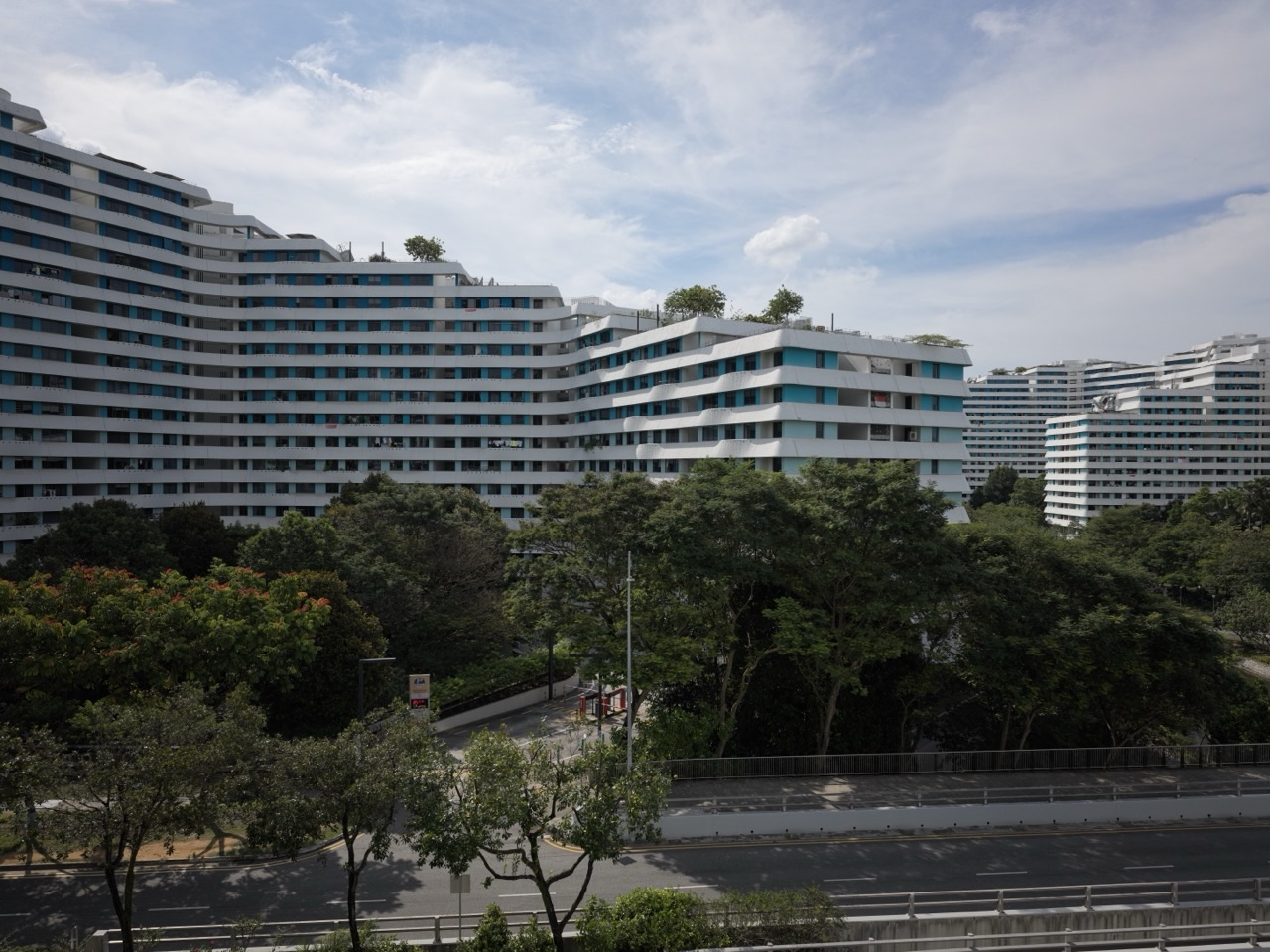
If objects are blocking your HDB common corridor, check the whole route from your flat to the stairs and lift lobby. Singapore Civil Defence Force (SCDF) guidance for common areas calls for a clear escape passage at least 1.2 metres wide along common corridors and for staircases and landings to be kept clear. The corridor is shared space and an escape route.
Move your own items out of the way where safe. If the obstruction belongs to someone else or keeps returning, note the exact location and contact the Town Council through its official channels. If there is an active fire or smoke emergency, call 995 and follow SCDF’s emergency guidance.
- Check the route along the corridor, around corners and to the stairs.
- Remove your own items that narrow the route.
- Pay attention to stair landings and access to safety equipment.
- Describe the obstruction and its location without identifying neighbours publicly.
- Ask the Town Council how it will follow up.
Jump to a section
Look along the entire route
Start with the SCDF residential estate fire safety guidelines. Check the narrowest point, including any objects protruding past a shelf or rack. Keep stairways, landings and shared access points clear in accordance with the guidance. An item that seems out of the way at one doorway can still restrict the route for people further down the corridor.
A family member using a wheelchair or pushing a stroller can help identify awkward turns or regularly blocked spots, provided the route is safe to use. Record the practical access problem separately from any measurement you provide. Let the Town Council verify the layout and applicable requirements.
| Location | What to check | What to report |
|---|---|---|
| Common corridor | Narrowest part of the escape passage | Exact floor and location of obstruction |
| Corner or turn | Items that project into the shared route | Which direction of travel is affected |
| Staircase or landing | Whether the area is clear | Stairwell or landing reference where available |
| Safety equipment | Whether access is obstructed | Which item or area needs checking |
Back to contents · Next section
Report recurring obstructions factually
Use HDB’s guide to the roles of HDB Branches and Town Councils to find the appropriate route for common property issues. Tell the Town Council the block, floor, precise spot and whether the object is there regularly. If a photograph is appropriate and safe, focus on the shared access problem and send it privately through the official channel.
If you feel comfortable discussing the issue with a neighbour, ask about keeping the route clear and focus on the practical obstruction. Avoid handling someone else’s property or turning a reporting issue into a confrontation. Keep a reference if the Town Council provides one and note when you should check again.
Back to contents · Next section
Worked example when a delivery blocks the route
A family notices that several boxes are regularly stacked near a turn. An older resident can pass the first part of the corridor but struggles at the corner. The family records the floor and position of the stack and explains how the turn is affected. It also checks that its own shoe rack is clear of the required passage.
If the boxes are removed and the issue returns, the family follows up using the earlier reference and the new observation date. It keeps the report about access and the escape route. The Town Council can check the specific layout and advise on the next step.
Back to contents · Next section
Frequently asked questions
Is leaving enough room for one person to walk through sufficient?
Use the SCDF guidance and check the full escape passage. A route can feel passable for one person while still being too narrow or awkward at a turn.
Can I move somebody else’s items?
Use the appropriate reporting channel and ask the Town Council how it will address the obstruction. Keep your own belongings clear of the route.
Who should I contact during a fire?
Call 995 and follow SCDF emergency instructions. A routine report to the Town Council is for access or maintenance issues outside an active emergency.
Back to contents · Next section
Next steps and official sources
Check the narrowest point of the shared route. Clear your own belongings where needed, and report any recurring obstruction with its exact location.