
Sentosa Nature Discovery’s free guided gallery tour is scheduled from 11am to noon on Saturday 12 December 2026 under the published second-Saturday timetable. Register through Sentosa Development Corporation and meet at the Level 2 Welcome Wall at Sentosa Nature Discovery, 51 Imbiah Road, Imbiah Lookout.
The one-hour tour takes place inside the gallery, with interactive displays about Sentosa’s wildlife and an exhibit modelled on the Imbiah swiftlet bunker. The organiser describes the indoor walking route as accessible for prams and wheelchair or personal mobility device users. You can visit the gallery independently if the tour is full, or add an outdoor Imbiah walk if conditions suit your group.
- Saturday 12 December 2026, 11am–noon, under the published second-Saturday schedule.
- Free guided tour, with advance registration recommended.
- Meet at the Level 2 Welcome Wall, Sentosa Nature Discovery, 51 Imbiah Road.
- The organiser describes the guided route as an indoor walk, accessible for prams and wheelchair or PMD users.
- The outdoor Imbiah Trail is a separate optional outing.
Plan your visit
At a glance · Start planning · Common questions
Read the guide by section
- How to book the free guided tour
- Where is Sentosa Nature Discovery?
- What will you see on the tour?
- Should you add the Imbiah Trail?
- Ways to plan the visit for different ages
- Look at habitats as places where several needs meet
- What to notice along the old monorail route
- Use the outing for a small family nature project
- Choose your arrival route according to the group
- How to keep the outdoor part optional for a mixed-age group
- Frequently asked questions
Gallery and trail options at a glance
| Activity | Time | Admission or conditions |
|---|---|---|
| Guided gallery tour | 11am–noon | Free, register in advance; meet at Level 2 Welcome Wall. |
| Independent gallery visit | Check current gallery hours | Free gallery admission; explore at your own pace. |
| Imbiah Trail | Choose according to weather and access | Outdoor route; check Sentosa’s trail directions and notices. |
How to book the free guided tour
Use the organiser’s registration page and choose the date you want from the available sessions. Go Green SG lists the tour for the second Saturday of the month from 11am to noon. The Sentosa events calendar includes the December edition. Check the date inside the booking system because a recurring event page may initially show another session.
The organiser’s booking page says each submission can register up to four people and describes a limited waitlist after the 30 places are taken. It also allows walk-ins if the group is below capacity. Book ahead if the guided tour is the main reason for your trip. When you receive the confirmation, save it alongside the full venue name and meeting level.
For a group of more than four, coordinate separate submissions and check that everyone receives confirmation for the same session. A partly confirmed group has two practical options. You can choose another date for everyone, or agree that some people will explore independently and meet the others afterwards. The guided tour is listed to end at Level 1.
If the session is full
Check whether the waitlist is available. Keep the independent gallery visit as a separate plan and confirm ordinary opening hours before travelling. If one member of your group is still waiting for a tour place, give them a clear time to make the decision. An indoor visit can still be useful without a guide if you focus on one habitat or one display.
Arriving to ask about walk-in places can work when you already intend to be on Sentosa. It is less predictable if you are travelling just for the 11am session. If availability is essential, use the organiser’s confirmation as the deciding piece of information. A public timetable tells you what is planned and a booking confirmation tells you whether you have a place.
Where is Sentosa Nature Discovery?
The venue is at 51 Imbiah Road, at Imbiah Lookout. Look for the Sentosa Nature Discovery building rather than following a pin for Beach Station or Resorts World Sentosa. The tour begins at Level 2, at the Welcome Wall. Keep the level in your directions because the tour finishes on a different floor.
Sentosa’s Imbiah Trail page lists several approaches. By Sentosa Express, alight at Imbiah Station and walk towards Imbiah Lookout. For Sentosa Bus A, alight at Imbiah Lookout. The operator also lists public Bus 123 via Village Hotel and the cable car via Imbiah Sentosa Cable Car Station. Use current operator maps for the exact approach from your starting point.
If you are coming from HarbourFront, allow time for the transfer and for the walk after you reach Imbiah. A ticket for transport onto the island is separate from the free gallery tour. If several people are arriving in different ways, send them the same building address and agree to meet before 11am. This reduces the chance that someone stops at the station and assumes the gallery is beside it.
For visitors using a stroller or wheelchair
The organiser describes the indoor tour as suitable for prams, wheelchairs and PMDs. Check the access route from your chosen station, bus stop or drop-off as a separate step. The route into Imbiah Lookout can be different from the route between exhibits inside the gallery. Contact Sentosa ahead of time if a continuous step-free journey is essential.
Ask where the group should meet after the tour if anyone wants to take a break or follow a different route. The start and finish are on separate levels, and it is easier to agree before the group splits. Keep enough time to reach the Welcome Wall without rushing. A child or older relative can then use their energy for the gallery instead of the last part of the walk.
What will you see on the tour?
Sentosa Nature Discovery is housed in a former monorail station at the edge of Imbiah Hill. The gallery introduces the island’s wildlife, habitats and heritage trees. An old transport building now gives visitors a starting point for observing the area around it. That change of use is a subject in itself. Ask which parts of the site suggest how people moved through it before the gallery opened.
The exhibits offer a way to talk about where living things find shelter and food. Look for examples from coastal habitats, wooded areas and places shaped by people. The guide can help you connect an animal or plant to a particular setting rather than reading a name on a panel in isolation. Try asking what you would have to look for if you wanted to find evidence of that habitat outside.
The Swiftlet Bunker experience
The government tour listing describes an immersive exhibit modelled on the Imbiah bunker associated with swiftlets. Sentosa’s trail information also describes how swiftlets have made use of old military bunkers on Imbiah Hill. The exhibit gives a way to learn about that relationship indoors. The tour listing focuses on an interpretation in the gallery, so plan around that experience.
For a child, the question can be as simple as “What makes a good place for a bird to shelter?” Think about darkness, shelter, height or the way a bird gets in and out. Ask the guide which clues matter in the setting described at Imbiah. That makes the exhibit an example of habitat rather than an exercise in remembering a name.
An older visitor might ask what people need to observe before concluding that an animal is using a site in a particular way. One sighting tells a different story from repeated observations. The gallery can give you a starting point for questions about how people study wildlife without disturbing it.
Why a former monorail station is part of the story
Sentosa describes the gallery as occupying a former monorail station and the nearby link to the forest as following part of the old route. Look for the change from an enclosed exhibition to an outdoor walkway. A piece of infrastructure once used to get people around can now help them notice a landscape that is often passed on the way to another attraction.
A visitor who enjoys design can think about what remains useful when a building changes its job. The route, views and height can still influence how people move even when the displays are entirely different. Compare the way you approached the building with the way you would look into the forest once you leave. Those two viewpoints are part of the experience.
Should you add the Imbiah Trail?
Treat the outdoor trail as optional. It suits visitors who still have time and energy after the indoor tour, and it can give children a chance to apply one idea from the gallery. Check the weather, current route information and the terrain that suits everyone. The booking describes accessibility for the indoor tour. Use Sentosa’s separate trail information when planning an outdoor walk.
Sentosa’s trail guide lists stops such as Imbiah Bridge, the Birdwatching Tower and Imbiah Battery. Decide what you want to see before walking. A single stretch is enough if someone in the group wants a shorter outing. Turn back when the conditions or your group’s energy tell you to, rather than assuming a route has to be completed to be worthwhile.
From the gallery to the forest
Pick a question before stepping outside. Where do you see the strongest shade? Where would rain collect after a shower? Which plants grow near the edge and which are deeper in? Avoid relying on a promise of a wildlife sighting. Leaves, shade, sounds and surfaces can still give you something specific to observe.
Ask children to compare two spots, such as an exposed area and a more sheltered one. They can describe the difference without touching wildlife or leaving the marked route. An adult can check the Sentosa nature-area guidance ahead of time and explain which parts of the path are open. A short comparison is often easier for children to remember than a long list of species.
If the weather turns wet
The organiser says the guided programme continues within the gallery in unfavourable weather, and suggests bringing an umbrella or poncho for the approach or exit. Check official updates for your session. The indoor plan remains the main outing, while any outdoor walk can be shortened or dropped according to conditions and venue directions.
If the group has young children, choose a nearby meeting or meal stop before you arrive rather than deciding while everyone is trying to stay dry. Keep the walk from your transport stop in mind even when the exhibition is indoors. Choose the most comfortable route for the group and allow additional time before 11am.
Ways to plan the visit for different ages
For younger children, choose one animal, one sound and one place to remember. Let the guide introduce the displays, then ask the child what they can still recall once you reach Level 1. They may remember a shape, a sound or the idea of a bunker. That is enough to build a useful conversation about what they saw.
For older children or teenagers, choose a question about evidence. Ask how someone would know that a habitat is changing or that a bird has started using a new place. A photograph, a regular count and a description can answer different questions. Use the guide’s examples to decide which type of evidence is most relevant.
For adults, the gallery can work as a focused one-hour outing without a long trail. A person interested in design might focus on the former monorail station. Someone who enjoys conservation may want to learn how guides distinguish among habitats. Agree on one question per person and exchange answers afterwards. This makes a short visit feel complete without trying to cover the whole island.
A simple late-morning itinerary
Arrive before 11am, locate the Welcome Wall and keep the confirmation ready. After the tour, decide whether to spend a few more minutes in the gallery or look at the first part of the forest approach. Then choose lunch or the return trip. If you intend to go elsewhere on Sentosa, give that stop its own time instead of compressing the tour and the walk.
For a self-guided visit, start by checking ordinary hours and go at a pace that suits your group. The Sentosa Development Corporation reopening information gave daily opening of 9am to 5pm. Confirm the current hours on the attraction page before you go. Allow enough time to see the parts you care about rather than arriving close to closing.
Look at habitats as places where several needs meet
A habitat does more than identify where an animal was seen. It brings together places to find food, move safely, rest or raise young. On the tour, choose one animal and ask which of those needs the display makes visible. If the guide gives more than one answer, think about which needs could be met in different parts of the same landscape.
This can help explain why a wooded area, a rocky shore and a coastal forest make different demands on their inhabitants. Near a shore, a visitor might notice exposure and changing water. In a forest, shade and layers of vegetation can matter more to what you see. The tour can give you a way to compare these environments before you decide whether to visit any of them independently.
Follow one species through the gallery
Choose a species or group of animals that interests you. Find what the display says about where it lives and what it needs. Then see if another exhibit offers a different kind of evidence, such as a picture of its surroundings, an interactive description or a guide’s explanation. Put the pieces together without assuming that every animal of that kind behaves in exactly the same way.
For younger children, use one concrete question. Where might the animal hide? For older visitors, add a second question. What would you have to observe before saying the animal uses the place regularly? That gives a family two levels of conversation without asking everyone to pay attention to the same details.
Compare an interpretation with the place it represents
The bunker exhibit lets visitors think about a real site through a modelled environment. Notice which features the interpretation draws your attention to. Some details may make it easier to imagine a shelter or understand an animal’s behaviour. Others may help people talk about a site they would not be able to study in the same way during a normal visit.
Use the guide to distinguish what the exhibit represents from what you can see during your own outing. If you take a short walk afterwards, compare the light, sound and position of features along the route. An interpretation and an outdoor observation answer different questions, and together they can give a richer sense of a place.
What to notice along the old monorail route
Sentosa describes Imbiah Bridge as an elevated walkway converted from a former monorail track. The operator’s nature trail guide puts the converted section at about 225 metres and describes a link from Nature Discovery into the forest. The bridge is an example of infrastructure carrying people into a landscape in a different way than it did when it served the railway.
If the route is open and suits your group, stop where you can do so without blocking others and compare the view at two heights. You may see more of the canopy from an elevated position than at ground level. Look for clues about which parts of a tree receive more light and what becomes harder to see from above. Ask children whether they can explain the difference using their own view.
Make a shorter trail plan instead of timing the whole loop
Sentosa’s walking guide describes an Imbiah Trail route of about 2.3 kilometres, with a typical estimate of 30 to 40 minutes. Treat the time as a guide. A person who stops at displays, walks with children or turns back when conditions change will have a different experience. Check the operator’s most recent trail map and decide how far you want to go.
A shorter route can be built around one thing, such as the bridge or a shaded section where everyone can notice the forest. Agree on the turnaround point and a meeting place if the group splits. This keeps the guided tour and the trail as two manageable parts of the morning.
Use the outing for a small family nature project
After the tour, ask each person to record one observation and one question. An observation could be something visible in the gallery. A question could be what makes one tree a better shelter than another or how a guide knows where to look for wildlife. Keeping the two separate helps children recognise what they already know and what they might investigate.
For a child who enjoys maps, sketch the sequence from the Welcome Wall to the end of the tour, then add the outdoor route if you walk part of it. Mark a place that felt open and a place that felt enclosed. Ask how light or sound differed between the two. The same exercise can be repeated on a familiar path near home.
Pick an easy way to finish the day
If your main goal is the tour, set lunch or the return trip after you know when the group will finish. A person who wants extra gallery time can stay while others take a break nearby. If someone in the group is sensitive to heat or finds outdoor walking tiring, make the indoor visit the shared activity and let the trail be an optional extra for those who want it.
A short plan also gives you a useful fallback if you do not get a tour place. You can choose one theme from the gallery, follow it at your own pace and compare notes outside. Check ordinary hours and current access before setting off so the rest of the trip still works.
Choose your arrival route according to the group
A family already planning to use the Sentosa Express may find Imbiah Station the simplest starting point. The last walk towards Imbiah Lookout is still part of the journey. A visitor arriving by island bus can make Imbiah Lookout the alighting point under the route Sentosa lists. A cable-car visitor can check that the ticket and route reach the Imbiah station they intend to use. Give every traveller the same building name even if their transport differs.
If you have a car or are using a drop-off, check the operator’s island entry and parking information. It lists an Imbiah Lookout car park for the trail area. Leave time to move from your parking or drop-off point to Level 2. If the visit is mainly about the free tour, compare the cost and time of reaching it by different modes before deciding how to travel.
Plan where to pause during a two-part visit
Once the tour finishes at Level 1, pause and ask what the group wants to do next. A child who still has energy may want to look outside. A visitor who needs a break may prefer to talk about the gallery or head for lunch. If the group splits, agree on an accessible place to meet and a time that allows the outdoor walkers to turn back. The forest walk can be short even when people have a whole afternoon available.
Bring a question you can answer in one visit
A question like “How do plants and animals find what they need on Sentosa?” can be too broad to settle in a single hour. Make it smaller. Ask how one animal finds shelter, or how shade differs between two places. The guide may give you a specific example, and the trail may let you observe a small part of that example yourself. The two experiences then support the same question without requiring you to see everything in the gallery.
How to keep the outdoor part optional for a mixed-age group
Agree on a short route before setting off, then see whether everyone feels comfortable continuing. Adults who want to explore farther can arrange to meet the rest of the group after the walk. Younger children can look for a single contrast, such as bright light and deep shade. That gives them something concrete to remember from a short stretch, even if the group returns to Imbiah Lookout earlier than expected.
Frequently asked questions
Is the guided tour free?
Yes. The official listings describe the gallery tour as free. Advance registration is the reliable way to plan for a place. Transport and parking can have separate charges.
What date is the December 2026 tour?
Saturday 12 December falls on the published second-Saturday schedule. The listed time is 11am to noon. Check the date selector and current availability before travelling.
Where do I meet the guide?
Meet at the Level 2 Welcome Wall inside Sentosa Nature Discovery at Imbiah Lookout. The organiser lists the street address as 51 Imbiah Road.
Can I take a stroller?
The organiser describes the indoor walking tour as accessible to visitors with prams, wheelchairs and PMDs. Check your travel route to the gallery separately.
Does the tour take me through the actual swiftlet bunker?
The official description refers to an immersive exhibit modelled on the Imbiah bunker. The booked programme is an indoor gallery tour.
Do I need to walk the Imbiah Trail afterwards?
The gallery visit is a complete outing. The trail is a separate outdoor option that you can add when the weather and your group’s needs suit it.
Official information and further reading
- Go Green SG’s official tour timetable
- Sentosa Development Corporation’s tour registration
- Sentosa Nature Discovery official visitor page
- Imbiah Trail routes and directions
- Sentosa Development Corporation’s Nature Discovery reopening information
- Sentosa’s walking trail guide
- Sentosa’s island access and transport guide
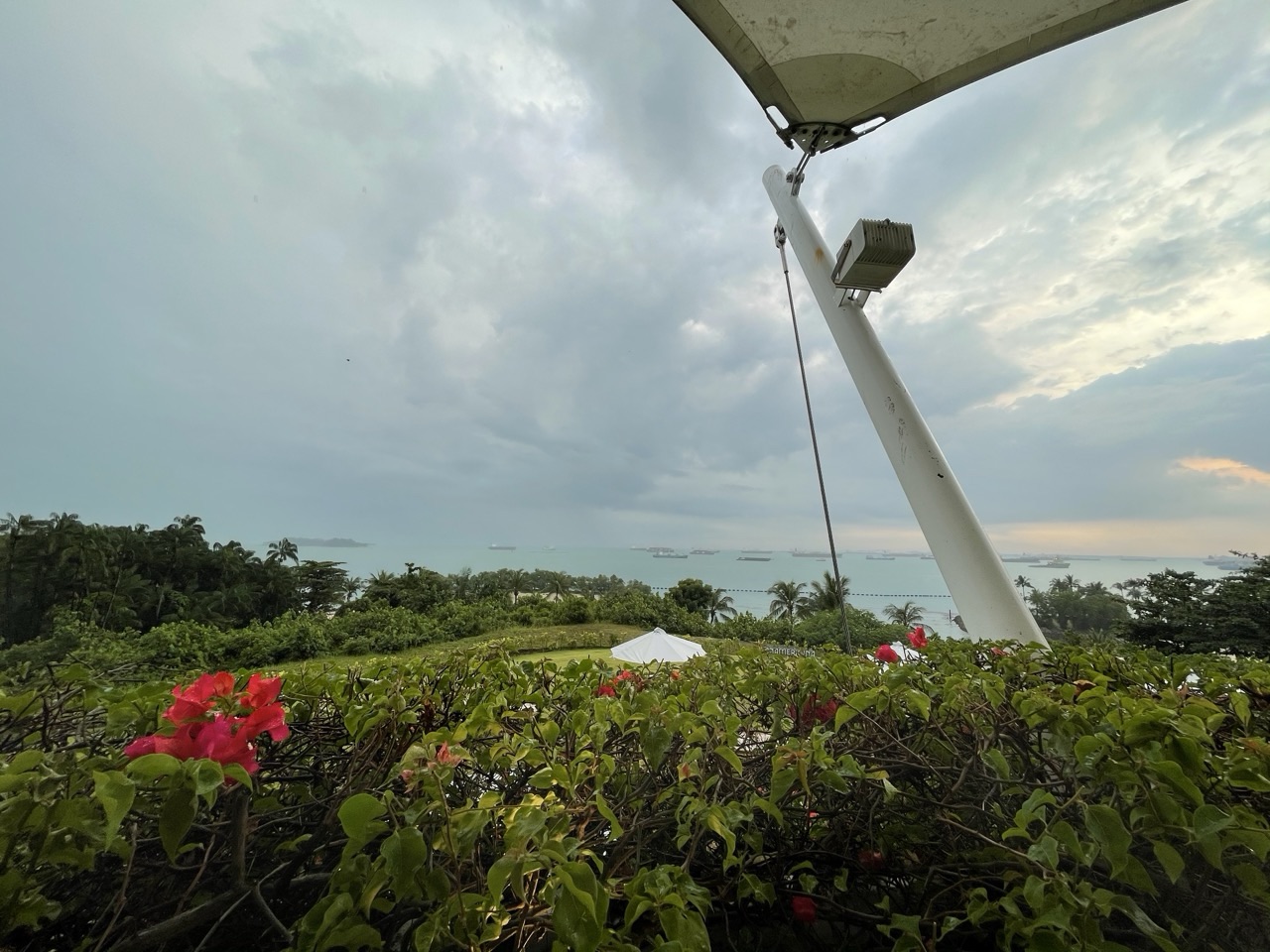
The header is an eduKateSG photograph of Sentosa.