
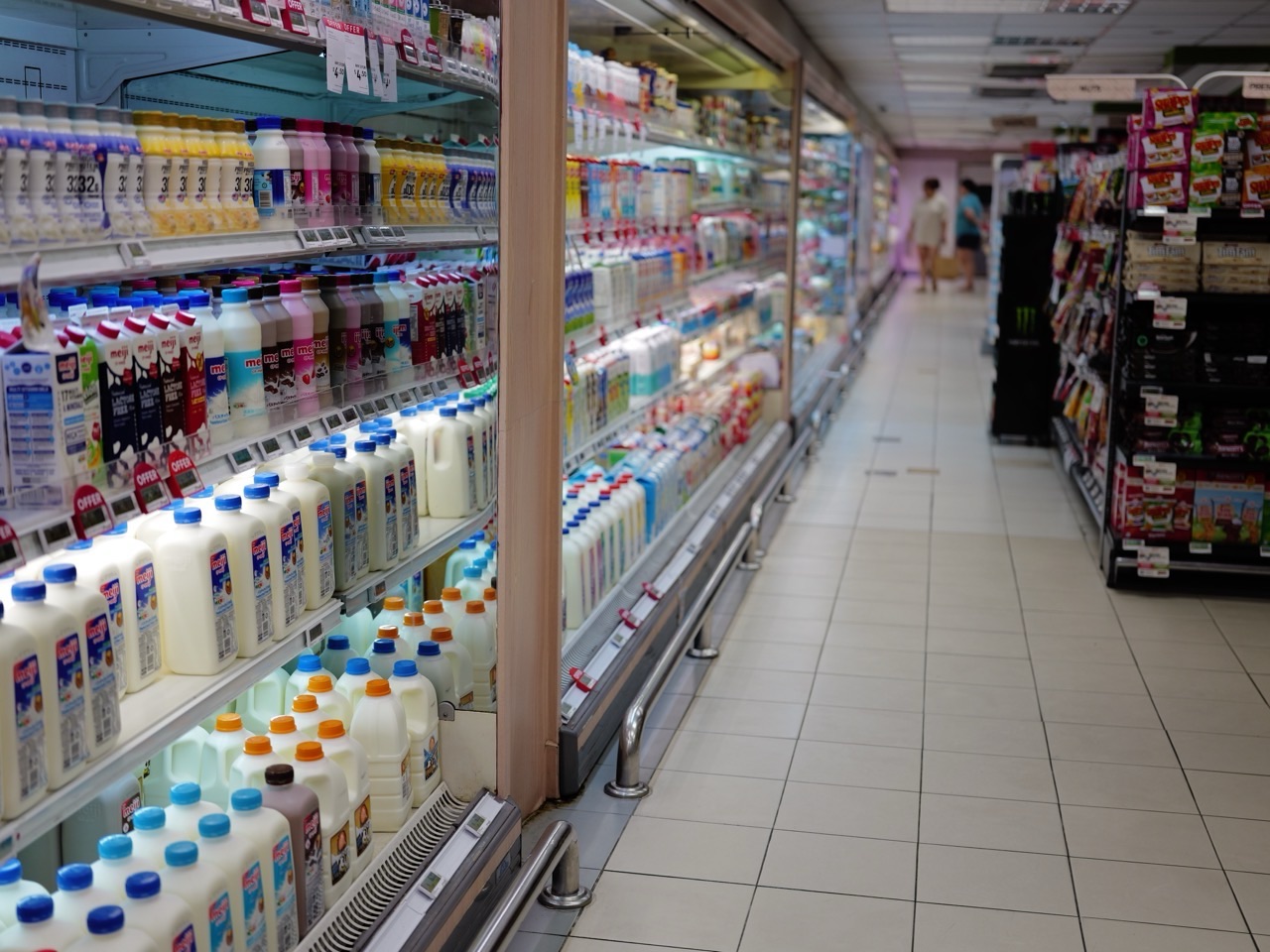
How does a supermarket make a shopping centre part of everyday life? Grocery retail creates high-frequency visits built around food, household supplies and routine errands. Unlike a fashion purchase that may happen occasionally, groceries return every week or even several times a week. This makes supermarkets, pharmacies and everyday services powerful anchors for neighbourhood malls and mixed-use developments.
This guide explains supermarkets in malls, grocery anchors, convenience retail, fresh food, cold chains, checkout systems, trolleys, home delivery, click-and-collect, pharmacy adjacencies and the economics of everyday shopping. We will look at why supermarkets often sit near parking or transport, why grocery logistics are unusually demanding, how frequent visits support neighbouring tenants and how online grocery changes the role of the physical store.
Did you know that an anchor does not have to be glamorous to be powerful? A supermarket can generate dependable traffic because the customer has a recurring mission. The shopper who arrives for milk and vegetables may also collect medicine, buy bread, eat dinner or use a service. The supermarket’s value therefore extends beyond the rent it pays.
For the logistics layer, read Retail Supply Chains, Deliveries, Loading Bays and Inventory. For food retail systems, continue with Food Courts, Restaurants and the Dining Economy.
Everyday Anchors
Everyday Anchors matters because supermarkets and everyday anchors create frequent, practical visits rather than relying only on discretionary shopping. A grocery anchor can turn a mall from an occasional destination into a weekly habit. The category earns strategic value when it fits naturally into routines people repeat every week.
The mechanism is dependable convenience. Grocery retail combines large assortments, replenishment, cold-chain needs, checkout capacity, delivery access and strong transport links. Because customers often carry heavy or bulky purchases, parking, MRT access, lifts and trolley routes become part of the retail proposition.
Imagine the same mall on a Tuesday evening. A commuter buys dinner ingredients, a family tops up household supplies and an older resident visits the pharmacy next door. The supermarket creates traffic that can support bakeries, services and food tenants even when fashion demand is quiet.
For students, follow one grocery mission from arrival to checkout. Count how many systems support it: transport, trolleys, shelves, refrigeration, pricing, payment, inventory and loading bays. Everyday retail looks simple because these systems repeat reliably.
The result is a practical anchor that can make the entire centre part of neighbourhood life. The supermarket supports the centre by producing repeat missions, predictable traffic and useful adjacencies. Frequency becomes a form of commercial strength because the mall remains useful between major shopping occasions.
Supermarket Catchments
Supermarket Catchments matters because supermarkets and everyday anchors create frequent, practical visits rather than relying only on discretionary shopping. A grocery anchor can turn a mall from an occasional destination into a weekly habit. The category earns strategic value when it fits naturally into routines people repeat every week.
The mechanism is dependable convenience. Grocery retail combines large assortments, replenishment, cold-chain needs, checkout capacity, delivery access and strong transport links. Because customers often carry heavy or bulky purchases, parking, MRT access, lifts and trolley routes become part of the retail proposition.
Imagine the same mall on a Tuesday evening. A commuter buys dinner ingredients, a family tops up household supplies and an older resident visits the pharmacy next door. The supermarket creates traffic that can support bakeries, services and food tenants even when fashion demand is quiet.
For students, follow one grocery mission from arrival to checkout. Count how many systems support it: transport, trolleys, shelves, refrigeration, pricing, payment, inventory and loading bays. Everyday retail looks simple because these systems repeat reliably.
The result is a practical anchor that can make the entire centre part of neighbourhood life. The supermarket supports the centre by producing repeat missions, predictable traffic and useful adjacencies. Frequency becomes a form of commercial strength because the mall remains useful between major shopping occasions.
Neighbourhood Grocery
Neighbourhood Grocery matters because supermarkets and everyday anchors create frequent, practical visits rather than relying only on discretionary shopping. A grocery anchor can turn a mall from an occasional destination into a weekly habit. The category earns strategic value when it fits naturally into routines people repeat every week.
The mechanism is dependable convenience. Grocery retail combines large assortments, replenishment, cold-chain needs, checkout capacity, delivery access and strong transport links. Because customers often carry heavy or bulky purchases, parking, MRT access, lifts and trolley routes become part of the retail proposition.
Imagine the same mall on a Tuesday evening. A commuter buys dinner ingredients, a family tops up household supplies and an older resident visits the pharmacy next door. The supermarket creates traffic that can support bakeries, services and food tenants even when fashion demand is quiet.
For students, follow one grocery mission from arrival to checkout. Count how many systems support it: transport, trolleys, shelves, refrigeration, pricing, payment, inventory and loading bays. Everyday retail looks simple because these systems repeat reliably.
The result is a practical anchor that can make the entire centre part of neighbourhood life. The supermarket supports the centre by producing repeat missions, predictable traffic and useful adjacencies. Frequency becomes a form of commercial strength because the mall remains useful between major shopping occasions.
Premium Grocery
Premium Grocery matters because supermarkets and everyday anchors create frequent, practical visits rather than relying only on discretionary shopping. A grocery anchor can turn a mall from an occasional destination into a weekly habit. The category earns strategic value when it fits naturally into routines people repeat every week.
The mechanism is dependable convenience. Grocery retail combines large assortments, replenishment, cold-chain needs, checkout capacity, delivery access and strong transport links. Because customers often carry heavy or bulky purchases, parking, MRT access, lifts and trolley routes become part of the retail proposition.
Imagine the same mall on a Tuesday evening. A commuter buys dinner ingredients, a family tops up household supplies and an older resident visits the pharmacy next door. The supermarket creates traffic that can support bakeries, services and food tenants even when fashion demand is quiet.
For students, follow one grocery mission from arrival to checkout. Count how many systems support it: transport, trolleys, shelves, refrigeration, pricing, payment, inventory and loading bays. Everyday retail looks simple because these systems repeat reliably.
The result is a practical anchor that can make the entire centre part of neighbourhood life. The supermarket supports the centre by producing repeat missions, predictable traffic and useful adjacencies. Frequency becomes a form of commercial strength because the mall remains useful between major shopping occasions.
Value Grocery
Value Grocery matters because supermarkets and everyday anchors create frequent, practical visits rather than relying only on discretionary shopping. A grocery anchor can turn a mall from an occasional destination into a weekly habit. The category earns strategic value when it fits naturally into routines people repeat every week.
The mechanism is dependable convenience. Grocery retail combines large assortments, replenishment, cold-chain needs, checkout capacity, delivery access and strong transport links. Because customers often carry heavy or bulky purchases, parking, MRT access, lifts and trolley routes become part of the retail proposition.
Imagine the same mall on a Tuesday evening. A commuter buys dinner ingredients, a family tops up household supplies and an older resident visits the pharmacy next door. The supermarket creates traffic that can support bakeries, services and food tenants even when fashion demand is quiet.
For students, follow one grocery mission from arrival to checkout. Count how many systems support it: transport, trolleys, shelves, refrigeration, pricing, payment, inventory and loading bays. Everyday retail looks simple because these systems repeat reliably.
The result is a practical anchor that can make the entire centre part of neighbourhood life. The supermarket supports the centre by producing repeat missions, predictable traffic and useful adjacencies. Frequency becomes a form of commercial strength because the mall remains useful between major shopping occasions.
Fresh Produce
Fresh Produce matters because supermarkets and everyday anchors create frequent, practical visits rather than relying only on discretionary shopping. A grocery anchor can turn a mall from an occasional destination into a weekly habit. The category earns strategic value when it fits naturally into routines people repeat every week.
The mechanism is dependable convenience. Grocery retail combines large assortments, replenishment, cold-chain needs, checkout capacity, delivery access and strong transport links. Because customers often carry heavy or bulky purchases, parking, MRT access, lifts and trolley routes become part of the retail proposition.
Imagine the same mall on a Tuesday evening. A commuter buys dinner ingredients, a family tops up household supplies and an older resident visits the pharmacy next door. The supermarket creates traffic that can support bakeries, services and food tenants even when fashion demand is quiet.
For students, follow one grocery mission from arrival to checkout. Count how many systems support it: transport, trolleys, shelves, refrigeration, pricing, payment, inventory and loading bays. Everyday retail looks simple because these systems repeat reliably.
The result is a practical anchor that can make the entire centre part of neighbourhood life. The supermarket supports the centre by producing repeat missions, predictable traffic and useful adjacencies. Frequency becomes a form of commercial strength because the mall remains useful between major shopping occasions.
Meat and Seafood
Meat and Seafood matters because supermarkets and everyday anchors create frequent, practical visits rather than relying only on discretionary shopping. A grocery anchor can turn a mall from an occasional destination into a weekly habit. The category earns strategic value when it fits naturally into routines people repeat every week.
The mechanism is dependable convenience. Grocery retail combines large assortments, replenishment, cold-chain needs, checkout capacity, delivery access and strong transport links. Because customers often carry heavy or bulky purchases, parking, MRT access, lifts and trolley routes become part of the retail proposition.
Imagine the same mall on a Tuesday evening. A commuter buys dinner ingredients, a family tops up household supplies and an older resident visits the pharmacy next door. The supermarket creates traffic that can support bakeries, services and food tenants even when fashion demand is quiet.
For students, follow one grocery mission from arrival to checkout. Count how many systems support it: transport, trolleys, shelves, refrigeration, pricing, payment, inventory and loading bays. Everyday retail looks simple because these systems repeat reliably.
The result is a practical anchor that can make the entire centre part of neighbourhood life. The supermarket supports the centre by producing repeat missions, predictable traffic and useful adjacencies. Frequency becomes a form of commercial strength because the mall remains useful between major shopping occasions.
Bakery
Bakery matters because supermarkets and everyday anchors create frequent, practical visits rather than relying only on discretionary shopping. A grocery anchor can turn a mall from an occasional destination into a weekly habit. The category earns strategic value when it fits naturally into routines people repeat every week.
The mechanism is dependable convenience. Grocery retail combines large assortments, replenishment, cold-chain needs, checkout capacity, delivery access and strong transport links. Because customers often carry heavy or bulky purchases, parking, MRT access, lifts and trolley routes become part of the retail proposition.
Imagine the same mall on a Tuesday evening. A commuter buys dinner ingredients, a family tops up household supplies and an older resident visits the pharmacy next door. The supermarket creates traffic that can support bakeries, services and food tenants even when fashion demand is quiet.
For students, follow one grocery mission from arrival to checkout. Count how many systems support it: transport, trolleys, shelves, refrigeration, pricing, payment, inventory and loading bays. Everyday retail looks simple because these systems repeat reliably.
The result is a practical anchor that can make the entire centre part of neighbourhood life. The supermarket supports the centre by producing repeat missions, predictable traffic and useful adjacencies. Frequency becomes a form of commercial strength because the mall remains useful between major shopping occasions.
Ready-to-Eat Food
Ready-to-Eat Food matters because supermarkets and everyday anchors create frequent, practical visits rather than relying only on discretionary shopping. A grocery anchor can turn a mall from an occasional destination into a weekly habit. The category earns strategic value when it fits naturally into routines people repeat every week.
The mechanism is dependable convenience. Grocery retail combines large assortments, replenishment, cold-chain needs, checkout capacity, delivery access and strong transport links. Because customers often carry heavy or bulky purchases, parking, MRT access, lifts and trolley routes become part of the retail proposition.
Imagine the same mall on a Tuesday evening. A commuter buys dinner ingredients, a family tops up household supplies and an older resident visits the pharmacy next door. The supermarket creates traffic that can support bakeries, services and food tenants even when fashion demand is quiet.
For students, follow one grocery mission from arrival to checkout. Count how many systems support it: transport, trolleys, shelves, refrigeration, pricing, payment, inventory and loading bays. Everyday retail looks simple because these systems repeat reliably.
The result is a practical anchor that can make the entire centre part of neighbourhood life. The supermarket supports the centre by producing repeat missions, predictable traffic and useful adjacencies. Frequency becomes a form of commercial strength because the mall remains useful between major shopping occasions.
Frozen Food
Frozen Food matters because supermarkets and everyday anchors create frequent, practical visits rather than relying only on discretionary shopping. A grocery anchor can turn a mall from an occasional destination into a weekly habit. The category earns strategic value when it fits naturally into routines people repeat every week.
The mechanism is dependable convenience. Grocery retail combines large assortments, replenishment, cold-chain needs, checkout capacity, delivery access and strong transport links. Because customers often carry heavy or bulky purchases, parking, MRT access, lifts and trolley routes become part of the retail proposition.
Imagine the same mall on a Tuesday evening. A commuter buys dinner ingredients, a family tops up household supplies and an older resident visits the pharmacy next door. The supermarket creates traffic that can support bakeries, services and food tenants even when fashion demand is quiet.
For students, follow one grocery mission from arrival to checkout. Count how many systems support it: transport, trolleys, shelves, refrigeration, pricing, payment, inventory and loading bays. Everyday retail looks simple because these systems repeat reliably.
The result is a practical anchor that can make the entire centre part of neighbourhood life. The supermarket supports the centre by producing repeat missions, predictable traffic and useful adjacencies. Frequency becomes a form of commercial strength because the mall remains useful between major shopping occasions.
Household Goods
Household Goods matters because supermarkets and everyday anchors create frequent, practical visits rather than relying only on discretionary shopping. A grocery anchor can turn a mall from an occasional destination into a weekly habit. The category earns strategic value when it fits naturally into routines people repeat every week.
The mechanism is dependable convenience. Grocery retail combines large assortments, replenishment, cold-chain needs, checkout capacity, delivery access and strong transport links. Because customers often carry heavy or bulky purchases, parking, MRT access, lifts and trolley routes become part of the retail proposition.
Imagine the same mall on a Tuesday evening. A commuter buys dinner ingredients, a family tops up household supplies and an older resident visits the pharmacy next door. The supermarket creates traffic that can support bakeries, services and food tenants even when fashion demand is quiet.
For students, follow one grocery mission from arrival to checkout. Count how many systems support it: transport, trolleys, shelves, refrigeration, pricing, payment, inventory and loading bays. Everyday retail looks simple because these systems repeat reliably.
The result is a practical anchor that can make the entire centre part of neighbourhood life. The supermarket supports the centre by producing repeat missions, predictable traffic and useful adjacencies. Frequency becomes a form of commercial strength because the mall remains useful between major shopping occasions.
Personal Care
Personal Care matters because supermarkets and everyday anchors create frequent, practical visits rather than relying only on discretionary shopping. A grocery anchor can turn a mall from an occasional destination into a weekly habit. The category earns strategic value when it fits naturally into routines people repeat every week.
The mechanism is dependable convenience. Grocery retail combines large assortments, replenishment, cold-chain needs, checkout capacity, delivery access and strong transport links. Because customers often carry heavy or bulky purchases, parking, MRT access, lifts and trolley routes become part of the retail proposition.
Imagine the same mall on a Tuesday evening. A commuter buys dinner ingredients, a family tops up household supplies and an older resident visits the pharmacy next door. The supermarket creates traffic that can support bakeries, services and food tenants even when fashion demand is quiet.
For students, follow one grocery mission from arrival to checkout. Count how many systems support it: transport, trolleys, shelves, refrigeration, pricing, payment, inventory and loading bays. Everyday retail looks simple because these systems repeat reliably.
The result is a practical anchor that can make the entire centre part of neighbourhood life. The supermarket supports the centre by producing repeat missions, predictable traffic and useful adjacencies. Frequency becomes a form of commercial strength because the mall remains useful between major shopping occasions.
Pharmacy Adjacency
Pharmacy Adjacency matters because supermarkets and everyday anchors create frequent, practical visits rather than relying only on discretionary shopping. A grocery anchor can turn a mall from an occasional destination into a weekly habit. The category earns strategic value when it fits naturally into routines people repeat every week.
The mechanism is dependable convenience. Grocery retail combines large assortments, replenishment, cold-chain needs, checkout capacity, delivery access and strong transport links. Because customers often carry heavy or bulky purchases, parking, MRT access, lifts and trolley routes become part of the retail proposition.
Imagine the same mall on a Tuesday evening. A commuter buys dinner ingredients, a family tops up household supplies and an older resident visits the pharmacy next door. The supermarket creates traffic that can support bakeries, services and food tenants even when fashion demand is quiet.
For students, follow one grocery mission from arrival to checkout. Count how many systems support it: transport, trolleys, shelves, refrigeration, pricing, payment, inventory and loading bays. Everyday retail looks simple because these systems repeat reliably.
The result is a practical anchor that can make the entire centre part of neighbourhood life. The supermarket supports the centre by producing repeat missions, predictable traffic and useful adjacencies. Frequency becomes a form of commercial strength because the mall remains useful between major shopping occasions.
Freshness
Freshness matters because supermarkets and everyday anchors create frequent, practical visits rather than relying only on discretionary shopping. A grocery anchor can turn a mall from an occasional destination into a weekly habit. The category earns strategic value when it fits naturally into routines people repeat every week.
The mechanism is dependable convenience. Grocery retail combines large assortments, replenishment, cold-chain needs, checkout capacity, delivery access and strong transport links. Because customers often carry heavy or bulky purchases, parking, MRT access, lifts and trolley routes become part of the retail proposition.
Imagine the same mall on a Tuesday evening. A commuter buys dinner ingredients, a family tops up household supplies and an older resident visits the pharmacy next door. The supermarket creates traffic that can support bakeries, services and food tenants even when fashion demand is quiet.
For students, follow one grocery mission from arrival to checkout. Count how many systems support it: transport, trolleys, shelves, refrigeration, pricing, payment, inventory and loading bays. Everyday retail looks simple because these systems repeat reliably.
The result is a practical anchor that can make the entire centre part of neighbourhood life. The supermarket supports the centre by producing repeat missions, predictable traffic and useful adjacencies. Frequency becomes a form of commercial strength because the mall remains useful between major shopping occasions.
Cold Chain
Cold Chain matters because supermarkets and everyday anchors create frequent, practical visits rather than relying only on discretionary shopping. A grocery anchor can turn a mall from an occasional destination into a weekly habit. The category earns strategic value when it fits naturally into routines people repeat every week.
The mechanism is dependable convenience. Grocery retail combines large assortments, replenishment, cold-chain needs, checkout capacity, delivery access and strong transport links. Because customers often carry heavy or bulky purchases, parking, MRT access, lifts and trolley routes become part of the retail proposition.
Imagine the same mall on a Tuesday evening. A commuter buys dinner ingredients, a family tops up household supplies and an older resident visits the pharmacy next door. The supermarket creates traffic that can support bakeries, services and food tenants even when fashion demand is quiet.
For students, follow one grocery mission from arrival to checkout. Count how many systems support it: transport, trolleys, shelves, refrigeration, pricing, payment, inventory and loading bays. Everyday retail looks simple because these systems repeat reliably.
The result is a practical anchor that can make the entire centre part of neighbourhood life. The supermarket supports the centre by producing repeat missions, predictable traffic and useful adjacencies. Frequency becomes a form of commercial strength because the mall remains useful between major shopping occasions.
Refrigeration
Refrigeration matters because supermarkets and everyday anchors create frequent, practical visits rather than relying only on discretionary shopping. A grocery anchor can turn a mall from an occasional destination into a weekly habit. The category earns strategic value when it fits naturally into routines people repeat every week.
The mechanism is dependable convenience. Grocery retail combines large assortments, replenishment, cold-chain needs, checkout capacity, delivery access and strong transport links. Because customers often carry heavy or bulky purchases, parking, MRT access, lifts and trolley routes become part of the retail proposition.
Imagine the same mall on a Tuesday evening. A commuter buys dinner ingredients, a family tops up household supplies and an older resident visits the pharmacy next door. The supermarket creates traffic that can support bakeries, services and food tenants even when fashion demand is quiet.
For students, follow one grocery mission from arrival to checkout. Count how many systems support it: transport, trolleys, shelves, refrigeration, pricing, payment, inventory and loading bays. Everyday retail looks simple because these systems repeat reliably.
The result is a practical anchor that can make the entire centre part of neighbourhood life. The supermarket supports the centre by producing repeat missions, predictable traffic and useful adjacencies. Frequency becomes a form of commercial strength because the mall remains useful between major shopping occasions.
Energy Use
Energy Use matters because supermarkets and everyday anchors create frequent, practical visits rather than relying only on discretionary shopping. A grocery anchor can turn a mall from an occasional destination into a weekly habit. The category earns strategic value when it fits naturally into routines people repeat every week.
The mechanism is dependable convenience. Grocery retail combines large assortments, replenishment, cold-chain needs, checkout capacity, delivery access and strong transport links. Because customers often carry heavy or bulky purchases, parking, MRT access, lifts and trolley routes become part of the retail proposition.
Imagine the same mall on a Tuesday evening. A commuter buys dinner ingredients, a family tops up household supplies and an older resident visits the pharmacy next door. The supermarket creates traffic that can support bakeries, services and food tenants even when fashion demand is quiet.
For students, follow one grocery mission from arrival to checkout. Count how many systems support it: transport, trolleys, shelves, refrigeration, pricing, payment, inventory and loading bays. Everyday retail looks simple because these systems repeat reliably.
The result is a practical anchor that can make the entire centre part of neighbourhood life. The supermarket supports the centre by producing repeat missions, predictable traffic and useful adjacencies. Frequency becomes a form of commercial strength because the mall remains useful between major shopping occasions.
Deliveries
Deliveries matters because supermarkets and everyday anchors create frequent, practical visits rather than relying only on discretionary shopping. A grocery anchor can turn a mall from an occasional destination into a weekly habit. The category earns strategic value when it fits naturally into routines people repeat every week.
The mechanism is dependable convenience. Grocery retail combines large assortments, replenishment, cold-chain needs, checkout capacity, delivery access and strong transport links. Because customers often carry heavy or bulky purchases, parking, MRT access, lifts and trolley routes become part of the retail proposition.
Imagine the same mall on a Tuesday evening. A commuter buys dinner ingredients, a family tops up household supplies and an older resident visits the pharmacy next door. The supermarket creates traffic that can support bakeries, services and food tenants even when fashion demand is quiet.
For students, follow one grocery mission from arrival to checkout. Count how many systems support it: transport, trolleys, shelves, refrigeration, pricing, payment, inventory and loading bays. Everyday retail looks simple because these systems repeat reliably.
The result is a practical anchor that can make the entire centre part of neighbourhood life. The supermarket supports the centre by producing repeat missions, predictable traffic and useful adjacencies. Frequency becomes a form of commercial strength because the mall remains useful between major shopping occasions.
Loading Bays
Loading Bays matters because supermarkets and everyday anchors create frequent, practical visits rather than relying only on discretionary shopping. A grocery anchor can turn a mall from an occasional destination into a weekly habit. The category earns strategic value when it fits naturally into routines people repeat every week.
The mechanism is dependable convenience. Grocery retail combines large assortments, replenishment, cold-chain needs, checkout capacity, delivery access and strong transport links. Because customers often carry heavy or bulky purchases, parking, MRT access, lifts and trolley routes become part of the retail proposition.
Imagine the same mall on a Tuesday evening. A commuter buys dinner ingredients, a family tops up household supplies and an older resident visits the pharmacy next door. The supermarket creates traffic that can support bakeries, services and food tenants even when fashion demand is quiet.
For students, follow one grocery mission from arrival to checkout. Count how many systems support it: transport, trolleys, shelves, refrigeration, pricing, payment, inventory and loading bays. Everyday retail looks simple because these systems repeat reliably.
The result is a practical anchor that can make the entire centre part of neighbourhood life. The supermarket supports the centre by producing repeat missions, predictable traffic and useful adjacencies. Frequency becomes a form of commercial strength because the mall remains useful between major shopping occasions.
Early-Morning Replenishment
Early-Morning Replenishment matters because supermarkets and everyday anchors create frequent, practical visits rather than relying only on discretionary shopping. A grocery anchor can turn a mall from an occasional destination into a weekly habit. The category earns strategic value when it fits naturally into routines people repeat every week.
The mechanism is dependable convenience. Grocery retail combines large assortments, replenishment, cold-chain needs, checkout capacity, delivery access and strong transport links. Because customers often carry heavy or bulky purchases, parking, MRT access, lifts and trolley routes become part of the retail proposition.
Imagine the same mall on a Tuesday evening. A commuter buys dinner ingredients, a family tops up household supplies and an older resident visits the pharmacy next door. The supermarket creates traffic that can support bakeries, services and food tenants even when fashion demand is quiet.
For students, follow one grocery mission from arrival to checkout. Count how many systems support it: transport, trolleys, shelves, refrigeration, pricing, payment, inventory and loading bays. Everyday retail looks simple because these systems repeat reliably.
The result is a practical anchor that can make the entire centre part of neighbourhood life. The supermarket supports the centre by producing repeat missions, predictable traffic and useful adjacencies. Frequency becomes a form of commercial strength because the mall remains useful between major shopping occasions.
Stock Rooms
Stock Rooms matters because supermarkets and everyday anchors create frequent, practical visits rather than relying only on discretionary shopping. A grocery anchor can turn a mall from an occasional destination into a weekly habit. The category earns strategic value when it fits naturally into routines people repeat every week.
The mechanism is dependable convenience. Grocery retail combines large assortments, replenishment, cold-chain needs, checkout capacity, delivery access and strong transport links. Because customers often carry heavy or bulky purchases, parking, MRT access, lifts and trolley routes become part of the retail proposition.
Imagine the same mall on a Tuesday evening. A commuter buys dinner ingredients, a family tops up household supplies and an older resident visits the pharmacy next door. The supermarket creates traffic that can support bakeries, services and food tenants even when fashion demand is quiet.
For students, follow one grocery mission from arrival to checkout. Count how many systems support it: transport, trolleys, shelves, refrigeration, pricing, payment, inventory and loading bays. Everyday retail looks simple because these systems repeat reliably.
The result is a practical anchor that can make the entire centre part of neighbourhood life. The supermarket supports the centre by producing repeat missions, predictable traffic and useful adjacencies. Frequency becomes a form of commercial strength because the mall remains useful between major shopping occasions.
Inventory
Inventory matters because supermarkets and everyday anchors create frequent, practical visits rather than relying only on discretionary shopping. A grocery anchor can turn a mall from an occasional destination into a weekly habit. The category earns strategic value when it fits naturally into routines people repeat every week.
The mechanism is dependable convenience. Grocery retail combines large assortments, replenishment, cold-chain needs, checkout capacity, delivery access and strong transport links. Because customers often carry heavy or bulky purchases, parking, MRT access, lifts and trolley routes become part of the retail proposition.
Imagine the same mall on a Tuesday evening. A commuter buys dinner ingredients, a family tops up household supplies and an older resident visits the pharmacy next door. The supermarket creates traffic that can support bakeries, services and food tenants even when fashion demand is quiet.
For students, follow one grocery mission from arrival to checkout. Count how many systems support it: transport, trolleys, shelves, refrigeration, pricing, payment, inventory and loading bays. Everyday retail looks simple because these systems repeat reliably.
The result is a practical anchor that can make the entire centre part of neighbourhood life. The supermarket supports the centre by producing repeat missions, predictable traffic and useful adjacencies. Frequency becomes a form of commercial strength because the mall remains useful between major shopping occasions.
Fast-Moving Goods
Fast-Moving Goods matters because supermarkets and everyday anchors create frequent, practical visits rather than relying only on discretionary shopping. A grocery anchor can turn a mall from an occasional destination into a weekly habit. The category earns strategic value when it fits naturally into routines people repeat every week.
The mechanism is dependable convenience. Grocery retail combines large assortments, replenishment, cold-chain needs, checkout capacity, delivery access and strong transport links. Because customers often carry heavy or bulky purchases, parking, MRT access, lifts and trolley routes become part of the retail proposition.
Imagine the same mall on a Tuesday evening. A commuter buys dinner ingredients, a family tops up household supplies and an older resident visits the pharmacy next door. The supermarket creates traffic that can support bakeries, services and food tenants even when fashion demand is quiet.
For students, follow one grocery mission from arrival to checkout. Count how many systems support it: transport, trolleys, shelves, refrigeration, pricing, payment, inventory and loading bays. Everyday retail looks simple because these systems repeat reliably.
The result is a practical anchor that can make the entire centre part of neighbourhood life. The supermarket supports the centre by producing repeat missions, predictable traffic and useful adjacencies. Frequency becomes a form of commercial strength because the mall remains useful between major shopping occasions.
Demand Forecasting
Demand Forecasting matters because supermarkets and everyday anchors create frequent, practical visits rather than relying only on discretionary shopping. A grocery anchor can turn a mall from an occasional destination into a weekly habit. The category earns strategic value when it fits naturally into routines people repeat every week.
The mechanism is dependable convenience. Grocery retail combines large assortments, replenishment, cold-chain needs, checkout capacity, delivery access and strong transport links. Because customers often carry heavy or bulky purchases, parking, MRT access, lifts and trolley routes become part of the retail proposition.
Imagine the same mall on a Tuesday evening. A commuter buys dinner ingredients, a family tops up household supplies and an older resident visits the pharmacy next door. The supermarket creates traffic that can support bakeries, services and food tenants even when fashion demand is quiet.
For students, follow one grocery mission from arrival to checkout. Count how many systems support it: transport, trolleys, shelves, refrigeration, pricing, payment, inventory and loading bays. Everyday retail looks simple because these systems repeat reliably.
The result is a practical anchor that can make the entire centre part of neighbourhood life. The supermarket supports the centre by producing repeat missions, predictable traffic and useful adjacencies. Frequency becomes a form of commercial strength because the mall remains useful between major shopping occasions.
Seasonal Peaks
Seasonal Peaks matters because supermarkets and everyday anchors create frequent, practical visits rather than relying only on discretionary shopping. A grocery anchor can turn a mall from an occasional destination into a weekly habit. The category earns strategic value when it fits naturally into routines people repeat every week.
The mechanism is dependable convenience. Grocery retail combines large assortments, replenishment, cold-chain needs, checkout capacity, delivery access and strong transport links. Because customers often carry heavy or bulky purchases, parking, MRT access, lifts and trolley routes become part of the retail proposition.
Imagine the same mall on a Tuesday evening. A commuter buys dinner ingredients, a family tops up household supplies and an older resident visits the pharmacy next door. The supermarket creates traffic that can support bakeries, services and food tenants even when fashion demand is quiet.
For students, follow one grocery mission from arrival to checkout. Count how many systems support it: transport, trolleys, shelves, refrigeration, pricing, payment, inventory and loading bays. Everyday retail looks simple because these systems repeat reliably.
The result is a practical anchor that can make the entire centre part of neighbourhood life. The supermarket supports the centre by producing repeat missions, predictable traffic and useful adjacencies. Frequency becomes a form of commercial strength because the mall remains useful between major shopping occasions.
Festive Grocery
Festive Grocery matters because supermarkets and everyday anchors create frequent, practical visits rather than relying only on discretionary shopping. A grocery anchor can turn a mall from an occasional destination into a weekly habit. The category earns strategic value when it fits naturally into routines people repeat every week.
The mechanism is dependable convenience. Grocery retail combines large assortments, replenishment, cold-chain needs, checkout capacity, delivery access and strong transport links. Because customers often carry heavy or bulky purchases, parking, MRT access, lifts and trolley routes become part of the retail proposition.
Imagine the same mall on a Tuesday evening. A commuter buys dinner ingredients, a family tops up household supplies and an older resident visits the pharmacy next door. The supermarket creates traffic that can support bakeries, services and food tenants even when fashion demand is quiet.
For students, follow one grocery mission from arrival to checkout. Count how many systems support it: transport, trolleys, shelves, refrigeration, pricing, payment, inventory and loading bays. Everyday retail looks simple because these systems repeat reliably.
The result is a practical anchor that can make the entire centre part of neighbourhood life. The supermarket supports the centre by producing repeat missions, predictable traffic and useful adjacencies. Frequency becomes a form of commercial strength because the mall remains useful between major shopping occasions.
Trolleys
Trolleys matters because supermarkets and everyday anchors create frequent, practical visits rather than relying only on discretionary shopping. A grocery anchor can turn a mall from an occasional destination into a weekly habit. The category earns strategic value when it fits naturally into routines people repeat every week.
The mechanism is dependable convenience. Grocery retail combines large assortments, replenishment, cold-chain needs, checkout capacity, delivery access and strong transport links. Because customers often carry heavy or bulky purchases, parking, MRT access, lifts and trolley routes become part of the retail proposition.
Imagine the same mall on a Tuesday evening. A commuter buys dinner ingredients, a family tops up household supplies and an older resident visits the pharmacy next door. The supermarket creates traffic that can support bakeries, services and food tenants even when fashion demand is quiet.
For students, follow one grocery mission from arrival to checkout. Count how many systems support it: transport, trolleys, shelves, refrigeration, pricing, payment, inventory and loading bays. Everyday retail looks simple because these systems repeat reliably.
The result is a practical anchor that can make the entire centre part of neighbourhood life. The supermarket supports the centre by producing repeat missions, predictable traffic and useful adjacencies. Frequency becomes a form of commercial strength because the mall remains useful between major shopping occasions.
Baskets
Baskets matters because supermarkets and everyday anchors create frequent, practical visits rather than relying only on discretionary shopping. A grocery anchor can turn a mall from an occasional destination into a weekly habit. The category earns strategic value when it fits naturally into routines people repeat every week.
The mechanism is dependable convenience. Grocery retail combines large assortments, replenishment, cold-chain needs, checkout capacity, delivery access and strong transport links. Because customers often carry heavy or bulky purchases, parking, MRT access, lifts and trolley routes become part of the retail proposition.
Imagine the same mall on a Tuesday evening. A commuter buys dinner ingredients, a family tops up household supplies and an older resident visits the pharmacy next door. The supermarket creates traffic that can support bakeries, services and food tenants even when fashion demand is quiet.
For students, follow one grocery mission from arrival to checkout. Count how many systems support it: transport, trolleys, shelves, refrigeration, pricing, payment, inventory and loading bays. Everyday retail looks simple because these systems repeat reliably.
The result is a practical anchor that can make the entire centre part of neighbourhood life. The supermarket supports the centre by producing repeat missions, predictable traffic and useful adjacencies. Frequency becomes a form of commercial strength because the mall remains useful between major shopping occasions.
Checkout Lanes
Checkout Lanes matters because supermarkets and everyday anchors create frequent, practical visits rather than relying only on discretionary shopping. A grocery anchor can turn a mall from an occasional destination into a weekly habit. The category earns strategic value when it fits naturally into routines people repeat every week.
The mechanism is dependable convenience. Grocery retail combines large assortments, replenishment, cold-chain needs, checkout capacity, delivery access and strong transport links. Because customers often carry heavy or bulky purchases, parking, MRT access, lifts and trolley routes become part of the retail proposition.
Imagine the same mall on a Tuesday evening. A commuter buys dinner ingredients, a family tops up household supplies and an older resident visits the pharmacy next door. The supermarket creates traffic that can support bakeries, services and food tenants even when fashion demand is quiet.
For students, follow one grocery mission from arrival to checkout. Count how many systems support it: transport, trolleys, shelves, refrigeration, pricing, payment, inventory and loading bays. Everyday retail looks simple because these systems repeat reliably.
The result is a practical anchor that can make the entire centre part of neighbourhood life. The supermarket supports the centre by producing repeat missions, predictable traffic and useful adjacencies. Frequency becomes a form of commercial strength because the mall remains useful between major shopping occasions.
Self-Checkout
Self-Checkout matters because supermarkets and everyday anchors create frequent, practical visits rather than relying only on discretionary shopping. A grocery anchor can turn a mall from an occasional destination into a weekly habit. The category earns strategic value when it fits naturally into routines people repeat every week.
The mechanism is dependable convenience. Grocery retail combines large assortments, replenishment, cold-chain needs, checkout capacity, delivery access and strong transport links. Because customers often carry heavy or bulky purchases, parking, MRT access, lifts and trolley routes become part of the retail proposition.
Imagine the same mall on a Tuesday evening. A commuter buys dinner ingredients, a family tops up household supplies and an older resident visits the pharmacy next door. The supermarket creates traffic that can support bakeries, services and food tenants even when fashion demand is quiet.
For students, follow one grocery mission from arrival to checkout. Count how many systems support it: transport, trolleys, shelves, refrigeration, pricing, payment, inventory and loading bays. Everyday retail looks simple because these systems repeat reliably.
The result is a practical anchor that can make the entire centre part of neighbourhood life. The supermarket supports the centre by producing repeat missions, predictable traffic and useful adjacencies. Frequency becomes a form of commercial strength because the mall remains useful between major shopping occasions.
Digital Payments
Digital Payments matters because supermarkets and everyday anchors create frequent, practical visits rather than relying only on discretionary shopping. A grocery anchor can turn a mall from an occasional destination into a weekly habit. The category earns strategic value when it fits naturally into routines people repeat every week.
The mechanism is dependable convenience. Grocery retail combines large assortments, replenishment, cold-chain needs, checkout capacity, delivery access and strong transport links. Because customers often carry heavy or bulky purchases, parking, MRT access, lifts and trolley routes become part of the retail proposition.
Imagine the same mall on a Tuesday evening. A commuter buys dinner ingredients, a family tops up household supplies and an older resident visits the pharmacy next door. The supermarket creates traffic that can support bakeries, services and food tenants even when fashion demand is quiet.
For students, follow one grocery mission from arrival to checkout. Count how many systems support it: transport, trolleys, shelves, refrigeration, pricing, payment, inventory and loading bays. Everyday retail looks simple because these systems repeat reliably.
The result is a practical anchor that can make the entire centre part of neighbourhood life. The supermarket supports the centre by producing repeat missions, predictable traffic and useful adjacencies. Frequency becomes a form of commercial strength because the mall remains useful between major shopping occasions.
Loyalty Programmes
Loyalty Programmes matters because supermarkets and everyday anchors create frequent, practical visits rather than relying only on discretionary shopping. A grocery anchor can turn a mall from an occasional destination into a weekly habit. The category earns strategic value when it fits naturally into routines people repeat every week.
The mechanism is dependable convenience. Grocery retail combines large assortments, replenishment, cold-chain needs, checkout capacity, delivery access and strong transport links. Because customers often carry heavy or bulky purchases, parking, MRT access, lifts and trolley routes become part of the retail proposition.
Imagine the same mall on a Tuesday evening. A commuter buys dinner ingredients, a family tops up household supplies and an older resident visits the pharmacy next door. The supermarket creates traffic that can support bakeries, services and food tenants even when fashion demand is quiet.
For students, follow one grocery mission from arrival to checkout. Count how many systems support it: transport, trolleys, shelves, refrigeration, pricing, payment, inventory and loading bays. Everyday retail looks simple because these systems repeat reliably.
The result is a practical anchor that can make the entire centre part of neighbourhood life. The supermarket supports the centre by producing repeat missions, predictable traffic and useful adjacencies. Frequency becomes a form of commercial strength because the mall remains useful between major shopping occasions.
Promotions
Promotions matters because supermarkets and everyday anchors create frequent, practical visits rather than relying only on discretionary shopping. A grocery anchor can turn a mall from an occasional destination into a weekly habit. The category earns strategic value when it fits naturally into routines people repeat every week.
The mechanism is dependable convenience. Grocery retail combines large assortments, replenishment, cold-chain needs, checkout capacity, delivery access and strong transport links. Because customers often carry heavy or bulky purchases, parking, MRT access, lifts and trolley routes become part of the retail proposition.
Imagine the same mall on a Tuesday evening. A commuter buys dinner ingredients, a family tops up household supplies and an older resident visits the pharmacy next door. The supermarket creates traffic that can support bakeries, services and food tenants even when fashion demand is quiet.
For students, follow one grocery mission from arrival to checkout. Count how many systems support it: transport, trolleys, shelves, refrigeration, pricing, payment, inventory and loading bays. Everyday retail looks simple because these systems repeat reliably.
The result is a practical anchor that can make the entire centre part of neighbourhood life. The supermarket supports the centre by producing repeat missions, predictable traffic and useful adjacencies. Frequency becomes a form of commercial strength because the mall remains useful between major shopping occasions.
Price Signage
Price Signage matters because supermarkets and everyday anchors create frequent, practical visits rather than relying only on discretionary shopping. A grocery anchor can turn a mall from an occasional destination into a weekly habit. The category earns strategic value when it fits naturally into routines people repeat every week.
The mechanism is dependable convenience. Grocery retail combines large assortments, replenishment, cold-chain needs, checkout capacity, delivery access and strong transport links. Because customers often carry heavy or bulky purchases, parking, MRT access, lifts and trolley routes become part of the retail proposition.
Imagine the same mall on a Tuesday evening. A commuter buys dinner ingredients, a family tops up household supplies and an older resident visits the pharmacy next door. The supermarket creates traffic that can support bakeries, services and food tenants even when fashion demand is quiet.
For students, follow one grocery mission from arrival to checkout. Count how many systems support it: transport, trolleys, shelves, refrigeration, pricing, payment, inventory and loading bays. Everyday retail looks simple because these systems repeat reliably.
The result is a practical anchor that can make the entire centre part of neighbourhood life. The supermarket supports the centre by producing repeat missions, predictable traffic and useful adjacencies. Frequency becomes a form of commercial strength because the mall remains useful between major shopping occasions.
Queue Management
Queue Management matters because supermarkets and everyday anchors create frequent, practical visits rather than relying only on discretionary shopping. A grocery anchor can turn a mall from an occasional destination into a weekly habit. The category earns strategic value when it fits naturally into routines people repeat every week.
The mechanism is dependable convenience. Grocery retail combines large assortments, replenishment, cold-chain needs, checkout capacity, delivery access and strong transport links. Because customers often carry heavy or bulky purchases, parking, MRT access, lifts and trolley routes become part of the retail proposition.
Imagine the same mall on a Tuesday evening. A commuter buys dinner ingredients, a family tops up household supplies and an older resident visits the pharmacy next door. The supermarket creates traffic that can support bakeries, services and food tenants even when fashion demand is quiet.
For students, follow one grocery mission from arrival to checkout. Count how many systems support it: transport, trolleys, shelves, refrigeration, pricing, payment, inventory and loading bays. Everyday retail looks simple because these systems repeat reliably.
The result is a practical anchor that can make the entire centre part of neighbourhood life. The supermarket supports the centre by producing repeat missions, predictable traffic and useful adjacencies. Frequency becomes a form of commercial strength because the mall remains useful between major shopping occasions.
Parking
Parking matters because supermarkets and everyday anchors create frequent, practical visits rather than relying only on discretionary shopping. A grocery anchor can turn a mall from an occasional destination into a weekly habit. The category earns strategic value when it fits naturally into routines people repeat every week.
The mechanism is dependable convenience. Grocery retail combines large assortments, replenishment, cold-chain needs, checkout capacity, delivery access and strong transport links. Because customers often carry heavy or bulky purchases, parking, MRT access, lifts and trolley routes become part of the retail proposition.
Imagine the same mall on a Tuesday evening. A commuter buys dinner ingredients, a family tops up household supplies and an older resident visits the pharmacy next door. The supermarket creates traffic that can support bakeries, services and food tenants even when fashion demand is quiet.
For students, follow one grocery mission from arrival to checkout. Count how many systems support it: transport, trolleys, shelves, refrigeration, pricing, payment, inventory and loading bays. Everyday retail looks simple because these systems repeat reliably.
The result is a practical anchor that can make the entire centre part of neighbourhood life. The supermarket supports the centre by producing repeat missions, predictable traffic and useful adjacencies. Frequency becomes a form of commercial strength because the mall remains useful between major shopping occasions.
MRT Access
MRT Access matters because supermarkets and everyday anchors create frequent, practical visits rather than relying only on discretionary shopping. A grocery anchor can turn a mall from an occasional destination into a weekly habit. The category earns strategic value when it fits naturally into routines people repeat every week.
The mechanism is dependable convenience. Grocery retail combines large assortments, replenishment, cold-chain needs, checkout capacity, delivery access and strong transport links. Because customers often carry heavy or bulky purchases, parking, MRT access, lifts and trolley routes become part of the retail proposition.
Imagine the same mall on a Tuesday evening. A commuter buys dinner ingredients, a family tops up household supplies and an older resident visits the pharmacy next door. The supermarket creates traffic that can support bakeries, services and food tenants even when fashion demand is quiet.
For students, follow one grocery mission from arrival to checkout. Count how many systems support it: transport, trolleys, shelves, refrigeration, pricing, payment, inventory and loading bays. Everyday retail looks simple because these systems repeat reliably.
The result is a practical anchor that can make the entire centre part of neighbourhood life. The supermarket supports the centre by producing repeat missions, predictable traffic and useful adjacencies. Frequency becomes a form of commercial strength because the mall remains useful between major shopping occasions.
Lift Access
Lift Access matters because supermarkets and everyday anchors create frequent, practical visits rather than relying only on discretionary shopping. A grocery anchor can turn a mall from an occasional destination into a weekly habit. The category earns strategic value when it fits naturally into routines people repeat every week.
The mechanism is dependable convenience. Grocery retail combines large assortments, replenishment, cold-chain needs, checkout capacity, delivery access and strong transport links. Because customers often carry heavy or bulky purchases, parking, MRT access, lifts and trolley routes become part of the retail proposition.
Imagine the same mall on a Tuesday evening. A commuter buys dinner ingredients, a family tops up household supplies and an older resident visits the pharmacy next door. The supermarket creates traffic that can support bakeries, services and food tenants even when fashion demand is quiet.
For students, follow one grocery mission from arrival to checkout. Count how many systems support it: transport, trolleys, shelves, refrigeration, pricing, payment, inventory and loading bays. Everyday retail looks simple because these systems repeat reliably.
The result is a practical anchor that can make the entire centre part of neighbourhood life. The supermarket supports the centre by producing repeat missions, predictable traffic and useful adjacencies. Frequency becomes a form of commercial strength because the mall remains useful between major shopping occasions.
Heavy Purchases
Heavy Purchases matters because supermarkets and everyday anchors create frequent, practical visits rather than relying only on discretionary shopping. A grocery anchor can turn a mall from an occasional destination into a weekly habit. The category earns strategic value when it fits naturally into routines people repeat every week.
The mechanism is dependable convenience. Grocery retail combines large assortments, replenishment, cold-chain needs, checkout capacity, delivery access and strong transport links. Because customers often carry heavy or bulky purchases, parking, MRT access, lifts and trolley routes become part of the retail proposition.
Imagine the same mall on a Tuesday evening. A commuter buys dinner ingredients, a family tops up household supplies and an older resident visits the pharmacy next door. The supermarket creates traffic that can support bakeries, services and food tenants even when fashion demand is quiet.
For students, follow one grocery mission from arrival to checkout. Count how many systems support it: transport, trolleys, shelves, refrigeration, pricing, payment, inventory and loading bays. Everyday retail looks simple because these systems repeat reliably.
The result is a practical anchor that can make the entire centre part of neighbourhood life. The supermarket supports the centre by producing repeat missions, predictable traffic and useful adjacencies. Frequency becomes a form of commercial strength because the mall remains useful between major shopping occasions.
Home Delivery
Home Delivery matters because supermarkets and everyday anchors create frequent, practical visits rather than relying only on discretionary shopping. A grocery anchor can turn a mall from an occasional destination into a weekly habit. The category earns strategic value when it fits naturally into routines people repeat every week.
The mechanism is dependable convenience. Grocery retail combines large assortments, replenishment, cold-chain needs, checkout capacity, delivery access and strong transport links. Because customers often carry heavy or bulky purchases, parking, MRT access, lifts and trolley routes become part of the retail proposition.
Imagine the same mall on a Tuesday evening. A commuter buys dinner ingredients, a family tops up household supplies and an older resident visits the pharmacy next door. The supermarket creates traffic that can support bakeries, services and food tenants even when fashion demand is quiet.
For students, follow one grocery mission from arrival to checkout. Count how many systems support it: transport, trolleys, shelves, refrigeration, pricing, payment, inventory and loading bays. Everyday retail looks simple because these systems repeat reliably.
The result is a practical anchor that can make the entire centre part of neighbourhood life. The supermarket supports the centre by producing repeat missions, predictable traffic and useful adjacencies. Frequency becomes a form of commercial strength because the mall remains useful between major shopping occasions.
Click-and-Collect
Click-and-Collect matters because supermarkets and everyday anchors create frequent, practical visits rather than relying only on discretionary shopping. A grocery anchor can turn a mall from an occasional destination into a weekly habit. The category earns strategic value when it fits naturally into routines people repeat every week.
The mechanism is dependable convenience. Grocery retail combines large assortments, replenishment, cold-chain needs, checkout capacity, delivery access and strong transport links. Because customers often carry heavy or bulky purchases, parking, MRT access, lifts and trolley routes become part of the retail proposition.
Imagine the same mall on a Tuesday evening. A commuter buys dinner ingredients, a family tops up household supplies and an older resident visits the pharmacy next door. The supermarket creates traffic that can support bakeries, services and food tenants even when fashion demand is quiet.
For students, follow one grocery mission from arrival to checkout. Count how many systems support it: transport, trolleys, shelves, refrigeration, pricing, payment, inventory and loading bays. Everyday retail looks simple because these systems repeat reliably.
The result is a practical anchor that can make the entire centre part of neighbourhood life. The supermarket supports the centre by producing repeat missions, predictable traffic and useful adjacencies. Frequency becomes a form of commercial strength because the mall remains useful between major shopping occasions.
Online Grocery
Online Grocery matters because supermarkets and everyday anchors create frequent, practical visits rather than relying only on discretionary shopping. A grocery anchor can turn a mall from an occasional destination into a weekly habit. The category earns strategic value when it fits naturally into routines people repeat every week.
The mechanism is dependable convenience. Grocery retail combines large assortments, replenishment, cold-chain needs, checkout capacity, delivery access and strong transport links. Because customers often carry heavy or bulky purchases, parking, MRT access, lifts and trolley routes become part of the retail proposition.
Imagine the same mall on a Tuesday evening. A commuter buys dinner ingredients, a family tops up household supplies and an older resident visits the pharmacy next door. The supermarket creates traffic that can support bakeries, services and food tenants even when fashion demand is quiet.
For students, follow one grocery mission from arrival to checkout. Count how many systems support it: transport, trolleys, shelves, refrigeration, pricing, payment, inventory and loading bays. Everyday retail looks simple because these systems repeat reliably.
The result is a practical anchor that can make the entire centre part of neighbourhood life. The supermarket supports the centre by producing repeat missions, predictable traffic and useful adjacencies. Frequency becomes a form of commercial strength because the mall remains useful between major shopping occasions.
Picking Online Orders
Picking Online Orders matters because supermarkets and everyday anchors create frequent, practical visits rather than relying only on discretionary shopping. A grocery anchor can turn a mall from an occasional destination into a weekly habit. The category earns strategic value when it fits naturally into routines people repeat every week.
The mechanism is dependable convenience. Grocery retail combines large assortments, replenishment, cold-chain needs, checkout capacity, delivery access and strong transport links. Because customers often carry heavy or bulky purchases, parking, MRT access, lifts and trolley routes become part of the retail proposition.
Imagine the same mall on a Tuesday evening. A commuter buys dinner ingredients, a family tops up household supplies and an older resident visits the pharmacy next door. The supermarket creates traffic that can support bakeries, services and food tenants even when fashion demand is quiet.
For students, follow one grocery mission from arrival to checkout. Count how many systems support it: transport, trolleys, shelves, refrigeration, pricing, payment, inventory and loading bays. Everyday retail looks simple because these systems repeat reliably.
The result is a practical anchor that can make the entire centre part of neighbourhood life. The supermarket supports the centre by producing repeat missions, predictable traffic and useful adjacencies. Frequency becomes a form of commercial strength because the mall remains useful between major shopping occasions.
Delivery Riders
Delivery Riders matters because supermarkets and everyday anchors create frequent, practical visits rather than relying only on discretionary shopping. A grocery anchor can turn a mall from an occasional destination into a weekly habit. The category earns strategic value when it fits naturally into routines people repeat every week.
The mechanism is dependable convenience. Grocery retail combines large assortments, replenishment, cold-chain needs, checkout capacity, delivery access and strong transport links. Because customers often carry heavy or bulky purchases, parking, MRT access, lifts and trolley routes become part of the retail proposition.
Imagine the same mall on a Tuesday evening. A commuter buys dinner ingredients, a family tops up household supplies and an older resident visits the pharmacy next door. The supermarket creates traffic that can support bakeries, services and food tenants even when fashion demand is quiet.
For students, follow one grocery mission from arrival to checkout. Count how many systems support it: transport, trolleys, shelves, refrigeration, pricing, payment, inventory and loading bays. Everyday retail looks simple because these systems repeat reliably.
The result is a practical anchor that can make the entire centre part of neighbourhood life. The supermarket supports the centre by producing repeat missions, predictable traffic and useful adjacencies. Frequency becomes a form of commercial strength because the mall remains useful between major shopping occasions.
Returns
Returns matters because supermarkets and everyday anchors create frequent, practical visits rather than relying only on discretionary shopping. A grocery anchor can turn a mall from an occasional destination into a weekly habit. The category earns strategic value when it fits naturally into routines people repeat every week.
The mechanism is dependable convenience. Grocery retail combines large assortments, replenishment, cold-chain needs, checkout capacity, delivery access and strong transport links. Because customers often carry heavy or bulky purchases, parking, MRT access, lifts and trolley routes become part of the retail proposition.
Imagine the same mall on a Tuesday evening. A commuter buys dinner ingredients, a family tops up household supplies and an older resident visits the pharmacy next door. The supermarket creates traffic that can support bakeries, services and food tenants even when fashion demand is quiet.
For students, follow one grocery mission from arrival to checkout. Count how many systems support it: transport, trolleys, shelves, refrigeration, pricing, payment, inventory and loading bays. Everyday retail looks simple because these systems repeat reliably.
The result is a practical anchor that can make the entire centre part of neighbourhood life. The supermarket supports the centre by producing repeat missions, predictable traffic and useful adjacencies. Frequency becomes a form of commercial strength because the mall remains useful between major shopping occasions.
Food Waste
Food Waste matters because supermarkets and everyday anchors create frequent, practical visits rather than relying only on discretionary shopping. A grocery anchor can turn a mall from an occasional destination into a weekly habit. The category earns strategic value when it fits naturally into routines people repeat every week.
The mechanism is dependable convenience. Grocery retail combines large assortments, replenishment, cold-chain needs, checkout capacity, delivery access and strong transport links. Because customers often carry heavy or bulky purchases, parking, MRT access, lifts and trolley routes become part of the retail proposition.
Imagine the same mall on a Tuesday evening. A commuter buys dinner ingredients, a family tops up household supplies and an older resident visits the pharmacy next door. The supermarket creates traffic that can support bakeries, services and food tenants even when fashion demand is quiet.
For students, follow one grocery mission from arrival to checkout. Count how many systems support it: transport, trolleys, shelves, refrigeration, pricing, payment, inventory and loading bays. Everyday retail looks simple because these systems repeat reliably.
The result is a practical anchor that can make the entire centre part of neighbourhood life. The supermarket supports the centre by producing repeat missions, predictable traffic and useful adjacencies. Frequency becomes a form of commercial strength because the mall remains useful between major shopping occasions.
Packaging
Packaging matters because supermarkets and everyday anchors create frequent, practical visits rather than relying only on discretionary shopping. A grocery anchor can turn a mall from an occasional destination into a weekly habit. The category earns strategic value when it fits naturally into routines people repeat every week.
The mechanism is dependable convenience. Grocery retail combines large assortments, replenishment, cold-chain needs, checkout capacity, delivery access and strong transport links. Because customers often carry heavy or bulky purchases, parking, MRT access, lifts and trolley routes become part of the retail proposition.
Imagine the same mall on a Tuesday evening. A commuter buys dinner ingredients, a family tops up household supplies and an older resident visits the pharmacy next door. The supermarket creates traffic that can support bakeries, services and food tenants even when fashion demand is quiet.
For students, follow one grocery mission from arrival to checkout. Count how many systems support it: transport, trolleys, shelves, refrigeration, pricing, payment, inventory and loading bays. Everyday retail looks simple because these systems repeat reliably.
The result is a practical anchor that can make the entire centre part of neighbourhood life. The supermarket supports the centre by producing repeat missions, predictable traffic and useful adjacencies. Frequency becomes a form of commercial strength because the mall remains useful between major shopping occasions.
Recycling
Recycling matters because supermarkets and everyday anchors create frequent, practical visits rather than relying only on discretionary shopping. A grocery anchor can turn a mall from an occasional destination into a weekly habit. The category earns strategic value when it fits naturally into routines people repeat every week.
The mechanism is dependable convenience. Grocery retail combines large assortments, replenishment, cold-chain needs, checkout capacity, delivery access and strong transport links. Because customers often carry heavy or bulky purchases, parking, MRT access, lifts and trolley routes become part of the retail proposition.
Imagine the same mall on a Tuesday evening. A commuter buys dinner ingredients, a family tops up household supplies and an older resident visits the pharmacy next door. The supermarket creates traffic that can support bakeries, services and food tenants even when fashion demand is quiet.
For students, follow one grocery mission from arrival to checkout. Count how many systems support it: transport, trolleys, shelves, refrigeration, pricing, payment, inventory and loading bays. Everyday retail looks simple because these systems repeat reliably.
The result is a practical anchor that can make the entire centre part of neighbourhood life. The supermarket supports the centre by producing repeat missions, predictable traffic and useful adjacencies. Frequency becomes a form of commercial strength because the mall remains useful between major shopping occasions.
Cleaning
Cleaning matters because supermarkets and everyday anchors create frequent, practical visits rather than relying only on discretionary shopping. A grocery anchor can turn a mall from an occasional destination into a weekly habit. The category earns strategic value when it fits naturally into routines people repeat every week.
The mechanism is dependable convenience. Grocery retail combines large assortments, replenishment, cold-chain needs, checkout capacity, delivery access and strong transport links. Because customers often carry heavy or bulky purchases, parking, MRT access, lifts and trolley routes become part of the retail proposition.
Imagine the same mall on a Tuesday evening. A commuter buys dinner ingredients, a family tops up household supplies and an older resident visits the pharmacy next door. The supermarket creates traffic that can support bakeries, services and food tenants even when fashion demand is quiet.
For students, follow one grocery mission from arrival to checkout. Count how many systems support it: transport, trolleys, shelves, refrigeration, pricing, payment, inventory and loading bays. Everyday retail looks simple because these systems repeat reliably.
The result is a practical anchor that can make the entire centre part of neighbourhood life. The supermarket supports the centre by producing repeat missions, predictable traffic and useful adjacencies. Frequency becomes a form of commercial strength because the mall remains useful between major shopping occasions.
Pest Management
Pest Management matters because supermarkets and everyday anchors create frequent, practical visits rather than relying only on discretionary shopping. A grocery anchor can turn a mall from an occasional destination into a weekly habit. The category earns strategic value when it fits naturally into routines people repeat every week.
The mechanism is dependable convenience. Grocery retail combines large assortments, replenishment, cold-chain needs, checkout capacity, delivery access and strong transport links. Because customers often carry heavy or bulky purchases, parking, MRT access, lifts and trolley routes become part of the retail proposition.
Imagine the same mall on a Tuesday evening. A commuter buys dinner ingredients, a family tops up household supplies and an older resident visits the pharmacy next door. The supermarket creates traffic that can support bakeries, services and food tenants even when fashion demand is quiet.
For students, follow one grocery mission from arrival to checkout. Count how many systems support it: transport, trolleys, shelves, refrigeration, pricing, payment, inventory and loading bays. Everyday retail looks simple because these systems repeat reliably.
The result is a practical anchor that can make the entire centre part of neighbourhood life. The supermarket supports the centre by producing repeat missions, predictable traffic and useful adjacencies. Frequency becomes a form of commercial strength because the mall remains useful between major shopping occasions.
Food Safety
Food Safety matters because supermarkets and everyday anchors create frequent, practical visits rather than relying only on discretionary shopping. A grocery anchor can turn a mall from an occasional destination into a weekly habit. The category earns strategic value when it fits naturally into routines people repeat every week.
The mechanism is dependable convenience. Grocery retail combines large assortments, replenishment, cold-chain needs, checkout capacity, delivery access and strong transport links. Because customers often carry heavy or bulky purchases, parking, MRT access, lifts and trolley routes become part of the retail proposition.
Imagine the same mall on a Tuesday evening. A commuter buys dinner ingredients, a family tops up household supplies and an older resident visits the pharmacy next door. The supermarket creates traffic that can support bakeries, services and food tenants even when fashion demand is quiet.
For students, follow one grocery mission from arrival to checkout. Count how many systems support it: transport, trolleys, shelves, refrigeration, pricing, payment, inventory and loading bays. Everyday retail looks simple because these systems repeat reliably.
The result is a practical anchor that can make the entire centre part of neighbourhood life. The supermarket supports the centre by producing repeat missions, predictable traffic and useful adjacencies. Frequency becomes a form of commercial strength because the mall remains useful between major shopping occasions.
Operating Hours
Operating Hours matters because supermarkets and everyday anchors create frequent, practical visits rather than relying only on discretionary shopping. A grocery anchor can turn a mall from an occasional destination into a weekly habit. The category earns strategic value when it fits naturally into routines people repeat every week.
The mechanism is dependable convenience. Grocery retail combines large assortments, replenishment, cold-chain needs, checkout capacity, delivery access and strong transport links. Because customers often carry heavy or bulky purchases, parking, MRT access, lifts and trolley routes become part of the retail proposition.
Imagine the same mall on a Tuesday evening. A commuter buys dinner ingredients, a family tops up household supplies and an older resident visits the pharmacy next door. The supermarket creates traffic that can support bakeries, services and food tenants even when fashion demand is quiet.
For students, follow one grocery mission from arrival to checkout. Count how many systems support it: transport, trolleys, shelves, refrigeration, pricing, payment, inventory and loading bays. Everyday retail looks simple because these systems repeat reliably.
The result is a practical anchor that can make the entire centre part of neighbourhood life. The supermarket supports the centre by producing repeat missions, predictable traffic and useful adjacencies. Frequency becomes a form of commercial strength because the mall remains useful between major shopping occasions.
Late-Night Convenience
Late-Night Convenience matters because supermarkets and everyday anchors create frequent, practical visits rather than relying only on discretionary shopping. A grocery anchor can turn a mall from an occasional destination into a weekly habit. The category earns strategic value when it fits naturally into routines people repeat every week.
The mechanism is dependable convenience. Grocery retail combines large assortments, replenishment, cold-chain needs, checkout capacity, delivery access and strong transport links. Because customers often carry heavy or bulky purchases, parking, MRT access, lifts and trolley routes become part of the retail proposition.
Imagine the same mall on a Tuesday evening. A commuter buys dinner ingredients, a family tops up household supplies and an older resident visits the pharmacy next door. The supermarket creates traffic that can support bakeries, services and food tenants even when fashion demand is quiet.
For students, follow one grocery mission from arrival to checkout. Count how many systems support it: transport, trolleys, shelves, refrigeration, pricing, payment, inventory and loading bays. Everyday retail looks simple because these systems repeat reliably.
The result is a practical anchor that can make the entire centre part of neighbourhood life. The supermarket supports the centre by producing repeat missions, predictable traffic and useful adjacencies. Frequency becomes a form of commercial strength because the mall remains useful between major shopping occasions.
Neighbouring Bakeries
Neighbouring Bakeries matters because supermarkets and everyday anchors create frequent, practical visits rather than relying only on discretionary shopping. A grocery anchor can turn a mall from an occasional destination into a weekly habit. The category earns strategic value when it fits naturally into routines people repeat every week.
The mechanism is dependable convenience. Grocery retail combines large assortments, replenishment, cold-chain needs, checkout capacity, delivery access and strong transport links. Because customers often carry heavy or bulky purchases, parking, MRT access, lifts and trolley routes become part of the retail proposition.
Imagine the same mall on a Tuesday evening. A commuter buys dinner ingredients, a family tops up household supplies and an older resident visits the pharmacy next door. The supermarket creates traffic that can support bakeries, services and food tenants even when fashion demand is quiet.
For students, follow one grocery mission from arrival to checkout. Count how many systems support it: transport, trolleys, shelves, refrigeration, pricing, payment, inventory and loading bays. Everyday retail looks simple because these systems repeat reliably.
The result is a practical anchor that can make the entire centre part of neighbourhood life. The supermarket supports the centre by producing repeat missions, predictable traffic and useful adjacencies. Frequency becomes a form of commercial strength because the mall remains useful between major shopping occasions.
Neighbouring Clinics
Neighbouring Clinics matters because supermarkets and everyday anchors create frequent, practical visits rather than relying only on discretionary shopping. A grocery anchor can turn a mall from an occasional destination into a weekly habit. The category earns strategic value when it fits naturally into routines people repeat every week.
The mechanism is dependable convenience. Grocery retail combines large assortments, replenishment, cold-chain needs, checkout capacity, delivery access and strong transport links. Because customers often carry heavy or bulky purchases, parking, MRT access, lifts and trolley routes become part of the retail proposition.
Imagine the same mall on a Tuesday evening. A commuter buys dinner ingredients, a family tops up household supplies and an older resident visits the pharmacy next door. The supermarket creates traffic that can support bakeries, services and food tenants even when fashion demand is quiet.
For students, follow one grocery mission from arrival to checkout. Count how many systems support it: transport, trolleys, shelves, refrigeration, pricing, payment, inventory and loading bays. Everyday retail looks simple because these systems repeat reliably.
The result is a practical anchor that can make the entire centre part of neighbourhood life. The supermarket supports the centre by producing repeat missions, predictable traffic and useful adjacencies. Frequency becomes a form of commercial strength because the mall remains useful between major shopping occasions.
Neighbouring Services
Neighbouring Services matters because supermarkets and everyday anchors create frequent, practical visits rather than relying only on discretionary shopping. A grocery anchor can turn a mall from an occasional destination into a weekly habit. The category earns strategic value when it fits naturally into routines people repeat every week.
The mechanism is dependable convenience. Grocery retail combines large assortments, replenishment, cold-chain needs, checkout capacity, delivery access and strong transport links. Because customers often carry heavy or bulky purchases, parking, MRT access, lifts and trolley routes become part of the retail proposition.
Imagine the same mall on a Tuesday evening. A commuter buys dinner ingredients, a family tops up household supplies and an older resident visits the pharmacy next door. The supermarket creates traffic that can support bakeries, services and food tenants even when fashion demand is quiet.
For students, follow one grocery mission from arrival to checkout. Count how many systems support it: transport, trolleys, shelves, refrigeration, pricing, payment, inventory and loading bays. Everyday retail looks simple because these systems repeat reliably.
The result is a practical anchor that can make the entire centre part of neighbourhood life. The supermarket supports the centre by producing repeat missions, predictable traffic and useful adjacencies. Frequency becomes a form of commercial strength because the mall remains useful between major shopping occasions.
Cross-Shopping
Cross-Shopping matters because supermarkets and everyday anchors create frequent, practical visits rather than relying only on discretionary shopping. A grocery anchor can turn a mall from an occasional destination into a weekly habit. The category earns strategic value when it fits naturally into routines people repeat every week.
The mechanism is dependable convenience. Grocery retail combines large assortments, replenishment, cold-chain needs, checkout capacity, delivery access and strong transport links. Because customers often carry heavy or bulky purchases, parking, MRT access, lifts and trolley routes become part of the retail proposition.
Imagine the same mall on a Tuesday evening. A commuter buys dinner ingredients, a family tops up household supplies and an older resident visits the pharmacy next door. The supermarket creates traffic that can support bakeries, services and food tenants even when fashion demand is quiet.
For students, follow one grocery mission from arrival to checkout. Count how many systems support it: transport, trolleys, shelves, refrigeration, pricing, payment, inventory and loading bays. Everyday retail looks simple because these systems repeat reliably.
The result is a practical anchor that can make the entire centre part of neighbourhood life. The supermarket supports the centre by producing repeat missions, predictable traffic and useful adjacencies. Frequency becomes a form of commercial strength because the mall remains useful between major shopping occasions.
Weekly Frequency
Weekly Frequency matters because supermarkets and everyday anchors create frequent, practical visits rather than relying only on discretionary shopping. A grocery anchor can turn a mall from an occasional destination into a weekly habit. The category earns strategic value when it fits naturally into routines people repeat every week.
The mechanism is dependable convenience. Grocery retail combines large assortments, replenishment, cold-chain needs, checkout capacity, delivery access and strong transport links. Because customers often carry heavy or bulky purchases, parking, MRT access, lifts and trolley routes become part of the retail proposition.
Imagine the same mall on a Tuesday evening. A commuter buys dinner ingredients, a family tops up household supplies and an older resident visits the pharmacy next door. The supermarket creates traffic that can support bakeries, services and food tenants even when fashion demand is quiet.
For students, follow one grocery mission from arrival to checkout. Count how many systems support it: transport, trolleys, shelves, refrigeration, pricing, payment, inventory and loading bays. Everyday retail looks simple because these systems repeat reliably.
The result is a practical anchor that can make the entire centre part of neighbourhood life. The supermarket supports the centre by producing repeat missions, predictable traffic and useful adjacencies. Frequency becomes a form of commercial strength because the mall remains useful between major shopping occasions.
Basket Size
Basket Size matters because supermarkets and everyday anchors create frequent, practical visits rather than relying only on discretionary shopping. A grocery anchor can turn a mall from an occasional destination into a weekly habit. The category earns strategic value when it fits naturally into routines people repeat every week.
The mechanism is dependable convenience. Grocery retail combines large assortments, replenishment, cold-chain needs, checkout capacity, delivery access and strong transport links. Because customers often carry heavy or bulky purchases, parking, MRT access, lifts and trolley routes become part of the retail proposition.
Imagine the same mall on a Tuesday evening. A commuter buys dinner ingredients, a family tops up household supplies and an older resident visits the pharmacy next door. The supermarket creates traffic that can support bakeries, services and food tenants even when fashion demand is quiet.
For students, follow one grocery mission from arrival to checkout. Count how many systems support it: transport, trolleys, shelves, refrigeration, pricing, payment, inventory and loading bays. Everyday retail looks simple because these systems repeat reliably.
The result is a practical anchor that can make the entire centre part of neighbourhood life. The supermarket supports the centre by producing repeat missions, predictable traffic and useful adjacencies. Frequency becomes a form of commercial strength because the mall remains useful between major shopping occasions.
Sales Productivity
Sales Productivity matters because supermarkets and everyday anchors create frequent, practical visits rather than relying only on discretionary shopping. A grocery anchor can turn a mall from an occasional destination into a weekly habit. The category earns strategic value when it fits naturally into routines people repeat every week.
The mechanism is dependable convenience. Grocery retail combines large assortments, replenishment, cold-chain needs, checkout capacity, delivery access and strong transport links. Because customers often carry heavy or bulky purchases, parking, MRT access, lifts and trolley routes become part of the retail proposition.
Imagine the same mall on a Tuesday evening. A commuter buys dinner ingredients, a family tops up household supplies and an older resident visits the pharmacy next door. The supermarket creates traffic that can support bakeries, services and food tenants even when fashion demand is quiet.
For students, follow one grocery mission from arrival to checkout. Count how many systems support it: transport, trolleys, shelves, refrigeration, pricing, payment, inventory and loading bays. Everyday retail looks simple because these systems repeat reliably.
The result is a practical anchor that can make the entire centre part of neighbourhood life. The supermarket supports the centre by producing repeat missions, predictable traffic and useful adjacencies. Frequency becomes a form of commercial strength because the mall remains useful between major shopping occasions.
Rent Economics
Rent Economics matters because supermarkets and everyday anchors create frequent, practical visits rather than relying only on discretionary shopping. A grocery anchor can turn a mall from an occasional destination into a weekly habit. The category earns strategic value when it fits naturally into routines people repeat every week.
The mechanism is dependable convenience. Grocery retail combines large assortments, replenishment, cold-chain needs, checkout capacity, delivery access and strong transport links. Because customers often carry heavy or bulky purchases, parking, MRT access, lifts and trolley routes become part of the retail proposition.
Imagine the same mall on a Tuesday evening. A commuter buys dinner ingredients, a family tops up household supplies and an older resident visits the pharmacy next door. The supermarket creates traffic that can support bakeries, services and food tenants even when fashion demand is quiet.
For students, follow one grocery mission from arrival to checkout. Count how many systems support it: transport, trolleys, shelves, refrigeration, pricing, payment, inventory and loading bays. Everyday retail looks simple because these systems repeat reliably.
The result is a practical anchor that can make the entire centre part of neighbourhood life. The supermarket supports the centre by producing repeat missions, predictable traffic and useful adjacencies. Frequency becomes a form of commercial strength because the mall remains useful between major shopping occasions.
Anchor Rent
Anchor Rent matters because supermarkets and everyday anchors create frequent, practical visits rather than relying only on discretionary shopping. A grocery anchor can turn a mall from an occasional destination into a weekly habit. The category earns strategic value when it fits naturally into routines people repeat every week.
The mechanism is dependable convenience. Grocery retail combines large assortments, replenishment, cold-chain needs, checkout capacity, delivery access and strong transport links. Because customers often carry heavy or bulky purchases, parking, MRT access, lifts and trolley routes become part of the retail proposition.
Imagine the same mall on a Tuesday evening. A commuter buys dinner ingredients, a family tops up household supplies and an older resident visits the pharmacy next door. The supermarket creates traffic that can support bakeries, services and food tenants even when fashion demand is quiet.
For students, follow one grocery mission from arrival to checkout. Count how many systems support it: transport, trolleys, shelves, refrigeration, pricing, payment, inventory and loading bays. Everyday retail looks simple because these systems repeat reliably.
The result is a practical anchor that can make the entire centre part of neighbourhood life. The supermarket supports the centre by producing repeat missions, predictable traffic and useful adjacencies. Frequency becomes a form of commercial strength because the mall remains useful between major shopping occasions.
Worked Example: After-Work Grocery
Worked Example: After-Work Grocery matters because supermarkets and everyday anchors create frequent, practical visits rather than relying only on discretionary shopping. A grocery anchor can turn a mall from an occasional destination into a weekly habit. The category earns strategic value when it fits naturally into routines people repeat every week.
The mechanism is dependable convenience. Grocery retail combines large assortments, replenishment, cold-chain needs, checkout capacity, delivery access and strong transport links. Because customers often carry heavy or bulky purchases, parking, MRT access, lifts and trolley routes become part of the retail proposition.
Imagine the same mall on a Tuesday evening. A commuter buys dinner ingredients, a family tops up household supplies and an older resident visits the pharmacy next door. The supermarket creates traffic that can support bakeries, services and food tenants even when fashion demand is quiet.
For students, follow one grocery mission from arrival to checkout. Count how many systems support it: transport, trolleys, shelves, refrigeration, pricing, payment, inventory and loading bays. Everyday retail looks simple because these systems repeat reliably.
The result is a practical anchor that can make the entire centre part of neighbourhood life. The supermarket supports the centre by producing repeat missions, predictable traffic and useful adjacencies. Frequency becomes a form of commercial strength because the mall remains useful between major shopping occasions.
Worked Example: Weekend Family Shop
Worked Example: Weekend Family Shop matters because supermarkets and everyday anchors create frequent, practical visits rather than relying only on discretionary shopping. A grocery anchor can turn a mall from an occasional destination into a weekly habit. The category earns strategic value when it fits naturally into routines people repeat every week.
The mechanism is dependable convenience. Grocery retail combines large assortments, replenishment, cold-chain needs, checkout capacity, delivery access and strong transport links. Because customers often carry heavy or bulky purchases, parking, MRT access, lifts and trolley routes become part of the retail proposition.
Imagine the same mall on a Tuesday evening. A commuter buys dinner ingredients, a family tops up household supplies and an older resident visits the pharmacy next door. The supermarket creates traffic that can support bakeries, services and food tenants even when fashion demand is quiet.
For students, follow one grocery mission from arrival to checkout. Count how many systems support it: transport, trolleys, shelves, refrigeration, pricing, payment, inventory and loading bays. Everyday retail looks simple because these systems repeat reliably.
The result is a practical anchor that can make the entire centre part of neighbourhood life. The supermarket supports the centre by producing repeat missions, predictable traffic and useful adjacencies. Frequency becomes a form of commercial strength because the mall remains useful between major shopping occasions.
Worked Example: Online Grocery Pickup
Worked Example: Online Grocery Pickup matters because supermarkets and everyday anchors create frequent, practical visits rather than relying only on discretionary shopping. A grocery anchor can turn a mall from an occasional destination into a weekly habit. The category earns strategic value when it fits naturally into routines people repeat every week.
The mechanism is dependable convenience. Grocery retail combines large assortments, replenishment, cold-chain needs, checkout capacity, delivery access and strong transport links. Because customers often carry heavy or bulky purchases, parking, MRT access, lifts and trolley routes become part of the retail proposition.
Imagine the same mall on a Tuesday evening. A commuter buys dinner ingredients, a family tops up household supplies and an older resident visits the pharmacy next door. The supermarket creates traffic that can support bakeries, services and food tenants even when fashion demand is quiet.
For students, follow one grocery mission from arrival to checkout. Count how many systems support it: transport, trolleys, shelves, refrigeration, pricing, payment, inventory and loading bays. Everyday retail looks simple because these systems repeat reliably.
The result is a practical anchor that can make the entire centre part of neighbourhood life. The supermarket supports the centre by producing repeat missions, predictable traffic and useful adjacencies. Frequency becomes a form of commercial strength because the mall remains useful between major shopping occasions.
Worked Example: Festive Peak
Worked Example: Festive Peak matters because supermarkets and everyday anchors create frequent, practical visits rather than relying only on discretionary shopping. A grocery anchor can turn a mall from an occasional destination into a weekly habit. The category earns strategic value when it fits naturally into routines people repeat every week.
The mechanism is dependable convenience. Grocery retail combines large assortments, replenishment, cold-chain needs, checkout capacity, delivery access and strong transport links. Because customers often carry heavy or bulky purchases, parking, MRT access, lifts and trolley routes become part of the retail proposition.
Imagine the same mall on a Tuesday evening. A commuter buys dinner ingredients, a family tops up household supplies and an older resident visits the pharmacy next door. The supermarket creates traffic that can support bakeries, services and food tenants even when fashion demand is quiet.
For students, follow one grocery mission from arrival to checkout. Count how many systems support it: transport, trolleys, shelves, refrigeration, pricing, payment, inventory and loading bays. Everyday retail looks simple because these systems repeat reliably.
The result is a practical anchor that can make the entire centre part of neighbourhood life. The supermarket supports the centre by producing repeat missions, predictable traffic and useful adjacencies. Frequency becomes a form of commercial strength because the mall remains useful between major shopping occasions.
The Larger Idea: Routine Is an Anchor
The Larger Idea: Routine Is an Anchor matters because supermarkets and everyday anchors create frequent, practical visits rather than relying only on discretionary shopping. A grocery anchor can turn a mall from an occasional destination into a weekly habit. The category earns strategic value when it fits naturally into routines people repeat every week.
The mechanism is dependable convenience. Grocery retail combines large assortments, replenishment, cold-chain needs, checkout capacity, delivery access and strong transport links. Because customers often carry heavy or bulky purchases, parking, MRT access, lifts and trolley routes become part of the retail proposition.
Imagine the same mall on a Tuesday evening. A commuter buys dinner ingredients, a family tops up household supplies and an older resident visits the pharmacy next door. The supermarket creates traffic that can support bakeries, services and food tenants even when fashion demand is quiet.
For students, follow one grocery mission from arrival to checkout. Count how many systems support it: transport, trolleys, shelves, refrigeration, pricing, payment, inventory and loading bays. Everyday retail looks simple because these systems repeat reliably.
The result is a practical anchor that can make the entire centre part of neighbourhood life. The supermarket supports the centre by producing repeat missions, predictable traffic and useful adjacencies. Frequency becomes a form of commercial strength because the mall remains useful between major shopping occasions.
A Practical Learning Activity
Design a supermarket-led neighbourhood mall. Place the supermarket, pharmacy, bakery, clinic, food court and transport entrances. Explain why each adjacency helps a real customer mission.
Now draw the grocery supply chain from loading bay to shelf and the customer path from shelf to home. Identify where the two paths should remain separate and where they meet.
Finally compare a weekly grocery anchor with a cinema anchor. Which creates more frequent visits? Which creates longer dwell? The exercise shows that different anchors create different kinds of value.
Official and eduKateSG Reading Route
For Singapore food retail licensing where applicable, use current Singapore Food Agency retail guidance.
Within eduKateSG, continue with Mixed-Use Developments and Everyday Services, Transport Access, and Omnichannel Retail.
The durable method is to design around the recurring mission. Grocery retail works when products are available, access is easy, checkout is reliable and the supply chain remains invisible. A supermarket anchors a mall by becoming useful again and again.