
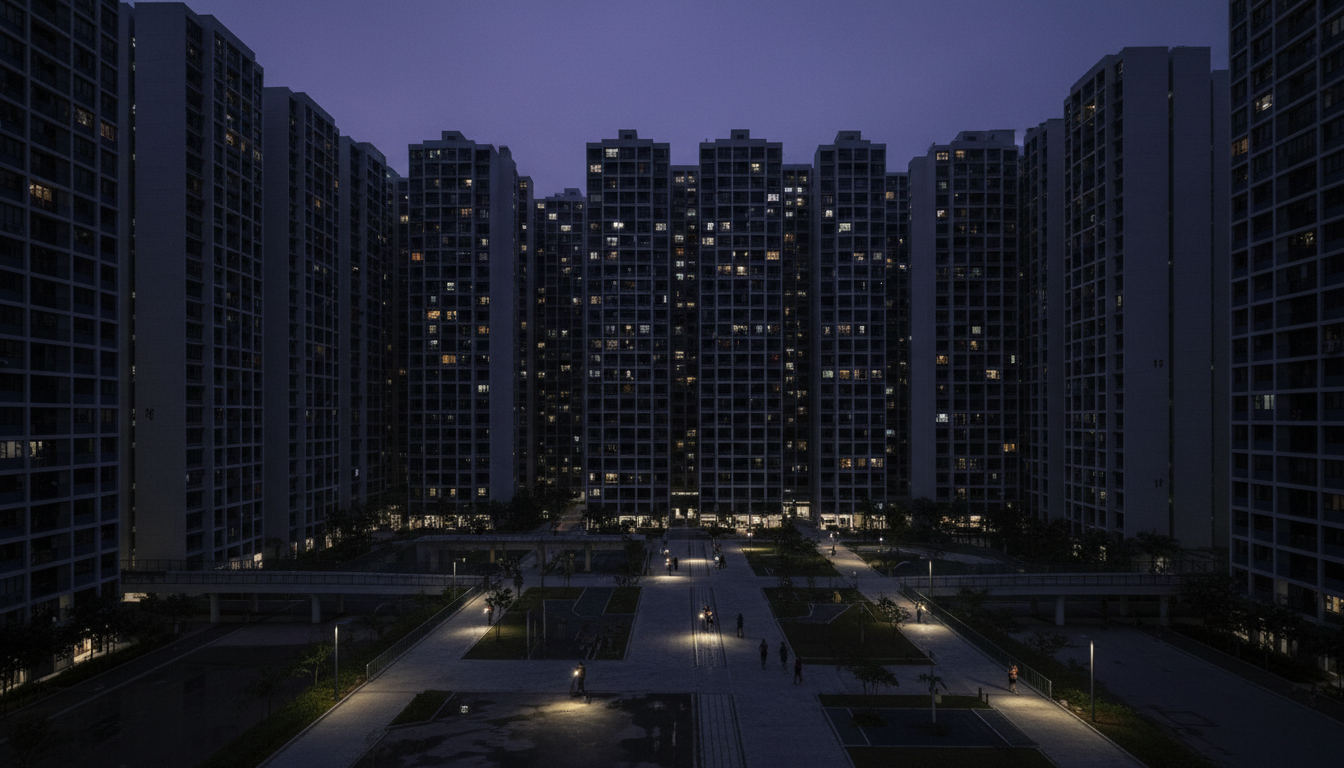
If a major power outage has begun, first check whether anyone needs urgent medical assistance, find a battery torch, keep refrigerator and freezer doors closed, and look for verified updates from the power provider and authorities. Do not use candles, charcoal, a gas oven or an engine-powered generator indoors. In Singapore, the Energy Market Authority advises residents to assess the outage, use electricity carefully and follow official restoration updates. A blackout is inconvenient; carbon monoxide, fire, heat and unsafe food can make it dangerous.
For the first few hours, your job is to preserve what still works: safe drinking water, charged phones, cool food, functioning medical equipment, a route out if your building becomes unsafe and a way to communicate. If the outage continues into the night or beyond one day, shift from ordinary convenience to household continuity. This practical playbook is for families, students, older residents and people travelling away from home. It cannot predict how large an outage will be or when power will return.
- First 0–10 minutes: check for injury, smoke, electrical hazards and anyone reliant on powered medical equipment.
- First hour: use a torch, stop opening the fridge, save phone battery, check neighbours and obtain official updates.
- First 4 hours: protect temperature-sensitive food and medicines, plan for heat, lifts and water availability.
- First 24 hours: eat shelf-stable food, preserve clean water, rotate charging if possible and make a family check-in plan.
- 24–72 hours: consider a safer alternative location if heat, critical medication, disability needs or sanitation make staying unsafe.
- Never run combustion generators or grills inside an HDB flat, stairwell, balcony, corridor, garage or near openings.
- In Singapore, call 995 or 999 for life-threatening emergencies only; use appropriate non-emergency utility and building contacts otherwise.
Quick information: the household blackout decision sheet
Most important safety rule: do not create a second emergency while trying to solve the first. The temptation to light a candle, improvise fuel-powered equipment or race downstairs in darkness creates avoidable risks. Safe light, safe air, food decisions and medical continuity come before routine errands.
Official Singapore advice: the Energy Market Authority’s power-outage readiness guide recommends a ready bag with battery-powered torches, power sources and a radio; switching off appliances; conserving essential phone use; and checking SP Group and EMA updates. A person trapped in a lift should use the lift alarm and contact the building’s maintenance team rather than force the doors.
Food rule of thumb: the U.S. government’s FoodSafety.gov emergency guidance estimates about four hours for a closed refrigerator, about 48 hours for an unopened full freezer, or about 24 hours if half full. These are general limits, not guarantees: actual food temperatures and duration determine safety. Discard potentially unsafe perishables; tasting them is not a safety test.
What makes a power-grid failure a Black Swan problem?
A routine neighbourhood outage is not automatically a Black Swan event. The term describes an exceptionally disruptive, difficult-to-anticipate occurrence that becomes easier to explain in hindsight. A large electricity failure can have cascading effects even when the initiating cause is mundane. Electrical supply powers cooling, pumps, lifts, payment terminals, mobile-network equipment and the systems behind everyday logistics.
Imagine that a family loses power at 6.30 pm. At first, the problem appears to be lighting. Thirty minutes later, someone cannot recharge a phone. An hour later, a resident with limited mobility cannot safely use the lift. The weather remains warm, the fridge warms gradually and the nearest supermarket may also have interrupted payment systems. None of these secondary effects means society has collapsed; it means a household must make decisions in the right order.
This article distinguishes a manageable outage from an escalating emergency. Think of it as a branching plan rather than a shopping list. The question is not ‘How many gadgets do I own?’ It is ‘What must remain safe, how long can we manage here, and which official source tells us what happens next?’
The first ten minutes: choose safety over activity
- Stop and assess: look for smoke, sparking, burning smells, electrical damage or people who have fallen. If there is a fire or immediate danger, move away and call emergency responders.
- Find a torch or phone light. Move slowly, especially around steps, balconies, wet floors and clutter. Avoid open flames.
- Check whether the outage is limited to your unit, floor or wider area without touching unsafe electrical systems. Use your building management or provider’s official channels.
- If a family member depends on electrically powered life-sustaining equipment, use the agreed clinical backup plan immediately and seek urgent medical support if power loss threatens safety.
- Keep refrigerated and frozen food closed. Choose one person to collect updates and another to check vulnerable family members, when possible.
- Switch off or unplug non-essential electrical appliances where it is safe to do so, reducing surge-related risk at restoration.
- Write down the time the outage began, any notices received and immediate concerns. Clear notes are more useful than guessing about causes.
The order matters. It is easy to spend the first ten minutes hunting for a fully charged power bank while ignoring a neighbour trapped in a lift or a parent whose medical device is losing power. The correct first task is to identify people and hazards. You can solve comfort problems later.
The first hour: build a realistic picture of the outage
Check at least two trustworthy sources: the electricity network operator’s messages and any advice from your building management or authorities. In Singapore, EMA points consumers to SP Group and EMA’s official channels and the Electricity Service Centre at 1800 778 8888. A message forwarded through a family group chat may be well-intentioned but could refer to a different neighbourhood, day or incident.
Classify the incident as local and short, area-wide but being restored or prolonged or uncertain. If you cannot confirm which, do not invent a timetable. Continue basic precautions and check at sensible intervals instead of compulsively refreshing social media until your phone dies.
Check water flow, washrooms, building access and mobile signal, but avoid using resources merely to test whether they still work. If an official notice warns about water quality, follow that specific notice. Electricity loss by itself does not prove tap water is contaminated. If you are unsure about your water supply, use stored drinking water until a reliable update is available.
The first four hours: control food, cooling and medicine
In hot weather, a power outage creates two clocks: the temperature inside the home and the temperature inside food storage. Keep refrigerator and freezer doors closed. If a prolonged outage is likely, work out which safe refrigerated items can be consumed first, which need cooler storage and which must be discarded. Photograph food temperatures or log time if that helps; do not rely on smell, colour or taste to judge bacteria.
A full freezer usually warms more slowly than one with little food. A refrigerator that has stayed closed may protect contents for roughly four hours, but individual conditions vary. When safe limits are exceeded, discard perishable meat, seafood, dairy, eggs, prepared dishes and leftovers as appropriate. A parent may dislike throwing away groceries; the cost of foodborne illness during a power outage can be much higher.
Medicines need their own plan. Do not assume every drug has the same storage requirement. Check the pharmacy label and ask a pharmacist or clinician about medicines that need refrigeration, insulin and other temperature-sensitive supplies. For ventilators, oxygen devices, dialysis-related equipment or mobility systems that require power, the care team should have given tailored contingency instructions before an outage. If not, prioritise urgent professional advice over online guesses.
Why heat becomes a medical problem
In Singapore and other warm climates, a home can become uncomfortable long before its residents have run out of supplies. Cross-ventilation may help when outside air is safe, but opening windows is not appropriate when there is smoke or a hazardous-air alert. Lower activity, use the coolest safe part of a building, drink clean water regularly and look after people less able to regulate body temperature.
Watch for new confusion, fainting, severe weakness, very high body temperature or difficulty breathing. Those are not circumstances for a household ‘toughness test’. Seek emergency care. People who live alone may need an arranged check-in, particularly if they have medical conditions, are pregnant, are very young or are elderly.
You do not have to stay in an overheating flat simply to follow a generic ‘shelter at home’ plan. If authorities have not ordered people to stay put and a safer, accessible location with power and cooling is available, discuss a measured relocation. Prioritise safe routes and verified building access, not crowds or rumours.
Lifts, stairwells and high-rise housing
An outage in a multi-storey building changes the effort needed to leave and return. If you are in a lift when it stops, use the emergency alarm or communication system and wait for authorised rescue. Forcing doors or attempting to climb out is dangerous. If you are outside a lift, do not assume that a dark shaft or stairwell is safe to enter.
Before you decide to climb multiple flights, ask whether you can return safely, whether someone in your family can manage the stairs and whether the lift may resume soon. Carry a torch and use handrails. Avoid running, pushing or carrying excessive loads. If emergency lighting works, that does not mean every lift or entrance will work normally.
In a condominium or public-housing block, emergency arrangements differ. Check with the management office, town council or relevant lift-maintenance contacts. Do not describe an outage as an emergency requiring a fire appliance merely because the lift is unavailable; reserve emergency numbers for immediate danger.
The phone-battery budget: think in days, not minutes
Your smartphone is a radio receiver, communication tool, light, map, camera and medical-information store. It is also a finite battery. Turn down brightness, use power-saving settings, switch off unnecessary background activity and send concise text messages when networks are congested. One household contact can relay updates to the wider family instead of everyone repeatedly calling each other.
A charged power bank is useful, but it is not a substitute for planning. Calculate what you genuinely need to charge: a phone for emergency messages, perhaps a medical device if specifically compatible, and a torch. Separate essential uses from entertainment. If a charging station becomes available, go only if travel is safe and the source is official.
Keep a small paper copy of essential numbers and meeting arrangements. If telecommunications fail, choose a known, safe local check-in point only when travel is appropriate. For children, explain the difference between ‘no signal’ and ‘something terrible happened’—the absence of a reply often reflects network or battery problems.
The practical 72-hour home supplies plan
- Lighting: battery-operated torches or headlamps, spare suitable batteries and one light per occupied room.
- Communication: charged power banks, charging leads, battery-operated radio where available, paper contacts.
- Water: a sensible household reserve of safe drinking water, adjusted for climate, medical needs and household size.
- Food: shelf-stable food that is familiar, requires little or no cooking and can be opened without an electric appliance.
- Medical: personal prescriptions, first aid, device backup instructions and a clear list of critical needs.
- Personal needs: infant supplies, nappies, menstrual products, hygiene products, mobility aids and items for pets.
- Documentation: identity details and insurance contacts in a protected copy, small cash reserve if practical.
- Comfort and safety: sturdy shoes, appropriate clothing, a whistle and a portable ready bag kept where it can be found in darkness.
The Singapore Civil Defence Force recommends a portable Ready Bag rather than a bulky collection that impedes evacuation. Its suggestions include a torch, whistle, first aid, childcare supplies, records, personal contacts, water and food. The objective is to support a real household, not to buy impressive survival equipment.
The day-one routine if power does not return
- Morning or next safe checkpoint: verify the latest electricity-provider notice and local access conditions.
- Check every person in the household. Ask particularly about medication, mobility, heat exposure and anxiety.
- Keep a record of fridge/freezer time and temperature. Use safe food and discard risky perishables.
- Check clean water and hygiene arrangements without wasting the reserves.
- Protect devices: recharge only from safe, properly rated sources and do not use damaged or wet electronics.
- Set two reasonable information check times so the phone remains available for genuine emergencies.
- Evaluate an alternative place to stay if medication, medical equipment, temperature or sanitation cannot be safely managed.
Small routines restore control. When no one is assigned a task, a family may have four people hunting for updates while nobody checks whether the elderly neighbour upstairs needs help. A sensible plan gives each person a role without demanding constant vigilance or sacrificing sleep.
A short scenario: children are at school when power fails
Suppose the power fails while parents are at work and two children are in separate schools. An immediate dash across the island is not automatically the safest response. Schools have supervision procedures; road and rail conditions may be uncertain; phone networks may be busy. Contact each institution through its official channel, follow its release instructions and plan a calm collection route once it is confirmed safe.
Ask the children to remember a basic rule: stay with authorised adults, do not leave to search for a parent, and keep one written contact number somewhere accessible. A child who knows the difference between a temporary system failure and an instruction to evacuate can make much safer decisions.
A short scenario: an older neighbour cannot use the stairs
An older resident living alone may be safe indoors but unable to leave without a lift. Offer a welfare check if safe, ask what immediate help is needed and contact the building’s responsible services where appropriate. Do not pressure the person to undertake a difficult descent just because the outage feels urgent. A non-life-threatening access problem is different from a person with respiratory distress, a serious fall or failing life-support equipment.
Community help can be very simple: deliver a torch, share a verified update, pass on water, or help someone contact their family. The value comes from solving the actual constraint rather than dramatizing it.
A short scenario: a generator or barbecue seems like an easy fix
Never move a petrol or diesel generator indoors or into a semi-enclosed area, including a shared corridor or balcony. Combustion can produce carbon monoxide, which can kill without a warning smell. The US Centers for Disease Control and Prevention explicitly warns against generators, grills and other fuel-burning appliances inside or near doors, windows or vents. Portable generators require appropriate outdoor placement and professional electrical precautions; using them in high-rise housing may be impractical or prohibited.
Charcoal cooking, improvised flames and gas ovens are also not heating or lighting solutions for enclosed areas. A battery torch and shelf-stable meal may feel less dramatic than ‘off-grid cooking’, but they remove a major source of preventable injury.
What to do when the electricity returns
Restoration is not the same as being finished. Check official notices, then inspect the home for spoiled food, tripped electrical protection, leakage or damaged appliances. Reconnect equipment gradually as appropriate and do not touch wet electrical fittings. If a circuit repeatedly trips or there is evidence of heat, smoke or damage, use qualified help rather than experimenting.
Check on family members who may have relocated. Replenish water, batteries and medications used during the interruption. Note what failed in your plan: a torch that could not be found, a dead power bank, an outdated number. The best preparation is usually the simplest repair made after a real experience.
Four-week preparation plan that fits ordinary family life
Week 1: map the people and risks
Write down everyone who depends on the household: children, older relatives, pets, people with medical devices and anyone who needs assistance with stairs. Identify the nearest safe exit and building-help contact. Put a working torch by the door and test it. That single action makes the next outage less chaotic.
Week 2: make the home resilient
Set aside manageable water, shelf-stable meals, chargers and necessary hygiene items. Check food-storage guidance; do not buy unusual supplies that nobody knows how to use. Label where to find spare batteries and keep a paper copy of essential numbers.
Week 3: practise communication
Run a ten-minute family scenario: the phones are half charged, it is dark and the lifts are not operating. Ask each person what they would do first, who they would contact, and when they would stop trying to travel. Keep the conversation practical rather than frightening.
Week 4: test, correct, repeat
Switch off room lights for a brief safe practice, without interfering with medical equipment or appliances, and locate the torch and ready bag. Fix anything unclear. Recheck supplies at sensible intervals, especially before holiday travel or monsoon periods.
Common mistakes that turn an outage into an emergency
- Guessing that the outage will last only ten minutes and ignoring an urgent medical backup need.
- Opening the fridge repeatedly to inspect food and shortening the useful cold period.
- Using candles, charcoal, petrol generators or other combustion devices in unsafe indoor spaces.
- Assuming social-media claims are equivalent to official restoration notices.
- Using a lift or entering a dark stairwell without checking safety.
- Treating every problem as a reason to call emergency responders.
- Forgetting neighbours who cannot climb stairs, charge equipment or interpret a notice.
- Overstocking gadgets but not knowing where essential medications and emergency contacts are kept.
Frequently asked questions
How long can a refrigerator stay cold without electricity?
A closed refrigerator is commonly estimated to protect food for around four hours, but the real safety decision depends on temperatures and the food involved. Use a refrigerator thermometer where practical and the FoodSafety.gov charts for perishable foods. Never taste questionable food to test it.
How long will a full freezer keep food frozen?
General U.S. food-safety guidance gives approximately 48 hours for a full unopened freezer and around 24 hours for a half-full freezer. Those are approximate conditions, not a guarantee. Frozen food containing ice crystals may still be suitable for cooking or refreezing if it meets official temperature advice.
Should I switch off everything at the wall?
EMA advises switching off electrical appliances to help prevent damage from surges when power is restored. Do it only where safe. Do not tamper with shared building panels or electrical systems, and do not disconnect an essential medical device without a safe backup plan.
Is a portable petrol generator safe in a flat or corridor?
No. The dangers include carbon monoxide, fire, fuel storage and electrical hazards. Do not place fuel-burning equipment in indoor or semi-enclosed residential spaces. Prioritise battery-powered lighting and safe, approved electricity alternatives.
Can I use candles during a blackout?
Battery-operated torches are the safer option and are expressly recommended by Singapore’s Energy Market Authority. Open flames are especially risky around children, clutter, pets or tired people moving in darkness.
What if I am stuck in a lift?
Use the lift alarm and any installed communication system. Contact the Essential Maintenance Service Unit or building operator and wait for trained assistance. Do not force the doors or attempt to climb out yourself.
What if the internet works but the phone network is slow?
Use short messages, save battery and avoid circulating unverified claims. An internet connection does not establish that a forwarded video or map is current. Check electricity providers and relevant official government channels.
What if someone needs refrigerated medication?
Medicine stability depends on the product and storage history. Review the label and contact a pharmacist or treating clinician for product-specific advice; do not improvise a cold-storage or dosing plan based on generic internet instructions.
Should I evacuate immediately?
Not solely because power is absent. Assess the building, heat, medical needs, sanitation, access and any official directions. If fire, serious electrical damage or a life-threatening medical issue is present, act on that immediate danger. Otherwise, choose a safer location deliberately if household conditions become unsafe.
What is the most useful thing to do before the next blackout?
Put a tested torch, charged power bank, paper contact list and portable ready bag in a known place. Then check the household’s specific medical, mobility and childcare needs. That preparation usually matters more than expensive equipment.
What actually fails when electricity is unavailable: a dependency map
It helps to separate three kinds of loss. The first is a local supply interruption in one unit or block: light and appliances fail, but the wider street may still operate. The second is an area-wide outage: lifts, traffic signals, payment systems or parts of public transport could be affected. The third is a cascading disruption in which electricity loss interacts with communications, water pumping, logistics or other services. You do not need to label a blackout ‘national’ before planning for its practical consequences. You only need to know which services your household depends upon.
Make a small dependency map. If the lift stops, how will a family member with reduced mobility receive food or help? If a refrigerator warms, which medicines and foods need professional storage advice? If a mobile phone loses battery, where are your paper contacts? If a shop’s card terminal is down, do you have an alternative way to buy essentials? Solving these questions before a crisis is more valuable than stockpiling a single expensive device.
An important distinction is that interruption of one service does not automatically imply collapse of all services. One building may still have running water; another may not. Some mobile networks may continue while others are congested. Do not generalise from a single screenshot of a dark street. Build your plan from observed conditions and the relevant provider’s confirmed updates.
Money, payment terminals and small purchases
A household may have enough savings yet struggle to buy a necessary item if electronic payment is unavailable. A modest amount of cash in small denominations can provide an alternative when it is safe to visit an operating shop. Keep any cash and identity information secure, and do not travel into unsafe conditions merely to withdraw more. The aim is flexibility, not storing large amounts of money at home.
Prioritise the goods people genuinely need over speculative purchases. A family with enough drinking water for the evening may not need to join a long queue immediately. A neighbour whose infant formula or medication is running out may need assistance far sooner. Good emergency behaviour includes keeping shops accessible to others and avoiding pressure that turns a limited disruption into a supply panic.
How to decide when an outage is no longer manageable at home
Use three tests rather than a fixed hour count. Health: can everybody remain at a safe temperature and continue essential care? Environment: is the building free of smoke, fire, flooding, structural damage and dangerous electrical conditions? Access: can people obtain assistance or leave safely if their circumstances change? A home may pass all three tests after many hours, while another household may fail the health test quickly because a medical device needs reliable power.
If one test fails, reassess where to stay, who can help and whether medical attention is urgent. That is not overreacting. It is the reason the household created a contingency plan. Equally, if all tests remain satisfied, unnecessary travel into congested streets may be less helpful than remaining safe indoors and waiting for official updates.
The misinformation trap during a wide blackout
Large outages invite explanations: cyberattack, sabotage, extraordinary weather, a national emergency. Some may ultimately prove relevant, but the cause is often unconfirmed in the first hour. Share only notices with a clear agency name, date, affected area and official link. Do not treat the confident tone of a forwarded voice note as evidence. A false claim can send people across the city for supplies, draw attention away from an actual medical need or create anxiety in children.
You can still communicate uncertainty without silence: ‘Power is off in our block. We have a torch and water. Nobody is injured. We are checking the provider’s next notice.’ That one sentence is more useful than sending five theories about why the lights went out.
The four-part Black Swan and Doomsday survival series
Choose the playbook that addresses the risk you actually face. A crisis can involve more than one problem, so keep related guides accessible without treating every scenario as equally likely.
Trusted sources and where to check updates
- Singapore Energy Market Authority — Power Outage Readiness for Individuals.
- Singapore Civil Defence Force — Ready Bag for Emergency.
- FoodSafety.gov — Food Safety in a Disaster or Emergency.
- US CDC — Avoiding Carbon Monoxide Poisoning.
Further reading: preparation beyond electricity
A power outage is one branch of a larger household emergency plan. The underlying skills—checking official information, keeping people together, distinguishing shelter from evacuation and protecting essential supplies—also matter during flooding, infectious-disease disruptions and other high-impact events. For the wider way of thinking, see The Gold Standard of Scenario Planning on eduKateSG.
Bottom line: You do not need to forecast a catastrophe to prepare for an outage. Begin with the next ten minutes, keep people safe, preserve essentials, and escalate only when the evidence or official instruction demands it. Preparedness should reduce fear and improve decisions, not turn everyday life into an emergency drill.