
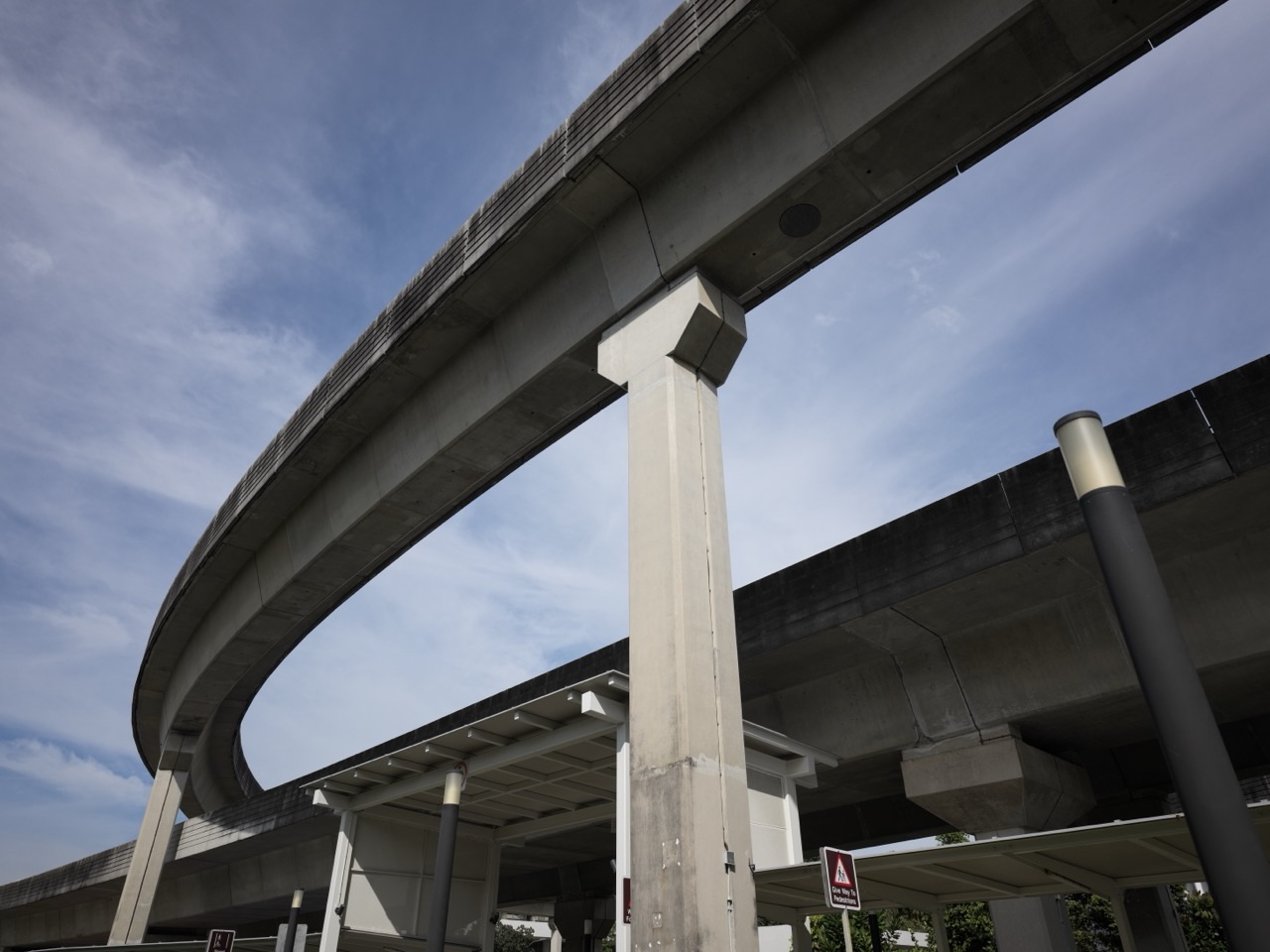
Teck Lee LRT Station (PW2) is a gateway to Punggol Digital District, a modern part of north-eastern Singapore where public spaces, a university campus, businesses, shops and green connections meet. For a visitor, the interesting experience is not simply riding the train: it is seeing how a new district is being designed and used. Teck Lee is on the Punggol LRT West Loop, and JTC identifies the station as an access point for Punggol Digital District.
This LRT guide explains where to go near Teck Lee station, what you can really do there, and how to avoid a common mistake: assuming every destination inside a large district is immediately beside the station. Some places are easier from Punggol Coast MRT (NE18), and university or office spaces may not be open for casual entry.
Teck Lee LRT (PW2): the essential facts
- Station: Teck Lee (PW2), Punggol LRT West Loop.
- Best destination: Punggol Digital District (PDD), a mixed-use district developed by JTC.
- What to explore: publicly accessible pedestrian spaces, district architecture, selected shops and food areas, and accessible sections of the Punggol Heritage Trail.
- Major nearby institution: Singapore Institute of Technology (SIT) Punggol Campus, 1 Punggol Coast Road.
- Useful station exit: JTC directs PDD visitors to Teck Lee Exit B; SIT’s published campus directions describe Exit A and a sheltered onward walk. Follow the signage for the exact building.
- Alternative railway stop: Punggol Coast MRT (NE18), which may be more convenient for destinations around Punggol Coast Mall and the campus frontage.
- Check first: live site directions, construction barriers, tenant opening hours, and any campus entry rules.
What makes Teck Lee different from an ordinary LRT stop?
Most neighbourhood LRT stations are designed primarily to connect homes to the town centre. Teck Lee also brings visitors towards a district intended to mix education, economic activity and everyday community life. JTC describes Punggol Digital District as a technology and business environment integrated with the SIT campus. Its public realm includes pedestrian connections, landscaped areas, shopping options and a heritage trail.
That does not make the whole place an exhibition or visitor centre. You cannot assume entry to company offices, laboratories, teaching rooms or technology demonstrations. Think of the district as a real working neighbourhood that is interesting to observe from public spaces, not a theme park that offers a performance every hour.
1. Start with the public spaces of Punggol Digital District
For an introductory visit, leave Teck Lee and follow the current signs towards Punggol Digital District. JTC recommends Exit B for the district. Notice the pedestrian routes, planting and relationship between the built structures and open spaces. The architecture is designed to encourage movement on foot and to integrate green elements, rather than treating every building as a separate destination behind a road.
An interesting thing to look for is the difference between a conventional business park and a district intended to include public services and daily life. Where are the walking routes? How do visitors find food? Are there sheltered routes and places to pause? Which spaces are obviously public, and which are office entrances with controlled access? These are better questions than trying to identify every technology company from a distance.
Take time to use the wayfinding signs. Punggol Digital District is large enough that the actual address and building number matter. If your main destination is a meeting, a shop or an event, use its full address and the latest operator directions rather than assuming the LRT exit is the front door.
2. Understand SIT Punggol Campus without entering restricted areas
The Singapore Institute of Technology Punggol Campus sits within the same wider district. SIT gives its Punggol Campus address as 1 Punggol Coast Road, Singapore 828608. The institution’s published directions say that people arriving by Teck Lee LRT may use Exit A and proceed along sheltered pedestrian routes. These directions refer to a campus journey, not a guarantee that every lecture room or building welcomes walk-in visitors.
If you are attending an SIT event, open house or appointment, rely on that specific event’s instructions. Different buildings and entrance points can change which station exit or approach is best. Do not wander into active classrooms, residence areas, laboratories or offices simply because they appear close to a public walkway.
For students thinking about university, a planned open house is more informative than an unarranged visit. Check whether a public event includes tours, talks or booked sessions; if it does, reserve a place as instructed. A casual visitor can still appreciate the wider district’s layout without claiming to have toured the campus.
3. Look for the Punggol Heritage Trail—but verify which part is open
One of the more interesting public features of this area is the Punggol Heritage Trail. JTC explains that an initial 400-metre section opened to the public and that the trail is designed to connect old and new Punggol. NParks describes the trail as part of the green network near Punggol Digital District. These sources explain why a short walk here is more than an ordinary pavement trip: it can reveal how the new district relates to the earlier landscape.
However, the trail is being developed in phases. A map of the intended complete route is not proof that every planned connection is available today. Check current NParks or JTC updates and obey temporary closure signs. If a segment is fenced or diverted, turn back and use the public route rather than crossing works areas.
The most useful way to enjoy the trail is slowly. Look at the different planting, the retained corridor of the old route and how people move between buildings and green space. You need not walk the full future alignment to understand the place.
4. Use Punggol Coast Mall or the hawker centre as an optional food stop
JTC identifies Punggol Coast Mall and Punggol Coast Hawker Centre among the district’s amenities. That is useful for visitors who want to combine architecture or a heritage walk with a meal. But these facilities are part of a wider district: do not assume that both sit directly outside Teck Lee’s fare gates.
If your trip is mainly about shopping or food, Punggol Coast MRT (NE18) may be the simpler arrival station. JTC says that both exits of Punggol Coast MRT lead into the district. Compare the exact shop or hawker-centre entrance on a current map before deciding whether to use Teck Lee or the MRT. A short train ride is not necessarily a short total journey if the final pedestrian leg is inconvenient.
Do not plan a visit around an old tenant list, a particular stall, or a guaranteed discount. Mall tenants, stall rosters, opening hours and menu prices change. The sensible approach is to identify the food area first, then make the final choice on arrival.
5. Treat the district’s art and design as something you can learn from
JTC’s public information also highlights the Shaping Hearts mural and other community-focused features. These may add interest to a visit, especially for a teenager who enjoys design, civic planning or art. Use JTC’s current district directory or event material to find the specific artwork; do not assume that every feature in a promotional description is visible from Teck Lee’s platform.
A good observation exercise is to compare three decisions made in the neighbourhood: how a path leads people, how vegetation changes an outdoor space, and how signage helps someone who has never visited before. These ideas are useful in geography, design, transport planning and everyday life. The lesson is not to admire technology without question, but to ask whether the place works for people.
Three honest ways to explore from Teck Lee PW2
A 30-minute introduction: see the district, not the whole masterplan
- Arrive at Teck Lee, check the current district signs and leave via the route suited to your destination.
- Walk into the publicly accessible portion of Punggol Digital District.
- Spend time noticing the buildings, landscaping, walking links and wayfinding.
- Return to the station without insisting on a full district circuit.
This gives first-time visitors a manageable view of a large place. If a particular public section is closed for works, use another signed public route.
A 60–90-minute visit: architecture plus one worthwhile stop
- Begin with a public-space walk near the district entrance.
- Choose either an accessible heritage-trail section or a food stop, not both by default.
- Use the posted maps and walking signs to find the route back.
- Leave time for lifts, crossings and changes in weather.
This plan is particularly good for adults, older students and visitors interested in how new neighbourhoods are organised.
A half-day visit: attend a real event
- Find an officially announced public SIT, JTC or community event with a date and access instructions.
- Travel to the correct venue using the organiser’s recommended entrance.
- Enjoy the booked event; add a public walk or meal only if it fits the schedule.
- Use Teck Lee or Punggol Coast MRT for the return depending on the final location.
This is the better way to experience a technology demonstration or campus programme. Do not show up at a company office expecting a spontaneous tour.
How to get to Teck Lee by MRT and LRT
Take the North East Line to Punggol (NE17) and change to the Punggol LRT West Loop. Check the platform information for the direction serving Teck Lee (PW2). Punggol LRT is a loop system, so read the station code and route display before boarding.
After alighting, use the official instructions for your destination. JTC’s PDD access page directs general district visitors to Exit B. SIT has published directions involving Exit A and a sheltered campus approach. These statements are not interchangeable: they point towards different destinations inside a broad district.
If you start on the MRT and want the mall or campus’s Punggol Coast side, consider staying on the North East Line to Punggol Coast (NE18) instead of transferring to the LRT. A journey with fewer transfers is often preferable, but only the final destination’s address can confirm that. For fares, use SimplyGo’s current official guidance.
Who should choose Teck Lee and who should choose a different stop?
- Choose Teck Lee: you want to explore the PDD side served by the LRT, have a meeting near its approach, or are following a verified route into the district.
- Choose Punggol Coast MRT: your destination is the mall, the hawker centre or a campus entrance best served by the MRT.
- Choose Sam Kee (PW1): your main goal is One Punggol’s regional library, hawker centre or the nearby SAFRA facilities.
- Choose Oasis (PE6): you want an easy neighbourhood meal, Oasis Terraces and a shorter waterway outing.
- Choose Punggol Point (PW3) only after checking the exact address: the station is not automatically the best entrance for every coastal place named ‘Punggol Point’.
Practical advice before you go
Weather: expect a mix of sheltered and exposed walking. Bring water and adapt to rain, high heat or thunderstorms. Do not enter closed corridors or work zones to save a few minutes.
Accessibility: a modern district can have many lifts and sheltered links, but the best step-free route depends on the specific building entrance. Check the venue map if travelling with a wheelchair, pram or a person who needs rest stops.
Budget: public pedestrian exploration does not require purchasing a tour. Food, shops, events and paid activities have separate costs. Decide whether the visit is for observation, a meal or a booked programme; avoid combining all of them by habit.
Photography: photograph public architecture from lawful spaces. Respect security signage, do not photograph private office interiors and be considerate of people who have not agreed to be part of a photo.
Children: the district can be interesting for a transport and design activity, but not every workspace or construction area is a playground. Keep activities on suitable public routes.
Frequently asked questions about Teck Lee LRT
Which LRT line is Teck Lee on?
Teck Lee is PW2 on the Punggol LRT West Loop. Change from the North East Line at Punggol NE17.
What is interesting near Teck Lee LRT?
Punggol Digital District’s public spaces, its design, accessible heritage-trail sections, the SIT campus surroundings and the district’s community amenities are the main reasons to visit.
Is Teck Lee the nearest station to Punggol Coast Mall?
Not necessarily. Punggol Coast MRT (NE18) is often the more convenient station for the mall. Check the exact pedestrian route before travelling.
Can I visit SIT Punggol Campus without an appointment?
Some surrounding pedestrian spaces are publicly accessible, but university classrooms, offices, residences and facilities may restrict entry. For tours or open houses, follow SIT’s official booking and access instructions.
Which exit should I use for Punggol Digital District?
JTC recommends Teck Lee Exit B for the wider PDD. SIT’s published travel directions describe a campus route from Exit A. Use the destination’s own directions rather than treating either exit as universal.
Is the full Punggol Heritage Trail open?
The trail has opened in phases. Check current NParks and JTC updates for which sections are available on your visit.
Can I see robotics or technology demonstrations without booking?
Do not assume that. Technology businesses are workplaces, and events or demonstrations may be restricted or scheduled. Use the official programme listings.
Official sources and further reading
- JTC: Getting to Punggol Digital District — Teck Lee Exit B and transport options.
- JTC: Community amenities at Punggol Digital District — mall, hawker centre and initial heritage trail.
- Singapore Institute of Technology: Getting to Punggol Campus — campus address and Teck Lee route.
- NParks: Punggol Heritage Trail — public park information and access.
- LTA: Sengkang–Punggol LRT — official rail network.
- eduKate Punggol: Punggol LRT West Loop attractions — compare all seven West Loop stops.
- LRT Guide: Sam Kee (PW1) — One Punggol, library and nearby civic attractions.
Reviewed 31 October 2026. This guide is limited to publicly documented destinations and does not assume that future trail segments, office tours or particular tenants are available. Verify the specific destination before travelling.