
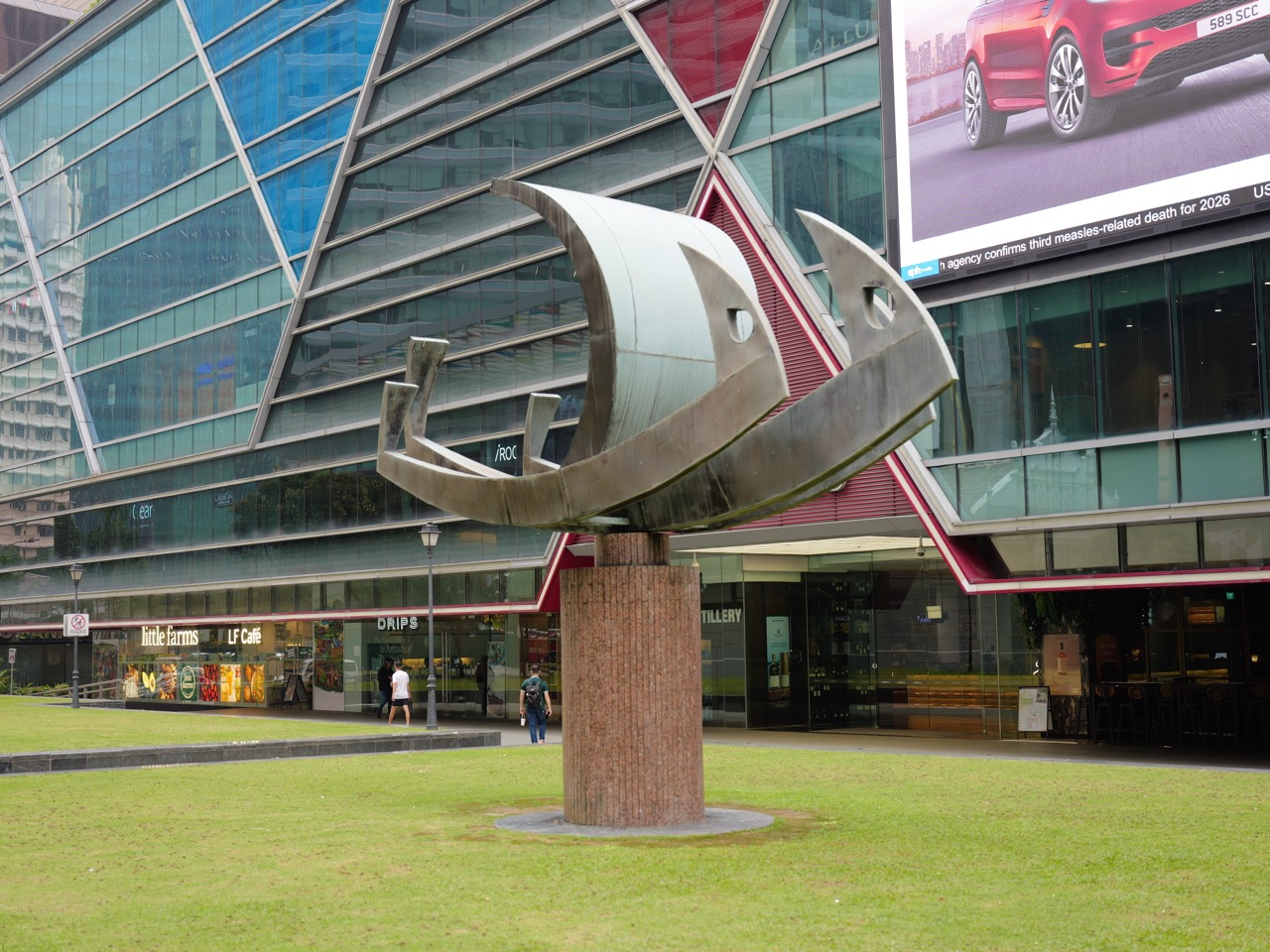
50-second summary: Public art commissioning is a lasting agreement between artistic expression, the people using a place and the commissioner responsible for it. Start with a clear purpose and fair selection; support the artist with realistic contracts; assess accessibility and safety through qualified professionals; and plan maintenance, rights and future changes before unveiling.
All four worked cases are fictional. For Singapore practice, use NAC’s September 2026 public-art commissioning guide; real contracts, permissions and technical approvals belong to the appropriate professionals and authorities.
Five reading routes
Chapter index
Define the public purpose · Chapters 1–3
Make fair agreements · Chapters 4–6
Protect the place and people · Chapters 7–9
Plan long-term care · Chapters 10–12
Resolve commissioning problems · Chapters 13–16
1. Public art belongs in a living place, not only a rendering
A sculpture may look extraordinary in a concept image while its future site is a path used daily by commuters and residents. A mural may celebrate a district while ignoring its present-day communities. Public art succeeds when creative expression, site conditions, public encounter and lasting responsibility are considered together rather than delegated to separate teams at the end.
The gold standard of public art commissioning is a defensible path from cultural purpose and fair artist selection to appropriate contract, community voice, competent fabrication, installation, care and review. It protects the artist’s creative contribution without treating public safety, accessibility or the people using the place as secondary concerns.
Singapore’s National Arts Council Guide to Commissioning Public Art, last updated 26 September 2026, provides a current local reference for commissioning and managing projects. Its nine-step approach covers briefs, proposals, contracts, licences, maintenance and collection management. This article explains the quality questions rather than reproducing or replacing that official guide.
2. Define the artistic question and why the site matters
A commissioner might begin with an empty wall and ask for something beautiful. A more useful brief identifies the cultural purpose: is the work intended to provoke reflection, connect people with a historic place, offer a contemporary artistic intervention or mark an important shared experience? The purpose must be broad enough to allow actual artistic judgement.
Study the location before fixing an image. A park, transit interchange, school and heritage district have different movement, environmental conditions, histories and user needs. The work should respond to its context without claiming that one group represents the entire population. Where a location carries a sensitive history, the brief should explain what is documented and what remains contested.
Public art need not deliver an unambiguous lesson or universal approval. It should be able to explain why the particular artistic intervention fits the setting and which choices are part of the commissioner’s remit.
3. Select artists through clear, fair criteria and proportionate demands
A public commission may attract proposals from established artists, collectives and emerging practitioners. A selection process that secretly favours one personal relationship, demands extensive unpaid finished designs or changes its criteria after judging applications can undermine trust even if the selected work is attractive.
State eligibility, opportunity, artistic remit, available fee and budget, selection criteria, required materials, review method and relevant interests. If a shortlist must prepare substantial developed proposals, consider the appropriate payment for that work under the commissioning arrangement. Define what the panel is judging: concept, experience, feasible delivery, relevant site understanding and artistic approach.
Communicate outcomes honestly and manage conflicts of interest. Selection should leave the chosen artist room for development rather than pretending the first rendering is a technical construction approval. NAC’s public art resources are a practical Singapore reference; local legal requirements remain separate.
4. Prepare a brief that invites creativity within real constraints
A vague brief can produce incompatible proposals; an excessively prescriptive brief can eliminate artistic originality. Useful briefs explain purpose, site, relevant users, budget range, timeframe, possible materials, access and safety boundaries, relevant approvals and who can make decisions as the project develops.
Clarify which references are reliable and which history claims require verification. If public interaction, sound, light, technology or living material is contemplated, the brief should describe constraints without implying a qualified professional has already approved every possible implementation. Artists need honest information about ownership, copyright, permitted changes and maintenance.
Agree how consultation or co-design will work. A late request that artists rewrite the entire concept after production begins can create an unfair financial and creative burden. A good brief makes collaboration meaningful while preserving the artist’s responsibility for artistic choices.
5. Put a realistic budget behind the entire commission
A public-art budget often looks generous until fabrication, transport, installation, structural review, permits, insurance, accessibility work and long-term maintenance are excluded. The artist may then be pressured to absorb costs the commissioner should have considered from the beginning.
Build a lifecycle budget: artist fees, design development, materials, fabrication, expert services, site preparation, installation, rights, documentation, safety, conservation, future maintenance and possible removal. Identify who pays for revisions requested by the commissioner and how scope changes will be approved.
The NSW Government Public Art Toolkit is another professional reference for fit-for-purpose contracts and budgeting. It is Australian guidance rather than an automatic rule for Singapore or every other jurisdiction. A modest commissioned work with funded upkeep may be more responsible than a monumental project that nobody can afford to care for.
6. Write contracts that separate creative rights from physical custody
Commissioning an artwork does not automatically answer who owns copyright, the physical object, preparatory designs, photographs or later commercial reproduction rights. Confusion here can harm both the artist and the public owner after installation.
An appropriate agreement should identify the work, agreed fee and payment stages, design approval, fabrication obligations, programme changes, delays, maintenance, moral or other artist rights where applicable, photography and public use, insurance, defect responsibilities and termination or decommissioning conditions. The actual legal terms need qualified review.
Artist autonomy does not imply a public commissioner may never ask for safety changes; public ownership does not imply unlimited alteration of an artist’s work. Explain the actual decision rights and remedies rather than relying on informal assumptions that everyone will remain friendly.
7. Engage residents and site users without staging false consensus
A large public work may affect pedestrians, nearby businesses, residents, visitors and cultural practitioners. A consultation held after the location and form are irrevocably fixed risks becoming a publicity exercise rather than meaningful input.
Name choices that participants can influence: location, route, interpretation, accessibility, hours, contextual information or possible concerns about cultural depiction. Some artistic decisions should properly remain with the artist; engineering and safety decisions belong to competent professionals. The commissioner should record the reasons for accepting or declining substantive proposals.
A community is not one unanimous voice. A person who prefers quiet space and another who enjoys a vibrant artwork can both express legitimate interests. Cultural Participation provides the method for inviting different people and showing what changed.
8. Make the physical and sensory encounter usable
An outdoor artwork can accidentally obstruct an accessible path or create confusing sightlines. A sound installation can affect neighbours or people with sensory needs. Interactive work may require instructions that visitors cannot read or controls some people cannot operate.
Assess the intended encounter with relevant access and site specialists. Consider routes, visibility, seating, interpretation, safe interaction, wayfinding and how the work changes at different times of day. Provide suitable alternatives where needed without pretending every artwork must create identical sensations for every visitor.
Meaningful access can involve the ability to understand contextual information or to experience a safe encounter as intended. Cultural Accessibility explores the journey before, during and after the experience.
9. Treat engineering, fabrication and installation as professional obligations
A sculptural concept might involve loads, foundations, electrical systems, wind exposure, public interaction, sharp elements or other material safety concerns. A drawing or AI visualisation cannot substitute for appropriate technical assessment. The duty to protect people remains even when an idea is culturally compelling.
Identify the qualified professionals and approvals required for the actual material, site and installation. Make the fabrication and inspection responsibilities clear between artist, fabricator, installer and commissioner. Do not publish a generic structural specification as though one formula makes all public works safe.
Document approved changes and the final installed state. The finished object’s material reality may differ from its first concept; that should be recorded for the people later responsible for maintenance, interpretation and safe use.
10. Plan cultural attribution and interpretation for a public audience
A public artwork can be understood through appearance and experience without an extended lecture, but a short, accurate note can help visitors identify the artist, creation date, commissioned context, materials and whether the work is temporary or permanent.
Where a piece refers to a particular community or historical event, check relevant claims and consult appropriately. Avoid advertising an imaginative representation as documentary evidence. Credit artists and collaborators properly, including contributors whose work shaped the original meaning.
Translations and accessible formats should retain important cultural context. Cultural Interpretation offers further guidance on source-led explanation and the visitor’s understanding.
11. Define ownership of maintenance before the artwork opens
A public-art installation can be carefully fabricated and then deteriorate because nobody is responsible for inspections, cleaning, repairs or parts replacement. Temporary works also require a responsible plan for safe removal. The commissioning decision therefore extends well beyond installation day.
Agree who maintains the work, what documentation and specialist instructions they receive, which recurring costs are funded and how problems will be reported. Digital, light-based or interactive works may depend on software, vendors and replacement hardware. Public owners need to plan for those dependencies without assuming the artist can provide indefinite free support.
Document how conservation, repair or removal decisions will be reviewed, including the artist’s applicable contractual and legal interests. A safe, maintained artwork can continue serving public culture when the original project team is no longer involved.
12. Worked case: a sculpture is placed across an everyday route
In a fictional civic plaza, the commissioner selects a striking sculpture positioned at the centre of a frequently used walkway. The presentation image is impressive, but during trial review visitors explain that the proposed placement would disrupt a clear accessible route.
The team re-examines movement patterns and relevant access and technical requirements with appropriate experts and the artist. A changed location or configuration may preserve the intended experience while protecting everyday users. The decision is documented rather than treating accessibility as hostility toward artistic freedom.
The case reveals why site conditions belong in the creative brief and design reviews. A celebrated concept is not yet a successful installation.
13. Worked case: a mural claims to speak for every local resident
A fictional heritage mural depicts one remembered festival and labels it the defining experience of an entire neighbourhood. Residents from other generations say the account ignores their activities and uses an uncertain date.
The commissioner and artist review source material, the artistic purpose and the real scope of participation. They may correct contextual text, invite a complementary display or adapt a relevant element if agreed and feasible. They need not pretend every resident must approve one artistic interpretation.
The improvement is a truthful distinction between an artist’s selected story and a factual claim about everyone. Cultural voice and artistic judgement can coexist when the public account remains bounded.
14. Worked case: an artist is asked to sign away all future use
A fictional sculptor receives a commission agreement after developing a detailed concept. A broad clause transfers every related image and preparatory design for unrestricted commercial reuse, despite the call for proposals describing only a public installation and documentation.
The artist and commissioner review scope, copyright, licences, compensation, moral-rights questions and practical publication requirements with suitable professional advice. They negotiate terms consistent with the actual commission before production proceeds. A legitimate public-art project should not depend on surprise terms.
The case illustrates that fair commissioning is an important cultural-quality measure even when a finished object is impressive.
15. Worked case: a digital installation fails after the vendor leaves
A fictional interactive public artwork uses specialised software. The first year is successful, but after the technology contractor stops operating, the public display no longer functions and no one can locate its maintenance files or software rights.
The owner investigates the original agreements, technical documentation, backups, licences and artist involvement. It seeks qualified maintenance or restoration advice and considers responsible communication about any unavailable functions. Future contracts require suitable handover and lifecycle provisions.
The artistic idea may remain valuable, but a permanent commission cannot be responsibly evaluated without the conditions that allow visitors to encounter it over time.
16. Review the commission through creative quality and continuing responsibility
A responsible review asks whether the work fulfilled its artistic purpose, the selection and terms were fair, consultation was meaningful, technical obligations were met, the public could encounter it safely and the continuing maintenance process works.
Collect evidence appropriate to each question: documented design decisions, artist and community feedback, access tests, inspection and maintenance records, permission terms and visitor understanding where relevant. Attendance or social-media sharing may indicate reach but does not certify structural safety, source accuracy or fair authorship.
The gold standard is an artwork whose meaning and creative integrity can live in a real public place through accountable commissioning and durable care, not merely an impressive unveiling.
| Commission stage | What to verify | Next action |
|---|---|---|
| Selection | Purpose, fair criteria and brief | Document artist decision |
| Agreement | Fees, rights, scope and variations | Confirm contract |
| Site delivery | Access, safety and qualified approvals | Address technical risks |
| Long-term care | Maintenance, records and ownership | Fund custodial responsibility |
Frequently asked questions
Does commissioning public art mean buying all copyright?
No. Physical ownership, copyright, reproductions and permitted alterations need appropriate agreements under applicable law.
Can the artist choose any site?
Site selection must account for relevant permissions, public access, safety, environmental conditions and the commissioner’s responsibilities.
Must every resident approve the artwork?
No. Meaningful consultation is not universal unanimity; define decisions and roles transparently.
Are public-art concepts ready for construction?
No. Qualified technical assessment and actual approvals may still be required.
Who pays for maintenance?
The commission should identify the responsible owner, budget, documentation and appropriate future professional services.
Does Singapore have an official commissioning guide?
Yes. NAC updated its Guide to Commissioning Public Art in September 2026; consult it for current local practice.
Can the artist be asked to make unpaid final designs to compete?
Substantial proposal demands should be considered fairly, with transparent terms and appropriate remuneration where applicable.
What happens when a permanent artwork needs removal?
Follow relevant law, contract, technical and artist-rights considerations, with documented authorised decisions.
Is this a public-art safety certification?
No. It is educational guidance, not a legal, architectural or engineering approval.
Connected Gold Standard culture and public-art guides
Choose the next responsible discipline for artistic collaboration, fair funding, source interpretation, public access, technical infrastructure or ongoing stewardship. These links are editorial reading routes, not recommendations of individual commissioners.
- The Gold Standard of Culture
- Cultural Co-Creation
- Cultural Governance
- Cultural Funding
- Cultural Participation
- Cultural Accessibility
- Cultural Representation
- Cultural Interpretation
- Cultural Infrastructure
- Cultural Artist Residencies
- Cultural Impact Evaluation
- The Gold Standard of Arts
- Culture Further Reading Index
- Gold Standard Master Collection
- Deep Reading Index
Official commissioning and public-art references
- National Arts Council Singapore — Guide to Commissioning Public Art (September 2026)
- NAC — Public Art in Singapore
- NSW Government — Public Art Toolkit
- Public Art Online — Commissioning and Selecting Artists
NAC, NSW and other commissioning resources offer professional guidance within their jurisdictions. Their inclusion does not certify a project, settle copyright or substitute for the required engineering and public safety procedures.