
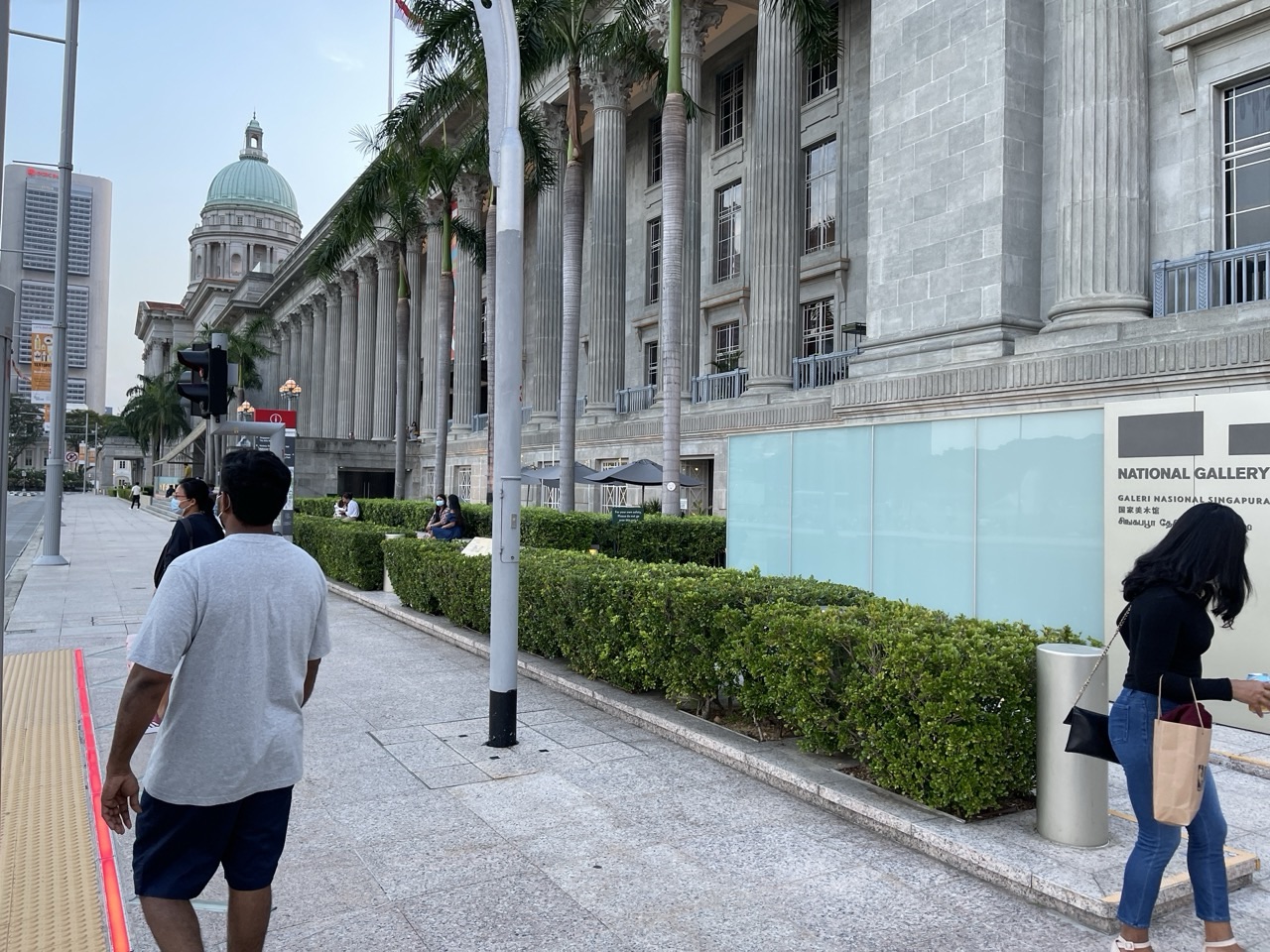
The Gold Standard of Arts is a connected guide to artistic creation, visual work, music, literature, performance, design, crafts, galleries, arts education and creative livelihoods. It explains how artistic purpose, competent practice, rights and meaningful access work together, then links to published specialist Gold Standard articles.
Artistic participation also depends on whose work and stories are represented, whether people can contribute with meaningful choice, and how credits, accessibility and rights are handled. The Gold Standard of Cultural Participation examines those practical decisions through festival, museum and living-heritage examples; return here when the question concerns artistic craft, creative freedom and responsible delivery.
Art does not need one universal style or numerical score. The standard is an arts ecosystem in which creative freedom is supported by honest provenance, appropriate craft, respectful collaboration, reliable delivery, safety, fair conditions for creators and access for audiences.
This educational international overview is not a professional valuation or legal determination of copyright, licensing, heritage status or authenticity. Creative rights and public obligations differ by jurisdiction. All worked examples are fictional teaching scenarios.
Choose your arts chapter
- 1. The arts create meaning through considered choices
- 2. Distinguish artistic merit from measurable service quality
- 3. Start each work with intention and audience
- 4. Observation and practice build creative competence
- 5. Materials and tools shape what a work can become
- 6. Drawing, painting and illustration develop visual thought
- 7. Photography can be art and documentary evidence
- 8. Music requires listening, technique and relationships
- 9. Dance, theatre and performance are live systems
- 10. Literature and creative writing develop human possibility
- 11. Film and animation are coordinated creative productions
- 12. Design and fine art have overlapping but distinct questions
- 13. Traditional crafts deserve living skills and fair recognition
- 14. Museums and galleries create public understanding
- 15. Conservation is not simply making something look new
- 16. Exhibitions need coherent narratives and usable access
- 17. Artists need fair rights, agreements and livelihoods
- 18. Artistic freedom and cultural diversity are public values
- 19. Arts education should develop skill and curiosity
- 20. Access and inclusion determine who can participate
- 21. Arts organisations need operational competence
- 22. Public funding and criticism require honest criteria
- 23. Digital creation and AI pose fresh attribution questions
- 24. Art preservation spans physical and digital formats
- 25. Worked case: a museum purchases an artwork without image rights
- 26. Worked case: a community performance counts tickets but loses apprentices
- 27. Worked case: a theatre’s accessible ticket does not provide access
- 28. Worked case: an art catalogue gives a work the wrong history
- 29. Paths for artists, students, audiences and public institutions
- 30. The arts quality scorecard
1. The arts create meaning through considered choices
The Gold Standard of Arts is creative work made with purpose, skill, authenticity and respect for the people who make and experience it. Art can be visual, literary, musical, performative, spatial, digital or multidisciplinary. Its quality cannot be determined solely by price, popularity, technical complexity or agreement with a critic’s taste. Different works pursue different ends: expression, reflection, pleasure, memory, protest, discovery or connection. What makes the arts dependable is not uniformity of style, but clear attention to the work’s intentions, materials, process, rights, safety and truthful presentation. A gallery should not misrepresent provenance; a festival should not exploit its performers; an arts course should cultivate abilities rather than promise instant talent. The gold standard leaves room for experimentation while making professional responsibilities and ethical limits visible.
2. Distinguish artistic merit from measurable service quality
Many important arts outcomes are not numerical. An audience may disagree about whether a painting is moving or a dance is beautiful while still finding agreement about whether an exhibition was accessible, contracts were respected, an instrument was handled safely or the artist was credited accurately. A sound evaluation separates aesthetic judgement, public access, professional quality and factual claims. It can assess craftsmanship, intentionality and coherence without pretending that one person’s preferred style is a universal law. A public funding programme needs transparent criteria even when choices involve subjective merit. A learner benefits when criticism identifies actionable artistic decisions instead of merely assigning a score. This distinction protects artistic freedom and still allows museums, educators, companies and audiences to demand responsible conduct and reliable delivery.
3. Start each work with intention and audience
An artist may begin with an image, sound, movement, question or material rather than a fully written plan. That creative openness is legitimate. As work develops, however, the maker benefits from asking what experience, relationship or idea is being pursued and who may encounter the result. A public sculpture needs different physical and maintenance decisions from a private sketch. A children’s performance has different audience needs from an experimental installation. A commission requires clarity about deliverables, permissions, deadlines and the freedom the artist retains. Defining the audience does not mean making every work easy or removing challenging ideas. It means understanding which choices are deliberate and which might be avoidable failures of communication, accessibility or execution.
4. Observation and practice build creative competence
Artistic skill grows through sustained attention to the medium. A photographer learns to see light and timing; a musician hears phrasing and dynamics; a dancer develops controlled movement; a writer notices rhythm, structure and implication. Practice should develop judgement as well as repetition. A technically accurate copy may help a beginner gain control without proving the same depth of original interpretation as an independent work. Teachers and mentors can help learners diagnose the gap between intention and result, select focused exercises and revise their approach. Learning should include opportunities to observe excellent work, understand its context and test alternatives. The goal is not to eliminate mistakes but to turn experimentation into progressively more informed choice.
5. Materials and tools shape what a work can become
Artistic materials have physical properties and histories. Pigments, paper, textiles, wood, metal, clay, instruments and digital files behave differently under light, humidity, tension, use and time. A beautiful object may deteriorate quickly when its materials are incompatible or poorly maintained. Skilled makers know how their tools affect line, sound, structure or surface and how to select suitable materials for the intended life of the work. Safety matters, particularly with chemicals, heat, cutting tools, electrical equipment or public installations. An educational guide cannot replace workshop-specific procedures or product safety requirements. The transferable standard is to understand the medium, work competently and document material decisions that future users or conservators may need to know.
6. Drawing, painting and illustration develop visual thought
Visual artists choose relationships among shape, colour, texture, space, light and attention. Technical proficiency may strengthen communication, but realism is not a universal requirement for meaningful art. A purposeful abstraction can express what a realistic image cannot. Good visual practice makes the artistic choice understandable within its own context and does not present fictional or altered imagery as factual documentary evidence. Commissioned illustration also requires clear briefs, rights, version control and agreement about reproduction. An artwork created for a textbook should serve learning rather than merely decorate a page; a public mural must consider location and community impact. Visual quality improves through observation, draft studies, critique and revision, with attention to both the artistic objective and practical obligations.
7. Photography can be art and documentary evidence
A photograph can serve artistic expression, a family memory, journalism, research or a commercial brief. These purposes carry different expectations about editing, permissions and accuracy. An artist may legitimately manipulate an image for a declared creative result, while a reporter should not present a composite as a single documentary scene. A professional photographer should communicate the scope of a commission, obtain appropriate permissions, protect sensitive subjects and deliver files with useful context and rights information. Image metadata and captions need care because a genuine photograph can become misleading when used with the wrong date or location. The gold standard combines intentional composition and craft with honesty about the work’s nature and lawful treatment of the people involved.
8. Music requires listening, technique and relationships
Musical art connects rhythm, pitch, timbre, form, emotion and cultural practice. Learning an instrument involves physical control and attentive listening, but interpretation is more than mechanically producing notes. A strong musician understands how choices affect a listener and fellow performers. Production may involve composers, players, engineers, producers and rights holders whose contributions need suitable acknowledgement and agreements. Recording technology can support creativity while also changing the apparent performance; the release should not fabricate factual claims about its source. Music education should encourage deliberate practice, ensemble collaboration, hearing care and an understanding of context. The standard is not one approved genre or tempo, but skilled, purposeful and respectful musical work.
9. Dance, theatre and performance are live systems
Performing arts depend on bodies, space, timing, collaborators and audiences. Rehearsal can develop expressive control, but a performance also requires appropriate stages, safe equipment, reasonable work conditions and clear arrangements for changes or interruptions. A choreographer’s creative idea should be tested against the actual capacities and limits of performers. A production team needs to know how lighting, sound, scenery, entrances and emergency access interact. Good performance quality includes preparation and resilience when live conditions differ from rehearsal. Respect for traditions matters, yet practitioners may reinterpret established forms; audiences should understand which elements are documented tradition and which are contemporary invention. The gold standard combines expressive freedom with competent care for people and production.
10. Literature and creative writing develop human possibility
Poetry, fiction, drama and other literary forms use language to build experiences that do not need to have happened literally. Their creative freedom should be distinguished from factual claims made in journalism, history or reference books. A writer works with point of view, voice, character, setting, argument, structure and revision. A strong workshop critiques the choices made in a text rather than treating one reader’s taste as definitive. Publishing adds rights, editing, accessibility and accurate authorial credit. Cultural sensitivity includes research and thoughtful treatment of people, but no individual can be assumed to speak for every member of a community. The most useful writing education gives learners craft tools and freedom to develop a genuine voice.
11. Film and animation are coordinated creative productions
Film brings together writing, images, sound, acting, direction, editing, production design and distribution. Animation adds its own techniques for movement, timing and world-building. A coherent final work depends on thousands of decisions across people and systems. A sound production establishes creative goals, safe sets, permissions, budgets, realistic schedules, accessible deliverables and reliable control of versions. Documentary material has stronger factual obligations than clearly fictional scenes. A film company should not erase a contributor’s agreed credit or use unlicensed material simply because the final result looks convincing. Good production requires both expressive integrity and the ability to deliver what partners and audiences were promised.
12. Design and fine art have overlapping but distinct questions
Visual design may be evaluated through a user’s ability to understand and perform a task, while fine art may deliberately challenge comprehension or invite open-ended interpretation. Graphic design, industrial design, architecture and exhibition design can involve artistic choices while also carrying functional responsibilities. A sign that is difficult to read may be a service failure even if visually interesting. An abstract painting is not defective merely because viewers disagree about its meaning. The practitioner should state the relevant purpose and assess outcomes against that purpose. Where a design interacts with public safety, regulated engineering or consumer products, artistic intention does not replace the necessary competent checks.
13. Traditional crafts deserve living skills and fair recognition
Embroidery, calligraphy, weaving, bookbinding, jewellery-making, leathercraft and other crafts combine technical knowledge with aesthetic and cultural choices. Photographs of finished objects cannot preserve the tacit skills involved in making them. Safeguarding a practice may require apprenticeships, access to materials, working space and fair conditions for practitioners. A craft business should describe materials and provenance accurately, protect customers from unsuitable uses and treat cultural practices with respect. Innovations can be legitimate when practitioners choose to adapt. The question is not whether an object matches a commercial stereotype of authenticity, but whether its making, description and transmission are truthful and responsible.
14. Museums and galleries create public understanding
Museums and galleries connect works and objects with audiences through collection care, curation, interpretation and education. A convincing exhibition label depends on accurate provenance, rights and context. Good interpretation gives people useful entry points without insisting that all visitors reach one emotional conclusion. Spaces should also be accessible and able to protect their collections from foreseeable environmental and handling risks. A high visitor count may show interest but not establish the quality of learning or community participation. Institutions need clear processes for correction, ethical concerns, acquisition and long-term stewardship. The gold standard makes art both meaningfully encounterable and responsibly cared for.
15. Conservation is not simply making something look new
Art conservation involves understanding original materials, deterioration, prior interventions, context and the significance of the work. Cleaning or repair can permanently change an object, so the correct choice requires specialist knowledge and ethical judgement. A conservator may decide that restraint is more responsible than making a surface appear fresh. Documentation before and after intervention is important for future study and care. An attractive restoration photograph cannot prove that the method was appropriate or that every historical feature was preserved. The standard is a defensible treatment aligned with the work’s condition and purpose, with uncertainty and limits recorded honestly. Where ownership or cultural questions arise, appropriate communities and rights holders may need to be involved.
16. Exhibitions need coherent narratives and usable access
Curatorial teams choose works, relationships, sequence, labels, lighting and visitor routes. Those choices can help audiences see important connections or distort evidence when context is missing. A suitable exhibition identifies its audience and learning or artistic purpose while allowing visitors to engage freely. Access involves entrances, circulation, text formats, sensory needs and opportunities to rest or ask questions. Sensitive objects or histories may require consultation and special conditions. Operational details also matter: installation quality, security, environmental controls and safe crowd movement. A gold-standard exhibition is not simply a room filled with valued objects. It is a careful public encounter between evidence, artistic ideas and people.
17. Artists need fair rights, agreements and livelihoods
Creative work often involves uncertain income, intellectual property, commissions, performances, resale or distribution. UNESCO’s 1980 Recommendation concerning the Status of the Artist addresses the social and economic conditions of artists, including training, employment, income and freedom of expression. WIPO explains copyright as rights associated with creative expression, while noting that protections and exceptions vary by jurisdiction. A responsible professional agreement should make deliverables, use rights, attribution, payment and relevant limitations understandable. Purchasing an artwork does not automatically grant every reproduction right. Creative freedom should not be a reason to withhold fair payment or ignore safety and consent. Sustainable arts require practitioners who can continue their work with dignity.
18. Artistic freedom and cultural diversity are public values
The UNESCO 2005 Convention on the Protection and Promotion of the Diversity of Cultural Expressions recognises the importance of diversity, creative expression and the conditions in which cultures flourish. A healthy arts sector makes room for different voices and traditions without pretending that every style must conform to one official ideal. Freedom of expression is connected to applicable human rights, social responsibilities and law. Public institutions should make selection, funding and restriction decisions through legitimate and explainable processes. An exhibition can be challenging without being dishonest about its content or treatment of participants. The gold standard supports creative risk while keeping people and rights visible.
19. Arts education should develop skill and curiosity
Children and adults benefit from creating, listening, observing, critiquing and revising. Arts education should not imply that only naturally gifted students are entitled to meaningful participation. A novice might begin by exploring basic shape, rhythm or movement and progress towards increasingly deliberate choices. Instruction can model techniques while allowing learners to experiment. Feedback should describe what can be improved and why, rather than comparing every student to a single subjective ranking. Schools should also provide safe materials, inclusive access, suitable rehearsal or workshop conditions and respect for different cultural contexts. Assessment can examine process, technique and reflection without claiming to measure every dimension of imagination. The aim is sustained creative capacity, not simply an attractive end-of-term display.
20. Access and inclusion determine who can participate
People encounter artistic work through theatres, museums, libraries, studios, schools, public spaces and digital platforms. Cost, transport, language, disability, information and social expectations can affect whether someone can participate. Accessible design may require suitable routes, captioning, interpretation, audio descriptions or practical support appropriate to the medium and audience. Not every adaptation suits every artistic purpose, so decisions should involve relevant expertise and users. An admission policy that looks equal on paper may leave groups excluded in practice. The strongest public arts programmes evaluate who can actually reach and use them, while respecting the agency and dignity of both artists and audiences.
21. Arts organisations need operational competence
Galleries, arts centres, orchestras, festivals, production companies and community groups manage contracts, staffing, budgets, technical equipment, venues, safety and public information. A compelling artistic programme can still fail when an event is not staffed appropriately, contracts are unclear or audience access collapses. Organisations need realistic schedules, transparent responsibility for deliverables and contingency plans for disruptions. Long-term sustainability also depends on records, maintenance, succession planning and respectful working conditions. A grant report should explain the meaningful programme outcome rather than simply count pieces produced. The gold standard allows creative professionals to focus on their craft because the supporting organisation is dependable.
22. Public funding and criticism require honest criteria
Arts funding involves choices about limited resources and legitimate public goals. Different programmes might support emerging creators, community participation, preservation, experimentation or professional excellence. Reviewers should understand the stated purpose, manage conflicts and explain decisions proportionately while respecting artistic freedom. Artistic criticism also benefits from transparency about its criteria and perspective. A negative review is not necessarily unfair, but factual descriptions and quotations must remain accurate. Metrics such as ticket sales or social engagement can provide evidence of reach without proving intrinsic artistic merit or sustainable outcomes. Funding and evaluation become more credible when they acknowledge uncertainty, avoid hidden preferences and examine who has access to opportunity.
23. Digital creation and AI pose fresh attribution questions
Creative software can support visualisation, sound synthesis, animation, collaboration and digital distribution. Generative AI adds new possibilities but may obscure the origin of material, the nature of human contribution or the permissions used in production. Legal treatment of AI-assisted works and training materials depends on jurisdiction and current law. Creators and institutions should avoid asserting ownership or consent beyond what can be established. Audiences may also need to know when an image is synthetic rather than documentary. A responsible workflow records relevant sources, permissions and creative decisions, verifies important factual claims and maintains human accountability for the released work. Technology should expand expression without erasing rights or misleading the audience about provenance.
24. Art preservation spans physical and digital formats
Paintings, textiles, films, recordings and digital artworks have different vulnerabilities. Physical objects can be damaged by handling, moisture or light. Digital art may depend on obsolete software, account access or hardware that is no longer supported. Preservation should consider the work’s identity, permissible forms of change, rights and context. A copy of a file without instructions for displaying it may not preserve the intended experience. Archives and conservators need enough metadata to interpret future versions and identify the original source where possible. Not everything should be publicly exposed without restriction; some works involve sensitive content or negotiated rights. The gold standard keeps cultural expression understandable and responsibly accessible across time.
25. Worked case: a museum purchases an artwork without image rights
In this fictional case, a small museum buys a painting and plans to print it on tickets and merchandise. Staff assume that possession of the physical painting gives the institution every commercial reproduction right. Before launch, the artist questions that assumption. A responsible review distinguishes ownership of the object from copyright and contractual licences under the applicable law. The museum examines the purchase agreement, permissions and intended uses rather than relying on a generic rule from another country. It also checks the painting’s description, attribution and approved imagery. The outcome might require an additional licence, altered use or a different agreement. The lesson is that strong arts management protects creative access through clear rights instead of leaving artists and institutions to discover fundamental disagreement after publicity materials have been printed.
26. Worked case: a community performance counts tickets but loses apprentices
A fictional traditional performance company attracts larger tourist audiences after launching a short stage show. Annual reports count sold tickets and online views, but senior performers worry that fewer young people are learning the full form. A meaningful review asks what the programme was intended to sustain, who teaches, how apprentices can progress and whether performers have adequate time and fair conditions. The company may need to separate commercial performances from a genuine training pathway and measure both. This does not imply that public performances are harmful or that artistic traditions cannot evolve. It shows that success cannot be reduced to one visible number when the underlying goal includes transmission of knowledge and continuing opportunity for practitioners.
27. Worked case: a theatre’s accessible ticket does not provide access
A fictional theatre sells a ticket marked accessible to a visitor who uses a wheelchair. On arrival, the entrance route is available, but the advertised performance space cannot be reached because a temporary stage configuration blocks the suitable path. The problem is not fixed by pointing to the ticket label. The operator must examine the actual route, audience arrangements, lawful requirements and the responsibility for correcting the barrier. It should communicate realistic options without expecting the visitor to resolve contractor conflicts. Future shows need configuration checks before tickets are advertised. The lesson is that inclusive artistic participation must be proven at the full experience level, not assumed from a property listed in a booking system.
28. Worked case: an art catalogue gives a work the wrong history
In a fictional exhibition, a catalogue labels a sculpture with a date taken from an old inventory entry. A researcher finds credible evidence that one material used in the work was developed much later. The curator should investigate the object’s records, conservation evidence, photographs and any relevant artist testimony before declaring a new date. The correction should distinguish what is established from what remains uncertain. A public note can explain how the updated interpretation was reached without treating every earlier staff member as careless. The case shows that exhibitions and art history are evidence-bearing practices as well as spaces for interpretation. Confidence grows when institutions can revise records visibly and proportionately as understanding improves.
29. Paths for artists, students, audiences and public institutions
An emerging artist can begin with a focused practice goal, a portfolio that represents work accurately, knowledge of basic rights and a realistic plan for materials, spaces and collaboration. Students can compare versions of their own work and explain how choices changed the result. Audiences can approach unfamiliar art with curiosity, asking what context and materials matter without demanding an immediate universal verdict. Arts organisations can review access, safety, rights, contracts, provenance and fair working conditions. Public policymakers can protect diversity of expression while evaluating the accessibility and long-term value of programmes. Each pathway benefits from meaningful feedback and an understanding of the responsibilities that accompany creative freedom.
30. The arts quality scorecard
Gold-standard arts work has a meaningful intention, competent craft appropriate to the medium, truthful provenance where factual claims are made, suitable permissions, respect for collaborators, safe working arrangements and an audience experience consistent with the work’s purpose. Its institutions provide access, fair processes, preservation and a way to correct misleading public records. Its education programmes support skill development without insisting on one aesthetic formula. No checklist can settle every question of beauty, originality or cultural significance. It can, however, reveal when professional claims or public services lack evidence. The gold standard is an arts ecosystem where creators can make thoughtful work, audiences can encounter it with dignity and knowledge can survive across generations.
Arts ecosystem — specialist published Gold Standard guides
These related articles explore particular media, art forms, services and institutions. They are grouped by creative decisions rather than article dates. The arts root focuses on practice and participation, while specialist pages address their own techniques and responsibilities.
Visual arts, photography, illustration and fine art craft
- The Gold Standard of Art Conservation Services | Preserve Originality, Document Change and Manage Risk
- The Gold Standard of Calligraphy | Readable Letterforms, Cultural Respect and Deliberate Strokes
- The Gold Standard of Drawing | Observe Closely, Practise Deliberately and Develop a Personal Line
- The Gold Standard of Flower Arranging | Purposeful Design, Fresh Stems and Responsible Care
- The Gold Standard of Graphic Designers | Clear Communication and Reliable Files
- The Gold Standard of Illustrators | Original Visuals, Clear Briefs and Responsible Rights
- The Gold Standard of Jewellers | Authentic Materials, Considered Craft and Trusted Sales
- The Gold Standard of Jewellery Repair Services | Secure Stones, Honest Craft and Verified Return
- The Gold Standard of Mosaic Making | Deliberate Patterns, Safe Materials and Lasting Craft
- The Gold Standard of Origami | Accurate Folds, Geometric Insight and Respectful Creativity
- The Gold Standard of Painting | Intentional Colour, Safe Materials and Visible Learning
- The Gold Standard of Paper Marbling | Floating Colours, Cultural Understanding and Safe Prints
- The Gold Standard of Photography Equipment Rental Services | Tested Gear, Clear Custody and Reliable Return
- The Gold Standard of Photography Services | Trusted Images, Clear Rights and Reliable Delivery
- The Gold Standard of Photography | Intentional Observation, Honest Images and Reliable Craft
Music, dance, theatre and live performance
- The Gold Standard of Audio Post-Production | Coherent Dialogue and Deliverable Masters
- The Gold Standard of Audio Production | Clear Recordings, Honest Rights and Reliable Masters
- The Gold Standard of Audio Production | Clear Sound, Responsible Rights and Reliable Delivery
- The Gold Standard of Dancing | Musicality, Safe Movement and Shared Expression
- The Gold Standard of Music Distribution Services | Accurate Releases and Reliable Royalties
- The Gold Standard of Music Licensing Services | Clear Rights and Accurate Usage Reporting
- The Gold Standard of Music Mastering Services | Faithful Sound and Platform-Ready Releases
- The Gold Standard of Music Production | Creative Sound, Clear Rights and Reliable Release
- The Gold Standard of Musical Instrument Repair Services | Playability, Careful Craft and Verified Sound
- The Gold Standard of Playing Musical Instruments | Deliberate Practice, Expressive Sound and Hearing Care
- The Gold Standard of Puppetry | Expressive Movement, Cultural Respect and Safe Storytelling
- The Gold Standard of Radio Broadcasting | Trusted Audio and Resilient Service
- The Gold Standard of Sound Design | Purposeful Listening and Verified Deliverables
- The Gold Standard of Sound Library Services | Searchable Assets and Clear Licences
- The Gold Standard of Stand-Up Comedy | Original Jokes, Audience Respect and Reliable Stagecraft
- The Gold Standard of Teaching Dance | Movement, Rhythm and Expressive Choice
- The Gold Standard of Teaching Music Theory | Hear, Represent and Explain Musical Structure
- The Gold Standard of Teaching Music | Listen, Create, Rehearse and Perform
Film, animation, literature and creative publishing
- The Gold Standard of Academic Writing
- The Gold Standard of Animation Production | Coherent Storytelling and Controlled Delivery
- The Gold Standard of Book Publishing Companies | Author Rights, Editorial Integrity and Reliable Editions
- The Gold Standard of Book Publishing | Editing, Discoverability and Lasting Reader Value
- The Gold Standard of Creative Writing | Original Voice, Living Scenes and Purposeful Revision
- The Gold Standard of Educational Publishing | Trustworthy Materials That Teach
- The Gold Standard of Film Production Companies | Clear Rights, Safe Sets and Deliverable Films
- The Gold Standard of Film Production | Creative Coordination and Reliable Delivery
- The Gold Standard of Film Production | Safe Sets, Clear Rights and Stories Delivered as Promised
- The Gold Standard of Podcasting | Credible Stories, Clear Audio and Accessible Episodes
- The Gold Standard of Stop-Motion Animation | Planned Frames, Consistent Images and Honest Stories
- The Gold Standard of Teaching Animation | Timing, Motion and Meaningful Storytelling
- The Gold Standard of Teaching Creative Writing | Voice, Structure and Purposeful Revision
- The Gold Standard of Teaching Film Studies | Shots, Sound and Critical Interpretation
- The Gold Standard of Teaching Literature | Read, Interpret and Support Claims
Crafts, design, objects and skilled creative work
- The Gold Standard of Candle Making | Tested Materials, Fire-Safe Design and Responsible Craft
- The Gold Standard of Design Services | Usable Solutions Grounded in Real Needs
- The Gold Standard of Design Thinking
- The Gold Standard of Embroidery | Controlled Stitches, Textile Care and Meaningful Detail
- The Gold Standard of Fashion Companies | Honest Sourcing, Reliable Fit and Responsible Products
- The Gold Standard of Furniture Assembly Services | Correct Parts, Anti-Tip Safety and Verified Everyday Use
- The Gold Standard of Furniture Companies | Safe Design, Reliable Materials and Durable Home Products
- The Gold Standard of Furniture Restoration Services | Respect Originality, Repair Structure and Preserve Use
- The Gold Standard of Furniture | Practical Design and Long-Term Usability
- The Gold Standard of Industrial Designers | Usable Products, Testable Design and Responsible Production
- The Gold Standard of Knitting | Consistent Stitches, Measured Fit and Thoughtful Craft
- The Gold Standard of Leathercraft | Accurate Patterns, Safe Stitching and Responsible Materials
- The Gold Standard of Scrapbooking | Meaningful Stories, Photo-Safe Materials and Lasting Memories
- The Gold Standard of Teaching Fashion Design | Fit, Materials and Responsible Making
- The Gold Standard of Teaching Furniture Design | Ergonomics, Structure and Everyday Use
- The Gold Standard of Teaching Graphic Design | Hierarchy, Typography and Clear Visual Decisions
- The Gold Standard of Teaching Industrial Design | User Needs, Prototypes and Product Reliability
- The Gold Standard of Teaching Interior Design | Function, Accessibility and Human Experience
Arts institutions, teaching, heritage and public access
- The Gold Standard of Archives | Preserving Evidence and Retrievable Memory
- The Gold Standard of Cultural Heritage | Preservation with Intelligible Public Access
- The Gold Standard of Event Management Companies | Permitted Events, Safe Crowds and Deliverable Promises
- The Gold Standard of Event Planning Services | Safe Openings, Clear Roles and Reliable Delivery
- The Gold Standard of Fine Art Transport Services | Safe Packing, Proven Custody and Accountable Arrival
- The Gold Standard of Museums | Objects, Evidence and Meaningful Visits
- The Gold Standard of Public Entertainment Licence Application Services | Lawful Events and Safe Audiences
- The Gold Standard of Public Entertainment Licence Application Services | Lawful Events and Safe Venues
- The Gold Standard of Public Library Management
- The Gold Standard of Teaching Curatorial Studies | Selection, Context and Responsible Interpretation
- The Gold Standard of Teaching Exhibition Design | Narrative, Objects and Visitor Experience
- The Gold Standard of Teaching Heritage Conservation | Significance, Condition and Careful Intervention
- The Gold Standard of Teaching Museum Studies | Collections, Public Learning and Trust
- The Gold Standard of Teaching Photography | Light, Composition and Visual Evidence
The arts operate through shared responsibilities. A film may involve writing, performance, photography, sound, design, editing and rights. A museum exhibition combines curation, preservation, access and public learning. Read the relevant specialist guide for the concrete task while retaining this cross-disciplinary overview.
Connections to neighbouring subject roots
- The Gold Standard of Culture
- The Gold Standard of Media
- The Gold Standard of Education
- The Gold Standard of Architecture
- The Gold Standard of Professional Services
- The Gold Standard | Sectors and Services Article Directory
Frequently asked questions about the arts
What is the gold standard of arts?
Meaningful creative work with appropriate craft, respectful rights and collaboration, honest factual claims where relevant, accessible participation and responsible care of the work and people involved.
Can art quality be measured by ticket sales or price?
Not completely. Commercial activity can be relevant but does not establish every artistic, cultural, educational or public value.
Must an artwork be realistic to be skilled?
No. Skill is relative to the chosen artistic medium and intention; abstraction, conceptual work and performance can involve sophisticated choices without literal realism.
Does buying a painting mean buying its copyright?
Not automatically. Ownership of an object and rights to reproduce or adapt a work are different matters under applicable law and agreements.
Why should arts organisations support accessibility?
Because visitors and learners may otherwise be unable to take part. Real access depends on the full journey, information, environment and appropriate support.
Can AI-generated art be part of a responsible arts practice?
It can assist creative processes, but creators and institutions should evaluate provenance, permissions, applicable copyright rules, transparency and the audience’s understanding of what was made.
How can young artists build a sustainable practice?
Combine deliberate skill development and constructive critique with accurate portfolios, clear agreements, knowledge of basic rights and realistic attention to costs, collaborators and audience.
Primary arts, copyright and cultural-diversity references
- UNESCO — Recommendation concerning the Status of the Artist (1980)
- UNESCO — Convention on the Diversity of Cultural Expressions (2005)
- UNESCO — Publications on Diversity of Cultural Expressions
- WIPO — Copyright: Frequently Asked Questions
- The Gold Standard of Culture
- The Gold Standard of Media
- The Gold Standard master guide
The gold standard of arts is not a demand for identical taste. It is creativity supported by mastery, openness, dignity, rights, responsible production and meaningful opportunities for people to create, learn, share and preserve what matters.