
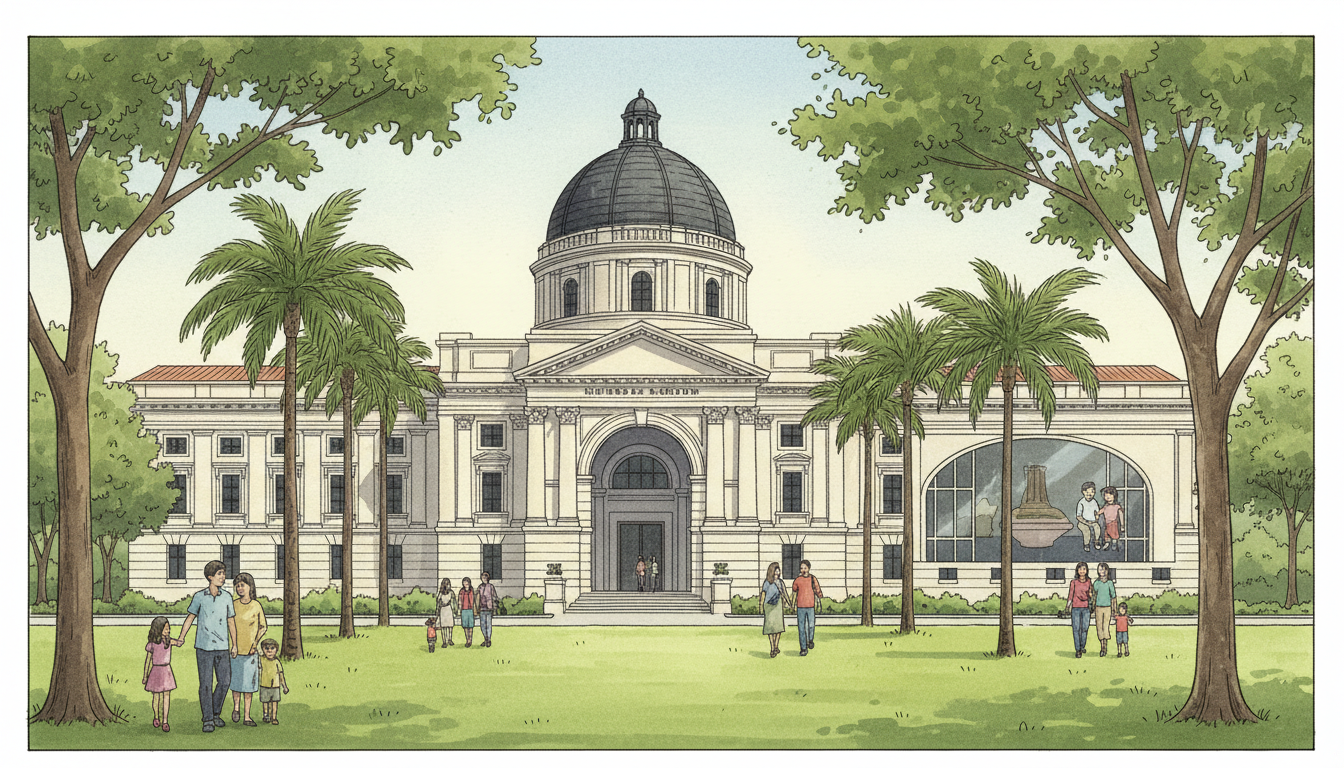
The cultural volunteer who helps a visitor understand a heritage object can make a visit memorable. I would also ask how that person was prepared, protected and supported. Meaningful volunteer programmes require real roles and responsible supervision, not merely recruitment targets.
The worked cases are fictional learning scenarios. Real volunteer roles, recruitment and safeguarding requirements belong to their organisations and jurisdictions; current openings must be checked on official pages.
Five reading routes
Chapter index
Understand the roles · Chapters 1–3
Prepare volunteers · Chapters 4–6
Protect people and truth · Chapters 7–9
Improve the programme · Chapters 10–12
Keep volunteering meaningful · Chapters 13–15
1. Volunteers are people sustaining culture, not free staffing numbers
A visitor may remember the volunteer who explained a difficult museum object more clearly than any display label. A child may discover a heritage trail because a trained local guide made a street’s history comprehensible. These contributions matter, yet a programme fails when it treats the people making them as free slots in a staffing spreadsheet.
The gold standard of cultural volunteering combines worthwhile roles, informed choice, appropriate training, safe supervision, accessibility and honest recognition. It serves the cultural institution and the volunteer, while protecting the visitor and the people whose history is interpreted. Counting sign-ups is a beginning, not evidence that this relationship works.
Singapore’s National Heritage Board volunteer information describes docents, guides, museum hosts and community contributions. These are distinct roles with different expectations. A new organiser should follow that principle: explain the actual task before promising volunteers a meaningful cultural experience.
2. Name why volunteering is appropriate to this activity
Some work is suited to volunteer participation: visitor welcome, approved public tours, community event assistance, collection transcription under supervision or a local oral-history initiative with suitable safeguards. Other work requires professional qualifications, paid responsibility or specialist authority. A volunteer’s enthusiasm does not authorise conservation treatment or the disclosure of restricted recordings.
Write a purpose statement for the role: what cultural or visitor benefit does it support, what decisions may the volunteer make, and where does responsibility return to trained staff? Specify tasks that should not be performed independently. This protects professionals from blurred obligations and volunteers from being placed in unfair situations.
A credible programme avoids replacing clearly commissioned specialist work with indefinite unpaid demands. Its contribution is strongest when the person understands the task, freely accepts its scope and has access to competent help.
3. Recruit fairly without promising everyone the same role
An arts event may welcome people with different languages, ages, abilities and experience, but not every role has identical skill or safety needs. A museum guide may require historical study and confident public communication; a visitor host may primarily need orientation, directions and practical service knowledge.
Advertise duties, suitable commitment, requirements, training, scheduling and accessible contact routes in plain language. Evaluate candidates against role needs rather than assumptions about who looks like a traditional heritage expert. Make appropriate alternatives available where feasible for people who can contribute differently.
Do not promise an instant placement when a programme has a selection and training cycle. The Ministry of Culture, Community and Youth’s volunteering overview points readers to real heritage opportunities, but an organisation must check its own current openings and terms.
4. Give every role a written scope and a responsible supervisor
Volunteers may need to welcome guests, explain an approved tour, check registrations or assist with supervised learning activities. When those duties are vague, a helpful person may gradually be asked to manage money, handle a fragile object or resolve a sensitive complaint without preparation.
Use a short role guide: expected tasks, appropriate behaviour, place and time, access to training, reporting contact, safety boundaries, relevant confidentiality and who can approve a change of duties. Explain whether the work includes photography, digital records or information about children. Avoid granting access to sensitive systems simply because someone has been a loyal helper.
Supervision is not a sign of mistrust. It is an accountable arrangement that lets the volunteer ask questions, recognise when a matter exceeds their remit and offer visitors accurate assistance.
5. Train interpretation before inviting volunteers to become public authorities
A passionate guide may have excellent personal stories but be unfamiliar with provenance, an uncertain date or changes in museum scholarship. A public tour should not turn that enthusiasm into universal claims about a culture. Training needs to connect approved interpretation with evidence, uncertainty and respectful visitor dialogue.
Provide material suited to the role: institutional mission, context of collections or sites, basic source checking, tour design, access awareness, relevant conduct standards and practice with feedback. Encourage volunteers to say when they do not know an answer and to refer a specialist question rather than guess.
The National Museum of Singapore volunteer page describes training and several distinct volunteer pathways, including museum hosts and care facilitators. Its specific training schedules are not universal requirements for other museums; the useful principle is role-appropriate preparation before independent service.
6. Make a visitor experience accessible in practice
A volunteer may be the first person someone approaches when they cannot find a lift, need a quieter route or prefer information in another language. If the volunteer lacks reliable details, even a well-designed venue can feel inaccessible to its intended audience.
Train staff and volunteers in actual accessible routes, available formats, relevant limits and appropriate ways of asking what assistance would be useful. Avoid demanding unnecessary disclosure of disability or private circumstances. Explain when a request must go to a staff member qualified to decide.
A volunteer guide is not expected to become a medical professional or interpreter overnight. The Gold Standard of Cultural Accessibility provides the wider journey design, including opportunities for disabled practitioners and visitors to participate with dignity.
7. Put safeguarding and boundaries ahead of friendliness
Warmth is valuable at a cultural workshop, but it cannot replace safeguarding. A volunteer might interact with children, seniors, people who need additional assistance or contributors sharing personal memories. The relevant risks and procedures depend on the setting, laws and actual organisational responsibilities.
Provide clear expectations about supervision, conduct, photography, contact outside activities, handling personal information and reporting concerns. Use suitable background checking or verification where required by the organisation or law. Volunteers should know how to raise an issue without having to investigate it themselves.
The National Museum’s public information on care facilitators illustrates that specialist visitor programmes require preparation for particular audiences. Do not substitute generic goodwill for competent support or assume that a volunteer can provide professional care services.
8. Respect languages, cultures and contributors’ permissions
Some heritage volunteers explain material connected to their own experience; others study and interpret collections outside it. Both approaches can be worthwhile if claims remain grounded and different community perspectives are represented accurately. A volunteer is not automatically authorised to speak for an entire cultural group.
Teach how to credit sources, describe the limits of one interview, respect a person’s right not to be recorded and avoid turning a sensitive family story into tour entertainment. Where interpretation requires another language, provide appropriate reviewed material and access to competent support.
Encourage questions and correction. A guide who tells a visitor, “This is one documented version; other communities describe it differently,” may give a stronger explanation than someone who confidently repeats an attractive but unsupported slogan.
9. Support reliable schedules without disguising unpaid labour
Volunteer roles should come from a programme’s purpose, not just gaps on the duty roster. The Gold Standard of Cultural Programme Design starts with a meaningful learning or participation outcome, then aligns the visitor journey, appropriate facilitators, roles, materials and follow-up. That design makes it easier to explain what volunteer preparation is actually needed.
Cultural programmes need predictable opening hours and enough competent people to support visitors safely. Volunteers also have employment, family, study and personal responsibilities. When the organisation relies on them as though they were guaranteed staff, cancellations can cause stress for volunteers and visitors alike.
Set realistic shifts, substitute arrangements, notices, breaks, communication and any agreed reimbursements. Clarify which services require paid staff or professional oversight and which can pause if volunteer capacity falls. A smaller dependable programme is preferable to an ambitious rota built on promises people cannot sustain.
Do not assume all volunteering is costless. Training, accessibility, coordination, supervision and recognition require planning. The institution should consider its legal and labour obligations where relevant rather than use the word volunteer to settle every employment question.
10. Let volunteers provide feedback without giving them unchecked authority
Experienced volunteers often notice recurring visitor questions, inaccessible instructions, misleading labels and weaknesses in event routines. Their observations can improve services, but they should not be required to adjudicate provenance, rights disputes or safety incidents outside their training.
Offer briefings, supervisor check-ins and a way to propose changes. Tell volunteers which suggestions were adopted, which require specialist review and why. Record changes to public interpretation and training materials so different guides do not teach contradictory versions.
Volunteers may also disagree with one another about a local historical account. Use source review and proportionate facilitation rather than allowing seniority in the programme to substitute for evidence.
11. Worked case: the enthusiastic guide invents a convenient date
In a fictional museum, a volunteer docent hears visitors asking when a group of market stalls first appeared. The exhibit labels give an approximate period, but the guide begins offering a precise year to sound helpful. After many tours, visitors repeat the date as established history.
The supervisor reviews the record with the guide, checks source documentation and corrects the public script. The museum normalises the phrase “the exact year is not established” and shows volunteers how to send unresolved questions to curatorial staff.
The volunteer remains valued for engaging visitors. The repair is a stronger training and correction system, not public humiliation of a well-intentioned person.
12. Worked case: a festival depends on volunteers beyond their training
A fictional cultural festival assigns volunteers to welcome audiences and support registration. On the day, a coordinator also asks them to handle restricted backstage equipment and make independent crowd-safety decisions because paid staff are delayed.
The responsible organisers reset boundaries and use appropriately trained staff and official safety procedures. Volunteers can assist with tasks they understand and can safely perform, while urgent hazards are directed to qualified personnel. Later, staffing and contingency plans are changed so the same pressure does not recur.
The lesson is that volunteer enthusiasm should never become an excuse to leave regulated or high-risk duties uncovered. Good cultural service requires both gratitude and competent operational planning.
13. Worked case: a capable contributor cannot access the training
A fictional museum seeks multilingual volunteer guides. A potential contributor has relevant language expertise but the mandatory orientation materials are available only in inaccessible digital formats, and the interview location cannot be reached without stairs.
The organisation examines the actual role’s requirements and modifies avoidable barriers, for example by providing usable documents and an accessible orientation route. It still assesses candidates fairly on the knowledge and conduct needed for the work.
The result is not a lower standard. It is a programme that makes competent participation possible instead of confusing an inaccessible recruitment process with lack of ability.
14. Worked case: a volunteer records a personal story without permission
During a fictional heritage walk, a resident offers an informal recollection about their former workplace. The guide records it on a personal phone and later shares a clip online because the story is fascinating. The resident did not understand that a passing conversation would become public media.
The programme contacts the appropriate supervisor, reviews the recording’s status and takes responsible action consistent with privacy, consent and applicable law. The training guide now explains that public-interest stories still require proper permissions and approved handling procedures.
Volunteers can continue encouraging oral histories through an authorised programme. The correction separates friendly listening from the responsibilities of collecting and distributing personal testimony.
15. Measure quality through competent service and meaningful retention
A programme can report hundreds of volunteer hours while overlooking whether guests received accurate guidance or volunteers felt supported. Hours matter for planning, but cultural value is better understood through the actual work they made possible and its conditions.
Review whether training matched duties, visitors could use assistance, source corrections were recorded, safeguarding concerns reached the right people and shifts remained workable. Ask volunteers what knowledge they developed and whether they can contribute under terms they consider sustainable.
The gold standard is not demanding endless free hours. It is a relationship in which volunteers choose meaningful roles, institutions honour their responsibilities and the public receives trustworthy cultural experiences.
| Programme element | Evidence of quality | Improvement |
|---|---|---|
| Role fit | Clear tasks and boundaries | Revise role descriptions |
| Training | Accurate interpretation and feedback | Practise key situations |
| Safe participation | Accessible routes and safeguarding reports | Escalate and repair |
| Continuity | Realistic shifts and volunteer choices | Support or narrow the programme |
Frequently asked questions
Are cultural volunteers a substitute for museum professionals?
No. Volunteers can contribute greatly under suitable supervision, while specialist and regulated work needs competent responsible professionals.
Must every volunteer guide receive the same training?
No. Training should fit specific roles, audiences, source material, conduct and safety needs.
Can a guide improvise historical dates?
Uncertainty should be explained rather than replaced with guesses; consequential questions should be referred for source review.
Do volunteers have to disclose personal background?
Only information genuinely needed under relevant recruitment, safeguarding and privacy requirements should be requested.
What if volunteer numbers decline?
Maintain realistic staffing and contingency plans rather than relying on unlimited unpaid commitments.
Can volunteers record visitors or oral histories?
Only within approved organisational procedures, relevant permissions and applicable rights and privacy rules.
Are heritage volunteering positions open all year?
Recruitment periods and roles differ; check the official organisation’s current opportunities.
How should volunteer contributions be measured?
Review accuracy, visitor access, safe roles, training, sustainability and meaningful feedback, not only hours.
Is this a volunteer accreditation?
No. This is independent editorial guidance, not a certificate or determination of employment status.
Connected Gold Standard article directory
Choose the specialist guide relevant to the work: evidence-based interpretation, access, governance, appropriate event roles or living heritage. These links are educational reading routes, not placements or approvals of volunteers.
- The Gold Standard of Culture
- The Gold Standard of Cultural Education
- The Gold Standard of Cultural Interpretation
- The Gold Standard of Cultural Participation
- The Gold Standard of Cultural Accessibility
- The Gold Standard of Cultural Governance
- The Gold Standard of Cultural Documentation
- The Gold Standard of Community
- The Gold Standard of Cultural Festivals
- The Gold Standard of Museums
- The Gold Standard of Living Cultural Heritage
- The Gold Standard of Cultural Rights
- Culture Further Reading Index
- The Gold Standard Master Collection
- Deep Reading Index
Official sources for volunteer roles and training
- Singapore National Heritage Board — Volunteer for Heritage
- Singapore National Museum — Volunteer Roles and Training
- Singapore Ministry of Culture, Community and Youth — Volunteerism
- Smithsonian Institution — Volunteering Opportunities
- Collections Trust — Emergency Planning for Collections
These organisation pages describe their own opportunities and guidance. They do not authorise a volunteer to undertake specialist tasks or certify this article. Check current recruitment and site procedures directly.