
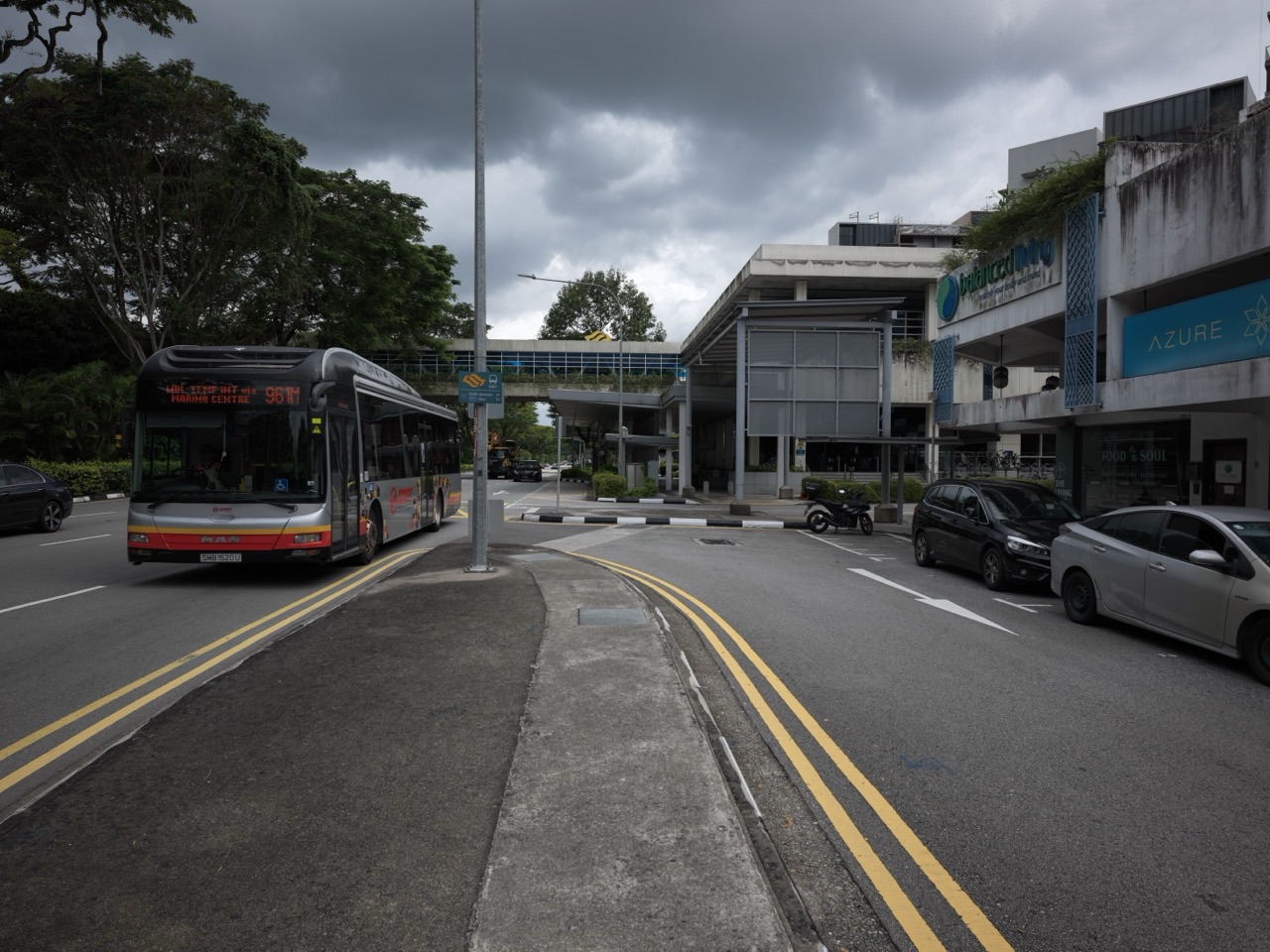
The Gold Standard of Transportation links roads, railways, public transport, aviation, maritime systems, freight, mobility, engineering and accessibility into one practical guide. Use the chapters to understand the full journey, then follow the verified companion articles into specialist work.
Transportation chapter index
- Chapter 1
- Chapter 2
- Chapter 3
- Chapter 4
- Chapter 5
- Chapter 6
- Chapter 7
- Chapter 8
- Chapter 9
- Chapter 10
- Chapter 11
- Chapter 12
- Chapter 13
- Chapter 14
- Chapter 15
- Chapter 16
- Chapter 17
- Chapter 18
- Chapter 19
- Chapter 20
- Chapter 21
- Chapter 22
- Chapter 23
- Chapter 24
- Chapter 25
- Chapter 26
The Gold Standard of Transportation is the safe, accessible, dependable and responsible movement of people and goods from their actual starting point to their intended destination. Transportation is not simply roads, vehicles, railways, ships or aircraft. It is a connected service in which infrastructure, operations, information, safety, affordability, maintenance and the user’s experience must work together.
A train can arrive punctually yet leave a passenger stranded if the connecting bus has already departed. A new road can look spacious but move congestion into the next junction. A port can load ships efficiently while cargo waits for customs documentation or inland delivery. The useful measure is whether the complete journey works, not whether one part produces an attractive statistic.
This guide connects transportation planning, road safety, public transport, active mobility, rail, aviation, marine systems, logistics, freight services, access and resilience. The linked Gold Standard sub-articles cover specialised engineering, professional roles, companies and everyday operations already published across eduKateSG’s ecosystem.
This is a general international educational overview. Actual highway codes, licensing, marine and aviation safety rules, vehicle approvals and transport regulations differ by country and mode. The worked cases are fictional; safety-critical decisions require competent professionals and governing requirements.
1. The transport promise is an end-to-end journey
People do not generally travel because they want to spend time inside a vehicle. They need to reach work, school, health care, family, markets or services. Freight moves because somebody needs goods at the right place and time. A transportation system must therefore be judged by access to real opportunities and reliable delivery.
A useful journey includes the walk or connection to the first vehicle, waiting, travel, transfers, arrival and the final route to the destination. For freight, the chain may include collection, consolidation, terminals, border formalities, storage and last-mile delivery.
A system can appear successful inside a narrow administrative boundary while failing its passengers or customers. The gold standard follows the journey across those boundaries and makes the handoffs visible.
2. Access matters before speed
A faster trip is valuable only when people can use it. An express train with no accessible connection may not help a passenger who cannot safely reach its platform. A road that improves travel time for cars can make a neighbourhood harder to cross on foot.
Transport planning should begin by identifying users, essential destinations and barriers. It should consider who has the time, money, mobility and information needed to use the service. Different ages, abilities and circumstances create different journey needs.
Accessibility means more than a theoretical route on a map. It includes understandable information, safe crossings, step-free movement where required, suitable waiting conditions and a practical way to complete the trip when equipment fails.
3. Mobility and transport are not the same as activity
Transport organisations can count vehicles, passengers, kilometres, tonnage or completed journeys. These numbers are useful for managing capacity but cannot alone establish that the system improves people’s lives.
A delivery truck may travel additional kilometres because the route was planned badly. A passenger may make three transfers because no direct connection exists. More movement can indicate inconvenience rather than success.
Useful performance measures include access to destinations, total journey time, variability, safety, affordability, comfort, environmental impact and recovery after disruption. A strong planning process chooses metrics that correspond to the actual public or commercial purpose.
4. Map the modes and their connections
Road, rail, walking, cycling, aviation, maritime transport and specialised freight services have different advantages and limits. Yet most real journeys use more than one system. A passenger may reach an airport by rail. A container arriving by sea must continue by truck, barge or train.
Interchanges deserve special attention because they combine infrastructure, information and operational schedules. A transport plan that optimises separate modes independently can create poor connections for the people and goods moving between them.
Good coordination identifies responsibility for common areas, shared data, accessible routes, service recovery and communication. The system should not abandon users at the boundary between operators.
5. Safety is a system of roads, vehicles and people
Road safety depends on infrastructure design, speeds, vehicle condition, user behaviour, enforcement and timely response after crashes. The World Health Organization’s road-safety guidance emphasises reducing serious harm through coordinated measures rather than assuming all safety rests on perfect decisions by individual road users.
A road crossing that requires a child to estimate high-speed gaps can be a design problem as well as a behaviour problem. A commercial vehicle with poor maintenance presents risk beyond the driver’s competence. Transport planners should examine hazards and build appropriate safeguards into the system.
Safety objectives should be evaluated through credible evidence and attention to vulnerable users. A lower number of recorded minor incidents is not sufficient to prove that serious risk has disappeared.
6. Walking is a transport mode, not a leftover space
Footpaths, crossings, shelters, lighting, curb ramps, street furniture and wayfinding shape whether a journey is practical. A walkable street must work for people moving at different speeds, including children, older adults and people using mobility aids.
A technically continuous path can still fail if its surface is damaged, it lacks a safe crossing or construction work forces a lengthy detour. Weather protection and direct routes may influence whether people choose public transport in the first place.
Maintenance and construction coordination are part of pedestrian safety. A city cannot claim accessible transport while allowing essential walking links to disappear without suitable alternatives.
7. Cycling needs coherent routes and safe interfaces
Cycling infrastructure should connect origins and destinations through routes that match expected users and local conditions. Isolated paths may offer little benefit when they end abruptly at unsafe intersections or leave cyclists to compete with heavy traffic without a suitable transition.
Planning must address visibility, crossings, conflict points, parking, security, maintenance and the relationship to walking and public transport. Different riding speeds and vehicle types may require considered separation and operational rules.
The aim is predictable movement and reduced harm, not merely painting a bicycle symbol on a road. Evaluate actual use, conflicts and accessibility, and improve designs as evidence accumulates.
8. Roads and junctions function as networks
A new lane can increase one road’s capacity while creating congestion at a downstream junction. A signal plan can favour one direction and lengthen delays for pedestrians or buses. Roads must be assessed as connected networks serving multiple kinds of users.
Traffic analysis should consider real demand patterns, turning movements, road hierarchy, adjacent land uses, emergency access and construction effects. The assumptions and limits of a model need to be visible; no forecast perfectly predicts future travel behaviour.
Road quality also relies on pavement condition, drainage, signage, lighting and timely repair. An engineering design that cannot be maintained affordably may create recurring disruption long after opening.
9. Public transport requires useful frequency and reliability
A bus or train service is more than a vehicle appearing on a timetable. Passengers experience waiting, variability, crowding, accessibility, transfers, information and the journey to and from the stop.
A reliable schedule is particularly valuable when users must arrive for appointments or connect to another service. It is important to distinguish an on-time departure from the passenger’s total journey outcome. A service can depart punctually and still fail to provide a feasible interchange.
Operators should measure service performance under peak, ordinary and disrupted conditions. Passenger communication should be clear enough for people to make a sensible alternative plan.
10. Stations and interchanges are public spaces with technical duties
A transport hub must handle movement, waiting, passenger information, security, maintenance and emergencies. Circulation should be intelligible to someone visiting for the first time, not only to staff familiar with the layout.
Lifts, escalators, tactile information, signs, lighting and emergency routes need coordinated design and upkeep. A station may be structurally sound while a broken lift makes the service unusable for some passengers.
The gold standard evaluates complete accessible paths and degraded arrangements. It asks what the public should do when a facility is closed and who is responsible for communicating and correcting the problem.
11. Railway engineering is a coordinated safety system
Rail depends on track, power, rolling stock, signalling, communications, stations, operating rules and competent staff. Each part may function individually while an interface creates a dangerous or disruptive condition.
Engineering work must account for safety requirements, approvals, inspections, testing and configuration control. A change to one element can affect another, especially in integrated signalling or power systems. Operational disruption can also occur through ordinary maintenance access and degraded modes.
Readers should not confuse a routine equipment test with evidence of the entire railway’s readiness. System-level assurance and professional oversight matter when many components must behave correctly together.
12. Aviation connects airworthiness with the passenger journey
Aviation is a specialised high-consequence system involving aircraft condition, trained crews, air traffic control, ground operations, weather, airports, security and regulatory oversight. The overall journey also includes access to terminals, baggage handling and onward travel.
An airline can meet an aircraft safety requirement while still providing poor customer recovery after a cancellation. These are different dimensions of quality, both important to a service travellers can trust.
Safety-critical aviation decisions require governing rules and qualified professionals. At the public-service level, dependable information, transparent charges, accessible support and reasonable handling of disrupted journeys should complement operational competence.
13. Maritime transport connects ports, ships and shore
Sea transport supports major flows of goods and people. Ship condition, navigation, crew competence, port access, loading, documentation and environmental safeguards interact. A vessel’s safe arrival does not by itself establish that the cargo can reach its final customer.
Ports must coordinate berths, pilots, terminal handling, storage, customs interfaces and inland transfer. The relevant authority and documentation should be clear at each stage. A delay in one record or gate may affect a wider supply chain.
Responsible maritime systems also consider pollution, safety, hazardous cargo and long-term vessel maintenance. A profitable voyage is not evidence of good performance if important risks were ignored.
14. Freight and logistics preserve the promised delivery
Freight movement begins with the sender’s actual requirement: what must arrive, where, by when and in what condition. Packaging, loading, custody, routing, temperature control, documents and recipient availability may all be significant.
A shipment scan can show that a parcel left a warehouse without proving that it reached the intended recipient. A container can be loaded onto a vessel while the necessary customs or onward-delivery requirements remain unresolved.
Logistics quality requires traceable handoffs, clear exceptions and reasonable recovery arrangements. Its goal is not movement for its own sake but dependable fulfilment of the underlying transaction.
15. Maintenance protects transport availability and safety
Vehicles, tracks, pavements, bridges, signalling and station equipment deteriorate through use and environment. Maintenance planning should reflect failure consequences, actual condition, access constraints and applicable inspection requirements.
A correctly serviced bus engine cannot compensate for unsafe tyres. A train station’s escalator may have a completed work order while the access route remains unavailable. Work should be accepted against its intended function, not simply against a list of tasks.
Transport operators also need to coordinate maintenance windows with passengers and freight customers. Clear alternative arrangements reduce avoidable harm while necessary work takes place.
16. Transport information must be trustworthy and usable
Passengers and logistics operators depend on maps, directions, schedules, alerts, tracking records and ticketing systems. Incorrect information can cause missed appointments, unclaimed cargo or unsafe choices.
A useful digital service displays authoritative status, explains important uncertainty and offers a recovery route when a transaction fails. A ticketing application should not show payment success if the actual ticket was not issued. A delivery record should not claim completion before the relevant acceptance condition is met.
Accessibility applies to digital and physical information. People may need readable signs, audible announcements, alternative formats or support that does not require the newest smartphone.
17. Affordability and equitable access affect real mobility
Transport is only available in practice when people can afford and use it. Fare structures, ticketing rules and assistance systems differ by jurisdiction, but fairness remains a useful question: can a person reach essential destinations without unreasonable cost or complexity?
A cheap fare may be offset by a long, unreliable journey or inaccessible first-mile connection. Conversely, targeted support may have little effect if people cannot identify their eligibility or complete an application.
Good policy and service design evaluate the total burden on different users, not just the advertised ticket price. Transparent rules and effective complaint handling make transport more dependable.
18. Environmental performance is a complete-system question
Transport affects air quality, noise, energy use, land, materials and emissions. Different modes and technologies have different impact patterns. A meaningful comparison should define passenger or freight service delivered and include appropriate lifecycle or operating boundaries.
A low-emission vehicle can be poorly used if it creates unnecessary trips or runs mostly empty. Freight consolidation may reduce repeated travel but can add storage or handling burdens. A transport project should examine both benefits and trade-offs.
The United Nations describes sustainable transport as important to accessibility, economic opportunity, social equity, health and resilience. The practical message is that environmental responsibility must strengthen, rather than ignore, the service people need.
19. Climate resilience and disruption require preparation
Heavy rain, heat, flooding, strong winds, power loss and other hazards can affect roads, tunnels, ports, airports and railways. The relevant scenarios depend on local conditions and the system’s design.
Resilience involves credible thresholds, monitoring, safe restrictions, alternative routes, recovery resources and public communication. Two nominally separate routes may fail together if they pass through the same flood-prone area. A service recovery plan should look beyond the most visible asset.
No transport system can promise immunity from every disruption. The gold standard is to manage foreseeable risks honestly, protect people and restore essential mobility in a controlled way.
20. Good governance clarifies who owns the journey
Transport crosses operators, infrastructure owners, regulators, enforcement agencies and private service providers. Passengers should not have to understand these boundaries to find help when a journey goes wrong.
Contracts and operating arrangements should identify responsibilities for safety, maintenance, information, emergency response and customer correction. Performance data should be used to investigate system problems rather than to move responsibility from one provider to another.
A high-quality mobility network requires both specialist competence and collaboration. Clear lines of authority matter especially when safety or statutory obligations are involved.
21. Worked case: a punctual train and a missed connection
In a fictional metropolitan system, a train consistently arrives at its terminal on schedule. Yet passengers travelling to a nearby district regularly miss the final evening bus because the interchange walking route is long and the bus departs just before they reach the stop.
Rail statistics appear excellent and bus departure compliance is also strong. The failure appears only when the complete journey is examined. Planners map the time needed for passengers using different mobility aids, the reliability of arrivals and the wayfinding between platforms and bus stands.
Possible responses include timetable coordination, clearer routing, adjusted interchange facilities or a targeted service arrangement. Each has costs and constraints that must be examined. The correct choice should use passenger evidence, not simply assign blame to either operator.
The lesson is that individual on-time metrics do not prove a connected service is useful. The gold standard measures the passenger’s actual journey.
22. Worked case: a road upgrade moves the traffic queue
A fictional town widens a busy road to relieve congestion. Immediately after opening, travel appears faster along the upgraded section, but queues grow near a downstream junction and make it difficult for buses to leave a side road.
A proper review checks demand, turning movements, signal timing, pedestrian crossing needs, public transport priority and changes in route choice. It distinguishes early observations from longer-term behaviour. The appearance of extra road space is not proof of a more effective network.
The remedy may involve intersection control, bus movement, demand management or a wider planning review rather than another lane. Different options must be tested against safety, access and the intended mobility outcomes.
This exercise explains why transportation is not just civil engineering. It is a network of people making decisions in response to the system provided.
23. Worked case: a shipment arrives but cannot be delivered
In a fictional trade route, a refrigerated food shipment reaches a port on time. The shipping company reports success. The importer discovers that an essential document is incomplete and the goods cannot be released promptly for inland delivery.
The investigation traces shipment instructions, source records, regulatory requirements, document custody, port status and any relevant temperature or storage conditions. It should protect product safety while exploring lawful correction routes.
Suppose the shipping movement was performed correctly but the export document used an outdated consignee identifier. The commercial journey has not been completed despite successful maritime transport. The service needs an accountable mechanism for resolving the document problem and managing the goods during delay.
The lesson is that freight performance includes information integrity and downstream delivery, not only physical arrival.
24. Worked case: an accessible station route breaks down
A fictional station normally provides a step-free route through a lift. The lift is removed from service for repair, and a sign directs passengers to stairs without identifying a workable alternative. A traveller using a wheelchair is unable to complete the journey as planned.
The responsible operator should assess the applicable accessibility obligations, communicate the actual service status and provide appropriate authorised assistance or alternative routes. Maintenance teams need a safe repair plan, while passenger-support teams need accurate information and escalation authority.
A completion report about the lift repair is not enough if the accessible journey remains unusable. The system should verify restoration and review why alternative arrangements were unclear.
This case shows that transportation accessibility is a live operational responsibility, not merely a design feature present on opening day.
25. Routes for passengers, operators, businesses and learners
Passengers can begin by asking whether the route is safe, affordable, understandable and resilient to ordinary disruptions. Operators should trace full journeys and repeated failures rather than relying only on internal task counts.
Transport planners should compare service outcomes across modes and affected users, including people who cannot readily drive or use digital ticketing. Freight businesses should map custody, documentation and delivery obligations from origin to recipient. Engineers must evaluate the technical and safety requirements of their particular part of the network.
Learners can follow one familiar journey and identify every hidden system: roads, stations, signs, energy, software, maintenance, staffing and information. That approach reveals how civilisation turns individual transport assets into a usable service.
26. Transportation quality scorecard
A dependable transport system begins with real access needs. It provides safe infrastructure and operation, suitable capacity and frequency, useful transfers, affordable and clear information, maintained vehicles and assets, credible freight custody, environmental responsibility and tested recovery arrangements.
Its measures should reflect actual end-to-end outcomes and the experience of people whose needs differ from an assumed average passenger. The scorecard is not a substitute for specialised safety certification or local law. It is a map of what must be examined before declaring transportation trustworthy.
27. Transportation ecosystem: specialist Gold Standard articles
The articles below are published specialist guides in eduKateSG’s Gold Standard ecosystem. This subject root explains how the whole transport service should work; its child articles address the different modes, professions, technical disciplines, services and businesses.
Roads, streets, walking and cycling
- The Gold Standard of Airport Transfer Services | Flight-Aware Pickup, Licensed Drivers and Trusted Arrival
- The Gold Standard of Automotive Companies | Vehicle Safety, Traceable Quality and Lasting Support
- The Gold Standard of Automotive Engineering | Safety That Survives Real Roads and Software Updates
- The Gold Standard of Bicycle Companies | Safe Bikes, Honest Specifications and Repairable Mobility
- The Gold Standard of Bicycle Parking Services | Convenient Racks, Clear Paths and Accountable Operations
- The Gold Standard of Bicycle Rental Services | Roadworthy Cycles, Fair Terms and Responsible Return
- The Gold Standard of Bicycle Repair Services | Reliable Brakes, Honest Diagnosis and Safe Handover
- The Gold Standard of Bus Drivers | Safe Journeys, Clear Communication and Reliable Service
- The Gold Standard of Car Rental Services | Clear Insurance, Roadworthy Cars and Fair Return
- The Gold Standard of Cycling | Safe Control, Shared Paths and Repeatable Journeys
- The Gold Standard of Delivery Drivers | Safe Routes, Honest Handoffs and Recoverable Parcels
- The Gold Standard of Driver Licensing Services | Proven Competence and Secure Entitlement
- The Gold Standard of Electronic Waste Recycling | Safe Depollution, Traceable Materials and Honest Recovery
- The Gold Standard of HDB Season Parking Services | Fair Allocation and Accurate Parking Rights
- The Gold Standard of Roadside Assistance Services | Safer Recovery, Clear Charges and Accountable Handover
- The Gold Standard of Solar Panel Recycling | Safe Decommissioning, Traceable Recovery and Honest Materials
- The Gold Standard of Valet Parking Services | Lawful Parking, Secure Keys and Verified Vehicle Return
- The Gold Standard of Vehicle Inspection Services | Roadworthiness and Verified Compliance
- The Gold Standard of Vehicle Registration Services | Verified Ownership, Road Tax and Safe Transfers
- The Gold Standard of Walking | Safe Routes, Sustainable Habits and Everyday Mobility
Railways, public transport and accessible journeys
- The Gold Standard of Assistive Technology Support Services | Fit-for-Purpose Tools and Effective Training
- The Gold Standard of Child Car Seat Installation Services | Correct Restraints, Secure Fit and Confident Journeys
- The Gold Standard of Escalator Maintenance Services | Registered Inspection, Safer Movement and Verified Reopening
- The Gold Standard of Lift Maintenance Services | Registered Care, Traceable Faults and Safe Return
- The Gold Standard of Public Transport
- The Gold Standard of Public Transport Accessibility
- The Gold Standard of Public Transport Fare Concession Services | Affordable Travel Without Hidden Barriers
- The Gold Standard of Public Transport Lost Property Services | Traceable Items and Safe Return
- The Gold Standard of Railway Electrification Engineering | Dependable Power from Grid to Train
- The Gold Standard of Railway Engineering | Safe Journeys Across Track, Power and Signals
- The Gold Standard of Railway Maintenance
- The Gold Standard of Railway Rolling Stock Manufacturing | Integrated Systems and Verified Fleet Readiness
- The Gold Standard of Railway Signalling Engineering | Safe Separation and Proven Interlocking
Aviation, ports, shipping and navigation
- The Gold Standard of Aerospace Companies | Qualified Design, Traceable Parts and Lifecycle Safety
- The Gold Standard of Air Traffic Controllers | Safe Separation, Clear Communication and Team Readiness
- The Gold Standard of Aerospace Component Repair | Approved Data, Traceable Work and Authorised Release
- The Gold Standard of Aerospace Engineering | Evidence from Design to Flight
- The Gold Standard of Aerospace Manufacturing | Precision, Safety and Traceable Component Quality
- The Gold Standard of Airport Management
- The Gold Standard of Aviation Companies | Airworthiness, Safe Operations and Passenger Recovery
- The Gold Standard of Aviation Safety
- The Gold Standard of Avionics Engineering | Safe Aircraft Information and Integrated Systems
- The Gold Standard of Coastal Engineering | Connected Defences and Adaptable Shorelines
- The Gold Standard of Dredging Engineering | Safe Depths, Sediment and Marine Stewardship
- The Gold Standard of Marine Engineering | Seaworthy Systems and Verifiable Maintenance
- The Gold Standard of Marine Surveying Services | Condition Evidence and Seaworthy Decisions
- The Gold Standard of Marine Surveying Services | Vessel Condition Beyond the Certificate
- The Gold Standard of Maritime Safety
- The Gold Standard of Port Management
- The Gold Standard of Shipbuilding Companies | Safe Yards, Controlled Builds and Verifiable Sea Trials
- The Gold Standard of Shipbuilding | Sound Hulls, Tested Systems and Honest Handover
- The Gold Standard of Shipping Companies | Seaworthy Vessels, Cargo Custody and Voyage Recovery
Freight, logistics, storage and delivery
- The Gold Standard of Freight Forwarding | Accurate Documents, Clear Custody and Recoverable Shipments
- The Gold Standard of Industrial Packaging Manufacturing | Protective Design, Tested Shipments and Honest Materials
- The Gold Standard of Logistics | Deliveries with Visible Ownership
- The Gold Standard of Ambulance Services | Coordinated Response from Dispatch to Safe Handover
- The Gold Standard of Cold Chain Companies | Temperature Integrity, Traceable Custody and Verifiable Delivery
- The Gold Standard of Cold Storage Warehousing | Verified Temperatures, Accurate Stock and Safe Dispatch
- The Gold Standard of Courier Companies | Traceable Parcels, Fair Charges and Verified Delivery
- The Gold Standard of Courier Services | Chain of Custody, Honest Tracking and Verified Delivery
- The Gold Standard of Disaster Relief Coordination | Verified Needs, Safe Logistics and Accountable Recovery
- The Gold Standard of Dispatchers | Clear Priorities, Accurate Information and Reliable Coordination
- The Gold Standard of Food Cold Chain Management
- The Gold Standard of Logistics
- The Gold Standard of Logistics Companies | Visible Custody and Recoverable Deliveries
- The Gold Standard of Medical Supply Chains
- The Gold Standard of Pharmaceutical Cold Chain Logistics | Verified Temperature History and Safe Release
- The Gold Standard of Postal Services | Accessible Delivery and Accurate Handling
- The Gold Standard of Postal Services | Accessible Networks, Secure Mail and Accountable Delivery
- The Gold Standard of Supply Chain Management
- The Gold Standard of Warehouse Workers | Safe Stock and Accurate Dispatch
- The Gold Standard of Warehousing
Safety, engineering and wider transport governance
- The Gold Standard of Geotechnical Engineering | Ground Uncertainty Managed Before It Moves
- The Gold Standard of Public Asset Lifecycle Management
- The Gold Standard of Systems Engineering | Interfaces, Evidence and Lifecycle Ownership
- The Gold Standard of Bridge Engineering | Load Paths, Scour and Maintainable Crossings
- The Gold Standard of Civil Engineering | Infrastructure That Remains Safe and Useful
- The Gold Standard of Digital Infrastructure
- The Gold Standard of Emergency Communications | Clear Information When Ordinary Systems Fail
- The Gold Standard of Engineering Project Management Services | Scope, Interfaces and Evidence at Handover
- The Gold Standard of Fine Art Transport Services | Safe Packing, Proven Custody and Accountable Arrival
- The Gold Standard of Fleet Management
- The Gold Standard of Passenger Transport Companies | Safe Journeys, Honest Fares and Fleet Readiness
- The Gold Standard of Pet Transportation Services | Calm Handling, Secure Carriers and Verified Animal Handover
- The Gold Standard of Public Infrastructure Inspection
- The Gold Standard of Risk Management
- The Gold Standard of Teaching Urban Planning | Land Use, Mobility and Public Decisions
- The Gold Standard of Transportation Engineering | Safe Movement Across Every Mode
Transport rarely stays inside one subject. A rail journey depends on road access, accessible stations, power, signalling, maintenance and information. An imported product depends on shipping, documents, terminals, inland freight and final delivery. Follow the relevant child article for details and return here to connect the decisions.
28. Frequently asked questions
What is the gold standard of transportation?
Safe, accessible, reliable and responsible end-to-end movement of people and goods, with clear information, working connections and accountable recovery when problems occur.
Why is access different from mobility?
Access concerns reaching useful places and opportunities, while movement measures travel itself. More travel activity can coexist with poor access if journeys are long or difficult.
Does more road capacity always reduce congestion?
No. Junction constraints, network effects, demand and travel patterns matter. A local upgrade should be evaluated within the wider system.
Why do public transport connections matter?
Passengers use connected journeys rather than isolated buses or trains. An unreliable transfer can undermine punctual services on both sides.
How do freight and logistics differ?
Freight transport moves goods, while logistics also coordinates custody, storage, information, scheduling and delivery responsibilities across the chain.
Can technology make transport automatically safe?
No. Software, sensors and automation can support operations but require trustworthy data, safe design, appropriate human oversight, maintenance and verified recovery.
Primary transport resources and connected roots
- United Nations — Sustainable Transport
- United Nations — Seven Things to Know About Sustainable Transport
- WHO — Road Traffic Injuries
- The Gold Standard of Infrastructure
- The Gold Standard of Engineering Services
- The Gold Standard of Logistics
- The Gold Standard of Technology
- The Gold Standard master hub
The gold standard of transportation is a journey that can actually be completed: safely, understandably, affordably and with reliable recovery when something changes. The vehicles and structures matter because of the people and goods they serve.