
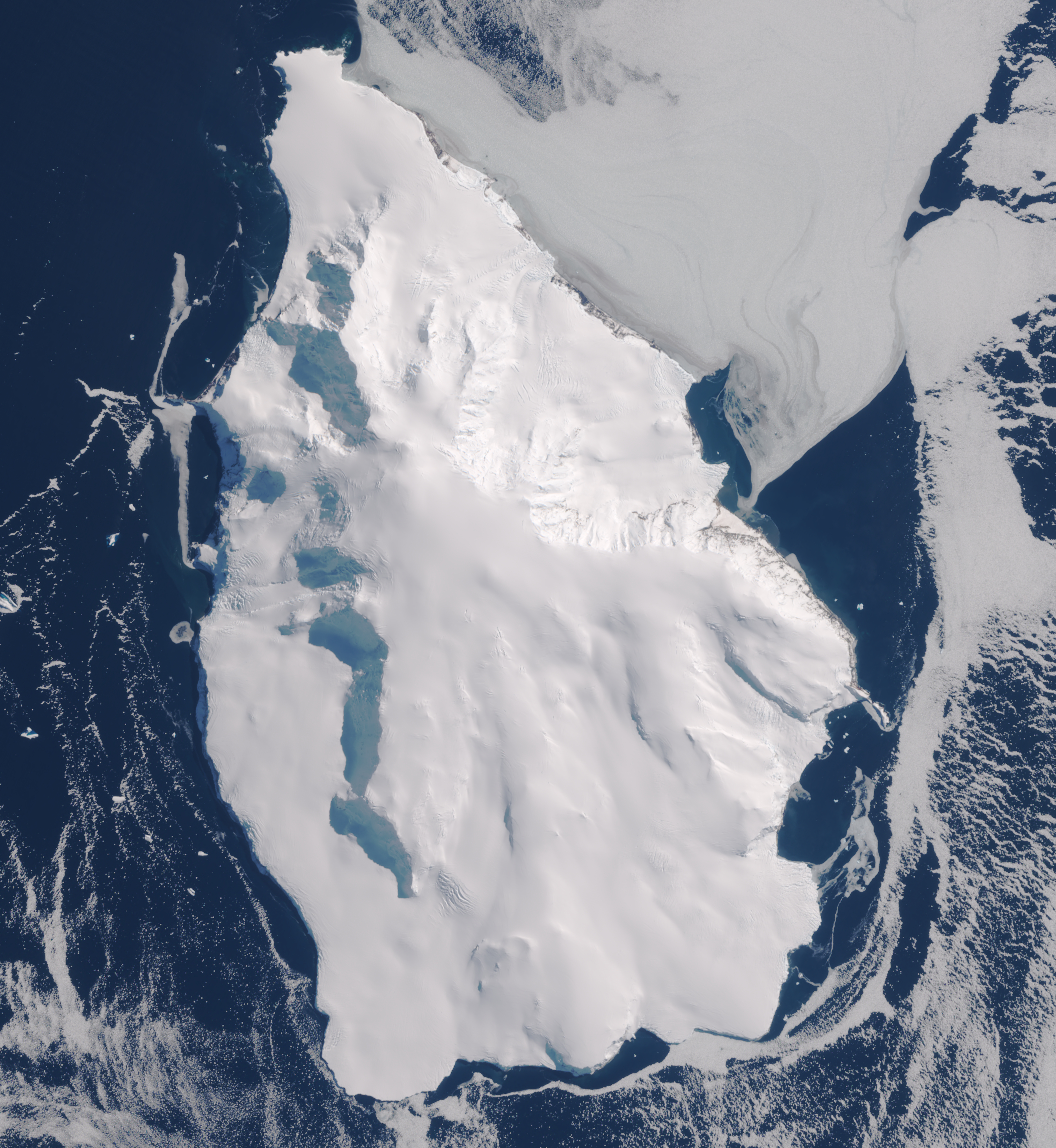
Did you know? Peter I Island is an uninhabited, ice-covered volcanic island in the Bellingshausen Sea claimed by Norway. It is an exceptionally remote Antarctic research subject, not a conventional visitor destination. This article explains ten meaningful geographic, scientific and historical subjects while distinguishing remote study from restricted or potentially dangerous physical access.
Access warning: This is not a ten-stop tourist itinerary. Do not approach military installations, restricted research facilities, fragile wildlife habitats or dangerous remote landing sites. Specialist permissions, weather and evacuation arrangements are essential where any expedition is lawful.
Understand the destination
A remote or disputed place can be fascinating without being accessible. Maps, satellite imagery, credible historical sources and official scientific reports provide safer ways to understand the landscape. The existence of an old landing strip or station does not establish current visitor permission.
Where sovereignty claims or legal regimes differ, separate the facts of administration from disputed political claims. Conservation and the safety of local people, researchers and wildlife should guide every discussion of potential travel.
Compare ten learning subjects
| Subject | Learning purpose |
|---|---|
| 1. Bellingshausen Sea geography | Geography, history, science and responsible access |
| 2. Ice-covered volcanic geology | Geography, history, science and responsible access |
| 3. Lars Christensen Peak | Geography, history, science and responsible access |
| 4. Glacier and ice cliffs | Geography, history, science and responsible access |
| 5. Antarctic seabirds | Geography, history, science and responsible access |
| 6. Marine ecosystems | Geography, history, science and responsible access |
| 7. Norwegian expedition history | Geography, history, science and responsible access |
| 8. Territorial claim and Antarctic Treaty | Geography, history, science and responsible access |
| 9. Climate observations | Geography, history, science and responsible access |
| 10. Permits and expedition safety | Geography, history, science and responsible access |
1. Bellingshausen Sea geography
Bellingshausen Sea geography provides a useful lens for understanding Peter I Island. Begin with the region’s geography and available official documentation. Ask which facts are established, which are contested and which may have changed since the source was published.
A strong learning activity compares a physical map, a dated historical record and a current scientific or institutional explanation. Consider how climate, marine environments, transport and human decisions shape the place. Do not confuse research access with ordinary tourism.
If any physical expedition is permitted, the responsible authority and qualified operator must confirm access, safety, environmental requirements and contingency plans. Never approach restricted military or research areas, disturb wildlife, cross ice or reef hazards, or attempt unsupported landings.
Readers can instead explore credible archives, official photographs, scientific datasets and conservation reports. Note what remains uncertain, and describe different political positions fairly when relevant. Respecting restrictions is part of understanding the place.
2. Ice-covered volcanic geology
Ice-covered volcanic geology provides a useful lens for understanding Peter I Island. Begin with the region’s geography and available official documentation. Ask which facts are established, which are contested and which may have changed since the source was published.
A strong learning activity compares a physical map, a dated historical record and a current scientific or institutional explanation. Consider how climate, marine environments, transport and human decisions shape the place. Do not confuse research access with ordinary tourism.
If any physical expedition is permitted, the responsible authority and qualified operator must confirm access, safety, environmental requirements and contingency plans. Never approach restricted military or research areas, disturb wildlife, cross ice or reef hazards, or attempt unsupported landings.
Readers can instead explore credible archives, official photographs, scientific datasets and conservation reports. Note what remains uncertain, and describe different political positions fairly when relevant. Respecting restrictions is part of understanding the place.
3. Lars Christensen Peak
Lars Christensen Peak provides a useful lens for understanding Peter I Island. Begin with the region’s geography and available official documentation. Ask which facts are established, which are contested and which may have changed since the source was published.
A strong learning activity compares a physical map, a dated historical record and a current scientific or institutional explanation. Consider how climate, marine environments, transport and human decisions shape the place. Do not confuse research access with ordinary tourism.
If any physical expedition is permitted, the responsible authority and qualified operator must confirm access, safety, environmental requirements and contingency plans. Never approach restricted military or research areas, disturb wildlife, cross ice or reef hazards, or attempt unsupported landings.
Readers can instead explore credible archives, official photographs, scientific datasets and conservation reports. Note what remains uncertain, and describe different political positions fairly when relevant. Respecting restrictions is part of understanding the place.
4. Glacier and ice cliffs
Glacier and ice cliffs provides a useful lens for understanding Peter I Island. Begin with the region’s geography and available official documentation. Ask which facts are established, which are contested and which may have changed since the source was published.
A strong learning activity compares a physical map, a dated historical record and a current scientific or institutional explanation. Consider how climate, marine environments, transport and human decisions shape the place. Do not confuse research access with ordinary tourism.
If any physical expedition is permitted, the responsible authority and qualified operator must confirm access, safety, environmental requirements and contingency plans. Never approach restricted military or research areas, disturb wildlife, cross ice or reef hazards, or attempt unsupported landings.
Readers can instead explore credible archives, official photographs, scientific datasets and conservation reports. Note what remains uncertain, and describe different political positions fairly when relevant. Respecting restrictions is part of understanding the place.
5. Antarctic seabirds
Antarctic seabirds provides a useful lens for understanding Peter I Island. Begin with the region’s geography and available official documentation. Ask which facts are established, which are contested and which may have changed since the source was published.
A strong learning activity compares a physical map, a dated historical record and a current scientific or institutional explanation. Consider how climate, marine environments, transport and human decisions shape the place. Do not confuse research access with ordinary tourism.
If any physical expedition is permitted, the responsible authority and qualified operator must confirm access, safety, environmental requirements and contingency plans. Never approach restricted military or research areas, disturb wildlife, cross ice or reef hazards, or attempt unsupported landings.
Readers can instead explore credible archives, official photographs, scientific datasets and conservation reports. Note what remains uncertain, and describe different political positions fairly when relevant. Respecting restrictions is part of understanding the place.
6. Marine ecosystems
Marine ecosystems provides a useful lens for understanding Peter I Island. Begin with the region’s geography and available official documentation. Ask which facts are established, which are contested and which may have changed since the source was published.
A strong learning activity compares a physical map, a dated historical record and a current scientific or institutional explanation. Consider how climate, marine environments, transport and human decisions shape the place. Do not confuse research access with ordinary tourism.
If any physical expedition is permitted, the responsible authority and qualified operator must confirm access, safety, environmental requirements and contingency plans. Never approach restricted military or research areas, disturb wildlife, cross ice or reef hazards, or attempt unsupported landings.
Readers can instead explore credible archives, official photographs, scientific datasets and conservation reports. Note what remains uncertain, and describe different political positions fairly when relevant. Respecting restrictions is part of understanding the place.
7. Norwegian expedition history
Norwegian expedition history provides a useful lens for understanding Peter I Island. Begin with the region’s geography and available official documentation. Ask which facts are established, which are contested and which may have changed since the source was published.
A strong learning activity compares a physical map, a dated historical record and a current scientific or institutional explanation. Consider how climate, marine environments, transport and human decisions shape the place. Do not confuse research access with ordinary tourism.
If any physical expedition is permitted, the responsible authority and qualified operator must confirm access, safety, environmental requirements and contingency plans. Never approach restricted military or research areas, disturb wildlife, cross ice or reef hazards, or attempt unsupported landings.
Readers can instead explore credible archives, official photographs, scientific datasets and conservation reports. Note what remains uncertain, and describe different political positions fairly when relevant. Respecting restrictions is part of understanding the place.
8. Territorial claim and Antarctic Treaty
Territorial claim and Antarctic Treaty provides a useful lens for understanding Peter I Island. Begin with the region’s geography and available official documentation. Ask which facts are established, which are contested and which may have changed since the source was published.
A strong learning activity compares a physical map, a dated historical record and a current scientific or institutional explanation. Consider how climate, marine environments, transport and human decisions shape the place. Do not confuse research access with ordinary tourism.
If any physical expedition is permitted, the responsible authority and qualified operator must confirm access, safety, environmental requirements and contingency plans. Never approach restricted military or research areas, disturb wildlife, cross ice or reef hazards, or attempt unsupported landings.
Readers can instead explore credible archives, official photographs, scientific datasets and conservation reports. Note what remains uncertain, and describe different political positions fairly when relevant. Respecting restrictions is part of understanding the place.
9. Climate observations
Climate observations provides a useful lens for understanding Peter I Island. Begin with the region’s geography and available official documentation. Ask which facts are established, which are contested and which may have changed since the source was published.
A strong learning activity compares a physical map, a dated historical record and a current scientific or institutional explanation. Consider how climate, marine environments, transport and human decisions shape the place. Do not confuse research access with ordinary tourism.
If any physical expedition is permitted, the responsible authority and qualified operator must confirm access, safety, environmental requirements and contingency plans. Never approach restricted military or research areas, disturb wildlife, cross ice or reef hazards, or attempt unsupported landings.
Readers can instead explore credible archives, official photographs, scientific datasets and conservation reports. Note what remains uncertain, and describe different political positions fairly when relevant. Respecting restrictions is part of understanding the place.
10. Permits and expedition safety
Permits and expedition safety provides a useful lens for understanding Peter I Island. Begin with the region’s geography and available official documentation. Ask which facts are established, which are contested and which may have changed since the source was published.
A strong learning activity compares a physical map, a dated historical record and a current scientific or institutional explanation. Consider how climate, marine environments, transport and human decisions shape the place. Do not confuse research access with ordinary tourism.
If any physical expedition is permitted, the responsible authority and qualified operator must confirm access, safety, environmental requirements and contingency plans. Never approach restricted military or research areas, disturb wildlife, cross ice or reef hazards, or attempt unsupported landings.
Readers can instead explore credible archives, official photographs, scientific datasets and conservation reports. Note what remains uncertain, and describe different political positions fairly when relevant. Respecting restrictions is part of understanding the place.
A realistic remote-learning itinerary
First study physical geography and access rules. Next examine one historical or governance issue. Finally select a conservation or scientific question and compare trustworthy sources. This is a meaningful learning journey without inventing a holiday infrastructure that does not exist.
Safety and permissions
Check current responsible authorities, environmental and security restrictions, weather, transport and medical evacuation. These areas have no normal visitor infrastructure or may include active military facilities and sensitive ecosystems. A travel plan should never depend on unauthorised access.
Common mistakes
Do not mistake a territorial claim for uncontested sovereignty, a research station for a hotel, or a reef for an open beach. Do not infer access from a satellite image or an old travel account. Describe scientific, legal and security uncertainties honestly.
Frequently asked questions
Can tourists complete these ten experiences? No. They are mostly learning subjects, not ten bookable visits.
What should I check before any expedition? Legal access, current government guidance, environmental rules and qualified expedition logistics.
Can I learn without travelling? Yes. Official maps, history, science and conservation records are valuable and often safer alternatives.