
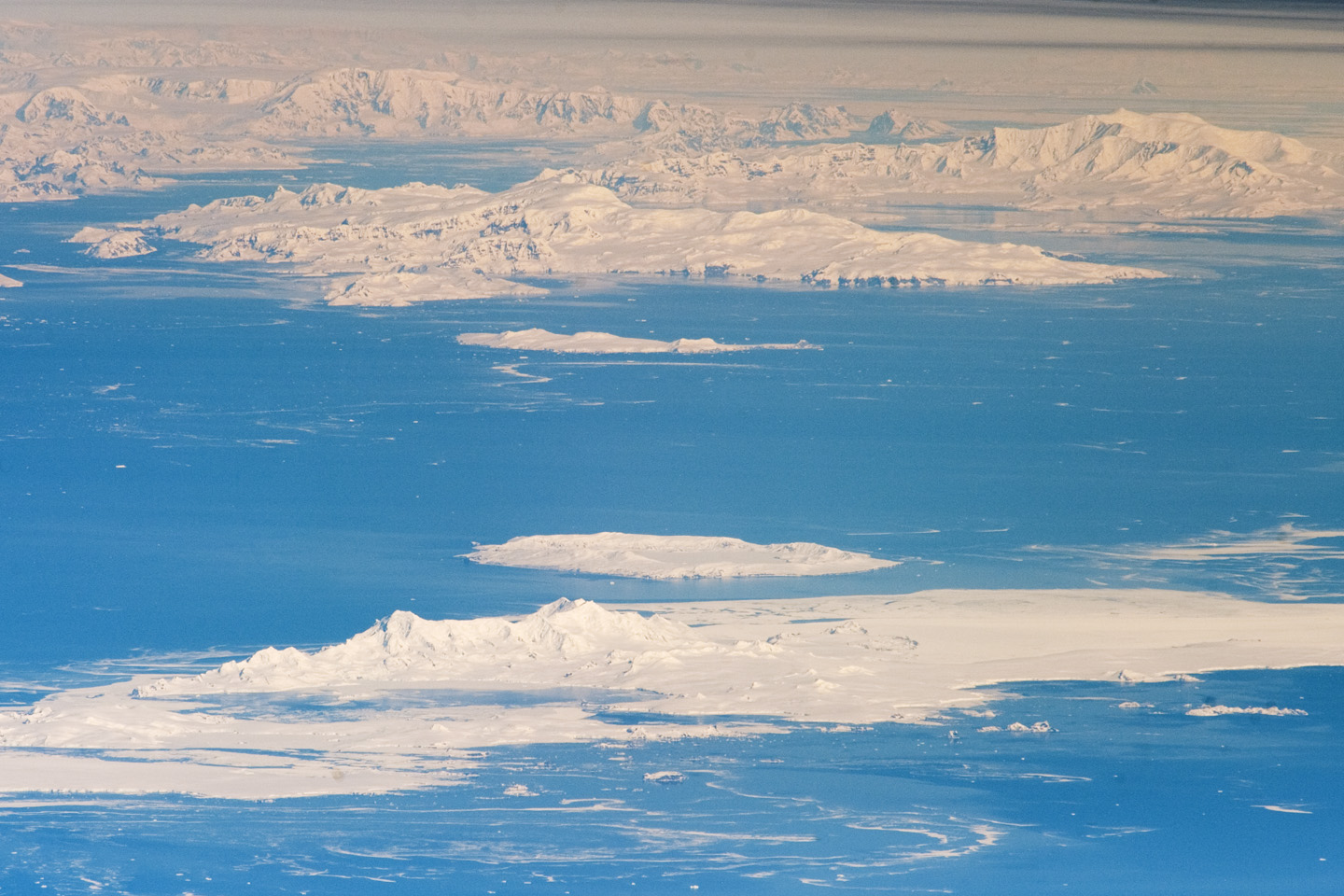
Did you know? The South Shetland Islands lie near the Antarctic Peninsula and support important wildlife colonies, historic sites and research operations. All tourism is subject to Antarctic Treaty environmental protections. This article uses the Top 10 Things to Do series format for ten important geographic, cultural, legal or scientific subjects, not as a promise of ten bookable visitor attractions.
Important access warning: These locations may be protected, remote, disputed or militarised. Do not attempt unauthorised entry, approach isolated Indigenous communities, enter military installations or land in fragile wildlife habitats. Research and official interpretation are the appropriate alternatives wherever ordinary access is prohibited.
Understand the place before planning
Begin with the territory’s geography, legal and administrative status and the people or wildlife affected by access decisions. A location on a map does not establish visitor rights. Where sovereignty is disputed, separate practical administration from competing claims and avoid presenting a contested position as settled.
A responsible guide can offer meaningful learning through official maps, archival accounts, ecological research and accounts shared with consent. Remote learning is especially valuable where physical contact would threaten community autonomy, public safety or conservation.
Compare ten learning subjects
| Subject | Purpose |
|---|---|
| 1. South Shetland geography | Understand geography, history, people and protection |
| 2. King George Island research | Understand geography, history, people and protection |
| 3. Deception Island volcano | Understand geography, history, people and protection |
| 4. Livingston Island glaciers | Understand geography, history, people and protection |
| 5. Penguin colonies | Understand geography, history, people and protection |
| 6. Seal habitats | Understand geography, history, people and protection |
| 7. Historic Antarctic exploration | Understand geography, history, people and protection |
| 8. Protected visitor sites | Understand geography, history, people and protection |
| 9. Antarctic Treaty rules | Understand geography, history, people and protection |
| 10. Biosecurity and expedition safety | Understand geography, history, people and protection |
1. South Shetland geography
South Shetland geography is an important subject for understanding South Shetland Islands. Begin with credible institutional and scientific sources. Ask which claims are documented, which are contested and how recent developments may have changed conditions.
Compare a dated map, a historical account and a current public resource. Consider the effects of geography, climate, governance and human decisions. An educational project can explore these connections without physical access.
Do not treat research interest as permission to enter. Protected wildlife, restricted military zones and communities who have not consented to contact require strict boundaries. If travel is legally possible, follow current authority guidance and qualified expedition procedures.
A useful exercise is to identify one important question about this subject and seek two independent credible sources. Explain what can be concluded and what remains uncertain. Respectful curiosity does not require approaching people or habitats against their wishes.
2. King George Island research
King George Island research is an important subject for understanding South Shetland Islands. Begin with credible institutional and scientific sources. Ask which claims are documented, which are contested and how recent developments may have changed conditions.
Compare a dated map, a historical account and a current public resource. Consider the effects of geography, climate, governance and human decisions. An educational project can explore these connections without physical access.
Do not treat research interest as permission to enter. Protected wildlife, restricted military zones and communities who have not consented to contact require strict boundaries. If travel is legally possible, follow current authority guidance and qualified expedition procedures.
A useful exercise is to identify one important question about this subject and seek two independent credible sources. Explain what can be concluded and what remains uncertain. Respectful curiosity does not require approaching people or habitats against their wishes.
3. Deception Island volcano
Deception Island volcano is an important subject for understanding South Shetland Islands. Begin with credible institutional and scientific sources. Ask which claims are documented, which are contested and how recent developments may have changed conditions.
Compare a dated map, a historical account and a current public resource. Consider the effects of geography, climate, governance and human decisions. An educational project can explore these connections without physical access.
Do not treat research interest as permission to enter. Protected wildlife, restricted military zones and communities who have not consented to contact require strict boundaries. If travel is legally possible, follow current authority guidance and qualified expedition procedures.
A useful exercise is to identify one important question about this subject and seek two independent credible sources. Explain what can be concluded and what remains uncertain. Respectful curiosity does not require approaching people or habitats against their wishes.
4. Livingston Island glaciers
Livingston Island glaciers is an important subject for understanding South Shetland Islands. Begin with credible institutional and scientific sources. Ask which claims are documented, which are contested and how recent developments may have changed conditions.
Compare a dated map, a historical account and a current public resource. Consider the effects of geography, climate, governance and human decisions. An educational project can explore these connections without physical access.
Do not treat research interest as permission to enter. Protected wildlife, restricted military zones and communities who have not consented to contact require strict boundaries. If travel is legally possible, follow current authority guidance and qualified expedition procedures.
A useful exercise is to identify one important question about this subject and seek two independent credible sources. Explain what can be concluded and what remains uncertain. Respectful curiosity does not require approaching people or habitats against their wishes.
5. Penguin colonies
Penguin colonies is an important subject for understanding South Shetland Islands. Begin with credible institutional and scientific sources. Ask which claims are documented, which are contested and how recent developments may have changed conditions.
Compare a dated map, a historical account and a current public resource. Consider the effects of geography, climate, governance and human decisions. An educational project can explore these connections without physical access.
Do not treat research interest as permission to enter. Protected wildlife, restricted military zones and communities who have not consented to contact require strict boundaries. If travel is legally possible, follow current authority guidance and qualified expedition procedures.
A useful exercise is to identify one important question about this subject and seek two independent credible sources. Explain what can be concluded and what remains uncertain. Respectful curiosity does not require approaching people or habitats against their wishes.
6. Seal habitats
Seal habitats is an important subject for understanding South Shetland Islands. Begin with credible institutional and scientific sources. Ask which claims are documented, which are contested and how recent developments may have changed conditions.
Compare a dated map, a historical account and a current public resource. Consider the effects of geography, climate, governance and human decisions. An educational project can explore these connections without physical access.
Do not treat research interest as permission to enter. Protected wildlife, restricted military zones and communities who have not consented to contact require strict boundaries. If travel is legally possible, follow current authority guidance and qualified expedition procedures.
A useful exercise is to identify one important question about this subject and seek two independent credible sources. Explain what can be concluded and what remains uncertain. Respectful curiosity does not require approaching people or habitats against their wishes.
7. Historic Antarctic exploration
Historic Antarctic exploration is an important subject for understanding South Shetland Islands. Begin with credible institutional and scientific sources. Ask which claims are documented, which are contested and how recent developments may have changed conditions.
Compare a dated map, a historical account and a current public resource. Consider the effects of geography, climate, governance and human decisions. An educational project can explore these connections without physical access.
Do not treat research interest as permission to enter. Protected wildlife, restricted military zones and communities who have not consented to contact require strict boundaries. If travel is legally possible, follow current authority guidance and qualified expedition procedures.
A useful exercise is to identify one important question about this subject and seek two independent credible sources. Explain what can be concluded and what remains uncertain. Respectful curiosity does not require approaching people or habitats against their wishes.
8. Protected visitor sites
Protected visitor sites is an important subject for understanding South Shetland Islands. Begin with credible institutional and scientific sources. Ask which claims are documented, which are contested and how recent developments may have changed conditions.
Compare a dated map, a historical account and a current public resource. Consider the effects of geography, climate, governance and human decisions. An educational project can explore these connections without physical access.
Do not treat research interest as permission to enter. Protected wildlife, restricted military zones and communities who have not consented to contact require strict boundaries. If travel is legally possible, follow current authority guidance and qualified expedition procedures.
A useful exercise is to identify one important question about this subject and seek two independent credible sources. Explain what can be concluded and what remains uncertain. Respectful curiosity does not require approaching people or habitats against their wishes.
9. Antarctic Treaty rules
Antarctic Treaty rules is an important subject for understanding South Shetland Islands. Begin with credible institutional and scientific sources. Ask which claims are documented, which are contested and how recent developments may have changed conditions.
Compare a dated map, a historical account and a current public resource. Consider the effects of geography, climate, governance and human decisions. An educational project can explore these connections without physical access.
Do not treat research interest as permission to enter. Protected wildlife, restricted military zones and communities who have not consented to contact require strict boundaries. If travel is legally possible, follow current authority guidance and qualified expedition procedures.
A useful exercise is to identify one important question about this subject and seek two independent credible sources. Explain what can be concluded and what remains uncertain. Respectful curiosity does not require approaching people or habitats against their wishes.
10. Biosecurity and expedition safety
Biosecurity and expedition safety is an important subject for understanding South Shetland Islands. Begin with credible institutional and scientific sources. Ask which claims are documented, which are contested and how recent developments may have changed conditions.
Compare a dated map, a historical account and a current public resource. Consider the effects of geography, climate, governance and human decisions. An educational project can explore these connections without physical access.
Do not treat research interest as permission to enter. Protected wildlife, restricted military zones and communities who have not consented to contact require strict boundaries. If travel is legally possible, follow current authority guidance and qualified expedition procedures.
A useful exercise is to identify one important question about this subject and seek two independent credible sources. Explain what can be concluded and what remains uncertain. Respectful curiosity does not require approaching people or habitats against their wishes.
A safe learning itinerary
First explore the physical geography. Next study the relevant history and legal status. Finally investigate one ecological or cultural protection question using reliable public sources. This is an educational route rather than a physical travel plan.
Safety and access
Verify current official access restrictions, conservation rules, security conditions and any treaty requirements. No itinerary should involve unauthorised landing, military-site entry, approaching isolated Indigenous people or disturbing breeding wildlife.
Common mistakes
Do not mistake a disputed island for a normal resort, treat an isolated community as a tourist attraction, or assume an expedition photograph proves access is legal. Avoid unverified political assertions and invented travel facilities.
Frequently asked questions
Can tourists visit all ten locations? No. These are primarily subjects for research and remote learning, and access may be prohibited.
Is an ordinary visa sufficient? No. Security, conservation, treaty or Indigenous-protection rules can impose separate prohibitions.
What is the safest way to learn? Use official maps, credible historical sources and conservation or cultural research.