
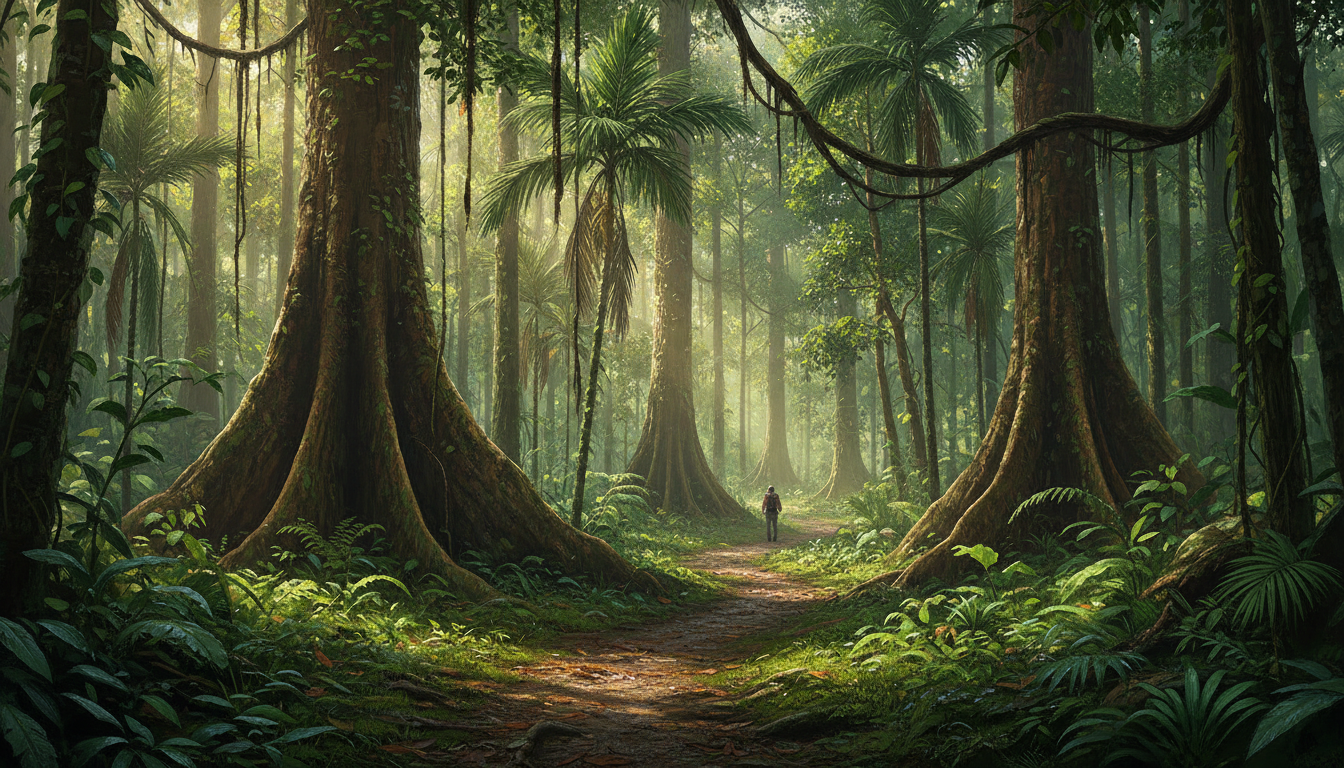
What to do in Singapore if you would like to discover wildlife, hear birds, notice butterflies or learn why nature exists in the middle of a busy city? Start with one rule: the best wildlife encounter leaves the animal free to behave naturally. You do not need to get close, feed it or stage a photograph. A good nature outing is an exercise in patient observation.
Singapore offers opportunities to notice wildlife at urban parks, wetlands, mangroves, gardens and carefully managed green spaces. This guide explains where to begin, what to look for, how to behave, what to do when conditions change and why ethical observation can teach more than a dramatic encounter.
Did you know that NParks’ guidance on wildlife encounters explicitly tells visitors not to feed wildlife? The guidance also explains that feeding is illegal in Singapore and can lead to a fine of up to S$10,000. That rule is not a minor piece of park etiquette; it protects animals, human safety and the delicate relationships inside an urban ecosystem.
The quick answer: a respectful wildlife discovery day
Choose one suitable park, check its current opening rules, travel safely, observe from an appropriate distance and leave nothing behind. If an animal changes its behaviour because you are near, you may already be too close.
- Pick a place where wildlife can be observed without leaving designated trails.
- Use NParks’ official park finder to compare nature locations.
- Read the park’s latest notices, restrictions and transport information.
- Bring water, suitable footwear and optional binoculars or a notebook.
- Watch quietly; do not feed, chase, touch, trap or surround animals.
- Respect closures, flood warnings and lightning alerts.
- Record what you saw, where and under what conditions—but do not reveal sensitive nest locations online.
- Finish by asking what the animal’s behaviour taught you about the habitat.
The aim is not to guarantee the sighting of an otter, hornbill or monitor lizard. Wildlife is wild precisely because it does not perform on a schedule for visitors.
Why wildlife watching is an educational activity
A photograph can capture an animal’s appearance. Observation can reveal something more interesting: what the animal is doing, what it needs and how it interacts with its surroundings.
A bird may spend time searching for food, grooming its feathers or watching for disturbance. A dragonfly might patrol a patch of water. A butterfly may visit particular flowers. These behaviours offer clues about habitat, food relationships, movement and survival.
Even an empty-looking park contains evidence. Fallen leaves decompose, flowers attract pollinators, tree roots stabilise soil and flowing water shapes the landscape. If no dramatic animal appears, you can still learn why a habitat supports life.
Nature watching therefore rewards patience rather than speed. The more you practise noticing, the less dependent you become on finding a rare species to consider the outing worthwhile.
First principle: animals are not outdoor exhibits
A museum object usually remains in its display. An animal responds to its environment. Human approach, loud voices, camera flash and food can change that response, sometimes in ways that harm the animal or put people at risk.
A visitor who approaches a bird’s nest for a close photograph may disturb breeding behaviour. Someone who offers food to a monkey may teach it to associate people with snacks. A group that surrounds an animal can remove its easiest escape route.
The correct relationship is simple: you are a visitor in the animal’s habitat. The animal’s welfare and the safety of the public come before the quality of your photograph.
Observe natural behaviour from a distance. If you are uncertain whether you are close enough to cause stress, move farther away. A longer lens or binoculars are more appropriate than pushing toward an animal.
What NParks says about wildlife encounters
The NParks wildlife guidance provides specific information on animals people may meet in Singapore, including birds, monkeys, snakes, otters and monitor lizards.
The core rules apply broadly. Do not feed wildlife. Do not approach simply to touch an animal. Keep food secure and dispose of rubbish responsibly. Remain calm and create space if an animal is nearby. Follow any species-specific directions and onsite instructions.
If an animal appears injured or poses an urgent problem, seek advice from appropriate authorities rather than attempting to rescue it without training. NParks provides a 24-hour Animal Response Centre helpline at 1800-476-1600 in its published wildlife materials. Check the current contact details when needed.
Responsible wildlife watching is not passive. You can actively learn, photograph, sketch and help others understand a habitat while leaving the animals undisturbed.
A good first place: Bishan–Ang Mo Kio Park
Bishan–Ang Mo Kio Park is a useful example of nature integrated into a built-up city. It includes a naturalised section of the Kallang River, broad park spaces and habitats used by birds, dragonflies, butterflies and other wildlife.
NParks describes the park’s conversion from a concrete canal setting into a meandering river landscape. This gives visitors two reasons to come: observing living things and understanding how water engineering and ecology can influence one another.
Choose a short part of the park appropriate for your group rather than assuming you must walk its entire length. Locate the official entrances and read current access notices. In October 2026, NParks lists improvement-related bridge closures and construction works affecting some routes, so a map from an old article should not be treated as a promise of uninterrupted access.
The most useful question here is: How can a city make room for both water management and biodiversity?
The river is beautiful, but it requires respect
A naturalised waterway can look gentle during dry conditions. That does not mean visitors should treat its banks as risk-free. NParks explains that the river level can rise significantly during heavy rain and that warning systems and high-water markers help alert visitors.
If warning lights, sirens or announcements activate, move away from the river and follow park instructions. Do not cross a wet channel because stepping stones are normally used when dry. Do not stand at the edge to capture water rushing through the river.
This is a powerful learning opportunity for children. Landscapes are dynamic systems. A place can be calm at one time and dangerous at another. Good environmental knowledge includes recognising the difference.
For a routine wildlife visit, stay on safe designated paths, keep an eye on current weather and choose observation points that do not require entering the water or moving down a slippery bank.
A Bishan park observation exercise
Choose one safe area of the park and observe for a short period without moving constantly. Look for three kinds of evidence: living things, habitat features and human design.
Living things might include a bird, an insect or a plant. Habitat features might include a shady tree, flowering plants, leaf litter or quiet shallow water. Human design might include paths, bridges, drainage features, benches or signs.
Now ask how the three categories connect. Does planting influence where insects appear? Could birds benefit from different vegetation layers? Why are visitors directed along particular routes? Be careful to label hypotheses as hypotheses rather than confirmed ecological claims.
Write a short observation: “I saw a bird near water; I suspect it was searching for food, but I did not see it catch anything.” That is more scientifically honest than inventing an identification or behaviour you cannot confirm.
A second nature destination: Sungei Buloh Wetland Reserve
Sungei Buloh Wetland Reserve is known for its wetlands, mangroves and birdlife. NParks describes it as Singapore’s first ASEAN Heritage Park and an important site for resident and migratory birds.
This is a different type of wildlife experience from a neighbourhood park. Wetlands connect water, mud, plants, fish, invertebrates and birds in complex food relationships. Visitors can learn why a coastal habitat matters even when they cannot identify every animal present.
The official nature-walk page describes options including the Migratory Bird Trail, boardwalk experiences and selected guided activities. Check current registration conditions before planning a guided visit.
A protected wetland should never be treated like an unrestricted recreational field. Different rules apply, including restrictions on activities such as cycling, jogging and bringing pets.
Before visiting Sungei Buloh, check tides and closures
The official Sungei Buloh visitor page warns that high tides and bad weather can cause some areas to flood or close. That is essential planning information for anyone considering a wetland visit.
Check the opening hours and latest closure notices on the day. The currently published hours are 7 a.m. to 7 p.m., with last entry at 6.30 p.m., but schedules and site conditions may change. Also verify the transport service you intend to use; weekend and weekday routes are not necessarily identical.
Plan one accessible observation route. Bring water and allow time for the journey back. Do not arrive close to closing expecting to complete a long trail, and do not cross a closure sign to reach a photographable bird.
A well-planned wetland visit respects the conditions under which the habitat and its visitors can be protected.
Migratory birds: visitors from a much larger world
Sungei Buloh provides an opportunity to think about birds moving across regions. According to NParks, the Migratory Bird Trail can offer opportunities to observe resident species and, seasonally, migratory birds, with the relevant period generally described as August to April.
That does not guarantee any particular sighting. Migration depends on species, weather, habitat conditions and timing. Some visitors may see many birds; others may spend most of the trip learning about mudflats and mangroves.
A useful question is: Why might a bird need a safe wetland along a long journey? Think about resting, feeding and avoiding disturbance. You can investigate the biology afterwards using a reliable field guide.
The broader lesson is that Singapore’s environmental responsibility extends beyond the animals that live here year-round. Habitats may contribute to much larger movement networks across Asia and beyond.
What to observe at a wetland without disturbing it
Begin with the habitat rather than searching frantically for a particular bird. Notice tidal water, mud surfaces, roots, shade and changes in vegetation. Look for animal movement at a comfortable distance.
Use binoculars if available. Keep voices moderate, avoid sudden movements and never approach roosting or feeding birds to make them move for a photograph. If you see a large group of visitors gathered around an animal, do not automatically join the crowd.
When observing from a hide or designated viewpoint, leave space for others. Follow the site’s signs and remain on boardwalks or approved trails. Do not collect shells, plants or animals as souvenirs.
A thoughtful observer often discovers that the ecosystem itself is the subject. The bird is one participant in a network of water, plants and other organisms.
Urban wildlife versus nature-reserve wildlife
The animals people see near housing estates and the animals seen in protected wetlands do not occupy completely separate worlds. Nature exists across a network of habitats, from urban trees and drains to forests, parks and coastlines.
A common urban bird may be well adapted to living near people. A wetland species may be more sensitive to certain kinds of disturbance. However, never assume familiarity makes it safe to approach a wild animal.
Instead, compare habitat requirements. A bird that feeds in a park lawn may use different resources from one that searches a mudflat. A butterfly depends on appropriate plants at different life stages. A dragonfly often has a relationship with freshwater habitats.
These observations help explain why planting choices, water quality and human behaviour affect the living city. Urban nature is not decorative scenery; it contains ecological relationships.
A third choice: Singapore Botanic Gardens
Singapore Botanic Gardens offers a different starting point: plants, garden ecosystems and the chance to notice how vegetation shapes the experience of a city.
A beginner might pay attention to trees before searching for birds. Look at trunk shapes, branching patterns, flowers, fruit, leaf litter and different levels of shade. Animals often respond to the resources plants provide, but do not infer a species’ precise diet from a brief sighting.
Choose one manageable section using the Gardens’ official visitor information. It is not necessary to complete the full grounds or visit every themed garden. Consider access needs, weather, toilets, water and rest areas.
For children, an observation about plants may be easier than trying to identify a fast-moving bird. For older learners, the same visit can introduce ideas of habitat structure, biodiversity and the difference between cultivated landscaping and remnant forest.
The difference between seeing and identifying
It is possible to see an animal clearly but still be uncertain of its species. This is normal. Identification may require details of shape, colour, sound, behaviour, size and habitat, and some species look remarkably similar.
Avoid the urge to attach the first name suggested by an app or a search result. Record what you directly observed: “small dark bird with a pale belly, calling from a low branch.” Then use an appropriate field guide or trusted resource to narrow the possibilities.
If you identify an animal later, note whether the identification is certain, probable or tentative. A photograph, when safely obtained, can support comparison. Sound recordings may help with some birds, provided they do not disturb wildlife or other visitors.
This practice teaches scientific humility. Saying “I am not sure yet” is often more accurate and more valuable than presenting an unsupported confident answer.
Birdwatching without expensive equipment
Binoculars can be helpful, but you do not need expensive optics to begin. Start by watching larger, easily visible birds and noticing behaviour. Your eyes and ears already provide useful information.
A simple notebook can record time, location, habitat and observation. Sketch the shape of a bill, length of a tail or relative size of a bird. Do not worry about artistic quality. The goal is to preserve clues.
Avoid relying on playback of recorded bird calls to attract animals. Such practices may disturb birds, especially near breeding areas. Follow site-specific rules and wildlife guidance. If an animal is nesting or caring for young, give it extra space.
Your first success is not a rare-species checklist. It is learning to observe one bird carefully enough to ask a better question about its life.
Butterfly and dragonfly watching
Butterflies and dragonflies are excellent subjects because they encourage attention to small changes in the environment. A butterfly may visit flowers or rest in sunlight. A dragonfly may move repeatedly around a pond or water edge.
Watch from the path. Do not capture insects, damage plants or enter planted beds to obtain a close-up photograph. Notice how sunlight, vegetation and water appear to influence where you see movement, but remember that a brief observation cannot prove a general rule.
A child can compare a butterfly’s wing colours with the surrounding flowers. A Secondary student can ask how the insect’s life cycle connects to its habitat. An adult can simply enjoy the quiet focus required to follow a small creature.
Not every movement needs to become a scientific project. The educational value lies in noticing and respecting the complexity of living things.
Monkeys, otters and monitor lizards: keep a respectful distance
These animals can be fascinating to see, particularly when someone has never encountered them in a city. They are still wild animals, not pets or performers.
Follow NParks’ species-specific wildlife advice. Do not feed them, reach toward them or surround them. Keep bags and food secure; be alert to the tendency of some wildlife to associate people with food.
If you encounter an animal, stay calm, give it space and avoid sudden attempts to interact. Follow instructions from officers if they are present. If an animal is near a path you need, consider waiting at an appropriate distance or choosing another route.
A photograph is optional. Protecting your own safety and the animal’s ability to continue its natural behaviour is not.
Snakes: knowledge should replace curiosity-driven risk
Singapore has snakes, and encountering one can surprise an inexperienced visitor. An uncertain species identification is not a reason to approach for a closer look.
Keep a safe distance, do not touch or attempt to catch the animal, and allow it an escape route. If the snake is in a location posing a concern, follow NParks’ current guidance and contact the appropriate animal-response service. Do not gather a crowd around it.
For children, explain that a wild snake should be observed only from a safe distance, and an adult should handle the decision to move away or seek help. Do not encourage a child to test whether an animal is friendly.
The scientific lesson is that wildlife includes species with very different ways of living and defending themselves. Respect is more useful than either panic or reckless bravado.
Why feeding wildlife causes problems
Feeding can look like kindness, especially when an animal approaches. In reality, it can alter foraging habits, encourage animals to move closer to people, create conflict and expose animals to unsuitable food.
NParks’ Living with Nature guidance explains the prohibition and the ecological and safety reasons behind it. It also emphasises responsible management of food waste.
The better action is to allow animals to find food naturally and keep your own food properly stored. Clear leftovers promptly and place rubbish in appropriate bins. Never leave food “for later” beside a path or under a tree.
This is a lesson in ecological consequences. A small human action repeated by many visitors can change the environment in ways that are difficult to reverse.
Use sound as part of the experience
Nature is not only visual. A bird’s call, rustling leaves, moving water and insect sounds can reveal activity that you cannot see directly.
Spend a short period listening without speaking. How many different sounds can you distinguish? Which seem near or far? Which repeat? If you hear a call, try describing its pattern before looking up a recording.
Do not use loud speakers to play calls or background music in sensitive habitats. Other visitors may be trying to hear the same environment, and animals may react to sound.
Listening is a surprisingly transferable skill. It teaches patience, selective attention and the ability to describe an experience accurately, even when the source is hidden from view.
How to create a nature observation notebook
A useful field note needs only five elements: date, location, conditions, observation and a question. For example: “Morning; designated park path beside planted water; dry weather; two long-legged birds standing apart; why were they using different parts of the bank?”
Separate observation from inference. “The bird dipped its bill into the water” is an observation. “The bird was feeding on fish” is an inference unless you saw enough evidence to confirm it. Both can be useful if clearly labelled.
Record uncertainty rather than disguising it. If you are unsure about the species, leave the identification open. A field note is an honest record, not an examination paper graded on how confident it sounds.
Over time, these notes help you notice patterns across visits. They also teach how to build explanations from evidence.
A nature outing with young children
For a child, keep the goal small. “Find three kinds of leaf,” “listen for two different bird sounds,” or “notice one creature without getting close” can be enough.
Explain the rules before entering: stay on paths, never feed animals, do not pick living things, listen to adults and leave wildlife alone. Use language that treats animals respectfully, not as attractions that must appear on request.
If the child feels disappointed because no otter or unusual bird is visible, ask what else the habitat reveals. Perhaps they noticed a spider web, a tree root or the sound of water. Recognise careful observation as a success.
Finish while the child is still interested. A short pleasant outing can build a lasting willingness to explore nature again.
A nature outing for teenagers
Teenagers can investigate a more complex question such as: “How does a naturalised urban river differ from a conventional drainage channel?” or “What evidence suggests that different habitats support different wildlife?”
Use official interpretation boards and authoritative sources. Take photographs only from permitted safe areas. Record observations, compare habitat features and consider alternative explanations.
A student could compare Bishan–Ang Mo Kio Park with a protected wetland using NParks descriptions, while making clear that the two sites serve different purposes and are not interchangeable. The conclusion may concern urban engineering, biodiversity, visitor access or conservation.
This form of learning practises the scientific process: asking a question, gathering evidence, checking limitations and explaining what can reasonably be concluded.
A nature outing for older visitors and mixed-ability groups
Choose a route for the people who will actually attend. A scenic park may have long distances between entrances, exposed paths, uneven surfaces or limited seating in particular sections.
Ask about walking comfort, rest needs, mobility equipment, sun exposure and toilet access. Look at the park’s official accessibility information and current notices. Do not assume a label such as “easy trail” means suitable for every individual.
A person can enjoy wildlife from an observation point without completing a long trail. An accessible lookout, quiet bench or suitable garden section may offer a richer visit than a physically demanding circuit.
The group should be able to shorten the outing without embarrassment. Shared curiosity matters more than everyone covering the same distance.
Weather and flooding: a non-negotiable stop rule
Singapore’s tropical weather can change quickly. Thunderstorms, heavy rain, lightning and flooding can make an outdoor wildlife trip unsafe. The fact that an animal is visible during rain does not justify visitors remaining exposed.
Check NEA weather information and myENV alerts. Respect park closures, warning signs and staff instructions. Avoid flooded paths, water edges and isolated or exposed areas during thunderstorms.
This is particularly important at wetlands and river parks, where water levels and tidal conditions affect access. Do not ignore a barrier because you have travelled far to reach the site.
The best nature photographer knows when to stop. You can return another day; you cannot negotiate with a rising river or lightning.
Heat and haze: environmental conditions affect people too
Even without a thunderstorm, outdoor conditions can make a long walk uncomfortable. Heat, humidity and poor air quality may affect visitors differently.
Bring drinking water, choose appropriate footwear and clothing, and rest as needed. Check official air-quality information and health advisories during haze episodes. Consider an indoor alternative for someone who should limit outdoor exposure.
Avoid turning a nature walk into an endurance contest. If the purpose is observation, a short comfortable visit is usually better than pushing the group past its practical limits.
Human wellbeing and wildlife respect can coexist. The same thoughtful planning that protects a habitat also makes the outing more enjoyable for visitors.
Photography ethics: a longer lens is better than a closer body
A compelling wildlife image should not come at the cost of an animal’s safety. Never chase a bird into flight for an action photograph, crowd a nesting site or use food as bait.
Photograph from designated paths and viewpoints. Do not use flash at sensitive animals, and follow park-specific photography and equipment rules. A long lens or binoculars can help without reducing the animal’s space.
Consider whether revealing the precise location of a sensitive nest or species online could increase disturbance. Sometimes a broad habitat description is more responsible than sharing coordinates.
A beautiful photo captures the life that was already there. It does not require the photographer to change the behaviour of the subject.
Understanding biodiversity without counting everything
Biodiversity means more than a long list of species. It includes variation among organisms, habitats and ecological relationships.
During a nature walk, ask how different parts of the environment might provide different resources. Tall trees offer a different structure from open lawns. Mangrove roots occupy a different setting from a park pond. A naturalised riverbank differs from an ornamental water feature.
Avoid ranking habitats by how many large animals you happen to see in an hour. Visibility depends on conditions and behaviour. Some important organisms are tiny, nocturnal or hidden.
A more useful question is: What conditions does this place provide for living things, and what might happen if those conditions changed?
Why conservation needs ordinary visitors
Protected habitats and urban parks rely partly on how people behave. Visitors can help by respecting boundaries, not feeding animals, removing their own litter and reporting problems through appropriate channels.
NParks also describes citizen-science programmes and community activities that allow people to contribute to nature knowledge. Check NParks’ current programme pages for eligibility, training, registration and available dates. Do not assume that participation is always drop-in or that every survey is suitable for beginners.
Conservation is not limited to professional scientists. Ordinary visitors can practise responsible conduct, develop accurate knowledge and encourage others to do the same.
The important difference is between genuinely contributing and merely appearing involved. Careful observation with respect for rules is a better starting point than collecting animals, handling nests or modifying habitats without permission.
Common mistakes on a Singapore wildlife outing
Mistake: expecting a guaranteed rare sighting. Repair: choose a habitat question rather than a specific animal.
Mistake: feeding animals to make them approach. Repair: store food securely and observe natural foraging.
Mistake: leaving trails for a better photo. Repair: use approved viewpoints and appropriate optics.
Mistake: trusting old opening hours or route information. Repair: check official current park notices.
Mistake: ignoring weather because the trip took effort to arrange. Repair: use a firm stop rule for lightning, flood warnings and closures.
Mistake: assigning confident species names from a quick glance. Repair: record descriptions and identify carefully later.
Mistake: turning a family walk into a race. Repair: choose a short safe section where everyone can participate.
Each repair makes you a better observer and a more responsible guest in a living environment.
A reusable two-stop observation method
Choose a single site. At your first safe observation point, look at the habitat for five to ten minutes. Record plants, visible animals, sounds and signs of water or human influence.
Move to a second approved point with a noticeably different environment. Repeat the observations. Then ask how the places differ. You may notice shade, water availability, plant structure or human activity.
Do not conclude that one area “has more biodiversity” merely because you saw more birds during one short interval. Instead, write a cautious comparison: “I noticed more visible bird activity at the second point during this visit; different observation times might give different results.”
That is a small but meaningful exercise in scientific reasoning. It works for a student, a family or an adult exploring alone.
Frequently asked questions
Where should beginners watch wildlife in Singapore?
A suitable section of Bishan–Ang Mo Kio Park, Singapore Botanic Gardens or another accessible NParks-managed park can be a starting point. Sungei Buloh offers a more specialist wetland experience. Choose according to your interests, access needs and current conditions.
Can I feed birds, monkeys or otters?
No. NParks states that feeding wildlife in Singapore is illegal and may carry substantial penalties. It can also change animal behaviour and create risks to animals and people.
Is Sungei Buloh always open?
No. It has published operating hours and may close particular areas due to tides, flooding, weather or other conditions. Check the official page before leaving.
Is it safe to approach a monitor lizard or snake for a photograph?
No. Keep a safe distance, do not handle or crowd wildlife, and consult NParks’ species-specific advice. If an animal needs attention in a public area, contact the appropriate authority.
What if I do not see any interesting animals?
Observe the habitat itself. Trees, roots, plants, water, insects, leaf litter and sounds can tell you how the ecosystem works. A nature visit is not a guaranteed wildlife show.
Can children join wildlife walks?
Yes, with appropriate supervision and site-specific precautions. Some activities require registration or have age-related safety guidance. Children should stay on trails and avoid touching or feeding animals.
Can I post an exact wildlife location online?
Think carefully. Sharing a sensitive nest or species location could encourage crowding or disturbance. A broad description may be more responsible. Follow park policies and advice from conservation organisations.
Official sources and further reading
Consult NParks’ wildlife encounters guide, the NParks nature park finder, Bishan–Ang Mo Kio Park, the naturalised river safety information, Sungei Buloh Wetland Reserve, its nature walks, Singapore Botanic Gardens and NEA weather information.
Continue learning with Touring Singapore | Things to Do and Places A–Z, Top 100 Singapore Vocabulary Words | Day 48: Sungei Buloh, How Bukit Timah Works | How the Rainforest Survives Inside Singapore and What to do in Singapore | Enjoy a Low-Cost Learning Day.
The most important lesson
A worthwhile wildlife outing makes you more attentive, not more intrusive. You learn to slow down, see how habitats support living things and recognise that animals have needs independent of our enjoyment.
Singapore’s parks and protected areas can help you understand nature within a modern city. The most respectful visitor takes observations home and leaves the habitat—and its inhabitants—able to continue their lives.