
Henry Park Primary School: two ways to explore the fit
This is the full school overview. For the focused programme-and-child-fit story, read Why Go Henry Park Primary School? | Science for Life, Hydroponics and Sports4Life. For the family decision, see How to decide which Primary School to go to? | Henry Park Primary School.
Should we shortlist Henry Park Primary School?
Did you know? Henry Park Primary School gives you two concrete starting points for a school-choice conversation: HPPS ALP Sustainability Programme and Sports4Life@HPPS. Read the practical profile first, then use the school chapters below to explore what those opportunities could mean for your child.
Why this school specifically? Henry Park Primary School combines STEM – Sustainability through HPPS ALP Sustainability Programme with Sports & Outdoor Education through Sports4Life@HPPS. If your child likes asking how things work, the STEM direction is worth investigating. Ask what pupils build, investigate or improve, and how they explain the reasoning behind a first attempt. For the sports and outdoor direction, ask how the school supports safe participation, teamwork and pupils with different confidence or physical needs.
| Your decision | School-specific information |
|---|---|
| Campus in Bukit Timah | 1 Holland Grove Road, S278790 |
| School setting | Co-Ed School; Government School; Single session |
| Applied learning | HPPS ALP Sustainability Programme — STEM – Sustainability |
| Learning for life | Sports4Life@HPPS — Sports & Outdoor Education |
| Official source | MOE school profile · checked 6 October 2026 |
| School enquiries | Official school website |
Can our child realistically enter Primary 1?
Start with the registration year and eligible phase, your child’s citizenship and the home address recognised by MOE. Register for one school in a phase. Check the school’s dated vacancy and balloting history; a previous outcome is useful context, rather than a prediction of a future place.
For entry in 2028, use the framework applying from the 2027 Registration Exercise. It changes Phase 2C provision and introduces a Two-Track Scheme at 12 named schools. Check whether this school is included before relying on older distance advice. International students follow a separate application process. For an older child, ask about the appropriate transfer or admissions route.
Keep the admission-distance rules separate from the journey you test with your child. A short walking route is useful for daily life, but does not establish your official distance category or guarantee a vacancy. Check any address and residence conditions that apply to your application.
What does the dated P1 demand history show?
2025 P1 Registration Exercise — historical reference. These are the published figures for Henry Park Primary School. Read the phase you are eligible for. The total applicant count and the number actually entering a ballot are different measures.
| Phase in 2025 | Vacancies | Applicants | Balloting |
|---|---|---|---|
| 2A | 131 | 99 | Not required |
| 2B | 31 | 31 | Not required |
| 2C | 63 | 93 | Required: Singapore Citizen children residing within 1km of the school. 63 places for 76 applicants in the balloted category. |
A ballot in an eligible category means some families did not receive a place in that phase. Even when you meet its conditions, keep acceptable alternatives in mind. A vacancy-to-applicant ratio is not a personal probability: citizenship, distance categories and a different registration year can change the outcome.
This school is not on the initial 12-school Two-Track list in MOE’s 10 September 2026 announcement and Annex A. Check the applicable Phase 2C reserved places and current admission-distance rules for your intended exercise; MOE may review the scheme’s school list.
Will the language provision and school setting fit?
Mother Tongue subjects listed for this school: Chinese Language; Malay Language; Tamil Language. Higher Mother Tongue listed: Higher Chinese Language; Higher Malay Language; Higher Tamil Language. Foundation Mother Tongue listed: Foundation Chinese Language. Confirm where the relevant language is taught and the arrangements for your child’s level. Higher and Foundation subjects have their own placement conditions; the listing does not place a child in a course.
The published setting is Co-Ed School. Ask how that setting feels in an ordinary class, how new pupils are helped to settle, and how families raise a concern. Where the school has a religious or distinctive cultural ethos, discuss assemblies, values activities and everyday participation with the school so the family understands the experience.
The profile also includes a Gifted Education Programme listing. For your child’s cohort, check MOE’s current higher-ability provision and the school’s level-specific arrangements. Do not assume that an older programme label describes the provision your P1 child will later receive.
Which activities could our child actually enjoy?
Examples from the primary CCA list: Art and Crafts (Girls and Boys); Badminton (Girls and Boys); Choir (Girls and Boys); Girl Guides (Brownies) (Girls); Modern Dance (Girls and Boys); Netball (Girls); Table Tennis (Girls and Boys); Track and Field (Girls and Boys). The full MOE profile lists the other activities. Let your child choose two to ask about: one familiar interest and one they would like to try. Confirm the starting level, beginner access, places, selection and actual weekly commitment before building your care timetable around a CCA.
What support and after-school plan would we need?
Support listed in the primary profile: Special Educational Needs Officers; P1 TRANSIT (Social and Behavioural Needs). Discuss the child’s specific needs with the school, including transition, classroom arrangements and communication with the family. A listed support service needs an individual conversation about suitability and access.
For student care, confirm the operator, vacancies, hours, fees, holiday arrangements and collection rules directly. School admission does not reserve a student-care place. Test the journey to 1 Holland Grove Road, S278790 at the time your household would travel, then include the return, rainy weather and any activity day. Use the current school notice for arrival, dismissal and gate access; a single-session label does not tell you the full timetable.
When might another primary school suit us better?
Compare Henry Park Primary School with another feasible school using the same family priorities. Its named programmes are attractive when they connect with an interest your child can explore. Another option deserves equal attention if it provides a much easier journey, confirms essential language or support arrangements, or offers workable care when this school cannot. A programme advantage needs to be weighed against the ordinary week.
Leave with a clear decision: “We are shortlisting Henry Park Primary School because our child could explore HPPS ALP Sustainability Programme and Sports4Life@HPPS. Our entry route is ___. Our language and support arrangements are ___. Our daily journey and care plan are ___. The answer that could change our choice is ___.” Fill those gaps with checked information, then continue into the detailed school profile below.
Read the full school guide · Ask the school your remaining question
Did You Know? An environmental question can begin with a small investigation, and a sporting experience can become a chance to reflect and try again? Henry Park Primary’s published directions make both processes visible. For families, the useful question is how those broad experiences connect with the child’s interests and ordinary school week.
Henry Park may appeal to families who value inquiry, practical participation and character learning through experience. Your child does not need to enter the conversation as a future scientist or elite athlete. Ask what the year group receives, how beginners are guided and which opportunities are separate selected extensions.
Information checked: 6 October 2026. This independent eduKate guide links verified school facts and labels our interpretations and original family examples. It is not a ranking, a PSLE forecast or an admission prediction. Begin with the shortlist decision and use the later sections to prepare an enquiry that addresses your family’s actual need.
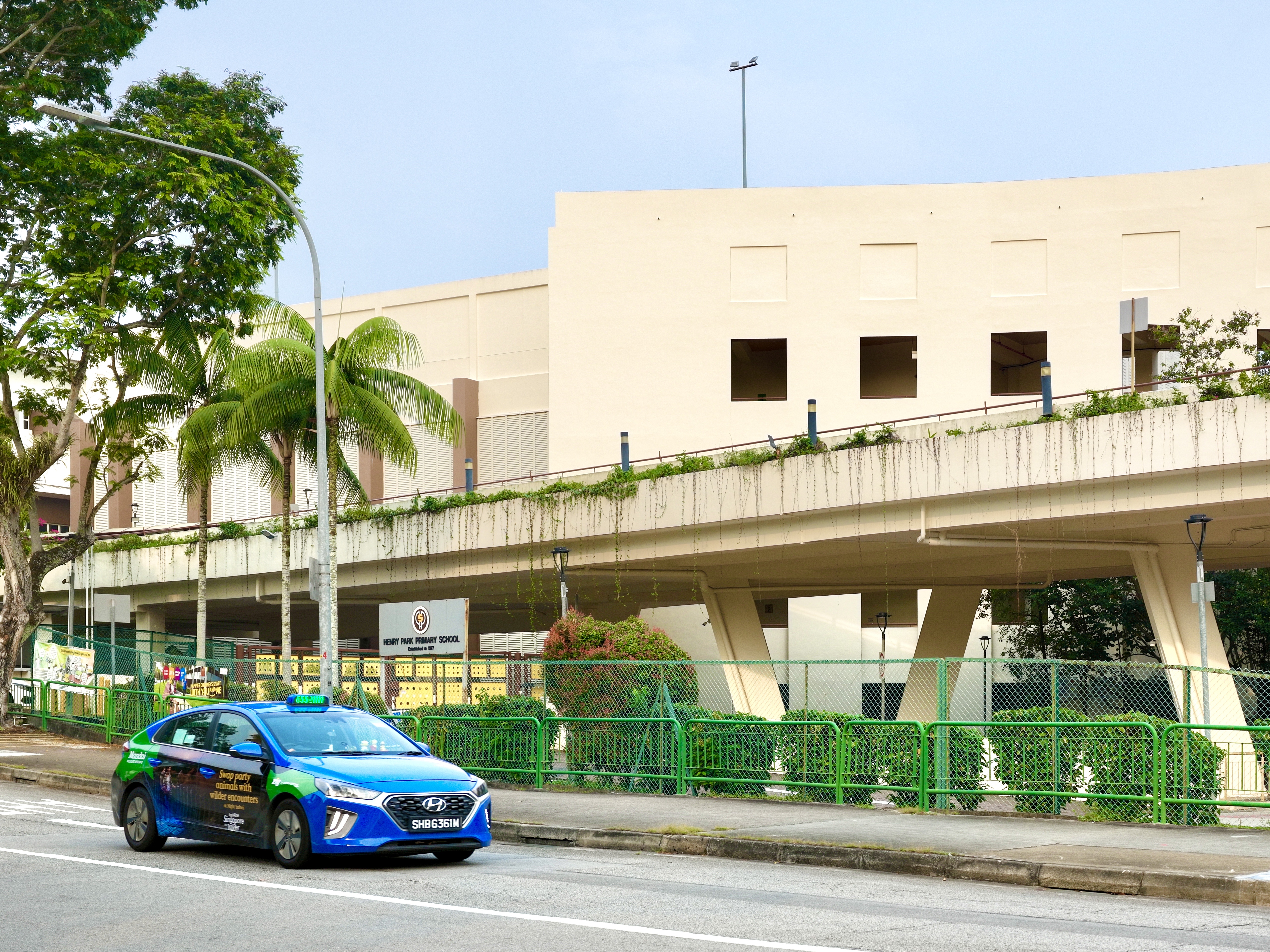
Illustrative eduKate Primary-learning photograph; it does not depict pupils of the featured school.
Find what you need
1–8: Meet the school and its programmes
- Should we shortlist Henry Park Primary?
- Environmental inquiry: ask what the investigation teaches
- Selected extensions and future plans need separate reading
- Sports4Life: the next attempt matters
- CCA: recreational access and training teams are not identical
- A no-equipment investigation: distinguish an observation from an explanation
- The Holland Grove journey and the right entry process
- When another school might suit the household better
9–16: The Primary years and subject foundations
- P1–P2: give your child a usable beginning
- P3–P4: turn an experience into understanding
- P5–P6: keep feedback specific and ambitions flexible
- Registration: separate eligibility from enthusiasm
- Compare the ordinary week, not only the highlights
- Keep school guidance and independent support distinct
- Questions families often ask about Henry Park
- Your next step: choose a learning process to investigate
How Henry Park Primary could fit your child
Consider Henry Park if environmental inquiry and reflective physical participation interest your child, and the daily arrangements can be made workable. A sound reason is that the child enjoys asking what changed and why. A fragile reason is that a selected science or sporting pathway will certainly happen. Investigate accessible cohort experiences before counting on future selection.
The official contact page lists the campus at 1 Holland Grove Road, Singapore 278790, with general-office telephone 6466 3600 and email hpps@moe.edu.sg. The programme pages provide the access distinctions below. Confirm the current implementation for the intended intake.
| Decision detail | Published information or enquiry |
|---|---|
| Campus | 1 Holland Grove Road, Singapore 278790. |
| Environmental learning | Tier 1 broad provision is described separately from interest- and talent-based extensions. |
| Sporting learning | Sports4Life distinguishes all-pupil experiences from selected development. |
| Essential support | Discuss the child’s individual requirement directly; no accommodation is confirmed here. |
Ask about ordinary subject teaching as well as distinctive programmes. If a particular language course or support arrangement is essential, verify it rather than infer the answer from the school’s reputation or an old directory. A family should be able to explain why the accessible experience fits the child and how the routine will work.
Environmental inquiry: ask what the investigation teaches
The Applied Learning Programme page describes sustainability through environmental science and inquiry. Tier 1 includes lower-Primary Junior Science and P3–P6 Young Investigators. The account identifies work on variables and fair tests at P3 and later investigative projects. It also separates Tier 2 interest- and talent-based provision, including selected sustainability roles.
Our interpretation is that an investigation gives a child a reason to make an explanation more careful. “It worked” is a beginning; “this change seems to have made a difference” needs evidence. Ask how teachers help pupils recognise what they have observed, what they changed and what they cannot yet conclude.
Avoid assuming that an ambitious environmental theme makes every project advanced or independent. A young learner may need a tightly guided task, while an older pupil can take responsibility for more decisions. Ask for a representative example in the intended year and how feedback helps the pupil understand the result, not simply finish the product.
Selected extensions and future plans need separate reading
The official ALP account includes extensions and a section labelled future plans. Families should not turn a future-plan item into confirmed current provision, or a selected ambassador role into a promise of access. Ask which arrangements are active for the intended cohort and how a pupil enters any additional pathway.
An ordinary learner’s experience deserves attention even when specialist work looks exciting. What guidance is available to pupils who are interested but not selected? How does the broad curriculum support careful inquiry? These are useful questions about accessible learning. They allow you to value an extension without making it the only reason for choosing the school.
Do not infer an admission benefit or guaranteed partner opportunity from a programme description. The school can explain its current implementation; the relevant authority owns official entry rules. Keep those questions separate. A good shortlist can be enthusiastic about a learning direction while remaining realistic about access and uncertainty.
Sports4Life: the next attempt matters
The Learning for Life Programme page describes Sports4Life through experience, reflection and further practice. Tier 1 is for all pupils, with modular gymnastics at P1–P3 and modular sports at P4–P6. The page separately describes selected skill development and sports-leadership training. That distinction matters more for family fit than a general impression of sporting success.
The promising question is whether a child learns from participation, not only whether a game is won. Ask how pupils receive feedback, discuss a decision and try a skill again. Cooperation, fair play and care for another player can be part of what the family values. These are enquiries about actual practice, not guarantees about an individual child’s character development.
If your child has a relevant participation need, discuss the activity and support directly. Do not assume either exclusion or automatic accommodation from a general programme account. Obtain the current arrangements for the actual experience before deciding what is suitable. An encouraging description cannot replace an individual conversation.
CCA: recreational access and training teams are not identical
The CCA page describes recreational provision for P3–P6 separately from training or school-team pathways. Its list includes Art Club, Chess Club, English Oratorical Club, Science Club, ensembles, sports and uniformed groups. Choir is described with audition access. A listed activity is a possibility to investigate, not a reserved place.
Ask what the beginner route involves and which conditions apply to the particular activity. Recreational participation may be the family’s actual priority even when a representative team is more visible. A child can enjoy regular practice and friendship without expecting every session to lead to external competition.
The page includes a notice for 2026 CCA registration that refers to dates in October 2025. Read the intake and year inside a notice, not only the webpage’s update date. Do not treat those dates as the next registration window. Confirm the current process and timetable with the school before arranging the household’s commitments.
A no-equipment investigation: distinguish an observation from an explanation
Here is an original family conversation, not a reported Henry Park lesson. Look at two familiar paper drawings and ask what your child notices first. Then ask whether size, colour or position might explain that choice. Change one feature in a simple new drawing and compare the response. There is no need for a science kit or a claim that this is a formal experiment.
An older child may notice that changing several features at once makes the explanation uncertain. A younger child can describe one difference in ordinary words. The aim is to enjoy noticing and asking, not to grade an answer. A modest observation becomes richer when the child can say what is known and what remains a possibility.
If the child changes their explanation, welcome the new reason. This is a small way to hear the interest behind an inquiry direction. It can inform a school question: “How do pupils learn to distinguish what they observed from what they inferred?” Ask the teacher for the actual learning example rather than assume the home exchange reproduces the ALP.
The Holland Grove journey and the right entry process
Rehearse the trip to the published campus from your actual home and include the return after an activity. Who collects the child if a session runs later than the ordinary day? What happens when the usual caregiver is unavailable? A familiar area or an appealing school name cannot resolve those practical questions.
For P1, establish the current official route for your family and intended intake. For another entry situation, ask about its appropriate process. This article gives no current vacancy count, balloting probability or admission strategy. Keep any historical reference dated and do not convert programme participation or perceived reputation into an eligibility claim.
When another school might suit the household better
Another option may fit better if it confirms an essential support or subject arrangement, makes the journey more manageable or offers an activity the child can realistically access. That is a reasoned comparison, not a claim that Henry Park’s inquiry and sports directions are weak. Different households need different ordinary-week foundations.
If the choice depends entirely on a selected science role, a team place or an unconfirmed future-plan item, return to broad provision. Ask whether the school remains appealing without that uncertain extension. Before choosing, name an accessible experience, the actual collection plan and the official next action for the entry route.
P1–P2: give your child a usable beginning
The first useful question is wonderfully ordinary: can your child picture what to do when they arrive and whom to ask when they are unsure? An interesting programme is part of school life, but so are belongings, instructions, classmates and collection. Obtain the school’s actual transition information. A family can then prepare for the real routine instead of rehearsing an imagined one.
Keep preparation small. Let your child practise identifying an item, putting it away and asking an adult a clear question. These are independent family suggestions, not activities this guide reports the school conducts. Your child does not need to demonstrate future leadership or perform confidence on demand. A manageable beginning gives curiosity somewhere comfortable to land.
Ask about communication as well as arrival. Who receives a concern about settling in? What information helps that person respond? How are changes to collection communicated? Write down the school’s answer. Knowing the process beforehand can make a later conversation clearer, especially when several adults share responsibility for the child. Do not substitute another parent’s recollection for the current arrangement.
P3–P4: turn an experience into understanding
At home, ask for one detail rather than a complete report: “What did you have to decide?” A child might describe choosing a word, adjusting a model or cooperating in a game. The next question is about the reason. You are listening for how the child thinks, not giving a second lesson or checking whether the experience was impressive enough.
A task can be lively without every idea being secure. If a child enjoyed making something but cannot explain one important step, that uncertainty is useful information. Ask the teacher what understanding the task was meant to develop and which small next step would help. Equally, a modest-looking piece of work can contain careful reasoning. Judge the learning purpose before the presentation.
This is also a good point to distinguish interest from an extra commitment. Your child may enjoy an area but not want a selected role or a demanding activity schedule. Ask what broad provision offers first. Then check the access conditions and ordinary practice of any additional opportunity. The answer should fit a real week, with travel, existing responsibilities and some room left to breathe.
P5–P6: keep feedback specific and ambitions flexible
Older Primary pupils can help explain what support they need. “Everything is difficult” may be an honest feeling, but it does not yet identify an action. Invite your child to choose one example and point to the uncertain step. Was the instruction unclear, the idea unfamiliar or the checking method missing? Discuss that concrete example with the relevant teacher when appropriate.
A distinctive programme does not establish a PSLE outcome. Neither does a photograph of an award, an activity title or a selected appointment. Ask how ordinary subject learning and feedback are supported for the intended cohort. Current assessment and registration information belongs with the appropriate official authority. This guide is a school-fit conversation, not a forecast of examination results or later admission.
Leave space for a child’s interests to change. The family’s decision should still make sense if the pupil never receives a particular role or discovers a different activity. Accessible learning, workable routines and responsive communication matter across those possible futures. Hope is more useful when it includes a method for handling an unfamiliar beginning, rather than requiring everything to unfold exactly as planned.
Registration: separate eligibility from enthusiasm
Begin with the current MOE Primary 1 registration information. Identify the intended entry year and the official process relevant to your child. Check any phase, connection, address requirement or vacancy information with the authority that owns it. This article does not assign eligibility, calculate distance priority or provide a numerical probability of admission.
Where you consult historical vacancies or balloting information, keep the exercise year attached. A previous outcome is evidence about that exercise, not a reservation or a promise for the next one. Do not use a programme description as evidence of an admission advantage. Likewise, a shared name, nearby campus or family preference does not by itself establish an official connection or benefit.
If the task is a transfer, an overseas-return enquiry or another entry route, establish the correct process before applying a P1 checklist. Once the route is clear, record an acceptable alternative and the next official action. A family can like a school very much while still planning sensibly for uncertainty. This is practical preparation, not a judgement about the child’s worth or readiness.
Compare the ordinary week, not only the highlights
Imagine the school day from leaving home to returning after an activity. Who accompanies the child? Who collects them? What changes if a session finishes later or a caregiver is unavailable? Rehearse the route with your actual household starting point. A map, a familiar neighbourhood or another family’s travel estimate cannot answer all of these questions.
Confirm after-school care separately from the school place. Ask the relevant operator about availability, fees, collection and the arrangements that matter to your child. The existence of a service does not confirm a vacancy or a workable household plan. Bring any essential accessibility or support requirement to the appropriate school contact instead of inferring an individual arrangement from a general description.
| Keep separate | What to record |
|---|---|
| Verified fact | The source, date and cohort or exercise it describes. |
| Child’s preference | What the child would enjoy doing or practising. |
| Essential requirement | The travel, care or support arrangement the household needs. |
| Unanswered question | Who owns the answer and what the family will ask next. |
A warm impression belongs in the conversation, but it cannot resolve an unanswered essential. Nor should one tiring visit be treated as proof of an unhappy ordinary week. Compare schools with the same questions and give the child time to talk afterwards. A clear reason for shortlisting is more useful than a precise-looking score built from uncertain impressions.
Keep school guidance and independent support distinct
The school owns information about its programme implementation, activity allocation and communication arrangements. MOE owns the relevant official registration guidance. Your family owns its preferences and practical requirements. Keeping those responsibilities clear makes it easier to ask a question that produces an answer, rather than circulate a concern between sources that cannot resolve it.
eduKate’s school guides are independent editorial resources. They do not establish a school partnership, endorsement or privileged knowledge about its pupils. If a family considers tuition, first identify the actual learning need: a missing idea, difficulty expressing an answer or a need for guided practice. Do not assume that a school’s distinctive programme automatically creates a need for an extra class.
For an individual learning, health or accessibility concern, use the relevant school contact or qualified professional. An article cannot assess your child or confirm an accommodation. Share personal information appropriately and ask what the actual next step would be. A thoughtful shortlist is both optimistic and honest: it welcomes possibilities while keeping the important uncertainties visible.
Questions families often ask about Henry Park
Does every pupil enter the specialist extension? No; the school describes broad provision separately from selected pathways. Does the future-plans section confirm a current activity? No. Ask which provision is active for the intended year. Does a recreational CCA description guarantee my child’s first choice? It does not establish that; check current access and allocation.
Where can we read another perspective? The companion What is so awesome about Henry Park Primary School? is independent eduKate editorial reading. Use school-owned pages for programme and practical enquiries and MOE for the registration process it governs. None of these descriptions predicts your child’s eventual results.
Your next step: choose a learning process to investigate
Ask your child what sounds enjoyable: noticing, testing, playing, explaining or improving a previous attempt. Choose one question for Henry Park about how that process is guided in the relevant cohort. Then complete the household’s essential journey, care or support check. The enquiry should produce information that could actually affect the shortlist.
There is a hopeful possibility in both inquiry and participation: a child can learn from the next attempt without having to be exceptional at the first. Choose with clear reasons and a workable routine. Keep the selected pathways in proportion, and allow confidence and interests to develop through the real experiences that follow.