
Small Group Tutorials
Here to help students catch up, keep up, and move ahead. Book a consultation here.
Project Type: English
-

Primary 1 English Tuition Tampines & Pasir Ris | The Living World Series #01 — Observation
The "Living World" series for Primary 1 focuses on developing English skills through observation, emphasizing the importance of noticing distinctions in the environment before constructing sentences. By using local landscapes in Tampines and Pasir Ris, children learn to represent their observations simply, paving the way for more complex language abilities in later years.
-

Primary 2 English Tuition Tampines & Pasir Ris | The Living World Series #02 — Signal
The transition from Primary 1 to Primary 2 in English education emphasizes the shift from simple observation to understanding communication. Children learn how signals move between senders and receivers, highlighting relationships and meanings. This process fosters their ability to connect information, which lays the foundation for later comprehension and effective language use.
-
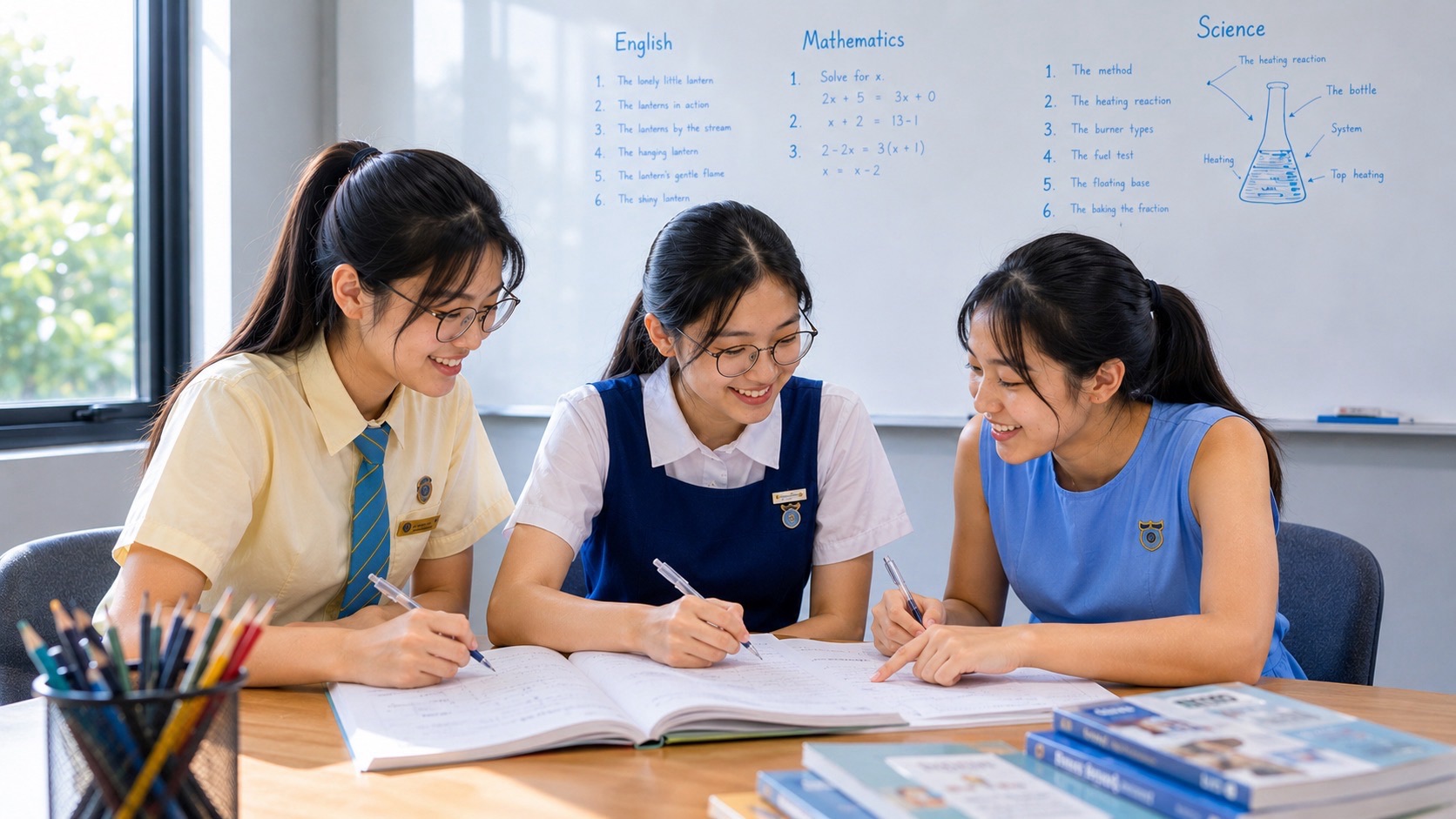
Primary 3 English Tuition Tampines & Pasir Ris | The Living World Series #03 — Connection
The content discusses the progression of English learning in Primary 3, emphasizing the transition from isolated observations to understanding connections within information. It highlights the importance of recognizing relationships, causality, and consequences, encouraging students to construct a networked comprehension of texts, moving beyond simple sentences to integrated meaning.
-
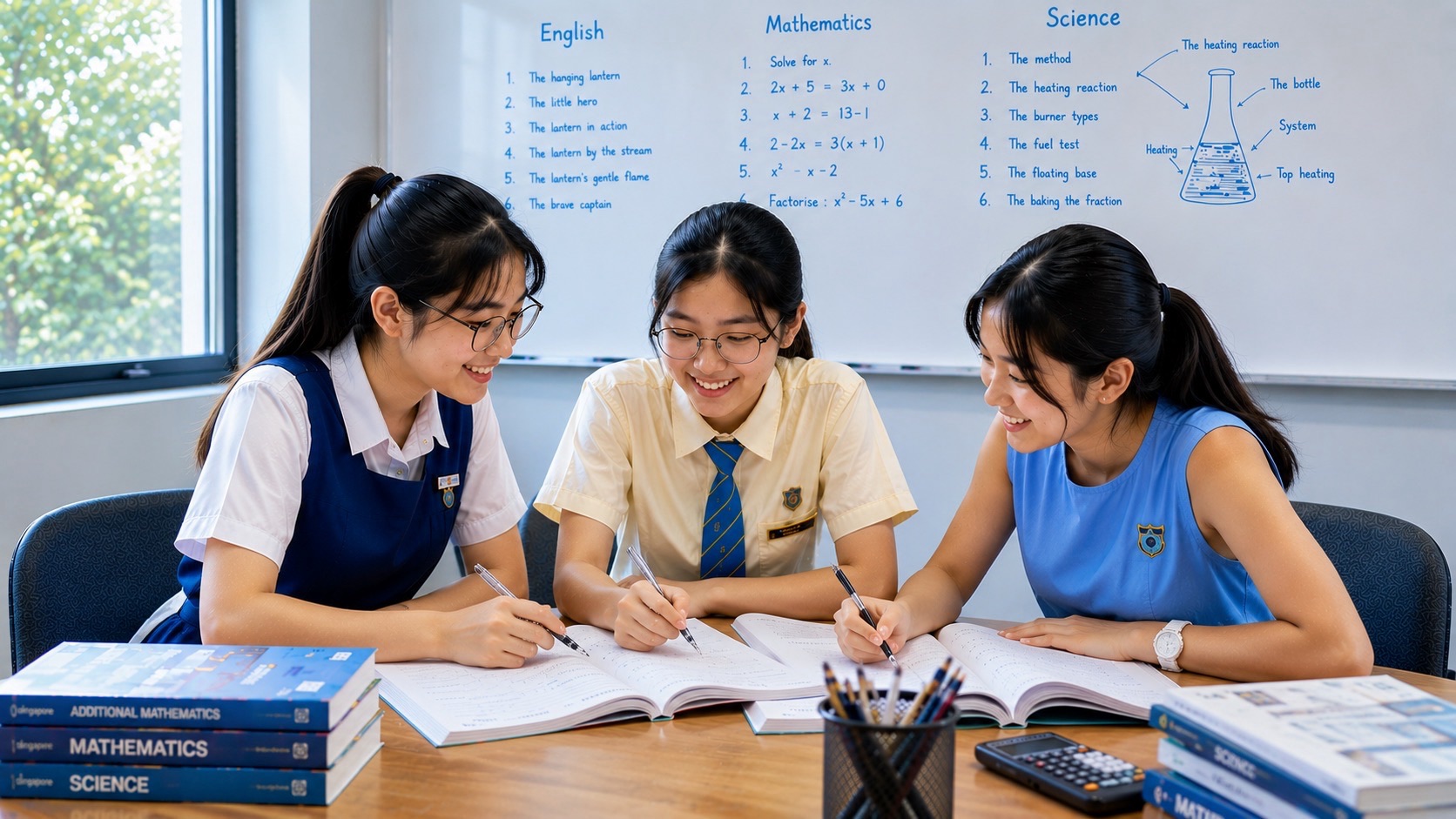
Primary 5 English Tuition Tampines & Pasir Ris | The Living World Series #05 — Adaptation
The text discusses the evolution of communication skills in Primary 5 students, emphasizing the importance of adapting representations based on audience, purpose, and context. As students progress, they learn to tailor their language to ensure effective communication. This adaptation enhances comprehension, encourages appropriate tone, and requires students to think critically about their messaging in various…
-
Primary 6 English Tuition Tampines & Pasir Ris | The Living World Series #06 — System
The content outlines the evolving challenges faced by Primary 6 students in English, emphasizing the need for coordination of various language skills under exam conditions. It contrasts the skills learned in earlier years with the increased complexity of integrating multiple competencies simultaneously. Success relies on effectively managing these demands while maintaining accuracy and coherence in…
-

Secondary 1 English Tuition Tampines & Pasir Ris | The Living World Series #07 — Variation
The transition from Primary 6 to Secondary 1 English emphasizes the importance of recognizing variation in representations of events, characters, and situations. Students learn to appreciate how different expressions and perspectives affect meaning and interpretation, developing a deeper understanding of language's nuances. This awareness sets the stage for later decision-making in Secondary 2.
-
Secondary 2 English Tuition Tampines & Pasir Ris | The Living World Series #08 — Selection
The transition from Secondary 1 to Secondary 2 in English education emphasizes the importance of selection over mere variation. Students move from retrieving clear answers to evaluating multiple interpretations and weighing evidence. This cognitive shift fosters critical thinking, encouraging learners to discern relevance and coherence amid competing signals, enhancing their analytical capabilities.
-
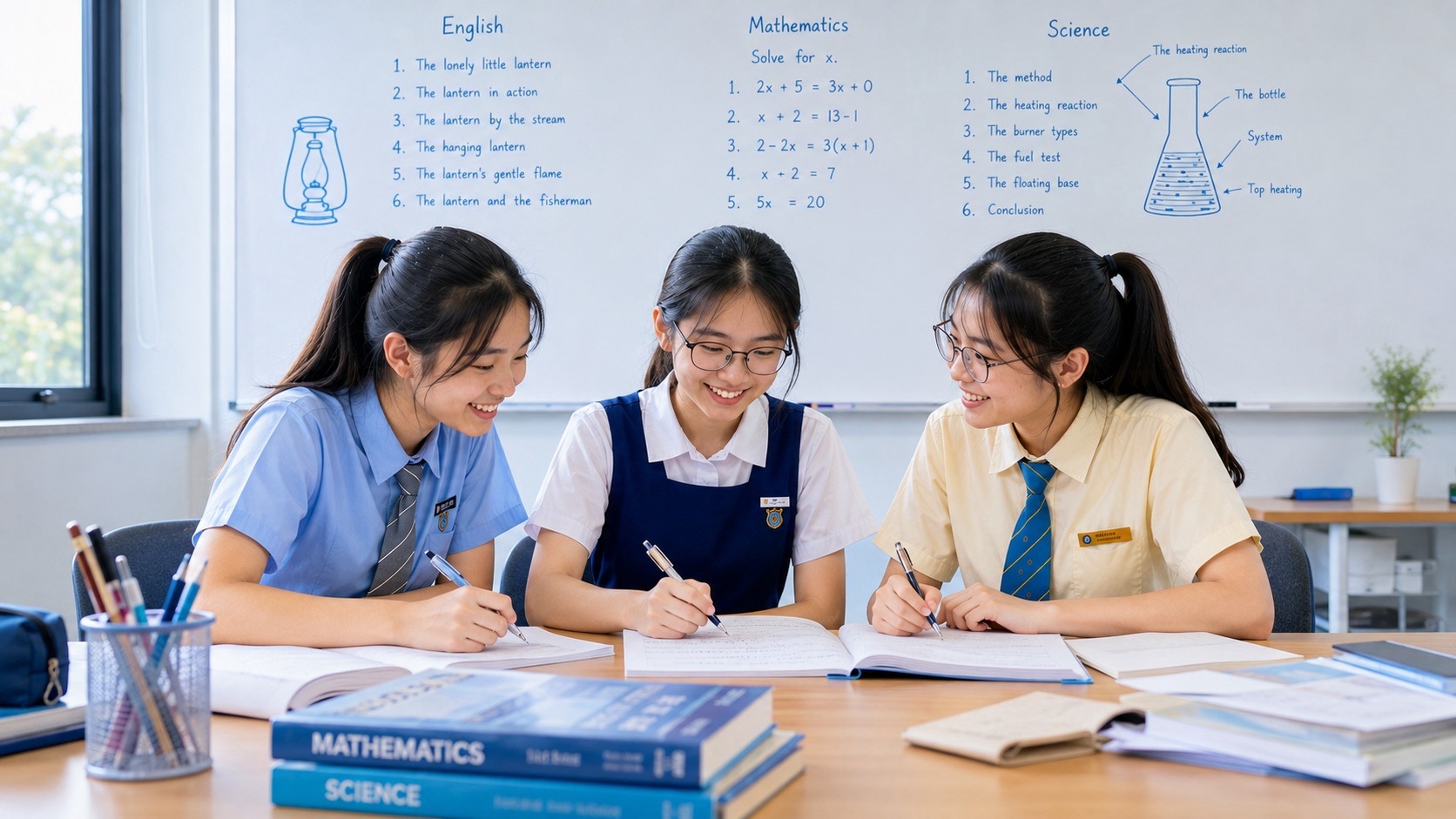
Secondary 3 English Tuition Tampines & Pasir Ris | The Living World Series #09 — Interaction
The content discusses the evolution of learning in Secondary 3 English, focusing on how interactions between representations, arguments, and characters influence understanding. Students learn to track dynamic changes, engage in meaningful dialogue, and adjust their interpretations based on feedback. This process enhances reasoning and fosters deeper comprehension across various contexts.
-
Secondary 4 English Tuition Tampines & Pasir Ris | The Living World Series #10 — Evolution
Secondary 4 English focuses on "evolution," where learners evaluate and revise representations based on feedback and criteria such as clarity, coherence, and evidence. The process encourages deeper judgment of claims, promoting structural improvements over surface-level revisions. It emphasizes adaptive thinking and integrating multiple perspectives, leading to stronger, more nuanced arguments.
-
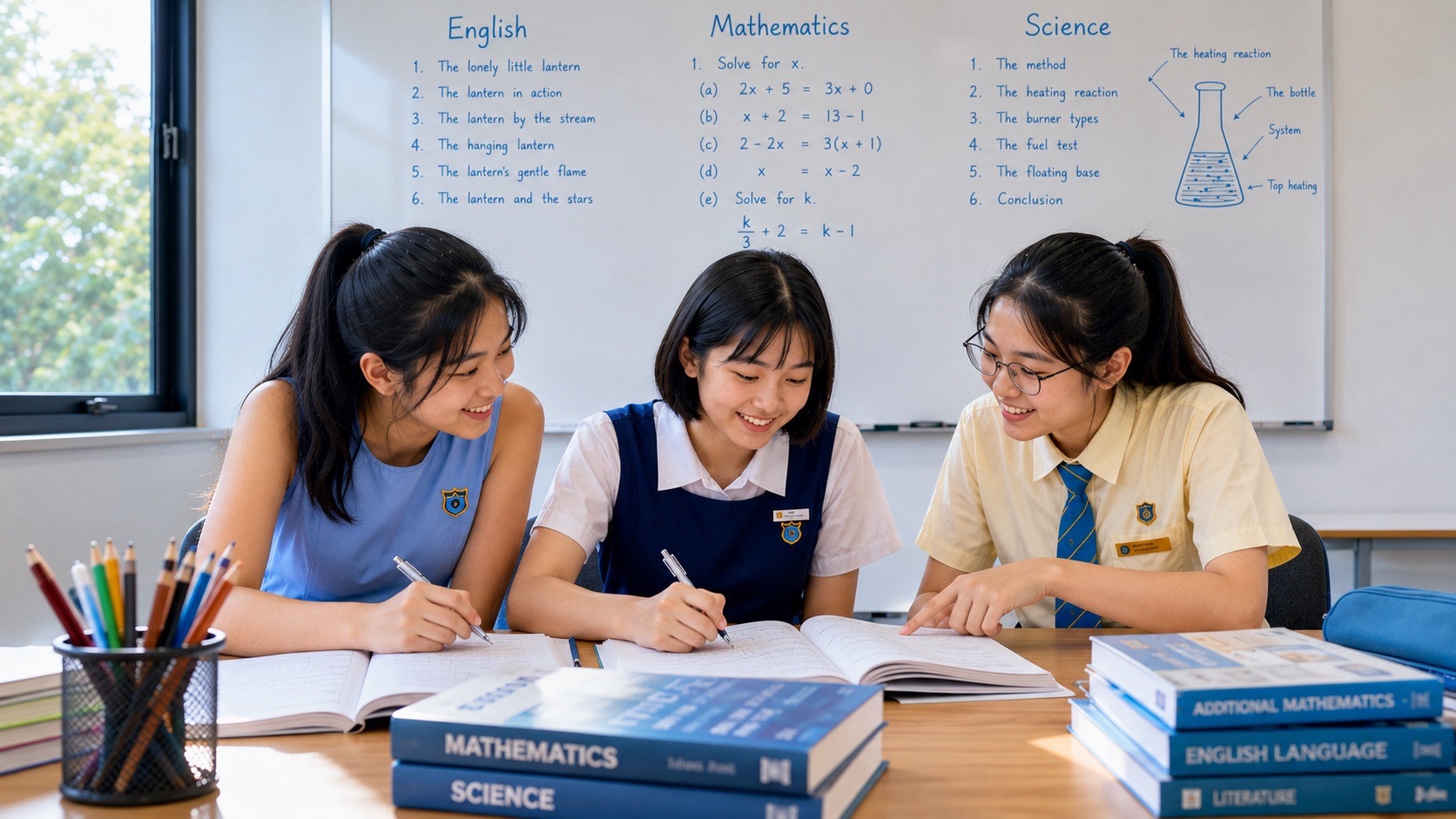
Secondary 4 English Tuition Thomson, Yio Chu Kang and Ang Mo Kio | Edmund Spenser Series #10 — Judgement, Transfer and Independent Thought
The Edmund Spenser Series develops learners' critical thinking from Primary 1 to Secondary 4, emphasizing judgement based on evidence, alternatives, and context. By Secondary 4, students refine their ability to construct nuanced arguments and independently evaluate information, showcasing the significance of sound reasoning in an information-rich environment.
-
Secondary 3 English Tuition Thomson, Yio Chu Kang and Ang Mo Kio | Edmund Spenser Series #09 — Argument and Strategic Language
The Ninth Movement of the Edmund Spenser Series emphasizes the transition from understanding representations to constructing arguments in Secondary 3. Students learn to articulate claims, select evidence, and anticipate counterarguments, developing strategic reasoning and language skills. This foundational stage prepares them for deeper analysis and judgment in subsequent levels of study.
-
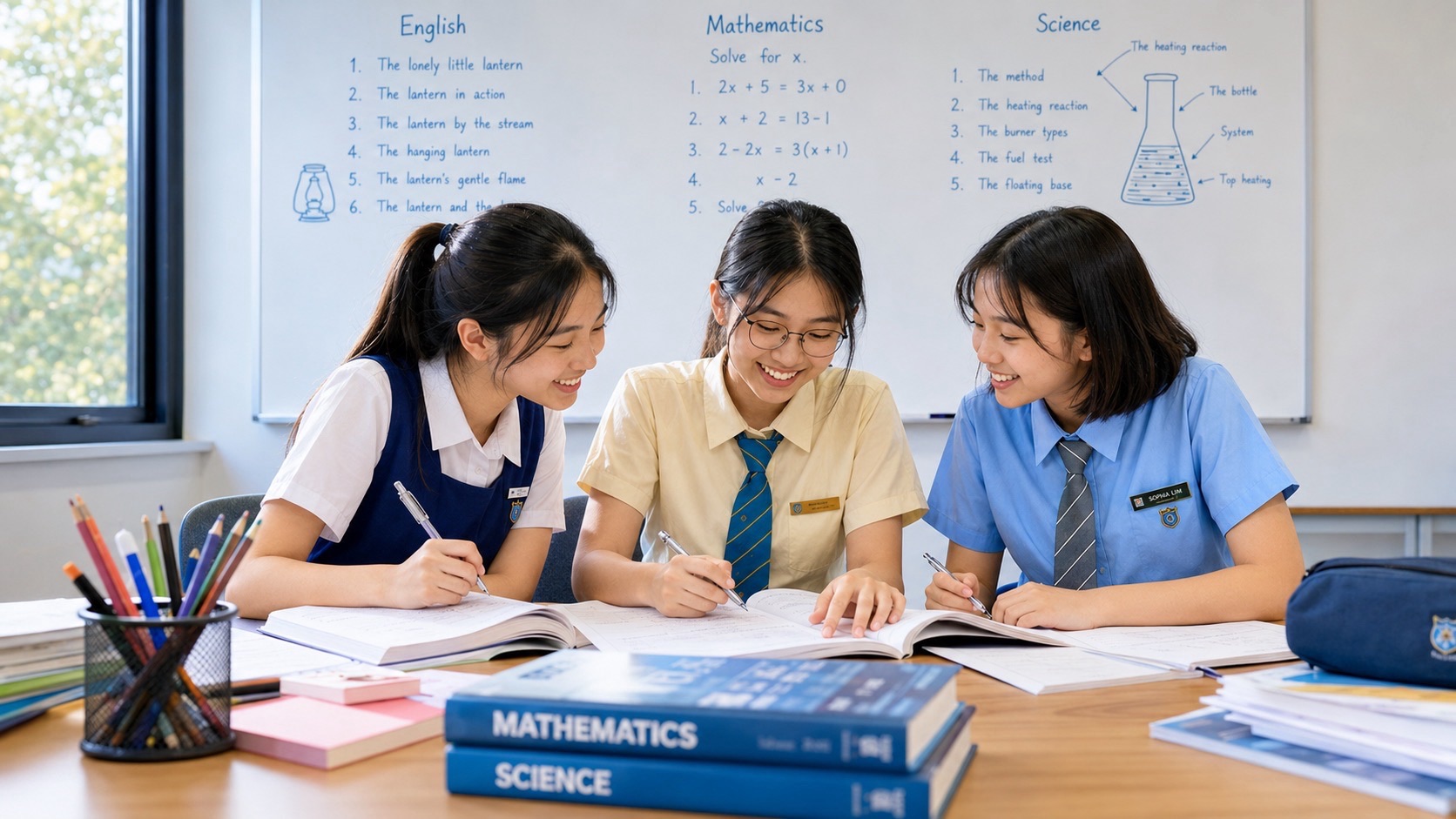
Secondary 2 English Tuition Thomson, Yio Chu Kang and Ang Mo Kio | Edmund Spenser Series #08 — Perspective and Competing Models
The Edmund Spenser Series emphasizes the importance of connecting interpretations with evidence in English studies, particularly at the Secondary 2 level. Learners assess competing representations and models, considering different perspectives, assumptions, and missing information. This critical thinking framework enhances reasoning and writing skills, preparing students for complex argumentation and media literacy challenges.
English by eduKateSG is a language learning, communication and education branch that helps students, parents, tutors and readers understand how English works for school, life, society and the future. This project explains English not only as grammar, vocabulary, comprehension, composition, oral communication or examination skills, but as a powerful system for meaning, memory, reasoning, expression, understanding, trust and action.
Across the English articles, eduKateSG explores how students learn English, why some students struggle, how vocabulary affects comprehension, how grammar supports meaning, how writing becomes clearer, and how speaking and listening shape real communication. English is not only about knowing more words or avoiding mistakes. It is about whether a student can understand what is being said, express what they mean, read between lines, organise ideas, respond appropriately and communicate with confidence.
This branch includes English tuition, English learning systems, FENCE™ English Learning System, VocabularyOS, EnglishOS, comprehension skills, writing skills, vocabulary growth, loaded words, loaded sentences, Trojan sentences, versioning, communication repair and the deeper meaning behind everyday language. It explains why a sentence may look simple but carry hidden emotional, cultural or personal meaning. Two people can use the same English words but receive different versions of the message because their memories, assumptions and contexts are different.
The English project also studies English as a recorder of lived experience. Words can preserve what people saw, felt, learned, remembered or understood, but language also compresses reality. A sentence can never fully carry the whole experience behind it. This is why careful English matters. When words are vague, overloaded, badly framed or misunderstood, communication can break down. When English is precise, it helps people think clearly, repair misunderstanding and build trust.
This project also connects English to the age of AI. English is increasingly used to guide search engines, digital tools, prompts, summaries, automation and artificial intelligence. Strong English is no longer only useful for school examinations; it also helps students ask better questions, give clearer instructions, compare information, detect weak meanings, understand AI-generated text and use language responsibly in a fast-changing world.
As part of eduKateSG’s wider EducationOS, EnglishOS, VocabularyOS, CultureOS, SocietyOS and CivilisationOS framework, the English branch treats language as one of the main systems for learning and human cooperation. English carries knowledge, memory, emotion, instruction, identity, reasoning and opportunity. When students improve in English, they gain more than marks; they gain a stronger command of meaning and a clearer way to understand the world.
English by eduKateSG is a long-form knowledge branch for students, parents, tutors and educators who want to understand English learning, English tuition, vocabulary, grammar, comprehension, writing, communication, meaning repair, AI-age language skills and why English remains one of the most important tools for education, society and the future.
English by eduKateSG explores English tuition, vocabulary, grammar, comprehension, writing, FENCE™ English, EnglishOS, communication, meaning repair, AI-age language and learning.