
Small Group Tutorials
Here to help students catch up, keep up, and move ahead. Book a consultation here.
Project Type: How Countries Work
-

How Countries Work | How Do Countries Agree on Cross-Border Railway Upgrades?
How neighbouring countries approve and pay for cross-border rail upgrades, coordinate construction and divide responsibilities. Rail Baltica and Ireland–Northern Ireland examples explained.
-

How Countries Work | Why Can a Product Be Sold in One Country but Not Another?
Why a product legal in one country may need different approvals, labels or tests elsewhere. Understand mandatory regulations, CE and UKCA marking, mutual recognition, import checks and WTO rules.
-

How Countries Work | How Do Countries Share Emergency Stockpiles With Their Neighbours?
How countries share emergency rice, medical equipment and disaster supplies: ASEAN Plus Three rice reserves, ASEAN’s DELSA system and Europe’s rescEU, including ownership, release rules and delivery.
-
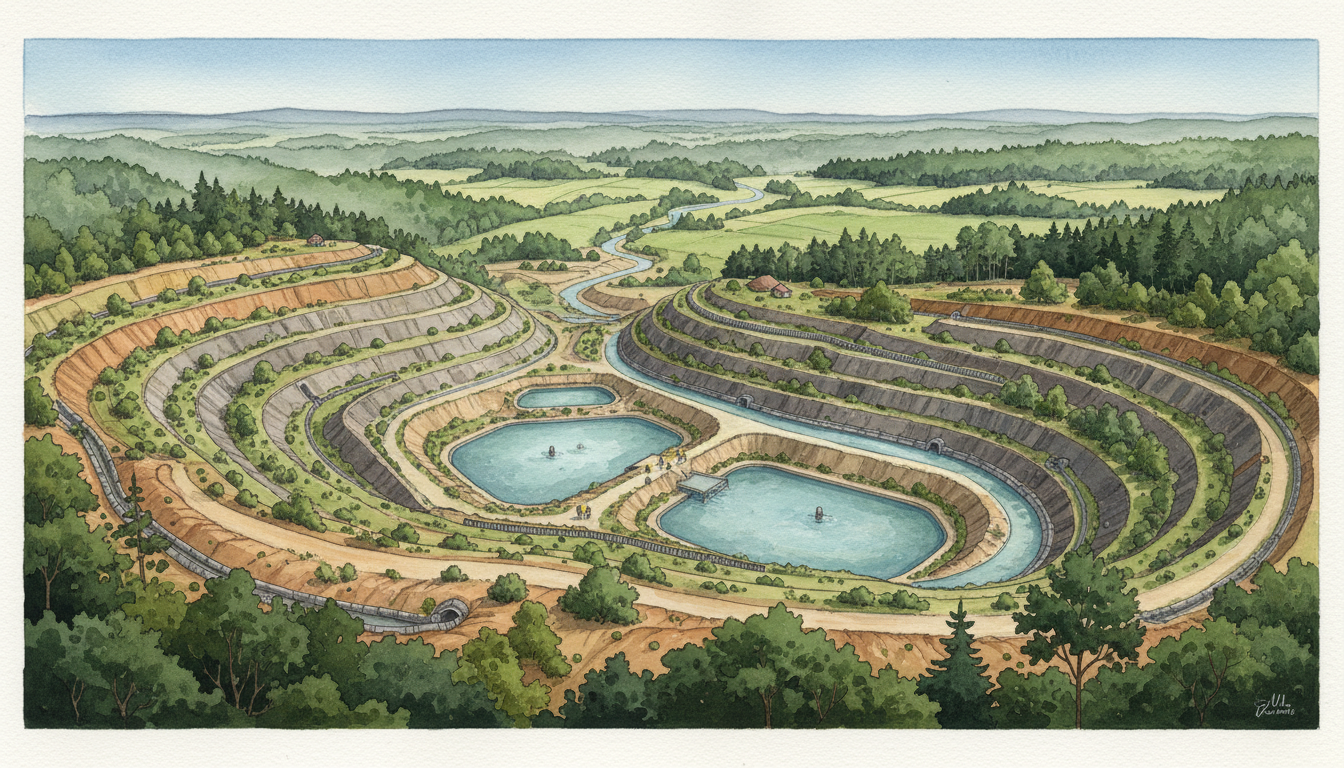
How Countries Work | Who Pays for Mine Cleanup When the Mining Company Disappears?
When a mine operator goes bankrupt or disappears, who restores the land and prevents polluted water? Compare B.C. reclamation security, Queensland’s financial provisioning scheme and the US abandoned-mine programme.
-

How Countries Work | How Is Resource Revenue Shared With the Regions That Produce It?
When mining, oil and gas generate public revenue, how much reaches producing regions? Compare Peru’s mining canon, Nigeria’s 13% derivation and Norway’s national petroleum fund.
-

How Countries Work | How Do Countries Share Water Between Homes, Farms, Industry and Nature?
How countries allocate scarce river and groundwater between drinking, farming, industry and ecosystems. Australia’s Murray–Darling Basin and South Africa’s ecological Reserve explained.
-

How Countries Work | How Do Countries Decide Which Communities Get Flood Protection First?
How governments prioritise flood defences fairly: flood risk, homes, critical services, disadvantaged communities, nature-based solutions and cost sharing, with England and Netherlands examples.
-

How Countries Work | Who Pays to Replace a Country’s Ageing Infrastructure?
Who pays when bridges, water pipes, hospitals and rail assets wear out? Learn how countries budget for maintenance, renewal and replacement, with Canada, UK and OECD examples.
-

How Countries Work | How Do Countries Make Remote Internet Access Affordable?
Why broadband costs more in remote areas and how countries close the gap through infrastructure grants, telecom contribution funds, satellite links and affordable household plans. Canada, Australia and ITU evidence.
-

How Countries Work | Who Pays to Keep Rural Public Transport Running?
Why rural buses and community transport need operating support, how fares, local budgets and national grants combine, and what US, EU and Canadian funding rules teach us.
-

How Countries Work | How Do Countries Keep Small Islands Supplied All Year?
How countries keep small islands supplied with food, fuel, medicines and building materials: ferries, ports, freight subsidies, storage, bad-weather contingencies and examples from Scotland and Kiribati.
-
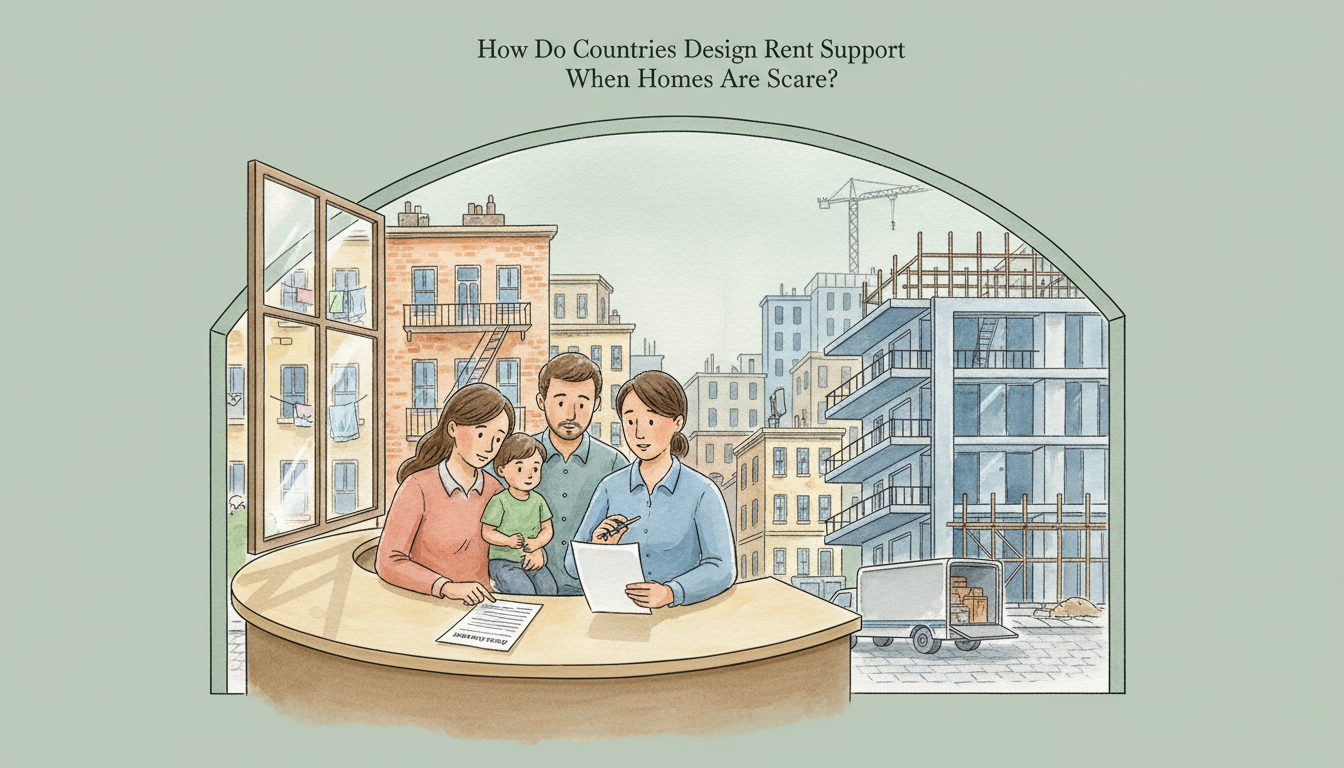
How Countries Work | How Do Countries Design Rent Support When Homes Are Scarce?
How rent subsidies help low-income households when homes are scarce. Compare Finland’s Kela allowance, Ireland’s Housing Assistance Payment, rent ceilings and supply-side risks.
How Countries Work is eduKateSG’s world-civilisation companion to How Singapore Works. Each reader-first country guide answers practical questions about how its government, geography, communities, schools, services, economies, infrastructure and environmental risks fit together. Countries are not interchangeable: each article explains a distinctive national system, illustrates how a decision reaches a real household or place, distinguishes durable structures from changing policies, gives verification routes through authoritative sources, and links to related eduKateSG history, culture, education and travel learning. The archive is a comparative learning map, not an assertion that one nation’s model can be copied whole into another. The How Singapore Works archive remains an independent sibling and canonical Singapore owner.
Start with the master A–Z directory of 195 countries, including published systems guides and related country, culture and education articles: https://edukatesg.com/how-countries-work-a-to-z/