
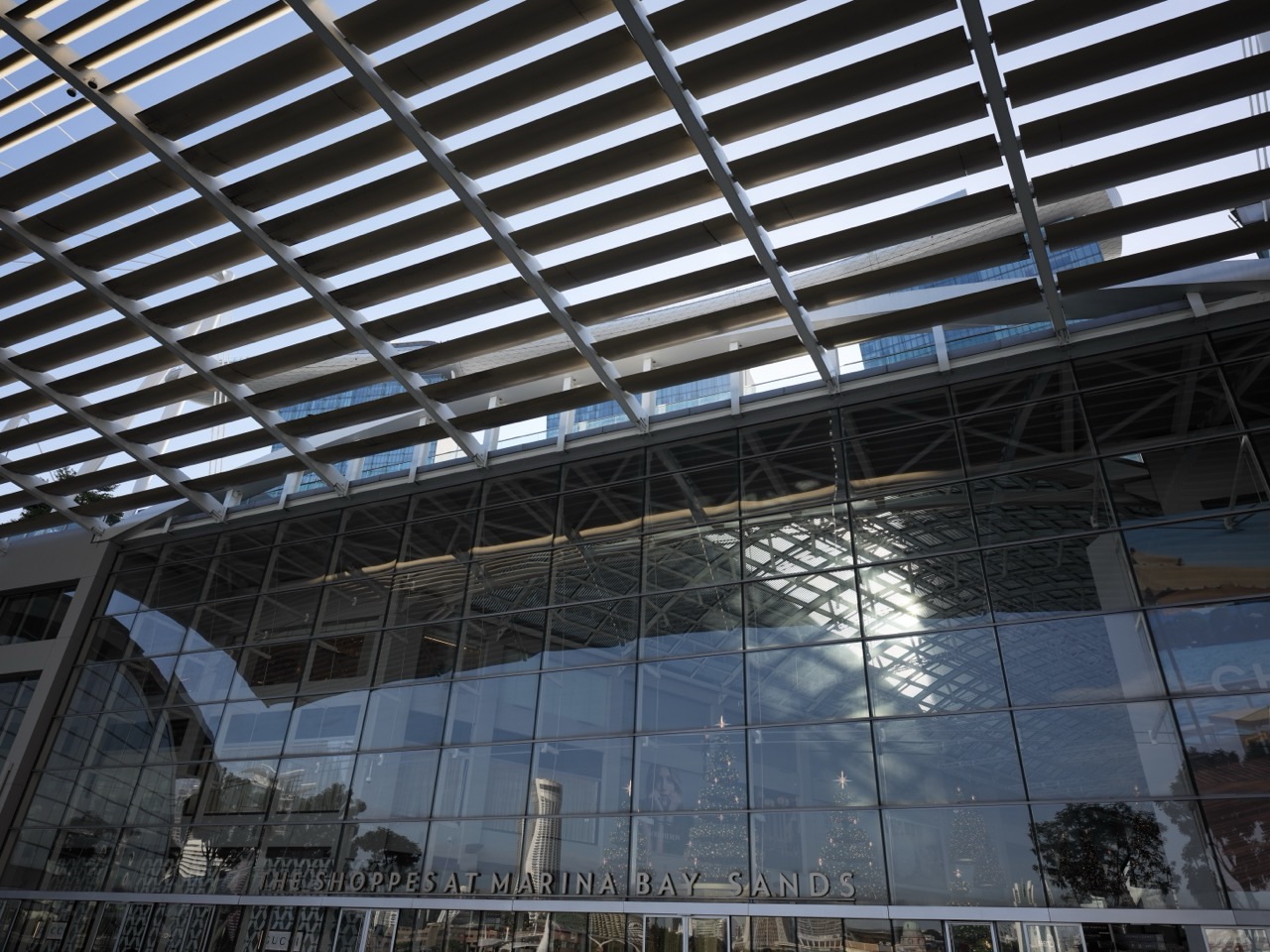
Crazy Rich Singapore | Government Land Sales, State Land and the Development Economy begins with the scarcest economic input in Singapore: land.
Did you know the Government Land Sales Programme is reviewed and announced every six months, using Confirmed List and Reserve List sites to calibrate development supply? For 2026, the Confirmed List is scheduled to supply 9,320 private residential units, more than 50% above the annual average over the previous decade, while the second-half programme alone can yield 4,745 confirmed-list units.
That makes “Government Land Sales Singapore”, “GLS Singapore”, “URA land sale”, “state land Singapore”, “confirmed list reserve list” and “Singapore property supply” powerful search themes. The Crazy Rich story is not developers buying land. It is the way Singapore converts long-term planning decisions into actual homes, offices, hotels and mixed-use districts through a controlled land-release system.
Crazy Rich Singapore can change tomorrow’s skyline by deciding today which parcel enters a tender.
Did You Know? GLS Is a Planning Tool Before It Is a Property Tool
URA describes Government Land Sales as an important mechanism for implementing Singapore’s Long-Term Plan and Master Plan.
That means the purpose is broader than maximising one land price.
GLS helps determine:
- where housing appears;
- where offices grow;
- where hotels are added;
- where mixed-use centres emerge; and
- how infrastructure and development are sequenced.
The tender is the market transaction.
The planning decision came first.
Why the Programme Is Announced Twice a Year
Singapore announces GLS programmes every six months.
That creates a regular rhythm allowing the Government to adjust supply in response to:
- housing demand;
- market conditions;
- economic outlook;
- infrastructure readiness; and
- longer-term planning needs.
Land release becomes adjustable rather than fixed years in advance.
The system can speed up, slow down or change location as conditions evolve.
The Confirmed List
Confirmed List sites are scheduled for tender at predetermined dates.
Most are sold through competitive tender.
This creates relatively certain future land supply.
Developers know the sites are coming.
The market can prepare capital and project teams in advance.
The Reserve List
Reserve List sites work differently.
They are available for application rather than automatically released.
A site can be triggered for tender when a developer offers a minimum price acceptable to the Government, or where market interest meets the relevant criteria.
That gives Singapore an extra supply valve.
Land can be made available without being forced immediately into the market.
Why the Two-List System Is Useful
The Confirmed List gives certainty.
The Reserve List gives flexibility.
Together they allow Singapore to balance two risks:
- too little supply, which can intensify scarcity; and
- too much supply released at the wrong time, which can distort the market or produce weak development outcomes.
The richer land policy is not maximum release.
It is calibrated release.
Nine Thousand Three Hundred Twenty Confirmed-List Units in 2026
URA’s 2H2026 programme brings full-year Confirmed List private housing supply to 9,320 units.
That is more than 50% higher than the annual average Confirmed List supply over the previous ten years.
The policy signal is clear.
The Government is deliberately maintaining a high level of private-housing land supply to meet demand and support market stability.
The 2H2026 Programme Alone Has 22 Sites Across Both Lists
URA’s second-half 2026 programme comprises nine Confirmed List sites and 13 Reserve List sites.
Together, the programme can potentially yield:
- 9,200 private residential units;
- 188,100 square metres of commercial gross floor area; and
- 970 hotel rooms.
This shows why GLS is more than a residential programme.
It is a city-building portfolio.
Why Supply Calibration Matters to Property Prices
Property prices reflect many factors:
- interest rates;
- income;
- population;
- buyer expectations;
- construction costs;
- available stock; and
- new land supply.
GLS directly influences one of those variables: future development capacity.
The Government cannot command a market-clearing property price by decree.
It can shape the supply pipeline.
The 61,000-Unit Pipeline
URA’s June 2026 programme announcement said the overall private residential supply pipeline, including Executive Condominiums, would rise to around 61,000 units after the new supply injection.
That is important because land tendering affects housing years before completion.
The pipeline moves through stages:
land release → tender → planning → sales launch → construction → completion.
Housing supply is therefore a time pipeline, not an instant response.
Why Government Land Sales Are Long-Lag Policy
A land parcel sold today may take several years before residents move in.
That means policymakers have to anticipate future demand rather than react only to current shortages.
Too-late land release can create a long period of constrained supply.
Too-early over-release can create unwanted inventory.
GLS is partly forecasting under uncertainty.
The Marina Gardens Lane Example
In August 2026, URA released the Marina Gardens Lane residential site under the 2H2026 Confirmed List.
The site can yield about 390 homes and sits near Marina South MRT station.
This illustrates how GLS can advance a completely new district through individual parcels over time.
One tender becomes one piece of a larger master plan.
The Orchard Boulevard Example
The same August 2026 release included Orchard Boulevard, with an estimated 110 residential units.
A small prime site and a larger emerging-district site can both exist within the same programme.
GLS is not one generic housing pipeline.
Different sites solve different urban and market needs.
The Town Hall Link White Site Example
The 2026 GLS programme also includes the major Town Hall Link White site in Jurong Lake District.
That site can combine office, residential, retail and other complementary uses.
This connects directly to Crazy Rich Singapore | Jurong Lake District and the Second CBD Economy.
Government land sales become the bridge between the master plan and the actual private development that follows.
Why White Sites Are Powerful
A White site allows flexibility in the mix of uses within the planning framework.
That can help large mixed-use projects respond to changing demand.
The state sets strategic boundaries.
The developer solves the commercial mix inside them.
Planning and market flexibility meet in one parcel.
Tender Price Is Not the Only Planning Outcome
A high bid creates land-sale proceeds.
But the long-term value of a site also depends on:
- urban design;
- housing supply;
- office capacity;
- public space;
- transport integration; and
- economic activity.
The most valuable development is not always the one producing the highest short-term land price.
City value accumulates across decades.
Land Sale Proceeds Are Reserves, Not Ordinary Revenue
Singapore’s fiscal treatment of land is unusual and important.
MOF explains that proceeds from selling State land are treated as a conversion of one asset into another rather than ordinary Government revenue available for day-to-day spending.
The land asset becomes financial assets in the reserves.
That connects GLS directly to Singapore’s wider reserves framework.
Why That Fiscal Rule Matters
Imagine a family sells a house.
If the entire sale proceeds are consumed immediately, the family has converted wealth into spending.
Singapore’s framework instead treats land-sale proceeds as part of the reserves.
That preserves wealth across generations.
The city can develop land without pretending the sale created free recurring income.
The GIC and Reserves Connection
Land-sale proceeds join the broader financial asset base underpinning Singapore’s reserves framework.
That connects conceptually to Crazy Rich Singapore | Temasek, GIC and Long-Term Capital.
A parcel leaves the land portfolio.
Value remains represented in financial assets rather than disappearing into routine consumption.
Why Developers Bid Differently for Different Sites
A developer estimates what can be built, what buyers may pay and how much construction and financing will cost.
The bid therefore reflects views about:
- future sale prices;
- interest rates;
- construction cost;
- competition;
- location;
- planning constraints; and
- risk.
A GLS tender is partly a market forecast written as a number.
Why the Highest Tender Can Still Be Rejected
The Government retains discretion under tender conditions and reserve-price frameworks.
Land is not simply auctioned with no planning or policy context.
This matters because State land is a strategic asset.
The objective is orderly development, not liquidation.
The Property Development Connection
GLS is the upstream input for many new private housing and commercial developments.
That connects naturally to Crazy Rich Singapore | S-REITs and the Commercial Property Machine.
Land becomes buildings.
Buildings can later become operating assets, strata property or investment portfolios.
The development economy begins before construction—with land allocation.
The HDB Difference
HDB public housing uses a different development and land framework from private GLS sites.
That connects to Crazy Rich Singapore | HDB, BTO and the Mass Homeownership Economy.
Both systems depend on State land planning.
But the policy objectives, allocation mechanisms and pricing structures differ.
The Transport Connection
New development sites are often coordinated with transport investments.
That is visible in places such as Jurong Lake District, Marina South and other emerging precincts.
This connects to Crazy Rich Singapore | Cross Island Line, Interchanges and the East West Connectivity Economy.
Land value and transport accessibility reinforce each other.
The railway changes the parcel.
The parcel creates demand for the railway.
Why GLS Is Also Infrastructure Sequencing
A site should not be released without thinking about:
- roads;
- schools;
- utilities;
- sewerage;
- MRT capacity; and
- community facilities.
The private developer builds the project.
The public sector has to ensure the district around it can function.
Land release is therefore a coordination decision.
The Greater Southern Waterfront Connection
As port land is released over coming decades, redevelopment will eventually create new opportunities for housing and commercial land.
That connects directly to Crazy Rich Singapore | Greater Southern Waterfront, Port Relocation and the Waterfront City Economy.
The master plan creates the long-term geography.
Future land-sale and development mechanisms will turn pieces of that geography into projects.
Why Land Sales Can Influence Construction Capacity
A surge of many sites at once can create simultaneous demand for:
- contractors;
- engineers;
- materials;
- financing; and
- skilled labour.
Supply policy therefore interacts with construction capacity.
Housing is not only a land problem.
It is a delivery-system problem too.
The 3Q2026 Price Context
URA’s flash estimate showed private residential prices rising 1.4% in the third quarter of 2026.
URA again highlighted the sustained high GLS supply, including 9,320 full-year Confirmed List units, as part of efforts to meet demand and maintain a stable and sustainable property market.
The important point is not that land supply determines price alone.
It is one important lever inside a much larger market.
What Students Can Learn from Government Land Sales
Economics
GLS demonstrates how government can influence future supply without directly setting every market price.
Geography
Site location connects land use, transport and urban growth.
Mathematics
Plot ratios, site area and gross floor area convert planning rules into development capacity.
Civics
State land management shows how present development decisions can affect future generations.
Finance
A developer’s land bid reflects forecasts about future revenue, cost and risk.
Ten Vocabulary Words for the Development Economy
1. Government Land Sales
Singapore’s programme for releasing State land for private development.
2. Confirmed List
GLS sites scheduled for sale at predetermined times.
3. Reserve List
Sites made available for application and launched when specified market-trigger conditions are met.
4. White site
A development site allowing a flexible mix of uses within planning parameters.
5. Plot ratio
A planning ratio relating permitted floor area to site area.
6. Gross floor area
The amount of floor space counted under planning rules.
7. Tender
A competitive process through which developers submit bids for a site.
8. Development pipeline
Sites and projects moving through planning, sale, construction and completion.
9. State land
Land owned by the State and managed under public planning and asset frameworks.
10. Supply calibration
Adjusting the amount and timing of land or housing supply in response to market and planning conditions.
Frequently Asked Questions
How often is the GLS Programme announced?
Every six months.
What is the difference between Confirmed and Reserve Lists?
Confirmed sites are scheduled for sale, while Reserve sites are generally launched only when market-interest or minimum-price conditions are met.
How many private residential units are on the 2026 Confirmed List?
9,320 units across the full year, according to URA’s current 2026 programme announcements.
Are land-sale proceeds ordinary Government revenue?
No. MOF treats proceeds from State land sales as a conversion of reserves from land into financial assets rather than ordinary current revenue.
Does GLS control property prices directly?
No. It influences the future supply pipeline, which is one of many factors affecting property-market conditions.
Helpful Reading Across the Singapore Graph
- Crazy Rich Singapore | Jurong Lake District and the Second CBD Economy
- Crazy Rich Singapore | HDB, BTO and the Mass Homeownership Economy
- Crazy Rich Singapore | Greater Southern Waterfront, Port Relocation and the Waterfront City Economy
- Crazy Rich Singapore | S-REITs and the Commercial Property Machine
References and Current Sources
- Urban Redevelopment Authority, Government Land Sales Programme, current programme overview.
- Urban Redevelopment Authority, Land Sales Procedure, updated 25 June 2026.
- Urban Redevelopment Authority, 2H2026 Government Land Sales Programme, 3 June 2026.
- Urban Redevelopment Authority, Current URA GLS Sites, updated 29 September 2026.
- Ministry of Finance, Treatment of State Land Sale Proceeds.
Crazy Rich Singapore Sells Development Rights Without Spending the Land Twice
Land is valuable because Singapore has so little of it.
That makes every sale both an urban decision and a balance-sheet decision.
Did you know? One of Singapore’s richest property systems begins long before a showflat opens—with a six-monthly list deciding which piece of State land is ready to become part of the city next.