
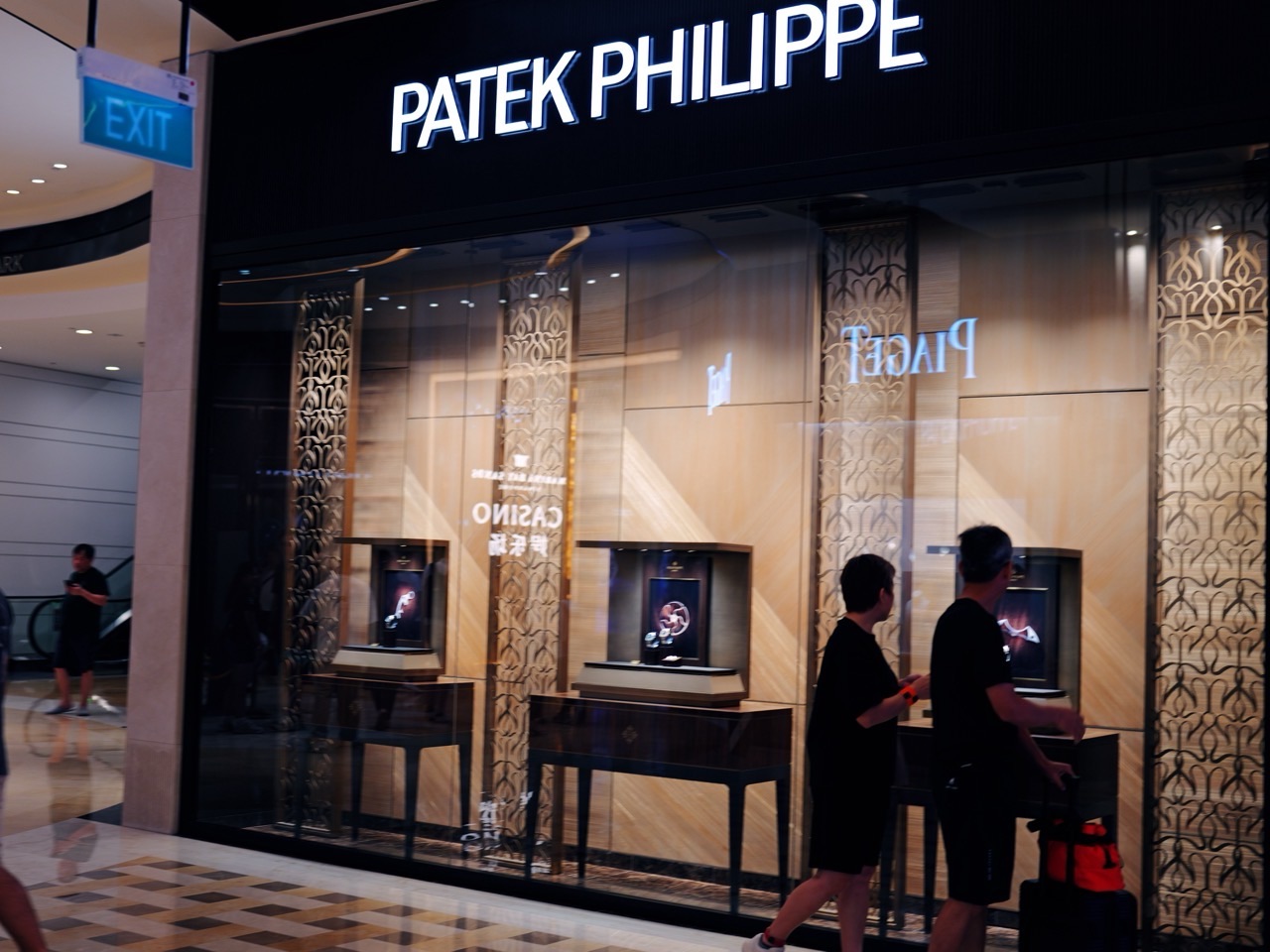
How does a shopping centre become a luxury destination rather than simply a building that contains expensive shops? Luxury retail works through brand adjacency, flagship stores, architecture, hospitality, privacy, service, visual merchandising, events, tourist spending, carefully managed circulation and a premium environment that supports both discovery and confidence. The product matters, but so does everything surrounding the product.
This guide explains luxury malls, flagship stores, premium retail, luxury brand mix, boutique leasing, visual merchandising, VIP service, tourist shopping, brand adjacencies and the economics of high-end retail. We will look at why luxury brands cluster, why flagship stores can be larger than their immediate sales require, how architecture becomes part of brand theatre, why customer service has to match the price promise, and how premium malls balance exclusivity with enough traffic to remain commercially alive.
Did you know that a luxury store can create value for neighbouring brands even when a visitor does not buy anything there? A globally recognised flagship can strengthen the reputation of an entire corridor, attract tourists, generate media attention and signal that the property belongs in a premium shopping circuit. This is why luxury leasing is partly about individual rent and partly about the collective status of the tenant mix.
For the leasing foundation, read Tenant Mix, Anchor Tenants and Retail Leasing. For experience strategy, continue with Pop-Ups, Experiential Retail and Entertainment.
Luxury Positioning
Luxury Positioning is one part of the larger shopping-centre system. Luxury retail depends on coherence between merchandise, service, environment and reputation. The useful question is not whether this element exists, but what customer mission it serves, what other tenants or spaces it influences and whether the economics can remain sustainable over time.
The mechanism is coordination. Premium tenants care about frontage, neighbouring brands, ceiling height, privacy, tourist access, events and the overall standard of the property. A mall works as a network, so one decision can change traffic, dwell time, visibility, staffing, logistics and the performance of neighbouring businesses. This is why category planning needs more than a list of famous brands.
Imagine the idea during a normal week rather than only on launch day. A flagship can attract visitors for product launches and architecture while smaller boutiques benefit from the same premium traffic. The centre learns whether the concept creates repeat behaviour, useful spillovers and a clear reason to visit. Novelty matters, but repeatability is what turns an idea into part of the mall’s operating rhythm.
For students, map the direct effect and then the second-order effect. A tenant may earn sales directly while also pulling people past other shops, extending evening traffic or making one entrance more important. This turns a familiar shopping trip into a lesson in systems thinking, geography and economics.
The result is strongest when the customer, tenant and landlord all receive durable value. The mall becomes a destination whose collective brand is stronger than any single shop. That alignment is what makes the category strategically useful rather than merely visually impressive.
Flagship Stores
Flagship Stores is one part of the larger shopping-centre system. Luxury retail depends on coherence between merchandise, service, environment and reputation. The useful question is not whether this element exists, but what customer mission it serves, what other tenants or spaces it influences and whether the economics can remain sustainable over time.
The mechanism is coordination. Premium tenants care about frontage, neighbouring brands, ceiling height, privacy, tourist access, events and the overall standard of the property. A mall works as a network, so one decision can change traffic, dwell time, visibility, staffing, logistics and the performance of neighbouring businesses. This is why category planning needs more than a list of famous brands.
Imagine the idea during a normal week rather than only on launch day. A flagship can attract visitors for product launches and architecture while smaller boutiques benefit from the same premium traffic. The centre learns whether the concept creates repeat behaviour, useful spillovers and a clear reason to visit. Novelty matters, but repeatability is what turns an idea into part of the mall’s operating rhythm.
For students, map the direct effect and then the second-order effect. A tenant may earn sales directly while also pulling people past other shops, extending evening traffic or making one entrance more important. This turns a familiar shopping trip into a lesson in systems thinking, geography and economics.
The result is strongest when the customer, tenant and landlord all receive durable value. The mall becomes a destination whose collective brand is stronger than any single shop. That alignment is what makes the category strategically useful rather than merely visually impressive.
Maison and Boutique Formats
Maison and Boutique Formats is one part of the larger shopping-centre system. Luxury retail depends on coherence between merchandise, service, environment and reputation. The useful question is not whether this element exists, but what customer mission it serves, what other tenants or spaces it influences and whether the economics can remain sustainable over time.
The mechanism is coordination. Premium tenants care about frontage, neighbouring brands, ceiling height, privacy, tourist access, events and the overall standard of the property. A mall works as a network, so one decision can change traffic, dwell time, visibility, staffing, logistics and the performance of neighbouring businesses. This is why category planning needs more than a list of famous brands.
Imagine the idea during a normal week rather than only on launch day. A flagship can attract visitors for product launches and architecture while smaller boutiques benefit from the same premium traffic. The centre learns whether the concept creates repeat behaviour, useful spillovers and a clear reason to visit. Novelty matters, but repeatability is what turns an idea into part of the mall’s operating rhythm.
For students, map the direct effect and then the second-order effect. A tenant may earn sales directly while also pulling people past other shops, extending evening traffic or making one entrance more important. This turns a familiar shopping trip into a lesson in systems thinking, geography and economics.
The result is strongest when the customer, tenant and landlord all receive durable value. The mall becomes a destination whose collective brand is stronger than any single shop. That alignment is what makes the category strategically useful rather than merely visually impressive.
Brand Adjacency
Brand Adjacency is one part of the larger shopping-centre system. Luxury retail depends on coherence between merchandise, service, environment and reputation. The useful question is not whether this element exists, but what customer mission it serves, what other tenants or spaces it influences and whether the economics can remain sustainable over time.
The mechanism is coordination. Premium tenants care about frontage, neighbouring brands, ceiling height, privacy, tourist access, events and the overall standard of the property. A mall works as a network, so one decision can change traffic, dwell time, visibility, staffing, logistics and the performance of neighbouring businesses. This is why category planning needs more than a list of famous brands.
Imagine the idea during a normal week rather than only on launch day. A flagship can attract visitors for product launches and architecture while smaller boutiques benefit from the same premium traffic. The centre learns whether the concept creates repeat behaviour, useful spillovers and a clear reason to visit. Novelty matters, but repeatability is what turns an idea into part of the mall’s operating rhythm.
For students, map the direct effect and then the second-order effect. A tenant may earn sales directly while also pulling people past other shops, extending evening traffic or making one entrance more important. This turns a familiar shopping trip into a lesson in systems thinking, geography and economics.
The result is strongest when the customer, tenant and landlord all receive durable value. The mall becomes a destination whose collective brand is stronger than any single shop. That alignment is what makes the category strategically useful rather than merely visually impressive.
Luxury Clustering
Luxury Clustering is one part of the larger shopping-centre system. Luxury retail depends on coherence between merchandise, service, environment and reputation. The useful question is not whether this element exists, but what customer mission it serves, what other tenants or spaces it influences and whether the economics can remain sustainable over time.
The mechanism is coordination. Premium tenants care about frontage, neighbouring brands, ceiling height, privacy, tourist access, events and the overall standard of the property. A mall works as a network, so one decision can change traffic, dwell time, visibility, staffing, logistics and the performance of neighbouring businesses. This is why category planning needs more than a list of famous brands.
Imagine the idea during a normal week rather than only on launch day. A flagship can attract visitors for product launches and architecture while smaller boutiques benefit from the same premium traffic. The centre learns whether the concept creates repeat behaviour, useful spillovers and a clear reason to visit. Novelty matters, but repeatability is what turns an idea into part of the mall’s operating rhythm.
For students, map the direct effect and then the second-order effect. A tenant may earn sales directly while also pulling people past other shops, extending evening traffic or making one entrance more important. This turns a familiar shopping trip into a lesson in systems thinking, geography and economics.
The result is strongest when the customer, tenant and landlord all receive durable value. The mall becomes a destination whose collective brand is stronger than any single shop. That alignment is what makes the category strategically useful rather than merely visually impressive.
Prestige Anchors
Prestige Anchors is one part of the larger shopping-centre system. Luxury retail depends on coherence between merchandise, service, environment and reputation. The useful question is not whether this element exists, but what customer mission it serves, what other tenants or spaces it influences and whether the economics can remain sustainable over time.
The mechanism is coordination. Premium tenants care about frontage, neighbouring brands, ceiling height, privacy, tourist access, events and the overall standard of the property. A mall works as a network, so one decision can change traffic, dwell time, visibility, staffing, logistics and the performance of neighbouring businesses. This is why category planning needs more than a list of famous brands.
Imagine the idea during a normal week rather than only on launch day. A flagship can attract visitors for product launches and architecture while smaller boutiques benefit from the same premium traffic. The centre learns whether the concept creates repeat behaviour, useful spillovers and a clear reason to visit. Novelty matters, but repeatability is what turns an idea into part of the mall’s operating rhythm.
For students, map the direct effect and then the second-order effect. A tenant may earn sales directly while also pulling people past other shops, extending evening traffic or making one entrance more important. This turns a familiar shopping trip into a lesson in systems thinking, geography and economics.
The result is strongest when the customer, tenant and landlord all receive durable value. The mall becomes a destination whose collective brand is stronger than any single shop. That alignment is what makes the category strategically useful rather than merely visually impressive.
Fashion Houses
Fashion Houses is one part of the larger shopping-centre system. Luxury retail depends on coherence between merchandise, service, environment and reputation. The useful question is not whether this element exists, but what customer mission it serves, what other tenants or spaces it influences and whether the economics can remain sustainable over time.
The mechanism is coordination. Premium tenants care about frontage, neighbouring brands, ceiling height, privacy, tourist access, events and the overall standard of the property. A mall works as a network, so one decision can change traffic, dwell time, visibility, staffing, logistics and the performance of neighbouring businesses. This is why category planning needs more than a list of famous brands.
Imagine the idea during a normal week rather than only on launch day. A flagship can attract visitors for product launches and architecture while smaller boutiques benefit from the same premium traffic. The centre learns whether the concept creates repeat behaviour, useful spillovers and a clear reason to visit. Novelty matters, but repeatability is what turns an idea into part of the mall’s operating rhythm.
For students, map the direct effect and then the second-order effect. A tenant may earn sales directly while also pulling people past other shops, extending evening traffic or making one entrance more important. This turns a familiar shopping trip into a lesson in systems thinking, geography and economics.
The result is strongest when the customer, tenant and landlord all receive durable value. The mall becomes a destination whose collective brand is stronger than any single shop. That alignment is what makes the category strategically useful rather than merely visually impressive.
Watches and Jewellery
Watches and Jewellery is one part of the larger shopping-centre system. Luxury retail depends on coherence between merchandise, service, environment and reputation. The useful question is not whether this element exists, but what customer mission it serves, what other tenants or spaces it influences and whether the economics can remain sustainable over time.
The mechanism is coordination. Premium tenants care about frontage, neighbouring brands, ceiling height, privacy, tourist access, events and the overall standard of the property. A mall works as a network, so one decision can change traffic, dwell time, visibility, staffing, logistics and the performance of neighbouring businesses. This is why category planning needs more than a list of famous brands.
Imagine the idea during a normal week rather than only on launch day. A flagship can attract visitors for product launches and architecture while smaller boutiques benefit from the same premium traffic. The centre learns whether the concept creates repeat behaviour, useful spillovers and a clear reason to visit. Novelty matters, but repeatability is what turns an idea into part of the mall’s operating rhythm.
For students, map the direct effect and then the second-order effect. A tenant may earn sales directly while also pulling people past other shops, extending evening traffic or making one entrance more important. This turns a familiar shopping trip into a lesson in systems thinking, geography and economics.
The result is strongest when the customer, tenant and landlord all receive durable value. The mall becomes a destination whose collective brand is stronger than any single shop. That alignment is what makes the category strategically useful rather than merely visually impressive.
Beauty and Fragrance
Beauty and Fragrance is one part of the larger shopping-centre system. Luxury retail depends on coherence between merchandise, service, environment and reputation. The useful question is not whether this element exists, but what customer mission it serves, what other tenants or spaces it influences and whether the economics can remain sustainable over time.
The mechanism is coordination. Premium tenants care about frontage, neighbouring brands, ceiling height, privacy, tourist access, events and the overall standard of the property. A mall works as a network, so one decision can change traffic, dwell time, visibility, staffing, logistics and the performance of neighbouring businesses. This is why category planning needs more than a list of famous brands.
Imagine the idea during a normal week rather than only on launch day. A flagship can attract visitors for product launches and architecture while smaller boutiques benefit from the same premium traffic. The centre learns whether the concept creates repeat behaviour, useful spillovers and a clear reason to visit. Novelty matters, but repeatability is what turns an idea into part of the mall’s operating rhythm.
For students, map the direct effect and then the second-order effect. A tenant may earn sales directly while also pulling people past other shops, extending evening traffic or making one entrance more important. This turns a familiar shopping trip into a lesson in systems thinking, geography and economics.
The result is strongest when the customer, tenant and landlord all receive durable value. The mall becomes a destination whose collective brand is stronger than any single shop. That alignment is what makes the category strategically useful rather than merely visually impressive.
Premium Dining
Premium Dining is one part of the larger shopping-centre system. Luxury retail depends on coherence between merchandise, service, environment and reputation. The useful question is not whether this element exists, but what customer mission it serves, what other tenants or spaces it influences and whether the economics can remain sustainable over time.
The mechanism is coordination. Premium tenants care about frontage, neighbouring brands, ceiling height, privacy, tourist access, events and the overall standard of the property. A mall works as a network, so one decision can change traffic, dwell time, visibility, staffing, logistics and the performance of neighbouring businesses. This is why category planning needs more than a list of famous brands.
Imagine the idea during a normal week rather than only on launch day. A flagship can attract visitors for product launches and architecture while smaller boutiques benefit from the same premium traffic. The centre learns whether the concept creates repeat behaviour, useful spillovers and a clear reason to visit. Novelty matters, but repeatability is what turns an idea into part of the mall’s operating rhythm.
For students, map the direct effect and then the second-order effect. A tenant may earn sales directly while also pulling people past other shops, extending evening traffic or making one entrance more important. This turns a familiar shopping trip into a lesson in systems thinking, geography and economics.
The result is strongest when the customer, tenant and landlord all receive durable value. The mall becomes a destination whose collective brand is stronger than any single shop. That alignment is what makes the category strategically useful rather than merely visually impressive.
Luxury Services
Luxury Services is one part of the larger shopping-centre system. Luxury retail depends on coherence between merchandise, service, environment and reputation. The useful question is not whether this element exists, but what customer mission it serves, what other tenants or spaces it influences and whether the economics can remain sustainable over time.
The mechanism is coordination. Premium tenants care about frontage, neighbouring brands, ceiling height, privacy, tourist access, events and the overall standard of the property. A mall works as a network, so one decision can change traffic, dwell time, visibility, staffing, logistics and the performance of neighbouring businesses. This is why category planning needs more than a list of famous brands.
Imagine the idea during a normal week rather than only on launch day. A flagship can attract visitors for product launches and architecture while smaller boutiques benefit from the same premium traffic. The centre learns whether the concept creates repeat behaviour, useful spillovers and a clear reason to visit. Novelty matters, but repeatability is what turns an idea into part of the mall’s operating rhythm.
For students, map the direct effect and then the second-order effect. A tenant may earn sales directly while also pulling people past other shops, extending evening traffic or making one entrance more important. This turns a familiar shopping trip into a lesson in systems thinking, geography and economics.
The result is strongest when the customer, tenant and landlord all receive durable value. The mall becomes a destination whose collective brand is stronger than any single shop. That alignment is what makes the category strategically useful rather than merely visually impressive.
Tourist Shopping
Tourist Shopping is one part of the larger shopping-centre system. Luxury retail depends on coherence between merchandise, service, environment and reputation. The useful question is not whether this element exists, but what customer mission it serves, what other tenants or spaces it influences and whether the economics can remain sustainable over time.
The mechanism is coordination. Premium tenants care about frontage, neighbouring brands, ceiling height, privacy, tourist access, events and the overall standard of the property. A mall works as a network, so one decision can change traffic, dwell time, visibility, staffing, logistics and the performance of neighbouring businesses. This is why category planning needs more than a list of famous brands.
Imagine the idea during a normal week rather than only on launch day. A flagship can attract visitors for product launches and architecture while smaller boutiques benefit from the same premium traffic. The centre learns whether the concept creates repeat behaviour, useful spillovers and a clear reason to visit. Novelty matters, but repeatability is what turns an idea into part of the mall’s operating rhythm.
For students, map the direct effect and then the second-order effect. A tenant may earn sales directly while also pulling people past other shops, extending evening traffic or making one entrance more important. This turns a familiar shopping trip into a lesson in systems thinking, geography and economics.
The result is strongest when the customer, tenant and landlord all receive durable value. The mall becomes a destination whose collective brand is stronger than any single shop. That alignment is what makes the category strategically useful rather than merely visually impressive.
Hotel Connections
Hotel Connections is one part of the larger shopping-centre system. Luxury retail depends on coherence between merchandise, service, environment and reputation. The useful question is not whether this element exists, but what customer mission it serves, what other tenants or spaces it influences and whether the economics can remain sustainable over time.
The mechanism is coordination. Premium tenants care about frontage, neighbouring brands, ceiling height, privacy, tourist access, events and the overall standard of the property. A mall works as a network, so one decision can change traffic, dwell time, visibility, staffing, logistics and the performance of neighbouring businesses. This is why category planning needs more than a list of famous brands.
Imagine the idea during a normal week rather than only on launch day. A flagship can attract visitors for product launches and architecture while smaller boutiques benefit from the same premium traffic. The centre learns whether the concept creates repeat behaviour, useful spillovers and a clear reason to visit. Novelty matters, but repeatability is what turns an idea into part of the mall’s operating rhythm.
For students, map the direct effect and then the second-order effect. A tenant may earn sales directly while also pulling people past other shops, extending evening traffic or making one entrance more important. This turns a familiar shopping trip into a lesson in systems thinking, geography and economics.
The result is strongest when the customer, tenant and landlord all receive durable value. The mall becomes a destination whose collective brand is stronger than any single shop. That alignment is what makes the category strategically useful rather than merely visually impressive.
Orchard Road
Orchard Road is one part of the larger shopping-centre system. Luxury retail depends on coherence between merchandise, service, environment and reputation. The useful question is not whether this element exists, but what customer mission it serves, what other tenants or spaces it influences and whether the economics can remain sustainable over time.
The mechanism is coordination. Premium tenants care about frontage, neighbouring brands, ceiling height, privacy, tourist access, events and the overall standard of the property. A mall works as a network, so one decision can change traffic, dwell time, visibility, staffing, logistics and the performance of neighbouring businesses. This is why category planning needs more than a list of famous brands.
Imagine the idea during a normal week rather than only on launch day. A flagship can attract visitors for product launches and architecture while smaller boutiques benefit from the same premium traffic. The centre learns whether the concept creates repeat behaviour, useful spillovers and a clear reason to visit. Novelty matters, but repeatability is what turns an idea into part of the mall’s operating rhythm.
For students, map the direct effect and then the second-order effect. A tenant may earn sales directly while also pulling people past other shops, extending evening traffic or making one entrance more important. This turns a familiar shopping trip into a lesson in systems thinking, geography and economics.
The result is strongest when the customer, tenant and landlord all receive durable value. The mall becomes a destination whose collective brand is stronger than any single shop. That alignment is what makes the category strategically useful rather than merely visually impressive.
Marina Bay
Marina Bay is one part of the larger shopping-centre system. Luxury retail depends on coherence between merchandise, service, environment and reputation. The useful question is not whether this element exists, but what customer mission it serves, what other tenants or spaces it influences and whether the economics can remain sustainable over time.
The mechanism is coordination. Premium tenants care about frontage, neighbouring brands, ceiling height, privacy, tourist access, events and the overall standard of the property. A mall works as a network, so one decision can change traffic, dwell time, visibility, staffing, logistics and the performance of neighbouring businesses. This is why category planning needs more than a list of famous brands.
Imagine the idea during a normal week rather than only on launch day. A flagship can attract visitors for product launches and architecture while smaller boutiques benefit from the same premium traffic. The centre learns whether the concept creates repeat behaviour, useful spillovers and a clear reason to visit. Novelty matters, but repeatability is what turns an idea into part of the mall’s operating rhythm.
For students, map the direct effect and then the second-order effect. A tenant may earn sales directly while also pulling people past other shops, extending evening traffic or making one entrance more important. This turns a familiar shopping trip into a lesson in systems thinking, geography and economics.
The result is strongest when the customer, tenant and landlord all receive durable value. The mall becomes a destination whose collective brand is stronger than any single shop. That alignment is what makes the category strategically useful rather than merely visually impressive.
Global Brand Launches
Global Brand Launches is one part of the larger shopping-centre system. Luxury retail depends on coherence between merchandise, service, environment and reputation. The useful question is not whether this element exists, but what customer mission it serves, what other tenants or spaces it influences and whether the economics can remain sustainable over time.
The mechanism is coordination. Premium tenants care about frontage, neighbouring brands, ceiling height, privacy, tourist access, events and the overall standard of the property. A mall works as a network, so one decision can change traffic, dwell time, visibility, staffing, logistics and the performance of neighbouring businesses. This is why category planning needs more than a list of famous brands.
Imagine the idea during a normal week rather than only on launch day. A flagship can attract visitors for product launches and architecture while smaller boutiques benefit from the same premium traffic. The centre learns whether the concept creates repeat behaviour, useful spillovers and a clear reason to visit. Novelty matters, but repeatability is what turns an idea into part of the mall’s operating rhythm.
For students, map the direct effect and then the second-order effect. A tenant may earn sales directly while also pulling people past other shops, extending evening traffic or making one entrance more important. This turns a familiar shopping trip into a lesson in systems thinking, geography and economics.
The result is strongest when the customer, tenant and landlord all receive durable value. The mall becomes a destination whose collective brand is stronger than any single shop. That alignment is what makes the category strategically useful rather than merely visually impressive.
Limited Editions
Limited Editions is one part of the larger shopping-centre system. Luxury retail depends on coherence between merchandise, service, environment and reputation. The useful question is not whether this element exists, but what customer mission it serves, what other tenants or spaces it influences and whether the economics can remain sustainable over time.
The mechanism is coordination. Premium tenants care about frontage, neighbouring brands, ceiling height, privacy, tourist access, events and the overall standard of the property. A mall works as a network, so one decision can change traffic, dwell time, visibility, staffing, logistics and the performance of neighbouring businesses. This is why category planning needs more than a list of famous brands.
Imagine the idea during a normal week rather than only on launch day. A flagship can attract visitors for product launches and architecture while smaller boutiques benefit from the same premium traffic. The centre learns whether the concept creates repeat behaviour, useful spillovers and a clear reason to visit. Novelty matters, but repeatability is what turns an idea into part of the mall’s operating rhythm.
For students, map the direct effect and then the second-order effect. A tenant may earn sales directly while also pulling people past other shops, extending evening traffic or making one entrance more important. This turns a familiar shopping trip into a lesson in systems thinking, geography and economics.
The result is strongest when the customer, tenant and landlord all receive durable value. The mall becomes a destination whose collective brand is stronger than any single shop. That alignment is what makes the category strategically useful rather than merely visually impressive.
Exclusive Products
Exclusive Products is one part of the larger shopping-centre system. Luxury retail depends on coherence between merchandise, service, environment and reputation. The useful question is not whether this element exists, but what customer mission it serves, what other tenants or spaces it influences and whether the economics can remain sustainable over time.
The mechanism is coordination. Premium tenants care about frontage, neighbouring brands, ceiling height, privacy, tourist access, events and the overall standard of the property. A mall works as a network, so one decision can change traffic, dwell time, visibility, staffing, logistics and the performance of neighbouring businesses. This is why category planning needs more than a list of famous brands.
Imagine the idea during a normal week rather than only on launch day. A flagship can attract visitors for product launches and architecture while smaller boutiques benefit from the same premium traffic. The centre learns whether the concept creates repeat behaviour, useful spillovers and a clear reason to visit. Novelty matters, but repeatability is what turns an idea into part of the mall’s operating rhythm.
For students, map the direct effect and then the second-order effect. A tenant may earn sales directly while also pulling people past other shops, extending evening traffic or making one entrance more important. This turns a familiar shopping trip into a lesson in systems thinking, geography and economics.
The result is strongest when the customer, tenant and landlord all receive durable value. The mall becomes a destination whose collective brand is stronger than any single shop. That alignment is what makes the category strategically useful rather than merely visually impressive.
Private Appointments
Private Appointments is one part of the larger shopping-centre system. Luxury retail depends on coherence between merchandise, service, environment and reputation. The useful question is not whether this element exists, but what customer mission it serves, what other tenants or spaces it influences and whether the economics can remain sustainable over time.
The mechanism is coordination. Premium tenants care about frontage, neighbouring brands, ceiling height, privacy, tourist access, events and the overall standard of the property. A mall works as a network, so one decision can change traffic, dwell time, visibility, staffing, logistics and the performance of neighbouring businesses. This is why category planning needs more than a list of famous brands.
Imagine the idea during a normal week rather than only on launch day. A flagship can attract visitors for product launches and architecture while smaller boutiques benefit from the same premium traffic. The centre learns whether the concept creates repeat behaviour, useful spillovers and a clear reason to visit. Novelty matters, but repeatability is what turns an idea into part of the mall’s operating rhythm.
For students, map the direct effect and then the second-order effect. A tenant may earn sales directly while also pulling people past other shops, extending evening traffic or making one entrance more important. This turns a familiar shopping trip into a lesson in systems thinking, geography and economics.
The result is strongest when the customer, tenant and landlord all receive durable value. The mall becomes a destination whose collective brand is stronger than any single shop. That alignment is what makes the category strategically useful rather than merely visually impressive.
VIP Rooms
VIP Rooms is one part of the larger shopping-centre system. Luxury retail depends on coherence between merchandise, service, environment and reputation. The useful question is not whether this element exists, but what customer mission it serves, what other tenants or spaces it influences and whether the economics can remain sustainable over time.
The mechanism is coordination. Premium tenants care about frontage, neighbouring brands, ceiling height, privacy, tourist access, events and the overall standard of the property. A mall works as a network, so one decision can change traffic, dwell time, visibility, staffing, logistics and the performance of neighbouring businesses. This is why category planning needs more than a list of famous brands.
Imagine the idea during a normal week rather than only on launch day. A flagship can attract visitors for product launches and architecture while smaller boutiques benefit from the same premium traffic. The centre learns whether the concept creates repeat behaviour, useful spillovers and a clear reason to visit. Novelty matters, but repeatability is what turns an idea into part of the mall’s operating rhythm.
For students, map the direct effect and then the second-order effect. A tenant may earn sales directly while also pulling people past other shops, extending evening traffic or making one entrance more important. This turns a familiar shopping trip into a lesson in systems thinking, geography and economics.
The result is strongest when the customer, tenant and landlord all receive durable value. The mall becomes a destination whose collective brand is stronger than any single shop. That alignment is what makes the category strategically useful rather than merely visually impressive.
Clienteling
Clienteling is one part of the larger shopping-centre system. Luxury retail depends on coherence between merchandise, service, environment and reputation. The useful question is not whether this element exists, but what customer mission it serves, what other tenants or spaces it influences and whether the economics can remain sustainable over time.
The mechanism is coordination. Premium tenants care about frontage, neighbouring brands, ceiling height, privacy, tourist access, events and the overall standard of the property. A mall works as a network, so one decision can change traffic, dwell time, visibility, staffing, logistics and the performance of neighbouring businesses. This is why category planning needs more than a list of famous brands.
Imagine the idea during a normal week rather than only on launch day. A flagship can attract visitors for product launches and architecture while smaller boutiques benefit from the same premium traffic. The centre learns whether the concept creates repeat behaviour, useful spillovers and a clear reason to visit. Novelty matters, but repeatability is what turns an idea into part of the mall’s operating rhythm.
For students, map the direct effect and then the second-order effect. A tenant may earn sales directly while also pulling people past other shops, extending evening traffic or making one entrance more important. This turns a familiar shopping trip into a lesson in systems thinking, geography and economics.
The result is strongest when the customer, tenant and landlord all receive durable value. The mall becomes a destination whose collective brand is stronger than any single shop. That alignment is what makes the category strategically useful rather than merely visually impressive.
Concierge Service
Concierge Service is one part of the larger shopping-centre system. Luxury retail depends on coherence between merchandise, service, environment and reputation. The useful question is not whether this element exists, but what customer mission it serves, what other tenants or spaces it influences and whether the economics can remain sustainable over time.
The mechanism is coordination. Premium tenants care about frontage, neighbouring brands, ceiling height, privacy, tourist access, events and the overall standard of the property. A mall works as a network, so one decision can change traffic, dwell time, visibility, staffing, logistics and the performance of neighbouring businesses. This is why category planning needs more than a list of famous brands.
Imagine the idea during a normal week rather than only on launch day. A flagship can attract visitors for product launches and architecture while smaller boutiques benefit from the same premium traffic. The centre learns whether the concept creates repeat behaviour, useful spillovers and a clear reason to visit. Novelty matters, but repeatability is what turns an idea into part of the mall’s operating rhythm.
For students, map the direct effect and then the second-order effect. A tenant may earn sales directly while also pulling people past other shops, extending evening traffic or making one entrance more important. This turns a familiar shopping trip into a lesson in systems thinking, geography and economics.
The result is strongest when the customer, tenant and landlord all receive durable value. The mall becomes a destination whose collective brand is stronger than any single shop. That alignment is what makes the category strategically useful rather than merely visually impressive.
Personal Shopping
Personal Shopping is one part of the larger shopping-centre system. Luxury retail depends on coherence between merchandise, service, environment and reputation. The useful question is not whether this element exists, but what customer mission it serves, what other tenants or spaces it influences and whether the economics can remain sustainable over time.
The mechanism is coordination. Premium tenants care about frontage, neighbouring brands, ceiling height, privacy, tourist access, events and the overall standard of the property. A mall works as a network, so one decision can change traffic, dwell time, visibility, staffing, logistics and the performance of neighbouring businesses. This is why category planning needs more than a list of famous brands.
Imagine the idea during a normal week rather than only on launch day. A flagship can attract visitors for product launches and architecture while smaller boutiques benefit from the same premium traffic. The centre learns whether the concept creates repeat behaviour, useful spillovers and a clear reason to visit. Novelty matters, but repeatability is what turns an idea into part of the mall’s operating rhythm.
For students, map the direct effect and then the second-order effect. A tenant may earn sales directly while also pulling people past other shops, extending evening traffic or making one entrance more important. This turns a familiar shopping trip into a lesson in systems thinking, geography and economics.
The result is strongest when the customer, tenant and landlord all receive durable value. The mall becomes a destination whose collective brand is stronger than any single shop. That alignment is what makes the category strategically useful rather than merely visually impressive.
Hospitality
Hospitality is one part of the larger shopping-centre system. Luxury retail depends on coherence between merchandise, service, environment and reputation. The useful question is not whether this element exists, but what customer mission it serves, what other tenants or spaces it influences and whether the economics can remain sustainable over time.
The mechanism is coordination. Premium tenants care about frontage, neighbouring brands, ceiling height, privacy, tourist access, events and the overall standard of the property. A mall works as a network, so one decision can change traffic, dwell time, visibility, staffing, logistics and the performance of neighbouring businesses. This is why category planning needs more than a list of famous brands.
Imagine the idea during a normal week rather than only on launch day. A flagship can attract visitors for product launches and architecture while smaller boutiques benefit from the same premium traffic. The centre learns whether the concept creates repeat behaviour, useful spillovers and a clear reason to visit. Novelty matters, but repeatability is what turns an idea into part of the mall’s operating rhythm.
For students, map the direct effect and then the second-order effect. A tenant may earn sales directly while also pulling people past other shops, extending evening traffic or making one entrance more important. This turns a familiar shopping trip into a lesson in systems thinking, geography and economics.
The result is strongest when the customer, tenant and landlord all receive durable value. The mall becomes a destination whose collective brand is stronger than any single shop. That alignment is what makes the category strategically useful rather than merely visually impressive.
Valet and Arrival
Valet and Arrival is one part of the larger shopping-centre system. Luxury retail depends on coherence between merchandise, service, environment and reputation. The useful question is not whether this element exists, but what customer mission it serves, what other tenants or spaces it influences and whether the economics can remain sustainable over time.
The mechanism is coordination. Premium tenants care about frontage, neighbouring brands, ceiling height, privacy, tourist access, events and the overall standard of the property. A mall works as a network, so one decision can change traffic, dwell time, visibility, staffing, logistics and the performance of neighbouring businesses. This is why category planning needs more than a list of famous brands.
Imagine the idea during a normal week rather than only on launch day. A flagship can attract visitors for product launches and architecture while smaller boutiques benefit from the same premium traffic. The centre learns whether the concept creates repeat behaviour, useful spillovers and a clear reason to visit. Novelty matters, but repeatability is what turns an idea into part of the mall’s operating rhythm.
For students, map the direct effect and then the second-order effect. A tenant may earn sales directly while also pulling people past other shops, extending evening traffic or making one entrance more important. This turns a familiar shopping trip into a lesson in systems thinking, geography and economics.
The result is strongest when the customer, tenant and landlord all receive durable value. The mall becomes a destination whose collective brand is stronger than any single shop. That alignment is what makes the category strategically useful rather than merely visually impressive.
Taxi and Chauffeur Access
Taxi and Chauffeur Access is one part of the larger shopping-centre system. Luxury retail depends on coherence between merchandise, service, environment and reputation. The useful question is not whether this element exists, but what customer mission it serves, what other tenants or spaces it influences and whether the economics can remain sustainable over time.
The mechanism is coordination. Premium tenants care about frontage, neighbouring brands, ceiling height, privacy, tourist access, events and the overall standard of the property. A mall works as a network, so one decision can change traffic, dwell time, visibility, staffing, logistics and the performance of neighbouring businesses. This is why category planning needs more than a list of famous brands.
Imagine the idea during a normal week rather than only on launch day. A flagship can attract visitors for product launches and architecture while smaller boutiques benefit from the same premium traffic. The centre learns whether the concept creates repeat behaviour, useful spillovers and a clear reason to visit. Novelty matters, but repeatability is what turns an idea into part of the mall’s operating rhythm.
For students, map the direct effect and then the second-order effect. A tenant may earn sales directly while also pulling people past other shops, extending evening traffic or making one entrance more important. This turns a familiar shopping trip into a lesson in systems thinking, geography and economics.
The result is strongest when the customer, tenant and landlord all receive durable value. The mall becomes a destination whose collective brand is stronger than any single shop. That alignment is what makes the category strategically useful rather than merely visually impressive.
Premium Parking
Premium Parking is one part of the larger shopping-centre system. Luxury retail depends on coherence between merchandise, service, environment and reputation. The useful question is not whether this element exists, but what customer mission it serves, what other tenants or spaces it influences and whether the economics can remain sustainable over time.
The mechanism is coordination. Premium tenants care about frontage, neighbouring brands, ceiling height, privacy, tourist access, events and the overall standard of the property. A mall works as a network, so one decision can change traffic, dwell time, visibility, staffing, logistics and the performance of neighbouring businesses. This is why category planning needs more than a list of famous brands.
Imagine the idea during a normal week rather than only on launch day. A flagship can attract visitors for product launches and architecture while smaller boutiques benefit from the same premium traffic. The centre learns whether the concept creates repeat behaviour, useful spillovers and a clear reason to visit. Novelty matters, but repeatability is what turns an idea into part of the mall’s operating rhythm.
For students, map the direct effect and then the second-order effect. A tenant may earn sales directly while also pulling people past other shops, extending evening traffic or making one entrance more important. This turns a familiar shopping trip into a lesson in systems thinking, geography and economics.
The result is strongest when the customer, tenant and landlord all receive durable value. The mall becomes a destination whose collective brand is stronger than any single shop. That alignment is what makes the category strategically useful rather than merely visually impressive.
Architecture
Architecture is one part of the larger shopping-centre system. Luxury retail depends on coherence between merchandise, service, environment and reputation. The useful question is not whether this element exists, but what customer mission it serves, what other tenants or spaces it influences and whether the economics can remain sustainable over time.
The mechanism is coordination. Premium tenants care about frontage, neighbouring brands, ceiling height, privacy, tourist access, events and the overall standard of the property. A mall works as a network, so one decision can change traffic, dwell time, visibility, staffing, logistics and the performance of neighbouring businesses. This is why category planning needs more than a list of famous brands.
Imagine the idea during a normal week rather than only on launch day. A flagship can attract visitors for product launches and architecture while smaller boutiques benefit from the same premium traffic. The centre learns whether the concept creates repeat behaviour, useful spillovers and a clear reason to visit. Novelty matters, but repeatability is what turns an idea into part of the mall’s operating rhythm.
For students, map the direct effect and then the second-order effect. A tenant may earn sales directly while also pulling people past other shops, extending evening traffic or making one entrance more important. This turns a familiar shopping trip into a lesson in systems thinking, geography and economics.
The result is strongest when the customer, tenant and landlord all receive durable value. The mall becomes a destination whose collective brand is stronger than any single shop. That alignment is what makes the category strategically useful rather than merely visually impressive.
Façades
Façades is one part of the larger shopping-centre system. Luxury retail depends on coherence between merchandise, service, environment and reputation. The useful question is not whether this element exists, but what customer mission it serves, what other tenants or spaces it influences and whether the economics can remain sustainable over time.
The mechanism is coordination. Premium tenants care about frontage, neighbouring brands, ceiling height, privacy, tourist access, events and the overall standard of the property. A mall works as a network, so one decision can change traffic, dwell time, visibility, staffing, logistics and the performance of neighbouring businesses. This is why category planning needs more than a list of famous brands.
Imagine the idea during a normal week rather than only on launch day. A flagship can attract visitors for product launches and architecture while smaller boutiques benefit from the same premium traffic. The centre learns whether the concept creates repeat behaviour, useful spillovers and a clear reason to visit. Novelty matters, but repeatability is what turns an idea into part of the mall’s operating rhythm.
For students, map the direct effect and then the second-order effect. A tenant may earn sales directly while also pulling people past other shops, extending evening traffic or making one entrance more important. This turns a familiar shopping trip into a lesson in systems thinking, geography and economics.
The result is strongest when the customer, tenant and landlord all receive durable value. The mall becomes a destination whose collective brand is stronger than any single shop. That alignment is what makes the category strategically useful rather than merely visually impressive.
Atriums
Atriums is one part of the larger shopping-centre system. Luxury retail depends on coherence between merchandise, service, environment and reputation. The useful question is not whether this element exists, but what customer mission it serves, what other tenants or spaces it influences and whether the economics can remain sustainable over time.
The mechanism is coordination. Premium tenants care about frontage, neighbouring brands, ceiling height, privacy, tourist access, events and the overall standard of the property. A mall works as a network, so one decision can change traffic, dwell time, visibility, staffing, logistics and the performance of neighbouring businesses. This is why category planning needs more than a list of famous brands.
Imagine the idea during a normal week rather than only on launch day. A flagship can attract visitors for product launches and architecture while smaller boutiques benefit from the same premium traffic. The centre learns whether the concept creates repeat behaviour, useful spillovers and a clear reason to visit. Novelty matters, but repeatability is what turns an idea into part of the mall’s operating rhythm.
For students, map the direct effect and then the second-order effect. A tenant may earn sales directly while also pulling people past other shops, extending evening traffic or making one entrance more important. This turns a familiar shopping trip into a lesson in systems thinking, geography and economics.
The result is strongest when the customer, tenant and landlord all receive durable value. The mall becomes a destination whose collective brand is stronger than any single shop. That alignment is what makes the category strategically useful rather than merely visually impressive.
Ceiling Height
Ceiling Height is one part of the larger shopping-centre system. Luxury retail depends on coherence between merchandise, service, environment and reputation. The useful question is not whether this element exists, but what customer mission it serves, what other tenants or spaces it influences and whether the economics can remain sustainable over time.
The mechanism is coordination. Premium tenants care about frontage, neighbouring brands, ceiling height, privacy, tourist access, events and the overall standard of the property. A mall works as a network, so one decision can change traffic, dwell time, visibility, staffing, logistics and the performance of neighbouring businesses. This is why category planning needs more than a list of famous brands.
Imagine the idea during a normal week rather than only on launch day. A flagship can attract visitors for product launches and architecture while smaller boutiques benefit from the same premium traffic. The centre learns whether the concept creates repeat behaviour, useful spillovers and a clear reason to visit. Novelty matters, but repeatability is what turns an idea into part of the mall’s operating rhythm.
For students, map the direct effect and then the second-order effect. A tenant may earn sales directly while also pulling people past other shops, extending evening traffic or making one entrance more important. This turns a familiar shopping trip into a lesson in systems thinking, geography and economics.
The result is strongest when the customer, tenant and landlord all receive durable value. The mall becomes a destination whose collective brand is stronger than any single shop. That alignment is what makes the category strategically useful rather than merely visually impressive.
Materials
Materials is one part of the larger shopping-centre system. Luxury retail depends on coherence between merchandise, service, environment and reputation. The useful question is not whether this element exists, but what customer mission it serves, what other tenants or spaces it influences and whether the economics can remain sustainable over time.
The mechanism is coordination. Premium tenants care about frontage, neighbouring brands, ceiling height, privacy, tourist access, events and the overall standard of the property. A mall works as a network, so one decision can change traffic, dwell time, visibility, staffing, logistics and the performance of neighbouring businesses. This is why category planning needs more than a list of famous brands.
Imagine the idea during a normal week rather than only on launch day. A flagship can attract visitors for product launches and architecture while smaller boutiques benefit from the same premium traffic. The centre learns whether the concept creates repeat behaviour, useful spillovers and a clear reason to visit. Novelty matters, but repeatability is what turns an idea into part of the mall’s operating rhythm.
For students, map the direct effect and then the second-order effect. A tenant may earn sales directly while also pulling people past other shops, extending evening traffic or making one entrance more important. This turns a familiar shopping trip into a lesson in systems thinking, geography and economics.
The result is strongest when the customer, tenant and landlord all receive durable value. The mall becomes a destination whose collective brand is stronger than any single shop. That alignment is what makes the category strategically useful rather than merely visually impressive.
Lighting
Lighting is one part of the larger shopping-centre system. Luxury retail depends on coherence between merchandise, service, environment and reputation. The useful question is not whether this element exists, but what customer mission it serves, what other tenants or spaces it influences and whether the economics can remain sustainable over time.
The mechanism is coordination. Premium tenants care about frontage, neighbouring brands, ceiling height, privacy, tourist access, events and the overall standard of the property. A mall works as a network, so one decision can change traffic, dwell time, visibility, staffing, logistics and the performance of neighbouring businesses. This is why category planning needs more than a list of famous brands.
Imagine the idea during a normal week rather than only on launch day. A flagship can attract visitors for product launches and architecture while smaller boutiques benefit from the same premium traffic. The centre learns whether the concept creates repeat behaviour, useful spillovers and a clear reason to visit. Novelty matters, but repeatability is what turns an idea into part of the mall’s operating rhythm.
For students, map the direct effect and then the second-order effect. A tenant may earn sales directly while also pulling people past other shops, extending evening traffic or making one entrance more important. This turns a familiar shopping trip into a lesson in systems thinking, geography and economics.
The result is strongest when the customer, tenant and landlord all receive durable value. The mall becomes a destination whose collective brand is stronger than any single shop. That alignment is what makes the category strategically useful rather than merely visually impressive.
Acoustics
Acoustics is one part of the larger shopping-centre system. Luxury retail depends on coherence between merchandise, service, environment and reputation. The useful question is not whether this element exists, but what customer mission it serves, what other tenants or spaces it influences and whether the economics can remain sustainable over time.
The mechanism is coordination. Premium tenants care about frontage, neighbouring brands, ceiling height, privacy, tourist access, events and the overall standard of the property. A mall works as a network, so one decision can change traffic, dwell time, visibility, staffing, logistics and the performance of neighbouring businesses. This is why category planning needs more than a list of famous brands.
Imagine the idea during a normal week rather than only on launch day. A flagship can attract visitors for product launches and architecture while smaller boutiques benefit from the same premium traffic. The centre learns whether the concept creates repeat behaviour, useful spillovers and a clear reason to visit. Novelty matters, but repeatability is what turns an idea into part of the mall’s operating rhythm.
For students, map the direct effect and then the second-order effect. A tenant may earn sales directly while also pulling people past other shops, extending evening traffic or making one entrance more important. This turns a familiar shopping trip into a lesson in systems thinking, geography and economics.
The result is strongest when the customer, tenant and landlord all receive durable value. The mall becomes a destination whose collective brand is stronger than any single shop. That alignment is what makes the category strategically useful rather than merely visually impressive.
Visual Merchandising
Visual Merchandising is one part of the larger shopping-centre system. Luxury retail depends on coherence between merchandise, service, environment and reputation. The useful question is not whether this element exists, but what customer mission it serves, what other tenants or spaces it influences and whether the economics can remain sustainable over time.
The mechanism is coordination. Premium tenants care about frontage, neighbouring brands, ceiling height, privacy, tourist access, events and the overall standard of the property. A mall works as a network, so one decision can change traffic, dwell time, visibility, staffing, logistics and the performance of neighbouring businesses. This is why category planning needs more than a list of famous brands.
Imagine the idea during a normal week rather than only on launch day. A flagship can attract visitors for product launches and architecture while smaller boutiques benefit from the same premium traffic. The centre learns whether the concept creates repeat behaviour, useful spillovers and a clear reason to visit. Novelty matters, but repeatability is what turns an idea into part of the mall’s operating rhythm.
For students, map the direct effect and then the second-order effect. A tenant may earn sales directly while also pulling people past other shops, extending evening traffic or making one entrance more important. This turns a familiar shopping trip into a lesson in systems thinking, geography and economics.
The result is strongest when the customer, tenant and landlord all receive durable value. The mall becomes a destination whose collective brand is stronger than any single shop. That alignment is what makes the category strategically useful rather than merely visually impressive.
Window Displays
Window Displays is one part of the larger shopping-centre system. Luxury retail depends on coherence between merchandise, service, environment and reputation. The useful question is not whether this element exists, but what customer mission it serves, what other tenants or spaces it influences and whether the economics can remain sustainable over time.
The mechanism is coordination. Premium tenants care about frontage, neighbouring brands, ceiling height, privacy, tourist access, events and the overall standard of the property. A mall works as a network, so one decision can change traffic, dwell time, visibility, staffing, logistics and the performance of neighbouring businesses. This is why category planning needs more than a list of famous brands.
Imagine the idea during a normal week rather than only on launch day. A flagship can attract visitors for product launches and architecture while smaller boutiques benefit from the same premium traffic. The centre learns whether the concept creates repeat behaviour, useful spillovers and a clear reason to visit. Novelty matters, but repeatability is what turns an idea into part of the mall’s operating rhythm.
For students, map the direct effect and then the second-order effect. A tenant may earn sales directly while also pulling people past other shops, extending evening traffic or making one entrance more important. This turns a familiar shopping trip into a lesson in systems thinking, geography and economics.
The result is strongest when the customer, tenant and landlord all receive durable value. The mall becomes a destination whose collective brand is stronger than any single shop. That alignment is what makes the category strategically useful rather than merely visually impressive.
Storefront Design
Storefront Design is one part of the larger shopping-centre system. Luxury retail depends on coherence between merchandise, service, environment and reputation. The useful question is not whether this element exists, but what customer mission it serves, what other tenants or spaces it influences and whether the economics can remain sustainable over time.
The mechanism is coordination. Premium tenants care about frontage, neighbouring brands, ceiling height, privacy, tourist access, events and the overall standard of the property. A mall works as a network, so one decision can change traffic, dwell time, visibility, staffing, logistics and the performance of neighbouring businesses. This is why category planning needs more than a list of famous brands.
Imagine the idea during a normal week rather than only on launch day. A flagship can attract visitors for product launches and architecture while smaller boutiques benefit from the same premium traffic. The centre learns whether the concept creates repeat behaviour, useful spillovers and a clear reason to visit. Novelty matters, but repeatability is what turns an idea into part of the mall’s operating rhythm.
For students, map the direct effect and then the second-order effect. A tenant may earn sales directly while also pulling people past other shops, extending evening traffic or making one entrance more important. This turns a familiar shopping trip into a lesson in systems thinking, geography and economics.
The result is strongest when the customer, tenant and landlord all receive durable value. The mall becomes a destination whose collective brand is stronger than any single shop. That alignment is what makes the category strategically useful rather than merely visually impressive.
Brand Theatre
Brand Theatre is one part of the larger shopping-centre system. Luxury retail depends on coherence between merchandise, service, environment and reputation. The useful question is not whether this element exists, but what customer mission it serves, what other tenants or spaces it influences and whether the economics can remain sustainable over time.
The mechanism is coordination. Premium tenants care about frontage, neighbouring brands, ceiling height, privacy, tourist access, events and the overall standard of the property. A mall works as a network, so one decision can change traffic, dwell time, visibility, staffing, logistics and the performance of neighbouring businesses. This is why category planning needs more than a list of famous brands.
Imagine the idea during a normal week rather than only on launch day. A flagship can attract visitors for product launches and architecture while smaller boutiques benefit from the same premium traffic. The centre learns whether the concept creates repeat behaviour, useful spillovers and a clear reason to visit. Novelty matters, but repeatability is what turns an idea into part of the mall’s operating rhythm.
For students, map the direct effect and then the second-order effect. A tenant may earn sales directly while also pulling people past other shops, extending evening traffic or making one entrance more important. This turns a familiar shopping trip into a lesson in systems thinking, geography and economics.
The result is strongest when the customer, tenant and landlord all receive durable value. The mall becomes a destination whose collective brand is stronger than any single shop. That alignment is what makes the category strategically useful rather than merely visually impressive.
Art Installations
Art Installations is one part of the larger shopping-centre system. Luxury retail depends on coherence between merchandise, service, environment and reputation. The useful question is not whether this element exists, but what customer mission it serves, what other tenants or spaces it influences and whether the economics can remain sustainable over time.
The mechanism is coordination. Premium tenants care about frontage, neighbouring brands, ceiling height, privacy, tourist access, events and the overall standard of the property. A mall works as a network, so one decision can change traffic, dwell time, visibility, staffing, logistics and the performance of neighbouring businesses. This is why category planning needs more than a list of famous brands.
Imagine the idea during a normal week rather than only on launch day. A flagship can attract visitors for product launches and architecture while smaller boutiques benefit from the same premium traffic. The centre learns whether the concept creates repeat behaviour, useful spillovers and a clear reason to visit. Novelty matters, but repeatability is what turns an idea into part of the mall’s operating rhythm.
For students, map the direct effect and then the second-order effect. A tenant may earn sales directly while also pulling people past other shops, extending evening traffic or making one entrance more important. This turns a familiar shopping trip into a lesson in systems thinking, geography and economics.
The result is strongest when the customer, tenant and landlord all receive durable value. The mall becomes a destination whose collective brand is stronger than any single shop. That alignment is what makes the category strategically useful rather than merely visually impressive.
Fashion Events
Fashion Events is one part of the larger shopping-centre system. Luxury retail depends on coherence between merchandise, service, environment and reputation. The useful question is not whether this element exists, but what customer mission it serves, what other tenants or spaces it influences and whether the economics can remain sustainable over time.
The mechanism is coordination. Premium tenants care about frontage, neighbouring brands, ceiling height, privacy, tourist access, events and the overall standard of the property. A mall works as a network, so one decision can change traffic, dwell time, visibility, staffing, logistics and the performance of neighbouring businesses. This is why category planning needs more than a list of famous brands.
Imagine the idea during a normal week rather than only on launch day. A flagship can attract visitors for product launches and architecture while smaller boutiques benefit from the same premium traffic. The centre learns whether the concept creates repeat behaviour, useful spillovers and a clear reason to visit. Novelty matters, but repeatability is what turns an idea into part of the mall’s operating rhythm.
For students, map the direct effect and then the second-order effect. A tenant may earn sales directly while also pulling people past other shops, extending evening traffic or making one entrance more important. This turns a familiar shopping trip into a lesson in systems thinking, geography and economics.
The result is strongest when the customer, tenant and landlord all receive durable value. The mall becomes a destination whose collective brand is stronger than any single shop. That alignment is what makes the category strategically useful rather than merely visually impressive.
Product Launches
Product Launches is one part of the larger shopping-centre system. Luxury retail depends on coherence between merchandise, service, environment and reputation. The useful question is not whether this element exists, but what customer mission it serves, what other tenants or spaces it influences and whether the economics can remain sustainable over time.
The mechanism is coordination. Premium tenants care about frontage, neighbouring brands, ceiling height, privacy, tourist access, events and the overall standard of the property. A mall works as a network, so one decision can change traffic, dwell time, visibility, staffing, logistics and the performance of neighbouring businesses. This is why category planning needs more than a list of famous brands.
Imagine the idea during a normal week rather than only on launch day. A flagship can attract visitors for product launches and architecture while smaller boutiques benefit from the same premium traffic. The centre learns whether the concept creates repeat behaviour, useful spillovers and a clear reason to visit. Novelty matters, but repeatability is what turns an idea into part of the mall’s operating rhythm.
For students, map the direct effect and then the second-order effect. A tenant may earn sales directly while also pulling people past other shops, extending evening traffic or making one entrance more important. This turns a familiar shopping trip into a lesson in systems thinking, geography and economics.
The result is strongest when the customer, tenant and landlord all receive durable value. The mall becomes a destination whose collective brand is stronger than any single shop. That alignment is what makes the category strategically useful rather than merely visually impressive.
Celebrity Events
Celebrity Events is one part of the larger shopping-centre system. Luxury retail depends on coherence between merchandise, service, environment and reputation. The useful question is not whether this element exists, but what customer mission it serves, what other tenants or spaces it influences and whether the economics can remain sustainable over time.
The mechanism is coordination. Premium tenants care about frontage, neighbouring brands, ceiling height, privacy, tourist access, events and the overall standard of the property. A mall works as a network, so one decision can change traffic, dwell time, visibility, staffing, logistics and the performance of neighbouring businesses. This is why category planning needs more than a list of famous brands.
Imagine the idea during a normal week rather than only on launch day. A flagship can attract visitors for product launches and architecture while smaller boutiques benefit from the same premium traffic. The centre learns whether the concept creates repeat behaviour, useful spillovers and a clear reason to visit. Novelty matters, but repeatability is what turns an idea into part of the mall’s operating rhythm.
For students, map the direct effect and then the second-order effect. A tenant may earn sales directly while also pulling people past other shops, extending evening traffic or making one entrance more important. This turns a familiar shopping trip into a lesson in systems thinking, geography and economics.
The result is strongest when the customer, tenant and landlord all receive durable value. The mall becomes a destination whose collective brand is stronger than any single shop. That alignment is what makes the category strategically useful rather than merely visually impressive.
Creator Events
Creator Events is one part of the larger shopping-centre system. Luxury retail depends on coherence between merchandise, service, environment and reputation. The useful question is not whether this element exists, but what customer mission it serves, what other tenants or spaces it influences and whether the economics can remain sustainable over time.
The mechanism is coordination. Premium tenants care about frontage, neighbouring brands, ceiling height, privacy, tourist access, events and the overall standard of the property. A mall works as a network, so one decision can change traffic, dwell time, visibility, staffing, logistics and the performance of neighbouring businesses. This is why category planning needs more than a list of famous brands.
Imagine the idea during a normal week rather than only on launch day. A flagship can attract visitors for product launches and architecture while smaller boutiques benefit from the same premium traffic. The centre learns whether the concept creates repeat behaviour, useful spillovers and a clear reason to visit. Novelty matters, but repeatability is what turns an idea into part of the mall’s operating rhythm.
For students, map the direct effect and then the second-order effect. A tenant may earn sales directly while also pulling people past other shops, extending evening traffic or making one entrance more important. This turns a familiar shopping trip into a lesson in systems thinking, geography and economics.
The result is strongest when the customer, tenant and landlord all receive durable value. The mall becomes a destination whose collective brand is stronger than any single shop. That alignment is what makes the category strategically useful rather than merely visually impressive.
Security
Security is one part of the larger shopping-centre system. Luxury retail depends on coherence between merchandise, service, environment and reputation. The useful question is not whether this element exists, but what customer mission it serves, what other tenants or spaces it influences and whether the economics can remain sustainable over time.
The mechanism is coordination. Premium tenants care about frontage, neighbouring brands, ceiling height, privacy, tourist access, events and the overall standard of the property. A mall works as a network, so one decision can change traffic, dwell time, visibility, staffing, logistics and the performance of neighbouring businesses. This is why category planning needs more than a list of famous brands.
Imagine the idea during a normal week rather than only on launch day. A flagship can attract visitors for product launches and architecture while smaller boutiques benefit from the same premium traffic. The centre learns whether the concept creates repeat behaviour, useful spillovers and a clear reason to visit. Novelty matters, but repeatability is what turns an idea into part of the mall’s operating rhythm.
For students, map the direct effect and then the second-order effect. A tenant may earn sales directly while also pulling people past other shops, extending evening traffic or making one entrance more important. This turns a familiar shopping trip into a lesson in systems thinking, geography and economics.
The result is strongest when the customer, tenant and landlord all receive durable value. The mall becomes a destination whose collective brand is stronger than any single shop. That alignment is what makes the category strategically useful rather than merely visually impressive.
Privacy
Privacy is one part of the larger shopping-centre system. Luxury retail depends on coherence between merchandise, service, environment and reputation. The useful question is not whether this element exists, but what customer mission it serves, what other tenants or spaces it influences and whether the economics can remain sustainable over time.
The mechanism is coordination. Premium tenants care about frontage, neighbouring brands, ceiling height, privacy, tourist access, events and the overall standard of the property. A mall works as a network, so one decision can change traffic, dwell time, visibility, staffing, logistics and the performance of neighbouring businesses. This is why category planning needs more than a list of famous brands.
Imagine the idea during a normal week rather than only on launch day. A flagship can attract visitors for product launches and architecture while smaller boutiques benefit from the same premium traffic. The centre learns whether the concept creates repeat behaviour, useful spillovers and a clear reason to visit. Novelty matters, but repeatability is what turns an idea into part of the mall’s operating rhythm.
For students, map the direct effect and then the second-order effect. A tenant may earn sales directly while also pulling people past other shops, extending evening traffic or making one entrance more important. This turns a familiar shopping trip into a lesson in systems thinking, geography and economics.
The result is strongest when the customer, tenant and landlord all receive durable value. The mall becomes a destination whose collective brand is stronger than any single shop. That alignment is what makes the category strategically useful rather than merely visually impressive.
High-Value Goods Logistics
High-Value Goods Logistics is one part of the larger shopping-centre system. Luxury retail depends on coherence between merchandise, service, environment and reputation. The useful question is not whether this element exists, but what customer mission it serves, what other tenants or spaces it influences and whether the economics can remain sustainable over time.
The mechanism is coordination. Premium tenants care about frontage, neighbouring brands, ceiling height, privacy, tourist access, events and the overall standard of the property. A mall works as a network, so one decision can change traffic, dwell time, visibility, staffing, logistics and the performance of neighbouring businesses. This is why category planning needs more than a list of famous brands.
Imagine the idea during a normal week rather than only on launch day. A flagship can attract visitors for product launches and architecture while smaller boutiques benefit from the same premium traffic. The centre learns whether the concept creates repeat behaviour, useful spillovers and a clear reason to visit. Novelty matters, but repeatability is what turns an idea into part of the mall’s operating rhythm.
For students, map the direct effect and then the second-order effect. A tenant may earn sales directly while also pulling people past other shops, extending evening traffic or making one entrance more important. This turns a familiar shopping trip into a lesson in systems thinking, geography and economics.
The result is strongest when the customer, tenant and landlord all receive durable value. The mall becomes a destination whose collective brand is stronger than any single shop. That alignment is what makes the category strategically useful rather than merely visually impressive.
Back-of-House Security
Back-of-House Security is one part of the larger shopping-centre system. Luxury retail depends on coherence between merchandise, service, environment and reputation. The useful question is not whether this element exists, but what customer mission it serves, what other tenants or spaces it influences and whether the economics can remain sustainable over time.
The mechanism is coordination. Premium tenants care about frontage, neighbouring brands, ceiling height, privacy, tourist access, events and the overall standard of the property. A mall works as a network, so one decision can change traffic, dwell time, visibility, staffing, logistics and the performance of neighbouring businesses. This is why category planning needs more than a list of famous brands.
Imagine the idea during a normal week rather than only on launch day. A flagship can attract visitors for product launches and architecture while smaller boutiques benefit from the same premium traffic. The centre learns whether the concept creates repeat behaviour, useful spillovers and a clear reason to visit. Novelty matters, but repeatability is what turns an idea into part of the mall’s operating rhythm.
For students, map the direct effect and then the second-order effect. A tenant may earn sales directly while also pulling people past other shops, extending evening traffic or making one entrance more important. This turns a familiar shopping trip into a lesson in systems thinking, geography and economics.
The result is strongest when the customer, tenant and landlord all receive durable value. The mall becomes a destination whose collective brand is stronger than any single shop. That alignment is what makes the category strategically useful rather than merely visually impressive.
Queue Management
Queue Management is one part of the larger shopping-centre system. Luxury retail depends on coherence between merchandise, service, environment and reputation. The useful question is not whether this element exists, but what customer mission it serves, what other tenants or spaces it influences and whether the economics can remain sustainable over time.
The mechanism is coordination. Premium tenants care about frontage, neighbouring brands, ceiling height, privacy, tourist access, events and the overall standard of the property. A mall works as a network, so one decision can change traffic, dwell time, visibility, staffing, logistics and the performance of neighbouring businesses. This is why category planning needs more than a list of famous brands.
Imagine the idea during a normal week rather than only on launch day. A flagship can attract visitors for product launches and architecture while smaller boutiques benefit from the same premium traffic. The centre learns whether the concept creates repeat behaviour, useful spillovers and a clear reason to visit. Novelty matters, but repeatability is what turns an idea into part of the mall’s operating rhythm.
For students, map the direct effect and then the second-order effect. A tenant may earn sales directly while also pulling people past other shops, extending evening traffic or making one entrance more important. This turns a familiar shopping trip into a lesson in systems thinking, geography and economics.
The result is strongest when the customer, tenant and landlord all receive durable value. The mall becomes a destination whose collective brand is stronger than any single shop. That alignment is what makes the category strategically useful rather than merely visually impressive.
Tourist Privileges
Tourist Privileges is one part of the larger shopping-centre system. Luxury retail depends on coherence between merchandise, service, environment and reputation. The useful question is not whether this element exists, but what customer mission it serves, what other tenants or spaces it influences and whether the economics can remain sustainable over time.
The mechanism is coordination. Premium tenants care about frontage, neighbouring brands, ceiling height, privacy, tourist access, events and the overall standard of the property. A mall works as a network, so one decision can change traffic, dwell time, visibility, staffing, logistics and the performance of neighbouring businesses. This is why category planning needs more than a list of famous brands.
Imagine the idea during a normal week rather than only on launch day. A flagship can attract visitors for product launches and architecture while smaller boutiques benefit from the same premium traffic. The centre learns whether the concept creates repeat behaviour, useful spillovers and a clear reason to visit. Novelty matters, but repeatability is what turns an idea into part of the mall’s operating rhythm.
For students, map the direct effect and then the second-order effect. A tenant may earn sales directly while also pulling people past other shops, extending evening traffic or making one entrance more important. This turns a familiar shopping trip into a lesson in systems thinking, geography and economics.
The result is strongest when the customer, tenant and landlord all receive durable value. The mall becomes a destination whose collective brand is stronger than any single shop. That alignment is what makes the category strategically useful rather than merely visually impressive.
Tax-Free Shopping Context
Tax-Free Shopping Context is one part of the larger shopping-centre system. Luxury retail depends on coherence between merchandise, service, environment and reputation. The useful question is not whether this element exists, but what customer mission it serves, what other tenants or spaces it influences and whether the economics can remain sustainable over time.
The mechanism is coordination. Premium tenants care about frontage, neighbouring brands, ceiling height, privacy, tourist access, events and the overall standard of the property. A mall works as a network, so one decision can change traffic, dwell time, visibility, staffing, logistics and the performance of neighbouring businesses. This is why category planning needs more than a list of famous brands.
Imagine the idea during a normal week rather than only on launch day. A flagship can attract visitors for product launches and architecture while smaller boutiques benefit from the same premium traffic. The centre learns whether the concept creates repeat behaviour, useful spillovers and a clear reason to visit. Novelty matters, but repeatability is what turns an idea into part of the mall’s operating rhythm.
For students, map the direct effect and then the second-order effect. A tenant may earn sales directly while also pulling people past other shops, extending evening traffic or making one entrance more important. This turns a familiar shopping trip into a lesson in systems thinking, geography and economics.
The result is strongest when the customer, tenant and landlord all receive durable value. The mall becomes a destination whose collective brand is stronger than any single shop. That alignment is what makes the category strategically useful rather than merely visually impressive.
Multilingual Service
Multilingual Service is one part of the larger shopping-centre system. Luxury retail depends on coherence between merchandise, service, environment and reputation. The useful question is not whether this element exists, but what customer mission it serves, what other tenants or spaces it influences and whether the economics can remain sustainable over time.
The mechanism is coordination. Premium tenants care about frontage, neighbouring brands, ceiling height, privacy, tourist access, events and the overall standard of the property. A mall works as a network, so one decision can change traffic, dwell time, visibility, staffing, logistics and the performance of neighbouring businesses. This is why category planning needs more than a list of famous brands.
Imagine the idea during a normal week rather than only on launch day. A flagship can attract visitors for product launches and architecture while smaller boutiques benefit from the same premium traffic. The centre learns whether the concept creates repeat behaviour, useful spillovers and a clear reason to visit. Novelty matters, but repeatability is what turns an idea into part of the mall’s operating rhythm.
For students, map the direct effect and then the second-order effect. A tenant may earn sales directly while also pulling people past other shops, extending evening traffic or making one entrance more important. This turns a familiar shopping trip into a lesson in systems thinking, geography and economics.
The result is strongest when the customer, tenant and landlord all receive durable value. The mall becomes a destination whose collective brand is stronger than any single shop. That alignment is what makes the category strategically useful rather than merely visually impressive.
Payment Experience
Payment Experience is one part of the larger shopping-centre system. Luxury retail depends on coherence between merchandise, service, environment and reputation. The useful question is not whether this element exists, but what customer mission it serves, what other tenants or spaces it influences and whether the economics can remain sustainable over time.
The mechanism is coordination. Premium tenants care about frontage, neighbouring brands, ceiling height, privacy, tourist access, events and the overall standard of the property. A mall works as a network, so one decision can change traffic, dwell time, visibility, staffing, logistics and the performance of neighbouring businesses. This is why category planning needs more than a list of famous brands.
Imagine the idea during a normal week rather than only on launch day. A flagship can attract visitors for product launches and architecture while smaller boutiques benefit from the same premium traffic. The centre learns whether the concept creates repeat behaviour, useful spillovers and a clear reason to visit. Novelty matters, but repeatability is what turns an idea into part of the mall’s operating rhythm.
For students, map the direct effect and then the second-order effect. A tenant may earn sales directly while also pulling people past other shops, extending evening traffic or making one entrance more important. This turns a familiar shopping trip into a lesson in systems thinking, geography and economics.
The result is strongest when the customer, tenant and landlord all receive durable value. The mall becomes a destination whose collective brand is stronger than any single shop. That alignment is what makes the category strategically useful rather than merely visually impressive.
Luxury E-Commerce
Luxury E-Commerce is one part of the larger shopping-centre system. Luxury retail depends on coherence between merchandise, service, environment and reputation. The useful question is not whether this element exists, but what customer mission it serves, what other tenants or spaces it influences and whether the economics can remain sustainable over time.
The mechanism is coordination. Premium tenants care about frontage, neighbouring brands, ceiling height, privacy, tourist access, events and the overall standard of the property. A mall works as a network, so one decision can change traffic, dwell time, visibility, staffing, logistics and the performance of neighbouring businesses. This is why category planning needs more than a list of famous brands.
Imagine the idea during a normal week rather than only on launch day. A flagship can attract visitors for product launches and architecture while smaller boutiques benefit from the same premium traffic. The centre learns whether the concept creates repeat behaviour, useful spillovers and a clear reason to visit. Novelty matters, but repeatability is what turns an idea into part of the mall’s operating rhythm.
For students, map the direct effect and then the second-order effect. A tenant may earn sales directly while also pulling people past other shops, extending evening traffic or making one entrance more important. This turns a familiar shopping trip into a lesson in systems thinking, geography and economics.
The result is strongest when the customer, tenant and landlord all receive durable value. The mall becomes a destination whose collective brand is stronger than any single shop. That alignment is what makes the category strategically useful rather than merely visually impressive.
Omnichannel Luxury
Omnichannel Luxury is one part of the larger shopping-centre system. Luxury retail depends on coherence between merchandise, service, environment and reputation. The useful question is not whether this element exists, but what customer mission it serves, what other tenants or spaces it influences and whether the economics can remain sustainable over time.
The mechanism is coordination. Premium tenants care about frontage, neighbouring brands, ceiling height, privacy, tourist access, events and the overall standard of the property. A mall works as a network, so one decision can change traffic, dwell time, visibility, staffing, logistics and the performance of neighbouring businesses. This is why category planning needs more than a list of famous brands.
Imagine the idea during a normal week rather than only on launch day. A flagship can attract visitors for product launches and architecture while smaller boutiques benefit from the same premium traffic. The centre learns whether the concept creates repeat behaviour, useful spillovers and a clear reason to visit. Novelty matters, but repeatability is what turns an idea into part of the mall’s operating rhythm.
For students, map the direct effect and then the second-order effect. A tenant may earn sales directly while also pulling people past other shops, extending evening traffic or making one entrance more important. This turns a familiar shopping trip into a lesson in systems thinking, geography and economics.
The result is strongest when the customer, tenant and landlord all receive durable value. The mall becomes a destination whose collective brand is stronger than any single shop. That alignment is what makes the category strategically useful rather than merely visually impressive.
Click-and-Collect
Click-and-Collect is one part of the larger shopping-centre system. Luxury retail depends on coherence between merchandise, service, environment and reputation. The useful question is not whether this element exists, but what customer mission it serves, what other tenants or spaces it influences and whether the economics can remain sustainable over time.
The mechanism is coordination. Premium tenants care about frontage, neighbouring brands, ceiling height, privacy, tourist access, events and the overall standard of the property. A mall works as a network, so one decision can change traffic, dwell time, visibility, staffing, logistics and the performance of neighbouring businesses. This is why category planning needs more than a list of famous brands.
Imagine the idea during a normal week rather than only on launch day. A flagship can attract visitors for product launches and architecture while smaller boutiques benefit from the same premium traffic. The centre learns whether the concept creates repeat behaviour, useful spillovers and a clear reason to visit. Novelty matters, but repeatability is what turns an idea into part of the mall’s operating rhythm.
For students, map the direct effect and then the second-order effect. A tenant may earn sales directly while also pulling people past other shops, extending evening traffic or making one entrance more important. This turns a familiar shopping trip into a lesson in systems thinking, geography and economics.
The result is strongest when the customer, tenant and landlord all receive durable value. The mall becomes a destination whose collective brand is stronger than any single shop. That alignment is what makes the category strategically useful rather than merely visually impressive.
Repairs and After-Sales
Repairs and After-Sales is one part of the larger shopping-centre system. Luxury retail depends on coherence between merchandise, service, environment and reputation. The useful question is not whether this element exists, but what customer mission it serves, what other tenants or spaces it influences and whether the economics can remain sustainable over time.
The mechanism is coordination. Premium tenants care about frontage, neighbouring brands, ceiling height, privacy, tourist access, events and the overall standard of the property. A mall works as a network, so one decision can change traffic, dwell time, visibility, staffing, logistics and the performance of neighbouring businesses. This is why category planning needs more than a list of famous brands.
Imagine the idea during a normal week rather than only on launch day. A flagship can attract visitors for product launches and architecture while smaller boutiques benefit from the same premium traffic. The centre learns whether the concept creates repeat behaviour, useful spillovers and a clear reason to visit. Novelty matters, but repeatability is what turns an idea into part of the mall’s operating rhythm.
For students, map the direct effect and then the second-order effect. A tenant may earn sales directly while also pulling people past other shops, extending evening traffic or making one entrance more important. This turns a familiar shopping trip into a lesson in systems thinking, geography and economics.
The result is strongest when the customer, tenant and landlord all receive durable value. The mall becomes a destination whose collective brand is stronger than any single shop. That alignment is what makes the category strategically useful rather than merely visually impressive.
Authentication and Trust
Authentication and Trust is one part of the larger shopping-centre system. Luxury retail depends on coherence between merchandise, service, environment and reputation. The useful question is not whether this element exists, but what customer mission it serves, what other tenants or spaces it influences and whether the economics can remain sustainable over time.
The mechanism is coordination. Premium tenants care about frontage, neighbouring brands, ceiling height, privacy, tourist access, events and the overall standard of the property. A mall works as a network, so one decision can change traffic, dwell time, visibility, staffing, logistics and the performance of neighbouring businesses. This is why category planning needs more than a list of famous brands.
Imagine the idea during a normal week rather than only on launch day. A flagship can attract visitors for product launches and architecture while smaller boutiques benefit from the same premium traffic. The centre learns whether the concept creates repeat behaviour, useful spillovers and a clear reason to visit. Novelty matters, but repeatability is what turns an idea into part of the mall’s operating rhythm.
For students, map the direct effect and then the second-order effect. A tenant may earn sales directly while also pulling people past other shops, extending evening traffic or making one entrance more important. This turns a familiar shopping trip into a lesson in systems thinking, geography and economics.
The result is strongest when the customer, tenant and landlord all receive durable value. The mall becomes a destination whose collective brand is stronger than any single shop. That alignment is what makes the category strategically useful rather than merely visually impressive.
Brand Reputation
Brand Reputation is one part of the larger shopping-centre system. Luxury retail depends on coherence between merchandise, service, environment and reputation. The useful question is not whether this element exists, but what customer mission it serves, what other tenants or spaces it influences and whether the economics can remain sustainable over time.
The mechanism is coordination. Premium tenants care about frontage, neighbouring brands, ceiling height, privacy, tourist access, events and the overall standard of the property. A mall works as a network, so one decision can change traffic, dwell time, visibility, staffing, logistics and the performance of neighbouring businesses. This is why category planning needs more than a list of famous brands.
Imagine the idea during a normal week rather than only on launch day. A flagship can attract visitors for product launches and architecture while smaller boutiques benefit from the same premium traffic. The centre learns whether the concept creates repeat behaviour, useful spillovers and a clear reason to visit. Novelty matters, but repeatability is what turns an idea into part of the mall’s operating rhythm.
For students, map the direct effect and then the second-order effect. A tenant may earn sales directly while also pulling people past other shops, extending evening traffic or making one entrance more important. This turns a familiar shopping trip into a lesson in systems thinking, geography and economics.
The result is strongest when the customer, tenant and landlord all receive durable value. The mall becomes a destination whose collective brand is stronger than any single shop. That alignment is what makes the category strategically useful rather than merely visually impressive.
Mall Reputation
Mall Reputation is one part of the larger shopping-centre system. Luxury retail depends on coherence between merchandise, service, environment and reputation. The useful question is not whether this element exists, but what customer mission it serves, what other tenants or spaces it influences and whether the economics can remain sustainable over time.
The mechanism is coordination. Premium tenants care about frontage, neighbouring brands, ceiling height, privacy, tourist access, events and the overall standard of the property. A mall works as a network, so one decision can change traffic, dwell time, visibility, staffing, logistics and the performance of neighbouring businesses. This is why category planning needs more than a list of famous brands.
Imagine the idea during a normal week rather than only on launch day. A flagship can attract visitors for product launches and architecture while smaller boutiques benefit from the same premium traffic. The centre learns whether the concept creates repeat behaviour, useful spillovers and a clear reason to visit. Novelty matters, but repeatability is what turns an idea into part of the mall’s operating rhythm.
For students, map the direct effect and then the second-order effect. A tenant may earn sales directly while also pulling people past other shops, extending evening traffic or making one entrance more important. This turns a familiar shopping trip into a lesson in systems thinking, geography and economics.
The result is strongest when the customer, tenant and landlord all receive durable value. The mall becomes a destination whose collective brand is stronger than any single shop. That alignment is what makes the category strategically useful rather than merely visually impressive.
Rent and Flagship Economics
Rent and Flagship Economics is one part of the larger shopping-centre system. Luxury retail depends on coherence between merchandise, service, environment and reputation. The useful question is not whether this element exists, but what customer mission it serves, what other tenants or spaces it influences and whether the economics can remain sustainable over time.
The mechanism is coordination. Premium tenants care about frontage, neighbouring brands, ceiling height, privacy, tourist access, events and the overall standard of the property. A mall works as a network, so one decision can change traffic, dwell time, visibility, staffing, logistics and the performance of neighbouring businesses. This is why category planning needs more than a list of famous brands.
Imagine the idea during a normal week rather than only on launch day. A flagship can attract visitors for product launches and architecture while smaller boutiques benefit from the same premium traffic. The centre learns whether the concept creates repeat behaviour, useful spillovers and a clear reason to visit. Novelty matters, but repeatability is what turns an idea into part of the mall’s operating rhythm.
For students, map the direct effect and then the second-order effect. A tenant may earn sales directly while also pulling people past other shops, extending evening traffic or making one entrance more important. This turns a familiar shopping trip into a lesson in systems thinking, geography and economics.
The result is strongest when the customer, tenant and landlord all receive durable value. The mall becomes a destination whose collective brand is stronger than any single shop. That alignment is what makes the category strategically useful rather than merely visually impressive.
Sales Productivity
Sales Productivity is one part of the larger shopping-centre system. Luxury retail depends on coherence between merchandise, service, environment and reputation. The useful question is not whether this element exists, but what customer mission it serves, what other tenants or spaces it influences and whether the economics can remain sustainable over time.
The mechanism is coordination. Premium tenants care about frontage, neighbouring brands, ceiling height, privacy, tourist access, events and the overall standard of the property. A mall works as a network, so one decision can change traffic, dwell time, visibility, staffing, logistics and the performance of neighbouring businesses. This is why category planning needs more than a list of famous brands.
Imagine the idea during a normal week rather than only on launch day. A flagship can attract visitors for product launches and architecture while smaller boutiques benefit from the same premium traffic. The centre learns whether the concept creates repeat behaviour, useful spillovers and a clear reason to visit. Novelty matters, but repeatability is what turns an idea into part of the mall’s operating rhythm.
For students, map the direct effect and then the second-order effect. A tenant may earn sales directly while also pulling people past other shops, extending evening traffic or making one entrance more important. This turns a familiar shopping trip into a lesson in systems thinking, geography and economics.
The result is strongest when the customer, tenant and landlord all receive durable value. The mall becomes a destination whose collective brand is stronger than any single shop. That alignment is what makes the category strategically useful rather than merely visually impressive.
Long Leases
Long Leases is one part of the larger shopping-centre system. Luxury retail depends on coherence between merchandise, service, environment and reputation. The useful question is not whether this element exists, but what customer mission it serves, what other tenants or spaces it influences and whether the economics can remain sustainable over time.
The mechanism is coordination. Premium tenants care about frontage, neighbouring brands, ceiling height, privacy, tourist access, events and the overall standard of the property. A mall works as a network, so one decision can change traffic, dwell time, visibility, staffing, logistics and the performance of neighbouring businesses. This is why category planning needs more than a list of famous brands.
Imagine the idea during a normal week rather than only on launch day. A flagship can attract visitors for product launches and architecture while smaller boutiques benefit from the same premium traffic. The centre learns whether the concept creates repeat behaviour, useful spillovers and a clear reason to visit. Novelty matters, but repeatability is what turns an idea into part of the mall’s operating rhythm.
For students, map the direct effect and then the second-order effect. A tenant may earn sales directly while also pulling people past other shops, extending evening traffic or making one entrance more important. This turns a familiar shopping trip into a lesson in systems thinking, geography and economics.
The result is strongest when the customer, tenant and landlord all receive durable value. The mall becomes a destination whose collective brand is stronger than any single shop. That alignment is what makes the category strategically useful rather than merely visually impressive.
Fit-Out Investment
Fit-Out Investment is one part of the larger shopping-centre system. Luxury retail depends on coherence between merchandise, service, environment and reputation. The useful question is not whether this element exists, but what customer mission it serves, what other tenants or spaces it influences and whether the economics can remain sustainable over time.
The mechanism is coordination. Premium tenants care about frontage, neighbouring brands, ceiling height, privacy, tourist access, events and the overall standard of the property. A mall works as a network, so one decision can change traffic, dwell time, visibility, staffing, logistics and the performance of neighbouring businesses. This is why category planning needs more than a list of famous brands.
Imagine the idea during a normal week rather than only on launch day. A flagship can attract visitors for product launches and architecture while smaller boutiques benefit from the same premium traffic. The centre learns whether the concept creates repeat behaviour, useful spillovers and a clear reason to visit. Novelty matters, but repeatability is what turns an idea into part of the mall’s operating rhythm.
For students, map the direct effect and then the second-order effect. A tenant may earn sales directly while also pulling people past other shops, extending evening traffic or making one entrance more important. This turns a familiar shopping trip into a lesson in systems thinking, geography and economics.
The result is strongest when the customer, tenant and landlord all receive durable value. The mall becomes a destination whose collective brand is stronger than any single shop. That alignment is what makes the category strategically useful rather than merely visually impressive.
Worked Example: Flagship Opening
Worked Example: Flagship Opening is one part of the larger shopping-centre system. Luxury retail depends on coherence between merchandise, service, environment and reputation. The useful question is not whether this element exists, but what customer mission it serves, what other tenants or spaces it influences and whether the economics can remain sustainable over time.
The mechanism is coordination. Premium tenants care about frontage, neighbouring brands, ceiling height, privacy, tourist access, events and the overall standard of the property. A mall works as a network, so one decision can change traffic, dwell time, visibility, staffing, logistics and the performance of neighbouring businesses. This is why category planning needs more than a list of famous brands.
Imagine the idea during a normal week rather than only on launch day. A flagship can attract visitors for product launches and architecture while smaller boutiques benefit from the same premium traffic. The centre learns whether the concept creates repeat behaviour, useful spillovers and a clear reason to visit. Novelty matters, but repeatability is what turns an idea into part of the mall’s operating rhythm.
For students, map the direct effect and then the second-order effect. A tenant may earn sales directly while also pulling people past other shops, extending evening traffic or making one entrance more important. This turns a familiar shopping trip into a lesson in systems thinking, geography and economics.
The result is strongest when the customer, tenant and landlord all receive durable value. The mall becomes a destination whose collective brand is stronger than any single shop. That alignment is what makes the category strategically useful rather than merely visually impressive.
Worked Example: Watch Boutique
Worked Example: Watch Boutique is one part of the larger shopping-centre system. Luxury retail depends on coherence between merchandise, service, environment and reputation. The useful question is not whether this element exists, but what customer mission it serves, what other tenants or spaces it influences and whether the economics can remain sustainable over time.
The mechanism is coordination. Premium tenants care about frontage, neighbouring brands, ceiling height, privacy, tourist access, events and the overall standard of the property. A mall works as a network, so one decision can change traffic, dwell time, visibility, staffing, logistics and the performance of neighbouring businesses. This is why category planning needs more than a list of famous brands.
Imagine the idea during a normal week rather than only on launch day. A flagship can attract visitors for product launches and architecture while smaller boutiques benefit from the same premium traffic. The centre learns whether the concept creates repeat behaviour, useful spillovers and a clear reason to visit. Novelty matters, but repeatability is what turns an idea into part of the mall’s operating rhythm.
For students, map the direct effect and then the second-order effect. A tenant may earn sales directly while also pulling people past other shops, extending evening traffic or making one entrance more important. This turns a familiar shopping trip into a lesson in systems thinking, geography and economics.
The result is strongest when the customer, tenant and landlord all receive durable value. The mall becomes a destination whose collective brand is stronger than any single shop. That alignment is what makes the category strategically useful rather than merely visually impressive.
Worked Example: Tourist Visit
Worked Example: Tourist Visit is one part of the larger shopping-centre system. Luxury retail depends on coherence between merchandise, service, environment and reputation. The useful question is not whether this element exists, but what customer mission it serves, what other tenants or spaces it influences and whether the economics can remain sustainable over time.
The mechanism is coordination. Premium tenants care about frontage, neighbouring brands, ceiling height, privacy, tourist access, events and the overall standard of the property. A mall works as a network, so one decision can change traffic, dwell time, visibility, staffing, logistics and the performance of neighbouring businesses. This is why category planning needs more than a list of famous brands.
Imagine the idea during a normal week rather than only on launch day. A flagship can attract visitors for product launches and architecture while smaller boutiques benefit from the same premium traffic. The centre learns whether the concept creates repeat behaviour, useful spillovers and a clear reason to visit. Novelty matters, but repeatability is what turns an idea into part of the mall’s operating rhythm.
For students, map the direct effect and then the second-order effect. A tenant may earn sales directly while also pulling people past other shops, extending evening traffic or making one entrance more important. This turns a familiar shopping trip into a lesson in systems thinking, geography and economics.
The result is strongest when the customer, tenant and landlord all receive durable value. The mall becomes a destination whose collective brand is stronger than any single shop. That alignment is what makes the category strategically useful rather than merely visually impressive.
Worked Example: Luxury Dining
Worked Example: Luxury Dining is one part of the larger shopping-centre system. Luxury retail depends on coherence between merchandise, service, environment and reputation. The useful question is not whether this element exists, but what customer mission it serves, what other tenants or spaces it influences and whether the economics can remain sustainable over time.
The mechanism is coordination. Premium tenants care about frontage, neighbouring brands, ceiling height, privacy, tourist access, events and the overall standard of the property. A mall works as a network, so one decision can change traffic, dwell time, visibility, staffing, logistics and the performance of neighbouring businesses. This is why category planning needs more than a list of famous brands.
Imagine the idea during a normal week rather than only on launch day. A flagship can attract visitors for product launches and architecture while smaller boutiques benefit from the same premium traffic. The centre learns whether the concept creates repeat behaviour, useful spillovers and a clear reason to visit. Novelty matters, but repeatability is what turns an idea into part of the mall’s operating rhythm.
For students, map the direct effect and then the second-order effect. A tenant may earn sales directly while also pulling people past other shops, extending evening traffic or making one entrance more important. This turns a familiar shopping trip into a lesson in systems thinking, geography and economics.
The result is strongest when the customer, tenant and landlord all receive durable value. The mall becomes a destination whose collective brand is stronger than any single shop. That alignment is what makes the category strategically useful rather than merely visually impressive.
The Larger Idea: Premium Is a System
The Larger Idea: Premium Is a System is one part of the larger shopping-centre system. Luxury retail depends on coherence between merchandise, service, environment and reputation. The useful question is not whether this element exists, but what customer mission it serves, what other tenants or spaces it influences and whether the economics can remain sustainable over time.
The mechanism is coordination. Premium tenants care about frontage, neighbouring brands, ceiling height, privacy, tourist access, events and the overall standard of the property. A mall works as a network, so one decision can change traffic, dwell time, visibility, staffing, logistics and the performance of neighbouring businesses. This is why category planning needs more than a list of famous brands.
Imagine the idea during a normal week rather than only on launch day. A flagship can attract visitors for product launches and architecture while smaller boutiques benefit from the same premium traffic. The centre learns whether the concept creates repeat behaviour, useful spillovers and a clear reason to visit. Novelty matters, but repeatability is what turns an idea into part of the mall’s operating rhythm.
For students, map the direct effect and then the second-order effect. A tenant may earn sales directly while also pulling people past other shops, extending evening traffic or making one entrance more important. This turns a familiar shopping trip into a lesson in systems thinking, geography and economics.
The result is strongest when the customer, tenant and landlord all receive durable value. The mall becomes a destination whose collective brand is stronger than any single shop. That alignment is what makes the category strategically useful rather than merely visually impressive.
A Practical Learning Activity
Design a fictional premium floor with eight tenants. Choose one flagship, two fashion brands, one watch or jewellery tenant, one beauty tenant, one premium restaurant and two supporting services. Explain every adjacency instead of simply listing famous names.
Now remove the flagship. What happens to the floor’s identity and traffic? Replace it with three smaller tenants and compare the strengths and weaknesses. This reveals why a flagship can contribute beyond its own sales.
Finally map the full premium journey from arrival to after-sales service. Include transport, wayfinding, staff interaction, payment and repairs. Luxury positioning fails when one ordinary friction contradicts the premium promise.
Official and eduKateSG Reading Route
For the wider Singapore planning context around lifestyle and retail districts, see URA’s Master Plan 2025 material on diversifying lifestyle and retail belts.
Within eduKateSG, continue with Marketing and Customer Experience, Omnichannel Retail, and Customer Service and Inclusive Design.
The durable method is to treat premium retail as a complete journey. Brand mix, architecture, hospitality, security and service all need to tell the same story. Luxury works when the customer never has to wonder why the experience and the promise feel different.