
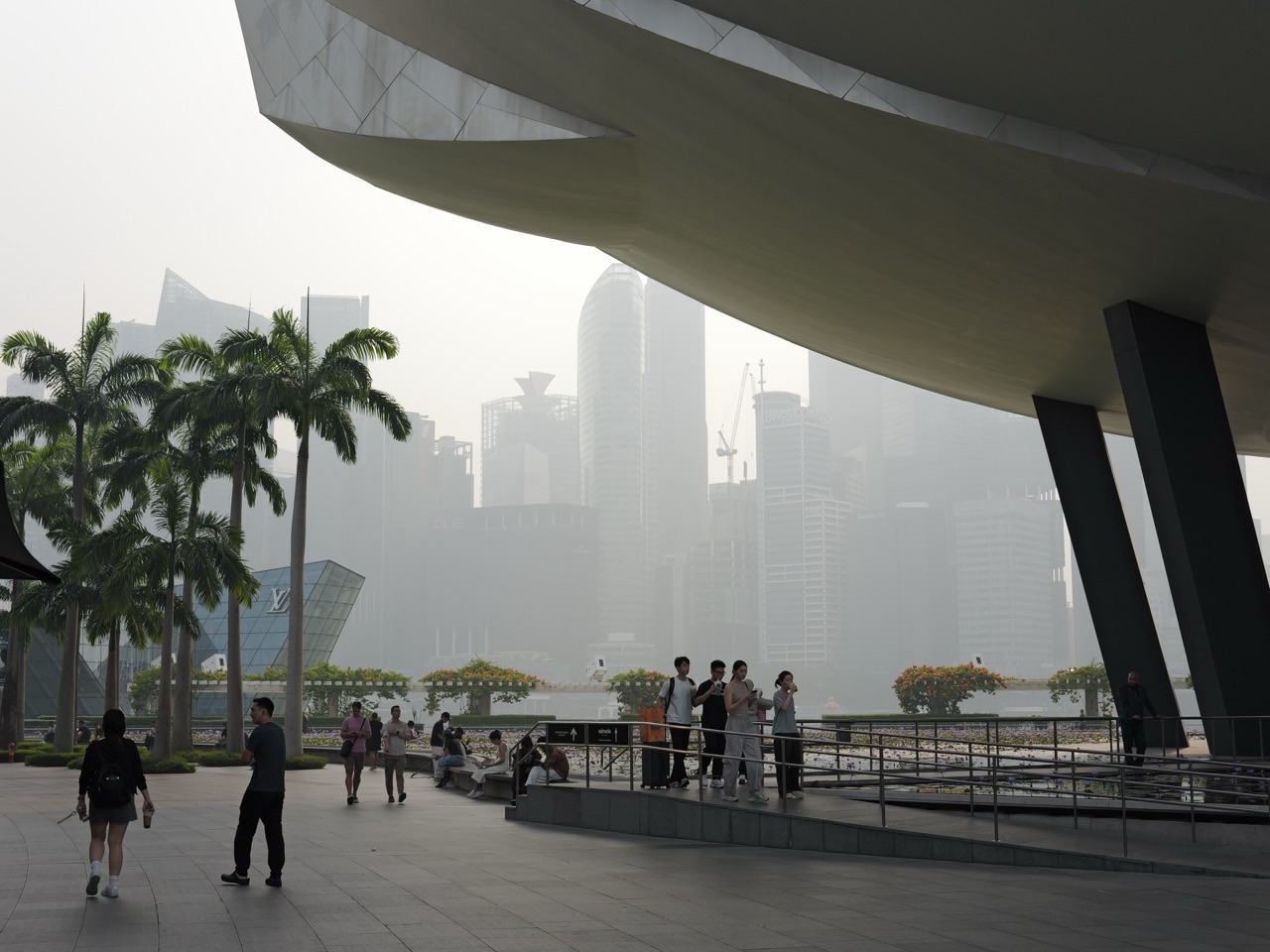
How does a shopping centre work differently when many customers are visitors to Singapore? Tourist shopping connects malls to hotels, airports, attractions, conventions, cruise traffic, city events, luxury retail, local food and transport. A tourist has limited time, unfamiliar geography and different spending priorities, so the mall becomes part retail destination and part hospitality infrastructure.
This guide explains shopping mall tourism, tourist shopping in Singapore, hotel connections, visitor privileges, tax-refund context, multilingual service, luggage, transport, local brands, luxury shopping, food tourism and destination retail. We will look at why Orchard Road and Marina Bay operate differently from neighbourhood malls, how conventions and events can change visitor flows, why tourist information must be simple and how local identity can make a mall more memorable.
Did you know that tourist shopping is not only about luxury purchases? Visitors eat, buy gifts, discover local brands, seek pharmacies, use transport links, meet friends and shelter from tropical weather. A mall can therefore serve as a practical city base even for a traveller who did not arrive with a large shopping list.
For premium destination retail, read Luxury Retail, Flagship Stores and Premium Shopping. For transport, continue with Car Parks, MRT Connections and Pick-Up/Drop-Off.
Tourist Shopping
Tourist Shopping shows how a shopping centre can become part of a visitor’s itinerary rather than only a local retail facility. Tourism expands the mall catchment beyond residents and workers. Travellers have limited time and less local knowledge, so convenience, clear information and a distinctive sense of place become especially valuable.
The mechanism is destination integration. Hotels, attractions, transport, dining and retail reinforce one another when the visitor can move between them easily. Tourist privileges, multilingual information and current tax-refund guidance can reduce friction, while events and local brands give the trip a reason to feel specific to Singapore.
Imagine a visitor staying near City Hall or Orchard Road. The mall can be breakfast stop, sheltered route, shopping destination, dinner location and transport connection in the same day. That density of useful functions is part of Singapore’s retail-tourism advantage.
For students, compare the same mall through local and tourist eyes. The local knows the MRT exit, payment norms and tenant names. The tourist may need category-based directories, luggage-friendly routes and clearer explanation of privileges. Good design does not assume local knowledge.
The result is hospitality expressed through retail. Clear access, local identity and useful visitor services convert an unfamiliar property into an easy part of the city. The mall becomes memorable when shopping is connected to the wider city experience rather than isolated from it.
Retail Tourism
Retail Tourism shows how a shopping centre can become part of a visitor’s itinerary rather than only a local retail facility. Tourism expands the mall catchment beyond residents and workers. Travellers have limited time and less local knowledge, so convenience, clear information and a distinctive sense of place become especially valuable.
The mechanism is destination integration. Hotels, attractions, transport, dining and retail reinforce one another when the visitor can move between them easily. Tourist privileges, multilingual information and current tax-refund guidance can reduce friction, while events and local brands give the trip a reason to feel specific to Singapore.
Imagine a visitor staying near City Hall or Orchard Road. The mall can be breakfast stop, sheltered route, shopping destination, dinner location and transport connection in the same day. That density of useful functions is part of Singapore’s retail-tourism advantage.
For students, compare the same mall through local and tourist eyes. The local knows the MRT exit, payment norms and tenant names. The tourist may need category-based directories, luggage-friendly routes and clearer explanation of privileges. Good design does not assume local knowledge.
The result is hospitality expressed through retail. Clear access, local identity and useful visitor services convert an unfamiliar property into an easy part of the city. The mall becomes memorable when shopping is connected to the wider city experience rather than isolated from it.
Orchard Road
Orchard Road shows how a shopping centre can become part of a visitor’s itinerary rather than only a local retail facility. Tourism expands the mall catchment beyond residents and workers. Travellers have limited time and less local knowledge, so convenience, clear information and a distinctive sense of place become especially valuable.
The mechanism is destination integration. Hotels, attractions, transport, dining and retail reinforce one another when the visitor can move between them easily. Tourist privileges, multilingual information and current tax-refund guidance can reduce friction, while events and local brands give the trip a reason to feel specific to Singapore.
Imagine a visitor staying near City Hall or Orchard Road. The mall can be breakfast stop, sheltered route, shopping destination, dinner location and transport connection in the same day. That density of useful functions is part of Singapore’s retail-tourism advantage.
For students, compare the same mall through local and tourist eyes. The local knows the MRT exit, payment norms and tenant names. The tourist may need category-based directories, luggage-friendly routes and clearer explanation of privileges. Good design does not assume local knowledge.
The result is hospitality expressed through retail. Clear access, local identity and useful visitor services convert an unfamiliar property into an easy part of the city. The mall becomes memorable when shopping is connected to the wider city experience rather than isolated from it.
Marina Bay
Marina Bay shows how a shopping centre can become part of a visitor’s itinerary rather than only a local retail facility. Tourism expands the mall catchment beyond residents and workers. Travellers have limited time and less local knowledge, so convenience, clear information and a distinctive sense of place become especially valuable.
The mechanism is destination integration. Hotels, attractions, transport, dining and retail reinforce one another when the visitor can move between them easily. Tourist privileges, multilingual information and current tax-refund guidance can reduce friction, while events and local brands give the trip a reason to feel specific to Singapore.
Imagine a visitor staying near City Hall or Orchard Road. The mall can be breakfast stop, sheltered route, shopping destination, dinner location and transport connection in the same day. That density of useful functions is part of Singapore’s retail-tourism advantage.
For students, compare the same mall through local and tourist eyes. The local knows the MRT exit, payment norms and tenant names. The tourist may need category-based directories, luggage-friendly routes and clearer explanation of privileges. Good design does not assume local knowledge.
The result is hospitality expressed through retail. Clear access, local identity and useful visitor services convert an unfamiliar property into an easy part of the city. The mall becomes memorable when shopping is connected to the wider city experience rather than isolated from it.
City Hall
City Hall shows how a shopping centre can become part of a visitor’s itinerary rather than only a local retail facility. Tourism expands the mall catchment beyond residents and workers. Travellers have limited time and less local knowledge, so convenience, clear information and a distinctive sense of place become especially valuable.
The mechanism is destination integration. Hotels, attractions, transport, dining and retail reinforce one another when the visitor can move between them easily. Tourist privileges, multilingual information and current tax-refund guidance can reduce friction, while events and local brands give the trip a reason to feel specific to Singapore.
Imagine a visitor staying near City Hall or Orchard Road. The mall can be breakfast stop, sheltered route, shopping destination, dinner location and transport connection in the same day. That density of useful functions is part of Singapore’s retail-tourism advantage.
For students, compare the same mall through local and tourist eyes. The local knows the MRT exit, payment norms and tenant names. The tourist may need category-based directories, luggage-friendly routes and clearer explanation of privileges. Good design does not assume local knowledge.
The result is hospitality expressed through retail. Clear access, local identity and useful visitor services convert an unfamiliar property into an easy part of the city. The mall becomes memorable when shopping is connected to the wider city experience rather than isolated from it.
Airport Retail Connections
Airport Retail Connections shows how a shopping centre can become part of a visitor’s itinerary rather than only a local retail facility. Tourism expands the mall catchment beyond residents and workers. Travellers have limited time and less local knowledge, so convenience, clear information and a distinctive sense of place become especially valuable.
The mechanism is destination integration. Hotels, attractions, transport, dining and retail reinforce one another when the visitor can move between them easily. Tourist privileges, multilingual information and current tax-refund guidance can reduce friction, while events and local brands give the trip a reason to feel specific to Singapore.
Imagine a visitor staying near City Hall or Orchard Road. The mall can be breakfast stop, sheltered route, shopping destination, dinner location and transport connection in the same day. That density of useful functions is part of Singapore’s retail-tourism advantage.
For students, compare the same mall through local and tourist eyes. The local knows the MRT exit, payment norms and tenant names. The tourist may need category-based directories, luggage-friendly routes and clearer explanation of privileges. Good design does not assume local knowledge.
The result is hospitality expressed through retail. Clear access, local identity and useful visitor services convert an unfamiliar property into an easy part of the city. The mall becomes memorable when shopping is connected to the wider city experience rather than isolated from it.
Hotel Connections
Hotel Connections shows how a shopping centre can become part of a visitor’s itinerary rather than only a local retail facility. Tourism expands the mall catchment beyond residents and workers. Travellers have limited time and less local knowledge, so convenience, clear information and a distinctive sense of place become especially valuable.
The mechanism is destination integration. Hotels, attractions, transport, dining and retail reinforce one another when the visitor can move between them easily. Tourist privileges, multilingual information and current tax-refund guidance can reduce friction, while events and local brands give the trip a reason to feel specific to Singapore.
Imagine a visitor staying near City Hall or Orchard Road. The mall can be breakfast stop, sheltered route, shopping destination, dinner location and transport connection in the same day. That density of useful functions is part of Singapore’s retail-tourism advantage.
For students, compare the same mall through local and tourist eyes. The local knows the MRT exit, payment norms and tenant names. The tourist may need category-based directories, luggage-friendly routes and clearer explanation of privileges. Good design does not assume local knowledge.
The result is hospitality expressed through retail. Clear access, local identity and useful visitor services convert an unfamiliar property into an easy part of the city. The mall becomes memorable when shopping is connected to the wider city experience rather than isolated from it.
Convention Visitors
Convention Visitors shows how a shopping centre can become part of a visitor’s itinerary rather than only a local retail facility. Tourism expands the mall catchment beyond residents and workers. Travellers have limited time and less local knowledge, so convenience, clear information and a distinctive sense of place become especially valuable.
The mechanism is destination integration. Hotels, attractions, transport, dining and retail reinforce one another when the visitor can move between them easily. Tourist privileges, multilingual information and current tax-refund guidance can reduce friction, while events and local brands give the trip a reason to feel specific to Singapore.
Imagine a visitor staying near City Hall or Orchard Road. The mall can be breakfast stop, sheltered route, shopping destination, dinner location and transport connection in the same day. That density of useful functions is part of Singapore’s retail-tourism advantage.
For students, compare the same mall through local and tourist eyes. The local knows the MRT exit, payment norms and tenant names. The tourist may need category-based directories, luggage-friendly routes and clearer explanation of privileges. Good design does not assume local knowledge.
The result is hospitality expressed through retail. Clear access, local identity and useful visitor services convert an unfamiliar property into an easy part of the city. The mall becomes memorable when shopping is connected to the wider city experience rather than isolated from it.
Business Travellers
Business Travellers shows how a shopping centre can become part of a visitor’s itinerary rather than only a local retail facility. Tourism expands the mall catchment beyond residents and workers. Travellers have limited time and less local knowledge, so convenience, clear information and a distinctive sense of place become especially valuable.
The mechanism is destination integration. Hotels, attractions, transport, dining and retail reinforce one another when the visitor can move between them easily. Tourist privileges, multilingual information and current tax-refund guidance can reduce friction, while events and local brands give the trip a reason to feel specific to Singapore.
Imagine a visitor staying near City Hall or Orchard Road. The mall can be breakfast stop, sheltered route, shopping destination, dinner location and transport connection in the same day. That density of useful functions is part of Singapore’s retail-tourism advantage.
For students, compare the same mall through local and tourist eyes. The local knows the MRT exit, payment norms and tenant names. The tourist may need category-based directories, luggage-friendly routes and clearer explanation of privileges. Good design does not assume local knowledge.
The result is hospitality expressed through retail. Clear access, local identity and useful visitor services convert an unfamiliar property into an easy part of the city. The mall becomes memorable when shopping is connected to the wider city experience rather than isolated from it.
Leisure Travellers
Leisure Travellers shows how a shopping centre can become part of a visitor’s itinerary rather than only a local retail facility. Tourism expands the mall catchment beyond residents and workers. Travellers have limited time and less local knowledge, so convenience, clear information and a distinctive sense of place become especially valuable.
The mechanism is destination integration. Hotels, attractions, transport, dining and retail reinforce one another when the visitor can move between them easily. Tourist privileges, multilingual information and current tax-refund guidance can reduce friction, while events and local brands give the trip a reason to feel specific to Singapore.
Imagine a visitor staying near City Hall or Orchard Road. The mall can be breakfast stop, sheltered route, shopping destination, dinner location and transport connection in the same day. That density of useful functions is part of Singapore’s retail-tourism advantage.
For students, compare the same mall through local and tourist eyes. The local knows the MRT exit, payment norms and tenant names. The tourist may need category-based directories, luggage-friendly routes and clearer explanation of privileges. Good design does not assume local knowledge.
The result is hospitality expressed through retail. Clear access, local identity and useful visitor services convert an unfamiliar property into an easy part of the city. The mall becomes memorable when shopping is connected to the wider city experience rather than isolated from it.
Family Tourists
Family Tourists shows how a shopping centre can become part of a visitor’s itinerary rather than only a local retail facility. Tourism expands the mall catchment beyond residents and workers. Travellers have limited time and less local knowledge, so convenience, clear information and a distinctive sense of place become especially valuable.
The mechanism is destination integration. Hotels, attractions, transport, dining and retail reinforce one another when the visitor can move between them easily. Tourist privileges, multilingual information and current tax-refund guidance can reduce friction, while events and local brands give the trip a reason to feel specific to Singapore.
Imagine a visitor staying near City Hall or Orchard Road. The mall can be breakfast stop, sheltered route, shopping destination, dinner location and transport connection in the same day. That density of useful functions is part of Singapore’s retail-tourism advantage.
For students, compare the same mall through local and tourist eyes. The local knows the MRT exit, payment norms and tenant names. The tourist may need category-based directories, luggage-friendly routes and clearer explanation of privileges. Good design does not assume local knowledge.
The result is hospitality expressed through retail. Clear access, local identity and useful visitor services convert an unfamiliar property into an easy part of the city. The mall becomes memorable when shopping is connected to the wider city experience rather than isolated from it.
Luxury Tourists
Luxury Tourists shows how a shopping centre can become part of a visitor’s itinerary rather than only a local retail facility. Tourism expands the mall catchment beyond residents and workers. Travellers have limited time and less local knowledge, so convenience, clear information and a distinctive sense of place become especially valuable.
The mechanism is destination integration. Hotels, attractions, transport, dining and retail reinforce one another when the visitor can move between them easily. Tourist privileges, multilingual information and current tax-refund guidance can reduce friction, while events and local brands give the trip a reason to feel specific to Singapore.
Imagine a visitor staying near City Hall or Orchard Road. The mall can be breakfast stop, sheltered route, shopping destination, dinner location and transport connection in the same day. That density of useful functions is part of Singapore’s retail-tourism advantage.
For students, compare the same mall through local and tourist eyes. The local knows the MRT exit, payment norms and tenant names. The tourist may need category-based directories, luggage-friendly routes and clearer explanation of privileges. Good design does not assume local knowledge.
The result is hospitality expressed through retail. Clear access, local identity and useful visitor services convert an unfamiliar property into an easy part of the city. The mall becomes memorable when shopping is connected to the wider city experience rather than isolated from it.
Regional Visitors
Regional Visitors shows how a shopping centre can become part of a visitor’s itinerary rather than only a local retail facility. Tourism expands the mall catchment beyond residents and workers. Travellers have limited time and less local knowledge, so convenience, clear information and a distinctive sense of place become especially valuable.
The mechanism is destination integration. Hotels, attractions, transport, dining and retail reinforce one another when the visitor can move between them easily. Tourist privileges, multilingual information and current tax-refund guidance can reduce friction, while events and local brands give the trip a reason to feel specific to Singapore.
Imagine a visitor staying near City Hall or Orchard Road. The mall can be breakfast stop, sheltered route, shopping destination, dinner location and transport connection in the same day. That density of useful functions is part of Singapore’s retail-tourism advantage.
For students, compare the same mall through local and tourist eyes. The local knows the MRT exit, payment norms and tenant names. The tourist may need category-based directories, luggage-friendly routes and clearer explanation of privileges. Good design does not assume local knowledge.
The result is hospitality expressed through retail. Clear access, local identity and useful visitor services convert an unfamiliar property into an easy part of the city. The mall becomes memorable when shopping is connected to the wider city experience rather than isolated from it.
Cruise Visitors
Cruise Visitors shows how a shopping centre can become part of a visitor’s itinerary rather than only a local retail facility. Tourism expands the mall catchment beyond residents and workers. Travellers have limited time and less local knowledge, so convenience, clear information and a distinctive sense of place become especially valuable.
The mechanism is destination integration. Hotels, attractions, transport, dining and retail reinforce one another when the visitor can move between them easily. Tourist privileges, multilingual information and current tax-refund guidance can reduce friction, while events and local brands give the trip a reason to feel specific to Singapore.
Imagine a visitor staying near City Hall or Orchard Road. The mall can be breakfast stop, sheltered route, shopping destination, dinner location and transport connection in the same day. That density of useful functions is part of Singapore’s retail-tourism advantage.
For students, compare the same mall through local and tourist eyes. The local knows the MRT exit, payment norms and tenant names. The tourist may need category-based directories, luggage-friendly routes and clearer explanation of privileges. Good design does not assume local knowledge.
The result is hospitality expressed through retail. Clear access, local identity and useful visitor services convert an unfamiliar property into an easy part of the city. The mall becomes memorable when shopping is connected to the wider city experience rather than isolated from it.
MICE Visitors
MICE Visitors shows how a shopping centre can become part of a visitor’s itinerary rather than only a local retail facility. Tourism expands the mall catchment beyond residents and workers. Travellers have limited time and less local knowledge, so convenience, clear information and a distinctive sense of place become especially valuable.
The mechanism is destination integration. Hotels, attractions, transport, dining and retail reinforce one another when the visitor can move between them easily. Tourist privileges, multilingual information and current tax-refund guidance can reduce friction, while events and local brands give the trip a reason to feel specific to Singapore.
Imagine a visitor staying near City Hall or Orchard Road. The mall can be breakfast stop, sheltered route, shopping destination, dinner location and transport connection in the same day. That density of useful functions is part of Singapore’s retail-tourism advantage.
For students, compare the same mall through local and tourist eyes. The local knows the MRT exit, payment norms and tenant names. The tourist may need category-based directories, luggage-friendly routes and clearer explanation of privileges. Good design does not assume local knowledge.
The result is hospitality expressed through retail. Clear access, local identity and useful visitor services convert an unfamiliar property into an easy part of the city. The mall becomes memorable when shopping is connected to the wider city experience rather than isolated from it.
Local Brands
Local Brands shows how a shopping centre can become part of a visitor’s itinerary rather than only a local retail facility. Tourism expands the mall catchment beyond residents and workers. Travellers have limited time and less local knowledge, so convenience, clear information and a distinctive sense of place become especially valuable.
The mechanism is destination integration. Hotels, attractions, transport, dining and retail reinforce one another when the visitor can move between them easily. Tourist privileges, multilingual information and current tax-refund guidance can reduce friction, while events and local brands give the trip a reason to feel specific to Singapore.
Imagine a visitor staying near City Hall or Orchard Road. The mall can be breakfast stop, sheltered route, shopping destination, dinner location and transport connection in the same day. That density of useful functions is part of Singapore’s retail-tourism advantage.
For students, compare the same mall through local and tourist eyes. The local knows the MRT exit, payment norms and tenant names. The tourist may need category-based directories, luggage-friendly routes and clearer explanation of privileges. Good design does not assume local knowledge.
The result is hospitality expressed through retail. Clear access, local identity and useful visitor services convert an unfamiliar property into an easy part of the city. The mall becomes memorable when shopping is connected to the wider city experience rather than isolated from it.
Singapore Souvenirs
Singapore Souvenirs shows how a shopping centre can become part of a visitor’s itinerary rather than only a local retail facility. Tourism expands the mall catchment beyond residents and workers. Travellers have limited time and less local knowledge, so convenience, clear information and a distinctive sense of place become especially valuable.
The mechanism is destination integration. Hotels, attractions, transport, dining and retail reinforce one another when the visitor can move between them easily. Tourist privileges, multilingual information and current tax-refund guidance can reduce friction, while events and local brands give the trip a reason to feel specific to Singapore.
Imagine a visitor staying near City Hall or Orchard Road. The mall can be breakfast stop, sheltered route, shopping destination, dinner location and transport connection in the same day. That density of useful functions is part of Singapore’s retail-tourism advantage.
For students, compare the same mall through local and tourist eyes. The local knows the MRT exit, payment norms and tenant names. The tourist may need category-based directories, luggage-friendly routes and clearer explanation of privileges. Good design does not assume local knowledge.
The result is hospitality expressed through retail. Clear access, local identity and useful visitor services convert an unfamiliar property into an easy part of the city. The mall becomes memorable when shopping is connected to the wider city experience rather than isolated from it.
Luxury Brands
Luxury Brands shows how a shopping centre can become part of a visitor’s itinerary rather than only a local retail facility. Tourism expands the mall catchment beyond residents and workers. Travellers have limited time and less local knowledge, so convenience, clear information and a distinctive sense of place become especially valuable.
The mechanism is destination integration. Hotels, attractions, transport, dining and retail reinforce one another when the visitor can move between them easily. Tourist privileges, multilingual information and current tax-refund guidance can reduce friction, while events and local brands give the trip a reason to feel specific to Singapore.
Imagine a visitor staying near City Hall or Orchard Road. The mall can be breakfast stop, sheltered route, shopping destination, dinner location and transport connection in the same day. That density of useful functions is part of Singapore’s retail-tourism advantage.
For students, compare the same mall through local and tourist eyes. The local knows the MRT exit, payment norms and tenant names. The tourist may need category-based directories, luggage-friendly routes and clearer explanation of privileges. Good design does not assume local knowledge.
The result is hospitality expressed through retail. Clear access, local identity and useful visitor services convert an unfamiliar property into an easy part of the city. The mall becomes memorable when shopping is connected to the wider city experience rather than isolated from it.
Beauty Shopping
Beauty Shopping shows how a shopping centre can become part of a visitor’s itinerary rather than only a local retail facility. Tourism expands the mall catchment beyond residents and workers. Travellers have limited time and less local knowledge, so convenience, clear information and a distinctive sense of place become especially valuable.
The mechanism is destination integration. Hotels, attractions, transport, dining and retail reinforce one another when the visitor can move between them easily. Tourist privileges, multilingual information and current tax-refund guidance can reduce friction, while events and local brands give the trip a reason to feel specific to Singapore.
Imagine a visitor staying near City Hall or Orchard Road. The mall can be breakfast stop, sheltered route, shopping destination, dinner location and transport connection in the same day. That density of useful functions is part of Singapore’s retail-tourism advantage.
For students, compare the same mall through local and tourist eyes. The local knows the MRT exit, payment norms and tenant names. The tourist may need category-based directories, luggage-friendly routes and clearer explanation of privileges. Good design does not assume local knowledge.
The result is hospitality expressed through retail. Clear access, local identity and useful visitor services convert an unfamiliar property into an easy part of the city. The mall becomes memorable when shopping is connected to the wider city experience rather than isolated from it.
Electronics Shopping
Electronics Shopping shows how a shopping centre can become part of a visitor’s itinerary rather than only a local retail facility. Tourism expands the mall catchment beyond residents and workers. Travellers have limited time and less local knowledge, so convenience, clear information and a distinctive sense of place become especially valuable.
The mechanism is destination integration. Hotels, attractions, transport, dining and retail reinforce one another when the visitor can move between them easily. Tourist privileges, multilingual information and current tax-refund guidance can reduce friction, while events and local brands give the trip a reason to feel specific to Singapore.
Imagine a visitor staying near City Hall or Orchard Road. The mall can be breakfast stop, sheltered route, shopping destination, dinner location and transport connection in the same day. That density of useful functions is part of Singapore’s retail-tourism advantage.
For students, compare the same mall through local and tourist eyes. The local knows the MRT exit, payment norms and tenant names. The tourist may need category-based directories, luggage-friendly routes and clearer explanation of privileges. Good design does not assume local knowledge.
The result is hospitality expressed through retail. Clear access, local identity and useful visitor services convert an unfamiliar property into an easy part of the city. The mall becomes memorable when shopping is connected to the wider city experience rather than isolated from it.
Food Tourism
Food Tourism shows how a shopping centre can become part of a visitor’s itinerary rather than only a local retail facility. Tourism expands the mall catchment beyond residents and workers. Travellers have limited time and less local knowledge, so convenience, clear information and a distinctive sense of place become especially valuable.
The mechanism is destination integration. Hotels, attractions, transport, dining and retail reinforce one another when the visitor can move between them easily. Tourist privileges, multilingual information and current tax-refund guidance can reduce friction, while events and local brands give the trip a reason to feel specific to Singapore.
Imagine a visitor staying near City Hall or Orchard Road. The mall can be breakfast stop, sheltered route, shopping destination, dinner location and transport connection in the same day. That density of useful functions is part of Singapore’s retail-tourism advantage.
For students, compare the same mall through local and tourist eyes. The local knows the MRT exit, payment norms and tenant names. The tourist may need category-based directories, luggage-friendly routes and clearer explanation of privileges. Good design does not assume local knowledge.
The result is hospitality expressed through retail. Clear access, local identity and useful visitor services convert an unfamiliar property into an easy part of the city. The mall becomes memorable when shopping is connected to the wider city experience rather than isolated from it.
Local Food
Local Food shows how a shopping centre can become part of a visitor’s itinerary rather than only a local retail facility. Tourism expands the mall catchment beyond residents and workers. Travellers have limited time and less local knowledge, so convenience, clear information and a distinctive sense of place become especially valuable.
The mechanism is destination integration. Hotels, attractions, transport, dining and retail reinforce one another when the visitor can move between them easily. Tourist privileges, multilingual information and current tax-refund guidance can reduce friction, while events and local brands give the trip a reason to feel specific to Singapore.
Imagine a visitor staying near City Hall or Orchard Road. The mall can be breakfast stop, sheltered route, shopping destination, dinner location and transport connection in the same day. That density of useful functions is part of Singapore’s retail-tourism advantage.
For students, compare the same mall through local and tourist eyes. The local knows the MRT exit, payment norms and tenant names. The tourist may need category-based directories, luggage-friendly routes and clearer explanation of privileges. Good design does not assume local knowledge.
The result is hospitality expressed through retail. Clear access, local identity and useful visitor services convert an unfamiliar property into an easy part of the city. The mall becomes memorable when shopping is connected to the wider city experience rather than isolated from it.
Dining Reservations
Dining Reservations shows how a shopping centre can become part of a visitor’s itinerary rather than only a local retail facility. Tourism expands the mall catchment beyond residents and workers. Travellers have limited time and less local knowledge, so convenience, clear information and a distinctive sense of place become especially valuable.
The mechanism is destination integration. Hotels, attractions, transport, dining and retail reinforce one another when the visitor can move between them easily. Tourist privileges, multilingual information and current tax-refund guidance can reduce friction, while events and local brands give the trip a reason to feel specific to Singapore.
Imagine a visitor staying near City Hall or Orchard Road. The mall can be breakfast stop, sheltered route, shopping destination, dinner location and transport connection in the same day. That density of useful functions is part of Singapore’s retail-tourism advantage.
For students, compare the same mall through local and tourist eyes. The local knows the MRT exit, payment norms and tenant names. The tourist may need category-based directories, luggage-friendly routes and clearer explanation of privileges. Good design does not assume local knowledge.
The result is hospitality expressed through retail. Clear access, local identity and useful visitor services convert an unfamiliar property into an easy part of the city. The mall becomes memorable when shopping is connected to the wider city experience rather than isolated from it.
Tourist Privileges
Tourist Privileges shows how a shopping centre can become part of a visitor’s itinerary rather than only a local retail facility. Tourism expands the mall catchment beyond residents and workers. Travellers have limited time and less local knowledge, so convenience, clear information and a distinctive sense of place become especially valuable.
The mechanism is destination integration. Hotels, attractions, transport, dining and retail reinforce one another when the visitor can move between them easily. Tourist privileges, multilingual information and current tax-refund guidance can reduce friction, while events and local brands give the trip a reason to feel specific to Singapore.
Imagine a visitor staying near City Hall or Orchard Road. The mall can be breakfast stop, sheltered route, shopping destination, dinner location and transport connection in the same day. That density of useful functions is part of Singapore’s retail-tourism advantage.
For students, compare the same mall through local and tourist eyes. The local knows the MRT exit, payment norms and tenant names. The tourist may need category-based directories, luggage-friendly routes and clearer explanation of privileges. Good design does not assume local knowledge.
The result is hospitality expressed through retail. Clear access, local identity and useful visitor services convert an unfamiliar property into an easy part of the city. The mall becomes memorable when shopping is connected to the wider city experience rather than isolated from it.
Visitor Rewards
Visitor Rewards shows how a shopping centre can become part of a visitor’s itinerary rather than only a local retail facility. Tourism expands the mall catchment beyond residents and workers. Travellers have limited time and less local knowledge, so convenience, clear information and a distinctive sense of place become especially valuable.
The mechanism is destination integration. Hotels, attractions, transport, dining and retail reinforce one another when the visitor can move between them easily. Tourist privileges, multilingual information and current tax-refund guidance can reduce friction, while events and local brands give the trip a reason to feel specific to Singapore.
Imagine a visitor staying near City Hall or Orchard Road. The mall can be breakfast stop, sheltered route, shopping destination, dinner location and transport connection in the same day. That density of useful functions is part of Singapore’s retail-tourism advantage.
For students, compare the same mall through local and tourist eyes. The local knows the MRT exit, payment norms and tenant names. The tourist may need category-based directories, luggage-friendly routes and clearer explanation of privileges. Good design does not assume local knowledge.
The result is hospitality expressed through retail. Clear access, local identity and useful visitor services convert an unfamiliar property into an easy part of the city. The mall becomes memorable when shopping is connected to the wider city experience rather than isolated from it.
GST Refund Context
GST Refund Context shows how a shopping centre can become part of a visitor’s itinerary rather than only a local retail facility. Tourism expands the mall catchment beyond residents and workers. Travellers have limited time and less local knowledge, so convenience, clear information and a distinctive sense of place become especially valuable.
The mechanism is destination integration. Hotels, attractions, transport, dining and retail reinforce one another when the visitor can move between them easily. Tourist privileges, multilingual information and current tax-refund guidance can reduce friction, while events and local brands give the trip a reason to feel specific to Singapore.
Imagine a visitor staying near City Hall or Orchard Road. The mall can be breakfast stop, sheltered route, shopping destination, dinner location and transport connection in the same day. That density of useful functions is part of Singapore’s retail-tourism advantage.
For students, compare the same mall through local and tourist eyes. The local knows the MRT exit, payment norms and tenant names. The tourist may need category-based directories, luggage-friendly routes and clearer explanation of privileges. Good design does not assume local knowledge.
The result is hospitality expressed through retail. Clear access, local identity and useful visitor services convert an unfamiliar property into an easy part of the city. The mall becomes memorable when shopping is connected to the wider city experience rather than isolated from it.
Electronic Tourist Refund Scheme Context
Electronic Tourist Refund Scheme Context shows how a shopping centre can become part of a visitor’s itinerary rather than only a local retail facility. Tourism expands the mall catchment beyond residents and workers. Travellers have limited time and less local knowledge, so convenience, clear information and a distinctive sense of place become especially valuable.
The mechanism is destination integration. Hotels, attractions, transport, dining and retail reinforce one another when the visitor can move between them easily. Tourist privileges, multilingual information and current tax-refund guidance can reduce friction, while events and local brands give the trip a reason to feel specific to Singapore.
Imagine a visitor staying near City Hall or Orchard Road. The mall can be breakfast stop, sheltered route, shopping destination, dinner location and transport connection in the same day. That density of useful functions is part of Singapore’s retail-tourism advantage.
For students, compare the same mall through local and tourist eyes. The local knows the MRT exit, payment norms and tenant names. The tourist may need category-based directories, luggage-friendly routes and clearer explanation of privileges. Good design does not assume local knowledge.
The result is hospitality expressed through retail. Clear access, local identity and useful visitor services convert an unfamiliar property into an easy part of the city. The mall becomes memorable when shopping is connected to the wider city experience rather than isolated from it.
Eligibility Information
Eligibility Information shows how a shopping centre can become part of a visitor’s itinerary rather than only a local retail facility. Tourism expands the mall catchment beyond residents and workers. Travellers have limited time and less local knowledge, so convenience, clear information and a distinctive sense of place become especially valuable.
The mechanism is destination integration. Hotels, attractions, transport, dining and retail reinforce one another when the visitor can move between them easily. Tourist privileges, multilingual information and current tax-refund guidance can reduce friction, while events and local brands give the trip a reason to feel specific to Singapore.
Imagine a visitor staying near City Hall or Orchard Road. The mall can be breakfast stop, sheltered route, shopping destination, dinner location and transport connection in the same day. That density of useful functions is part of Singapore’s retail-tourism advantage.
For students, compare the same mall through local and tourist eyes. The local knows the MRT exit, payment norms and tenant names. The tourist may need category-based directories, luggage-friendly routes and clearer explanation of privileges. Good design does not assume local knowledge.
The result is hospitality expressed through retail. Clear access, local identity and useful visitor services convert an unfamiliar property into an easy part of the city. The mall becomes memorable when shopping is connected to the wider city experience rather than isolated from it.
Receipts
Receipts shows how a shopping centre can become part of a visitor’s itinerary rather than only a local retail facility. Tourism expands the mall catchment beyond residents and workers. Travellers have limited time and less local knowledge, so convenience, clear information and a distinctive sense of place become especially valuable.
The mechanism is destination integration. Hotels, attractions, transport, dining and retail reinforce one another when the visitor can move between them easily. Tourist privileges, multilingual information and current tax-refund guidance can reduce friction, while events and local brands give the trip a reason to feel specific to Singapore.
Imagine a visitor staying near City Hall or Orchard Road. The mall can be breakfast stop, sheltered route, shopping destination, dinner location and transport connection in the same day. That density of useful functions is part of Singapore’s retail-tourism advantage.
For students, compare the same mall through local and tourist eyes. The local knows the MRT exit, payment norms and tenant names. The tourist may need category-based directories, luggage-friendly routes and clearer explanation of privileges. Good design does not assume local knowledge.
The result is hospitality expressed through retail. Clear access, local identity and useful visitor services convert an unfamiliar property into an easy part of the city. The mall becomes memorable when shopping is connected to the wider city experience rather than isolated from it.
Passports and Travel Documents Context
Passports and Travel Documents Context shows how a shopping centre can become part of a visitor’s itinerary rather than only a local retail facility. Tourism expands the mall catchment beyond residents and workers. Travellers have limited time and less local knowledge, so convenience, clear information and a distinctive sense of place become especially valuable.
The mechanism is destination integration. Hotels, attractions, transport, dining and retail reinforce one another when the visitor can move between them easily. Tourist privileges, multilingual information and current tax-refund guidance can reduce friction, while events and local brands give the trip a reason to feel specific to Singapore.
Imagine a visitor staying near City Hall or Orchard Road. The mall can be breakfast stop, sheltered route, shopping destination, dinner location and transport connection in the same day. That density of useful functions is part of Singapore’s retail-tourism advantage.
For students, compare the same mall through local and tourist eyes. The local knows the MRT exit, payment norms and tenant names. The tourist may need category-based directories, luggage-friendly routes and clearer explanation of privileges. Good design does not assume local knowledge.
The result is hospitality expressed through retail. Clear access, local identity and useful visitor services convert an unfamiliar property into an easy part of the city. The mall becomes memorable when shopping is connected to the wider city experience rather than isolated from it.
Airport Departure
Airport Departure shows how a shopping centre can become part of a visitor’s itinerary rather than only a local retail facility. Tourism expands the mall catchment beyond residents and workers. Travellers have limited time and less local knowledge, so convenience, clear information and a distinctive sense of place become especially valuable.
The mechanism is destination integration. Hotels, attractions, transport, dining and retail reinforce one another when the visitor can move between them easily. Tourist privileges, multilingual information and current tax-refund guidance can reduce friction, while events and local brands give the trip a reason to feel specific to Singapore.
Imagine a visitor staying near City Hall or Orchard Road. The mall can be breakfast stop, sheltered route, shopping destination, dinner location and transport connection in the same day. That density of useful functions is part of Singapore’s retail-tourism advantage.
For students, compare the same mall through local and tourist eyes. The local knows the MRT exit, payment norms and tenant names. The tourist may need category-based directories, luggage-friendly routes and clearer explanation of privileges. Good design does not assume local knowledge.
The result is hospitality expressed through retail. Clear access, local identity and useful visitor services convert an unfamiliar property into an easy part of the city. The mall becomes memorable when shopping is connected to the wider city experience rather than isolated from it.
Multilingual Information
Multilingual Information shows how a shopping centre can become part of a visitor’s itinerary rather than only a local retail facility. Tourism expands the mall catchment beyond residents and workers. Travellers have limited time and less local knowledge, so convenience, clear information and a distinctive sense of place become especially valuable.
The mechanism is destination integration. Hotels, attractions, transport, dining and retail reinforce one another when the visitor can move between them easily. Tourist privileges, multilingual information and current tax-refund guidance can reduce friction, while events and local brands give the trip a reason to feel specific to Singapore.
Imagine a visitor staying near City Hall or Orchard Road. The mall can be breakfast stop, sheltered route, shopping destination, dinner location and transport connection in the same day. That density of useful functions is part of Singapore’s retail-tourism advantage.
For students, compare the same mall through local and tourist eyes. The local knows the MRT exit, payment norms and tenant names. The tourist may need category-based directories, luggage-friendly routes and clearer explanation of privileges. Good design does not assume local knowledge.
The result is hospitality expressed through retail. Clear access, local identity and useful visitor services convert an unfamiliar property into an easy part of the city. The mall becomes memorable when shopping is connected to the wider city experience rather than isolated from it.
English as Common Interface
English as Common Interface shows how a shopping centre can become part of a visitor’s itinerary rather than only a local retail facility. Tourism expands the mall catchment beyond residents and workers. Travellers have limited time and less local knowledge, so convenience, clear information and a distinctive sense of place become especially valuable.
The mechanism is destination integration. Hotels, attractions, transport, dining and retail reinforce one another when the visitor can move between them easily. Tourist privileges, multilingual information and current tax-refund guidance can reduce friction, while events and local brands give the trip a reason to feel specific to Singapore.
Imagine a visitor staying near City Hall or Orchard Road. The mall can be breakfast stop, sheltered route, shopping destination, dinner location and transport connection in the same day. That density of useful functions is part of Singapore’s retail-tourism advantage.
For students, compare the same mall through local and tourist eyes. The local knows the MRT exit, payment norms and tenant names. The tourist may need category-based directories, luggage-friendly routes and clearer explanation of privileges. Good design does not assume local knowledge.
The result is hospitality expressed through retail. Clear access, local identity and useful visitor services convert an unfamiliar property into an easy part of the city. The mall becomes memorable when shopping is connected to the wider city experience rather than isolated from it.
Chinese-Language Support
Chinese-Language Support shows how a shopping centre can become part of a visitor’s itinerary rather than only a local retail facility. Tourism expands the mall catchment beyond residents and workers. Travellers have limited time and less local knowledge, so convenience, clear information and a distinctive sense of place become especially valuable.
The mechanism is destination integration. Hotels, attractions, transport, dining and retail reinforce one another when the visitor can move between them easily. Tourist privileges, multilingual information and current tax-refund guidance can reduce friction, while events and local brands give the trip a reason to feel specific to Singapore.
Imagine a visitor staying near City Hall or Orchard Road. The mall can be breakfast stop, sheltered route, shopping destination, dinner location and transport connection in the same day. That density of useful functions is part of Singapore’s retail-tourism advantage.
For students, compare the same mall through local and tourist eyes. The local knows the MRT exit, payment norms and tenant names. The tourist may need category-based directories, luggage-friendly routes and clearer explanation of privileges. Good design does not assume local knowledge.
The result is hospitality expressed through retail. Clear access, local identity and useful visitor services convert an unfamiliar property into an easy part of the city. The mall becomes memorable when shopping is connected to the wider city experience rather than isolated from it.
Other Visitor Languages
Other Visitor Languages shows how a shopping centre can become part of a visitor’s itinerary rather than only a local retail facility. Tourism expands the mall catchment beyond residents and workers. Travellers have limited time and less local knowledge, so convenience, clear information and a distinctive sense of place become especially valuable.
The mechanism is destination integration. Hotels, attractions, transport, dining and retail reinforce one another when the visitor can move between them easily. Tourist privileges, multilingual information and current tax-refund guidance can reduce friction, while events and local brands give the trip a reason to feel specific to Singapore.
Imagine a visitor staying near City Hall or Orchard Road. The mall can be breakfast stop, sheltered route, shopping destination, dinner location and transport connection in the same day. That density of useful functions is part of Singapore’s retail-tourism advantage.
For students, compare the same mall through local and tourist eyes. The local knows the MRT exit, payment norms and tenant names. The tourist may need category-based directories, luggage-friendly routes and clearer explanation of privileges. Good design does not assume local knowledge.
The result is hospitality expressed through retail. Clear access, local identity and useful visitor services convert an unfamiliar property into an easy part of the city. The mall becomes memorable when shopping is connected to the wider city experience rather than isolated from it.
Digital Directories
Digital Directories shows how a shopping centre can become part of a visitor’s itinerary rather than only a local retail facility. Tourism expands the mall catchment beyond residents and workers. Travellers have limited time and less local knowledge, so convenience, clear information and a distinctive sense of place become especially valuable.
The mechanism is destination integration. Hotels, attractions, transport, dining and retail reinforce one another when the visitor can move between them easily. Tourist privileges, multilingual information and current tax-refund guidance can reduce friction, while events and local brands give the trip a reason to feel specific to Singapore.
Imagine a visitor staying near City Hall or Orchard Road. The mall can be breakfast stop, sheltered route, shopping destination, dinner location and transport connection in the same day. That density of useful functions is part of Singapore’s retail-tourism advantage.
For students, compare the same mall through local and tourist eyes. The local knows the MRT exit, payment norms and tenant names. The tourist may need category-based directories, luggage-friendly routes and clearer explanation of privileges. Good design does not assume local knowledge.
The result is hospitality expressed through retail. Clear access, local identity and useful visitor services convert an unfamiliar property into an easy part of the city. The mall becomes memorable when shopping is connected to the wider city experience rather than isolated from it.
Tourist Maps
Tourist Maps shows how a shopping centre can become part of a visitor’s itinerary rather than only a local retail facility. Tourism expands the mall catchment beyond residents and workers. Travellers have limited time and less local knowledge, so convenience, clear information and a distinctive sense of place become especially valuable.
The mechanism is destination integration. Hotels, attractions, transport, dining and retail reinforce one another when the visitor can move between them easily. Tourist privileges, multilingual information and current tax-refund guidance can reduce friction, while events and local brands give the trip a reason to feel specific to Singapore.
Imagine a visitor staying near City Hall or Orchard Road. The mall can be breakfast stop, sheltered route, shopping destination, dinner location and transport connection in the same day. That density of useful functions is part of Singapore’s retail-tourism advantage.
For students, compare the same mall through local and tourist eyes. The local knows the MRT exit, payment norms and tenant names. The tourist may need category-based directories, luggage-friendly routes and clearer explanation of privileges. Good design does not assume local knowledge.
The result is hospitality expressed through retail. Clear access, local identity and useful visitor services convert an unfamiliar property into an easy part of the city. The mall becomes memorable when shopping is connected to the wider city experience rather than isolated from it.
Concierge
Concierge shows how a shopping centre can become part of a visitor’s itinerary rather than only a local retail facility. Tourism expands the mall catchment beyond residents and workers. Travellers have limited time and less local knowledge, so convenience, clear information and a distinctive sense of place become especially valuable.
The mechanism is destination integration. Hotels, attractions, transport, dining and retail reinforce one another when the visitor can move between them easily. Tourist privileges, multilingual information and current tax-refund guidance can reduce friction, while events and local brands give the trip a reason to feel specific to Singapore.
Imagine a visitor staying near City Hall or Orchard Road. The mall can be breakfast stop, sheltered route, shopping destination, dinner location and transport connection in the same day. That density of useful functions is part of Singapore’s retail-tourism advantage.
For students, compare the same mall through local and tourist eyes. The local knows the MRT exit, payment norms and tenant names. The tourist may need category-based directories, luggage-friendly routes and clearer explanation of privileges. Good design does not assume local knowledge.
The result is hospitality expressed through retail. Clear access, local identity and useful visitor services convert an unfamiliar property into an easy part of the city. The mall becomes memorable when shopping is connected to the wider city experience rather than isolated from it.
Hotel Concierge
Hotel Concierge shows how a shopping centre can become part of a visitor’s itinerary rather than only a local retail facility. Tourism expands the mall catchment beyond residents and workers. Travellers have limited time and less local knowledge, so convenience, clear information and a distinctive sense of place become especially valuable.
The mechanism is destination integration. Hotels, attractions, transport, dining and retail reinforce one another when the visitor can move between them easily. Tourist privileges, multilingual information and current tax-refund guidance can reduce friction, while events and local brands give the trip a reason to feel specific to Singapore.
Imagine a visitor staying near City Hall or Orchard Road. The mall can be breakfast stop, sheltered route, shopping destination, dinner location and transport connection in the same day. That density of useful functions is part of Singapore’s retail-tourism advantage.
For students, compare the same mall through local and tourist eyes. The local knows the MRT exit, payment norms and tenant names. The tourist may need category-based directories, luggage-friendly routes and clearer explanation of privileges. Good design does not assume local knowledge.
The result is hospitality expressed through retail. Clear access, local identity and useful visitor services convert an unfamiliar property into an easy part of the city. The mall becomes memorable when shopping is connected to the wider city experience rather than isolated from it.
Taxi Stands
Taxi Stands shows how a shopping centre can become part of a visitor’s itinerary rather than only a local retail facility. Tourism expands the mall catchment beyond residents and workers. Travellers have limited time and less local knowledge, so convenience, clear information and a distinctive sense of place become especially valuable.
The mechanism is destination integration. Hotels, attractions, transport, dining and retail reinforce one another when the visitor can move between them easily. Tourist privileges, multilingual information and current tax-refund guidance can reduce friction, while events and local brands give the trip a reason to feel specific to Singapore.
Imagine a visitor staying near City Hall or Orchard Road. The mall can be breakfast stop, sheltered route, shopping destination, dinner location and transport connection in the same day. That density of useful functions is part of Singapore’s retail-tourism advantage.
For students, compare the same mall through local and tourist eyes. The local knows the MRT exit, payment norms and tenant names. The tourist may need category-based directories, luggage-friendly routes and clearer explanation of privileges. Good design does not assume local knowledge.
The result is hospitality expressed through retail. Clear access, local identity and useful visitor services convert an unfamiliar property into an easy part of the city. The mall becomes memorable when shopping is connected to the wider city experience rather than isolated from it.
Ride-Hail
Ride-Hail shows how a shopping centre can become part of a visitor’s itinerary rather than only a local retail facility. Tourism expands the mall catchment beyond residents and workers. Travellers have limited time and less local knowledge, so convenience, clear information and a distinctive sense of place become especially valuable.
The mechanism is destination integration. Hotels, attractions, transport, dining and retail reinforce one another when the visitor can move between them easily. Tourist privileges, multilingual information and current tax-refund guidance can reduce friction, while events and local brands give the trip a reason to feel specific to Singapore.
Imagine a visitor staying near City Hall or Orchard Road. The mall can be breakfast stop, sheltered route, shopping destination, dinner location and transport connection in the same day. That density of useful functions is part of Singapore’s retail-tourism advantage.
For students, compare the same mall through local and tourist eyes. The local knows the MRT exit, payment norms and tenant names. The tourist may need category-based directories, luggage-friendly routes and clearer explanation of privileges. Good design does not assume local knowledge.
The result is hospitality expressed through retail. Clear access, local identity and useful visitor services convert an unfamiliar property into an easy part of the city. The mall becomes memorable when shopping is connected to the wider city experience rather than isolated from it.
MRT Connections
MRT Connections shows how a shopping centre can become part of a visitor’s itinerary rather than only a local retail facility. Tourism expands the mall catchment beyond residents and workers. Travellers have limited time and less local knowledge, so convenience, clear information and a distinctive sense of place become especially valuable.
The mechanism is destination integration. Hotels, attractions, transport, dining and retail reinforce one another when the visitor can move between them easily. Tourist privileges, multilingual information and current tax-refund guidance can reduce friction, while events and local brands give the trip a reason to feel specific to Singapore.
Imagine a visitor staying near City Hall or Orchard Road. The mall can be breakfast stop, sheltered route, shopping destination, dinner location and transport connection in the same day. That density of useful functions is part of Singapore’s retail-tourism advantage.
For students, compare the same mall through local and tourist eyes. The local knows the MRT exit, payment norms and tenant names. The tourist may need category-based directories, luggage-friendly routes and clearer explanation of privileges. Good design does not assume local knowledge.
The result is hospitality expressed through retail. Clear access, local identity and useful visitor services convert an unfamiliar property into an easy part of the city. The mall becomes memorable when shopping is connected to the wider city experience rather than isolated from it.
Luggage
Luggage shows how a shopping centre can become part of a visitor’s itinerary rather than only a local retail facility. Tourism expands the mall catchment beyond residents and workers. Travellers have limited time and less local knowledge, so convenience, clear information and a distinctive sense of place become especially valuable.
The mechanism is destination integration. Hotels, attractions, transport, dining and retail reinforce one another when the visitor can move between them easily. Tourist privileges, multilingual information and current tax-refund guidance can reduce friction, while events and local brands give the trip a reason to feel specific to Singapore.
Imagine a visitor staying near City Hall or Orchard Road. The mall can be breakfast stop, sheltered route, shopping destination, dinner location and transport connection in the same day. That density of useful functions is part of Singapore’s retail-tourism advantage.
For students, compare the same mall through local and tourist eyes. The local knows the MRT exit, payment norms and tenant names. The tourist may need category-based directories, luggage-friendly routes and clearer explanation of privileges. Good design does not assume local knowledge.
The result is hospitality expressed through retail. Clear access, local identity and useful visitor services convert an unfamiliar property into an easy part of the city. The mall becomes memorable when shopping is connected to the wider city experience rather than isolated from it.
Luggage-Friendly Routes
Luggage-Friendly Routes shows how a shopping centre can become part of a visitor’s itinerary rather than only a local retail facility. Tourism expands the mall catchment beyond residents and workers. Travellers have limited time and less local knowledge, so convenience, clear information and a distinctive sense of place become especially valuable.
The mechanism is destination integration. Hotels, attractions, transport, dining and retail reinforce one another when the visitor can move between them easily. Tourist privileges, multilingual information and current tax-refund guidance can reduce friction, while events and local brands give the trip a reason to feel specific to Singapore.
Imagine a visitor staying near City Hall or Orchard Road. The mall can be breakfast stop, sheltered route, shopping destination, dinner location and transport connection in the same day. That density of useful functions is part of Singapore’s retail-tourism advantage.
For students, compare the same mall through local and tourist eyes. The local knows the MRT exit, payment norms and tenant names. The tourist may need category-based directories, luggage-friendly routes and clearer explanation of privileges. Good design does not assume local knowledge.
The result is hospitality expressed through retail. Clear access, local identity and useful visitor services convert an unfamiliar property into an easy part of the city. The mall becomes memorable when shopping is connected to the wider city experience rather than isolated from it.
Seating
Seating shows how a shopping centre can become part of a visitor’s itinerary rather than only a local retail facility. Tourism expands the mall catchment beyond residents and workers. Travellers have limited time and less local knowledge, so convenience, clear information and a distinctive sense of place become especially valuable.
The mechanism is destination integration. Hotels, attractions, transport, dining and retail reinforce one another when the visitor can move between them easily. Tourist privileges, multilingual information and current tax-refund guidance can reduce friction, while events and local brands give the trip a reason to feel specific to Singapore.
Imagine a visitor staying near City Hall or Orchard Road. The mall can be breakfast stop, sheltered route, shopping destination, dinner location and transport connection in the same day. That density of useful functions is part of Singapore’s retail-tourism advantage.
For students, compare the same mall through local and tourist eyes. The local knows the MRT exit, payment norms and tenant names. The tourist may need category-based directories, luggage-friendly routes and clearer explanation of privileges. Good design does not assume local knowledge.
The result is hospitality expressed through retail. Clear access, local identity and useful visitor services convert an unfamiliar property into an easy part of the city. The mall becomes memorable when shopping is connected to the wider city experience rather than isolated from it.
Accessible Travel
Accessible Travel shows how a shopping centre can become part of a visitor’s itinerary rather than only a local retail facility. Tourism expands the mall catchment beyond residents and workers. Travellers have limited time and less local knowledge, so convenience, clear information and a distinctive sense of place become especially valuable.
The mechanism is destination integration. Hotels, attractions, transport, dining and retail reinforce one another when the visitor can move between them easily. Tourist privileges, multilingual information and current tax-refund guidance can reduce friction, while events and local brands give the trip a reason to feel specific to Singapore.
Imagine a visitor staying near City Hall or Orchard Road. The mall can be breakfast stop, sheltered route, shopping destination, dinner location and transport connection in the same day. That density of useful functions is part of Singapore’s retail-tourism advantage.
For students, compare the same mall through local and tourist eyes. The local knows the MRT exit, payment norms and tenant names. The tourist may need category-based directories, luggage-friendly routes and clearer explanation of privileges. Good design does not assume local knowledge.
The result is hospitality expressed through retail. Clear access, local identity and useful visitor services convert an unfamiliar property into an easy part of the city. The mall becomes memorable when shopping is connected to the wider city experience rather than isolated from it.
Family Facilities
Family Facilities shows how a shopping centre can become part of a visitor’s itinerary rather than only a local retail facility. Tourism expands the mall catchment beyond residents and workers. Travellers have limited time and less local knowledge, so convenience, clear information and a distinctive sense of place become especially valuable.
The mechanism is destination integration. Hotels, attractions, transport, dining and retail reinforce one another when the visitor can move between them easily. Tourist privileges, multilingual information and current tax-refund guidance can reduce friction, while events and local brands give the trip a reason to feel specific to Singapore.
Imagine a visitor staying near City Hall or Orchard Road. The mall can be breakfast stop, sheltered route, shopping destination, dinner location and transport connection in the same day. That density of useful functions is part of Singapore’s retail-tourism advantage.
For students, compare the same mall through local and tourist eyes. The local knows the MRT exit, payment norms and tenant names. The tourist may need category-based directories, luggage-friendly routes and clearer explanation of privileges. Good design does not assume local knowledge.
The result is hospitality expressed through retail. Clear access, local identity and useful visitor services convert an unfamiliar property into an easy part of the city. The mall becomes memorable when shopping is connected to the wider city experience rather than isolated from it.
Prayer and Personal Needs Context
Prayer and Personal Needs Context shows how a shopping centre can become part of a visitor’s itinerary rather than only a local retail facility. Tourism expands the mall catchment beyond residents and workers. Travellers have limited time and less local knowledge, so convenience, clear information and a distinctive sense of place become especially valuable.
The mechanism is destination integration. Hotels, attractions, transport, dining and retail reinforce one another when the visitor can move between them easily. Tourist privileges, multilingual information and current tax-refund guidance can reduce friction, while events and local brands give the trip a reason to feel specific to Singapore.
Imagine a visitor staying near City Hall or Orchard Road. The mall can be breakfast stop, sheltered route, shopping destination, dinner location and transport connection in the same day. That density of useful functions is part of Singapore’s retail-tourism advantage.
For students, compare the same mall through local and tourist eyes. The local knows the MRT exit, payment norms and tenant names. The tourist may need category-based directories, luggage-friendly routes and clearer explanation of privileges. Good design does not assume local knowledge.
The result is hospitality expressed through retail. Clear access, local identity and useful visitor services convert an unfamiliar property into an easy part of the city. The mall becomes memorable when shopping is connected to the wider city experience rather than isolated from it.
Currency and Payments
Currency and Payments shows how a shopping centre can become part of a visitor’s itinerary rather than only a local retail facility. Tourism expands the mall catchment beyond residents and workers. Travellers have limited time and less local knowledge, so convenience, clear information and a distinctive sense of place become especially valuable.
The mechanism is destination integration. Hotels, attractions, transport, dining and retail reinforce one another when the visitor can move between them easily. Tourist privileges, multilingual information and current tax-refund guidance can reduce friction, while events and local brands give the trip a reason to feel specific to Singapore.
Imagine a visitor staying near City Hall or Orchard Road. The mall can be breakfast stop, sheltered route, shopping destination, dinner location and transport connection in the same day. That density of useful functions is part of Singapore’s retail-tourism advantage.
For students, compare the same mall through local and tourist eyes. The local knows the MRT exit, payment norms and tenant names. The tourist may need category-based directories, luggage-friendly routes and clearer explanation of privileges. Good design does not assume local knowledge.
The result is hospitality expressed through retail. Clear access, local identity and useful visitor services convert an unfamiliar property into an easy part of the city. The mall becomes memorable when shopping is connected to the wider city experience rather than isolated from it.
Foreign Cards
Foreign Cards shows how a shopping centre can become part of a visitor’s itinerary rather than only a local retail facility. Tourism expands the mall catchment beyond residents and workers. Travellers have limited time and less local knowledge, so convenience, clear information and a distinctive sense of place become especially valuable.
The mechanism is destination integration. Hotels, attractions, transport, dining and retail reinforce one another when the visitor can move between them easily. Tourist privileges, multilingual information and current tax-refund guidance can reduce friction, while events and local brands give the trip a reason to feel specific to Singapore.
Imagine a visitor staying near City Hall or Orchard Road. The mall can be breakfast stop, sheltered route, shopping destination, dinner location and transport connection in the same day. That density of useful functions is part of Singapore’s retail-tourism advantage.
For students, compare the same mall through local and tourist eyes. The local knows the MRT exit, payment norms and tenant names. The tourist may need category-based directories, luggage-friendly routes and clearer explanation of privileges. Good design does not assume local knowledge.
The result is hospitality expressed through retail. Clear access, local identity and useful visitor services convert an unfamiliar property into an easy part of the city. The mall becomes memorable when shopping is connected to the wider city experience rather than isolated from it.
Mobile Wallets
Mobile Wallets shows how a shopping centre can become part of a visitor’s itinerary rather than only a local retail facility. Tourism expands the mall catchment beyond residents and workers. Travellers have limited time and less local knowledge, so convenience, clear information and a distinctive sense of place become especially valuable.
The mechanism is destination integration. Hotels, attractions, transport, dining and retail reinforce one another when the visitor can move between them easily. Tourist privileges, multilingual information and current tax-refund guidance can reduce friction, while events and local brands give the trip a reason to feel specific to Singapore.
Imagine a visitor staying near City Hall or Orchard Road. The mall can be breakfast stop, sheltered route, shopping destination, dinner location and transport connection in the same day. That density of useful functions is part of Singapore’s retail-tourism advantage.
For students, compare the same mall through local and tourist eyes. The local knows the MRT exit, payment norms and tenant names. The tourist may need category-based directories, luggage-friendly routes and clearer explanation of privileges. Good design does not assume local knowledge.
The result is hospitality expressed through retail. Clear access, local identity and useful visitor services convert an unfamiliar property into an easy part of the city. The mall becomes memorable when shopping is connected to the wider city experience rather than isolated from it.
Tourist SIM and Connectivity
Tourist SIM and Connectivity shows how a shopping centre can become part of a visitor’s itinerary rather than only a local retail facility. Tourism expands the mall catchment beyond residents and workers. Travellers have limited time and less local knowledge, so convenience, clear information and a distinctive sense of place become especially valuable.
The mechanism is destination integration. Hotels, attractions, transport, dining and retail reinforce one another when the visitor can move between them easily. Tourist privileges, multilingual information and current tax-refund guidance can reduce friction, while events and local brands give the trip a reason to feel specific to Singapore.
Imagine a visitor staying near City Hall or Orchard Road. The mall can be breakfast stop, sheltered route, shopping destination, dinner location and transport connection in the same day. That density of useful functions is part of Singapore’s retail-tourism advantage.
For students, compare the same mall through local and tourist eyes. The local knows the MRT exit, payment norms and tenant names. The tourist may need category-based directories, luggage-friendly routes and clearer explanation of privileges. Good design does not assume local knowledge.
The result is hospitality expressed through retail. Clear access, local identity and useful visitor services convert an unfamiliar property into an easy part of the city. The mall becomes memorable when shopping is connected to the wider city experience rather than isolated from it.
Wi-Fi
Wi-Fi shows how a shopping centre can become part of a visitor’s itinerary rather than only a local retail facility. Tourism expands the mall catchment beyond residents and workers. Travellers have limited time and less local knowledge, so convenience, clear information and a distinctive sense of place become especially valuable.
The mechanism is destination integration. Hotels, attractions, transport, dining and retail reinforce one another when the visitor can move between them easily. Tourist privileges, multilingual information and current tax-refund guidance can reduce friction, while events and local brands give the trip a reason to feel specific to Singapore.
Imagine a visitor staying near City Hall or Orchard Road. The mall can be breakfast stop, sheltered route, shopping destination, dinner location and transport connection in the same day. That density of useful functions is part of Singapore’s retail-tourism advantage.
For students, compare the same mall through local and tourist eyes. The local knows the MRT exit, payment norms and tenant names. The tourist may need category-based directories, luggage-friendly routes and clearer explanation of privileges. Good design does not assume local knowledge.
The result is hospitality expressed through retail. Clear access, local identity and useful visitor services convert an unfamiliar property into an easy part of the city. The mall becomes memorable when shopping is connected to the wider city experience rather than isolated from it.
Weather Shelter
Weather Shelter shows how a shopping centre can become part of a visitor’s itinerary rather than only a local retail facility. Tourism expands the mall catchment beyond residents and workers. Travellers have limited time and less local knowledge, so convenience, clear information and a distinctive sense of place become especially valuable.
The mechanism is destination integration. Hotels, attractions, transport, dining and retail reinforce one another when the visitor can move between them easily. Tourist privileges, multilingual information and current tax-refund guidance can reduce friction, while events and local brands give the trip a reason to feel specific to Singapore.
Imagine a visitor staying near City Hall or Orchard Road. The mall can be breakfast stop, sheltered route, shopping destination, dinner location and transport connection in the same day. That density of useful functions is part of Singapore’s retail-tourism advantage.
For students, compare the same mall through local and tourist eyes. The local knows the MRT exit, payment norms and tenant names. The tourist may need category-based directories, luggage-friendly routes and clearer explanation of privileges. Good design does not assume local knowledge.
The result is hospitality expressed through retail. Clear access, local identity and useful visitor services convert an unfamiliar property into an easy part of the city. The mall becomes memorable when shopping is connected to the wider city experience rather than isolated from it.
Rain
Rain shows how a shopping centre can become part of a visitor’s itinerary rather than only a local retail facility. Tourism expands the mall catchment beyond residents and workers. Travellers have limited time and less local knowledge, so convenience, clear information and a distinctive sense of place become especially valuable.
The mechanism is destination integration. Hotels, attractions, transport, dining and retail reinforce one another when the visitor can move between them easily. Tourist privileges, multilingual information and current tax-refund guidance can reduce friction, while events and local brands give the trip a reason to feel specific to Singapore.
Imagine a visitor staying near City Hall or Orchard Road. The mall can be breakfast stop, sheltered route, shopping destination, dinner location and transport connection in the same day. That density of useful functions is part of Singapore’s retail-tourism advantage.
For students, compare the same mall through local and tourist eyes. The local knows the MRT exit, payment norms and tenant names. The tourist may need category-based directories, luggage-friendly routes and clearer explanation of privileges. Good design does not assume local knowledge.
The result is hospitality expressed through retail. Clear access, local identity and useful visitor services convert an unfamiliar property into an easy part of the city. The mall becomes memorable when shopping is connected to the wider city experience rather than isolated from it.
Heat
Heat shows how a shopping centre can become part of a visitor’s itinerary rather than only a local retail facility. Tourism expands the mall catchment beyond residents and workers. Travellers have limited time and less local knowledge, so convenience, clear information and a distinctive sense of place become especially valuable.
The mechanism is destination integration. Hotels, attractions, transport, dining and retail reinforce one another when the visitor can move between them easily. Tourist privileges, multilingual information and current tax-refund guidance can reduce friction, while events and local brands give the trip a reason to feel specific to Singapore.
Imagine a visitor staying near City Hall or Orchard Road. The mall can be breakfast stop, sheltered route, shopping destination, dinner location and transport connection in the same day. That density of useful functions is part of Singapore’s retail-tourism advantage.
For students, compare the same mall through local and tourist eyes. The local knows the MRT exit, payment norms and tenant names. The tourist may need category-based directories, luggage-friendly routes and clearer explanation of privileges. Good design does not assume local knowledge.
The result is hospitality expressed through retail. Clear access, local identity and useful visitor services convert an unfamiliar property into an easy part of the city. The mall becomes memorable when shopping is connected to the wider city experience rather than isolated from it.
Events
Events shows how a shopping centre can become part of a visitor’s itinerary rather than only a local retail facility. Tourism expands the mall catchment beyond residents and workers. Travellers have limited time and less local knowledge, so convenience, clear information and a distinctive sense of place become especially valuable.
The mechanism is destination integration. Hotels, attractions, transport, dining and retail reinforce one another when the visitor can move between them easily. Tourist privileges, multilingual information and current tax-refund guidance can reduce friction, while events and local brands give the trip a reason to feel specific to Singapore.
Imagine a visitor staying near City Hall or Orchard Road. The mall can be breakfast stop, sheltered route, shopping destination, dinner location and transport connection in the same day. That density of useful functions is part of Singapore’s retail-tourism advantage.
For students, compare the same mall through local and tourist eyes. The local knows the MRT exit, payment norms and tenant names. The tourist may need category-based directories, luggage-friendly routes and clearer explanation of privileges. Good design does not assume local knowledge.
The result is hospitality expressed through retail. Clear access, local identity and useful visitor services convert an unfamiliar property into an easy part of the city. The mall becomes memorable when shopping is connected to the wider city experience rather than isolated from it.
Formula 1
Formula 1 shows how a shopping centre can become part of a visitor’s itinerary rather than only a local retail facility. Tourism expands the mall catchment beyond residents and workers. Travellers have limited time and less local knowledge, so convenience, clear information and a distinctive sense of place become especially valuable.
The mechanism is destination integration. Hotels, attractions, transport, dining and retail reinforce one another when the visitor can move between them easily. Tourist privileges, multilingual information and current tax-refund guidance can reduce friction, while events and local brands give the trip a reason to feel specific to Singapore.
Imagine a visitor staying near City Hall or Orchard Road. The mall can be breakfast stop, sheltered route, shopping destination, dinner location and transport connection in the same day. That density of useful functions is part of Singapore’s retail-tourism advantage.
For students, compare the same mall through local and tourist eyes. The local knows the MRT exit, payment norms and tenant names. The tourist may need category-based directories, luggage-friendly routes and clearer explanation of privileges. Good design does not assume local knowledge.
The result is hospitality expressed through retail. Clear access, local identity and useful visitor services convert an unfamiliar property into an easy part of the city. The mall becomes memorable when shopping is connected to the wider city experience rather than isolated from it.
Christmas
Christmas shows how a shopping centre can become part of a visitor’s itinerary rather than only a local retail facility. Tourism expands the mall catchment beyond residents and workers. Travellers have limited time and less local knowledge, so convenience, clear information and a distinctive sense of place become especially valuable.
The mechanism is destination integration. Hotels, attractions, transport, dining and retail reinforce one another when the visitor can move between them easily. Tourist privileges, multilingual information and current tax-refund guidance can reduce friction, while events and local brands give the trip a reason to feel specific to Singapore.
Imagine a visitor staying near City Hall or Orchard Road. The mall can be breakfast stop, sheltered route, shopping destination, dinner location and transport connection in the same day. That density of useful functions is part of Singapore’s retail-tourism advantage.
For students, compare the same mall through local and tourist eyes. The local knows the MRT exit, payment norms and tenant names. The tourist may need category-based directories, luggage-friendly routes and clearer explanation of privileges. Good design does not assume local knowledge.
The result is hospitality expressed through retail. Clear access, local identity and useful visitor services convert an unfamiliar property into an easy part of the city. The mall becomes memorable when shopping is connected to the wider city experience rather than isolated from it.
Chinese New Year
Chinese New Year shows how a shopping centre can become part of a visitor’s itinerary rather than only a local retail facility. Tourism expands the mall catchment beyond residents and workers. Travellers have limited time and less local knowledge, so convenience, clear information and a distinctive sense of place become especially valuable.
The mechanism is destination integration. Hotels, attractions, transport, dining and retail reinforce one another when the visitor can move between them easily. Tourist privileges, multilingual information and current tax-refund guidance can reduce friction, while events and local brands give the trip a reason to feel specific to Singapore.
Imagine a visitor staying near City Hall or Orchard Road. The mall can be breakfast stop, sheltered route, shopping destination, dinner location and transport connection in the same day. That density of useful functions is part of Singapore’s retail-tourism advantage.
For students, compare the same mall through local and tourist eyes. The local knows the MRT exit, payment norms and tenant names. The tourist may need category-based directories, luggage-friendly routes and clearer explanation of privileges. Good design does not assume local knowledge.
The result is hospitality expressed through retail. Clear access, local identity and useful visitor services convert an unfamiliar property into an easy part of the city. The mall becomes memorable when shopping is connected to the wider city experience rather than isolated from it.
Great Singapore Sale Context
Great Singapore Sale Context shows how a shopping centre can become part of a visitor’s itinerary rather than only a local retail facility. Tourism expands the mall catchment beyond residents and workers. Travellers have limited time and less local knowledge, so convenience, clear information and a distinctive sense of place become especially valuable.
The mechanism is destination integration. Hotels, attractions, transport, dining and retail reinforce one another when the visitor can move between them easily. Tourist privileges, multilingual information and current tax-refund guidance can reduce friction, while events and local brands give the trip a reason to feel specific to Singapore.
Imagine a visitor staying near City Hall or Orchard Road. The mall can be breakfast stop, sheltered route, shopping destination, dinner location and transport connection in the same day. That density of useful functions is part of Singapore’s retail-tourism advantage.
For students, compare the same mall through local and tourist eyes. The local knows the MRT exit, payment norms and tenant names. The tourist may need category-based directories, luggage-friendly routes and clearer explanation of privileges. Good design does not assume local knowledge.
The result is hospitality expressed through retail. Clear access, local identity and useful visitor services convert an unfamiliar property into an easy part of the city. The mall becomes memorable when shopping is connected to the wider city experience rather than isolated from it.
Conventions
Conventions shows how a shopping centre can become part of a visitor’s itinerary rather than only a local retail facility. Tourism expands the mall catchment beyond residents and workers. Travellers have limited time and less local knowledge, so convenience, clear information and a distinctive sense of place become especially valuable.
The mechanism is destination integration. Hotels, attractions, transport, dining and retail reinforce one another when the visitor can move between them easily. Tourist privileges, multilingual information and current tax-refund guidance can reduce friction, while events and local brands give the trip a reason to feel specific to Singapore.
Imagine a visitor staying near City Hall or Orchard Road. The mall can be breakfast stop, sheltered route, shopping destination, dinner location and transport connection in the same day. That density of useful functions is part of Singapore’s retail-tourism advantage.
For students, compare the same mall through local and tourist eyes. The local knows the MRT exit, payment norms and tenant names. The tourist may need category-based directories, luggage-friendly routes and clearer explanation of privileges. Good design does not assume local knowledge.
The result is hospitality expressed through retail. Clear access, local identity and useful visitor services convert an unfamiliar property into an easy part of the city. The mall becomes memorable when shopping is connected to the wider city experience rather than isolated from it.
Hotel Dining
Hotel Dining shows how a shopping centre can become part of a visitor’s itinerary rather than only a local retail facility. Tourism expands the mall catchment beyond residents and workers. Travellers have limited time and less local knowledge, so convenience, clear information and a distinctive sense of place become especially valuable.
The mechanism is destination integration. Hotels, attractions, transport, dining and retail reinforce one another when the visitor can move between them easily. Tourist privileges, multilingual information and current tax-refund guidance can reduce friction, while events and local brands give the trip a reason to feel specific to Singapore.
Imagine a visitor staying near City Hall or Orchard Road. The mall can be breakfast stop, sheltered route, shopping destination, dinner location and transport connection in the same day. That density of useful functions is part of Singapore’s retail-tourism advantage.
For students, compare the same mall through local and tourist eyes. The local knows the MRT exit, payment norms and tenant names. The tourist may need category-based directories, luggage-friendly routes and clearer explanation of privileges. Good design does not assume local knowledge.
The result is hospitality expressed through retail. Clear access, local identity and useful visitor services convert an unfamiliar property into an easy part of the city. The mall becomes memorable when shopping is connected to the wider city experience rather than isolated from it.
Late-Night Shopping
Late-Night Shopping shows how a shopping centre can become part of a visitor’s itinerary rather than only a local retail facility. Tourism expands the mall catchment beyond residents and workers. Travellers have limited time and less local knowledge, so convenience, clear information and a distinctive sense of place become especially valuable.
The mechanism is destination integration. Hotels, attractions, transport, dining and retail reinforce one another when the visitor can move between them easily. Tourist privileges, multilingual information and current tax-refund guidance can reduce friction, while events and local brands give the trip a reason to feel specific to Singapore.
Imagine a visitor staying near City Hall or Orchard Road. The mall can be breakfast stop, sheltered route, shopping destination, dinner location and transport connection in the same day. That density of useful functions is part of Singapore’s retail-tourism advantage.
For students, compare the same mall through local and tourist eyes. The local knows the MRT exit, payment norms and tenant names. The tourist may need category-based directories, luggage-friendly routes and clearer explanation of privileges. Good design does not assume local knowledge.
The result is hospitality expressed through retail. Clear access, local identity and useful visitor services convert an unfamiliar property into an easy part of the city. The mall becomes memorable when shopping is connected to the wider city experience rather than isolated from it.
Safety and Trust
Safety and Trust shows how a shopping centre can become part of a visitor’s itinerary rather than only a local retail facility. Tourism expands the mall catchment beyond residents and workers. Travellers have limited time and less local knowledge, so convenience, clear information and a distinctive sense of place become especially valuable.
The mechanism is destination integration. Hotels, attractions, transport, dining and retail reinforce one another when the visitor can move between them easily. Tourist privileges, multilingual information and current tax-refund guidance can reduce friction, while events and local brands give the trip a reason to feel specific to Singapore.
Imagine a visitor staying near City Hall or Orchard Road. The mall can be breakfast stop, sheltered route, shopping destination, dinner location and transport connection in the same day. That density of useful functions is part of Singapore’s retail-tourism advantage.
For students, compare the same mall through local and tourist eyes. The local knows the MRT exit, payment norms and tenant names. The tourist may need category-based directories, luggage-friendly routes and clearer explanation of privileges. Good design does not assume local knowledge.
The result is hospitality expressed through retail. Clear access, local identity and useful visitor services convert an unfamiliar property into an easy part of the city. The mall becomes memorable when shopping is connected to the wider city experience rather than isolated from it.
Worked Example: Orchard Visitor
Worked Example: Orchard Visitor shows how a shopping centre can become part of a visitor’s itinerary rather than only a local retail facility. Tourism expands the mall catchment beyond residents and workers. Travellers have limited time and less local knowledge, so convenience, clear information and a distinctive sense of place become especially valuable.
The mechanism is destination integration. Hotels, attractions, transport, dining and retail reinforce one another when the visitor can move between them easily. Tourist privileges, multilingual information and current tax-refund guidance can reduce friction, while events and local brands give the trip a reason to feel specific to Singapore.
Imagine a visitor staying near City Hall or Orchard Road. The mall can be breakfast stop, sheltered route, shopping destination, dinner location and transport connection in the same day. That density of useful functions is part of Singapore’s retail-tourism advantage.
For students, compare the same mall through local and tourist eyes. The local knows the MRT exit, payment norms and tenant names. The tourist may need category-based directories, luggage-friendly routes and clearer explanation of privileges. Good design does not assume local knowledge.
The result is hospitality expressed through retail. Clear access, local identity and useful visitor services convert an unfamiliar property into an easy part of the city. The mall becomes memorable when shopping is connected to the wider city experience rather than isolated from it.
Worked Example: Convention Delegate
Worked Example: Convention Delegate shows how a shopping centre can become part of a visitor’s itinerary rather than only a local retail facility. Tourism expands the mall catchment beyond residents and workers. Travellers have limited time and less local knowledge, so convenience, clear information and a distinctive sense of place become especially valuable.
The mechanism is destination integration. Hotels, attractions, transport, dining and retail reinforce one another when the visitor can move between them easily. Tourist privileges, multilingual information and current tax-refund guidance can reduce friction, while events and local brands give the trip a reason to feel specific to Singapore.
Imagine a visitor staying near City Hall or Orchard Road. The mall can be breakfast stop, sheltered route, shopping destination, dinner location and transport connection in the same day. That density of useful functions is part of Singapore’s retail-tourism advantage.
For students, compare the same mall through local and tourist eyes. The local knows the MRT exit, payment norms and tenant names. The tourist may need category-based directories, luggage-friendly routes and clearer explanation of privileges. Good design does not assume local knowledge.
The result is hospitality expressed through retail. Clear access, local identity and useful visitor services convert an unfamiliar property into an easy part of the city. The mall becomes memorable when shopping is connected to the wider city experience rather than isolated from it.
Worked Example: Family Tourist
Worked Example: Family Tourist shows how a shopping centre can become part of a visitor’s itinerary rather than only a local retail facility. Tourism expands the mall catchment beyond residents and workers. Travellers have limited time and less local knowledge, so convenience, clear information and a distinctive sense of place become especially valuable.
The mechanism is destination integration. Hotels, attractions, transport, dining and retail reinforce one another when the visitor can move between them easily. Tourist privileges, multilingual information and current tax-refund guidance can reduce friction, while events and local brands give the trip a reason to feel specific to Singapore.
Imagine a visitor staying near City Hall or Orchard Road. The mall can be breakfast stop, sheltered route, shopping destination, dinner location and transport connection in the same day. That density of useful functions is part of Singapore’s retail-tourism advantage.
For students, compare the same mall through local and tourist eyes. The local knows the MRT exit, payment norms and tenant names. The tourist may need category-based directories, luggage-friendly routes and clearer explanation of privileges. Good design does not assume local knowledge.
The result is hospitality expressed through retail. Clear access, local identity and useful visitor services convert an unfamiliar property into an easy part of the city. The mall becomes memorable when shopping is connected to the wider city experience rather than isolated from it.
Worked Example: Luxury Shopper
Worked Example: Luxury Shopper shows how a shopping centre can become part of a visitor’s itinerary rather than only a local retail facility. Tourism expands the mall catchment beyond residents and workers. Travellers have limited time and less local knowledge, so convenience, clear information and a distinctive sense of place become especially valuable.
The mechanism is destination integration. Hotels, attractions, transport, dining and retail reinforce one another when the visitor can move between them easily. Tourist privileges, multilingual information and current tax-refund guidance can reduce friction, while events and local brands give the trip a reason to feel specific to Singapore.
Imagine a visitor staying near City Hall or Orchard Road. The mall can be breakfast stop, sheltered route, shopping destination, dinner location and transport connection in the same day. That density of useful functions is part of Singapore’s retail-tourism advantage.
For students, compare the same mall through local and tourist eyes. The local knows the MRT exit, payment norms and tenant names. The tourist may need category-based directories, luggage-friendly routes and clearer explanation of privileges. Good design does not assume local knowledge.
The result is hospitality expressed through retail. Clear access, local identity and useful visitor services convert an unfamiliar property into an easy part of the city. The mall becomes memorable when shopping is connected to the wider city experience rather than isolated from it.
The Larger Idea: Retail Is Part of the Destination
The Larger Idea: Retail Is Part of the Destination shows how a shopping centre can become part of a visitor’s itinerary rather than only a local retail facility. Tourism expands the mall catchment beyond residents and workers. Travellers have limited time and less local knowledge, so convenience, clear information and a distinctive sense of place become especially valuable.
The mechanism is destination integration. Hotels, attractions, transport, dining and retail reinforce one another when the visitor can move between them easily. Tourist privileges, multilingual information and current tax-refund guidance can reduce friction, while events and local brands give the trip a reason to feel specific to Singapore.
Imagine a visitor staying near City Hall or Orchard Road. The mall can be breakfast stop, sheltered route, shopping destination, dinner location and transport connection in the same day. That density of useful functions is part of Singapore’s retail-tourism advantage.
For students, compare the same mall through local and tourist eyes. The local knows the MRT exit, payment norms and tenant names. The tourist may need category-based directories, luggage-friendly routes and clearer explanation of privileges. Good design does not assume local knowledge.
The result is hospitality expressed through retail. Clear access, local identity and useful visitor services convert an unfamiliar property into an easy part of the city. The mall becomes memorable when shopping is connected to the wider city experience rather than isolated from it.
A Practical Learning Activity
Design a six-hour visitor itinerary beginning at a hotel, moving through one mall and ending at an attraction or dinner. Include transport, shopping, food and one practical need such as pharmacy or rest.
Now remove local knowledge. The visitor does not know tenant names or which MRT exit to use. Rewrite the journey using category signs and landmarks. This shows why tourist wayfinding needs different assumptions.
Finally identify which parts are time-sensitive, such as current tax-refund rules, event dates or opening hours. Mark them as information that must be checked live rather than memorised permanently.
Official and eduKateSG Reading Route
For current Singapore visitor information, use the Singapore Tourism Board’s Visit Singapore resources. For current tourist GST refund rules, use official IRAS guidance because eligibility and procedures can change.
Within eduKateSG, continue with Marketing and Customer Experience, Food Courts and Dining, and Mixed-Use Developments and Everyday Services.
The durable method is to design for a visitor who does not already know the city. Make the route clear, the rules current, the services easy to find and the experience distinctively connected to Singapore. Tourist shopping works best when retail feels like part of the journey rather than an administrative detour.