
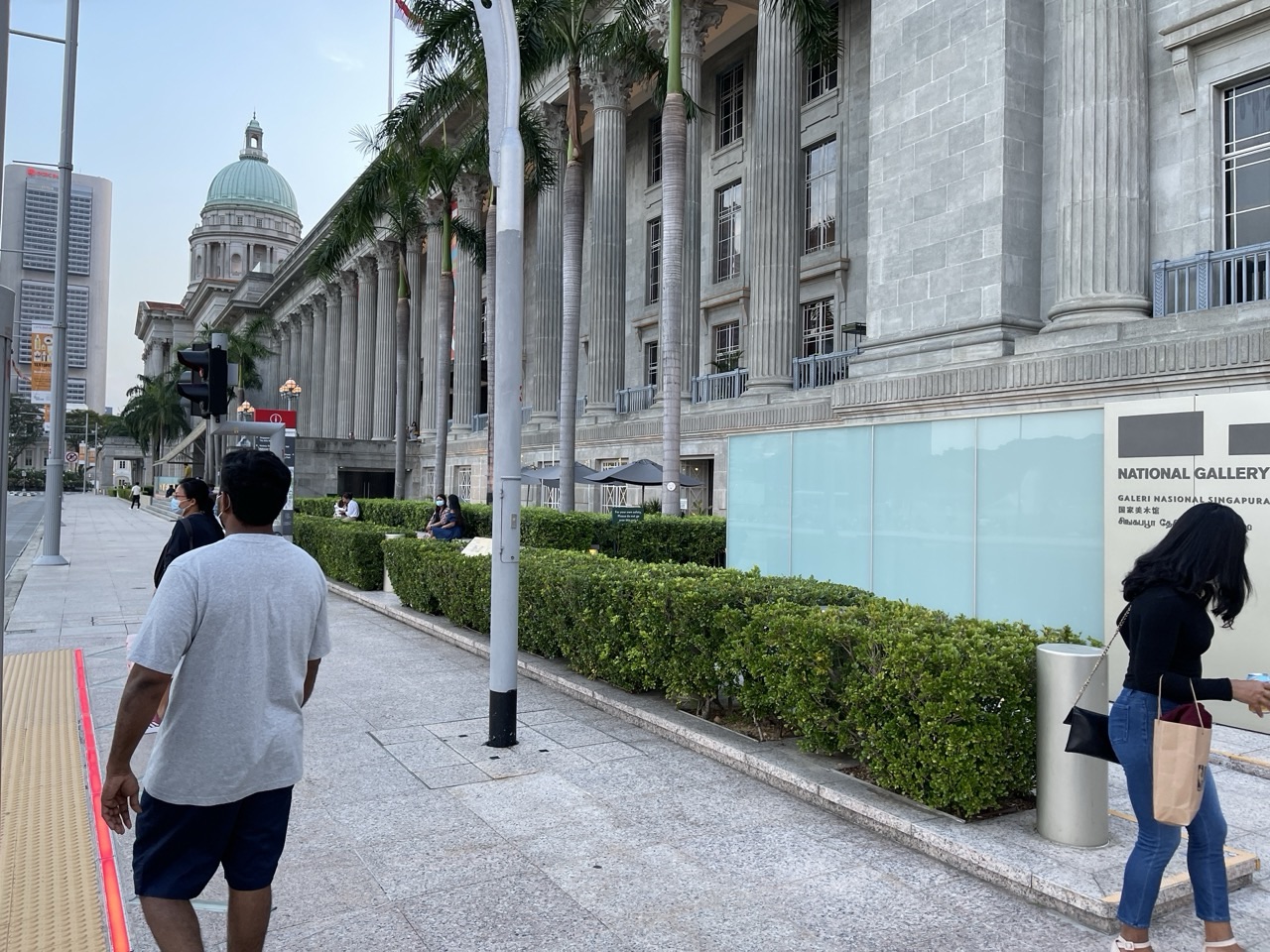
Improving children’s vocabulary through museums and exhibitions begins with one good question about an object: “What am I looking at, and how do we know?” An old tool may introduce artefact, material, purpose and evidence. A science display may introduce specimen, adaptation and investigate. The new words matter because children have an object, an explanation and a question to connect.
If you are searching for museum activities for kids, questions to ask children at a museum or learning vocabulary through family outings, use the twenty-five questions, thirty useful terms and short routines below. The method applies to science centres, local history displays, art galleries, nature exhibits and temporary exhibitions. A paid ticket is not essential: an online collection or a carefully chosen library book can also provide suitable objects to discuss.
Do not turn a family outing into a long lecture or scavenger hunt for obscure labels. Choose one object or exhibit the child genuinely wants to understand, read its information together and invite the child to explain the idea in their own words. Enjoyment and curiosity are part of the reason to visit.
Quick answer: the six-step museum word-learning method
- Choose one display or object that attracts the child’s attention.
- Ask what is directly observable: colour, material, shape, size, parts or location.
- Read a suitable label or explanation and select one or two useful new words.
- Clarify each word in familiar language, with an example and a different example.
- Ask what evidence supports the museum’s explanation and what is still uncertain.
- Later, revisit a word while looking at another object, discussing a photograph or reading a book.
Try it now: Imagine a displayed clay pot. Ask “What might this have been used for?” Then explain artefact as an object made or altered by people that can help us understand the past. A pot may be an artefact; a naturally occurring stone is not automatically one. Look for the exhibit label to learn what is actually known.
Why museums give unfamiliar words a reason to exist
In a museum, objects and explanations sit together. A fossil beside a diagram introduces ideas about anatomy and evidence; a historical photograph invites words for time and change; a sculpture encourages discussion of material, texture and form. The child can connect a label to something they are observing rather than memorising an unrelated definition.
Research on family museum visits has long considered how talking, reading labels and exploring exhibits together supports meaning-making. The National Museum of Australia overview of family visitors describes the importance of shared conversations and adult participation. A study of caregiver–child questions during museum interactions shows the range of questions adults use. Such research does not guarantee vocabulary gains from every visit; it supports making the conversation responsive and purposeful.
Museums differ in scope and quality. A natural history display, a local community collection and an art exhibition may present different kinds of evidence and invite different words. In a good discussion, children learn both the vocabulary and what the institution is claiming about the object.
Thirty museum and exhibition vocabulary words
Words 1–10: navigating an exhibition
| Word | Child-friendly meaning | Useful question |
|---|---|---|
| museum | a place that collects, studies or displays objects and information | What kind of museum is this? |
| gallery | a space showing artworks or exhibits | What is on display in this gallery? |
| exhibition | a planned display of objects or information | What is this exhibition about? |
| exhibit | an object or display presented for visitors | Which exhibit made you curious? |
| collection | a group of objects kept together for a purpose | What connects these objects in the collection? |
| label | written information identifying or explaining a display | What does the label tell us? |
| caption | a short explanation accompanying an image or object | Does the caption add something we could not see? |
| curator | a person who cares for, studies or organises collections or exhibitions | What decisions might a curator make? |
| interactive | designed to respond to a visitor’s actions | Which feature is interactive? |
| accessible | usable or reachable by people with different needs | How can a display be made accessible? |
A display might include replicas, digital reconstructions or interactive models alongside original objects. These are different things; an impressive-looking model is not automatically an authentic historical artefact.
Words 11–20: objects, evidence and the past
| Word | Child-friendly meaning | Useful question |
|---|---|---|
| artefact | an object made or altered by people, often studied for historical meaning | How might this artefact have been used? |
| specimen | an example of a living thing, material or substance used for study | What does this specimen illustrate? |
| fossil | preserved evidence or remains of ancient life | What does the fossil actually show? |
| replica | a copy made to resemble an original | Is this a replica or the original? |
| model | a simplified representation of something | What parts does the model leave out? |
| evidence | information supporting a claim or explanation | What evidence links this object to a date? |
| source | where information or an object comes from | What source does the label identify? |
| provenance | the known history of where an object came from and how it changed hands | What is known about the object’s provenance? |
| period | a span of time distinguished by events or characteristics | Which period does the object come from? |
| interpretation | an explanation of possible meaning based on information | Could another interpretation fit the evidence? |
Museum labels may simplify complex debates. A date may be estimated, an object’s original use may be uncertain, or the provenance may be incomplete. Teach possible, likely and uncertain where appropriate rather than turning every label into an unquestionable claim.
Words 21–30: studying, caring for and explaining objects
| Word | Child-friendly meaning | Useful question |
|---|---|---|
| material | what something is made from | Is this made of wood, metal or ceramic? |
| texture | how a surface feels or appears | What texture can we observe without touching? |
| structure | how parts are arranged and connected | What supports this structure? |
| function | what something does or is used for | What function might this tool have had? |
| conserve | protect something from damage or loss | Why should this object be conserved? |
| restore | repair or return an object toward an earlier state using an appropriate method | How is restoration different from conservation? |
| reconstruct | build an explanation or representation from incomplete evidence | What did the researcher reconstruct? |
| compare | notice relevant similarities and differences | How do these objects compare? |
| classify | place something in a group using a rule | How are the specimens classified? |
| investigate | examine a question carefully to find out more | What would you investigate next? |
Conservation and restoration do not mean the same thing. Conservators often aim to stabilise and protect material; a restoration may involve interventions intended to recover an earlier appearance or function. The exact work depends on professional ethics and the object. Children’s museum activities should never involve touching or attempting to repair collection objects.
Twenty-five questions to ask at museums with children
Questions 1–5: notice before guessing
- 1. “What do you notice first about this object?”
- 2. “What is its shape, colour or visible material?”
- 3. “Which part looks most unusual?”
- 4. “What can we see directly, without reading the label?”
- 5. “What might be missing from the display?”
Questions 6–10: connect words to meaning
- 6. “Which word on the label is new to you?”
- 7. “Can you explain it in simpler language?”
- 8. “Which part of the object shows what that word means?”
- 9. “What would be a different example of that word?”
- 10. “Which similar word would not mean quite the same thing?”
Questions 11–15: investigate the evidence
- 11. “How do researchers know how old this object might be?”
- 12. “Does the label say this is certain or estimated?”
- 13. “Is this the original object, a replica or a model?”
- 14. “Which claim comes from the evidence and which is an interpretation?”
- 15. “What information would help us become more certain?”
Questions 16–20: connect people and processes
- 16. “Who might have made or used this object?”
- 17. “What problem might it have solved?”
- 18. “How does this object compare with something used today?”
- 19. “Why might a museum conserve this material?”
- 20. “How might someone from another community interpret this display?”
Questions 21–25: transfer and create
- 21. “Can you explain this exhibit to someone who was not here?”
- 22. “What three words would you choose for a short caption?”
- 23. “What new question would you investigate?”
- 24. “Where could this word be useful outside a museum?”
- 25. “Which idea would you want to read about next?”
A child does not need to answer all twenty-five. Start with one or two real questions, listen carefully and follow their curiosity. Avoid the impression that museum visits are tests with one officially correct emotional or creative response.
Worked example: an ordinary historical tool
Imagine a display with an old wooden weaving tool. Ask the child what is visible: wooden pieces, perhaps a handle and a frame. Explain material and structure. Then ask what its function might have been. If the museum label identifies weaving, read the explanation together.
The word function describes what something does or is for; structure concerns the arrangement of its parts. A child can explain the difference: “The wooden frame is part of its structure. Helping people weave is its function.”
Now discuss limits. If the object is damaged or incomplete, its exact operation may be uncertain. The museum might use a reconstruction to show one plausible method. Distinguish the original object from the reconstructed demonstration.
Later, ask about the structure and function of a modern chair, bicycle or umbrella. The words now apply beyond a museum.
Worked example: a natural history specimen
Imagine a child studying a fossil shell. The label identifies it as a fossil, a preserved trace or remain of ancient life. Ask what features are visible and what information the label supplies. The child might observe curved ridges and infer that a living organism once made the shell.
Avoid the leap from “this is a fossil shell” to an unsupported exact date, habitat or cause of death. Discuss how scientists may use geological context and comparisons to interpret finds. If the label includes an estimated age, explain estimate as a reasoned approximation rather than an arbitrary guess.
For a younger child, a suitable conclusion might be “A fossil can preserve evidence of ancient life.” For an older child, ask how the fossil’s material and context support a more detailed scientific interpretation.
Ten short museum vocabulary activities
- 1. Label detective: Find one useful new word on a display label and explain it in the exhibit’s context.
- 2. Material comparison: Compare ceramic, stone, metal or wood using evidence from the label; do not touch.
- 3. Original or model: Ask what information identifies an object as an original, replica or reconstruction.
- 4. Time line: Put two or three labelled objects in chronological order, distinguishing known dates from estimates.
- 5. Caption builder: Create a short caption using one precise noun and one explanatory verb.
- 6. Similar, not identical: Compare a historical tool with a modern device serving a related function.
- 7. Ask the curator: Write a question you would want a curator or specialist to answer.
- 8. Evidence check: Choose one statement and identify what evidence the exhibit offers.
- 9. Quiet retelling: Let a child tell a short account of an exhibit in their own words.
- 10. New-context review: Use a museum word in a book, household conversation or different display afterward.
A gentle family visit routine
Before: Choose a broad area of interest—animals, transport, art, community life or history. Explain one practical word such as exhibition. Avoid trying to preview every display or teaching a long list.
During: Let the child choose a few displays. Read the captions where helpful, ask one open question and allow time to observe. Give a clear meaning for a useful unfamiliar word rather than making the child guess indefinitely.
After: Ask which object or question the child remembers. If they can explain artefact, specimen or conserve with a fresh example, the word has begun to transfer. If not, give another example and revisit gently later.
An actual museum is not essential. A digital collection, picture book, public-history display or a few safe household objects can be used for the same kind of observation and explanation.
Museum etiquette, privacy and access
Follow each venue’s rules about touching, photography, food and quiet spaces. Collections may be delicate; never ask children to test texture by handling a displayed artefact without explicit permission. Do not climb barriers or enter restricted areas to obtain a closer view.
Respect cultural objects and the communities connected to them. Avoid describing a culture as a curiosity or claiming to know the meaning of an object from its appearance alone. Where exhibits involve contested histories, listen to multiple well-supported perspectives and note uncertainties.
Children with mobility, sensory, hearing or communication needs may prefer accessible galleries, quiet hours, visual or text descriptions, breaks or at-home alternatives. They can learn the language by observing, listening, pointing, drawing or using suitable assistive communication methods.
Choosing the right level of conversation
Young children: Use visible objects and concrete properties. “What is it made of?” “Is this a real shell or a picture?” Help with short explanations and let the child choose when to move on.
Early primary: Invite comparisons, simple timelines and explanations of function. A child may tell you how a historical tool differs from a modern one while using material, handle and purpose.
Older children: Add evidence, provenance, authenticity, interpretation and the limits of reconstruction. Ask how the object supports the claim and whether new information could change the explanation.
Multilingual families: Discuss the exhibit in the family’s comfortable language if it supports a richer exchange, and introduce useful English labels when needed. Do not assume a child lacks the idea merely because they have not yet retrieved its English term.
Seven days of museum-inspired vocabulary
- Monday: choose one museum object from a visit or trusted online display.
- Tuesday: describe its visible features with two precise words.
- Wednesday: read a reliable explanation or label and clarify a central term.
- Thursday: compare the object with another example serving a related function.
- Friday: ask what is known and what is uncertain.
- Saturday: create a short caption or drawing with the useful word.
- Sunday: invite the child to explain the word in an unrelated situation.
This is an optional routine, not a fixed learning schedule or a requirement to visit a venue every day. One thoughtful conversation can be enough for a family outing.
Frequently asked questions
Can a museum visit improve children’s vocabulary?
It can provide rich opportunities to connect words with objects, images, labels and explanations. The benefit depends on how the child engages, what is clarified and whether words return in later contexts. A visit alone does not guarantee a vocabulary gain.
What if my child cannot read the exhibit labels?
Read a short passage aloud or explain a key word yourself. Let the child observe and ask questions. Independent reading ability is not required to discuss a displayed object.
Which museum words should children learn first?
Begin with museum, exhibit, label, object, material and compare. Add artefact, evidence or specimen when the display gives the word a clear purpose.
Do we need to attend a paid museum to practise?
No. Suitable images, digital collections, books and community displays can support the same word-learning discussion without purchasing tickets.
How should parents handle uncertain historical explanations?
Say what the exhibit claims, what evidence is supplied and what remains unknown. Avoid inventing origin stories or certainty when the source is incomplete.
Where to go next
This article owns museum-specific observation, labels and evidence words. For broader real-world subject language, see Nonfiction Books and Science Words. For discussing photographs use Picture Storytelling; for child-led curiosity use Why, How and What-If Questions. Explore the Vocabulary Learning Hub and Master Vocabulary for related learning.
Sources and editorial note
Research background: National Museum of Australia: Family Visitors to Museums and Caregiver and Child Question Types During a Museum Interaction. All questions, demonstrations and parent routines are original educational examples; exhibit-specific details should be checked with the museum’s own labels and sources.