
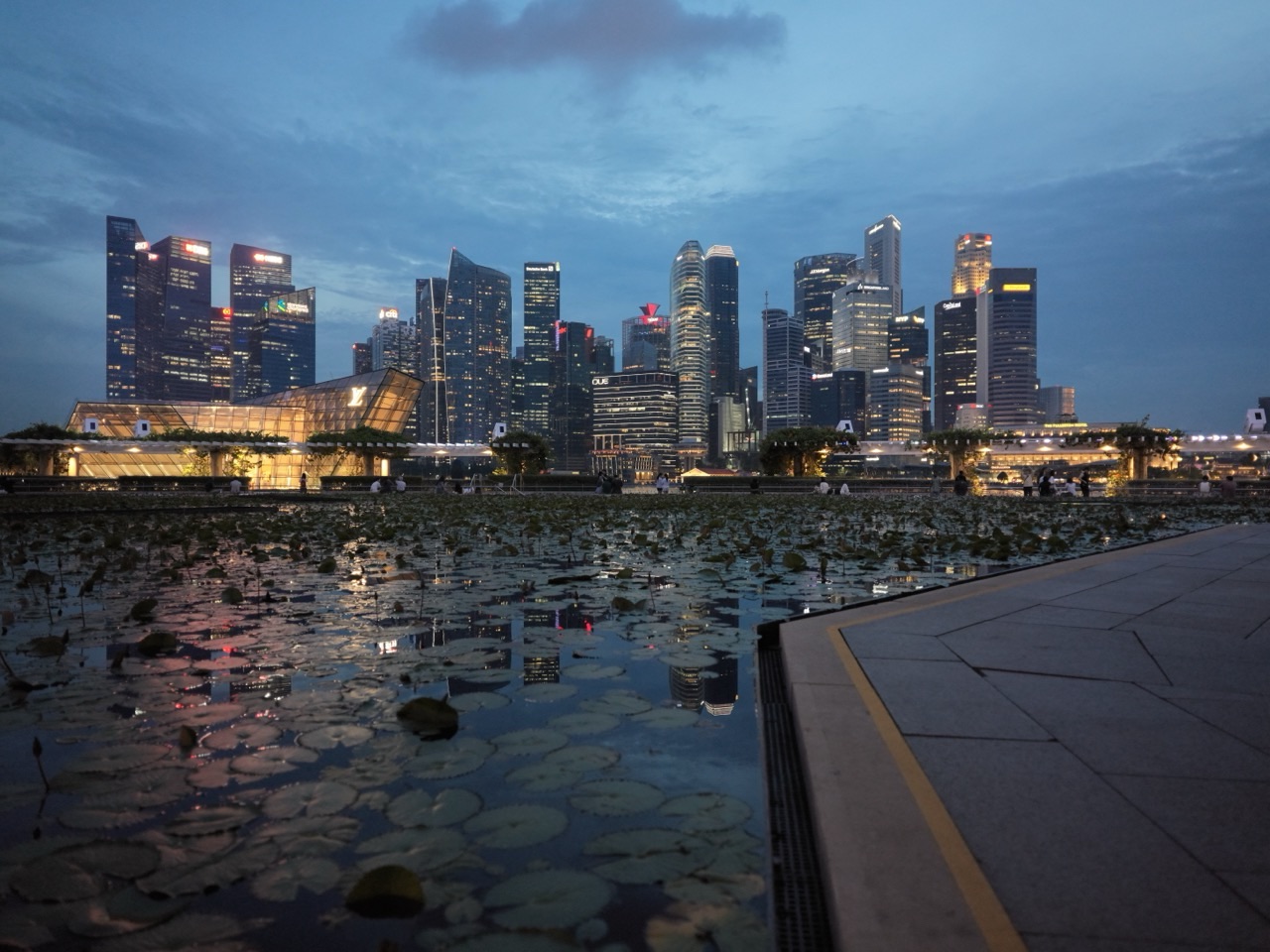
Time is the ultimate luxury because every other luxury has to be experienced inside it. A beautiful room needs time to enjoy. A long meal needs time to unfold. Travel needs time to notice where you are. Craftsmanship needs time to make, and relationships need time to deepen. This is why modern searches for time luxury, time affluence, slow living, luxury lifestyle and luxury experiences increasingly point toward the same idea: the highest form of abundance may not be owning more things, but having more control over your hours.
Did you know? A person can be materially wealthy and still feel poor in time. Meetings, messages, queues, transfers, decisions and interruptions can consume a day until even expensive experiences feel rushed. Luxury time begins when those pressures loosen. It appears as an unhurried breakfast, a journey without waiting, a private room where nobody interrupts, a flexible itinerary, a long conversation, a quiet afternoon or the freedom to change your mind. In that sense, time is not merely one type of luxury. It is the container that makes every other kind possible.
This is the time chapter of The Art of Luxury | What Is Luxury?.
Materials give luxury substance.
Craftsmanship gives luxury skill.
Time gives luxury room to happen.
Did You Know? Everyone Receives Time at the Same Speed
Time is one of the strangest resources in human life.
A billionaire does not receive a longer minute than anyone else.
Sixty seconds remain sixty seconds.
What changes is control.
Who decides what happens during those sixty seconds?
Who can remove waiting?
Who can delegate administration?
Who can choose when to rest?
Luxury time is therefore less about possessing time and more about reducing unwanted claims upon it.
Time Affluence: Feeling That There Is Enough
Researchers use the idea of time affluence to describe the sense that one has enough discretionary time rather than living in constant hurry.
This is useful because two people can have the same number of free hours on paper and experience them very differently.
One person may feel spaciousness.
Another may feel that every minute is already spoken for.
Luxury begins when time stops feeling compressed.
The calendar may not be empty.
But the person feels agency inside it.
The Luxury of Not Rushing
Rushing changes how the world feels.
Food becomes fuel.
Travel becomes transit.
A museum becomes a checklist.
A conversation becomes an interruption.
Remove the rush and ordinary experiences gain depth.
A ten-minute coffee can feel luxurious if nobody is waiting for the table, nobody is checking the clock and nobody needs you elsewhere.
That is an important lesson.
Luxury can be created by subtracting urgency.
Waiting Is One of Modern Life’s Hidden Costs
Queues, transfers, paperwork, security procedures, check-ins, traffic and scheduling gaps all consume time without necessarily creating value.
Many premium services therefore sell one thing beneath everything else:
less waiting.
Priority access matters because the saved minutes can be used elsewhere.
Private transfers matter because uncertainty shrinks.
Advance preparation matters because decisions have been made before the guest arrives.
Luxury service often converts waiting time into living time.
Delegation Is a Way of Buying Back Attention
Some tasks must be done.
But they do not always need to be done by you.
Cleaning.
Driving.
Scheduling.
Booking.
Research.
Maintenance.
Administration.
Delegation shifts labour from one person to another and must be understood ethically.
But from the customer’s perspective, one of its central luxury effects is clear: it returns cognitive bandwidth.
Time luxury is often attention luxury.
Decision Fatigue Can Make Abundance Feel Exhausting
More choice does not always feel better.
A traveller may face hundreds of hotels, restaurants, transfers, ticket types, room categories and itinerary options.
Luxury curation reduces the decision field.
The guest is not offered everything.
The guest is offered a few excellent options.
This saves more than minutes.
It saves mental energy.
Good luxury therefore edits.
A Flexible Schedule Can Be More Luxurious Than an Expensive Schedule
Imagine two itineraries.
The first is packed with impressive reservations from morning to midnight.
The second has fewer appointments and generous gaps.
Which one feels richer?
Often, the second.
Flexibility creates optionality.
You can stay longer at lunch.
Leave early if tired.
Follow an unexpected street.
Add a museum because the weather changed.
Luxury is not always having more booked.
Sometimes it is having room to improvise.
Slow Travel Is Not Necessarily Cheap Travel
Slow travel is often misunderstood as simply spending less.
Its deeper idea is staying long enough for a place to become legible.
You recognise the morning rhythm.
You know which street is quiet after lunch.
You return to the same bakery.
You notice how light changes across a square.
Luxury slow travel can be extremely comfortable, but its defining feature is not extravagance.
It is depth.
The Longer Lunch Is a Luxury Technology
A long lunch may not involve rare ingredients.
Its luxury can come from pacing.
No rush to turn the table.
No immediate meeting.
No need to eat with one eye on the phone.
Courses arrive slowly enough for conversation to continue naturally.
Hospitality can make time feel larger by refusing to compress it.
The Luxury of the Unscheduled Afternoon
An empty afternoon is difficult to photograph.
That may be why it is underrated.
There is no object to display.
No exclusive room.
No rare material.
Only freedom.
You can read.
Walk.
Sleep.
Talk.
Or change your mind.
In a culture of constant scheduling, the unassigned hour becomes a status of its own.
Privacy Protects Time
Privacy is often described spatially.
A private room.
A private entrance.
A private garden.
But privacy also has a temporal function.
It protects time from interruption.
When nobody can enter uninvited, call unexpectedly or demand immediate response, a person can remain inside one activity for longer.
Privacy is therefore not merely separation.
It is continuity.
Deep Attention Is a Form of Luxury
Modern life fragments attention.
Notifications divide thought.
Tabs multiply.
Messages arrive during meals.
Work follows people home.
This makes uninterrupted concentration increasingly valuable.
Reading for two hours.
Listening to an entire concert.
Walking without headphones.
Studying one painting for longer than a photograph takes.
Attention turns time into experience.
Craftsmanship Stores Time Inside Objects
A finely made object contains time.
Time to train.
Time to select material.
Time to form, join, finish and inspect.
This is one reason craftsmanship can feel luxurious even before the owner uses the object.
You are encountering accumulated human time.
Continue with The Art of Luxury | Craftsmanship.
Age Can Increase Luxury
Some luxury objects become more interesting because they survive.
Patina records handling.
Restoration preserves history.
Architecture accumulates memory.
Wine, timber, leather, bronze, stone and paper can all change with time in very different ways.
The luxury is not always newness.
Sometimes it is continuity.
Read The Art of Luxury | Materials.
Heritage Is Time Made Social
Heritage connects generations.
A recipe survives because somebody teaches it.
A craft survives because somebody trains an apprentice.
A building survives because somebody maintains it.
A ritual survives because people repeat it.
Luxury heritage is therefore not simply “old things.”
It is maintained continuity.
Time becomes valuable because people refuse to let knowledge disappear.
The Fastest Route Can Be Luxurious — So Can the Slowest
Luxury time contains a lovely contradiction.
Sometimes people pay to go faster.
A direct transfer.
A shorter queue.
A faster connection.
At other times, people pay to go slower.
A scenic train.
A long sea voyage.
A tasting menu.
A multi-day retreat.
The common factor is not speed.
It is control over speed.
Luxury Transport Is Often About Schedule Sovereignty
A vehicle can be expensive because of material, engineering or performance.
But transport becomes temporally luxurious when the passenger gains control over departure, route, stops and arrival.
Schedule sovereignty means the journey bends around the traveller rather than the traveller bending entirely around the timetable.
This is one reason flexible transport can feel more luxurious than visually glamorous transport.
A Hotel Can Sell Time Without Saying the Word
Early room readiness.
Late departure.
Breakfast whenever you wake.
Fast laundry.
Efficient luggage handling.
A concierge who solves a reservation quickly.
A room where you do not have to leave to feel comfortable.
Hospitality becomes luxurious when the property gives the guest more usable day.
The Luxury of Being Remembered Saves Time
Good service remembers.
Preferred room temperature.
Dietary needs.
Pillow preference.
Usual departure time.
Favourite table.
The guest no longer has to repeat the same information.
Memory becomes a service technology.
It turns recognition into saved time and reduced friction.
Monaco: Luxury Compressed into a Tiny Geography
Monaco offers a fascinating time-luxury lesson because extraordinary density compresses many activities into a very small urban area.
Hotels, dining, waterfront, cultural venues, shopping, residences and events can sit remarkably close together.
That creates a peculiar luxury advantage.
Less time can be lost simply moving between experiences.
The geography itself can become a time-saving system.
For the wider city logic, explore Crazy Rich Monaco | Monaco Real Estate, Property Prices and the Scarcity Economy.
Singapore: Time Luxury in a High-Efficiency City
Singapore demonstrates a different version of time luxury.
Efficient transport, dense neighbourhoods, reliable infrastructure and digital services can reduce the time cost of ordinary life.
That creates a useful paradox.
A city can feel luxurious not because every activity is extravagant, but because many activities are predictable.
Predictability saves planning time.
Reliability saves contingency time.
Good infrastructure can function like invisible concierge service at city scale.
China: Time Luxury Between Speed and Tradition
For bilingual English–Chinese readers, China is especially interesting because modern speed and long-duration cultural practices can sit beside each other.
High-speed movement can compress distance.
Tea, gardens, calligraphy, craft and ceremonial dining can expand attention.
One system saves time.
Another teaches you how to inhabit it.
Luxury culture becomes richer when speed is available but slowness remains possible.
The Difference Between Efficiency and Hurry
Efficiency means removing unnecessary effort.
Hurry means compressing experience.
They are not the same.
A well-designed luxury system is efficient behind the scenes and unhurried in front of the guest.
The kitchen moves quickly so dinner can feel slow.
The driver plans carefully so the passenger does not need to.
The hotel prepares early so arrival feels effortless.
Great luxury hides speed inside calm.
The Luxury of Saying No
Time becomes truly luxurious when a person can protect it.
No to another meeting.
No to an unnecessary trip.
No to an event attended from obligation.
No to immediate response.
This form of luxury is not purchased directly.
It comes from autonomy.
And autonomy may be one of wealth’s most valuable potential uses.
The Luxury of Saying Yes Slowly
The opposite matters too.
When time is abundant, decisions do not have to be made under pressure.
You can inspect.
Compare.
Sleep on it.
Return tomorrow.
Ask another question.
Time improves judgement because urgency no longer controls the decision.
Retirement Reveals the Strange Psychology of Time
People often imagine unlimited free time as pure luxury.
But completely unstructured time can also feel empty.
This teaches an important point.
Luxury time is not simply more free hours.
It is meaningful control over how hours are used.
Purpose and freedom work best together.
Children Already Understand Time Luxury
Watch a child deeply absorbed in play.
There is no productivity dashboard.
No need to optimise the next twenty minutes.
The activity is valuable because it is being lived.
Adults often spend money trying to recover this state.
Retreats, holidays, hobbies and private spaces can all be attempts to rebuild uninterrupted absorption.
Perhaps luxury time is partly the adult reconstruction of unbroken play.
Time Makes Memory
Experiences need duration to become textured memories.
A rushed city becomes landmarks.
A slower city becomes smells, shortcuts, weather, conversations and routines.
This is one reason luxury travel can become less about the number of destinations and more about the quality of attention in each destination.
Memory is built from noticed detail.
Noticed detail requires time.
The Best Luxury Services Expand Perceived Time
A great service does not literally lengthen the day.
It changes how much of the day belongs to you.
- fewer queues;
- fewer repetitive explanations;
- fewer logistical mistakes;
- fewer unnecessary decisions;
- fewer transitions;
- fewer interruptions.
Subtract enough friction and the same twenty-four hours can feel surprisingly spacious.
The Ethical Question: Whose Time Creates Your Time?
This is where the luxury conversation becomes serious.
When one person saves time, another person may be supplying labour.
A driver waits.
A housekeeper cleans.
A cook prepares.
A concierge researches.
A craftsperson spends hours finishing what the customer receives in seconds.
Responsible luxury recognises this exchange.
Human time should not become invisible simply because the experience feels effortless.
English–Chinese Time Luxury Vocabulary | 时间奢华词汇
- time affluence — 时间充裕感
- unhurried — 从容的 / 不匆忙的
- leisure — 闲暇
- discretionary time — 可自由支配时间
- flexible schedule — 灵活的时间安排
- priority access — 优先通道 / 优先进入
- private transfer — 私人接送
- slow travel — 慢旅行
- downtime — 休息时间
- uninterrupted — 不受打扰的
- at your own pace — 按自己的节奏
- late checkout — 延迟退房
- early check-in — 提前入住
- by appointment — 预约制
- at leisure — 悠闲地 / 从容地
Visit and Touring Vocabulary | Travelling with More Time · 从容旅行
1. What time should we leave? · 我们几点出发?
A simple planning question that helps protect the rest of the day. 中文:我们几点出发?
2. Is there a faster route? · 有更快的路线吗?
Useful when time matters more than scenery. 中文:有更快的路线吗?
3. Is there a scenic route? · 有风景更好的路线吗?
Useful when the journey itself is part of the experience. 中文:有风景更好的路线吗?
4. Can we stay a little longer? · 我们可以多待一会儿吗?
Perfect for private tours and flexible itineraries. 中文:我们可以多待一会儿吗?
5. We are not in a hurry. · 我们不赶时间。
A wonderfully useful luxury sentence. 中文:我们不赶时间。
6. Can the itinerary be flexible? · 行程可以灵活调整吗?
Useful when booking a private guide or driver. 中文:行程可以灵活调整吗?
7. Is early check-in available? · 可以提前入住吗?
Useful after an early arrival. 中文:可以提前入住吗?
8. Is late checkout available? · 可以延迟退房吗?
Useful when a later departure would improve the day. 中文:可以延迟退房吗?
9. How long should we allow? · 我们应该预留多长时间?
One of the best questions for avoiding a rushed visit. 中文:我们应该预留多长时间?
10. Can we come before opening? · 我们可以在开门前来吗?
Useful where private or early access is offered. 中文:我们可以在开门前来吗?
11. Can we avoid the busiest time? · 我们可以避开最拥挤的时间吗?
Useful for museums, viewpoints and attractions. 中文:我们可以避开最拥挤的时间吗?
12. We would like some free time. · 我们想留一些自由活动时间。
Excellent for preventing an itinerary from becoming too full. 中文:我们想留一些自由活动时间。
Continue with the Top 100 Vocabulary for Visiting and Touring | World City Directory.
How to Design a Luxurious Day Without Spending More
- Book fewer things.
- Leave wider gaps between them.
- Choose one neighbourhood rather than crossing the city repeatedly.
- Protect one meal from hurry.
- Give one place more time than the guidebook recommends.
- Leave room for an unexpected discovery.
- Turn off notifications for an hour.
- Do not confuse a full itinerary with a rich itinerary.
The luxury is not the number of activities.
It is the amount of life inside each one.
What Students Can Learn from Time Luxury
Economics
Time has opportunity cost. Choosing one activity means giving up another possible use of the same hour.
Psychology
Perceived time pressure influences stress, attention, decision-making and how enjoyable an experience feels.
Urban Planning
Transport, density and infrastructure change how much time citizens spend moving, waiting and completing routine tasks.
Hospitality
Good service protects guest time by anticipating needs and reducing friction.
Language
Words such as unhurried, flexible, leisurely and uninterrupted describe different qualities of time more precisely than simply “free.”
Life Design
A good schedule is not only efficient. It leaves enough margin for recovery, curiosity and relationships.
Frequently Asked Questions
Why is time considered the ultimate luxury?
Because every experience requires time, and no amount of money can create additional hours in a day. Wealth can, however, increase control over how those hours are used.
What is time affluence?
Time affluence is the feeling that one has enough discretionary time and is not constantly rushed.
Can time luxury exist without money?
Yes. Protecting an afternoon, reducing unnecessary commitments, walking slowly or giving full attention to one activity can create time luxury without expensive consumption.
How do luxury services save time?
They can reduce waiting, decision-making, transfers, repeated explanations, planning and administrative friction.
Is fast travel always more luxurious?
No. Luxury may mean faster transport when the goal is saving time, or slower transport when the journey itself is valuable. Control over pace matters more than speed alone.
What is slow travel?
Slow travel means staying long enough to experience a place with greater depth rather than maximising the number of destinations or attractions.
Why is privacy connected to time?
Privacy reduces interruptions, allowing a person to remain focused on an activity for longer periods.
Can efficiency create luxury?
Yes. Reliable systems can remove wasted time. The important distinction is that efficiency should remove friction rather than compress the meaningful parts of an experience.
What is schedule sovereignty?
It is the ability to decide when activities happen instead of being completely controlled by fixed external timetables.
What is the simplest way to add time luxury to a day?
Leave more margin. One unscheduled hour can make an entire day feel less compressed.
Helpful Reading Across the eduKate Knowledge Graph
- The Art of Luxury | What Is Luxury?
- The Art of Luxury | Materials
- The Art of Luxury | Craftsmanship
- Crazy Rich Monaco | Monaco Real Estate, Property Prices and the Scarcity Economy
- Top 100 Vocabulary for Visiting and Touring | World City Directory
- Crazy Rich World | Countries, Culture, Wealth, Travel and How the World Works
The Art of Luxury Is Having Enough Time to Notice
Enough time to taste.
Enough time to look.
Enough time to listen.
Enough time to change your mind.
Enough time to stay.
Enough time to do nothing.
Did you know? The richest hour may not be the hour with the most expensive activity inside it. It may be the hour that belongs completely to you.
Return to The Art of Luxury | What Is Luxury?
Series navigation: The Art of Luxury | Complete Series Directory · Luxury | World Directory · Crazy Rich World