
Experiential luxury is the idea that the most valuable form of luxury may be something you live through rather than something you own. People searching for luxury experiences, experiential luxury, luxury travel experiences, exclusive experiences and meaningful luxury are increasingly drawn to moments that combine time, access, privacy, service, culture, place and memory. A private museum visit, a quiet meal in an extraordinary setting, a long railway journey, a workshop with a master craftsperson, a sunrise reached before the crowds or a family celebration designed around the people present can all be luxurious even when nothing permanent comes home in a shopping bag.
Did you know? The power of experiential luxury comes from a simple human fact: possessions stay outside the body, but experiences become part of memory. The richest experience is not necessarily the most expensive or dramatic. It is the one with enough rarity, attention, emotion, knowledge and time to feel different from ordinary life. That is why modern luxury can move away from “What did you buy?” toward a more interesting question: What were you allowed to see, feel, learn, taste, hear or remember?
This is the experience chapter of The Art of Luxury | What Is Luxury?, following The Art of Luxury | Service Is the Invisible Luxury.
Materials create objects.
Space creates settings.
Service removes friction.
Experience turns all of them into memory.
Did You Know? Luxury Can Exist Without Ownership
You do not need to own a palace to dine inside one.
You do not need to own a yacht to spend an afternoon at sea.
You do not need to own a vineyard to walk it with the person who understands the soil.
You do not need to own a collection to see it privately.
You do not need to own a mountain to watch sunrise from its ridge.
Ownership creates control.
Experience creates access.
And sometimes access is all the luxury a person actually wants.
The Experience Equation
A useful way to think about experiential luxury is:
Experiential Luxury = Rarity × Attention × Emotion × Meaning × Memory
Rarity makes the moment unusual.
Attention makes it vivid.
Emotion makes it matter.
Meaning connects it to a larger story.
Memory allows it to continue after the event ends.
A Luxury Experience Is Often Designed Around Access
Access changes ordinary places.
A museum during public hours is one experience.
The same museum before opening with a curator is another.
A restaurant in the main dining room is one experience.
A private table in a kitchen-side room is another.
A city landmark from the pavement is one experience.
The same landmark from a private rooftop is another.
Luxury access changes perspective.
Rarity Can Be Temporal, Not Material
Some experiences are rare because they happen only at certain times.
A seasonal bloom.
A migration.
A festival.
A performance.
A sunrise from a place open only briefly.
A meal built around ingredients available for a few weeks.
Luxury can therefore come from being there at the right moment.
Time itself becomes the scarce material.
Read The Art of Luxury | Time Is the Ultimate Luxury.
Privacy Can Transform an Experience
A crowded room changes behaviour.
A private room changes it again.
People ask different questions.
Children relax.
Conversation becomes more candid.
Attention stays longer.
The luxury is not merely exclusion.
It is the different emotional quality created when people no longer feel watched.
Read The Art of Luxury | Privacy Is the New Luxury.
The Luxury of a Private Viewing
A private viewing changes the relationship between person and object.
There is less crowd noise.
More time.
More freedom to stand still.
More opportunity to ask questions.
An artwork that might receive twenty seconds during a busy visit can suddenly receive twenty minutes.
The object did not change.
The conditions of attention did.
Expert Access Can Be More Valuable Than Exclusive Access
Sometimes the rare person matters more than the rare room.
A curator.
A historian.
A chef.
A craftsperson.
A naturalist.
A winemaker.
A guide who has spent years studying one neighbourhood.
Expertise changes what you notice.
Knowledge can make the same landscape twice as rich.
Learning Can Be a Luxury Experience
Learning becomes luxurious when access, attention and skill are concentrated.
A private ceramics lesson.
A cooking session inside a working kitchen.
A workshop with a master artisan.
A telescope session with an astronomer.
A historical walk with a specialist.
You leave with no object or with only a small one.
Yet you own something harder to lose: a changed way of seeing.
Craft Experiences Turn Objects Back into Human Stories
Buying a finished object tells you what was made.
Watching it being made tells you how much knowledge sits inside it.
Suddenly the object contains tools, hands, heat, judgement, mistakes, correction and time.
That makes craft tourism powerful.
The luxury is understanding.
Continue with The Art of Luxury | Craftsmanship.
A Meal Can Be an Experience Before It Is Food
Where is the table?
Who are you with?
What can you see?
Who explains the ingredients?
How quickly do courses arrive?
Is there a story connecting the food to the place?
Luxury dining is experiential because taste is only one sensory layer.
Sound, temperature, lighting, pacing, service and company all contribute to the memory.
The Setting Can Be the Main Course
A simple meal eaten beside a remarkable landscape can become more memorable than a complicated meal in an ordinary room.
Cliff edge.
Garden.
Desert.
Harbour.
Historic house.
Forest clearing.
Rooftop.
Place can transform consumption into event.
Luxury Travel Is Really Curated Sequence
A great trip is not a bag of attractions.
It is a sequence.
Arrival.
First impression.
Orientation.
Discovery.
Rest.
Celebration.
Departure.
Luxury travel design manages energy across that sequence.
Not every hour needs to be spectacular.
The quiet hours give the spectacular ones contrast.
The Best Itinerary Leaves Space for Surprise
Over-planning kills serendipity.
A good luxury itinerary protects time for the unexpected.
An interesting shop.
A longer conversation.
A street you did not plan to walk.
A second coffee because the view is better than expected.
Luxury experience design gives chance somewhere to land.
Adventure Can Be Luxury Too
Luxury does not always mean softness.
It can mean access to difficulty under expertly managed conditions.
A remote trek with excellent logistics.
A dive with a highly skilled guide.
A ski day with private instruction.
A long expedition with reliable support.
The luxury is not avoiding challenge.
It is removing unnecessary danger and friction so the meaningful challenge remains.
Nature Becomes Luxurious When Access Is Gentle
Nature does not become luxurious because humans decorate it.
Sometimes luxury means reaching extraordinary nature without overwhelming it.
Small groups.
Expert interpretation.
Quiet transport.
Low-impact accommodation.
Enough time to observe.
In this form of experiential luxury, restraint improves the experience because the place itself remains the star.
Wellness Luxury Is Experienced Inside the Body
Some luxury cannot be displayed externally.
Better sleep.
Reduced stress.
Warmth after cold.
Silence after noise.
Movement after hours of sitting.
A wellness experience can be luxurious because the outcome is embodied.
The person feels different afterward.
Celebration Is One of Humanity’s Oldest Luxury Experiences
Humans have always used surplus to mark special moments.
Weddings.
Births.
Coming of age.
Victories.
Reunions.
Religious festivals.
Public ceremonies.
Luxury celebration concentrates food, dress, decoration, music, space and attention into one memorable event.
The purpose is not everyday efficiency.
It is making one day feel unlike other days.
The Luxury of Being Backstage
Backstage access is fascinating because it reverses the ordinary audience relationship.
You see preparation.
Tools.
Rehearsal.
People at work.
The polished public surface opens and reveals the system beneath it.
For curious travellers, understanding the machinery can be more luxurious than seeing the finished performance alone.
The Luxury of Front Row Is Proximity
Why does front row matter?
Because distance changes sensory information.
You see expressions.
Hear breath.
Notice material details.
Feel physical presence.
Luxury access often means shortening the distance between observer and event.
Memory Is the Souvenir That Cannot Be Decluttered
Objects require storage.
Experiences require memory.
This is one reason experiential luxury becomes attractive in a world already full of possessions.
A person may not want another object.
They may want a story.
A shared joke.
A taste remembered years later.
A place that becomes family vocabulary.
Experiences consume less cupboard space while occupying more narrative space.
Photographs Can Help Memory — or Replace Attention
Taking photographs can preserve detail.
But photographing everything can turn experience into content production.
The luxury question becomes:
Are you documenting the moment, or are you missing the moment while documenting it?
Sometimes the most luxurious choice is taking one good photograph and then putting the phone away.
Luxury Experiences Often Depend on Invisible Service
The guest remembers the sunset.
Someone checked the weather.
The guest remembers the meal.
Someone coordinated the kitchen.
The guest remembers the smooth arrival.
Someone planned transport.
Experiential luxury looks spontaneous when service has planned the non-spontaneous parts extremely well.
Continue with The Art of Luxury | Service Is the Invisible Luxury.
Monaco: Experience Luxury Through Concentration
Monaco demonstrates experiential luxury through extraordinary concentration.
Harbour.
Motorsport.
Performance.
Dining.
Hotels.
Art.
Sport.
All can exist within a tiny geography.
That concentration allows one day to contain many distinct experiences without spending most of the day moving between them.
Explore the wider Crazy Rich World graph and the Monaco branches within it.
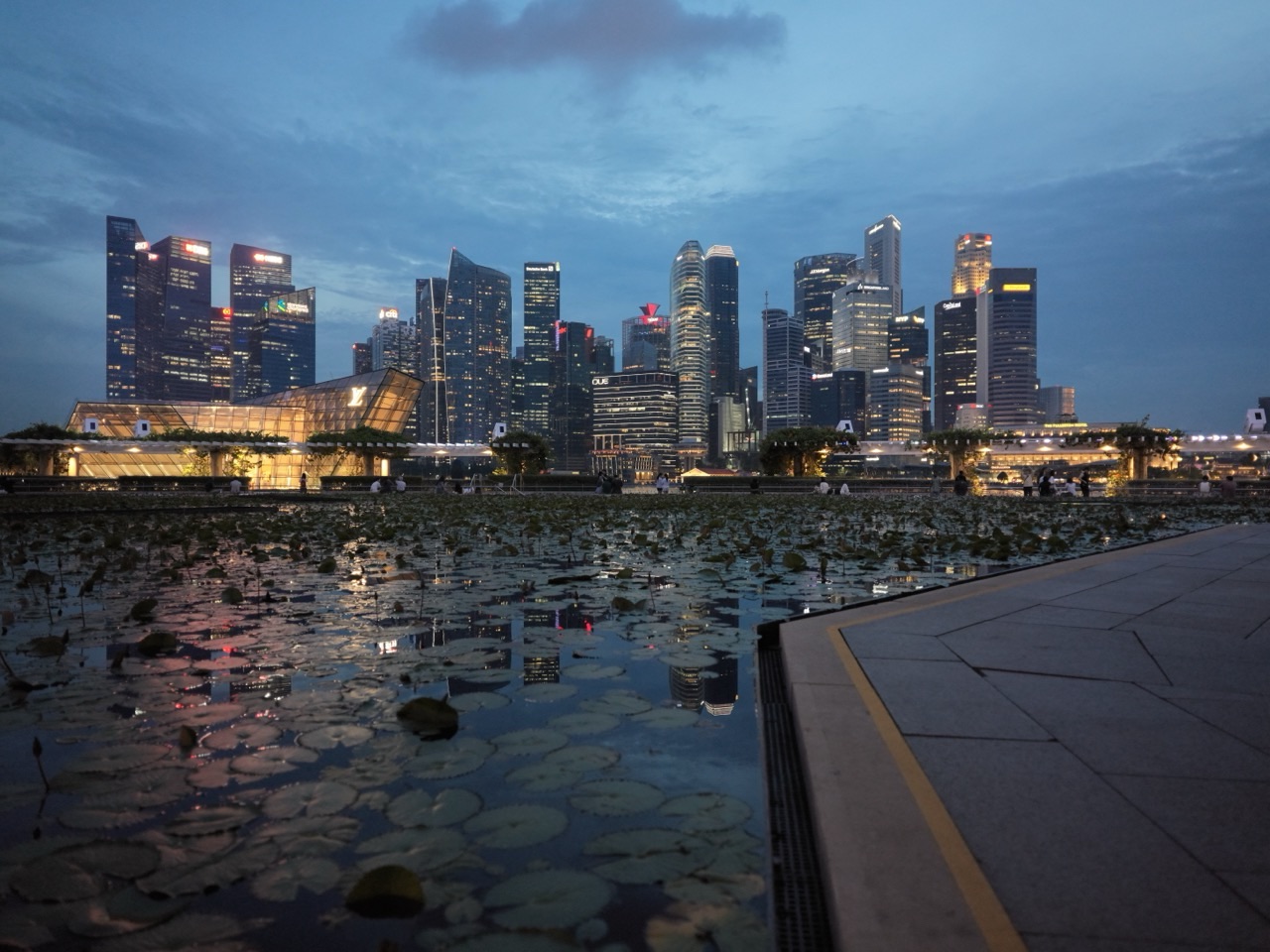
Singapore: Experience Luxury Through Urban Efficiency
Singapore creates another kind of experiential luxury.
Dense transport networks and compact geography make it possible to move from garden to gallery, waterfront to restaurant, heritage district to skyline in one day without turning the entire day into logistics.
The luxury is compression without chaos.
When infrastructure works, more of the day can be spent experiencing rather than organising.
China: Experiential Luxury Through Cultural Depth
For English–Chinese readers, China demonstrates how an experience becomes richer when language, history and ritual are understood.
A garden is more than scenery when you recognise borrowed views and layered thresholds.
Tea is more than a beverage when you understand preparation and hospitality.
Porcelain is more than tableware when you understand kiln, clay, glaze and trade history.
Cultural knowledge increases experiential resolution.
You see more because you know more.
Experiential Luxury Does Not Need to Be Loud
A famous event can be luxurious.
So can a quiet one.
An empty beach at sunrise.
A bookstore before lunch.
A garden in light rain.
A long train window.
A tea table with one friend.
The luxury may be intensity of attention rather than scale of spectacle.
The Best Luxury Experience Becomes Personal
A generic itinerary can be excellent.
A personal itinerary can become meaningful.
Architecture for someone who loves buildings.
Markets for someone who cooks.
Trains for someone fascinated by transport.
Textile workshops for someone who sews.
Astronomy for a child who cannot stop looking at the sky.
Personalisation turns impressive experiences into relevant experiences.
The Ethical Question: Does the Experience Respect the Place?
Exclusive access can become destructive if it damages the very place that makes the experience special.
Wildlife should not be stressed for a photograph.
Heritage should not be damaged for convenience.
Local communities should not become scenery.
Craftspeople should not become props.
Responsible experiential luxury leaves the place capable of remaining extraordinary.
English–Chinese Experiential Luxury Vocabulary | 体验式奢华词汇
- experience — 体验
- experiential luxury — 体验式奢华
- exclusive experience — 专属体验
- private viewing — 私人预展 / 私人观赏
- behind-the-scenes access — 幕后参观 / 幕后通道
- private tour — 私人导览
- curated itinerary — 精心策划的行程
- immersive — 沉浸式的
- once-in-a-lifetime — 一生难得一次的
- memorable — 难忘的
- authentic — 真实的 / 原汁原味的
- local expert — 当地专家
- workshop — 工坊 / 体验课
- private dining — 私人用餐
- slow travel — 慢旅行
Visit and Touring Vocabulary | Experiences and Private Access · 体验与专属参观
1. Is a private tour available? · 可以安排私人导览吗?
Useful for museums, heritage sites and city tours. 中文:可以安排私人导览吗?
2. Can we visit before opening? · 我们可以在开门前参观吗?
Useful where early private access is offered. 中文:我们可以在开门前参观吗?
3. Is there a behind-the-scenes tour? · 有幕后参观吗?
Useful for theatres, museums, factories and workshops. 中文:有幕后参观吗?
4. Can we meet the craftsperson? · 我们可以见到工匠吗?
Useful for craft-focused travel. 中文:我们可以见到工匠吗?
5. Is there a hands-on workshop? · 有亲手体验的工坊课程吗?
Useful when you want to learn by doing. 中文:有亲手体验的工坊课程吗?
6. Can the itinerary be customised? · 行程可以定制吗?
Useful for private tours and multi-day trips. 中文:行程可以定制吗?
7. We would like a local expert. · 我们希望由当地专家带领。
Useful when expertise matters more than generic sightseeing. 中文:我们希望由当地专家带领。
8. How long should we allow? · 我们应该预留多长时间?
A good way to avoid rushing an experience. 中文:我们应该预留多长时间?
9. Is photography allowed? · 可以拍照吗?
Always ask in private spaces, galleries and workshops. 中文:可以拍照吗?
10. Can we stay a little longer? · 我们可以多待一会儿吗?
Useful when a private itinerary allows flexibility. 中文:我们可以多待一会儿吗?
11. Is this experience seasonal? · 这个体验是季节性的吗?
Useful for nature, food and festival experiences. 中文:这个体验是季节性的吗?
12. What makes this place special? · 这个地方特别在哪里?
One of the best questions to ask any knowledgeable guide. 中文:这个地方特别在哪里?
Continue with the Top 100 Vocabulary for Visiting and Touring | World City Directory.
How to Build a Luxury Experience Without Spending More
- Go at a quieter time.
- Stay longer in fewer places.
- Learn something about the place before arriving.
- Ask one knowledgeable person a good question.
- Choose one meal you will not rush.
- Put the phone away for part of the experience.
- Leave room for surprise.
- Experience something at the time of day when it is most itself.
Luxury is often less about adding expense than improving conditions for attention.
What Students Can Learn from Experiential Luxury
Psychology
Memory, novelty, attention and emotion influence why some experiences remain vivid while others disappear quickly.
Economics
Experiences can create value through access, scarcity, expertise and personalisation without transferring ownership.
Tourism
Good tourism design balances access, authenticity, local benefit and protection of place.
Culture
Rituals, food, performance, craft and heritage become richer when visitors understand their context.
Language
Travel vocabulary helps visitors ask better questions, negotiate access and participate respectfully.
Ethics
Exclusive experiences should not damage ecosystems, exploit workers or reduce communities to scenery.
Frequently Asked Questions
What is experiential luxury?
Experiential luxury is luxury created through memorable activities, access, service, place, knowledge, privacy and emotion rather than through ownership alone.
Why are experiences considered luxurious?
Experiences can be rare, personalised, time-sensitive and emotionally meaningful. They may also provide access that ordinary visitors cannot easily obtain.
Is experiential luxury always expensive?
No. Quiet timing, deeper attention, local knowledge and slower pacing can make an ordinary experience feel luxurious without a high price.
What are examples of luxury experiences?
Private tours, expert-led workshops, secluded stays, private dining, behind-the-scenes access, nature expeditions, cultural performances and highly personalised itineraries are common examples.
Why is access important in experiential luxury?
Access changes how closely, privately or deeply a person can engage with a place, expert, performance or collection.
How does privacy improve an experience?
Privacy reduces social pressure, noise and interruption, allowing greater concentration and more natural conversation.
Why does local expertise matter?
An expert can reveal details, context and connections a visitor might otherwise miss, increasing the informational depth of the experience.
Why is slow travel luxurious?
Slow travel gives visitors time to notice routines, places and people rather than rushing between attractions.
Can learning be a luxury experience?
Yes. Concentrated access to expert knowledge, skilled practitioners and rare settings can make learning highly valuable and memorable.
What is the simplest luxury experience?
A meaningful moment given enough time, privacy and attention to become memorable.
Helpful Reading Across the eduKate Knowledge Graph
- The Art of Luxury | What Is Luxury?
- The Art of Luxury | Time Is the Ultimate Luxury
- The Art of Luxury | Privacy Is the New Luxury
- The Art of Luxury | Space Is the New Luxury
- The Art of Luxury | Service Is the Invisible Luxury
- The Art of Luxury | Craftsmanship
- Top 100 Vocabulary for Visiting and Touring | World City Directory
- Crazy Rich World | Countries, Culture, Wealth, Travel and How the World Works
The Art of Luxury Is Remembering More Than You Own
The finest experience may leave no object behind.
Only a story.
A taste.
A sound.
A person you met.
A new skill.
A changed perspective.
Did you know? Perhaps experiential luxury is simply this: the moment ends, but its value does not.
Return to The Art of Luxury | What Is Luxury?
Series navigation: The Art of Luxury | Complete Series Directory · Luxury | World Directory · Crazy Rich World