
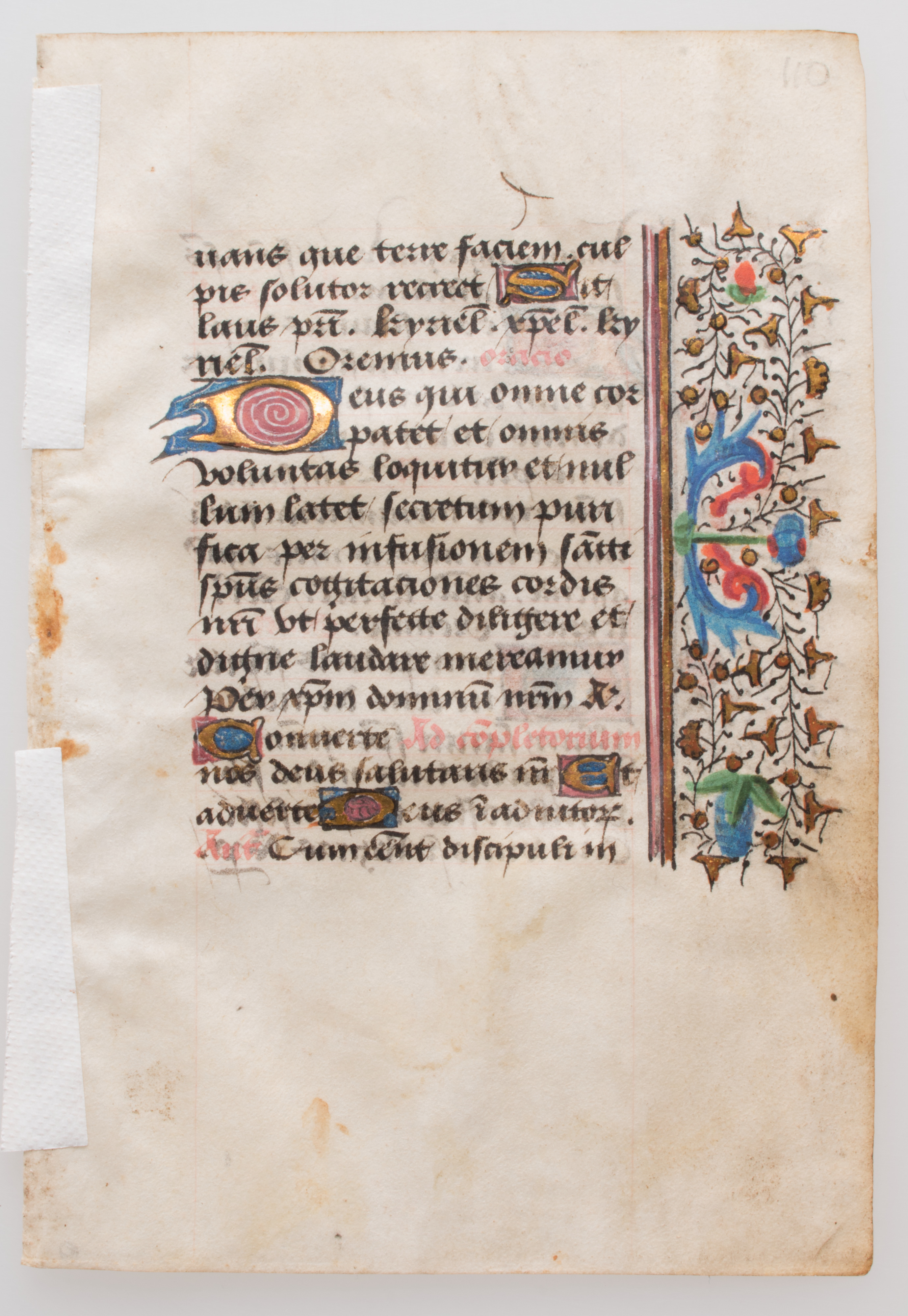
The gold standard of Humanities is an account of human meaning, experience or judgement that can show its evidence, explain its interpretation and respond fairly to a serious alternative. A memorable opinion is a beginning. A stronger answer makes clear what the material says, how the argument follows and where uncertainty remains.
This Humanities guide connects literature, history, philosophy, language, cultural study, arts interpretation, archives and public learning. It brings together the existing eduKate root guides and specialist articles so a learner can see how the subjects relate without treating them as one undifferentiated essay skill.
Imagine a museum label saying that a neighbourhood has one shared story. A historian asks which records support the account. A literary reader examines the wording. A philosopher asks what the claim assumes about belonging. A cultural researcher asks whose experiences are represented. The questions connect, but each needs its own careful method.
Find the part you need
Choose the task closest to your question. Chapters stay open, with worked examples and a final reading map organised by subject and evidence type.
Full chapter index · Connected articles · Learning that transfers into life
Chapter index
Understand the field · Chapters 1–4
Read and interpret · Chapters 5–8
Reason and compare · Chapters 9–12
Research and communicate · Chapters 13–16
Learn and continue · Chapters 17–18
The Humanities examine human ideas, expression, experience and interpretation across time and place. Their questions can concern a poem, a historical event, a philosophical argument, a language practice or an object preserved in a museum.
The National Endowment for the Humanities overview identifies subjects including history, literature, language, philosophy, archaeology, comparative religion and ethics. This is a useful broad reference rather than a universal school-course definition.
A workable question specifies what the learner will examine. ‘What is culture?’ opens a large field. ‘How does this exhibition represent a neighbourhood’s past?’ identifies material, a setting and an interpretive task.
Choose a scope that matches the available evidence. A short passage can support close reading. A claim about a whole historical period needs a wider base. A question about what ought to be done requires reasons and criteria as well as facts about the situation.
The first useful move is to write the question and identify what would count as a good answer. That prevents the project from becoming a collection of interesting details whose relationship to the task remains unclear.
Humanities subjects share an interest in human meaning, but they do not all ask the same questions or use the same methods. Historical explanation, literary interpretation and philosophical argument have different evidential demands.
A novel can be studied as an artwork, a historical publication or a source for questions about cultural representation. The chosen question determines the method. A fictional narrator’s statement is not automatically the author’s personal view or a factual record of an entire society.
Similarly, an ethical argument cannot be settled only by counting how many people agree with it. Public opinion may be relevant evidence for one question, while the justification of a principle requires a different kind of reasoning.
Subject labels can vary between institutions and courses. Use the learner’s actual programme for assessment requirements. This root guide presents a broad field of study and does not define a particular examination combination.
The connected reading map preserves those distinctions. Use History for evidence about the past, Literature for texts and interpretation, and Philosophy for questions, reasons and arguments. Their connections become more useful when their separate tasks are understood.
Observation identifies something in the material. Interpretation explains what it may mean. Judgement evaluates a claim, action or work using stated reasons. These moves often appear together, but separating them makes an answer easier to assess.
For a photograph, an observation might identify visible people, objects or wording. An interpretation might concern the relationship between them. A judgement might assess whether the photograph supports a particular account of the event.
The Library of Congress primary-source analysis tools offer prompts for observing, reflecting and questioning. They provide a useful entry point into examining material carefully.
Avoid allowing the interpretation to disguise itself as direct observation. ‘The person appears at the edge of the image’ differs from ‘the person was excluded from the community’. The second statement requires a much larger evidential argument.
Students can annotate a paragraph with three colours or labels. Which sentences describe the material, which infer meaning and which evaluate? A persuasive answer needs those relationships to be clear, even when the final prose flows naturally between them.
Careful interpretation needs something to work with. Vocabulary, historical knowledge, genre conventions and conceptual distinctions can all change what a learner notices. General confidence is not a substitute for subject knowledge.
An unfamiliar word can alter the meaning of an entire sentence. A date can change the significance of a document. A convention of dramatic speech can affect whether a character’s statement should be treated as sincere, ironic or uncertain.
The practical question is which knowledge is relevant. Adding a long background paragraph does not automatically improve an answer. Select the information that changes the reading and explain the connection.
Keep the material visible as you add context. A student can become so busy displaying knowledge that the actual passage or question disappears. Return to the word, feature or claim that the context helps explain.
The broader aim is organised knowledge. Facts and concepts should become available for use in a new task, not remain a collection of memorised paragraphs. That is how Humanities learning develops both depth and flexibility.
Close reading examines how specific choices of language and form contribute to meaning. It goes beyond identifying a topic. Word choice, sentence structure, imagery, repetition, perspective and arrangement may all matter.
Consider this original sentence written for the exercise: ‘Return before the light is gone.’ Its imperative form directs someone to act. The phrase ‘before’ establishes a limit. ‘Light’ could have a literal role, while a wider text might support other associations.
The sentence alone does not establish who speaks, who is addressed or whether a symbolic reading is justified. A stronger interpretation asks what the surrounding passage contributes instead of inventing a complete story from one line.
Harvard’s discipline-specific writing guides include an English-paper guide alongside History and Philosophy guidance. The different conventions remind learners that interpretation should fit the subject and task.
The Teaching Literature guide develops this classroom branch. Its place in the wider Humanities is the disciplined movement from a textual detail to a supported interpretation.
Compare two readings of the exercise sentence. One treats light as daylight and the instruction as a practical deadline. Another treats light as a sign of hope. The second is not established merely because it sounds more sophisticated. It needs support from the wider text. A literal reading can be the stronger interpretation when it accounts for the available material more accurately.
A source was created under particular conditions. Its date, creator, audience and purpose help explain what it can support. Context does not automatically make the source reliable or unreliable; it makes the questions more precise.
A public announcement can reveal an institution’s stated aims without proving how everyone experienced the policy. A personal account can illuminate one person’s experience without representing an entire population. Each source has a role.
Distinguish the event described from the creation of the account. A later recollection may concern an earlier event while also reflecting the circumstances of remembering. Both dates can matter to the interpretation.
Historical explanation also needs chronology. A claim about causes should show how the proposed factors relate in time and through a mechanism. Simply listing events before an outcome is not yet an explanation.
The Teaching History guide and History root provide the deeper route. Humanities brings that method into conversation with other forms of interpretation while preserving its attention to evidence about the past.
Language is a medium of thought, expression and social interaction. The meaning of a statement depends partly on wording, context and use. A familiar dictionary definition may not resolve every question about what a speaker or writer is doing.
Translation makes these choices visible. A translator may need to consider register, ambiguity, rhythm, cultural references and the intended audience. A fluent sentence in the new language still needs to preserve the relevant meaning and purpose.
Compare translations by identifying the specific choice at issue. Does one preserve an ambiguity that another resolves? Does a change in tone affect the reader’s understanding? The comparison should explain the consequence rather than simply prefer whichever wording sounds smoother.
Language study also benefits from evidence about actual use. A single phrase should not be treated as representative of an entire community without support. Variation within languages and communities can matter to the question.
The Language and Linguistics roots connect with the specialist translators guide. Together they help readers distinguish interpreting a particular text, studying language systematically and delivering a translation for an intended use.
An object can be examined through its materials, form, use, provenance and later interpretation. An artwork adds questions about medium, composition and the relationship between making and reception. The object and the story told about it should remain distinguishable.
The Smithsonian Learning Lab object-based learning guide introduces enquiry centred on objects. Observation can begin with visible features, then move toward questions that need further research.
Ask what the label establishes and what it leaves open. An attributed date, maker or function may rest on a particular record or scholarly interpretation. A learner should know when they are reading the catalogue’s account rather than making a direct observation.
A museum’s selection and display also shape meaning. Position, neighbouring objects, captions and the route through an exhibition can influence what visitors notice. These choices are legitimate subjects of analysis.
The Arts root and the museum branches develop this area. A strong Humanities response attends both to the object and to the context in which it is encountered, without assuming that one short label contains the complete story.
An argument connects reasons with a conclusion. The reader should be able to identify what is being claimed and why the reasons support it. Strong wording cannot compensate for a missing connection.
Begin with a claim narrow enough to defend. ‘This exhibition presents one dominant account while leaving another experience less visible’ gives the writer something to establish. A sweeping claim about all museums would require far more evidence.
State important terms. If the argument turns on fairness, representation or authenticity, explain what those words mean in this discussion. Otherwise two speakers may appear to disagree while using different definitions.
The Harvard brief guide to writing a philosophy paper provides a discipline-specific reference. Its relevance here is the expectation that an argument should be clear enough for a reader to examine.
A useful revision task asks whether every paragraph changes the reader’s understanding of the main claim. Remove material that merely sounds impressive, and strengthen the step where the reasoning actually depends on it.
Check both the support and the reasoning. A conclusion can follow neatly from a premise that the evidence does not establish. Conversely, a true fact may be included without supporting the conclusion at all. Revision needs to examine the reliability of the starting points and the connection between them.
A strong interpretation can respond to another plausible reading. The alternative should be presented in a form a thoughtful supporter could recognise, rather than reduced to an obviously weak position.
Identify the real point of disagreement. Are the readers selecting different evidence, interpreting the same feature differently or using different evaluative criteria? These disagreements require different responses.
Use the material to decide between interpretations where possible. One reading may explain an important feature that another leaves unexplained. A contextual fact may strengthen one account or reveal that both need revision.
Not every disagreement has a single final answer available from the evidence. That does not make all answers equally good. Interpretations can still be assessed for coherence, fit with the material, contextual accuracy and response to objections.
Students can add one paragraph beginning with the strongest alternative they can formulate, then explain why their own account remains preferable or how it must change. This develops intellectual confidence through reasoning rather than through refusing to reconsider.
Ethical questions ask about what should be done, permitted or valued. Facts about consequences and circumstances matter, but the judgement also depends on reasons and principles. An answer should show how those parts connect.
Consider a fictional museum deciding whether to display a personal letter. Relevant questions may concern historical value, the circumstances of acquisition, privacy, consent and the interests of people affected. A decision requires more than saying that the letter is interesting.
State which considerations carry weight and why. If public access is important, explain its value in this case. If a restriction is proposed, explain the reason and how it relates to the intended use.
Acknowledge competing considerations without treating the final judgement as a simple tally. Some reasons may be stronger than others in the particular setting. The argument should explain the weighting.
The Ethics root and Teaching Philosophy guide develop these reasoning tasks. This subject overview introduces the method rather than deciding a real institution’s legal or professional obligations.
Use this invented learning case. A fictional exhibition about a town market displays a poster reading ‘One town, one story’, an old photograph of several stalls and an interview in which one former trader remembers the market as a centre of community life. These materials are created for the exercise, not drawn from a real collection.
| Material | A supported starting point | A question still open |
|---|---|---|
| Poster wording | The exhibition frames the account through unity | Whose experiences are included or omitted? |
| Photograph | The image records visible features within its frame | How typical was this scene? |
| Interview | One person’s remembered experience is represented | How did other people experience the market? |
| Exhibition arrangement | The materials are presented together | How does the selection shape the visitor’s account? |
A historical response examines provenance, dates and corroboration. A language-focused response studies the effect of the repeated ‘one’. A philosophical response can examine whether a shared story requires complete agreement. These approaches can contribute to one project without becoming identical.
A defensible conclusion is that the exhibition foregrounds a unifying account using the selected materials. The evidence does not establish that every resident shared the same experience or that the exhibit deliberately concealed disagreement.
The next enquiry could seek other accounts and information about curatorial choices. The value of the exercise lies in matching the conclusion to the material and identifying what further evidence would make the account stronger.
A short model paragraph might read: ‘The exhibition foregrounds unity through its poster and selected testimony. The repeated word “one” presents belonging as shared, while the interview supplies a personal example of connection. These materials support a reading of the exhibition’s emphasis, but they do not establish a uniform experience among all residents. Other accounts would be needed to assess the range of experiences.’ The paragraph separates the exhibit’s presentation from a larger claim about the town.
Research becomes more dependable when the evidence route remains visible. Record the author or creator, title, date, location and the reference details needed to find the source again. Keep a quotation connected with its surrounding context.
Distinguish your notes from the source’s words. A paraphrase should preserve the relevant meaning while remaining identifiable as your account. Direct quotations need accurate wording and appropriate acknowledgement.
Check whether several sources are independent. A set of websites may repeat one original claim. The number of repetitions does not necessarily increase the evidential support.
Harvard’s guide to writing original papers places using sources within the development of an argument. The learner’s contribution can lie in a well-supported question, comparison or interpretation, rather than in pretending to begin without prior scholarship.
The archives and textual-study branches provide specialised routes for particular materials. A manuscript, digital record and translated edition can each require different checks. Choose the method according to the evidence rather than assuming that every search result can be handled in the same way.
A useful Humanities paragraph makes a claim, presents relevant material and explains how that material supports the claim. The explanation is the bridge. Without it, a quotation or fact can sit beside the argument without doing any work.
Begin with the point the paragraph will establish. Select the evidence that matters most. Then discuss the specific feature that changes the interpretation. The paragraph should end with the significance for the larger question.
Summary can be necessary, but it should serve the argument. Retelling an entire story or historical sequence may consume space without addressing the task. Give the reader enough context to follow the reasoning, then analyse what matters.
Use quotations proportionately. A short phrase discussed closely can be more useful than a long extract followed by a general comment. The choice depends on what the argument needs to show.
Revision should focus first on meaning. Ask whether the conclusion follows, whether an important term is unclear and whether another reading has been treated fairly. Polishing vocabulary comes after the structure of the explanation is sound.
Compare ‘the quotation shows community’ with a revision that identifies the actual move: ‘the repeated first-person plural presents the speaker as part of a group’. The revision gives the reader a textual feature to examine. A further sentence can then explain whether the wider passage supports solidarity, pressure to conform or another interpretation.
Digital collections, search systems and analysis tools can widen access to Humanities material. They also introduce choices about what is digitised, described and searchable. A search result is a route into evidence, not a complete description of what exists.
Digitised text may contain transcription or optical-character-recognition errors. A cropped image can lose context. A translated caption can introduce an interpretation. Important claims should be checked against the relevant source record or version.
Digital humanities methods can reveal patterns across larger sets of material, but the collection and method shape the result. A count needs a definition; a comparison needs compatible data; a visualisation needs interpretation.
AI tools can suggest questions or help organise an initial outline. Generated quotations, references and factual details must be verified. A plausible summary should not replace reading the passage on which an argument depends.
The Teaching Digital Humanities guide develops this branch. Its place in the wider subject is to connect technical methods with the historical, textual and interpretive questions they are intended to answer.
Humanities learning often involves unfamiliar experiences, beliefs and forms of expression. Careful understanding begins with the specific material and context rather than with an assumption that one example represents a whole community.
Comparisons need an appropriate basis. Two practices may look similar while carrying different meanings, or look different while addressing a related question. Explain which dimension is being compared and why it is relevant.
Distinguish describing a belief from endorsing it. A learner can examine a text, practice or argument respectfully while still asking critical questions about its meaning and consequences. Accuracy and evaluation are connected but separate tasks.
The Teaching Religious Studies guide develops one specialised area of comparison. The Culture and Language roots provide further context for understanding variation and interpretation.
A strong discussion gives others a fair hearing and keeps the evidence visible. Respect does not require abandoning judgement. It requires representing the view accurately enough that the disagreement concerns the real issue rather than an invented version of it.
A learner’s difficulty may concern vocabulary, contextual knowledge, source interpretation, argument or writing. A broad comment such as ‘needs more analysis’ does not identify the next move clearly enough.
Use a short diagnostic task. Ask the student to identify one detail, propose an interpretation and explain the connection. Then ask what might challenge the interpretation. The response reveals where support is needed.
The foundation-first teaching approach illustrated by the Secondary 1 Mathematics Tutor Clementi guide transfers as a learning principle. In Humanities, repair may mean clarifying a sentence before attempting a whole essay or distinguishing an observation from an inference before evaluating a source.
Build independence gradually. Model one interpretation, guide a comparable attempt and then change the material so the learner must select the relevant method. Later, compare work from different disciplines to identify both shared habits and important differences.
The aim is learning that transfers into life. Progress appears when a learner can ask a precise question, use evidence responsibly, explain a judgement and revise it when a serious objection or new source changes the account.
Keep a small portfolio of comparable attempts. Preserve an early paragraph and a later revision, then ask the learner to explain what improved. More precise evidence, a clearer connection or a fairer response to an alternative are concrete signs of progress. The learner should increasingly be able to make those corrections without someone supplying the whole answer.
Are Humanities subjects just matters of opinion?
No. Interpretations and judgements can be assessed through evidence, contextual accuracy, coherence and reasoning. More than one defensible answer may exist, but that does not make every answer equally well supported.
Is Humanities the same as History?
History is an important Humanities discipline. The broader field also includes areas such as literature, philosophy, language and cultural study. Particular institutions may use course labels differently.
Does a long essay show strong understanding?
Length alone does not establish quality. A strong answer addresses the question, selects relevant evidence and explains the connection. Unfocused material can make the reasoning harder to see.
How much background knowledge is needed?
Enough to understand the material and make accurate connections. The useful test is whether a fact changes or supports the interpretation, not whether it makes the answer sound more learned.
Can two interpretations both be reasonable?
Yes, where both fit the material and respond to the evidence. Compare their strengths, limits and assumptions rather than treating disagreement as proof that reasoning is impossible.
How can parents help?
Ask the learner to explain one passage, source or claim. Listen for the connection between evidence and conclusion, then support a manageable next step rather than rewriting the whole answer.
Can AI write the interpretation for the learner?
An output can provide material to question, but the learner still needs to inspect sources, understand the argument and take responsibility for the final account. Verification and independent explanation remain essential.
Where should I continue?
Choose the root subject matching your question, then the specialist method or learning-stage guide. The reading map below connects texts, historical evidence, philosophical reasoning, language, museums and digital research.
Connected articles across the eduKate ecosystem
Choose the root subject
Begin with the discipline that best matches the question. These guides preserve the different tasks involved in reading texts, reconstructing history, evaluating reasons, understanding language and interpreting cultural expression.
Develop teaching and learning in the individual disciplines
These branches turn broad subject aims into learning tasks. Read them for the relationship between knowledge, explanation, guided practice and increasing independence, while retaining each subject’s own evidential standards.
- Teaching History | Sources, Context and Defensible Explanations
- Teaching Literature | Read, Interpret and Support Claims
- Teaching Philosophy | Questions, Reasons and Fair Objections
- Teaching Religious Studies | Texts, Practices and Respectful Comparison
- Teaching Visual Arts | Observe, Experiment and Explain
Follow specialised routes into texts and records
A manuscript, an edition and a historical map each require attention to a particular kind of evidence. These guides help connect the material’s form, provenance and interpretation with the question being asked.
- Teaching Textual Criticism | Variants, Witnesses and Responsible Editions
- Teaching Manuscript Studies | Materials, Structure and Provenance
- Teaching Historical Cartography | Maps, Scale and Source Criticism
- Teaching Archival Studies | Provenance, Authenticity and Access
- Translators | Faithful Meaning, Cultural Precision and Reliable Delivery
Connect preservation with public interpretation
Archives and museums preserve material and organise access to it. Public interpretation adds choices about what an audience encounters and how meaning is explained. These branches keep the evidence route visible.
- Archives | Preserving Evidence and Retrievable Memory
- Public Records and Archives Services | Preserved Evidence and Meaningful Access
- Museums | Objects, Evidence and Meaningful Visits
- Teaching Museum Studies | Collections, Public Learning and Trust
Use digital methods and disciplinary literacy
Digital Humanities connects computational methods with contextual questions. Literacy and Data Literacy provide neighbouring routes into reading, representation and evidence, while retaining the need to inspect the underlying material.
Connect curriculum aims with particular learning stages
The education-system guide considers Arts and Humanities provision. The Junior College Literature guides distinguish the learning aims, support arrangements and tutor responsibilities at a particular stage.
- a Ministry of Education | Arts, Humanities and Cultural Education
- Junior College 1 Literature in English Education
- Junior College 1 Literature in English Tuition
- a Junior College 1 Literature in English Tutor
Sources and scope
National Endowment for the Humanities: the Humanities provides the broad disciplinary reference used here. It does not define a particular Singapore school course.
Library of Congress: primary-source analysis guides and Smithsonian Learning Lab: object-based learning provide routes into evidence and enquiry.
Harvard College Writing Center: discipline-specific writing guides, brief guide to a philosophy paper and writing original papers provide writing and research references.
The sentence and exhibition used in the worked examples are original fictional teaching material. The guide presents a broad educational field; assessment details depend on the learner’s current course and official syllabus.
“Gold standard” describes the educational benchmark explained in this guide. It is not an official accreditation or certification.
Back to contents · Explore the Gold Standard article directory