
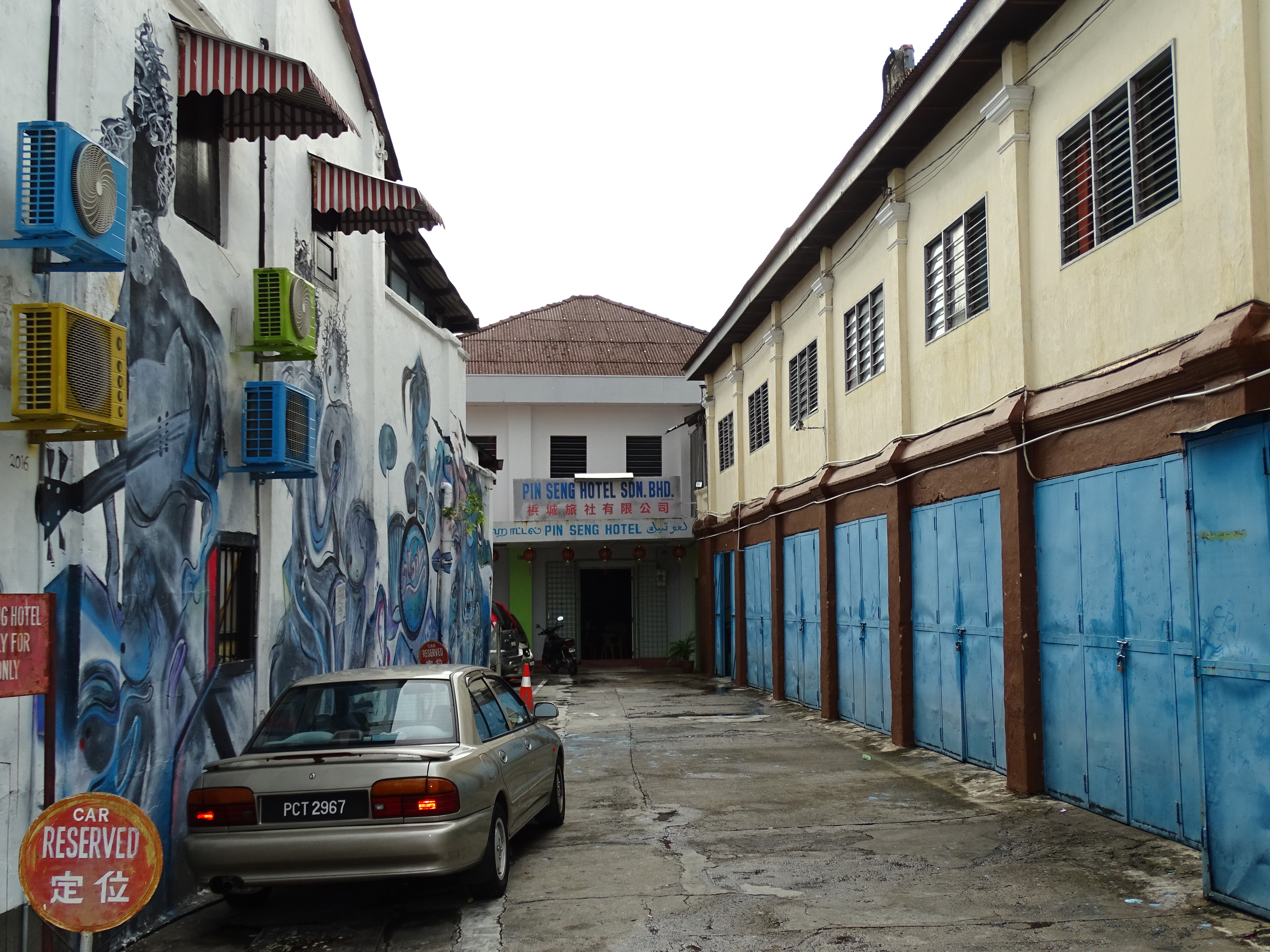
Did you know? Penang’s greatest attractions combine a UNESCO-listed trading city, extraordinary hawker food, a mountain biosphere reserve and a national park where forest meets the sea. The top 10 things to do when visiting and touring Penang are explore George Town, learn multicultural heritage, discover the Clan Jetties and street art, taste local food, enjoy Penang Hill, visit Kek Lok Si, walk Penang National Park responsibly, relax at Batu Ferringhi, experience Balik Pulau and explore Penang’s botanical and biodiversity collections.
For a first Penang itinerary, let George Town anchor the cultural and food days, then choose either Penang Hill and Air Itam, the northern coast and park, or Balik Pulau’s countryside. The island has more than one side: an old working city, coastal leisure, historic faith communities and protected natural habitats. This practical guide explains Penang attractions, the best areas to visit, realistic timings and responsible ways to enjoy them without racing from one place to the next.
Two UNESCO distinctions matter. George Town shares World Heritage status with Melaka, while Penang Hill Biosphere Reserve was recognised separately under UNESCO’s Man and the Biosphere Programme in 2021. Check Penang National Park’s official visitor and closure rules and any current rain, haze or sea warnings before committing to outdoor activities.
Choose your Penang travel corridor first
Penang is best explored as three connected chapters. George Town offers urban heritage, street life and food. Penang Hill and Air Itam combine cultural and natural landscapes. Northwest and western Penang offer beaches, national park forests and rural communities. These locations are connected, but traffic, heat and weather make a carefully chosen base much more pleasant than an ambitious route of scattered attractions.
Ten things to do does not mean ten compulsory tickets. Choose the experiences that genuinely appeal to you, then give yourself time for an unexpected museum conversation, a gentle rain shower or a remarkable meal.
Compare the ten experiences
| Experience | Area | Allow | Check first |
|---|---|---|---|
| 1. Walk George Town’s UNESCO streets and study its living architecture | George Town historic core | A full day or two half-days | Heritage boundary, traffic, opening hours |
| 2. Learn about Penang’s multicultural faith and Peranakan heritage | George Town and selected heritage institutions | One half-day | Active worship, ticketed collections and religious schedules |
| 3. Explore Clan Jetties and street art without disturbing residents | Weld Quay and George Town | A relaxed morning | Private homes, pedestrian paths and photography consent |
| 4. Taste Penang’s hawker food across cultures, one dish at a time | George Town, Air Itam and neighbourhood stalls | One or several meals | Allergies, queueing and hygiene |
| 5. Ride Penang Hill and understand the 2021 Biosphere Reserve | Penang Hill / Bukit Bendera | Half or full day | Funicular operations, weather and trail restrictions |
| 6. Discover Kek Lok Si Temple’s art and devotional life | Air Itam | Two to four hours | Temple observance, steps and transport |
| 7. Walk Penang National Park with honest trail and turtle rules | Teluk Bahang, northwest Penang | Full day for an appropriate trail | Park registration, permits and trail condition |
| 8. Take a slow coastal afternoon at Batu Ferringhi and Teluk Bahang | Northern Penang coast | Half day or overnight | Sea flags, weather, jet skis and traffic |
| 9. Explore Balik Pulau’s farms, orchards and rural identity | Balik Pulau, west Penang | Half to full day | Harvest seasons, winding roads and farm permission |
| 10. Discover biodiversity through a reputable nature garden or science venue | Teluk Bahang and selected botanical programmes | Two to four hours | Venue access, animal welfare and storm conditions |
Top 10 things to do in Penang
1. Walk George Town’s UNESCO streets and study its living architecture
Did you know George Town shares a UNESCO World Heritage inscription with Melaka? The two places form one property celebrating the way trade along the Straits of Malacca connected Malay, Chinese, Indian and European histories. In George Town, the story is especially readable through shophouses, religious buildings, five-foot ways and the relationship between streets and working businesses. This is a living city rather than an architectural stage set. Look for old shop signs, narrow urban plots, different rooflines and buildings adapted to new uses.
Begin with a modest walking circuit near the core rather than trying to cross the whole city in afternoon heat. George Town World Heritage Incorporated has published guidance on conservation and cultural programmes. An organised heritage walk can explain why individual houses and streets matter; it can also help you understand how UNESCO inscription affects owners, tenants and conservation decisions. Always ask before photographing residents, workshops and family shrines. Some buildings are working religious spaces, private homes or functioning businesses, not museums.
Make it meaningful: One good question to ask: how does a shophouse create room for business, family life and tropical shade? A thoughtfully interpreted block can teach more about urban planning than a dozen hurried photographs. Finish with a meal at an established local business and listen to the sound of daily life, which is part of the site’s value.
2. Learn about Penang’s multicultural faith and Peranakan heritage
Penang’s history comes alive when you notice that mosques, temples, churches and other sacred places are part of the same urban fabric. Sites associated with Kapitan Keling Mosque, Sri Mahamariamman Temple and historic Chinese communities illustrate cultural exchange and the ways people built lasting institutions in a trading town. A Peranakan or local history collection adds the domestic story: objects, design, food and family practices reflect layered identities that cannot be reduced to one neat label.
Choose one or two managed interiors and confirm whether admission is open, especially during prayers or festivals. Remove shoes or cover shoulders when directed, and never treat a worshipper’s ceremony as a performance for your camera. An established local guide can explain the meanings and histories of buildings without assuming all communities share identical customs. If visiting a privately operated mansion or museum, check prices and accessibility rather than copying an old list of openings.
Make it meaningful: A great family activity is to compare an interior courtyard, a food utensil and a piece of decorative craft. Ask what each reveals about climate, trade or home life. A heritage city is made of practical decisions as well as impressive monuments.
3. Explore Clan Jetties and street art without disturbing residents
George Town’s Clan Jetties reveal how people have lived and worked beside the waterfront. Timber walkways and homes on stilts create an atmosphere very different from a mainland street. Their history is linked with kinship, labour, access to the port and the changing relationship between city and sea. Nearby urban artworks and small murals can offer another enjoyable visual chapter, but the people who live beside them are not part of a public exhibition.
Visit only walkways open to the public and keep narrow passages clear. Do not enter residential doorways, fly a drone without permission or photograph household interiors. Some jetties are mainly private residential communities. It is entirely reasonable to stop at a public viewpoint or choose a guided heritage explanation instead of walking into a place that does not welcome a crowd. Street art changes or disappears as buildings are repaired, so don’t demand that a particular mural must still exist.
Make it meaningful: Compare an old port map with today’s shoreline. The jetties show how geography influences livelihoods and housing. If a local business offers handmade products or refreshments, purchase respectfully, ask about ingredients and enjoy the place without treating it as an open-air film set.
4. Taste Penang’s hawker food across cultures, one dish at a time
Penang is celebrated for its food, and rightly so. A good meal is an accessible doorway into migration, farming, urban trade and recipes adapted across generations. You might encounter char koay teow, asam laksa, nasi kandar, Hokkien mee, roti canai, cendol or other regional preparations. Each has variations: a dish served in one family business is not necessarily prepared the same way in another district. The strongest travel memory is often the conversation about why a cook chooses certain ingredients.
Choose a few businesses that you can genuinely enjoy, rather than squeezing a dozen stalls into a morning. Ask clearly about prawns, shellfish, peanuts, fish paste, pork or other ingredients as relevant to your diet. A busy stall is not automatic proof of suitability for your health, and a menu label is not always enough for a serious allergy. Observe food handling, use appropriate drinking water and make time to sit down. During religious festivals and public holidays, operating hours can change.
Make it meaningful: Try a two-dish comparison: one noodle preparation and one rice or dessert dish. Ask how geography, spice supply and community preferences shaped them. Food becomes more meaningful when it is a lens into the living city instead of a competitive checklist.
5. Ride Penang Hill and understand the 2021 Biosphere Reserve
Penang Hill rises above the urban coast and offers a beautiful transition to another kind of heritage. A funicular journey provides a lesson in transport engineering, while the hill’s forests demonstrate why elevation, temperature and moisture influence ecosystems. The surrounding Penang Hill Biosphere Reserve was designated under UNESCO’s Man and the Biosphere Programme in 2021. That is a Biosphere Reserve designation, not a second UNESCO World Heritage inscription for the hill.
Check the official Penang Hill Railway schedule, ticket choices, weather and crowds before setting out. A misty summit may hide the city view; the day can still be worthwhile for interpretation and a short appropriate nature experience. Do not wander from managed paths, feed animals or take a steep forest route without checking conditions, physical ability and the operator’s current warnings. Protected areas within the biosphere reserve have different access rules and may require permits.
Make it meaningful: Ask a child to compare the warmth of the town with the cooler air and different plants higher up. It is a friendly introduction to microclimates and why conservation plans must work across towns, farms, forests and water systems. Leave space for a quiet drink after the journey.
6. Discover Kek Lok Si Temple’s art and devotional life
Kek Lok Si is among Penang’s best-known Buddhist temple complexes, with monumental buildings, sculpture and spaces used for worship. It is an excellent place to learn how design, religious art and community devotion interact. The layout on rising ground also gives visitors a chance to notice how entrances, stairs, courtyards and views create a progression through a sacred complex. The meaning is deeper than photographing the largest structure and leaving.
Respect temple opening times, ceremonies and any dress, footwear or camera rules. Parts of the complex involve many steps and heat, so choose a comfortable route for your group. If a lift or transport service is offered, confirm actual operations rather than assuming it is available. Avoid blocking worshippers or staging photographs in areas reserved for religious practice. If a space is closed, that is a reason to learn about it through a credible guide, not to bypass a barrier.
Make it meaningful: Kek Lok Si can be combined with a food stop in Air Itam if time and traffic allow. A short devotional or architectural explanation may be more satisfying than rushing from temple to summit cable car on a rigid schedule.
7. Walk Penang National Park with honest trail and turtle rules
Penang National Park demonstrates how much natural variety can fit into a compact island. From the Teluk Bahang entrance, managed routes lead through forest toward coastal habitats; official Malaysian wildlife guidance describes beaches, birdlife, a meromictic lake and a turtle conservation centre at Kerachut. The lake’s unusual water layers offer a wonderful scientific question about density and mixing, while forests and turtle habitats show why human access must be carefully managed.
The official Department of Wildlife and National Parks lists entry procedures, trail details and visitor limits. The walk to Kerachut Beach is commonly described as around two hours in suitable conditions, but rain, erosion, heat and personal fitness can change what is realistic. Register properly and ask which routes, boats and visitor facilities are open. The park’s interpretation centre may be temporarily closed for maintenance, so do not build the day’s success around unverified indoor opening hours. Turtles must never be handled, fed or disturbed.
Make it meaningful: Bring proper footwear, water and a reliable return plan, and don’t assume that beaches reached by a forest path are safe swimming places. A short guided nature interpretation near a permitted area can be a full and rewarding visit for families who are not prepared for a long trek.
8. Take a slow coastal afternoon at Batu Ferringhi and Teluk Bahang
Batu Ferringhi has long been associated with Penang’s beach tourism, but a good coastal experience does not require every water sport on offer. The shoreline gives you a chance to learn about the island’s tourism economy and the relationship between hotels, roads, public beaches and small communities. Teluk Bahang offers another gateway to forest, coast and nature programmes. At a safe viewing point, the transition from urban George Town to sea and hills becomes very clear.
Choose an appropriate public beach area and check the actual sea conditions. Currents, jellyfish, marine craft and the weather can make swimming or jetskiing unsuitable. Use licensed operators and suitable life jackets for permitted activities, and keep children away from active watercraft lanes. Beach access, facilities and traffic may be affected by holidays and storms. If a beach is unsuitable for swimming, a coastal meal or sunset viewpoint can still be delightful.
Make it meaningful: Respect litter rules and avoid feeding monkeys or other wild animals. The most memorable coastal moment can be simply observing the change in sky, tide and daily activity from a comfortable, approved location.
9. Explore Balik Pulau’s farms, orchards and rural identity
Balik Pulau offers a different island rhythm from George Town. Orchard landscapes, farms, villages and countryside roads show how agriculture and settlement occupy the land behind the coastal visitor district. The region is often associated with durian season, but crops and harvesting periods vary and a famous fruit cannot be promised in any particular month. A properly hosted farm experience can explain soils, rainfall, market distribution and why different families produce food in different ways.
Arrange visits only with farms or operators that genuinely welcome visitors. Do not enter orchards uninvited or pick fruit because it appears beside a road. Winding routes, rain and low visibility can make driving slower than maps suggest. Some tasting programmes are seasonal or sell out, and personal dietary needs must be considered. A short cultural stop or traditional food business may work better when fruit harvest is not in season.
Make it meaningful: Ask where a market’s produce comes from and how the island supplies itself. A rural afternoon connects naturally with George Town’s hawker food and creates a more complete understanding of Penang.
10. Discover biodiversity through a reputable nature garden or science venue
A guided nature garden, botanical programme or educational centre can be a beautiful final chapter. Penang’s biodiversity spans rainforest, mangroves, coastal habitats and cultivated plants; some established venues, such as Tropical Spice Garden and Penang’s botanic institutions, offer ways to understand this richness in a manageable setting. Rather than treating a garden as a collection of attractive leaves, follow the relationship between plants, insects, soils, spices and the human uses of nature.
Choose a reputable programme whose opening times, accessibility and conservation practices are clear. If a venue keeps live insects or animals, assess welfare and avoid activities requiring unnecessary touching or handling. Outdoor gardens can be slippery after rain, and storms make tree-lined routes hazardous. Use a shorter interpreted tour or indoor exhibits as a suitable option when the weather changes.
Make it meaningful: Finish with a small notebook: choose one plant, describe its habitat, its role in an ecosystem and one way people use or protect it. You have now connected Penang’s historic trading identity, modern food, forest ecology and living communities in a single journey.
Three Penang itineraries that actually work
Two to three days: heritage, food and one hill or temple experience
Start with George Town’s UNESCO core and one appropriate museum or heritage explanation. Give another morning to food and the Clan Jetties, then decide whether Penang Hill or Kek Lok Si suits the weather and your group’s energy. This is a wonderful short stay, but there is no need to squeeze in a long national-park hike on the same day as late arrival.
Four to five days: city, highlands and the northern coast
Keep two days for George Town, food and a heritage neighbourhood. Set aside one day for Penang Hill and Air Itam, then one for an appropriately planned Batu Ferringhi or Teluk Bahang nature experience. Choose a national-park trail only if access and conditions are suitable; otherwise use a botanical programme. A slower morning makes the trip more enjoyable.
Six to seven days: complete island understanding without rushing
Add Balik Pulau and a locally hosted farm or countryside programme, a carefully chosen Penang National Park outing and time to explore different Penang food communities. Allow a weather buffer. A trip with pauses creates stronger memories than racing between the same places that can be studied more easily over several days.
Practical safety, transport and cultural checks
- Arrival: Verify Malaysian entry conditions and MDAC exemptions through the official Immigration Department, not an imitation form.
- Heritage: The UNESCO inscribed zone is within George Town; respect residential streets, shops and conservation boundaries.
- Temples and mosques: Follow worship schedules, dress rules and photography requests.
- Heat and haze: Watch local meteorological or air-quality alerts and shorten strenuous outdoor programmes when conditions warrant.
- Penang Hill: Check funicular hours and official trail warnings; fog or storms can affect views and outdoor access.
- National park: Register correctly and obtain any necessary permits; verify maintenance closures and visitor numbers.
- Coast: Follow sea warnings, avoid unsafe currents and only use properly regulated operators.
- Wildlife: Do not handle nesting turtles, feed monkeys or disturb forest and wetland animals.
- Money and transfers: Compare local buses, taxis and e-hailing with actual travel times, especially on weekends.
- Food: Communicate dietary restrictions and allergens clearly, especially shellfish and nuts.
Common mistakes and better alternatives
- Trying to see George Town, Balik Pulau and the national park in a single morning. Better: plan by district.
- Assuming every UNESCO logo means World Heritage. Better: distinguish the George Town inscription from the Penang Hill Biosphere Reserve.
- Visiting private Clan Jetty homes for photos. Better: keep to public paths and ask permission.
- Swimming at an unsuitable beach because the water looks calm. Better: obey real sea conditions and lifeguard guidance.
- Booking a long forest walk after heavy rain without checking access. Better: choose a botanical or museum programme.
- Ordering unfamiliar food without discussing allergies. Better: ask a cook which ingredients are used.
Frequently asked questions
How long should I stay in Penang?
Three days can cover George Town, a food experience and Penang Hill or Kek Lok Si. Five or six days allow a national park, coast and Balik Pulau chapter without constant transfers.
Is George Town itself a UNESCO World Heritage Site?
Yes. George Town and Melaka are the two components of one UNESCO World Heritage inscription from 2008. The entire state of Penang is not designated World Heritage.
Is Penang Hill also World Heritage?
No. Penang Hill Biosphere Reserve is recognised by UNESCO’s Man and the Biosphere Programme, designated in 2021. That designation differs from World Heritage inscription.
Which Penang attractions are best for children?
A short George Town heritage walk, an appropriate Penang Hill journey, a botanical programme and a food lesson can work well. Adjust for heat, stairs and allergies.
Can I swim at Batu Ferringhi?
Do not assume every stretch of water is safe. Check current lifeguard and local advice about currents, marine traffic, jellyfish and weather before entering.
Is Penang National Park suitable for first-time hikers?
The main trails can take hours and become slippery or demanding. Check registration, current closures, fitness and weather. An interpreted shorter outing may be better.
Can I visit all ten places in one weekend?
No. Choose George Town and one or two contrasting places. Food, history and nature reward time and rest rather than an island-wide race.
Do I need the Malaysia Digital Arrival Card?
Requirements vary by nationality and specific exemptions. Where required, Malaysia’s official portal asks submission within three days of arrival, including submission date. Do not pay an imitator website.
Is Penang a city or an island?
Penang is a Malaysian state with island and mainland components. George Town is its capital. Some destinations here are on Penang Island; transfers and distances vary.
When is durian season?
Harvest patterns vary and depend on weather. Contact a genuine Balik Pulau producer for availability rather than treating a general season as a guarantee.
A few words, food and a way to learn
In Malay, selamat pagi means good morning and terima kasih means thank you. Penang’s communities also use languages and varieties including Hokkien, Tamil and English. Listen to local speakers rather than assuming one phrase suits everyone. When eating, ask what a dish tells you about the people and historical routes that shaped the region. A good answer may connect spices, noodles, rice, trade and family recipes.
中文提示:槟城适合按乔治市世界遗产区、升旗山与极乐寺、北岸国家公园和浮罗山背乡村分别规划。联合国教科文组织的世界遗产及生物圈保护区是不同称号。注意天气、交通、寺庙礼仪与海上安全。
Official sources and further reading
- UNESCO — Melaka and George Town World Heritage inscription
- UNESCO — living heritage and George Town conservation
- George Town World Heritage Incorporated — living heritage management
- Penang Hill Biosphere Reserve — official 2021 designation
- PERHILITAN — Penang National Park, permits and routes
- Penang Hill Corporation — funicular and visitor guidance
- Tourism Malaysia — visitor planning
- Malaysia Immigration Department — Digital Arrival Card
For the wider country, continue with Top 10 Things to Do in Malaysia or browse the 195-country World Directory. Prices, operating hours, regulations and weather change; check primary sources for your actual dates.