
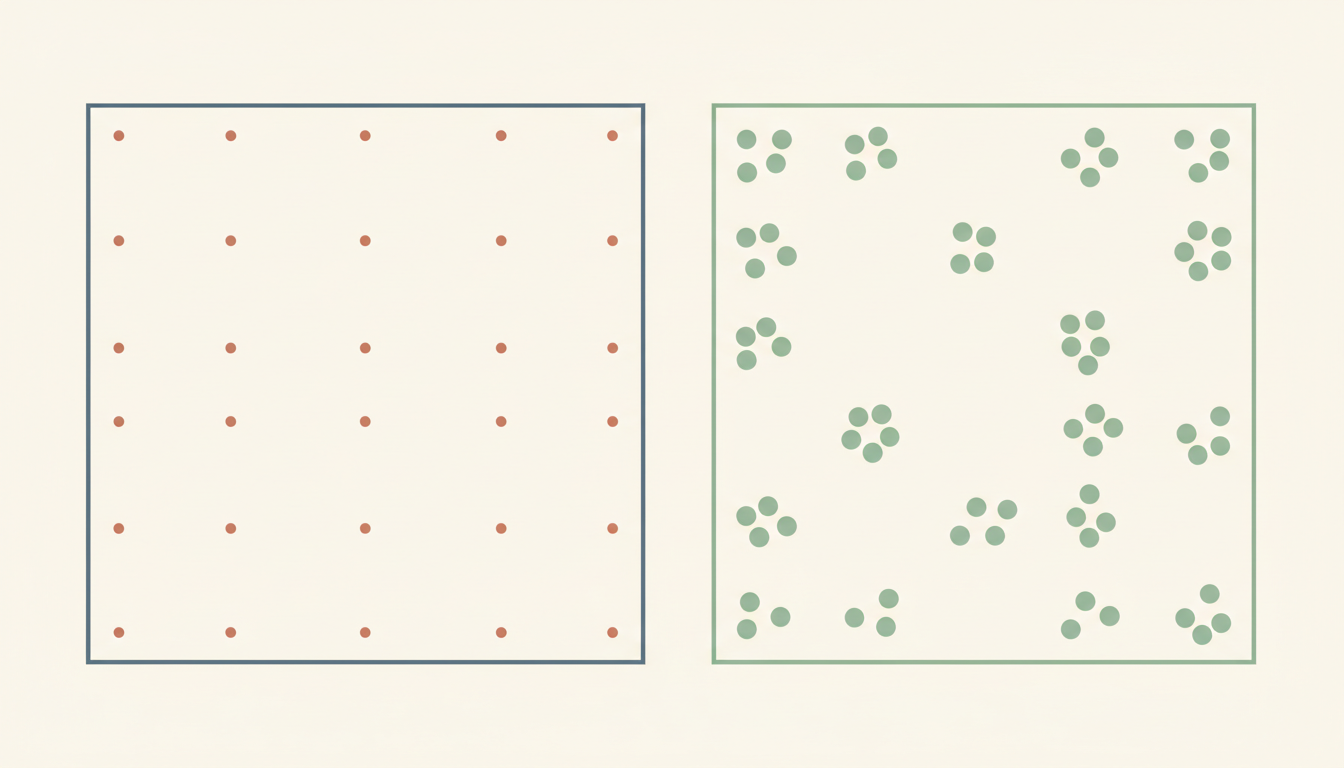
Censuses, official statistics and population evidence are part of civilisation’s capacity to understand itself. A school or council can confidently build a plan yet misunderstand whom it serves if its counts, definitions or collection methods are wrong. An accurate number without a meaningful denominator can mislead. A table that reveals private lives can also cause harm. Good public evidence requires careful methodology, confidentiality, independence and a willingness to correct mistakes.
Official statistics give a civilisation credible information about people, homes, services and economic conditions through clear definitions, suitable collection, statistical analysis, confidentiality and accessible reporting. Their purpose is to inform public decisions, not to reduce people to simple numbers or claim that correlation always proves cause.
This volume continues eduKate’s Components of a Civilisation long-form learning series. It uses Tidal Reach, a fictional town of 240 imagined residents in sixty illustrative households. All local counts, events, processes and characters are invented for explaining ideas. The model is not a record of a real society or a source of national statistics.
This volume explains where civic figures come from, how they can fail and how readers can interpret them responsibly. It complements the population-and-health article and the chapter on technical measurement standards, rather than duplicating those subjects. It is not a manual for carrying out an authorised census or handling confidential citizen records.
The material is designed for easy information retrieval. A Primary child may draw one station and explain a causal link; a Secondary learner may compare evidence and a plausible counterexample; a parent can ask a thoughtful question about everyday systems; and tutors can adapt one chapter into a lesson. It is a reference library rather than a single reading task to be memorised.
The featured cover is existing educational artwork held in the site’s media library. It is conceptual, not evidence of an actual historical operation or population. Claims about technical practice, statistical definitions and real-world institutions should be checked against the authoritative references, with qualified professionals or public bodies consulted for real regulated decisions.
Quick answer: the hidden work behind a civilisational capability
Official statistics give a civilisation credible information about people, homes, services and economic conditions through clear definitions, suitable collection, statistical analysis, confidentiality and accessible reporting. Their purpose is to inform public decisions, not to reduce people to simple numbers or claim that correlation always proves cause. A useful framework asks what a person needs, what people and resources produce the result, who might struggle to access it and how a mistake becomes visible. An impressive building, a full warehouse or a published chart cannot establish the result on its own.
Navigate the learning reference
- Rapid orientation: read the direct answer, the worked arithmetic and one chapter that addresses the current question.
- Primary learner: draw the practical job and one dependency using arrows.
- Secondary learner: test a conditional claim, source and alternative explanation.
- Parent: ask who does the unseen work that allows ordinary life to function.
- Tutor: combine vocabulary, evidence interpretation, a classroom model and teach-back.
- Independent reader: follow sources and keep a visible distinction between factual reporting and invented learning models.
A five-question audit instead of a monument checklist
| Question | Student output | Mistake it can prevent |
|---|---|---|
| What need is involved? | A one-sentence practical purpose | Naming a tool instead of a useful function |
| Who and what make it work? | An input-to-outcome diagram | Skipping an invisible dependency |
| Whose experience differs? | Two fictional user journeys | Assuming an average fits everybody |
| What evidence would matter? | A test with unit, time and limitations | Treating a convenient number as proof |
| How will the next person improve it? | An accountable correction and handover | Confusing first success with lasting capability |
Worked arithmetic: when a correct total remains incomplete
In our imaginary town, twelve of sixty households take part in a consultation during one teaching week. The arithmetic gives 12 ÷ 60 = 20% of households, provided each is counted once. It does not tell us the number of individual people, their opinions or why others were absent. A numerator and denominator can answer a limited question while leaving other, more important questions open.
A fictional storehouse or service desk reports forty items, thirty completed handovers and four damaged items. That could leave six available items, but only if the original count is accurate, the transactions are not duplicated and the damaged objects were not also counted as delivered. The example illustrates the difference between numerical consistency and trustworthy records. Neither the values nor their handling imply a real public-service or safety threshold.
Imagine a measure rises from thirty events to forty events in the next month. This is an increase of ten, or about 33.3% relative to the first thirty. However, a rise may reflect changing demand, classification, observation or service performance. Before celebrating the change, a careful reader checks what an event means and how it was recorded. The same habit supports responsible statistics and honest logistics reporting.
Part 1: Population units, households and the census frame
This group of stations focuses on a practical part of the larger system. Begin with an intended human benefit, draw the supporting process and ask which conditions make it dependable. The steps form a useful teaching sequence, not a universal ladder of human civilisations. Readers should use one station at a time and return to the wider dependency map when a connection becomes unclear.
Component 01: Purpose and scope of a census
What the system actually does. The useful mechanism often contains more steps than an outsider can see. A resident may receive an item or published number without seeing the work required to produce it. Have learners draw the chain of people, resources, records, decisions and checks involved. Where one institution hands something to another, identify how acceptance is confirmed. An explanation that skips the handover cannot reliably distinguish a promised outcome from a completed one. The particular function is purpose and scope of a census. Ask the student for the exact input, activity and result that would make the definition meaningful in this case rather than simply reciting terminology.
The fictional classroom situation. An imaginary town wants to understand the school and housing needs of its population.. Write a four-stage timeline showing recognition of need, an authorised decision, the work undertaken and the eventual outcome. Insert a question mark where the fictional case does not explain a transition. Who has the responsibility for that step? Which record should accompany it? A learner should not invent legal authority or scientific certainty to fill the missing box. Naming the gap is part of accurate systems analysis. The scenario is invented, so learners should clearly separate observations provided by the story from plausible inferences. Which piece of evidence is missing before the plan can be assessed responsibly?
The limitation and trade-off. A grand total may conceal unclear definitions or groups that were missed.. A realistic weakness is often ordinary: a missing identifier, conflicting definition, staff handover or late delivery. Avoid inventing sensational catastrophe when a simple process error is enough to reveal the system’s fragility. Ask how the issue would be noticed, who can legitimately respond and what observation would show that the correction reached the intended outcome. A strong answer proposes one plausible alternative, a relevant safeguard and a condition under which the conclusion might change. Risk identification is a starting point for investigation, not a claim that harm has already occurred.
Evidence and measurement. Define the quantity before calculating it. Orders requested, parcels received, households counted and people interviewed are distinct units. A total or share is meaningful only when the population and time period are stated. Ask who is excluded or might have been counted twice. This prevents mathematically valid arithmetic from becoming a misleading claim about the public service or population the reader actually wants to understand. Apply the check to purpose and scope of a census. What precisely should be counted or observed, and what result would challenge the preferred choice? A professional boundary should be stated wherever real action requires specialist or public authority.
Parent-and-tutor investigation. Arrange four paper cards: original problem, proposed response, possible complication and evidence to check. Let the pupil choose a defensible sequence for the selected topic and explain it. Then change one assumption. A strong learner revises the reasoning rather than repeating the first answer. The activity uses invented facts and does not require real sensitive documents, dangerous products or professional equipment. Use the imagined situation of an imaginary town wants to understand the school and housing needs of its population. to make the task specific. The student should produce a diagram, structured explanation or fair comparison, not collect real sensitive information or conduct unsafe operations.
Repair and transfer. Move the fictional system a decade into the future. Technology may be different, workers may have retired and the population’s needs may have changed. What underlying function must remain reliable and what implementation should be reconsidered? Teach successors the reasoning behind the practice rather than an unexplained list of rules. Connect this question with administrative data versus enumeration. Explain one meaningful causal relationship and what a successor should be told if the first model proves incomplete.
Component 02: Population versus households
What the system actually does. Use precise verbs such as collect, check, organise, store, count, transfer, protect and correct. They turn an abstract civic term into actions a student can examine. Describe what each action changes and what evidence would reveal a failure. The purpose of the explanation is not to produce the longest technical definition. It is to help a younger reader recognise the conditions under which a practical function becomes dependable. The particular function is population versus households. Ask the student for the exact input, activity and result that would make the definition meaningful in this case rather than simply reciting terminology.
The fictional classroom situation. Tidal Reach contains 240 invented residents in sixty illustrative households.. An apparently complete transaction can still contain a weak handover. One organisation records its part finished while the next cannot act on the material or information received. Draw the interface carefully. Who transfers what, to whom, under which definition, and how is receipt confirmed? The case can be corrected by identifying the missing step rather than vaguely demanding better performance from everyone. The scenario is invented, so learners should clearly separate observations provided by the story from plausible inferences. Which piece of evidence is missing before the plan can be assessed responsibly?
The limitation and trade-off. One household count cannot reveal variation in actual family circumstances.. Every allocation of time, staff, storage or analytic effort has an opportunity cost. Choosing one activity may delay another, even if both are beneficial. Ask pupils what becomes more difficult because the selected plan consumes a limited resource. The fictional exercise may use paper tokens but should not pretend those invented quantities represent real budgets, staffing rules or professional service standards. A strong answer proposes one plausible alternative, a relevant safeguard and a condition under which the conclusion might change. Risk identification is a starting point for investigation, not a claim that harm has already occurred.
Evidence and measurement. An evidence statement should end with an explicit limit. The source might describe one period, jurisdiction, method or population, while Tidal Reach is invented. A narrow observation cannot be stretched into universal law. Identify an original source or qualified review that would be necessary for a real claim, then explain how the conclusion might change. Apply the check to population versus households. What precisely should be counted or observed, and what result would challenge the preferred choice? A professional boundary should be stated wherever real action requires specialist or public authority.
Parent-and-tutor investigation. Organise a respectful dialogue between two learners who prefer different solutions. Each must restate the other’s strongest argument before replying. Then the pair writes one revised proposal and a meaningful question for further evidence. The point is not to force agreement or reward the loudest speaker; it is to develop precise, fair reasoning. Use the imagined situation of tidal Reach contains 240 invented residents in sixty illustrative households. to make the task specific. The student should produce a diagram, structured explanation or fair comparison, not collect real sensitive information or conduct unsafe operations.
Repair and transfer. Sometimes the correct next step is to seek qualified review or better evidence before implementing a change. This is not a reason to ignore urgent human needs; it clarifies which actions are safe and authorised. Ask what specifically is unknown and which professional or institution could address the uncertainty. The classroom model cannot replace their legitimate responsibility. Connect this question with sample survey versus census. Explain one meaningful causal relationship and what a successor should be told if the first model proves incomplete.
Component 03: Usual residence and visitors
What the system actually does. A visible facility may remain standing even after the service it supports has failed. Imagine removing the relevant people, source data or material resources while leaving the building unchanged. What can the community no longer do? Work backwards from that loss to identify the hidden dependencies. This reverse exercise helps readers understand why progress cannot be measured solely by the number of facilities or documents that exist. The particular function is usual residence and visitors. Ask the student for the exact input, activity and result that would make the definition meaningful in this case rather than simply reciting terminology.
The fictional classroom situation. A traveller stays two nights while a town resident is studying elsewhere.. Read the incident twice. The first reading identifies the problem; the second looks for unstated assumptions about available stock, covered population, time or authority. A learner should be able to distinguish facts supplied in the story from plausible guesses. That habit prevents a fictional example from being treated as evidence about the real world. It also prepares the student to approach historical records and official data with appropriate care. The scenario is invented, so learners should clearly separate observations provided by the story from plausible inferences. Which piece of evidence is missing before the plan can be assessed responsibly?
The limitation and trade-off. Without a defined residence concept the same person may be incorrectly classified.. Beware the indicator that improves while the real outcome deteriorates. A warehouse could report faster dispatch while orders reach users incomplete; an agency could issue more tables while categories become less clear. Ask which second observation would reveal the weakness. A growing output total is not automatically a growing social benefit. The measurement should remain tied to the original purpose. A strong answer proposes one plausible alternative, a relevant safeguard and a condition under which the conclusion might change. Risk identification is a starting point for investigation, not a claim that harm has already occurred.
Evidence and measurement. Monitoring becomes useful only when a responsible person reviews the evidence and can take a legitimate next step. Identify the measure, review interval, possible threshold and method of explaining the result to affected people. Data without an accountable response can be merely decorative. The class should connect the reported number to a practical decision. Apply the check to usual residence and visitors. What precisely should be counted or observed, and what result would challenge the preferred choice? A professional boundary should be stated wherever real action requires specialist or public authority.
Parent-and-tutor investigation. Invite the child to explain the mechanism to someone younger in a minute, without reading from the text. The listener asks an unexpected but reasonable ‘what if?’ question. If the first explanation fails to cope, revise it and state why. This teach-back reveals whether the learner understands the relationships or has only memorised the wording. Use the imagined situation of a traveller stays two nights while a town resident is studying elsewhere. to make the task specific. The student should produce a diagram, structured explanation or fair comparison, not collect real sensitive information or conduct unsafe operations.
Repair and transfer. Ask what new condition would require the plan to be reviewed. Demand might rise, a source definition might change, or a key supplier might become unreliable. A responsible institution can name a signal, the person checking it and the method for deciding whether a revision is needed. This is stronger than a vague instruction to continue improving. Connect this question with missed households and coverage. Explain one meaningful causal relationship and what a successor should be told if the first model proves incomplete.
Component 04: Reference time and dates
What the system actually does. Historical and present-day communities can share a practical need while organising its solution differently. A comparison should first identify the common function and then the different conditions under which it is performed. Geography, law, resources and technology may change the suitable method without changing the worth of the people involved. The fictional town is a model for reasoning, not a universal blueprint for human development. The particular function is reference time and dates. Ask the student for the exact input, activity and result that would make the definition meaningful in this case rather than simply reciting terminology.
The fictional classroom situation. A family moves between the model reference date and the day a form is completed.. Prepare a short memo for a student who did not attend the original fictional meeting. Include the purpose, facts given, assumptions, alternatives and next review point. The memo should allow another reader to inspect the decision without relying on the memory or reputation of its author. Good records preserve not merely the outcome but the reasons that led to it. The scenario is invented, so learners should clearly separate observations provided by the story from plausible inferences. Which piece of evidence is missing before the plan can be assessed responsibly?
The limitation and trade-off. A count may appear inconsistent when its date is not explained.. Common standards help information and services move between institutions, yet local conditions still differ. Ask which terms must remain consistent for the comparison and which procedures should be adapted to geography, users or relevant law. The answer need not be identical for every community. What transfers is the method of analysing mechanisms and conditions, not one rigid blueprint. A strong answer proposes one plausible alternative, a relevant safeguard and a condition under which the conclusion might change. Risk identification is a starting point for investigation, not a claim that harm has already occurred.
Evidence and measurement. A rising complaint count may indicate worse service, easier reporting or both. A fall could mean genuine improvement or difficulty raising concerns. Invite learners to design another check that would help interpret the number. A reliable institution should value accurate detection and repair rather than a cosmetically perfect dashboard. Apply the check to reference time and dates. What precisely should be counted or observed, and what result would challenge the preferred choice? A professional boundary should be stated wherever real action requires specialist or public authority.
Parent-and-tutor investigation. Create a simple guidance card for an imaginary resident who missed the initial discussion. It should explain the purpose, a legitimate first question and the limits of the available information. It is an educational writing task, not an actual instruction for handling regulated cargo or conducting official data collection. Test the card with a reader unfamiliar with the case. Use the imagined situation of a family moves between the model reference date and the day a form is completed. to make the task specific. The student should produce a diagram, structured explanation or fair comparison, not collect real sensitive information or conduct unsafe operations.
Repair and transfer. Compare the original diagram with the revised one. Identify a corrected assumption, an additional dependency and an affected person whose circumstances had been missing. A future learner should be able to understand the improved explanation and question it further without relying on the first author’s reputation. Connect this question with duplicate entries. Explain one meaningful causal relationship and what a successor should be told if the first model proves incomplete.
Component 05: Dwellings and physical buildings
What the system actually does. Place the user at the centre of the explanation. An administrator may observe a completed record while a household experiences a delay, a mistake or an inaccessible process. The two perspectives can be consistent, but they measure different parts of the outcome. Ask the learner to trace one person’s route from need to benefit and describe where the supporting institution becomes visible. This creates an observable question rather than a ceremonial definition. The particular function is dwellings and physical buildings. Ask the student for the exact input, activity and result that would make the definition meaningful in this case rather than simply reciting terminology.
The fictional classroom situation. One imaginary building contains several separate homes with different households.. Pause the imaginary story at the moment a decision is needed. Ask what the characters actually know, what they have inferred and which user has not yet been considered. One learner can follow the operational process while another checks whether the eventual result meets the original need. Their perspectives may reveal different weaknesses. The first output should be a question worth investigating, not a confident unanimous verdict. The scenario is invented, so learners should clearly separate observations provided by the story from plausible inferences. Which piece of evidence is missing before the plan can be assessed responsibly?
The limitation and trade-off. Counting roofs rather than dwellings misstates housing conditions.. Criticise a mechanism rather than attacking the imagined decision makers. Another resident might reasonably question the quality of a source, the timing of the work or the fairness of access. State the strongest form of that concern. Then propose an alternative with its own practical costs and conditions. A conditional recommendation can be stronger than a categorical one when evidence remains incomplete. A strong answer proposes one plausible alternative, a relevant safeguard and a condition under which the conclusion might change. Risk identification is a starting point for investigation, not a claim that harm has already occurred.
Evidence and measurement. Every ratio needs a meaningful denominator. Ten missed deliveries out of fifty attempts are different from ten out of five hundred; the same is true of events among populations of different size. But the lower overall rate may still conceal serious problems for a particular group. Ask what the percentage describes and what it cannot settle without further breakdown. Apply the check to dwellings and physical buildings. What precisely should be counted or observed, and what result would challenge the preferred choice? A professional boundary should be stated wherever real action requires specialist or public authority.
Parent-and-tutor investigation. Arrange four paper cards: original problem, proposed response, possible complication and evidence to check. Let the pupil choose a defensible sequence for the selected topic and explain it. Then change one assumption. A strong learner revises the reasoning rather than repeating the first answer. The activity uses invented facts and does not require real sensitive documents, dangerous products or professional equipment. Use the imagined situation of one imaginary building contains several separate homes with different households. to make the task specific. The student should produce a diagram, structured explanation or fair comparison, not collect real sensitive information or conduct unsafe operations.
Repair and transfer. Move the fictional system a decade into the future. Technology may be different, workers may have retired and the population’s needs may have changed. What underlying function must remain reliable and what implementation should be reconsidered? Teach successors the reasoning behind the practice rather than an unexplained list of rules. Connect this question with nonresponse and missing categories. Explain one meaningful causal relationship and what a successor should be told if the first model proves incomplete.
Component 06: Statistical geographic boundaries
What the system actually does. A useful civic component connects intention, action and verification. A policy or schedule tells us what organisers hope to accomplish; operational work determines what actually happens; evidence tests the relationship. Students should keep those stages separate. A confident description of the first stage is not proof of the third. This principle transfers from everyday warehouse processes to complex public statistical programmes. The particular function is statistical geographic boundaries. Ask the student for the exact input, activity and result that would make the definition meaningful in this case rather than simply reciting terminology.
The fictional classroom situation. An imagined new suburb lies across two administrative districts.. Let the fictional residents disagree without assigning villainous motives. One may care about speed, another about fairness, a third about privacy and another about long-term reliability. Some disputes can be improved with better data while others require legitimate choices among competing values. Ask students to separate those two kinds of question. Respectful disagreement can strengthen the analysis when the reasoning remains clear. The scenario is invented, so learners should clearly separate observations provided by the story from plausible inferences. Which piece of evidence is missing before the plan can be assessed responsibly?
The limitation and trade-off. Changing boundaries can create apparent population trends without individual movement.. The next generation may inherit both a useful asset and obligations the original proposal did not explain. There may be obsolete systems, missing source documentation or an unanticipated material burden. Name the future responsibilities and compare them with today’s benefit. A responsible plan preserves options and knowledge so successors can improve it rather than accept an inherited design blindly. A strong answer proposes one plausible alternative, a relevant safeguard and a condition under which the conclusion might change. Risk identification is a starting point for investigation, not a claim that harm has already occurred.
Evidence and measurement. Service providers and intended users can observe different parts of the same outcome. One may hold an internal completion record while another may know whether the useful result was actually received. Neither a single customer story nor an internal dashboard automatically represents everyone. A responsible evaluation seeks compatible evidence and protects sensitive information. Apply the check to statistical geographic boundaries. What precisely should be counted or observed, and what result would challenge the preferred choice? A professional boundary should be stated wherever real action requires specialist or public authority.
Parent-and-tutor investigation. Organise a respectful dialogue between two learners who prefer different solutions. Each must restate the other’s strongest argument before replying. Then the pair writes one revised proposal and a meaningful question for further evidence. The point is not to force agreement or reward the loudest speaker; it is to develop precise, fair reasoning. Use the imagined situation of an imagined new suburb lies across two administrative districts. to make the task specific. The student should produce a diagram, structured explanation or fair comparison, not collect real sensitive information or conduct unsafe operations.
Repair and transfer. Sometimes the correct next step is to seek qualified review or better evidence before implementing a change. This is not a reason to ignore urgent human needs; it clarifies which actions are safe and authorised. Ask what specifically is unknown and which professional or institution could address the uncertainty. The classroom model cannot replace their legitimate responsibility. Connect this question with sampling frames and excluded people. Explain one meaningful causal relationship and what a successor should be told if the first model proves incomplete.
Case study 1: six interconnected responsibilities
The class combines Purpose and scope of a census; Population versus households; Usual residence and visitors; Reference time and dates; Dwellings and physical buildings; Statistical geographic boundaries into one map of Tidal Reach. Instead of writing disconnected definitions, show what flows between the functions and which steps require records or appropriate human judgement. An arrow that only says ‘connected’ is not sufficient; use verbs that explain a dependence, constraint or handover.
One learner checks factual and numerical assumptions, a second follows users or recipients, a third checks future obligations and a fourth writes a decision summary. They should identify one substantive problem, propose two alternatives and describe how the next generation could test whether the chosen response worked. A Primary pupil can use five pictures; a Secondary pupil can write five paragraphs and one explicitly fictional calculation.
Part 2: Enumeration, administrative data and sample surveys
This group of stations focuses on a practical part of the larger system. Begin with an intended human benefit, draw the supporting process and ask which conditions make it dependable. The steps form a useful teaching sequence, not a universal ladder of human civilisations. Readers should use one station at a time and return to the wider dependency map when a connection becomes unclear.
Component 07: Enumerator guidance and training
What the system actually does. Look for the people whose necessary work is hidden behind a headline. Technicians, enumerators, drivers, clerks, trainers and reviewers may perform different parts of a system that appears to have one owner. Their responsibilities and competence are not interchangeable. A good causal map assigns actions to appropriate roles and notes where professional or lawful authority would need to be confirmed outside the classroom. The particular function is enumerator guidance and training. Ask the student for the exact input, activity and result that would make the definition meaningful in this case rather than simply reciting terminology.
The fictional classroom situation. Three invented interviewers use slightly different versions of a question.. A model can be numerically neat and conceptually wrong. The arithmetic may balance while a product is counted twice or a person is placed in the wrong category. Ask what exactly the numbers refer to before interpreting them. A child should learn to question the unit and evidence rather than trust the appearance of a complete table. The scenario is invented, so learners should clearly separate observations provided by the story from plausible inferences. Which piece of evidence is missing before the plan can be assessed responsibly?
The limitation and trade-off. Inconsistent collection may generate systematic errors.. Identical-looking procedures can burden people differently. A household far from the service centre may face more travel, and a person lacking digital access may not appear in an online sample. Give two imaginary residents different legitimate circumstances and trace their experiences. The goal is to identify meaningful access questions, not to stereotype real communities or assume one anecdote proves a population pattern. A strong answer proposes one plausible alternative, a relevant safeguard and a condition under which the conclusion might change. Risk identification is a starting point for investigation, not a claim that harm has already occurred.
Evidence and measurement. A fictional investigation illustrates concepts without establishing professional compliance. An imagined product count cannot certify cold-chain integrity, and a toy survey cannot prove that an authorised census was conducted correctly. Ask which additional evidence and qualified authority a real decision would require. Naming that boundary protects both the learner and people affected by real systems. Apply the check to enumerator guidance and training. What precisely should be counted or observed, and what result would challenge the preferred choice? A professional boundary should be stated wherever real action requires specialist or public authority.
Parent-and-tutor investigation. Invite the child to explain the mechanism to someone younger in a minute, without reading from the text. The listener asks an unexpected but reasonable ‘what if?’ question. If the first explanation fails to cope, revise it and state why. This teach-back reveals whether the learner understands the relationships or has only memorised the wording. Use the imagined situation of three invented interviewers use slightly different versions of a question. to make the task specific. The student should produce a diagram, structured explanation or fair comparison, not collect real sensitive information or conduct unsafe operations.
Repair and transfer. Ask what new condition would require the plan to be reviewed. Demand might rise, a source definition might change, or a key supplier might become unreliable. A responsible institution can name a signal, the person checking it and the method for deciding whether a revision is needed. This is stronger than a vague instruction to continue improving. Connect this question with weighting survey results. Explain one meaningful causal relationship and what a successor should be told if the first model proves incomplete.
Component 08: Administrative data versus enumeration
What the system actually does. A component that cannot be explained to a successor is vulnerable. Ask what a new worker or learner would need to know to perform the same legitimate task and detect an error. The answer might include clear definitions, location records, safe procedures, responsible contacts and known limits. Teaching the underlying reason is more durable than passing down an unexplained rule. It also makes improvement possible when conditions change. The particular function is administrative data versus enumeration. Ask the student for the exact input, activity and result that would make the definition meaningful in this case rather than simply reciting terminology.
The fictional classroom situation. A school’s student register omits children who live nearby but attend elsewhere.. Compare two possible responses while holding the underlying task as constant as possible. One approach might act quickly while another checks a crucial fact or makes a more inclusive arrangement. Describe the possible advantage and disadvantage of both. A more elaborate method is not automatically superior, but a shortcut is not defensible merely because it is fast. Ask which observation would meaningfully inform the choice. The scenario is invented, so learners should clearly separate observations provided by the story from plausible inferences. Which piece of evidence is missing before the plan can be assessed responsibly?
The limitation and trade-off. An institution’s records are not automatically a complete population frame.. The fastest apparent solution can shift a cost elsewhere. An efficient central route may disadvantage remote recipients, while an easy data collection method may omit people who are difficult to contact. State who gains from the arrangement and who might experience an unexpected burden. The possibility should prompt appropriate evidence rather than an unsupported accusation. A fair comparison makes the effects visible before declaring success. A strong answer proposes one plausible alternative, a relevant safeguard and a condition under which the conclusion might change. Risk identification is a starting point for investigation, not a claim that harm has already occurred.
Evidence and measurement. Comparable labels can conceal different methods. A report might count visits while another counts people, or a warehouse may record a requested item rather than a completed delivery. Before comparing figures, check units, categories, boundaries and observation dates. A careful writer should identify incompatible records rather than force them into an attractive trend line. Apply the check to administrative data versus enumeration. What precisely should be counted or observed, and what result would challenge the preferred choice? A professional boundary should be stated wherever real action requires specialist or public authority.
Parent-and-tutor investigation. Create a simple guidance card for an imaginary resident who missed the initial discussion. It should explain the purpose, a legitimate first question and the limits of the available information. It is an educational writing task, not an actual instruction for handling regulated cargo or conducting official data collection. Test the card with a reader unfamiliar with the case. Use the imagined situation of a school’s student register omits children who live nearby but attend elsewhere. to make the task specific. The student should produce a diagram, structured explanation or fair comparison, not collect real sensitive information or conduct unsafe operations.
Repair and transfer. Compare the original diagram with the revised one. Identify a corrected assumption, an additional dependency and an affected person whose circumstances had been missing. A future learner should be able to understand the improved explanation and question it further without relying on the first author’s reputation. Connect this question with precise survey wording. Explain one meaningful causal relationship and what a successor should be told if the first model proves incomplete.
Component 09: Sample survey versus census
What the system actually does. A definition becomes meaningful when it implies a testable expectation. State what a person should observe if the system functions as intended, then name a condition under which the outcome might differ. If the idea cannot be challenged by any observation, it risks becoming a slogan. The learner should be able to explain the purpose, the mechanism, the boundary and the evidence needed to revisit the claim. The particular function is sample survey versus census. Ask the student for the exact input, activity and result that would make the definition meaningful in this case rather than simply reciting terminology.
The fictional classroom situation. A local council asks fifteen households and claims to have counted the entire town.. Imagine that one affected resident cannot use the standard route or cannot easily understand the published record. Their circumstances do not make them representative of everyone in a category, but they do reveal a question about access. Ask whether the system’s outcome can be reached in another legitimate way and how the institution would discover a barrier. This adds a human dimension to a technical diagram. The scenario is invented, so learners should clearly separate observations provided by the story from plausible inferences. Which piece of evidence is missing before the plan can be assessed responsibly?
The limitation and trade-off. A convenience sample is not a complete census or representative random survey.. Two apparently independent options might share one fragile dependency. Distributors can rely on one factory, while independent-looking statistical tables can depend on one original source. A learner should draw the upstream connections before praising the number of alternatives. If one error could affect every option, apparent diversity does not provide the resilience expected. A strong answer proposes one plausible alternative, a relevant safeguard and a condition under which the conclusion might change. Risk identification is a starting point for investigation, not a claim that harm has already occurred.
Evidence and measurement. An apparent relationship may have several explanations. A change in demand, geography, method or reporting coverage can produce a trend that looks like the result of one policy. Students should list plausible alternatives and ask what appropriate study or comparison could distinguish them. The classroom does not need sophisticated statistics to learn that association alone is not proof of cause. Apply the check to sample survey versus census. What precisely should be counted or observed, and what result would challenge the preferred choice? A professional boundary should be stated wherever real action requires specialist or public authority.
Parent-and-tutor investigation. Arrange four paper cards: original problem, proposed response, possible complication and evidence to check. Let the pupil choose a defensible sequence for the selected topic and explain it. Then change one assumption. A strong learner revises the reasoning rather than repeating the first answer. The activity uses invented facts and does not require real sensitive documents, dangerous products or professional equipment. Use the imagined situation of a local council asks fifteen households and claims to have counted the entire town. to make the task specific. The student should produce a diagram, structured explanation or fair comparison, not collect real sensitive information or conduct unsafe operations.
Repair and transfer. Move the fictional system a decade into the future. Technology may be different, workers may have retired and the population’s needs may have changed. What underlying function must remain reliable and what implementation should be reconsidered? Teach successors the reasoning behind the practice rather than an unexplained list of rules. Connect this question with data verification and duplicate controls. Explain one meaningful causal relationship and what a successor should be told if the first model proves incomplete.
Component 10: Missed households and coverage
What the system actually does. Start with the practical work, not the name of a tool or institution. A number, product or document becomes valuable only when it helps someone accomplish a legitimate task. Ask who needs the result, what inputs are required, which person or organisation performs the work and how an error can be recognised. The arrow between an input and an outcome must describe an action rather than an unexplained promise. That discipline makes the process accessible to children while preserving the complexity a professional would recognise. The particular function is missed households and coverage. Ask the student for the exact input, activity and result that would make the definition meaningful in this case rather than simply reciting terminology.
The fictional classroom situation. An isolated home near the ferry station receives no fictional enumeration visit.. Draw the setting of the case with a beginning, a sequence of transfers and an intended end. Mark every change of custody, responsibility or definition. A gap in the chain may explain why capable people still fail to deliver a useful outcome. Ask whether the same process would work if a recipient were farther away or an information source were different. Such questions expose the assumptions behind the attractive drawing. The scenario is invented, so learners should clearly separate observations provided by the story from plausible inferences. Which piece of evidence is missing before the plan can be assessed responsibly?
The limitation and trade-off. Undercount can distort apparent local service needs.. A project may look inexpensive because its recurring obligations are missing from the first estimate. People need training, equipment needs upkeep, and records require protection and review. Extend the story from launch day to the next generation. Who maintains the capability when demand changes or the first donor leaves? This is why a long-term assessment should not stop at the most visible upfront expense. A strong answer proposes one plausible alternative, a relevant safeguard and a condition under which the conclusion might change. Risk identification is a starting point for investigation, not a claim that harm has already occurred.
Evidence and measurement. Distinguish input, output and meaningful outcome. A purchased object is an input, a dispatched item or published table is an output, and usable delivery or trustworthy understanding is closer to the social benefit. Ask which stage the available record describes. Then identify a second observation that would test whether the original need was actually met. Apply the check to missed households and coverage. What precisely should be counted or observed, and what result would challenge the preferred choice? A professional boundary should be stated wherever real action requires specialist or public authority.
Parent-and-tutor investigation. Organise a respectful dialogue between two learners who prefer different solutions. Each must restate the other’s strongest argument before replying. Then the pair writes one revised proposal and a meaningful question for further evidence. The point is not to force agreement or reward the loudest speaker; it is to develop precise, fair reasoning. Use the imagined situation of an isolated home near the ferry station receives no fictional enumeration visit. to make the task specific. The student should produce a diagram, structured explanation or fair comparison, not collect real sensitive information or conduct unsafe operations.
Repair and transfer. Sometimes the correct next step is to seek qualified review or better evidence before implementing a change. This is not a reason to ignore urgent human needs; it clarifies which actions are safe and authorised. Ask what specifically is unknown and which professional or institution could address the uncertainty. The classroom model cannot replace their legitimate responsibility. Connect this question with numerators, denominators and shares. Explain one meaningful causal relationship and what a successor should be told if the first model proves incomplete.
Component 11: Duplicate entries
What the system actually does. Separate purpose from implementation. One community may use a paper ledger while another uses a digital record; the relevant question is whether the information is accurate and useful for the intended task. A model should describe the purpose first and then the conditions required for success. This avoids assuming that the most complicated tool is automatically the fairest, safest or most effective. Students should identify an actual outcome rather than simply praise a system’s appearance. The particular function is duplicate entries. Ask the student for the exact input, activity and result that would make the definition meaningful in this case rather than simply reciting terminology.
The fictional classroom situation. One pupil appears at both a boarding residence and a family address.. Change one fact halfway through the discussion. A vehicle is delayed, a denominator changes or a record is corrected. Which arrow in the original causal diagram must be redrawn? A learner who understands the process can revise the explanation rather than simply repeat the answer prepared before the new information appeared. This makes intellectual flexibility visible. The scenario is invented, so learners should clearly separate observations provided by the story from plausible inferences. Which piece of evidence is missing before the plan can be assessed responsibly?
The limitation and trade-off. Duplicates can inflate totals even when each record seems well formed.. A successful small demonstration supports a limited claim. It does not prove that a method will perform at every scale, that a service is perfectly reliable or that a result will remain true forever. Ask what new tests would be appropriate before a broader conclusion. This helps students understand responsible piloting without treating paper experiments as professional certification. A strong answer proposes one plausible alternative, a relevant safeguard and a condition under which the conclusion might change. Risk identification is a starting point for investigation, not a claim that harm has already occurred.
Evidence and measurement. Keep an audit trail from question to definition, source, collection, interpretation and response. Another student should be able to understand where observation ends and judgement begins. Transparent reasoning does not require disclosure of identifiable records. Classroom exercises can use wholly fictional examples to practise traceability while recognising professional confidentiality duties. Apply the check to duplicate entries. What precisely should be counted or observed, and what result would challenge the preferred choice? A professional boundary should be stated wherever real action requires specialist or public authority.
Parent-and-tutor investigation. Invite the child to explain the mechanism to someone younger in a minute, without reading from the text. The listener asks an unexpected but reasonable ‘what if?’ question. If the first explanation fails to cope, revise it and state why. This teach-back reveals whether the learner understands the relationships or has only memorised the wording. Use the imagined situation of one pupil appears at both a boarding residence and a family address. to make the task specific. The student should produce a diagram, structured explanation or fair comparison, not collect real sensitive information or conduct unsafe operations.
Repair and transfer. Ask what new condition would require the plan to be reviewed. Demand might rise, a source definition might change, or a key supplier might become unreliable. A responsible institution can name a signal, the person checking it and the method for deciding whether a revision is needed. This is stronger than a vague instruction to continue improving. Connect this question with averages, medians and distributions. Explain one meaningful causal relationship and what a successor should be told if the first model proves incomplete.
Component 12: Nonresponse and missing categories
What the system actually does. Think of the function as an enduring service rather than a single successful event. People retire, locations change, materials deteriorate and definitions can be revised. A community needs not only the initial operation but also records, competent successors and methods for identifying failure. Ask what would happen if the first expert disappeared tomorrow. The answer reveals which parts of the arrangement are genuinely institutional and which are fragile personal knowledge. The particular function is nonresponse and missing categories. Ask the student for the exact input, activity and result that would make the definition meaningful in this case rather than simply reciting terminology.
The fictional classroom situation. Several survey forms leave the transport question unanswered.. End the story by asking what the intended person or community can now do. The useful outcome might be a delivery truly received or a statistical finding clearly and responsibly explained. A task marked complete in an internal record may not guarantee that result. Require a practical observation and a route for correcting an error. The fictional case thereby becomes an exercise in accountability. The scenario is invented, so learners should clearly separate observations provided by the story from plausible inferences. Which piece of evidence is missing before the plan can be assessed responsibly?
The limitation and trade-off. Blank is not automatically zero or a negative response.. Some limits arise from professional duties, privacy, public safety and law rather than simple preferences. A classroom can discuss why those constraints matter without determining specific real-world requirements. Children should not conduct hazardous handling or collect sensitive citizen records for the sake of an authentic-looking exercise. Compare safe fictional alternatives while identifying where competent authority would be required. A strong answer proposes one plausible alternative, a relevant safeguard and a condition under which the conclusion might change. Risk identification is a starting point for investigation, not a claim that harm has already occurred.
Evidence and measurement. Design a test that could weaken the preferred conclusion. Have the learner state in advance what observation would reveal that the plan did not deliver the intended benefit. If every possible result can be called a success, the check is not diagnostic. The goal is evidence that can inform a revision, not a collection of numbers chosen to make the project look impressive. Apply the check to nonresponse and missing categories. What precisely should be counted or observed, and what result would challenge the preferred choice? A professional boundary should be stated wherever real action requires specialist or public authority.
Parent-and-tutor investigation. Create a simple guidance card for an imaginary resident who missed the initial discussion. It should explain the purpose, a legitimate first question and the limits of the available information. It is an educational writing task, not an actual instruction for handling regulated cargo or conducting official data collection. Test the card with a reader unfamiliar with the case. Use the imagined situation of several survey forms leave the transport question unanswered. to make the task specific. The student should produce a diagram, structured explanation or fair comparison, not collect real sensitive information or conduct unsafe operations.
Repair and transfer. Compare the original diagram with the revised one. Identify a corrected assumption, an additional dependency and an affected person whose circumstances had been missing. A future learner should be able to understand the improved explanation and question it further without relying on the first author’s reputation. Connect this question with population age structures. Explain one meaningful causal relationship and what a successor should be told if the first model proves incomplete.
Case study 2: six interconnected responsibilities
The class combines Enumerator guidance and training; Administrative data versus enumeration; Sample survey versus census; Missed households and coverage; Duplicate entries; Nonresponse and missing categories into one map of Tidal Reach. Instead of writing disconnected definitions, show what flows between the functions and which steps require records or appropriate human judgement. An arrow that only says ‘connected’ is not sufficient; use verbs that explain a dependence, constraint or handover.
One learner checks factual and numerical assumptions, a second follows users or recipients, a third checks future obligations and a fourth writes a decision summary. They should identify one substantive problem, propose two alternatives and describe how the next generation could test whether the chosen response worked. A Primary pupil can use five pictures; a Secondary pupil can write five paragraphs and one explicitly fictional calculation.
Part 3: Quality, missing cases and numerical interpretation
This group of stations focuses on a practical part of the larger system. Begin with an intended human benefit, draw the supporting process and ask which conditions make it dependable. The steps form a useful teaching sequence, not a universal ladder of human civilisations. Readers should use one station at a time and return to the wider dependency map when a connection becomes unclear.
Component 13: Sampling frames and excluded people
What the system actually does. The useful mechanism often contains more steps than an outsider can see. A resident may receive an item or published number without seeing the work required to produce it. Have learners draw the chain of people, resources, records, decisions and checks involved. Where one institution hands something to another, identify how acceptance is confirmed. An explanation that skips the handover cannot reliably distinguish a promised outcome from a completed one. The particular function is sampling frames and excluded people. Ask the student for the exact input, activity and result that would make the definition meaningful in this case rather than simply reciting terminology.
The fictional classroom situation. An online poll reaches only homes with reliable internet access.. Write a four-stage timeline showing recognition of need, an authorised decision, the work undertaken and the eventual outcome. Insert a question mark where the fictional case does not explain a transition. Who has the responsibility for that step? Which record should accompany it? A learner should not invent legal authority or scientific certainty to fill the missing box. Naming the gap is part of accurate systems analysis. The scenario is invented, so learners should clearly separate observations provided by the story from plausible inferences. Which piece of evidence is missing before the plan can be assessed responsibly?
The limitation and trade-off. The method of inviting people may create selection bias.. A realistic weakness is often ordinary: a missing identifier, conflicting definition, staff handover or late delivery. Avoid inventing sensational catastrophe when a simple process error is enough to reveal the system’s fragility. Ask how the issue would be noticed, who can legitimately respond and what observation would show that the correction reached the intended outcome. A strong answer proposes one plausible alternative, a relevant safeguard and a condition under which the conclusion might change. Risk identification is a starting point for investigation, not a claim that harm has already occurred.
Evidence and measurement. Define the quantity before calculating it. Orders requested, parcels received, households counted and people interviewed are distinct units. A total or share is meaningful only when the population and time period are stated. Ask who is excluded or might have been counted twice. This prevents mathematically valid arithmetic from becoming a misleading claim about the public service or population the reader actually wants to understand. Apply the check to sampling frames and excluded people. What precisely should be counted or observed, and what result would challenge the preferred choice? A professional boundary should be stated wherever real action requires specialist or public authority.
Parent-and-tutor investigation. Arrange four paper cards: original problem, proposed response, possible complication and evidence to check. Let the pupil choose a defensible sequence for the selected topic and explain it. Then change one assumption. A strong learner revises the reasoning rather than repeating the first answer. The activity uses invented facts and does not require real sensitive documents, dangerous products or professional equipment. Use the imagined situation of an online poll reaches only homes with reliable internet access. to make the task specific. The student should produce a diagram, structured explanation or fair comparison, not collect real sensitive information or conduct unsafe operations.
Repair and transfer. Move the fictional system a decade into the future. Technology may be different, workers may have retired and the population’s needs may have changed. What underlying function must remain reliable and what implementation should be reconsidered? Teach successors the reasoning behind the practice rather than an unexplained list of rules. Connect this question with components of population change. Explain one meaningful causal relationship and what a successor should be told if the first model proves incomplete.
Component 14: Weighting survey results
What the system actually does. Use precise verbs such as collect, check, organise, store, count, transfer, protect and correct. They turn an abstract civic term into actions a student can examine. Describe what each action changes and what evidence would reveal a failure. The purpose of the explanation is not to produce the longest technical definition. It is to help a younger reader recognise the conditions under which a practical function becomes dependable. The particular function is weighting survey results. Ask the student for the exact input, activity and result that would make the definition meaningful in this case rather than simply reciting terminology.
The fictional classroom situation. A fictional sample intentionally includes more remote households than their population share.. An apparently complete transaction can still contain a weak handover. One organisation records its part finished while the next cannot act on the material or information received. Draw the interface carefully. Who transfers what, to whom, under which definition, and how is receipt confirmed? The case can be corrected by identifying the missing step rather than vaguely demanding better performance from everyone. The scenario is invented, so learners should clearly separate observations provided by the story from plausible inferences. Which piece of evidence is missing before the plan can be assessed responsibly?
The limitation and trade-off. Simple unweighted averages may misrepresent the target population.. Every allocation of time, staff, storage or analytic effort has an opportunity cost. Choosing one activity may delay another, even if both are beneficial. Ask pupils what becomes more difficult because the selected plan consumes a limited resource. The fictional exercise may use paper tokens but should not pretend those invented quantities represent real budgets, staffing rules or professional service standards. A strong answer proposes one plausible alternative, a relevant safeguard and a condition under which the conclusion might change. Risk identification is a starting point for investigation, not a claim that harm has already occurred.
Evidence and measurement. An evidence statement should end with an explicit limit. The source might describe one period, jurisdiction, method or population, while Tidal Reach is invented. A narrow observation cannot be stretched into universal law. Identify an original source or qualified review that would be necessary for a real claim, then explain how the conclusion might change. Apply the check to weighting survey results. What precisely should be counted or observed, and what result would challenge the preferred choice? A professional boundary should be stated wherever real action requires specialist or public authority.
Parent-and-tutor investigation. Organise a respectful dialogue between two learners who prefer different solutions. Each must restate the other’s strongest argument before replying. Then the pair writes one revised proposal and a meaningful question for further evidence. The point is not to force agreement or reward the loudest speaker; it is to develop precise, fair reasoning. Use the imagined situation of a fictional sample intentionally includes more remote households than their population share. to make the task specific. The student should produce a diagram, structured explanation or fair comparison, not collect real sensitive information or conduct unsafe operations.
Repair and transfer. Sometimes the correct next step is to seek qualified review or better evidence before implementing a change. This is not a reason to ignore urgent human needs; it clarifies which actions are safe and authorised. Ask what specifically is unknown and which professional or institution could address the uncertainty. The classroom model cannot replace their legitimate responsibility. Connect this question with arrivals versus distinct people. Explain one meaningful causal relationship and what a successor should be told if the first model proves incomplete.
Component 15: Precise survey wording
What the system actually does. A visible facility may remain standing even after the service it supports has failed. Imagine removing the relevant people, source data or material resources while leaving the building unchanged. What can the community no longer do? Work backwards from that loss to identify the hidden dependencies. This reverse exercise helps readers understand why progress cannot be measured solely by the number of facilities or documents that exist. The particular function is precise survey wording. Ask the student for the exact input, activity and result that would make the definition meaningful in this case rather than simply reciting terminology.
The fictional classroom situation. A question asks whether residents travel ‘regularly’ with no stated time window.. Read the incident twice. The first reading identifies the problem; the second looks for unstated assumptions about available stock, covered population, time or authority. A learner should be able to distinguish facts supplied in the story from plausible guesses. That habit prevents a fictional example from being treated as evidence about the real world. It also prepares the student to approach historical records and official data with appropriate care. The scenario is invented, so learners should clearly separate observations provided by the story from plausible inferences. Which piece of evidence is missing before the plan can be assessed responsibly?
The limitation and trade-off. Respondents may answer different questions despite similar wording.. Beware the indicator that improves while the real outcome deteriorates. A warehouse could report faster dispatch while orders reach users incomplete; an agency could issue more tables while categories become less clear. Ask which second observation would reveal the weakness. A growing output total is not automatically a growing social benefit. The measurement should remain tied to the original purpose. A strong answer proposes one plausible alternative, a relevant safeguard and a condition under which the conclusion might change. Risk identification is a starting point for investigation, not a claim that harm has already occurred.
Evidence and measurement. Monitoring becomes useful only when a responsible person reviews the evidence and can take a legitimate next step. Identify the measure, review interval, possible threshold and method of explaining the result to affected people. Data without an accountable response can be merely decorative. The class should connect the reported number to a practical decision. Apply the check to precise survey wording. What precisely should be counted or observed, and what result would challenge the preferred choice? A professional boundary should be stated wherever real action requires specialist or public authority.
Parent-and-tutor investigation. Invite the child to explain the mechanism to someone younger in a minute, without reading from the text. The listener asks an unexpected but reasonable ‘what if?’ question. If the first explanation fails to cope, revise it and state why. This teach-back reveals whether the learner understands the relationships or has only memorised the wording. Use the imagined situation of a question asks whether residents travel ‘regularly’ with no stated time window. to make the task specific. The student should produce a diagram, structured explanation or fair comparison, not collect real sensitive information or conduct unsafe operations.
Repair and transfer. Ask what new condition would require the plan to be reviewed. Demand might rise, a source definition might change, or a key supplier might become unreliable. A responsible institution can name a signal, the person checking it and the method for deciding whether a revision is needed. This is stronger than a vague instruction to continue improving. Connect this question with education provision indicators. Explain one meaningful causal relationship and what a successor should be told if the first model proves incomplete.
Component 16: Data verification and duplicate controls
What the system actually does. Historical and present-day communities can share a practical need while organising its solution differently. A comparison should first identify the common function and then the different conditions under which it is performed. Geography, law, resources and technology may change the suitable method without changing the worth of the people involved. The fictional town is a model for reasoning, not a universal blueprint for human development. The particular function is data verification and duplicate controls. Ask the student for the exact input, activity and result that would make the definition meaningful in this case rather than simply reciting terminology.
The fictional classroom situation. An imaginary enumerator enters the same road twice.. Prepare a short memo for a student who did not attend the original fictional meeting. Include the purpose, facts given, assumptions, alternatives and next review point. The memo should allow another reader to inspect the decision without relying on the memory or reputation of its author. Good records preserve not merely the outcome but the reasons that led to it. The scenario is invented, so learners should clearly separate observations provided by the story from plausible inferences. Which piece of evidence is missing before the plan can be assessed responsibly?
The limitation and trade-off. Completed-form counts cannot prove accurate enumeration.. Common standards help information and services move between institutions, yet local conditions still differ. Ask which terms must remain consistent for the comparison and which procedures should be adapted to geography, users or relevant law. The answer need not be identical for every community. What transfers is the method of analysing mechanisms and conditions, not one rigid blueprint. A strong answer proposes one plausible alternative, a relevant safeguard and a condition under which the conclusion might change. Risk identification is a starting point for investigation, not a claim that harm has already occurred.
Evidence and measurement. A rising complaint count may indicate worse service, easier reporting or both. A fall could mean genuine improvement or difficulty raising concerns. Invite learners to design another check that would help interpret the number. A reliable institution should value accurate detection and repair rather than a cosmetically perfect dashboard. Apply the check to data verification and duplicate controls. What precisely should be counted or observed, and what result would challenge the preferred choice? A professional boundary should be stated wherever real action requires specialist or public authority.
Parent-and-tutor investigation. Create a simple guidance card for an imaginary resident who missed the initial discussion. It should explain the purpose, a legitimate first question and the limits of the available information. It is an educational writing task, not an actual instruction for handling regulated cargo or conducting official data collection. Test the card with a reader unfamiliar with the case. Use the imagined situation of an imaginary enumerator enters the same road twice. to make the task specific. The student should produce a diagram, structured explanation or fair comparison, not collect real sensitive information or conduct unsafe operations.
Repair and transfer. Compare the original diagram with the revised one. Identify a corrected assumption, an additional dependency and an affected person whose circumstances had been missing. A future learner should be able to understand the improved explanation and question it further without relying on the first author’s reputation. Connect this question with health and care service measures. Explain one meaningful causal relationship and what a successor should be told if the first model proves incomplete.
Component 17: Numerators, denominators and shares
What the system actually does. Place the user at the centre of the explanation. An administrator may observe a completed record while a household experiences a delay, a mistake or an inaccessible process. The two perspectives can be consistent, but they measure different parts of the outcome. Ask the learner to trace one person’s route from need to benefit and describe where the supporting institution becomes visible. This creates an observable question rather than a ceremonial definition. The particular function is numerators, denominators and shares. Ask the student for the exact input, activity and result that would make the definition meaningful in this case rather than simply reciting terminology.
The fictional classroom situation. The same ten library visits are recorded in two districts with different populations.. Pause the imaginary story at the moment a decision is needed. Ask what the characters actually know, what they have inferred and which user has not yet been considered. One learner can follow the operational process while another checks whether the eventual result meets the original need. Their perspectives may reveal different weaknesses. The first output should be a question worth investigating, not a confident unanimous verdict. The scenario is invented, so learners should clearly separate observations provided by the story from plausible inferences. Which piece of evidence is missing before the plan can be assessed responsibly?
The limitation and trade-off. Equal counts do not establish equal rates or access.. Criticise a mechanism rather than attacking the imagined decision makers. Another resident might reasonably question the quality of a source, the timing of the work or the fairness of access. State the strongest form of that concern. Then propose an alternative with its own practical costs and conditions. A conditional recommendation can be stronger than a categorical one when evidence remains incomplete. A strong answer proposes one plausible alternative, a relevant safeguard and a condition under which the conclusion might change. Risk identification is a starting point for investigation, not a claim that harm has already occurred.
Evidence and measurement. Every ratio needs a meaningful denominator. Ten missed deliveries out of fifty attempts are different from ten out of five hundred; the same is true of events among populations of different size. But the lower overall rate may still conceal serious problems for a particular group. Ask what the percentage describes and what it cannot settle without further breakdown. Apply the check to numerators, denominators and shares. What precisely should be counted or observed, and what result would challenge the preferred choice? A professional boundary should be stated wherever real action requires specialist or public authority.
Parent-and-tutor investigation. Arrange four paper cards: original problem, proposed response, possible complication and evidence to check. Let the pupil choose a defensible sequence for the selected topic and explain it. Then change one assumption. A strong learner revises the reasoning rather than repeating the first answer. The activity uses invented facts and does not require real sensitive documents, dangerous products or professional equipment. Use the imagined situation of the same ten library visits are recorded in two districts with different populations. to make the task specific. The student should produce a diagram, structured explanation or fair comparison, not collect real sensitive information or conduct unsafe operations.
Repair and transfer. Move the fictional system a decade into the future. Technology may be different, workers may have retired and the population’s needs may have changed. What underlying function must remain reliable and what implementation should be reconsidered? Teach successors the reasoning behind the practice rather than an unexplained list of rules. Connect this question with definitions of economic work. Explain one meaningful causal relationship and what a successor should be told if the first model proves incomplete.
Component 18: Averages, medians and distributions
What the system actually does. A useful civic component connects intention, action and verification. A policy or schedule tells us what organisers hope to accomplish; operational work determines what actually happens; evidence tests the relationship. Students should keep those stages separate. A confident description of the first stage is not proof of the third. This principle transfers from everyday warehouse processes to complex public statistical programmes. The particular function is averages, medians and distributions. Ask the student for the exact input, activity and result that would make the definition meaningful in this case rather than simply reciting terminology.
The fictional classroom situation. Two imagined neighbourhoods have the same average journey time but unequal extremes.. Let the fictional residents disagree without assigning villainous motives. One may care about speed, another about fairness, a third about privacy and another about long-term reliability. Some disputes can be improved with better data while others require legitimate choices among competing values. Ask students to separate those two kinds of question. Respectful disagreement can strengthen the analysis when the reasoning remains clear. The scenario is invented, so learners should clearly separate observations provided by the story from plausible inferences. Which piece of evidence is missing before the plan can be assessed responsibly?
The limitation and trade-off. A mean can hide meaningful variation for people at the edges.. The next generation may inherit both a useful asset and obligations the original proposal did not explain. There may be obsolete systems, missing source documentation or an unanticipated material burden. Name the future responsibilities and compare them with today’s benefit. A responsible plan preserves options and knowledge so successors can improve it rather than accept an inherited design blindly. A strong answer proposes one plausible alternative, a relevant safeguard and a condition under which the conclusion might change. Risk identification is a starting point for investigation, not a claim that harm has already occurred.
Evidence and measurement. Service providers and intended users can observe different parts of the same outcome. One may hold an internal completion record while another may know whether the useful result was actually received. Neither a single customer story nor an internal dashboard automatically represents everyone. A responsible evaluation seeks compatible evidence and protects sensitive information. Apply the check to averages, medians and distributions. What precisely should be counted or observed, and what result would challenge the preferred choice? A professional boundary should be stated wherever real action requires specialist or public authority.
Parent-and-tutor investigation. Organise a respectful dialogue between two learners who prefer different solutions. Each must restate the other’s strongest argument before replying. Then the pair writes one revised proposal and a meaningful question for further evidence. The point is not to force agreement or reward the loudest speaker; it is to develop precise, fair reasoning. Use the imagined situation of two imagined neighbourhoods have the same average journey time but unequal extremes. to make the task specific. The student should produce a diagram, structured explanation or fair comparison, not collect real sensitive information or conduct unsafe operations.
Repair and transfer. Sometimes the correct next step is to seek qualified review or better evidence before implementing a change. This is not a reason to ignore urgent human needs; it clarifies which actions are safe and authorised. Ask what specifically is unknown and which professional or institution could address the uncertainty. The classroom model cannot replace their legitimate responsibility. Connect this question with housing stock versus occupancy. Explain one meaningful causal relationship and what a successor should be told if the first model proves incomplete.
Case study 3: six interconnected responsibilities
The class combines Sampling frames and excluded people; Weighting survey results; Precise survey wording; Data verification and duplicate controls; Numerators, denominators and shares; Averages, medians and distributions into one map of Tidal Reach. Instead of writing disconnected definitions, show what flows between the functions and which steps require records or appropriate human judgement. An arrow that only says ‘connected’ is not sufficient; use verbs that explain a dependence, constraint or handover.
One learner checks factual and numerical assumptions, a second follows users or recipients, a third checks future obligations and a fourth writes a decision summary. They should identify one substantive problem, propose two alternatives and describe how the next generation could test whether the chosen response worked. A Primary pupil can use five pictures; a Secondary pupil can write five paragraphs and one explicitly fictional calculation.
Part 4: Privacy, professional independence and defensible publication
This group of stations focuses on a practical part of the larger system. Begin with an intended human benefit, draw the supporting process and ask which conditions make it dependable. The steps form a useful teaching sequence, not a universal ladder of human civilisations. Readers should use one station at a time and return to the wider dependency map when a connection becomes unclear.
Component 19: Population age structures
What the system actually does. Look for the people whose necessary work is hidden behind a headline. Technicians, enumerators, drivers, clerks, trainers and reviewers may perform different parts of a system that appears to have one owner. Their responsibilities and competence are not interchangeable. A good causal map assigns actions to appropriate roles and notes where professional or lawful authority would need to be confirmed outside the classroom. The particular function is population age structures. Ask the student for the exact input, activity and result that would make the definition meaningful in this case rather than simply reciting terminology.
The fictional classroom situation. A model community imagines more older residents in its next planning period.. A model can be numerically neat and conceptually wrong. The arithmetic may balance while a product is counted twice or a person is placed in the wrong category. Ask what exactly the numbers refer to before interpreting them. A child should learn to question the unit and evidence rather than trust the appearance of a complete table. The scenario is invented, so learners should clearly separate observations provided by the story from plausible inferences. Which piece of evidence is missing before the plan can be assessed responsibly?
The limitation and trade-off. An ageing headline does not determine precise future service capacity.. Identical-looking procedures can burden people differently. A household far from the service centre may face more travel, and a person lacking digital access may not appear in an online sample. Give two imaginary residents different legitimate circumstances and trace their experiences. The goal is to identify meaningful access questions, not to stereotype real communities or assume one anecdote proves a population pattern. A strong answer proposes one plausible alternative, a relevant safeguard and a condition under which the conclusion might change. Risk identification is a starting point for investigation, not a claim that harm has already occurred.
Evidence and measurement. A fictional investigation illustrates concepts without establishing professional compliance. An imagined product count cannot certify cold-chain integrity, and a toy survey cannot prove that an authorised census was conducted correctly. Ask which additional evidence and qualified authority a real decision would require. Naming that boundary protects both the learner and people affected by real systems. Apply the check to population age structures. What precisely should be counted or observed, and what result would challenge the preferred choice? A professional boundary should be stated wherever real action requires specialist or public authority.
Parent-and-tutor investigation. Invite the child to explain the mechanism to someone younger in a minute, without reading from the text. The listener asks an unexpected but reasonable ‘what if?’ question. If the first explanation fails to cope, revise it and state why. This teach-back reveals whether the learner understands the relationships or has only memorised the wording. Use the imagined situation of a model community imagines more older residents in its next planning period. to make the task specific. The student should produce a diagram, structured explanation or fair comparison, not collect real sensitive information or conduct unsafe operations.
Repair and transfer. Ask what new condition would require the plan to be reviewed. Demand might rise, a source definition might change, or a key supplier might become unreliable. A responsible institution can name a signal, the person checking it and the method for deciding whether a revision is needed. This is stronger than a vague instruction to continue improving. Connect this question with confidentiality of census responses. Explain one meaningful causal relationship and what a successor should be told if the first model proves incomplete.
Component 20: Components of population change
What the system actually does. A component that cannot be explained to a successor is vulnerable. Ask what a new worker or learner would need to know to perform the same legitimate task and detect an error. The answer might include clear definitions, location records, safe procedures, responsible contacts and known limits. Teaching the underlying reason is more durable than passing down an unexplained rule. It also makes improvement possible when conditions change. The particular function is components of population change. Ask the student for the exact input, activity and result that would make the definition meaningful in this case rather than simply reciting terminology.
The fictional classroom situation. Town population rises in a fictional year without a description of births, deaths or moves.. Compare two possible responses while holding the underlying task as constant as possible. One approach might act quickly while another checks a crucial fact or makes a more inclusive arrangement. Describe the possible advantage and disadvantage of both. A more elaborate method is not automatically superior, but a shortcut is not defensible merely because it is fast. Ask which observation would meaningfully inform the choice. The scenario is invented, so learners should clearly separate observations provided by the story from plausible inferences. Which piece of evidence is missing before the plan can be assessed responsibly?
The limitation and trade-off. A net change alone does not show which underlying causes contributed.. The fastest apparent solution can shift a cost elsewhere. An efficient central route may disadvantage remote recipients, while an easy data collection method may omit people who are difficult to contact. State who gains from the arrangement and who might experience an unexpected burden. The possibility should prompt appropriate evidence rather than an unsupported accusation. A fair comparison makes the effects visible before declaring success. A strong answer proposes one plausible alternative, a relevant safeguard and a condition under which the conclusion might change. Risk identification is a starting point for investigation, not a claim that harm has already occurred.
Evidence and measurement. Comparable labels can conceal different methods. A report might count visits while another counts people, or a warehouse may record a requested item rather than a completed delivery. Before comparing figures, check units, categories, boundaries and observation dates. A careful writer should identify incompatible records rather than force them into an attractive trend line. Apply the check to components of population change. What precisely should be counted or observed, and what result would challenge the preferred choice? A professional boundary should be stated wherever real action requires specialist or public authority.
Parent-and-tutor investigation. Create a simple guidance card for an imaginary resident who missed the initial discussion. It should explain the purpose, a legitimate first question and the limits of the available information. It is an educational writing task, not an actual instruction for handling regulated cargo or conducting official data collection. Test the card with a reader unfamiliar with the case. Use the imagined situation of town population rises in a fictional year without a description of births, deaths or moves. to make the task specific. The student should produce a diagram, structured explanation or fair comparison, not collect real sensitive information or conduct unsafe operations.
Repair and transfer. Compare the original diagram with the revised one. Identify a corrected assumption, an additional dependency and an affected person whose circumstances had been missing. A future learner should be able to understand the improved explanation and question it further without relying on the first author’s reputation. Connect this question with professional statistical independence. Explain one meaningful causal relationship and what a successor should be told if the first model proves incomplete.
Component 21: Arrivals versus distinct people
What the system actually does. A definition becomes meaningful when it implies a testable expectation. State what a person should observe if the system functions as intended, then name a condition under which the outcome might differ. If the idea cannot be challenged by any observation, it risks becoming a slogan. The learner should be able to explain the purpose, the mechanism, the boundary and the evidence needed to revisit the claim. The particular function is arrivals versus distinct people. Ask the student for the exact input, activity and result that would make the definition meaningful in this case rather than simply reciting terminology.
The fictional classroom situation. One traveller crosses a harbour three times during the imagined count period.. Imagine that one affected resident cannot use the standard route or cannot easily understand the published record. Their circumstances do not make them representative of everyone in a category, but they do reveal a question about access. Ask whether the system’s outcome can be reached in another legitimate way and how the institution would discover a barrier. This adds a human dimension to a technical diagram. The scenario is invented, so learners should clearly separate observations provided by the story from plausible inferences. Which piece of evidence is missing before the plan can be assessed responsibly?
The limitation and trade-off. Movements and unique persons are different statistical units.. Two apparently independent options might share one fragile dependency. Distributors can rely on one factory, while independent-looking statistical tables can depend on one original source. A learner should draw the upstream connections before praising the number of alternatives. If one error could affect every option, apparent diversity does not provide the resilience expected. A strong answer proposes one plausible alternative, a relevant safeguard and a condition under which the conclusion might change. Risk identification is a starting point for investigation, not a claim that harm has already occurred.
Evidence and measurement. An apparent relationship may have several explanations. A change in demand, geography, method or reporting coverage can produce a trend that looks like the result of one policy. Students should list plausible alternatives and ask what appropriate study or comparison could distinguish them. The classroom does not need sophisticated statistics to learn that association alone is not proof of cause. Apply the check to arrivals versus distinct people. What precisely should be counted or observed, and what result would challenge the preferred choice? A professional boundary should be stated wherever real action requires specialist or public authority.
Parent-and-tutor investigation. Arrange four paper cards: original problem, proposed response, possible complication and evidence to check. Let the pupil choose a defensible sequence for the selected topic and explain it. Then change one assumption. A strong learner revises the reasoning rather than repeating the first answer. The activity uses invented facts and does not require real sensitive documents, dangerous products or professional equipment. Use the imagined situation of one traveller crosses a harbour three times during the imagined count period. to make the task specific. The student should produce a diagram, structured explanation or fair comparison, not collect real sensitive information or conduct unsafe operations.
Repair and transfer. Move the fictional system a decade into the future. Technology may be different, workers may have retired and the population’s needs may have changed. What underlying function must remain reliable and what implementation should be reconsidered? Teach successors the reasoning behind the practice rather than an unexplained list of rules. Connect this question with metadata and definitions. Explain one meaningful causal relationship and what a successor should be told if the first model proves incomplete.
Component 22: Education provision indicators
What the system actually does. Start with the practical work, not the name of a tool or institution. A number, product or document becomes valuable only when it helps someone accomplish a legitimate task. Ask who needs the result, what inputs are required, which person or organisation performs the work and how an error can be recognised. The arrow between an input and an outcome must describe an action rather than an unexplained promise. That discipline makes the process accessible to children while preserving the complexity a professional would recognise. The particular function is education provision indicators. Ask the student for the exact input, activity and result that would make the definition meaningful in this case rather than simply reciting terminology.
The fictional classroom situation. School leaders count new classroom spaces but not pupil journeys or successful access.. Draw the setting of the case with a beginning, a sequence of transfers and an intended end. Mark every change of custody, responsibility or definition. A gap in the chain may explain why capable people still fail to deliver a useful outcome. Ask whether the same process would work if a recipient were farther away or an information source were different. Such questions expose the assumptions behind the attractive drawing. The scenario is invented, so learners should clearly separate observations provided by the story from plausible inferences. Which piece of evidence is missing before the plan can be assessed responsibly?
The limitation and trade-off. Construction statistics do not by themselves establish educational opportunity.. A project may look inexpensive because its recurring obligations are missing from the first estimate. People need training, equipment needs upkeep, and records require protection and review. Extend the story from launch day to the next generation. Who maintains the capability when demand changes or the first donor leaves? This is why a long-term assessment should not stop at the most visible upfront expense. A strong answer proposes one plausible alternative, a relevant safeguard and a condition under which the conclusion might change. Risk identification is a starting point for investigation, not a claim that harm has already occurred.
Evidence and measurement. Distinguish input, output and meaningful outcome. A purchased object is an input, a dispatched item or published table is an output, and usable delivery or trustworthy understanding is closer to the social benefit. Ask which stage the available record describes. Then identify a second observation that would test whether the original need was actually met. Apply the check to education provision indicators. What precisely should be counted or observed, and what result would challenge the preferred choice? A professional boundary should be stated wherever real action requires specialist or public authority.
Parent-and-tutor investigation. Organise a respectful dialogue between two learners who prefer different solutions. Each must restate the other’s strongest argument before replying. Then the pair writes one revised proposal and a meaningful question for further evidence. The point is not to force agreement or reward the loudest speaker; it is to develop precise, fair reasoning. Use the imagined situation of school leaders count new classroom spaces but not pupil journeys or successful access. to make the task specific. The student should produce a diagram, structured explanation or fair comparison, not collect real sensitive information or conduct unsafe operations.
Repair and transfer. Sometimes the correct next step is to seek qualified review or better evidence before implementing a change. This is not a reason to ignore urgent human needs; it clarifies which actions are safe and authorised. Ask what specifically is unknown and which professional or institution could address the uncertainty. The classroom model cannot replace their legitimate responsibility. Connect this question with sampling error and false precision. Explain one meaningful causal relationship and what a successor should be told if the first model proves incomplete.
Component 23: Health and care service measures
What the system actually does. Separate purpose from implementation. One community may use a paper ledger while another uses a digital record; the relevant question is whether the information is accurate and useful for the intended task. A model should describe the purpose first and then the conditions required for success. This avoids assuming that the most complicated tool is automatically the fairest, safest or most effective. Students should identify an actual outcome rather than simply praise a system’s appearance. The particular function is health and care service measures. Ask the student for the exact input, activity and result that would make the definition meaningful in this case rather than simply reciting terminology.
The fictional classroom situation. A clinic publishes appointment totals without clear definitions of care provided.. Change one fact halfway through the discussion. A vehicle is delayed, a denominator changes or a record is corrected. Which arrow in the original causal diagram must be redrawn? A learner who understands the process can revise the explanation rather than simply repeat the answer prepared before the new information appeared. This makes intellectual flexibility visible. The scenario is invented, so learners should clearly separate observations provided by the story from plausible inferences. Which piece of evidence is missing before the plan can be assessed responsibly?
The limitation and trade-off. Activity counts cannot prove clinical quality or medical benefit.. A successful small demonstration supports a limited claim. It does not prove that a method will perform at every scale, that a service is perfectly reliable or that a result will remain true forever. Ask what new tests would be appropriate before a broader conclusion. This helps students understand responsible piloting without treating paper experiments as professional certification. A strong answer proposes one plausible alternative, a relevant safeguard and a condition under which the conclusion might change. Risk identification is a starting point for investigation, not a claim that harm has already occurred.
Evidence and measurement. Keep an audit trail from question to definition, source, collection, interpretation and response. Another student should be able to understand where observation ends and judgement begins. Transparent reasoning does not require disclosure of identifiable records. Classroom exercises can use wholly fictional examples to practise traceability while recognising professional confidentiality duties. Apply the check to health and care service measures. What precisely should be counted or observed, and what result would challenge the preferred choice? A professional boundary should be stated wherever real action requires specialist or public authority.
Parent-and-tutor investigation. Invite the child to explain the mechanism to someone younger in a minute, without reading from the text. The listener asks an unexpected but reasonable ‘what if?’ question. If the first explanation fails to cope, revise it and state why. This teach-back reveals whether the learner understands the relationships or has only memorised the wording. Use the imagined situation of a clinic publishes appointment totals without clear definitions of care provided. to make the task specific. The student should produce a diagram, structured explanation or fair comparison, not collect real sensitive information or conduct unsafe operations.
Repair and transfer. Ask what new condition would require the plan to be reviewed. Demand might rise, a source definition might change, or a key supplier might become unreliable. A responsible institution can name a signal, the person checking it and the method for deciding whether a revision is needed. This is stronger than a vague instruction to continue improving. Connect this question with association versus causation. Explain one meaningful causal relationship and what a successor should be told if the first model proves incomplete.
Component 24: Definitions of economic work
What the system actually does. Think of the function as an enduring service rather than a single successful event. People retire, locations change, materials deteriorate and definitions can be revised. A community needs not only the initial operation but also records, competent successors and methods for identifying failure. Ask what would happen if the first expert disappeared tomorrow. The answer reveals which parts of the arrangement are genuinely institutional and which are fragile personal knowledge. The particular function is definitions of economic work. Ask the student for the exact input, activity and result that would make the definition meaningful in this case rather than simply reciting terminology.
The fictional classroom situation. A made-up survey records salaried work but misses some unpaid care activity.. End the story by asking what the intended person or community can now do. The useful outcome might be a delivery truly received or a statistical finding clearly and responsibly explained. A task marked complete in an internal record may not guarantee that result. Require a practical observation and a route for correcting an error. The fictional case thereby becomes an exercise in accountability. The scenario is invented, so learners should clearly separate observations provided by the story from plausible inferences. Which piece of evidence is missing before the plan can be assessed responsibly?
The limitation and trade-off. A narrow published category can conceal socially necessary work.. Some limits arise from professional duties, privacy, public safety and law rather than simple preferences. A classroom can discuss why those constraints matter without determining specific real-world requirements. Children should not conduct hazardous handling or collect sensitive citizen records for the sake of an authentic-looking exercise. Compare safe fictional alternatives while identifying where competent authority would be required. A strong answer proposes one plausible alternative, a relevant safeguard and a condition under which the conclusion might change. Risk identification is a starting point for investigation, not a claim that harm has already occurred.
Evidence and measurement. Design a test that could weaken the preferred conclusion. Have the learner state in advance what observation would reveal that the plan did not deliver the intended benefit. If every possible result can be called a success, the check is not diagnostic. The goal is evidence that can inform a revision, not a collection of numbers chosen to make the project look impressive. Apply the check to definitions of economic work. What precisely should be counted or observed, and what result would challenge the preferred choice? A professional boundary should be stated wherever real action requires specialist or public authority.
Parent-and-tutor investigation. Create a simple guidance card for an imaginary resident who missed the initial discussion. It should explain the purpose, a legitimate first question and the limits of the available information. It is an educational writing task, not an actual instruction for handling regulated cargo or conducting official data collection. Test the card with a reader unfamiliar with the case. Use the imagined situation of a made-up survey records salaried work but misses some unpaid care activity. to make the task specific. The student should produce a diagram, structured explanation or fair comparison, not collect real sensitive information or conduct unsafe operations.
Repair and transfer. Compare the original diagram with the revised one. Identify a corrected assumption, an additional dependency and an affected person whose circumstances had been missing. A future learner should be able to understand the improved explanation and question it further without relying on the first author’s reputation. Connect this question with time-series discontinuities. Explain one meaningful causal relationship and what a successor should be told if the first model proves incomplete.
Case study 4: six interconnected responsibilities
The class combines Population age structures; Components of population change; Arrivals versus distinct people; Education provision indicators; Health and care service measures; Definitions of economic work into one map of Tidal Reach. Instead of writing disconnected definitions, show what flows between the functions and which steps require records or appropriate human judgement. An arrow that only says ‘connected’ is not sufficient; use verbs that explain a dependence, constraint or handover.
One learner checks factual and numerical assumptions, a second follows users or recipients, a third checks future obligations and a fourth writes a decision summary. They should identify one substantive problem, propose two alternatives and describe how the next generation could test whether the chosen response worked. A Primary pupil can use five pictures; a Secondary pupil can write five paragraphs and one explicitly fictional calculation.
Part 5: Evidence for schools, homes, work and public services
This group of stations focuses on a practical part of the larger system. Begin with an intended human benefit, draw the supporting process and ask which conditions make it dependable. The steps form a useful teaching sequence, not a universal ladder of human civilisations. Readers should use one station at a time and return to the wider dependency map when a connection becomes unclear.
Component 25: Housing stock versus occupancy
What the system actually does. The useful mechanism often contains more steps than an outsider can see. A resident may receive an item or published number without seeing the work required to produce it. Have learners draw the chain of people, resources, records, decisions and checks involved. Where one institution hands something to another, identify how acceptance is confirmed. An explanation that skips the handover cannot reliably distinguish a promised outcome from a completed one. The particular function is housing stock versus occupancy. Ask the student for the exact input, activity and result that would make the definition meaningful in this case rather than simply reciting terminology.
The fictional classroom situation. Several new dwellings exist but are not available for long-term residence.. Write a four-stage timeline showing recognition of need, an authorised decision, the work undertaken and the eventual outcome. Insert a question mark where the fictional case does not explain a transition. Who has the responsibility for that step? Which record should accompany it? A learner should not invent legal authority or scientific certainty to fill the missing box. Naming the gap is part of accurate systems analysis. The scenario is invented, so learners should clearly separate observations provided by the story from plausible inferences. Which piece of evidence is missing before the plan can be assessed responsibly?
The limitation and trade-off. Construction totals are not the same as usable occupied homes.. A realistic weakness is often ordinary: a missing identifier, conflicting definition, staff handover or late delivery. Avoid inventing sensational catastrophe when a simple process error is enough to reveal the system’s fragility. Ask how the issue would be noticed, who can legitimately respond and what observation would show that the correction reached the intended outcome. A strong answer proposes one plausible alternative, a relevant safeguard and a condition under which the conclusion might change. Risk identification is a starting point for investigation, not a claim that harm has already occurred.
Evidence and measurement. Define the quantity before calculating it. Orders requested, parcels received, households counted and people interviewed are distinct units. A total or share is meaningful only when the population and time period are stated. Ask who is excluded or might have been counted twice. This prevents mathematically valid arithmetic from becoming a misleading claim about the public service or population the reader actually wants to understand. Apply the check to housing stock versus occupancy. What precisely should be counted or observed, and what result would challenge the preferred choice? A professional boundary should be stated wherever real action requires specialist or public authority.
Parent-and-tutor investigation. Arrange four paper cards: original problem, proposed response, possible complication and evidence to check. Let the pupil choose a defensible sequence for the selected topic and explain it. Then change one assumption. A strong learner revises the reasoning rather than repeating the first answer. The activity uses invented facts and does not require real sensitive documents, dangerous products or professional equipment. Use the imagined situation of several new dwellings exist but are not available for long-term residence. to make the task specific. The student should produce a diagram, structured explanation or fair comparison, not collect real sensitive information or conduct unsafe operations.
Repair and transfer. Move the fictional system a decade into the future. Technology may be different, workers may have retired and the population’s needs may have changed. What underlying function must remain reliable and what implementation should be reconsidered? Teach successors the reasoning behind the practice rather than an unexplained list of rules. Connect this question with graphic axes and scale. Explain one meaningful causal relationship and what a successor should be told if the first model proves incomplete.
Component 26: Confidentiality of census responses
What the system actually does. Use precise verbs such as collect, check, organise, store, count, transfer, protect and correct. They turn an abstract civic term into actions a student can examine. Describe what each action changes and what evidence would reveal a failure. The purpose of the explanation is not to produce the longest technical definition. It is to help a younger reader recognise the conditions under which a practical function becomes dependable. The particular function is confidentiality of census responses. Ask the student for the exact input, activity and result that would make the definition meaningful in this case rather than simply reciting terminology.
The fictional classroom situation. An imaginary council proposes publishing named household questionnaire answers.. An apparently complete transaction can still contain a weak handover. One organisation records its part finished while the next cannot act on the material or information received. Draw the interface carefully. Who transfers what, to whom, under which definition, and how is receipt confirmed? The case can be corrected by identifying the missing step rather than vaguely demanding better performance from everyone. The scenario is invented, so learners should clearly separate observations provided by the story from plausible inferences. Which piece of evidence is missing before the plan can be assessed responsibly?
The limitation and trade-off. Unnecessary identification can harm individuals and public trust.. Every allocation of time, staff, storage or analytic effort has an opportunity cost. Choosing one activity may delay another, even if both are beneficial. Ask pupils what becomes more difficult because the selected plan consumes a limited resource. The fictional exercise may use paper tokens but should not pretend those invented quantities represent real budgets, staffing rules or professional service standards. A strong answer proposes one plausible alternative, a relevant safeguard and a condition under which the conclusion might change. Risk identification is a starting point for investigation, not a claim that harm has already occurred.
Evidence and measurement. An evidence statement should end with an explicit limit. The source might describe one period, jurisdiction, method or population, while Tidal Reach is invented. A narrow observation cannot be stretched into universal law. Identify an original source or qualified review that would be necessary for a real claim, then explain how the conclusion might change. Apply the check to confidentiality of census responses. What precisely should be counted or observed, and what result would challenge the preferred choice? A professional boundary should be stated wherever real action requires specialist or public authority.
Parent-and-tutor investigation. Organise a respectful dialogue between two learners who prefer different solutions. Each must restate the other’s strongest argument before replying. Then the pair writes one revised proposal and a meaningful question for further evidence. The point is not to force agreement or reward the loudest speaker; it is to develop precise, fair reasoning. Use the imagined situation of an imaginary council proposes publishing named household questionnaire answers. to make the task specific. The student should produce a diagram, structured explanation or fair comparison, not collect real sensitive information or conduct unsafe operations.
Repair and transfer. Sometimes the correct next step is to seek qualified review or better evidence before implementing a change. This is not a reason to ignore urgent human needs; it clarifies which actions are safe and authorised. Ask what specifically is unknown and which professional or institution could address the uncertainty. The classroom model cannot replace their legitimate responsibility. Connect this question with privacy in small statistical cells. Explain one meaningful causal relationship and what a successor should be told if the first model proves incomplete.
Component 27: Professional statistical independence
What the system actually does. A visible facility may remain standing even after the service it supports has failed. Imagine removing the relevant people, source data or material resources while leaving the building unchanged. What can the community no longer do? Work backwards from that loss to identify the hidden dependencies. This reverse exercise helps readers understand why progress cannot be measured solely by the number of facilities or documents that exist. The particular function is professional statistical independence. Ask the student for the exact input, activity and result that would make the definition meaningful in this case rather than simply reciting terminology.
The fictional classroom situation. A fictional politician wants an inconvenient statistical finding delayed.. Read the incident twice. The first reading identifies the problem; the second looks for unstated assumptions about available stock, covered population, time or authority. A learner should be able to distinguish facts supplied in the story from plausible guesses. That habit prevents a fictional example from being treated as evidence about the real world. It also prepares the student to approach historical records and official data with appropriate care. The scenario is invented, so learners should clearly separate observations provided by the story from plausible inferences. Which piece of evidence is missing before the plan can be assessed responsibly?
The limitation and trade-off. Institutional pressure can undermine transparent release and credibility.. Beware the indicator that improves while the real outcome deteriorates. A warehouse could report faster dispatch while orders reach users incomplete; an agency could issue more tables while categories become less clear. Ask which second observation would reveal the weakness. A growing output total is not automatically a growing social benefit. The measurement should remain tied to the original purpose. A strong answer proposes one plausible alternative, a relevant safeguard and a condition under which the conclusion might change. Risk identification is a starting point for investigation, not a claim that harm has already occurred.
Evidence and measurement. Monitoring becomes useful only when a responsible person reviews the evidence and can take a legitimate next step. Identify the measure, review interval, possible threshold and method of explaining the result to affected people. Data without an accountable response can be merely decorative. The class should connect the reported number to a practical decision. Apply the check to professional statistical independence. What precisely should be counted or observed, and what result would challenge the preferred choice? A professional boundary should be stated wherever real action requires specialist or public authority.
Parent-and-tutor investigation. Invite the child to explain the mechanism to someone younger in a minute, without reading from the text. The listener asks an unexpected but reasonable ‘what if?’ question. If the first explanation fails to cope, revise it and state why. This teach-back reveals whether the learner understands the relationships or has only memorised the wording. Use the imagined situation of a fictional politician wants an inconvenient statistical finding delayed. to make the task specific. The student should produce a diagram, structured explanation or fair comparison, not collect real sensitive information or conduct unsafe operations.
Repair and transfer. Ask what new condition would require the plan to be reviewed. Demand might rise, a source definition might change, or a key supplier might become unreliable. A responsible institution can name a signal, the person checking it and the method for deciding whether a revision is needed. This is stronger than a vague instruction to continue improving. Connect this question with correction notes and revisions. Explain one meaningful causal relationship and what a successor should be told if the first model proves incomplete.
Component 28: Metadata and definitions
What the system actually does. Historical and present-day communities can share a practical need while organising its solution differently. A comparison should first identify the common function and then the different conditions under which it is performed. Geography, law, resources and technology may change the suitable method without changing the worth of the people involved. The fictional town is a model for reasoning, not a universal blueprint for human development. The particular function is metadata and definitions. Ask the student for the exact input, activity and result that would make the definition meaningful in this case rather than simply reciting terminology.
The fictional classroom situation. Two public tables label categories as households but use different criteria.. Prepare a short memo for a student who did not attend the original fictional meeting. Include the purpose, facts given, assumptions, alternatives and next review point. The memo should allow another reader to inspect the decision without relying on the memory or reputation of its author. Good records preserve not merely the outcome but the reasons that led to it. The scenario is invented, so learners should clearly separate observations provided by the story from plausible inferences. Which piece of evidence is missing before the plan can be assessed responsibly?
The limitation and trade-off. Identical headings can contain incomparable units.. Common standards help information and services move between institutions, yet local conditions still differ. Ask which terms must remain consistent for the comparison and which procedures should be adapted to geography, users or relevant law. The answer need not be identical for every community. What transfers is the method of analysing mechanisms and conditions, not one rigid blueprint. A strong answer proposes one plausible alternative, a relevant safeguard and a condition under which the conclusion might change. Risk identification is a starting point for investigation, not a claim that harm has already occurred.
Evidence and measurement. A rising complaint count may indicate worse service, easier reporting or both. A fall could mean genuine improvement or difficulty raising concerns. Invite learners to design another check that would help interpret the number. A reliable institution should value accurate detection and repair rather than a cosmetically perfect dashboard. Apply the check to metadata and definitions. What precisely should be counted or observed, and what result would challenge the preferred choice? A professional boundary should be stated wherever real action requires specialist or public authority.
Parent-and-tutor investigation. Create a simple guidance card for an imaginary resident who missed the initial discussion. It should explain the purpose, a legitimate first question and the limits of the available information. It is an educational writing task, not an actual instruction for handling regulated cargo or conducting official data collection. Test the card with a reader unfamiliar with the case. Use the imagined situation of two public tables label categories as households but use different criteria. to make the task specific. The student should produce a diagram, structured explanation or fair comparison, not collect real sensitive information or conduct unsafe operations.
Repair and transfer. Compare the original diagram with the revised one. Identify a corrected assumption, an additional dependency and an affected person whose circumstances had been missing. A future learner should be able to understand the improved explanation and question it further without relying on the first author’s reputation. Connect this question with accessibility of official data. Explain one meaningful causal relationship and what a successor should be told if the first model proves incomplete.
Component 29: Sampling error and false precision
What the system actually does. Place the user at the centre of the explanation. An administrator may observe a completed record while a household experiences a delay, a mistake or an inaccessible process. The two perspectives can be consistent, but they measure different parts of the outcome. Ask the learner to trace one person’s route from need to benefit and describe where the supporting institution becomes visible. This creates an observable question rather than a ceremonial definition. The particular function is sampling error and false precision. Ask the student for the exact input, activity and result that would make the definition meaningful in this case rather than simply reciting terminology.
The fictional classroom situation. A very small sample reports public satisfaction to two decimal places.. Pause the imaginary story at the moment a decision is needed. Ask what the characters actually know, what they have inferred and which user has not yet been considered. One learner can follow the operational process while another checks whether the eventual result meets the original need. Their perspectives may reveal different weaknesses. The first output should be a question worth investigating, not a confident unanimous verdict. The scenario is invented, so learners should clearly separate observations provided by the story from plausible inferences. Which piece of evidence is missing before the plan can be assessed responsibly?
The limitation and trade-off. Precision of the printed number can exceed strength of the evidence.. Criticise a mechanism rather than attacking the imagined decision makers. Another resident might reasonably question the quality of a source, the timing of the work or the fairness of access. State the strongest form of that concern. Then propose an alternative with its own practical costs and conditions. A conditional recommendation can be stronger than a categorical one when evidence remains incomplete. A strong answer proposes one plausible alternative, a relevant safeguard and a condition under which the conclusion might change. Risk identification is a starting point for investigation, not a claim that harm has already occurred.
Evidence and measurement. Every ratio needs a meaningful denominator. Ten missed deliveries out of fifty attempts are different from ten out of five hundred; the same is true of events among populations of different size. But the lower overall rate may still conceal serious problems for a particular group. Ask what the percentage describes and what it cannot settle without further breakdown. Apply the check to sampling error and false precision. What precisely should be counted or observed, and what result would challenge the preferred choice? A professional boundary should be stated wherever real action requires specialist or public authority.
Parent-and-tutor investigation. Arrange four paper cards: original problem, proposed response, possible complication and evidence to check. Let the pupil choose a defensible sequence for the selected topic and explain it. Then change one assumption. A strong learner revises the reasoning rather than repeating the first answer. The activity uses invented facts and does not require real sensitive documents, dangerous products or professional equipment. Use the imagined situation of a very small sample reports public satisfaction to two decimal places. to make the task specific. The student should produce a diagram, structured explanation or fair comparison, not collect real sensitive information or conduct unsafe operations.
Repair and transfer. Move the fictional system a decade into the future. Technology may be different, workers may have retired and the population’s needs may have changed. What underlying function must remain reliable and what implementation should be reconsidered? Teach successors the reasoning behind the practice rather than an unexplained list of rules. Connect this question with ethical use of digital collection. Explain one meaningful causal relationship and what a successor should be told if the first model proves incomplete.
Component 30: Association versus causation
What the system actually does. A useful civic component connects intention, action and verification. A policy or schedule tells us what organisers hope to accomplish; operational work determines what actually happens; evidence tests the relationship. Students should keep those stages separate. A confident description of the first stage is not proof of the third. This principle transfers from everyday warehouse processes to complex public statistical programmes. The particular function is association versus causation. Ask the student for the exact input, activity and result that would make the definition meaningful in this case rather than simply reciting terminology.
The fictional classroom situation. Park attendance changes while transport improves and the weather becomes milder.. Let the fictional residents disagree without assigning villainous motives. One may care about speed, another about fairness, a third about privacy and another about long-term reliability. Some disputes can be improved with better data while others require legitimate choices among competing values. Ask students to separate those two kinds of question. Respectful disagreement can strengthen the analysis when the reasoning remains clear. The scenario is invented, so learners should clearly separate observations provided by the story from plausible inferences. Which piece of evidence is missing before the plan can be assessed responsibly?
The limitation and trade-off. A trend cannot automatically be attributed to only one policy.. The next generation may inherit both a useful asset and obligations the original proposal did not explain. There may be obsolete systems, missing source documentation or an unanticipated material burden. Name the future responsibilities and compare them with today’s benefit. A responsible plan preserves options and knowledge so successors can improve it rather than accept an inherited design blindly. A strong answer proposes one plausible alternative, a relevant safeguard and a condition under which the conclusion might change. Risk identification is a starting point for investigation, not a claim that harm has already occurred.
Evidence and measurement. Service providers and intended users can observe different parts of the same outcome. One may hold an internal completion record while another may know whether the useful result was actually received. Neither a single customer story nor an internal dashboard automatically represents everyone. A responsible evaluation seeks compatible evidence and protects sensitive information. Apply the check to association versus causation. What precisely should be counted or observed, and what result would challenge the preferred choice? A professional boundary should be stated wherever real action requires specialist or public authority.
Parent-and-tutor investigation. Organise a respectful dialogue between two learners who prefer different solutions. Each must restate the other’s strongest argument before replying. Then the pair writes one revised proposal and a meaningful question for further evidence. The point is not to force agreement or reward the loudest speaker; it is to develop precise, fair reasoning. Use the imagined situation of park attendance changes while transport improves and the weather becomes milder. to make the task specific. The student should produce a diagram, structured explanation or fair comparison, not collect real sensitive information or conduct unsafe operations.
Repair and transfer. Sometimes the correct next step is to seek qualified review or better evidence before implementing a change. This is not a reason to ignore urgent human needs; it clarifies which actions are safe and authorised. Ask what specifically is unknown and which professional or institution could address the uncertainty. The classroom model cannot replace their legitimate responsibility. Connect this question with future readers and statistical memory. Explain one meaningful causal relationship and what a successor should be told if the first model proves incomplete.
Case study 5: six interconnected responsibilities
The class combines Housing stock versus occupancy; Confidentiality of census responses; Professional statistical independence; Metadata and definitions; Sampling error and false precision; Association versus causation into one map of Tidal Reach. Instead of writing disconnected definitions, show what flows between the functions and which steps require records or appropriate human judgement. An arrow that only says ‘connected’ is not sufficient; use verbs that explain a dependence, constraint or handover.
One learner checks factual and numerical assumptions, a second follows users or recipients, a third checks future obligations and a fourth writes a decision summary. They should identify one substantive problem, propose two alternatives and describe how the next generation could test whether the chosen response worked. A Primary pupil can use five pictures; a Secondary pupil can write five paragraphs and one explicitly fictional calculation.
Part 6: Trends, revisions, digital methods and future trust
This group of stations focuses on a practical part of the larger system. Begin with an intended human benefit, draw the supporting process and ask which conditions make it dependable. The steps form a useful teaching sequence, not a universal ladder of human civilisations. Readers should use one station at a time and return to the wider dependency map when a connection becomes unclear.
Component 31: Time-series discontinuities
What the system actually does. Look for the people whose necessary work is hidden behind a headline. Technicians, enumerators, drivers, clerks, trainers and reviewers may perform different parts of a system that appears to have one owner. Their responsibilities and competence are not interchangeable. A good causal map assigns actions to appropriate roles and notes where professional or lawful authority would need to be confirmed outside the classroom. The particular function is time-series discontinuities. Ask the student for the exact input, activity and result that would make the definition meaningful in this case rather than simply reciting terminology.
The fictional classroom situation. A revised questionnaire creates a jump in an imagined employment indicator.. A model can be numerically neat and conceptually wrong. The arithmetic may balance while a product is counted twice or a person is placed in the wrong category. Ask what exactly the numbers refer to before interpreting them. A child should learn to question the unit and evidence rather than trust the appearance of a complete table. The scenario is invented, so learners should clearly separate observations provided by the story from plausible inferences. Which piece of evidence is missing before the plan can be assessed responsibly?
The limitation and trade-off. Changed methods can be mistaken for changed social conditions.. Identical-looking procedures can burden people differently. A household far from the service centre may face more travel, and a person lacking digital access may not appear in an online sample. Give two imaginary residents different legitimate circumstances and trace their experiences. The goal is to identify meaningful access questions, not to stereotype real communities or assume one anecdote proves a population pattern. A strong answer proposes one plausible alternative, a relevant safeguard and a condition under which the conclusion might change. Risk identification is a starting point for investigation, not a claim that harm has already occurred.
Evidence and measurement. A fictional investigation illustrates concepts without establishing professional compliance. An imagined product count cannot certify cold-chain integrity, and a toy survey cannot prove that an authorised census was conducted correctly. Ask which additional evidence and qualified authority a real decision would require. Naming that boundary protects both the learner and people affected by real systems. Apply the check to time-series discontinuities. What precisely should be counted or observed, and what result would challenge the preferred choice? A professional boundary should be stated wherever real action requires specialist or public authority.
Parent-and-tutor investigation. Invite the child to explain the mechanism to someone younger in a minute, without reading from the text. The listener asks an unexpected but reasonable ‘what if?’ question. If the first explanation fails to cope, revise it and state why. This teach-back reveals whether the learner understands the relationships or has only memorised the wording. Use the imagined situation of a revised questionnaire creates a jump in an imagined employment indicator. to make the task specific. The student should produce a diagram, structured explanation or fair comparison, not collect real sensitive information or conduct unsafe operations.
Repair and transfer. Ask what new condition would require the plan to be reviewed. Demand might rise, a source definition might change, or a key supplier might become unreliable. A responsible institution can name a signal, the person checking it and the method for deciding whether a revision is needed. This is stronger than a vague instruction to continue improving. Connect this question with purpose and scope of a census. Explain one meaningful causal relationship and what a successor should be told if the first model proves incomplete.
Component 32: Graphic axes and scale
What the system actually does. A component that cannot be explained to a successor is vulnerable. Ask what a new worker or learner would need to know to perform the same legitimate task and detect an error. The answer might include clear definitions, location records, safe procedures, responsible contacts and known limits. Teaching the underlying reason is more durable than passing down an unexplained rule. It also makes improvement possible when conditions change. The particular function is graphic axes and scale. Ask the student for the exact input, activity and result that would make the definition meaningful in this case rather than simply reciting terminology.
The fictional classroom situation. A bar chart uses a truncated vertical axis to exaggerate a small difference.. Compare two possible responses while holding the underlying task as constant as possible. One approach might act quickly while another checks a crucial fact or makes a more inclusive arrangement. Describe the possible advantage and disadvantage of both. A more elaborate method is not automatically superior, but a shortcut is not defensible merely because it is fast. Ask which observation would meaningfully inform the choice. The scenario is invented, so learners should clearly separate observations provided by the story from plausible inferences. Which piece of evidence is missing before the plan can be assessed responsibly?
The limitation and trade-off. A truthful plotted number can still be communicated misleadingly.. The fastest apparent solution can shift a cost elsewhere. An efficient central route may disadvantage remote recipients, while an easy data collection method may omit people who are difficult to contact. State who gains from the arrangement and who might experience an unexpected burden. The possibility should prompt appropriate evidence rather than an unsupported accusation. A fair comparison makes the effects visible before declaring success. A strong answer proposes one plausible alternative, a relevant safeguard and a condition under which the conclusion might change. Risk identification is a starting point for investigation, not a claim that harm has already occurred.
Evidence and measurement. Comparable labels can conceal different methods. A report might count visits while another counts people, or a warehouse may record a requested item rather than a completed delivery. Before comparing figures, check units, categories, boundaries and observation dates. A careful writer should identify incompatible records rather than force them into an attractive trend line. Apply the check to graphic axes and scale. What precisely should be counted or observed, and what result would challenge the preferred choice? A professional boundary should be stated wherever real action requires specialist or public authority.
Parent-and-tutor investigation. Create a simple guidance card for an imaginary resident who missed the initial discussion. It should explain the purpose, a legitimate first question and the limits of the available information. It is an educational writing task, not an actual instruction for handling regulated cargo or conducting official data collection. Test the card with a reader unfamiliar with the case. Use the imagined situation of a bar chart uses a truncated vertical axis to exaggerate a small difference. to make the task specific. The student should produce a diagram, structured explanation or fair comparison, not collect real sensitive information or conduct unsafe operations.
Repair and transfer. Compare the original diagram with the revised one. Identify a corrected assumption, an additional dependency and an affected person whose circumstances had been missing. A future learner should be able to understand the improved explanation and question it further without relying on the first author’s reputation. Connect this question with population versus households. Explain one meaningful causal relationship and what a successor should be told if the first model proves incomplete.
Component 33: Privacy in small statistical cells
What the system actually does. A definition becomes meaningful when it implies a testable expectation. State what a person should observe if the system functions as intended, then name a condition under which the outcome might differ. If the idea cannot be challenged by any observation, it risks becoming a slogan. The learner should be able to explain the purpose, the mechanism, the boundary and the evidence needed to revisit the claim. The particular function is privacy in small statistical cells. Ask the student for the exact input, activity and result that would make the definition meaningful in this case rather than simply reciting terminology.
The fictional classroom situation. One person occupies an unusual demographic cell in an invented tiny district.. Imagine that one affected resident cannot use the standard route or cannot easily understand the published record. Their circumstances do not make them representative of everyone in a category, but they do reveal a question about access. Ask whether the system’s outcome can be reached in another legitimate way and how the institution would discover a barrier. This adds a human dimension to a technical diagram. The scenario is invented, so learners should clearly separate observations provided by the story from plausible inferences. Which piece of evidence is missing before the plan can be assessed responsibly?
The limitation and trade-off. An unnamed table may still indirectly expose identity.. Two apparently independent options might share one fragile dependency. Distributors can rely on one factory, while independent-looking statistical tables can depend on one original source. A learner should draw the upstream connections before praising the number of alternatives. If one error could affect every option, apparent diversity does not provide the resilience expected. A strong answer proposes one plausible alternative, a relevant safeguard and a condition under which the conclusion might change. Risk identification is a starting point for investigation, not a claim that harm has already occurred.
Evidence and measurement. An apparent relationship may have several explanations. A change in demand, geography, method or reporting coverage can produce a trend that looks like the result of one policy. Students should list plausible alternatives and ask what appropriate study or comparison could distinguish them. The classroom does not need sophisticated statistics to learn that association alone is not proof of cause. Apply the check to privacy in small statistical cells. What precisely should be counted or observed, and what result would challenge the preferred choice? A professional boundary should be stated wherever real action requires specialist or public authority.
Parent-and-tutor investigation. Arrange four paper cards: original problem, proposed response, possible complication and evidence to check. Let the pupil choose a defensible sequence for the selected topic and explain it. Then change one assumption. A strong learner revises the reasoning rather than repeating the first answer. The activity uses invented facts and does not require real sensitive documents, dangerous products or professional equipment. Use the imagined situation of one person occupies an unusual demographic cell in an invented tiny district. to make the task specific. The student should produce a diagram, structured explanation or fair comparison, not collect real sensitive information or conduct unsafe operations.
Repair and transfer. Move the fictional system a decade into the future. Technology may be different, workers may have retired and the population’s needs may have changed. What underlying function must remain reliable and what implementation should be reconsidered? Teach successors the reasoning behind the practice rather than an unexplained list of rules. Connect this question with usual residence and visitors. Explain one meaningful causal relationship and what a successor should be told if the first model proves incomplete.
Component 34: Correction notes and revisions
What the system actually does. Start with the practical work, not the name of a tool or institution. A number, product or document becomes valuable only when it helps someone accomplish a legitimate task. Ask who needs the result, what inputs are required, which person or organisation performs the work and how an error can be recognised. The arrow between an input and an outcome must describe an action rather than an unexplained promise. That discipline makes the process accessible to children while preserving the complexity a professional would recognise. The particular function is correction notes and revisions. Ask the student for the exact input, activity and result that would make the definition meaningful in this case rather than simply reciting terminology.
The fictional classroom situation. A published fictional population total changes after a duplicate is discovered.. Draw the setting of the case with a beginning, a sequence of transfers and an intended end. Mark every change of custody, responsibility or definition. A gap in the chain may explain why capable people still fail to deliver a useful outcome. Ask whether the same process would work if a recipient were farther away or an information source were different. Such questions expose the assumptions behind the attractive drawing. The scenario is invented, so learners should clearly separate observations provided by the story from plausible inferences. Which piece of evidence is missing before the plan can be assessed responsibly?
The limitation and trade-off. Silent revision can make earlier reports impossible to reconcile.. A project may look inexpensive because its recurring obligations are missing from the first estimate. People need training, equipment needs upkeep, and records require protection and review. Extend the story from launch day to the next generation. Who maintains the capability when demand changes or the first donor leaves? This is why a long-term assessment should not stop at the most visible upfront expense. A strong answer proposes one plausible alternative, a relevant safeguard and a condition under which the conclusion might change. Risk identification is a starting point for investigation, not a claim that harm has already occurred.
Evidence and measurement. Distinguish input, output and meaningful outcome. A purchased object is an input, a dispatched item or published table is an output, and usable delivery or trustworthy understanding is closer to the social benefit. Ask which stage the available record describes. Then identify a second observation that would test whether the original need was actually met. Apply the check to correction notes and revisions. What precisely should be counted or observed, and what result would challenge the preferred choice? A professional boundary should be stated wherever real action requires specialist or public authority.
Parent-and-tutor investigation. Organise a respectful dialogue between two learners who prefer different solutions. Each must restate the other’s strongest argument before replying. Then the pair writes one revised proposal and a meaningful question for further evidence. The point is not to force agreement or reward the loudest speaker; it is to develop precise, fair reasoning. Use the imagined situation of a published fictional population total changes after a duplicate is discovered. to make the task specific. The student should produce a diagram, structured explanation or fair comparison, not collect real sensitive information or conduct unsafe operations.
Repair and transfer. Sometimes the correct next step is to seek qualified review or better evidence before implementing a change. This is not a reason to ignore urgent human needs; it clarifies which actions are safe and authorised. Ask what specifically is unknown and which professional or institution could address the uncertainty. The classroom model cannot replace their legitimate responsibility. Connect this question with reference time and dates. Explain one meaningful causal relationship and what a successor should be told if the first model proves incomplete.
Component 35: Accessibility of official data
What the system actually does. Separate purpose from implementation. One community may use a paper ledger while another uses a digital record; the relevant question is whether the information is accurate and useful for the intended task. A model should describe the purpose first and then the conditions required for success. This avoids assuming that the most complicated tool is automatically the fairest, safest or most effective. Students should identify an actual outcome rather than simply praise a system’s appearance. The particular function is accessibility of official data. Ask the student for the exact input, activity and result that would make the definition meaningful in this case rather than simply reciting terminology.
The fictional classroom situation. Residents receive a large data file without a glossary of its categories.. Change one fact halfway through the discussion. A vehicle is delayed, a denominator changes or a record is corrected. Which arrow in the original causal diagram must be redrawn? A learner who understands the process can revise the explanation rather than simply repeat the answer prepared before the new information appeared. This makes intellectual flexibility visible. The scenario is invented, so learners should clearly separate observations provided by the story from plausible inferences. Which piece of evidence is missing before the plan can be assessed responsibly?
The limitation and trade-off. Public download access is not the same as public understanding.. A successful small demonstration supports a limited claim. It does not prove that a method will perform at every scale, that a service is perfectly reliable or that a result will remain true forever. Ask what new tests would be appropriate before a broader conclusion. This helps students understand responsible piloting without treating paper experiments as professional certification. A strong answer proposes one plausible alternative, a relevant safeguard and a condition under which the conclusion might change. Risk identification is a starting point for investigation, not a claim that harm has already occurred.
Evidence and measurement. Keep an audit trail from question to definition, source, collection, interpretation and response. Another student should be able to understand where observation ends and judgement begins. Transparent reasoning does not require disclosure of identifiable records. Classroom exercises can use wholly fictional examples to practise traceability while recognising professional confidentiality duties. Apply the check to accessibility of official data. What precisely should be counted or observed, and what result would challenge the preferred choice? A professional boundary should be stated wherever real action requires specialist or public authority.
Parent-and-tutor investigation. Invite the child to explain the mechanism to someone younger in a minute, without reading from the text. The listener asks an unexpected but reasonable ‘what if?’ question. If the first explanation fails to cope, revise it and state why. This teach-back reveals whether the learner understands the relationships or has only memorised the wording. Use the imagined situation of residents receive a large data file without a glossary of its categories. to make the task specific. The student should produce a diagram, structured explanation or fair comparison, not collect real sensitive information or conduct unsafe operations.
Repair and transfer. Ask what new condition would require the plan to be reviewed. Demand might rise, a source definition might change, or a key supplier might become unreliable. A responsible institution can name a signal, the person checking it and the method for deciding whether a revision is needed. This is stronger than a vague instruction to continue improving. Connect this question with dwellings and physical buildings. Explain one meaningful causal relationship and what a successor should be told if the first model proves incomplete.
Component 36: Ethical use of digital collection
What the system actually does. Think of the function as an enduring service rather than a single successful event. People retire, locations change, materials deteriorate and definitions can be revised. A community needs not only the initial operation but also records, competent successors and methods for identifying failure. Ask what would happen if the first expert disappeared tomorrow. The answer reveals which parts of the arrangement are genuinely institutional and which are fragile personal knowledge. The particular function is ethical use of digital collection. Ask the student for the exact input, activity and result that would make the definition meaningful in this case rather than simply reciting terminology.
The fictional classroom situation. A school survey requests precise location histories without a clear need.. End the story by asking what the intended person or community can now do. The useful outcome might be a delivery truly received or a statistical finding clearly and responsibly explained. A task marked complete in an internal record may not guarantee that result. Require a practical observation and a route for correcting an error. The fictional case thereby becomes an exercise in accountability. The scenario is invented, so learners should clearly separate observations provided by the story from plausible inferences. Which piece of evidence is missing before the plan can be assessed responsibly?
The limitation and trade-off. Technological ability does not justify collecting irrelevant sensitive information.. Some limits arise from professional duties, privacy, public safety and law rather than simple preferences. A classroom can discuss why those constraints matter without determining specific real-world requirements. Children should not conduct hazardous handling or collect sensitive citizen records for the sake of an authentic-looking exercise. Compare safe fictional alternatives while identifying where competent authority would be required. A strong answer proposes one plausible alternative, a relevant safeguard and a condition under which the conclusion might change. Risk identification is a starting point for investigation, not a claim that harm has already occurred.
Evidence and measurement. Design a test that could weaken the preferred conclusion. Have the learner state in advance what observation would reveal that the plan did not deliver the intended benefit. If every possible result can be called a success, the check is not diagnostic. The goal is evidence that can inform a revision, not a collection of numbers chosen to make the project look impressive. Apply the check to ethical use of digital collection. What precisely should be counted or observed, and what result would challenge the preferred choice? A professional boundary should be stated wherever real action requires specialist or public authority.
Parent-and-tutor investigation. Create a simple guidance card for an imaginary resident who missed the initial discussion. It should explain the purpose, a legitimate first question and the limits of the available information. It is an educational writing task, not an actual instruction for handling regulated cargo or conducting official data collection. Test the card with a reader unfamiliar with the case. Use the imagined situation of a school survey requests precise location histories without a clear need. to make the task specific. The student should produce a diagram, structured explanation or fair comparison, not collect real sensitive information or conduct unsafe operations.
Repair and transfer. Compare the original diagram with the revised one. Identify a corrected assumption, an additional dependency and an affected person whose circumstances had been missing. A future learner should be able to understand the improved explanation and question it further without relying on the first author’s reputation. Connect this question with statistical geographic boundaries. Explain one meaningful causal relationship and what a successor should be told if the first model proves incomplete.
Case study 6: six interconnected responsibilities
The class combines Time-series discontinuities; Graphic axes and scale; Privacy in small statistical cells; Correction notes and revisions; Accessibility of official data; Ethical use of digital collection into one map of Tidal Reach. Instead of writing disconnected definitions, show what flows between the functions and which steps require records or appropriate human judgement. An arrow that only says ‘connected’ is not sufficient; use verbs that explain a dependence, constraint or handover.
One learner checks factual and numerical assumptions, a second follows users or recipients, a third checks future obligations and a fourth writes a decision summary. They should identify one substantive problem, propose two alternatives and describe how the next generation could test whether the chosen response worked. A Primary pupil can use five pictures; a Secondary pupil can write five paragraphs and one explicitly fictional calculation.
Component 37: Future readers and statistical memory
What the system actually does. The useful mechanism often contains more steps than an outsider can see. A resident may receive an item or published number without seeing the work required to produce it. Have learners draw the chain of people, resources, records, decisions and checks involved. Where one institution hands something to another, identify how acceptance is confirmed. An explanation that skips the handover cannot reliably distinguish a promised outcome from a completed one. The particular function is future readers and statistical memory. Ask the student for the exact input, activity and result that would make the definition meaningful in this case rather than simply reciting terminology.
The fictional classroom situation. A later pupil discovers a chart lacking a reference date, method or revision history.. Write a four-stage timeline showing recognition of need, an authorised decision, the work undertaken and the eventual outcome. Insert a question mark where the fictional case does not explain a transition. Who has the responsibility for that step? Which record should accompany it? A learner should not invent legal authority or scientific certainty to fill the missing box. Naming the gap is part of accurate systems analysis. The scenario is invented, so learners should clearly separate observations provided by the story from plausible inferences. Which piece of evidence is missing before the plan can be assessed responsibly?
The limitation and trade-off. A once accurate claim may become misleading when its context disappears.. A realistic weakness is often ordinary: a missing identifier, conflicting definition, staff handover or late delivery. Avoid inventing sensational catastrophe when a simple process error is enough to reveal the system’s fragility. Ask how the issue would be noticed, who can legitimately respond and what observation would show that the correction reached the intended outcome. A strong answer proposes one plausible alternative, a relevant safeguard and a condition under which the conclusion might change. Risk identification is a starting point for investigation, not a claim that harm has already occurred.
Evidence and measurement. Define the quantity before calculating it. Orders requested, parcels received, households counted and people interviewed are distinct units. A total or share is meaningful only when the population and time period are stated. Ask who is excluded or might have been counted twice. This prevents mathematically valid arithmetic from becoming a misleading claim about the public service or population the reader actually wants to understand. Apply the check to future readers and statistical memory. What precisely should be counted or observed, and what result would challenge the preferred choice? A professional boundary should be stated wherever real action requires specialist or public authority.
Parent-and-tutor investigation. Arrange four paper cards: original problem, proposed response, possible complication and evidence to check. Let the pupil choose a defensible sequence for the selected topic and explain it. Then change one assumption. A strong learner revises the reasoning rather than repeating the first answer. The activity uses invented facts and does not require real sensitive documents, dangerous products or professional equipment. Use the imagined situation of a later pupil discovers a chart lacking a reference date, method or revision history. to make the task specific. The student should produce a diagram, structured explanation or fair comparison, not collect real sensitive information or conduct unsafe operations.
Repair and transfer. Move the fictional system a decade into the future. Technology may be different, workers may have retired and the population’s needs may have changed. What underlying function must remain reliable and what implementation should be reconsidered? Teach successors the reasoning behind the practice rather than an unexplained list of rules. Connect this question with enumerator guidance and training. Explain one meaningful causal relationship and what a successor should be told if the first model proves incomplete.
Eight transfers of the idea beyond the original example
Transfer 1: Household scale to neighbourhood scale
As the number of people grows, personal knowledge needs support from transparent records and shared responsibility. State what stays constant in the underlying function and what changes in the new context. A comparison between an invented town and a real contemporary society cannot be settled by copying the fictional details. It needs sources and attention to law, environment, professional responsibilities and people affected.
Parents may ask for two labelled drawings. Tutors can request a short explanation with a specific cause, a counterexample and an evidence requirement. Older learners should identify the conditions under which their preferred recommendation could fail. The transferable achievement is a method for asking better questions, not an automatic instruction that every place must adopt the same design.
Transfer 2: Neighbourhood scale to metropolitan service
Distance and complexity may add handovers that need clearer definitions and accountability. State what stays constant in the underlying function and what changes in the new context. A comparison between an invented town and a real contemporary society cannot be settled by copying the fictional details. It needs sources and attention to law, environment, professional responsibilities and people affected.
Parents may ask for two labelled drawings. Tutors can request a short explanation with a specific cause, a counterexample and an evidence requirement. Older learners should identify the conditions under which their preferred recommendation could fail. The transferable achievement is a method for asking better questions, not an automatic instruction that every place must adopt the same design.
Transfer 3: One country to international connections
Common terms and lawful protocols matter when goods and information cross different institutional boundaries. State what stays constant in the underlying function and what changes in the new context. A comparison between an invented town and a real contemporary society cannot be settled by copying the fictional details. It needs sources and attention to law, environment, professional responsibilities and people affected.
Parents may ask for two labelled drawings. Tutors can request a short explanation with a specific cause, a counterexample and an evidence requirement. Older learners should identify the conditions under which their preferred recommendation could fail. The transferable achievement is a method for asking better questions, not an automatic instruction that every place must adopt the same design.
Transfer 4: An average to individual experiences
A well-calculated total can conceal barriers or unusual outcomes affecting some intended users. State what stays constant in the underlying function and what changes in the new context. A comparison between an invented town and a real contemporary society cannot be settled by copying the fictional details. It needs sources and attention to law, environment, professional responsibilities and people affected.
Parents may ask for two labelled drawings. Tutors can request a short explanation with a specific cause, a counterexample and an evidence requirement. Older learners should identify the conditions under which their preferred recommendation could fail. The transferable achievement is a method for asking better questions, not an automatic instruction that every place must adopt the same design.
Transfer 5: Normal operation to disruption
Removing one supporting resource can reveal whether the system genuinely possesses an alternative. State what stays constant in the underlying function and what changes in the new context. A comparison between an invented town and a real contemporary society cannot be settled by copying the fictional details. It needs sources and attention to law, environment, professional responsibilities and people affected.
Parents may ask for two labelled drawings. Tutors can request a short explanation with a specific cause, a counterexample and an evidence requirement. Older learners should identify the conditions under which their preferred recommendation could fail. The transferable achievement is a method for asking better questions, not an automatic instruction that every place must adopt the same design.
Transfer 6: Paper methods to digital platforms
Digitisation may improve coordination while adding privacy, security and continuity challenges. State what stays constant in the underlying function and what changes in the new context. A comparison between an invented town and a real contemporary society cannot be settled by copying the fictional details. It needs sources and attention to law, environment, professional responsibilities and people affected.
Parents may ask for two labelled drawings. Tutors can request a short explanation with a specific cause, a counterexample and an evidence requirement. Older learners should identify the conditions under which their preferred recommendation could fail. The transferable achievement is a method for asking better questions, not an automatic instruction that every place must adopt the same design.
Transfer 7: The present generation to its successors
Durable capability includes training, documentation and correction after original staff depart. State what stays constant in the underlying function and what changes in the new context. A comparison between an invented town and a real contemporary society cannot be settled by copying the fictional details. It needs sources and attention to law, environment, professional responsibilities and people affected.
Parents may ask for two labelled drawings. Tutors can request a short explanation with a specific cause, a counterexample and an evidence requirement. Older learners should identify the conditions under which their preferred recommendation could fail. The transferable achievement is a method for asking better questions, not an automatic instruction that every place must adopt the same design.
Transfer 8: A confident prediction to a testable hypothesis
A serious recommendation states the observation that could challenge its first conclusion. State what stays constant in the underlying function and what changes in the new context. A comparison between an invented town and a real contemporary society cannot be settled by copying the fictional details. It needs sources and attention to law, environment, professional responsibilities and people affected.
Parents may ask for two labelled drawings. Tutors can request a short explanation with a specific cause, a counterexample and an evidence requirement. Older learners should identify the conditions under which their preferred recommendation could fail. The transferable achievement is a method for asking better questions, not an automatic instruction that every place must adopt the same design.
Six practical lessons for children and tutors
Lesson 1: Vocabulary and examples
Select five relevant terms, give plain-language definitions and invent close nonexamples that expose conceptual misunderstandings. Begin by asking the student for an explanation before reading. Select the appropriate component rather than requiring the entire reference in one sitting. The learner then explains the mechanism in original words, identifies a missed assumption and revises one part of the first answer.
Younger children may complete the task using pictures and two or three sentences. Secondary learners can write a five-sentence argument with evidence, a fair objection and a conditional conclusion. Tutors should mark conceptual accuracy, causal clarity and honest limitations rather than word count or the performance of confidence.
Lesson 2: Causal process mapping
Map the pathway from need through resources and decisions to outcome, then test the removal of a supporting link. Begin by asking the student for an explanation before reading. Select the appropriate component rather than requiring the entire reference in one sitting. The learner then explains the mechanism in original words, identifies a missed assumption and revises one part of the first answer.
Younger children may complete the task using pictures and two or three sentences. Secondary learners can write a five-sentence argument with evidence, a fair objection and a conditional conclusion. Tutors should mark conceptual accuracy, causal clarity and honest limitations rather than word count or the performance of confidence.
Lesson 3: Hypothetical mathematics
Compute a clearly fictional rate, share or total, then explain why the denominator and collection assumptions matter. Begin by asking the student for an explanation before reading. Select the appropriate component rather than requiring the entire reference in one sitting. The learner then explains the mechanism in original words, identifies a missed assumption and revises one part of the first answer.
Younger children may complete the task using pictures and two or three sentences. Secondary learners can write a five-sentence argument with evidence, a fair objection and a conditional conclusion. Tutors should mark conceptual accuracy, causal clarity and honest limitations rather than word count or the performance of confidence.
Lesson 4: Evidence and source boundaries
Compare one linked institutional reference with one invented town story, identifying which statements are grounded and which are illustrative. Begin by asking the student for an explanation before reading. Select the appropriate component rather than requiring the entire reference in one sitting. The learner then explains the mechanism in original words, identifies a missed assumption and revises one part of the first answer.
Younger children may complete the task using pictures and two or three sentences. Secondary learners can write a five-sentence argument with evidence, a fair objection and a conditional conclusion. Tutors should mark conceptual accuracy, causal clarity and honest limitations rather than word count or the performance of confidence.
Lesson 5: Fair disagreement
Present two reasonable designs and ask students to respond to the strongest objection rather than an exaggerated one. Begin by asking the student for an explanation before reading. Select the appropriate component rather than requiring the entire reference in one sitting. The learner then explains the mechanism in original words, identifies a missed assumption and revises one part of the first answer.
Younger children may complete the task using pictures and two or three sentences. Secondary learners can write a five-sentence argument with evidence, a fair objection and a conditional conclusion. Tutors should mark conceptual accuracy, causal clarity and honest limitations rather than word count or the performance of confidence.
Lesson 6: Teach-back and future handover
Have a pupil explain the mechanism to a younger learner and write a concise record that a successor could inspect. Begin by asking the student for an explanation before reading. Select the appropriate component rather than requiring the entire reference in one sitting. The learner then explains the mechanism in original words, identifies a missed assumption and revises one part of the first answer.
Younger children may complete the task using pictures and two or three sentences. Secondary learners can write a five-sentence argument with evidence, a fair objection and a conditional conclusion. Tutors should mark conceptual accuracy, causal clarity and honest limitations rather than word count or the performance of confidence.
Frequently asked questions
FAQ 1: Why is this a component of civilisation?
It makes a recurring collective function understandable, usable and open to correction. Use one station in the fictional settlement to demonstrate the principle with a person, a dependency and a relevant observation. An excellent response also explains what the scenario cannot establish about real policy, technical standards or historical societies. This turns a general answer into a testable explanation.
FAQ 2: Does every society use the same institutions?
No. Similar human needs may be addressed through different methods across places and times. Use one station in the fictional settlement to demonstrate the principle with a person, a dependency and a relevant observation. An excellent response also explains what the scenario cannot establish about real policy, technical standards or historical societies. This turns a general answer into a testable explanation.
FAQ 3: Are the Tidal Reach numbers real?
No. They are fictional for teaching mathematics and causal reasoning. Use one station in the fictional settlement to demonstrate the principle with a person, a dependency and a relevant observation. An excellent response also explains what the scenario cannot establish about real policy, technical standards or historical societies. This turns a general answer into a testable explanation.
FAQ 4: Should children read every station at once?
No. This is a modular learning reference; select the station useful to the current question. Use one station in the fictional settlement to demonstrate the principle with a person, a dependency and a relevant observation. An excellent response also explains what the scenario cannot establish about real policy, technical standards or historical societies. This turns a general answer into a testable explanation.
FAQ 5: Can good arithmetic support a bad conclusion?
Yes. A number with an inappropriate unit, denominator or definition can be misleading. Use one station in the fictional settlement to demonstrate the principle with a person, a dependency and a relevant observation. An excellent response also explains what the scenario cannot establish about real policy, technical standards or historical societies. This turns a general answer into a testable explanation.
FAQ 6: Does a finished report prove a service works?
No. The intended outcome requires meaningful evidence of actual benefit. Use one station in the fictional settlement to demonstrate the principle with a person, a dependency and a relevant observation. An excellent response also explains what the scenario cannot establish about real policy, technical standards or historical societies. This turns a general answer into a testable explanation.
FAQ 7: Can a diagram establish safety?
No. A diagram clarifies ideas; professional inspection and applicable law govern real decisions. Use one station in the fictional settlement to demonstrate the principle with a person, a dependency and a relevant observation. An excellent response also explains what the scenario cannot establish about real policy, technical standards or historical societies. This turns a general answer into a testable explanation.
FAQ 8: What if two reasonable learners disagree?
Compare assumptions and evidence, then propose an observation that would make the conclusion clearer. Use one station in the fictional settlement to demonstrate the principle with a person, a dependency and a relevant observation. An excellent response also explains what the scenario cannot establish about real policy, technical standards or historical societies. This turns a general answer into a testable explanation.
FAQ 9: Can the exercise use classmates’ private records?
It should use fictional or appropriate non-sensitive data instead of demanding personal disclosures. Use one station in the fictional settlement to demonstrate the principle with a person, a dependency and a relevant observation. An excellent response also explains what the scenario cannot establish about real policy, technical standards or historical societies. This turns a general answer into a testable explanation.
FAQ 10: How can parents help?
Ask what makes an ordinary system work, what could fail and how the child would check. Use one station in the fictional settlement to demonstrate the principle with a person, a dependency and a relevant observation. An excellent response also explains what the scenario cannot establish about real policy, technical standards or historical societies. This turns a general answer into a testable explanation.
FAQ 11: What do tutors assess?
Clarity, accurate mechanisms, a credible counterexample and willingness to revise. Use one station in the fictional settlement to demonstrate the principle with a person, a dependency and a relevant observation. An excellent response also explains what the scenario cannot establish about real policy, technical standards or historical societies. This turns a general answer into a testable explanation.
FAQ 12: What should future learners inherit?
Understandable evidence, capable institutions and the freedom to improve inherited systems. Use one station in the fictional settlement to demonstrate the principle with a person, a dependency and a relevant observation. An excellent response also explains what the scenario cannot establish about real policy, technical standards or historical societies. This turns a general answer into a testable explanation.
Primary institutional resources and limitations
These sources explain specific statistical concepts or logistics indicators and must be interpreted according to their own method, date and scope. They do not describe Tidal Reach or validate classroom figures. For actual decisions about safe goods handling, public administration, professional statistics or protected records, readers should consult the responsible institutions and current applicable standards.
- UN Statistics Division: Fundamental Principles of Official Statistics.
- UN Statistics Division: Population and Housing Census Programme.
- UN Statistical Commission: Census Principles and Recommendations, Revision 4 (2025).
- United Nations: SDG Data Portal.
Explore the connected civilisation library
- Connected Civilisation Systems.
- Trade and Transport.
- Food, Storage and Distribution.
- Education and Knowledge.
- Writing, Records and Archives.
- Timekeeping and Measurement Standards.
- Infrastructure Resilience.
- Public Administration.
- Civil Society and Volunteering.
- Tourism and Host Communities.
Final test: can another generation understand and improve this?
Official statistics give a civilisation credible information about people, homes, services and economic conditions through clear definitions, suitable collection, statistical analysis, confidentiality and accessible reporting. Their purpose is to inform public decisions, not to reduce people to simple numbers or claim that correlation always proves cause. The goal is not to celebrate an inventory record or public number simply because it is neatly presented. It is to preserve the ability to explain what the system does, how its outcome reaches people, what evidence could reveal failure and how a responsible institution could correct the problem.
Draw a final map of Tidal Reach. Add a pupil, a distant household, a worker, a caregiver and someone responsible for public evidence. Follow one item or claim from its origin to an actual use. Identify the weak handover, ask how a missing person might experience the result and write a clear revision for the next learner. That practice turns a collection of technical ideas into durable civilisational understanding.