
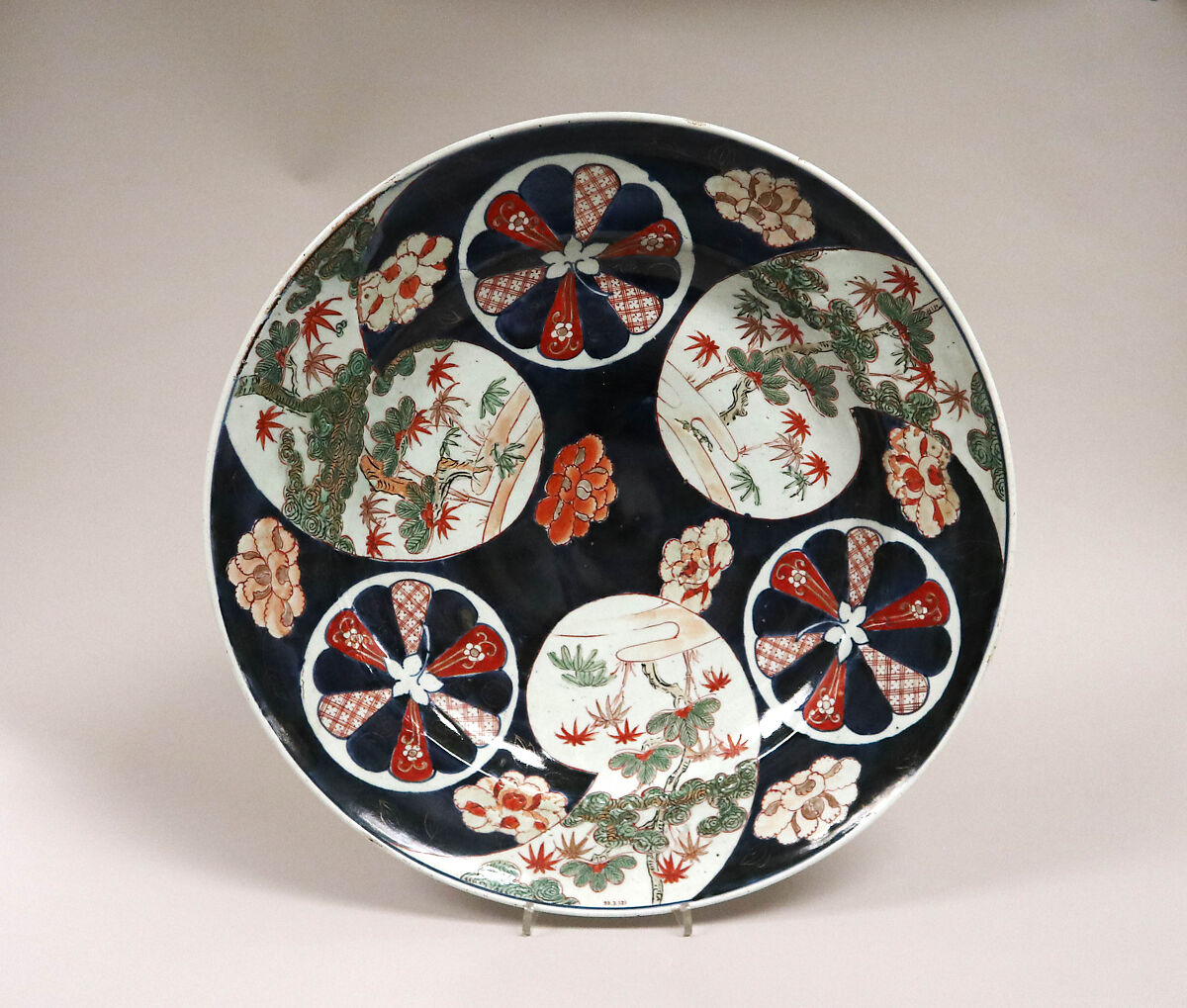
Did you know that a broken piece of pottery can sometimes tell archaeologists more than an intact decorative vase? Sherds preserve information about clay, shaping, firing, surfaces, use, repair and the location where an object was found. They can help reconstruct everyday cooking, storage, exchange and cultural practices—but only when their archaeological context is respected. This guide explores ceramics across the stages of civilisation without making the common mistake that pottery, agriculture and permanent settlement always appeared in one fixed sequence.
UNESCO’s Jomon Prehistoric Sites in Northern Japan provide an important counterexample to oversimplified civilisation ladders: a sedentary hunter-fisher-gatherer society developed complex practices including pottery and spiritual expression without adopting the same agrarian pathway as many later societies. The Met’s 1720 Arita porcelain object shows a very different tradition of materials, surface decoration and international exchange. Neither artefact is a score of cultural worth. To interpret each responsibly, learners must distinguish physical evidence from assumptions about ownership, economy, ritual or technological ‘progress’.
This guide uses eduKate’s explicitly educational Civilisation Atlas: Foundation 0 and eight numbered positions. Human adaptability, settlements, records, industrial institutions and global networks are investigated as different capabilities. Stage 5 is a proposed regenerative threshold and Stages 6–8 describe hypothetical inhabited human worlds beyond Earth. This is not an official or inevitable sequence and it is never a licence to rank human dignity, intelligence or cultural achievement.

Quick definitions to learn first
Pottery. Objects formed from prepared clay and transformed through firing. Different recipes, forming methods and firing conditions produce different results.
Ceramics. A broader family of inorganic, nonmetallic materials transformed by heat; historic pottery, earthenware and porcelain are examples, but they should not be treated as identical.
Sherd. A fragment of a broken ceramic object. Its significance depends on context, fabric, surface, form and other evidence.
Temper. Material intentionally mixed with a clay body in some traditions to influence working and firing behaviour; naturally occurring inclusions must be distinguished from deliberate additions.
Slip. A liquid clay mixture applied to a surface for particular visual or functional purposes.
Glaze. A surface layer developed through firing that may influence appearance and performance; not all pottery is glazed.
Kiln. A structure or system for controlling the conditions under which objects are fired; no single kiln design represents all cultures.
Provenance. The documented history of an object’s discovery, ownership and custody. It is not the same as the archaeological context in which an item was deposited.
Ceramic petrography. Microscopic examination of a ceramic body and its mineral inclusions, often using a prepared thin section; interpretations require specialist methods.
Residue analysis. A method for investigating substances preserved on or absorbed within archaeological materials; a detected compound does not automatically identify an entire ancient meal.
Source evidence: distinguish sites, objects, policies and models
UNESCO World Heritage, Jomon Prehistoric Sites in Northern Japan
The property includes 17 sites demonstrating a prehistoric sedentary hunter-fisher-gatherer culture from about 13,000 BCE to 400 BCE with early pottery and complex social practices. See UNESCO World Heritage, Jomon Prehistoric Sites in Northern Japan. Check the exact period, geographic boundary, technical meaning and context. The issuing institution has not adopted or certified this article’s separate civilisation-stage model.
Official World Heritage Jomon Sites, Transition of Jomon Pottery
The official educational site documents differences between early and later pottery styles, places and forms, with evidence changing across time and regions. See Official World Heritage Jomon Sites, Transition of Jomon Pottery. Check the exact period, geographic boundary, technical meaning and context. The issuing institution has not adopted or certified this article’s separate civilisation-stage model.
The Metropolitan Museum of Art, Japanese Arita Large Dish, 1720
The Met’s Open Access object record gives Arita Ko-Imari porcelain, its date, specific decoration, physical measurements and collection identity. See The Metropolitan Museum of Art, Japanese Arita Large Dish, 1720. Check the exact period, geographic boundary, technical meaning and context. The issuing institution has not adopted or certified this article’s separate civilisation-stage model.
The Metropolitan Museum of Art, How to Read Chinese Ceramics
The museum discusses the diversity of Chinese ceramic objects, materials, traditions and social meanings from Neolithic times through later centuries. See The Metropolitan Museum of Art, How to Read Chinese Ceramics. Check the exact period, geographic boundary, technical meaning and context. The issuing institution has not adopted or certified this article’s separate civilisation-stage model.
The Metropolitan Museum of Art, Japanese Ceramics for European Market
The object record connects Japanese export porcelain to adaptation across European and Asian markets, with its own identified date and provenance. See The Metropolitan Museum of Art, Japanese Ceramics for European Market. Check the exact period, geographic boundary, technical meaning and context. The issuing institution has not adopted or certified this article’s separate civilisation-stage model.
UNESCO, Archaeological Ruins at Moenjodaro
The specific Indus urban site is valuable for contextual study of settlement craft and material culture, not a universal model for all societies. See UNESCO, Archaeological Ruins at Moenjodaro. Check the exact period, geographic boundary, technical meaning and context. The issuing institution has not adopted or certified this article’s separate civilisation-stage model.
UNESCO, Intangible Cultural Heritage Domains
Traditional craftsmanship is a domain of living heritage; surviving objects and the contemporary people who hold skills should not be conflated. See UNESCO, Intangible Cultural Heritage Domains. Check the exact period, geographic boundary, technical meaning and context. The issuing institution has not adopted or certified this article’s separate civilisation-stage model.
The nine positions applied to a concrete subject
Foundation 0: Adaptive Human Worlds
Practical knowledge, ecological observation, skilled making and cooperation can exist without large towns or formal archives. The historical value of a technique must never be confused with a supposed ranking of people’s intelligence. In relation to the subject of this guide, a useful operating question is what a community can maintain when a material source, river crossing or skilled teacher becomes unavailable under changed seasonal conditions.
Specific teaching model. A mobile or adaptable group may make and use material objects without urban administration. In the learning model, children investigate what skills and resources make an object useful. A fired pot or a missing fired pot cannot independently establish a group’s intelligence or livelihood system. Evidence boundary. Absence of a surviving kiln, canal or written record cannot demonstrate absence of human understanding. The group should label which details are fictional, which are documented and which question still requires a source.
Stage 1: Settlement and Surplus
A more permanent settlement may need stores, continuing crafts, coordinated resources and shared maintenance. The critical question is whether those functions reliably serve households beyond an exceptional season. In relation to the subject of this guide, a useful operating question is what a community can maintain when a recurring seasonal change weakens the original arrangement or exposes a resident who cannot use it.
Specific teaching model. A fictional village uses clay vessels to store food and water, with some pieces repaired and others replaced. The question is how shape, safe use and replacement supplies make provisioning reliable. A full store does not prove everyone has access to it. Evidence boundary. One settlement or supply store cannot establish that everybody enjoyed fair, safe or dependable services. The group should label which details are fictional, which are documented and which question still requires a source.
Stage 2: Administrative and Recorded Systems
Recorded duties, quantities, arrangements and handovers can make coordinated activities more durable. Their usefulness depends on accuracy, local access and legitimate ways to resolve contradictions. In relation to the subject of this guide, a useful operating question is what a community can maintain when two documents give different versions of an allocation or object provenance.
Specific teaching model. An imaginary town registers pottery from several workshops. One inscription and one ledger disagree. Students ask whether it is an error, a later mark, a change of ownership or a mistaken modern interpretation. A document is not automatically the complete truth. Evidence boundary. Surviving elite records may omit people whose work or experience was never documented. The group should label which details are fictional, which are documented and which question still requires a source.
Stage 3: Industrial and Mass Institutions
Specialised workers, repeatable technical processes, standards and maintained infrastructure can extend production and provision. Quality, worker welfare, environmental effects and fair service still need independent assessment. In relation to the subject of this guide, a useful operating question is what a community can maintain when output rises while defects, unsafe work or a maintenance burden remain unrecorded.
Specific teaching model. A large manufacturing district makes repeated ceramic parts. Product quality depends on consistent materials, inspection and trained workers. The class tests why a higher production total can coincide with more defective products and hidden material waste. Evidence boundary. Large output is not an automatic measure of justice, ecological health or a successful life. The group should label which details are fictional, which are documented and which question still requires a source.
Stage 4: Planetary Network Civilisation
Distant suppliers, standards, information flows and users become connected. A useful network requires dependable exchange, responsible material provenance, accessible outcomes and ways to correct errors. In relation to the subject of this guide, a useful operating question is what a community can maintain when a change far away interrupts a service or invalidates a record used by a local institution.
Specific teaching model. Ceramics travel through international suppliers, laboratories and art markets. Historical export porcelain is evidence of particular links, not guaranteed equality among participants. Ethical provenance, product testing and accurate descriptions become major issues. Evidence boundary. Global connectivity may coexist with unequal knowledge, power and access. The group should label which details are fictional, which are documented and which question still requires a source.
Stage 5: Proposed Regenerative and Self-Correcting Capacity
The eduKate teaching model proposes a capacity to detect damage, identify causes, change practice and confirm sustained improvement without exporting the harm to another community. In relation to the subject of this guide, a useful operating question is what a community can maintain when one impressive improvement conceals damage or exclusion beyond the original reporting boundary.
Specific teaching model. A fictional region proposes repairable ceramics and better industrial waste control. Students require measured benefits, suitable product safety, worker welfare and confirmation that pollution was not exported elsewhere. One attractive environmental label is insufficient. Evidence boundary. A conservation pledge or pilot programme cannot establish this proposed civilisation-wide threshold. The group should label which details are fictional, which are documented and which question still requires a source.
Stage 6: Hypothetical Multi-World Extension
An imaginary inhabited human outpost beyond Earth might maintain some functions while relying on Earth for specialist parts, skills and critical supplies. In relation to the subject of this guide, a useful operating question is what a community can maintain when a necessary shipment or expert response cannot arrive when planned.
Specific teaching model. An imaginary Moon habitat wants to manufacture ceramic components but still imports specialized powders, equipment or experts. The class identifies all missing supplies before calling the manufacturing line reliable. Evidence boundary. Robotic science, space experiments and conceptual images do not demonstrate an inhabited second-world human settlement. The group should label which details are fictional, which are documented and which question still requires a source.
Stage 7: Hypothetical Autonomous Multi-World Community
A fictional off-Earth society would need substantial local competence in essential supplies, repairs, education, health and accountable decision making despite extended loss of Earth support. In relation to the subject of this guide, a useful operating question is what a community can maintain when a tiny externally supplied component defeats an apparently self-sustaining operation.
Specific teaching model. A fictional off-Earth community repairs important material parts locally for several years. The activity asks whether the process is still dependent on an irreplaceable machine, power source or specialist knowledge. Evidence boundary. There is no demonstrated broad autonomy of an inhabited human settlement beyond Earth. The group should label which details are fictional, which are documented and which question still requires a source.
Stage 8: Hypothetical Distributed Interplanetary Civilisation
Several imagined inhabited worlds would need reliable local decisions and cooperation through serious communication and travel delays. In relation to the subject of this guide, a useful operating question is what a community can maintain when a distant organisation receives an instruction after its underlying assumptions have become outdated.
Specific teaching model. Several imagined inhabited worlds exchange material specifications under delayed communication. Students decide when a local ceramic component should be accepted, rejected or escalated, while noting that the entire scenario remains speculative. Evidence boundary. No distributed populated human interplanetary society is known; this is a thought experiment, not present-day fact. The group should label which details are fictional, which are documented and which question still requires a source.
Twenty-two connected chapter lessons
1. How clay becomes a useful object
Clay’s particle size and plastic behaviour can make it formable; drying removes water, and suitable firing transforms its properties. A useful object also depends on shape, thickness and intended use. To avoid turning history into an ungrounded story, we should state the system’s purpose and what evidence can confirm its actual performance. A single picture, tool or museum object may suggest a useful question without proving the experience of every person in its society.
Scenario and uncertainty. A school says that every soft clay model is already a durable ceramic pot. The learner’s first task is to separate an authentic source claim from a modern interpretation and an invented example. A trustworthy explanation identifies whose practice is described, the relevant date or condition and what another explanation would predict. Different kinds of sources answer different kinds of questions.
Safe student activity. Draw separate paper cards for raw clay, formed body, dried form and appropriately fired object. Write an answer with a defined outcome, an appropriate source and one limitation. Use paper, diagrams and ordinary school materials rather than actual archaeological excavation, specialised equipment or unsafe infrastructure. The student should be able to repeat the reasoning when the original example changes.
What this teaches. Study the transformation without using a kiln or open flame. A successful method must be maintained, taught and interpreted in context. Where the evidence is inadequate the responsible conclusion is not yet demonstrated, not a confident declaration that a community has reached a higher or lower level of civilisation.
2. Earthenware, stoneware and porcelain
These are material categories with differences involving ingredients, firing and physical properties. Their uses and meanings vary between regions. A simplistic hierarchy from rough to refined omits economic, artistic and ecological context. To avoid turning history into an ungrounded story, we should state the system’s purpose and what evidence can confirm its actual performance. A single picture, tool or museum object may suggest a useful question without proving the experience of every person in its society.
Scenario and uncertainty. A museum visitor calls every pale ceramic object porcelain based only on surface colour. The learner’s first task is to separate an authentic source claim from a modern interpretation and an invented example. A trustworthy explanation identifies whose practice is described, the relevant date or condition and what another explanation would predict. Different kinds of sources answer different kinds of questions.
Safe student activity. Compare source-defined object descriptions with identical-looking invented images. Write an answer with a defined outcome, an appropriate source and one limitation. Use paper, diagrams and ordinary school materials rather than actual archaeological excavation, specialised equipment or unsafe infrastructure. The student should be able to repeat the reasoning when the original example changes.
What this teaches. Classify by evidence and reported material rather than prestige. A successful method must be maintained, taught and interpreted in context. Where the evidence is inadequate the responsible conclusion is not yet demonstrated, not a confident declaration that a community has reached a higher or lower level of civilisation.
3. The Jomon counterexample to a single ladder
UNESCO describes Jomon communities as sedentary hunter-fisher-gatherers across a long period, with complex material and spiritual practices. Their pottery is one example of development without a universal transition into crop farming. To avoid turning history into an ungrounded story, we should state the system’s purpose and what evidence can confirm its actual performance. A single picture, tool or museum object may suggest a useful question without proving the experience of every person in its society.
Scenario and uncertainty. A worksheet claims that people must be agriculturalists before they can make pottery. The learner’s first task is to separate an authentic source claim from a modern interpretation and an invented example. A trustworthy explanation identifies whose practice is described, the relevant date or condition and what another explanation would predict. Different kinds of sources answer different kinds of questions.
Safe student activity. Compare UNESCO’s description with a fictional compulsory-stage diagram and find the contradiction. Write an answer with a defined outcome, an appropriate source and one limitation. Use paper, diagrams and ordinary school materials rather than actual archaeological excavation, specialised equipment or unsafe infrastructure. The student should be able to repeat the reasoning when the original example changes.
What this teaches. Avoid defining civilisation by a narrow crop-based chronology. A successful method must be maintained, taught and interpreted in context. Where the evidence is inadequate the responsible conclusion is not yet demonstrated, not a confident declaration that a community has reached a higher or lower level of civilisation.
4. The earliest pottery and cautious dates
Jomon pottery chronology stretches over millennia and varies by site. An early known pottery object is not necessarily the world’s first instance of a technique, because discovery and preservation are uneven. To avoid turning history into an ungrounded story, we should state the system’s purpose and what evidence can confirm its actual performance. A single picture, tool or museum object may suggest a useful question without proving the experience of every person in its society.
Scenario and uncertainty. A poster labels an estimated date for one region as the globally certain invention year of pottery. The learner’s first task is to separate an authentic source claim from a modern interpretation and an invented example. A trustworthy explanation identifies whose practice is described, the relevant date or condition and what another explanation would predict. Different kinds of sources answer different kinds of questions.
Safe student activity. Write a dated claim in the form ‘earliest currently documented in this source’ rather than ‘first ever’. Write an answer with a defined outcome, an appropriate source and one limitation. Use paper, diagrams and ordinary school materials rather than actual archaeological excavation, specialised equipment or unsafe infrastructure. The student should be able to repeat the reasoning when the original example changes.
What this teaches. Use historical uncertainty as a source skill, not an embarrassment. A successful method must be maintained, taught and interpreted in context. Where the evidence is inadequate the responsible conclusion is not yet demonstrated, not a confident declaration that a community has reached a higher or lower level of civilisation.
5. Clay collection and material suitability
Different deposits contain different minerals and particles. A potter’s working decisions should be examined through local material knowledge and scientific analysis, not guessed from a pottery colour. To avoid turning history into an ungrounded story, we should state the system’s purpose and what evidence can confirm its actual performance. A single picture, tool or museum object may suggest a useful question without proving the experience of every person in its society.
Scenario and uncertainty. Two similarly coloured clays behave differently in the classroom story. The learner’s first task is to separate an authentic source claim from a modern interpretation and an invented example. A trustworthy explanation identifies whose practice is described, the relevant date or condition and what another explanation would predict. Different kinds of sources answer different kinds of questions.
Safe student activity. Make a fictional comparison table for grain size, workability, source and unknown contaminants. Write an answer with a defined outcome, an appropriate source and one limitation. Use paper, diagrams and ordinary school materials rather than actual archaeological excavation, specialised equipment or unsafe infrastructure. The student should be able to repeat the reasoning when the original example changes.
What this teaches. Material choice is a reasoned process supported by testing and skill. A successful method must be maintained, taught and interpreted in context. Where the evidence is inadequate the responsible conclusion is not yet demonstrated, not a confident declaration that a community has reached a higher or lower level of civilisation.
6. Temper and inclusions
Inclusions inside a ceramic body may come from the source material or from deliberate additions. Distinguishing them is a difficult archaeological question involving context and microstructure. To avoid turning history into an ungrounded story, we should state the system’s purpose and what evidence can confirm its actual performance. A single picture, tool or museum object may suggest a useful question without proving the experience of every person in its society.
Scenario and uncertainty. A pupil sees sand grains and declares that the maker added sand intentionally. The learner’s first task is to separate an authentic source claim from a modern interpretation and an invented example. A trustworthy explanation identifies whose practice is described, the relevant date or condition and what another explanation would predict. Different kinds of sources answer different kinds of questions.
Safe student activity. Compare two imaginary thin-section descriptions, one with a known clay source and one without. Write an answer with a defined outcome, an appropriate source and one limitation. Use paper, diagrams and ordinary school materials rather than actual archaeological excavation, specialised equipment or unsafe infrastructure. The student should be able to repeat the reasoning when the original example changes.
What this teaches. Not every microscopic inclusion is proof of a deliberate technology. A successful method must be maintained, taught and interpreted in context. Where the evidence is inadequate the responsible conclusion is not yet demonstrated, not a confident declaration that a community has reached a higher or lower level of civilisation.
7. Coiling, pinching and other forming methods
Hand-built forms can use coils, pinching, moulding or other approaches. The visible vessel shape does not always prove which method was used without traces of manufacture. To avoid turning history into an ungrounded story, we should state the system’s purpose and what evidence can confirm its actual performance. A single picture, tool or museum object may suggest a useful question without proving the experience of every person in its society.
Scenario and uncertainty. A smooth surface leads an observer to assume the object was made on a potter’s wheel. The learner’s first task is to separate an authentic source claim from a modern interpretation and an invented example. A trustworthy explanation identifies whose practice is described, the relevant date or condition and what another explanation would predict. Different kinds of sources answer different kinds of questions.
Safe student activity. Match imagined manufacturing traces with possible forming methods and identify unresolved cases. Write an answer with a defined outcome, an appropriate source and one limitation. Use paper, diagrams and ordinary school materials rather than actual archaeological excavation, specialised equipment or unsafe infrastructure. The student should be able to repeat the reasoning when the original example changes.
What this teaches. Different shaping techniques are not a ranking of culture. A successful method must be maintained, taught and interpreted in context. Where the evidence is inadequate the responsible conclusion is not yet demonstrated, not a confident declaration that a community has reached a higher or lower level of civilisation.
8. Thickness, drying and cracking
Water loss and uneven geometry can influence the behaviour of a clay body as it dries. A wall that is thicker in one place can respond differently to changes in moisture or temperature. To avoid turning history into an ungrounded story, we should state the system’s purpose and what evidence can confirm its actual performance. A single picture, tool or museum object may suggest a useful question without proving the experience of every person in its society.
Scenario and uncertainty. A fictional pot cracks, and the investigator blames the artistic pattern alone. The learner’s first task is to separate an authentic source claim from a modern interpretation and an invented example. A trustworthy explanation identifies whose practice is described, the relevant date or condition and what another explanation would predict. Different kinds of sources answer different kinds of questions.
Safe student activity. Draw two cross-sections with different wall thickness and list possible causes. Write an answer with a defined outcome, an appropriate source and one limitation. Use paper, diagrams and ordinary school materials rather than actual archaeological excavation, specialised equipment or unsafe infrastructure. The student should be able to repeat the reasoning when the original example changes.
What this teaches. A visible failure needs a tested causal explanation. A successful method must be maintained, taught and interpreted in context. Where the evidence is inadequate the responsible conclusion is not yet demonstrated, not a confident declaration that a community has reached a higher or lower level of civilisation.
9. Firing conditions and the actual kiln
Firing changes material properties, but conditions depend on the clay body, kiln type and intended product. An excavated firing structure gives limited physical evidence and cannot directly supply every missing operating parameter. To avoid turning history into an ungrounded story, we should state the system’s purpose and what evidence can confirm its actual performance. A single picture, tool or museum object may suggest a useful question without proving the experience of every person in its society.
Scenario and uncertainty. A single archaeological kiln is labelled the universal model for all earlier firing practices. The learner’s first task is to separate an authentic source claim from a modern interpretation and an invented example. A trustworthy explanation identifies whose practice is described, the relevant date or condition and what another explanation would predict. Different kinds of sources answer different kinds of questions.
Safe student activity. Compare a confirmed structural feature with an uncertain reconstruction of what workers did. Write an answer with a defined outcome, an appropriate source and one limitation. Use paper, diagrams and ordinary school materials rather than actual archaeological excavation, specialised equipment or unsafe infrastructure. The student should be able to repeat the reasoning when the original example changes.
What this teaches. Archaeological structure and operating history are different forms of evidence. A successful method must be maintained, taught and interpreted in context. Where the evidence is inadequate the responsible conclusion is not yet demonstrated, not a confident declaration that a community has reached a higher or lower level of civilisation.
10. Colour, atmosphere and material chemistry
Different chemical compositions and firing atmospheres influence ceramic colour. Decoration may also involve applied slips or glazes; identifying an exact recipe requires material evidence. To avoid turning history into an ungrounded story, we should state the system’s purpose and what evidence can confirm its actual performance. A single picture, tool or museum object may suggest a useful question without proving the experience of every person in its society.
Scenario and uncertainty. A black ceramic surface is assumed to have been painted only after firing. The learner’s first task is to separate an authentic source claim from a modern interpretation and an invented example. A trustworthy explanation identifies whose practice is described, the relevant date or condition and what another explanation would predict. Different kinds of sources answer different kinds of questions.
Safe student activity. Organise fictional colour, material and process evidence cards without conducting any hot experiments. Write an answer with a defined outcome, an appropriate source and one limitation. Use paper, diagrams and ordinary school materials rather than actual archaeological excavation, specialised equipment or unsafe infrastructure. The student should be able to repeat the reasoning when the original example changes.
What this teaches. Appearance rarely proves an exact thermal or chemical history. A successful method must be maintained, taught and interpreted in context. Where the evidence is inadequate the responsible conclusion is not yet demonstrated, not a confident declaration that a community has reached a higher or lower level of civilisation.
11. Vessel shapes and practical use
Narrow-necked jars, dishes and open bowls may suit different tasks, yet function cannot always be determined from shape alone. Some ceramic objects carry ritual or symbolic meaning. To avoid turning history into an ungrounded story, we should state the system’s purpose and what evidence can confirm its actual performance. A single picture, tool or museum object may suggest a useful question without proving the experience of every person in its society.
Scenario and uncertainty. A pottery jar is automatically described as a grain store merely because it is large. The learner’s first task is to separate an authentic source claim from a modern interpretation and an invented example. A trustworthy explanation identifies whose practice is described, the relevant date or condition and what another explanation would predict. Different kinds of sources answer different kinds of questions.
Safe student activity. Describe three possible functions for an invented vessel and the evidence needed to distinguish them. Write an answer with a defined outcome, an appropriate source and one limitation. Use paper, diagrams and ordinary school materials rather than actual archaeological excavation, specialised equipment or unsafe infrastructure. The student should be able to repeat the reasoning when the original example changes.
What this teaches. Form suggests possibilities but does not establish the complete use history. A successful method must be maintained, taught and interpreted in context. Where the evidence is inadequate the responsible conclusion is not yet demonstrated, not a confident declaration that a community has reached a higher or lower level of civilisation.
12. Residues, lipids and uncertain contents
Absorbed or attached residues may provide chemical clues about what a vessel once held. Residue evidence can be affected by contamination, later reuse, preservation and sampling method. To avoid turning history into an ungrounded story, we should state the system’s purpose and what evidence can confirm its actual performance. A single picture, tool or museum object may suggest a useful question without proving the experience of every person in its society.
Scenario and uncertainty. A laboratory detects one organic compound and declares the pot contained only one dish throughout its lifetime. The learner’s first task is to separate an authentic source claim from a modern interpretation and an invented example. A trustworthy explanation identifies whose practice is described, the relevant date or condition and what another explanation would predict. Different kinds of sources answer different kinds of questions.
Safe student activity. Create a fictional residue report with a cautious interpretation and two alternatives. Write an answer with a defined outcome, an appropriate source and one limitation. Use paper, diagrams and ordinary school materials rather than actual archaeological excavation, specialised equipment or unsafe infrastructure. The student should be able to repeat the reasoning when the original example changes.
What this teaches. A chemical signal is evidence with limitations, not a complete menu. A successful method must be maintained, taught and interpreted in context. Where the evidence is inadequate the responsible conclusion is not yet demonstrated, not a confident declaration that a community has reached a higher or lower level of civilisation.
13. Sherds and the archaeology of ordinary households
Broken fragments may be abundant where complete prestige objects are rare. Distribution across rooms, dumps and activity areas can reveal changing material practices if deposition is understood. To avoid turning history into an ungrounded story, we should state the system’s purpose and what evidence can confirm its actual performance. A single picture, tool or museum object may suggest a useful question without proving the experience of every person in its society.
Scenario and uncertainty. A class assumes the most beautiful intact vase represents the average daily household. The learner’s first task is to separate an authentic source claim from a modern interpretation and an invented example. A trustworthy explanation identifies whose practice is described, the relevant date or condition and what another explanation would predict. Different kinds of sources answer different kinds of questions.
Safe student activity. Compare a fictional house floor containing many broken sherds with a museum display of one complete vessel. Write an answer with a defined outcome, an appropriate source and one limitation. Use paper, diagrams and ordinary school materials rather than actual archaeological excavation, specialised equipment or unsafe infrastructure. The student should be able to repeat the reasoning when the original example changes.
What this teaches. Everyday evidence can challenge histories based only on elite luxury goods. A successful method must be maintained, taught and interpreted in context. Where the evidence is inadequate the responsible conclusion is not yet demonstrated, not a confident declaration that a community has reached a higher or lower level of civilisation.
14. Stratigraphy and disturbance
Where an object was found in a sequence can inform relative chronology, but soil movement, reuse and later digging may disturb the relationship. To avoid turning history into an ungrounded story, we should state the system’s purpose and what evidence can confirm its actual performance. A single picture, tool or museum object may suggest a useful question without proving the experience of every person in its society.
Scenario and uncertainty. A student treats every object in the same level as manufactured on exactly the same day. The learner’s first task is to separate an authentic source claim from a modern interpretation and an invented example. A trustworthy explanation identifies whose practice is described, the relevant date or condition and what another explanation would predict. Different kinds of sources answer different kinds of questions.
Safe student activity. Draw a simplified imaginary stratigraphic section with a later disturbance pit. Write an answer with a defined outcome, an appropriate source and one limitation. Use paper, diagrams and ordinary school materials rather than actual archaeological excavation, specialised equipment or unsafe infrastructure. The student should be able to repeat the reasoning when the original example changes.
What this teaches. Context and disturbance must be assessed before asserting dates. A successful method must be maintained, taught and interpreted in context. Where the evidence is inadequate the responsible conclusion is not yet demonstrated, not a confident declaration that a community has reached a higher or lower level of civilisation.
15. Typology and the dangers of rigid dating
Objects can be grouped by form and decoration to explore changes across sites, but a familiar shape may be produced for long periods or reappear elsewhere. To avoid turning history into an ungrounded story, we should state the system’s purpose and what evidence can confirm its actual performance. A single picture, tool or museum object may suggest a useful question without proving the experience of every person in its society.
Scenario and uncertainty. A pottery motif is used as a universal calendar with no local reference assemblage. The learner’s first task is to separate an authentic source claim from a modern interpretation and an invented example. A trustworthy explanation identifies whose practice is described, the relevant date or condition and what another explanation would predict. Different kinds of sources answer different kinds of questions.
Safe student activity. Sort fictional sherds by form and decoration, then identify which require independent dates. Write an answer with a defined outcome, an appropriate source and one limitation. Use paper, diagrams and ordinary school materials rather than actual archaeological excavation, specialised equipment or unsafe infrastructure. The student should be able to repeat the reasoning when the original example changes.
What this teaches. Similarity supports comparison but is not a substitute for chronology. A successful method must be maintained, taught and interpreted in context. Where the evidence is inadequate the responsible conclusion is not yet demonstrated, not a confident declaration that a community has reached a higher or lower level of civilisation.
16. Petrographic thin sections and mineral evidence
A prepared thin section under polarised light may reveal the mineral composition and texture of a ceramic body. Interpreting whether objects shared sources or production requires careful comparison. To avoid turning history into an ungrounded story, we should state the system’s purpose and what evidence can confirm its actual performance. A single picture, tool or museum object may suggest a useful question without proving the experience of every person in its society.
Scenario and uncertainty. A microphotograph is taken as definitive proof of the name of an ancient maker. The learner’s first task is to separate an authentic source claim from a modern interpretation and an invented example. A trustworthy explanation identifies whose practice is described, the relevant date or condition and what another explanation would predict. Different kinds of sources answer different kinds of questions.
Safe student activity. Write a short label for an actual thin-section image distinguishing observable minerals from inferred provenance. Write an answer with a defined outcome, an appropriate source and one limitation. Use paper, diagrams and ordinary school materials rather than actual archaeological excavation, specialised equipment or unsafe infrastructure. The student should be able to repeat the reasoning when the original example changes.
What this teaches. Scientific instruments improve inquiry when uncertainties remain visible. A successful method must be maintained, taught and interpreted in context. Where the evidence is inadequate the responsible conclusion is not yet demonstrated, not a confident declaration that a community has reached a higher or lower level of civilisation.
17. Trade, imitation and independent invention
Similar forms can circulate through exchange, local imitation or independent practical development. Trade claims should use contextual evidence across more than one object. To avoid turning history into an ungrounded story, we should state the system’s purpose and what evidence can confirm its actual performance. A single picture, tool or museum object may suggest a useful question without proving the experience of every person in its society.
Scenario and uncertainty. Two distant sites have blue decoration and the pupil declares a documented trade route. The learner’s first task is to separate an authentic source claim from a modern interpretation and an invented example. A trustworthy explanation identifies whose practice is described, the relevant date or condition and what another explanation would predict. Different kinds of sources answer different kinds of questions.
Safe student activity. Compare artefact dates, compositions, written records and source distribution before deciding. Write an answer with a defined outcome, an appropriate source and one limitation. Use paper, diagrams and ordinary school materials rather than actual archaeological excavation, specialised equipment or unsafe infrastructure. The student should be able to repeat the reasoning when the original example changes.
What this teaches. Resemblance alone cannot establish who copied whom. A successful method must be maintained, taught and interpreted in context. Where the evidence is inadequate the responsible conclusion is not yet demonstrated, not a confident declaration that a community has reached a higher or lower level of civilisation.
18. The Arita porcelain dish dated 1720
The Met’s 1720 Arita Ko-Imari dish has a documented medium, date, design and accession history. It shows specific craftsmanship; a museum image is not evidence that every resident owned such a dish. To avoid turning history into an ungrounded story, we should state the system’s purpose and what evidence can confirm its actual performance. A single picture, tool or museum object may suggest a useful question without proving the experience of every person in its society.
Scenario and uncertainty. A label uses the 1720 Arita object to claim every Japanese household used painted porcelain. The learner’s first task is to separate an authentic source claim from a modern interpretation and an invented example. A trustworthy explanation identifies whose practice is described, the relevant date or condition and what another explanation would predict. Different kinds of sources answer different kinds of questions.
Safe student activity. Write a precise museum caption with date, material, object number and uncertainty about everyday distribution. Write an answer with a defined outcome, an appropriate source and one limitation. Use paper, diagrams and ordinary school materials rather than actual archaeological excavation, specialised equipment or unsafe infrastructure. The student should be able to repeat the reasoning when the original example changes.
What this teaches. An authenticated object is valuable because its claim can be kept specific. A successful method must be maintained, taught and interpreted in context. Where the evidence is inadequate the responsible conclusion is not yet demonstrated, not a confident declaration that a community has reached a higher or lower level of civilisation.
19. Export porcelain and cultural adaptation
A Met Japanese porcelain object for a European market shows that makers and consumers could influence each other’s artistic choices through trade. That history is not the same as claiming one culture invented another’s aesthetic. To avoid turning history into an ungrounded story, we should state the system’s purpose and what evidence can confirm its actual performance. A single picture, tool or museum object may suggest a useful question without proving the experience of every person in its society.
Scenario and uncertainty. An illustrated dish is presented as proof all designs spread in one direction. The learner’s first task is to separate an authentic source claim from a modern interpretation and an invented example. A trustworthy explanation identifies whose practice is described, the relevant date or condition and what another explanation would predict. Different kinds of sources answer different kinds of questions.
Safe student activity. Compare an export object record with a domestic object record, without adding invented routes. Write an answer with a defined outcome, an appropriate source and one limitation. Use paper, diagrams and ordinary school materials rather than actual archaeological excavation, specialised equipment or unsafe infrastructure. The student should be able to repeat the reasoning when the original example changes.
What this teaches. Trade history is about choices, exchanges and power, not simply objects moving. A successful method must be maintained, taught and interpreted in context. Where the evidence is inadequate the responsible conclusion is not yet demonstrated, not a confident declaration that a community has reached a higher or lower level of civilisation.
20. Ceramic conservation and repair
A restored ceramic object can contain modern joins, adhesives, fills or other treatments. A good display should make the conservation history clear rather than present every visible feature as ancient. To avoid turning history into an ungrounded story, we should state the system’s purpose and what evidence can confirm its actual performance. A single picture, tool or museum object may suggest a useful question without proving the experience of every person in its society.
Scenario and uncertainty. A restored dish is photographed without saying which portion was replaced. The learner’s first task is to separate an authentic source claim from a modern interpretation and an invented example. A trustworthy explanation identifies whose practice is described, the relevant date or condition and what another explanation would predict. Different kinds of sources answer different kinds of questions.
Safe student activity. Draft a fictional conservation label separating original fabric from modern intervention. Write an answer with a defined outcome, an appropriate source and one limitation. Use paper, diagrams and ordinary school materials rather than actual archaeological excavation, specialised equipment or unsafe infrastructure. The student should be able to repeat the reasoning when the original example changes.
What this teaches. The object’s authentic and restored components must be interpreted separately. A successful method must be maintained, taught and interpreted in context. Where the evidence is inadequate the responsible conclusion is not yet demonstrated, not a confident declaration that a community has reached a higher or lower level of civilisation.
21. Industrial ceramics and component quality
Modern ceramics may be engineered for insulation, wear resistance or other technical purposes. These specialised capabilities should not be treated as inevitable descendants of one archaeological tradition. To avoid turning history into an ungrounded story, we should state the system’s purpose and what evidence can confirm its actual performance. A single picture, tool or museum object may suggest a useful question without proving the experience of every person in its society.
Scenario and uncertainty. A factory produces thousands of parts while its reject rate quietly increases. The learner’s first task is to separate an authentic source claim from a modern interpretation and an invented example. A trustworthy explanation identifies whose practice is described, the relevant date or condition and what another explanation would predict. Different kinds of sources answer different kinds of questions.
Safe student activity. Audit an invented production ledger for good units, failed inspections and replacement costs. Write an answer with a defined outcome, an appropriate source and one limitation. Use paper, diagrams and ordinary school materials rather than actual archaeological excavation, specialised equipment or unsafe infrastructure. The student should be able to repeat the reasoning when the original example changes.
What this teaches. Quality and safe service matter more than raw production volume. A successful method must be maintained, taught and interpreted in context. Where the evidence is inadequate the responsible conclusion is not yet demonstrated, not a confident declaration that a community has reached a higher or lower level of civilisation.
22. Reuse, waste and ceramic sustainability
Durable objects can serve for many years, but high firing temperatures, material sourcing and disposal can carry costs. A simple claim that one material is always greener needs lifecycle evidence. To avoid turning history into an ungrounded story, we should state the system’s purpose and what evidence can confirm its actual performance. A single picture, tool or museum object may suggest a useful question without proving the experience of every person in its society.
Scenario and uncertainty. A circular-economy campaign counts every discarded ceramic sherd as successfully recycled into a new product. The learner’s first task is to separate an authentic source claim from a modern interpretation and an invented example. A trustworthy explanation identifies whose practice is described, the relevant date or condition and what another explanation would predict. Different kinds of sources answer different kinds of questions.
Safe student activity. Diagram invented material inputs, use years, repairs and final waste streams. Write an answer with a defined outcome, an appropriate source and one limitation. Use paper, diagrams and ordinary school materials rather than actual archaeological excavation, specialised equipment or unsafe infrastructure. The student should be able to repeat the reasoning when the original example changes.
What this teaches. Long service life and verified resource outcomes require different measurements. A successful method must be maintained, taught and interpreted in context. Where the evidence is inadequate the responsible conclusion is not yet demonstrated, not a confident declaration that a community has reached a higher or lower level of civilisation.
Four extended enquiry tasks
Enquiry 1: How clay becomes a useful object versus Earthenware, stoneware and porcelain
Begin with the difference between how clay becomes a useful object and earthenware, stoneware and porcelain. The first describes a distinct mechanism; the second may interact with it but cannot be substituted for it. Imagine this concern: A school says that every soft clay model is already a durable ceramic pot. Introduce a new observation that A museum visitor calls every pale ceramic object porcelain based only on surface colour.. The group must explain whether the original theory still fits and what additional information would decide.
The class should examine the jomon counterexample to a single ladder as a third possible influence rather than assume the first two were enough. UNESCO describes Jomon communities as sedentary hunter-fisher-gatherers across a long period, with complex material and spiritual practices. Their pottery is one example of development without a universal transition into crop farming. Before the students interpret a chart or archaeological object, they should write the exact date, unit, source and relevant geographic population. A confident interpretation without those boundaries should receive less credit than a cautious one grounded in evidence.
One student completes this paper task: Draw separate paper cards for raw clay, formed body, dried form and appropriately fired object. A second works through Compare source-defined object descriptions with identical-looking invented images.. A third composes a short summary explaining why Avoid defining civilisation by a narrow crop-based chronology. The teams compare their findings and identify which version of their story can survive independent checking.
The final output is a source note, an imagined flow chart, a counterexample and one corrected conclusion. The student should be able to explain not just how a technology works but why skill, labour, access and the environment matter to its use. Do not convert the invented case into a factual story about a named civilisation.
Enquiry 2: Temper and inclusions versus Coiling, pinching and other forming methods
Begin with the difference between temper and inclusions and coiling, pinching and other forming methods. The first describes a distinct mechanism; the second may interact with it but cannot be substituted for it. Imagine this concern: A pupil sees sand grains and declares that the maker added sand intentionally. Introduce a new observation that A smooth surface leads an observer to assume the object was made on a potter’s wheel.. The group must explain whether the original theory still fits and what additional information would decide.
The class should examine thickness, drying and cracking as a third possible influence rather than assume the first two were enough. Water loss and uneven geometry can influence the behaviour of a clay body as it dries. A wall that is thicker in one place can respond differently to changes in moisture or temperature. Before the students interpret a chart or archaeological object, they should write the exact date, unit, source and relevant geographic population. A confident interpretation without those boundaries should receive less credit than a cautious one grounded in evidence.
One student completes this paper task: Compare two imaginary thin-section descriptions, one with a known clay source and one without. A second works through Match imagined manufacturing traces with possible forming methods and identify unresolved cases.. A third composes a short summary explaining why A visible failure needs a tested causal explanation. The teams compare their findings and identify which version of their story can survive independent checking.
The final output is a source note, an imagined flow chart, a counterexample and one corrected conclusion. The student should be able to explain not just how a technology works but why skill, labour, access and the environment matter to its use. Do not convert the invented case into a factual story about a named civilisation.
Enquiry 3: Vessel shapes and practical use versus Residues, lipids and uncertain contents
Begin with the difference between vessel shapes and practical use and residues, lipids and uncertain contents. The first describes a distinct mechanism; the second may interact with it but cannot be substituted for it. Imagine this concern: A pottery jar is automatically described as a grain store merely because it is large. Introduce a new observation that A laboratory detects one organic compound and declares the pot contained only one dish throughout its lifetime.. The group must explain whether the original theory still fits and what additional information would decide.
The class should examine sherds and the archaeology of ordinary households as a third possible influence rather than assume the first two were enough. Broken fragments may be abundant where complete prestige objects are rare. Distribution across rooms, dumps and activity areas can reveal changing material practices if deposition is understood. Before the students interpret a chart or archaeological object, they should write the exact date, unit, source and relevant geographic population. A confident interpretation without those boundaries should receive less credit than a cautious one grounded in evidence.
One student completes this paper task: Describe three possible functions for an invented vessel and the evidence needed to distinguish them. A second works through Create a fictional residue report with a cautious interpretation and two alternatives.. A third composes a short summary explaining why Everyday evidence can challenge histories based only on elite luxury goods. The teams compare their findings and identify which version of their story can survive independent checking.
The final output is a source note, an imagined flow chart, a counterexample and one corrected conclusion. The student should be able to explain not just how a technology works but why skill, labour, access and the environment matter to its use. Do not convert the invented case into a factual story about a named civilisation.
Enquiry 4: Petrographic thin sections and mineral evidence versus Trade, imitation and independent invention
Begin with the difference between petrographic thin sections and mineral evidence and trade, imitation and independent invention. The first describes a distinct mechanism; the second may interact with it but cannot be substituted for it. Imagine this concern: A microphotograph is taken as definitive proof of the name of an ancient maker. Introduce a new observation that Two distant sites have blue decoration and the pupil declares a documented trade route.. The group must explain whether the original theory still fits and what additional information would decide.
The class should examine the arita porcelain dish dated 1720 as a third possible influence rather than assume the first two were enough. The Met’s 1720 Arita Ko-Imari dish has a documented medium, date, design and accession history. It shows specific craftsmanship; a museum image is not evidence that every resident owned such a dish. Before the students interpret a chart or archaeological object, they should write the exact date, unit, source and relevant geographic population. A confident interpretation without those boundaries should receive less credit than a cautious one grounded in evidence.
One student completes this paper task: Write a short label for an actual thin-section image distinguishing observable minerals from inferred provenance. A second works through Compare artefact dates, compositions, written records and source distribution before deciding.. A third composes a short summary explaining why An authenticated object is valuable because its claim can be kept specific. The teams compare their findings and identify which version of their story can survive independent checking.
The final output is a source note, an imagined flow chart, a counterexample and one corrected conclusion. The student should be able to explain not just how a technology works but why skill, labour, access and the environment matter to its use. Do not convert the invented case into a factual story about a named civilisation.
Four worked quantitative literacy activities
Different denominators
A fictional site contains 120 artefacts or service records, of which 48 meet a stated criterion. The verified share is 48/120 = 40%. If a later audit finds that the original collection included 20 unrelated records, the corrected eligible share is 48/100 = 48%. Nothing about the artefacts or services changed; what changed was the definition of the reference population.
To score highly, state what the arithmetic establishes within the invented dataset and what it cannot establish about an actual community, historical event or environmental condition. Ask for a second source or an independent check before forming a broad conclusion.
An operating rate is not a total stock
A fictional system delivers 0.5 units per second for 60 seconds, yielding 30 units in that interval. The rate alone does not say how large the source reservoir or available material stock is. Keep the units of stock, rate and time separate.
To score highly, state what the arithmetic establishes within the invented dataset and what it cannot establish about an actual community, historical event or environmental condition. Ask for a second source or an independent check before forming a broad conclusion.
Average success and individual access
In an invented settlement 4 households receive 10, 10, 10 and 50 units respectively. The mean is 20, but three households receive only 10 each. The total and mean do not establish equal access or the adequacy of provision.
To score highly, state what the arithmetic establishes within the invented dataset and what it cannot establish about an actual community, historical event or environmental condition. Ask for a second source or an independent check before forming a broad conclusion.
Uncertain versus confirmed observations
An imaginary archaeological or service register contains 80 cases: 45 confirmed, 15 ambiguous and 20 unexamined. The confirmed fraction is 45/80, or 56.25%. The remaining records are not a single opposite category. The student should distinguish uncertainty due to incomplete evidence from confirmed absence.
To score highly, state what the arithmetic establishes within the invented dataset and what it cannot establish about an actual community, historical event or environmental condition. Ask for a second source or an independent check before forming a broad conclusion.
Frequently asked questions
Does pottery mean that a society was already agricultural?
No. The Jomon sites are a major case of long-lasting sedentary hunter-fisher-gatherer lifeways with pottery and complex culture.
Are ceramics and porcelain the same?
Porcelain is one category of ceramic; ceramics include many materials and historic techniques.
Can a broken pot reveal its original meal?
Sometimes residues provide clues, but contamination, reuse and limits of analysis mean any conclusion must be carefully bounded.
Can we determine exactly who made a sherd?
Usually not from appearance alone; documentary provenance, technical analysis and context are needed, and many makers remain anonymous.
Does a beautiful vase represent how an entire society lived?
No. A single object’s social context, ownership and purpose may differ from those of everyday household pottery.
Is a conserved object unchanged from its original manufacture?
Not necessarily. Museums may stabilise, repair or reconstruct materials; conservation should be distinguished from original fabric.
How should a tutor teach this without fire or clay chemicals?
Use printed object records, diagrams of vessel forms, source comparison and hypothetical excavation cards.
A compact assessment rubric for tutors
Emerging: recognises a tool or practice but does not explain its operating function. Developing: describes the basic mechanism and offers an example but may confuse a proposal with observed outcomes. Secure: defines the system, evidence, date or unit and one realistic failure. Advanced: contrasts rival explanations, considers missing people and environmental costs, documents a valid correction and recognises the boundaries of evidence. An advanced answer may appropriately conclude that the available sources do not establish a claim.
Connected eduKate Civilisation Atlas reading
- The Stages of a Civilisation: Master Atlas
- Stages of a Civilisation: Evidence Atlas and Confidence
- Stages of a Civilisation: Capability, Lifecycle and Habitat Independence
- Stages of a Civilisation: Food, Water and Safe Settlements
- Stages of a Civilisation: Fire, Cooking and Thermal Technologies
- Stages of a Civilisation: Materials, Mining and Circular Production
- Stages of a Civilisation: Commons, Shared Resources and Collective Action
- Stages of a Civilisation: Climate, Ecology and Adaptation
Primary sources and verification links
- UNESCO World Heritage, Jomon Prehistoric Sites in Northern Japan
- Official World Heritage Jomon Sites, Transition of Jomon Pottery
- The Metropolitan Museum of Art, Japanese Arita Large Dish, 1720
- The Metropolitan Museum of Art, How to Read Chinese Ceramics
- The Metropolitan Museum of Art, Japanese Ceramics for European Market
- UNESCO, Archaeological Ruins at Moenjodaro
- UNESCO, Intangible Cultural Heritage Domains
Editorial evidence boundary: UNESCO heritage descriptions, museum objects and FAO reports have particular dates, geographic limits and measurement definitions. Their findings do not constitute official recognition of the eduKate nine-position teaching framework. All classroom communities, numerical ledgers and inhabited off-Earth scenarios in this article are fictional. Real engineering, conservation, water safety and archaeological procedures require appropriately qualified professional methods.
Conclusion: learn the full operating system
The lesson of pottery, ceramics and the archaeology of everyday objects is to follow a useful capability from its source and skilled practitioners through its actual use, upkeep, beneficiaries and evidence. The most important questions are not what impressive object can be displayed, but what it did in a defined setting, who could reach the benefit, what could go wrong and how an error could be corrected. Different societies have followed different pathways. Historical and scientific uncertainty is part of understanding, not a reason to invent a simple ranking.