
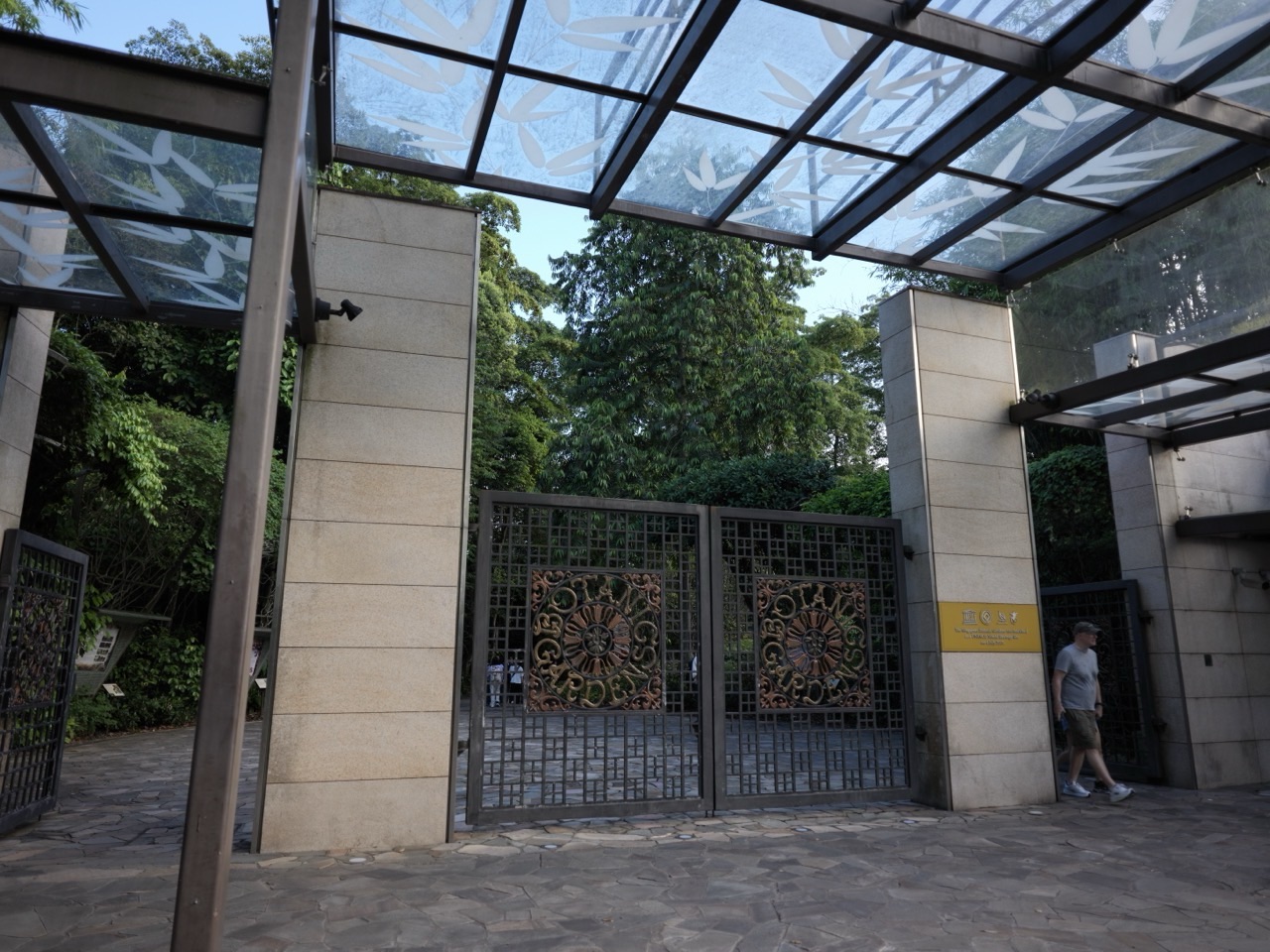
Choose the Seed Bank for seed dispersal and plant conservation. Choose the Centre for Ethnobotany for the ways people in the region have used plants in everyday life. NParks lists Bukit Timah Gate as the nearest entrance for both, so take Botanic Gardens MRT (DT9/CC19), Exit A, and follow the garden map.
Both attractions usually run from 9 am to 6 pm. The Centre for Ethnobotany lists a closure on the last Wednesday of each month. Check the current notices if a particular gallery is the main reason for the trip, and allow time to walk between the displays if you plan to see both.
- Seed Bank: Learn about seed collection, storage and dispersal.
- Centre for Ethnobotany: Explore relationships between plants, people and cultural practices.
- Start: Bukit Timah Gate, Botanic Gardens MRT Exit A.
- Hours: Both list 9 am to 6 pm. The Centre closes on the last Wednesday of the month.
Choose the Seed Bank for plant conservation
The Seed Bank interpretive gallery explains how seeds are collected and conserved. NParks describes laboratory viewing windows and information panels. Choose one stage of the process, such as storage, and ask what would make it difficult to keep a seed viable.
Just outside, the Seed Dispersal Garden uses plants to show different ways seeds or fruits spread. If the group is comfortable outdoors, compare one wind-dispersed example with an example dispersed by water or animals. Use the labels to test your first guess.

Back to contents · Next section
Choose the Centre for Ethnobotany for plants in everyday life
The Centre for Ethnobotany uses artefacts, plant materials and interactive exhibits to show how plants support communities. A short visit can focus on one use, such as making an object, then ask which part of the plant made that use possible.
If you are visiting with children, let them choose a display and explain what they noticed before reading the label. Older children can compare two examples of how people use plants and describe a difference in the material or purpose.
Check the monthly closure and the latest exhibition information. If the indoor centre is unavailable, look at the Gardens map for an outdoor option and follow any posted access restrictions.
Back to contents · Next section
Combine the two stops with one question
For a short two-stop visit, start with whichever question interests your group most. At the Seed Bank, ask how people keep plants available for the future. At the Centre, ask what people have learned to do with plants over time. Compare one answer from each stop before leaving.
If the group has limited time, choose one gallery and make the other optional. Enter through Bukit Timah Gate, note the way back and use the map to avoid unnecessary detours. Check the suitability of the paths if anyone needs a step-free approach.
For an outdoor extension, choose one nearby collection after seeing the gallery. On a wet day, check whether the outdoor approach and current hours suit the group. Keep one attraction as the main destination so a change of plan is easy.
Back to contents · Next section
Frequently asked questions
Which gallery explains how seeds are preserved?
Start with the Seed Bank.
Which gallery is about people’s uses of plants?
Choose the Centre for Ethnobotany.
Do both use the same nearest entrance?
NParks lists Bukit Timah Gate for both.
Are the opening hours identical?
Both normally list 9 am to 6 pm. The Centre for Ethnobotany closes on the last Wednesday of the month. Check current notices.