
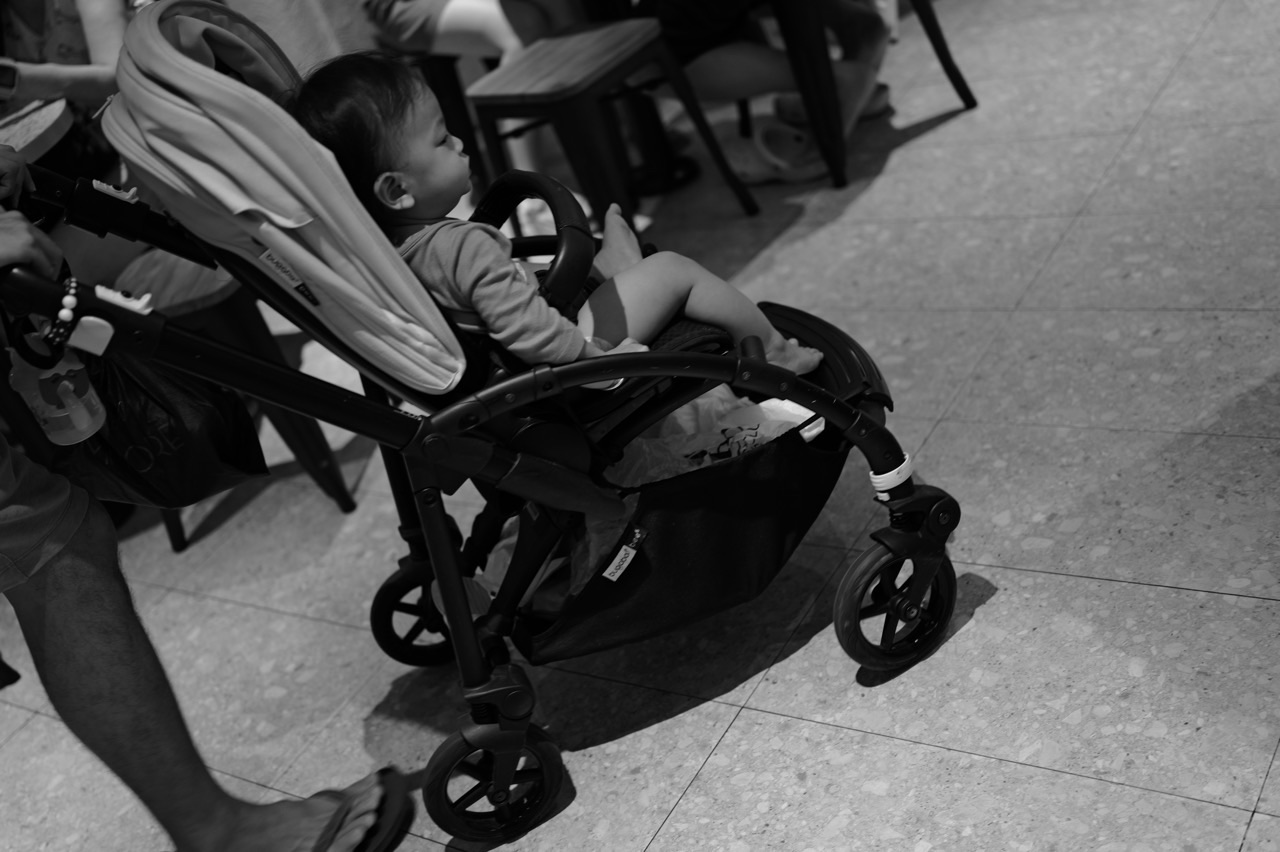
How does Singapore support families raising children? It combines Baby Bonus cash gifts, Child Development Account savings, paid maternity and paternity leave, Shared Parental Leave, preschool subsidies, healthcare support and housing policies. Different agencies administer different benefits, so the important task is matching the family’s actual circumstances to the correct programme and application.
This guide explains the current Baby Bonus and CDA arrangements, the ten weeks of Shared Parental Leave introduced in April 2026, childcare and infant-care subsidies, and the new SG Child Support Package announced at the August 2026 National Day Rally. It also joins the existing eduKateSG How Singapore Works and How Singapore Connects articles on birth registration, schools, HDB flats, childcare, employment and family finances.
The first distinction is what is available now, what was announced for the future, what depends on eligibility, and which account or service receives the benefit. A proposed S$62,000 package is not one cheque already being deposited to every parent in October 2026. Clear dates and conditions make the system much easier to understand.
Quick answer: Singapore’s family-support layers
- At birth: birth registration and relevant child citizenship, medical and financial arrangements
- Existing cash support: Baby Bonus Cash Gift and separate Child Savings Account administration
- Child savings: CDA First Step Grant and eligible Government co-matching
- Leave from work: maternity, paternity and ten-week Shared Parental Leave under current rules
- Early childcare: ECDA preschool services, Basic and Additional Subsidies and other suitable assistance
- Growing up: student care, schools, vaccination and relevant education accounts or awards
- Housing and community: suitable HDB options, family support networks, transport and accessible services
- Future transition: SG Child Support Package and enhanced family measures announced in August 2026
A major update matters in 2026: eligible parents of qualifying children born or adopted from 1 April 2026 can receive ten weeks of Shared Parental Leave, under the applicable rules. The SG Child Support Package was announced on 23 August 2026 but the current Baby Bonus Scheme continues pending transition. The official NDR 2026 family support announcement separates current provisions and future directions.
1. Start with a family’s real week
Imagine two parents raising a toddler. They need to arrange work, find childcare, pay fees, manage illness and decide how to share pickups. A government announcement about family benefits may help, but only when the correct programme and application connect to their real routine.
A working family experiences many separate systems: the employer, preschool, bank, LifeSG, medical clinic, housing authority and eventually primary school. The family’s needs are continuous even though agency responsibilities are divided.
This guide follows those handoffs from birth through the early school years. The root Baby Bonus, CDA and Family Support article owns the detailed financial flow.
2. Why support for families is more than one payout
Raising a child involves time, housing, health, care, education and money. A cash gift might help with immediate expenses but cannot create a childcare place beside the home or make an employer’s leave arrangements workable.
Likewise, a preschool subsidy can reduce fees while a family still faces a difficult commute. A good national approach must connect the different sources of pressure instead of measuring success by one large headline number.
The relevant long-term systems are The Fiscal Engine and Education and Workforce Regeneration.
3. What happens when a child is born in Singapore?
Birth registration creates an official record and, where applicable, connects a family to digital services for relevant benefits and identity arrangements. Hospital care and registration are related but distinct jobs.
Parents should check the birth-registration requirements, the child’s citizenship position and the information used in official applications. A child born in Singapore does not automatically satisfy every citizen-only programme simply by having a local birth certificate.
LifeSG explains how birth registration can connect with Baby Bonus enrolment, Child Savings Accounts and suitable library membership. The specialist Birth Registration, Hospitals and LifeSG walks through that first journey.
4. What is the Baby Bonus Scheme?
The Baby Bonus Scheme provides eligible families with a cash gift and Child Development Account benefits under the rules in force for the child’s circumstances. It is designed to ease some costs of raising young children.
The cash gift and the CDA are different financial components. A cash gift can support general child-related expenses under the scheme, while the CDA has approved-use rules and a separate co-savings design.
As of October 2026, the existing Baby Bonus payouts continue while the announced SG Child Support Package is being prepared. See Made For Families — Baby Bonus Scheme for current eligibility.
5. How much Baby Bonus is available under the existing scheme?
The current Baby Bonus Cash Gift schedule provides S$11,000 for eligible first and second children and S$13,000 for eligible third and subsequent children, subject to the rules for the child and parents.
The amount is not one instant cash payment at birth. The schedule spreads payments across the first years, with the Child Savings Account receiving the eligible cash gift.
Different birth dates, citizenship circumstances and transitions may affect entitlements. Read the exact schedule and eligibility checker on the official Baby Bonus page rather than assuming every family receives an identical total.
6. What is the Child Savings Account?
The Child Savings Account, or CSA, is a bank account associated with the Baby Bonus arrangement for eligible children. It can receive the Baby Bonus Cash Gift and selected other government payments under relevant rules.
It is different from the Child Development Account even if the family sets up both through a participating bank. The CSA holds certain cash benefits, while the CDA has approved-use and co-matching provisions.
A family should identify which account actually received a payment before assuming the money is unavailable or was misdirected. LifeSG’s birth-registration guide explains the account setup connections.
7. What is the Child Development Account?
The CDA is a special co-savings account for a child’s approved expenses. Under the current Baby Bonus framework, the Government provides a First Step Grant and can co-match qualifying contributions by parents or other contributors up to the relevant cap.
The account is not a general bank savings product from which every amount can be spent at any shop. Approved institutions and expense categories govern how the money is used.
Examples include certain preschool, healthcare and early-intervention costs under the applicable rules. The specialist Child Development Accounts and Family Support explains the account mechanism.
8. Why is the CDA First Step Grant different from co-matching?
The First Step Grant does not require parents to deposit the same amount first. Co-matching, by contrast, is tied to qualifying savings deposited into the account, subject to the Government’s cap.
This difference matters for families with limited spare cash. They should not confuse a headline maximum co-matching amount with money that appears automatically at enrolment.
Current CDA First Step Grant amounts vary by birth order and applicable dates. The official Baby Bonus table separates First Step Grants from matching caps so parents can budget accurately.
9. What can parents actually pay with CDA money?
CDA funds can be used for qualifying approved expenses at institutions registered under the scheme. These can include eligible childcare and kindergarten fees, healthcare and early-intervention needs and certain insurance or assistive services.
The fact that an expense concerns a child is not by itself proof that it can be charged to the CDA. The vendor or institution and the expense category must satisfy the applicable conditions.
Before committing to a bill, confirm that the institution accepts CDA payments for that precise service. The official CDA explanation is the decision-making starting point.
10. What changed at National Day Rally 2026?
On 23 August 2026, the Government announced a new SG Child Support Package intended to replace the Baby Bonus and Large Families schemes. The announced package offers up to S$62,000 of specified support per Singapore Citizen child from birth to seventeen, regardless of birth order, subject to its eventual detailed rules.
That is a future policy transition, not an instruction to assume the existing Baby Bonus has already stopped in October 2026. The official page says current payouts continue and existing beneficiaries will transition as the new package is implemented.
Read Made For Families — NDR 2026 Supporting Families and the current Baby Bonus page together.
11. What will the SG Child Support Package include?
The announced package includes a S$10,000 Baby Gift, S$32,000 of Child Credits spread across the child’s growing years, a CDA First Step Grant, up to S$5,000 in CDA matching and a S$10,000 PSEA top-up at age seventeen.
The package is presented as up to S$62,000 in these specified components. The accompanying announcement discusses other continuing benefits, including the newborn MediSave grant and Edusave contributions, but these are not all one undifferentiated cash payout.
Families should wait for operative implementation details before changing an existing account or assuming a payment date. The official NDR 2026 breakdown contains the intended structure.
12. When does the new package start?
The August 2026 policy statement announces the direction and benefits, while implementation and transition details need to be read as they are officially published. The existing Baby Bonus site explicitly states that current payouts continue in the meantime.
Do not treat the announcement date as the first payment date for all elements or assume that a child’s existing entitlement instantly changes to the proposed arrangement. An individual family may need to consider birth date, citizenship and transition provisions.
For practical decisions, use the latest SG Child Support Package guidance rather than a frozen comparison made immediately after the rally.
13. What about larger families with three or more children?
Singapore’s existing Large Families Scheme provides additional specified support for qualifying families with three or more children. Its components involve different account or benefit arrangements, not a single generic cash award.
The 2026 National Day Rally announced that the Baby Bonus and Large Families schemes will give way to the SG Child Support Package, with additional measures for large families still being studied or developed.
Parents should distinguish the current Large Families Scheme from the proposed replacement, especially for benefits tied to birth order or year of birth. See Made For Families — Large Families Scheme.
14. How does MediSave support newborn healthcare?
Singapore’s newborn-related healthcare benefits include a MediSave Grant for eligible Singapore Citizen children, with the amount credited according to the current rules. This is a medical savings resource rather than an unrestricted shopping voucher.
Healthcare bills involve different sources of financing, including relevant subsidies and insurance or savings arrangements. Parents should verify actual eligibility and permitted use before assuming every health-related cost can be fully reimbursed.
Read How Singapore’s Healthcare System Works and the 2026 family support announcement.
15. Why parental leave is as important as financial support
Newborn care requires time as well as money. Parents may need to recover after childbirth, establish routines, attend appointments and manage feeding, sleep and household tasks.
Paid leave creates protected time for eligible workers without requiring every family to absorb the same full income interruption. Yet actual entitlements depend on employment, the child’s circumstances and scheme rules.
The leave framework includes Government-Paid Maternity Leave, Government-Paid Paternity Leave and Shared Parental Leave, which do different jobs. The broader labour relationship is explained in Singapore’s Employment System.
16. How much maternity leave is available?
Eligible working mothers of Singapore Citizen children may receive sixteen weeks of Government-Paid Maternity Leave under the relevant law and scheme conditions. Other maternity leave arrangements can apply in different circumstances.
Eligibility, notification, service requirements and reimbursement conditions matter. A headline sixteen weeks does not mean every pregnant employee in every situation has an identical entitlement under one scheme.
Parents should check the Made For Families parental-leave resources and the relevant government-paid leave portal for their actual situation.
17. How much paternity leave is available?
Eligible working fathers of Singapore Citizen children born or adopted on or after 1 April 2025 are entitled to four weeks of Government-Paid Paternity Leave under the current arrangements.
Earlier transition dates and employer-agreement conditions may be relevant for older births. Families need to use the rules attached to the child’s actual circumstances rather than assume the most recent announcement applies retroactively to every case.
The official Government-Paid Paternity Leave guide explains the conditions and reimbursement limits.
18. What changed for Shared Parental Leave in April 2026?
From 1 April 2026, the new Shared Parental Leave entitlement increased to ten weeks for eligible parents of Singapore Citizen children born or adopted under the applicable rules. It is additional to the relevant maternity and paternity leave arrangements.
The scheme is designed to encourage parents to share early caregiving. By default, the leave is divided equally, but parents can change the arrangement under the published process and timing requirements.
LifeSG provides a Shared Parental Leave management service. The benefit is real and operational in 2026, unlike some new family measures announced in August for later implementation.
19. Do parents automatically get thirty weeks of leave?
The family-policy overview describes up to thirty weeks of specified paid leave for eligible working parents when sixteen weeks of maternity leave, four weeks of paternity leave and ten weeks of Shared Parental Leave all apply.
That total is a useful programme headline, not proof that one person can take all thirty weeks regardless of their relationship to the child, employment type or the conditions of different schemes.
Use the current Shared Parental Leave details for sharing, timing, notification and employer arrangements. Planned new childcare-leave changes are a separate future issue.
20. What did National Day Rally 2026 announce about childcare leave?
The Government announced plans to enhance childcare leave by merging existing childcare and extended-childcare leave arrangements and making more protected time available to eligible working parents of children up to age twelve.
The official announcement explicitly says more details, including the start date, will be published later. That means existing leave rules should not be replaced in an employee’s planning spreadsheet by a yet-to-start proposal.
Read NDR 2026 — Childcare Leave and check the current pro-family leave rules when arranging work.
21. How do employers plan around parental leave?
An employer needs to manage workload, staffing and continuity while respecting eligible employees’ statutory leave. A parent needs to notify the employer appropriately, discuss timing and plan the handoff of duties.
This is a practical coordination problem, not a reason for one side to ignore the other. Early planning can reduce business disruption and help parents use legitimate entitlements without unnecessary conflict.
Parents and employers should refer to the current leave scheme guidance instead of negotiating based on outdated eligibility summaries.
22. What are flexible work arrangements?
Flexible work arrangements may involve the location, timing or amount of work under an agreed structure. They can help parents coordinate pickups or caregiving without assuming that every job can be performed from home.
The Tripartite Guidelines on Flexible Work Arrangement Requests establish a framework for formal requests and employer consideration, but do not automatically guarantee that every requested arrangement will be approved.
An employee should describe the proposed working pattern and how essential tasks would be performed. Employers need to consider requests on reasonable business grounds. The wider employment pathway is MOM, Employment and SkillsFuture.
23. How do families find infant care and childcare?
Parents need to compare age suitability, programme hours, location, places available, fees and the centre’s operating approach. An attractive preschool located far from both parents’ commuting routes may create a daily burden.
ECDA oversees the early childhood sector and its quality and subsidy frameworks, while operators provide the actual places and services. A national capacity announcement does not guarantee one particular child a place at the family’s preferred centre.
Read Preschools, Childcare and Working Families and How Preschool Works Before Primary 1.
24. What is the difference between infant care and childcare?
Infant care is designed for younger children and has different staffing, facilities and operating needs from programmes for older preschoolers. Childcare centres typically support a broader early-childhood age range and daily learning or care routines.
Fees and subsidy rules can differ by programme type. A parent should check the exact service rather than assume that every preschool category is interchangeable for an eighteen-month-old or a four-year-old.
Centre selection should include caregiver communication, safety, opening hours and continuity when a child is unwell. The detailed arrangements are in Preschool and Childcare Services.
25. How do preschool subsidies work?
ECDA’s preschool subsidy framework provides Basic and Additional Subsidies to eligible children and households under specified conditions. The actual amount depends on matters such as the child’s citizenship, programme, household income and applicable working-status rules.
A fee cap, subsidy amount and final parent co-payment are three different figures. A centre’s published maximum fee does not necessarily equal what every eligible household pays after assistance.
ECDA’s preschool subsidy resources and the centre’s own enrolment information are the correct sources for a family’s actual quote.
26. Are preschool fees getting cheaper?
Under current government-supported arrangements, preschool fee caps differ by operator programme and year. The Government has been lowering some fee caps while expanding access and improving educator supply.
At the 2026 National Day Rally, Singapore announced a goal for full-day childcare fees of S$150 and infant-care fees of S$300 per month, before means testing, at government-supported preschools by 2030 through changes starting in 2028.
These are planned future targets, not the current 2026 monthly fees at every centre. The timeline and conditions are explained in NDR 2026 — Preschool Support.
27. What if a household still cannot afford preschool?
Some families face difficult circumstances even after receiving relevant Basic and Additional Subsidies. ECDA describes further help such as Child Care Financial Assistance and a Start-Up Grant for eligible households under the current criteria.
Those supports can be important when initial deposits, uniforms or recurring fees would otherwise prevent a child from attending. But eligibility depends on income and other conditions, and awards are not automatic.
Read ECDA — Other Financial Assistance for Preschool Fees and seek assistance from the centre or responsible service.
28. Why preschool is part of workforce policy
Parents need safe, reliable care in order to plan work. Preschool educators themselves need training, fair working arrangements and suitable resources. Raising the number of places without preparing the workforce can weaken service quality.
Conversely, a strong early childhood sector can support children’s development while helping adults participate in employment. This is why education, family policy and labour planning are closely connected.
Read Education and Workforce Regeneration and Singapore’s Employment System.
29. How does housing affect family support?
A young family may need a flat near employment, grandparents, childcare and public transport. Financial support cannot remove every housing trade-off when land and home availability are limited.
HDB has schemes and priorities for qualifying families, while the actual flat-buying process involves eligibility, grants, financing and selection. A planned priority is not a personal guarantee of a flat.
The official 2026 family announcement includes additional BTO and Sale of Balance Flats ballot chances for qualifying first-timer families from the February 2027 exercise. Read NDR 2026 — Housing Support and HDB Buying, BTO and Resale.
30. How does school admission connect to home choice?
A home near a primary school can make daily travel easier but does not guarantee admission. MOE’s Primary 1 Registration framework has its own phases, priority and balloting rules.
Families should not choose an unaffordable home solely from an unverified admission promise. Consider commute, family support, actual school eligibility and the household’s longer-term plans.
The detailed owner is Primary 1 Registration and School Admission. Family policy and education become connected when a real child needs a route from home to classroom.
31. How does student care fit after preschool?
Starting primary school does not eliminate the need for supervision after lessons. Some families use school-based or other student care centres, family caregivers or suitable arrangements depending on their schedules.
Student care fees, places and financial assistance use separate programmes and eligibility rules from preschool subsidies. The 2026 family announcements also discuss future support changes for parents of older schoolchildren.
Read How Student Care Works and the latest family-support direction.
32. Why schools, canteens and transport are family policy
Parents care about far more than a school place. They need a safe route to school, reasonable meals, information from teachers and suitable support when a child needs help.
These functions sit across education, food supply, transport and community services. A subsidy may exist while the family’s daily timetable still has to be coordinated practically.
Follow School Buses and Drop-Off Points, School Canteens and Meals and Parents Gateway and Digital School Communication.
33. How does the healthcare system support children?
Childhood vaccination schedules, developmental screening, clinics, hospitals and appropriate insurance help families respond to health needs. These services have distinct medical and financial rules.
A newborn’s MediSave grant is not the same thing as a vaccination appointment, and a CDA balance does not establish whether a particular treatment is clinically appropriate or fully covered.
Use the healthcare professional for individual medical questions and the correct programme for financial eligibility. Read Healthcare, MediSave and MediShield Life and Vaccinations and Immunisation Records.
34. Why family support can involve grandparents
Grandparents may help with pickups, meals, emotional support and childcare. Their involvement can be valuable, but it should reflect their own health, preferences and responsibilities rather than be treated as unlimited unpaid availability.
Some families live close to relatives while others rely more on formal childcare and community support. Housing, transport and ageing services affect the practical options.
Read How Singapore Supports Older Residents and HDB Town Planning.
35. What if parents separate or family circumstances change?
Families may experience divorce, bereavement, disability, job loss or changing care arrangements. A child-related benefit or parental responsibility may need to be reassessed under the relevant legal and programme rules.
Assuming that an earlier application remains correct after a significant change can cause problems with records, account trusteeship or entitlement. Parents should report necessary changes to the responsible agency through official procedures.
Different matters belong to MSF, HDB, employers, courts or other agencies depending on the issue. Read Singapore’s Legal System and Social Safety Net.
36. A worked example: the first five years of one child
Imagine a child born in late 2026. The parents register the birth, confirm citizenship and relevant current benefits, open or verify the appropriate accounts and arrange early healthcare. They plan parental leave with employers and later consider childcare places and subsidy eligibility.
Over the next few years, their needs change. A toddler requires suitable care, the family’s housing and commute become important, and the child approaches kindergarten and Primary 1 registration. Different programmes become relevant at different stages.
The useful strategy is to check eligibility at each transition rather than apply one benefits table forever. The announced SG Child Support Package is another reason to distinguish current support from changes taking effect later.
37. What should a family support system ultimately achieve?
Counts of payouts and preschool places matter, but they do not describe the whole family experience. Parents also need time, accessible care, affordable housing, safe neighbourhoods and workplaces able to coordinate responsibilities.
A scheme can be generous on paper yet difficult to use if the applicant cannot find the correct information or if a needed care place is unavailable. Good policy must therefore connect programmes to daily routines.
That is the principle behind The Shared Table, Education and Workforce Regeneration and The Whole Machine.
Singapore’s family and childcare system: guided article map
Birth, early childhood and financial support
- Birth Registration, Hospitals and LifeSG
- Baby Bonus, CDA and Family Support
- Preschools, Childcare and Working Families
- How Preschool Works Before Primary 1
- Healthcare for Families
- Vaccinations and Immunisation
- Social Safety Net and Assistance
Homes, schools, work and family routines
- HDB Buying, BTO, HFE and CPF
- How HDB Towns Are Planned
- Employment, MOM and CPF
- Primary 1 Registration and Admissions
- Student Care and School-Based Care
- School Buses and Drop-Off Points
- Parents Gateway and School Communication
- Older Residents and Caregiving
Frequently asked questions about family support
What does Baby Bonus provide?
Eligible families receive a Baby Bonus Cash Gift and CDA support through the current programme under the applicable rules.
How much is the existing Baby Bonus Cash Gift?
S$11,000 for qualifying first and second children or S$13,000 for qualifying third and subsequent children under the present schedule.
What is a CDA?
A Child Development Account supporting approved child expenses, including a First Step Grant and eligible co-matching.
Is the Child Savings Account the same as the CDA?
No. The CSA receives certain cash benefits, while the CDA has special approved-use and co-savings rules.
What is the SG Child Support Package?
A new family support package announced in August 2026, intended to replace the Baby Bonus and Large Families schemes after implementation.
Will every parent receive S$62,000 cash now?
No. The announced figure includes different components over many years, and eligibility and implementation details govern payment.
Has Baby Bonus stopped in October 2026?
No. The official Baby Bonus page says existing payouts continue while the transition is prepared.
How many weeks of Shared Parental Leave are available?
Ten weeks for eligible working parents of qualifying children born or adopted from 1 April 2026, in addition to other eligible parental leave.
Do both parents automatically split the ten weeks equally?
The default is an equal division, with permitted changes under the LifeSG and employer-related rules.
Is the new 2026 childcare leave proposal in effect now?
The August 2026 announcement said implementation details, including the start date, would be announced later.
Will childcare fees be S$150 in 2026?
No. The NDR 2026 proposal sets a future target for government-supported full-day childcare by 2030, with staged changes planned from 2028.
Do all families receive the same preschool subsidy?
No. Programme type, citizenship, household income and applicable work or subsidy rules matter.
Does living near a primary school guarantee admission?
No. MOE admission phases, priorities and balloting remain separate from home location.
What HDB change is planned for February 2027?
Qualifying first-timer families with or expecting children will receive additional ballot chances under the announced future arrangements.
Where should parents check current benefit eligibility?
Use Made For Families, LifeSG, MSF, ECDA, HDB and the relevant employer or agency sources for the specific programme.
Continue the How Singapore Works family series
- Singapore’s Social Safety Net
- HDB Flat Buying and Grants
- Employment and Parental Leave
- Government Services and LifeSG
This guide is a question-led companion to the How Singapore Works Civilisation Atlas. Existing specialist articles retain ownership of individual financial, education and housing programmes.
Official source desk
- Made For Families — National Day Rally 2026 Supporting Families
- Made For Families — Current Baby Bonus Scheme
- Made For Families — Large Families Scheme
- Made For Families — Shared Parental Leave
- LifeSG — Manage Shared Parental Leave
- LifeSG — Birth Registration and Family Benefits
- ECDA — Preschool Subsidies
- ECDA — Preschool Financial Assistance
Important date and eligibility note: Current entitlements and future proposals are different. Scheme rules, payment dates, citizenship requirements, leave eligibility and preschool fees can change. Use the responsible agency’s current eligibility checker before financial or employment decisions. Editorial review: 20 October 2026.