
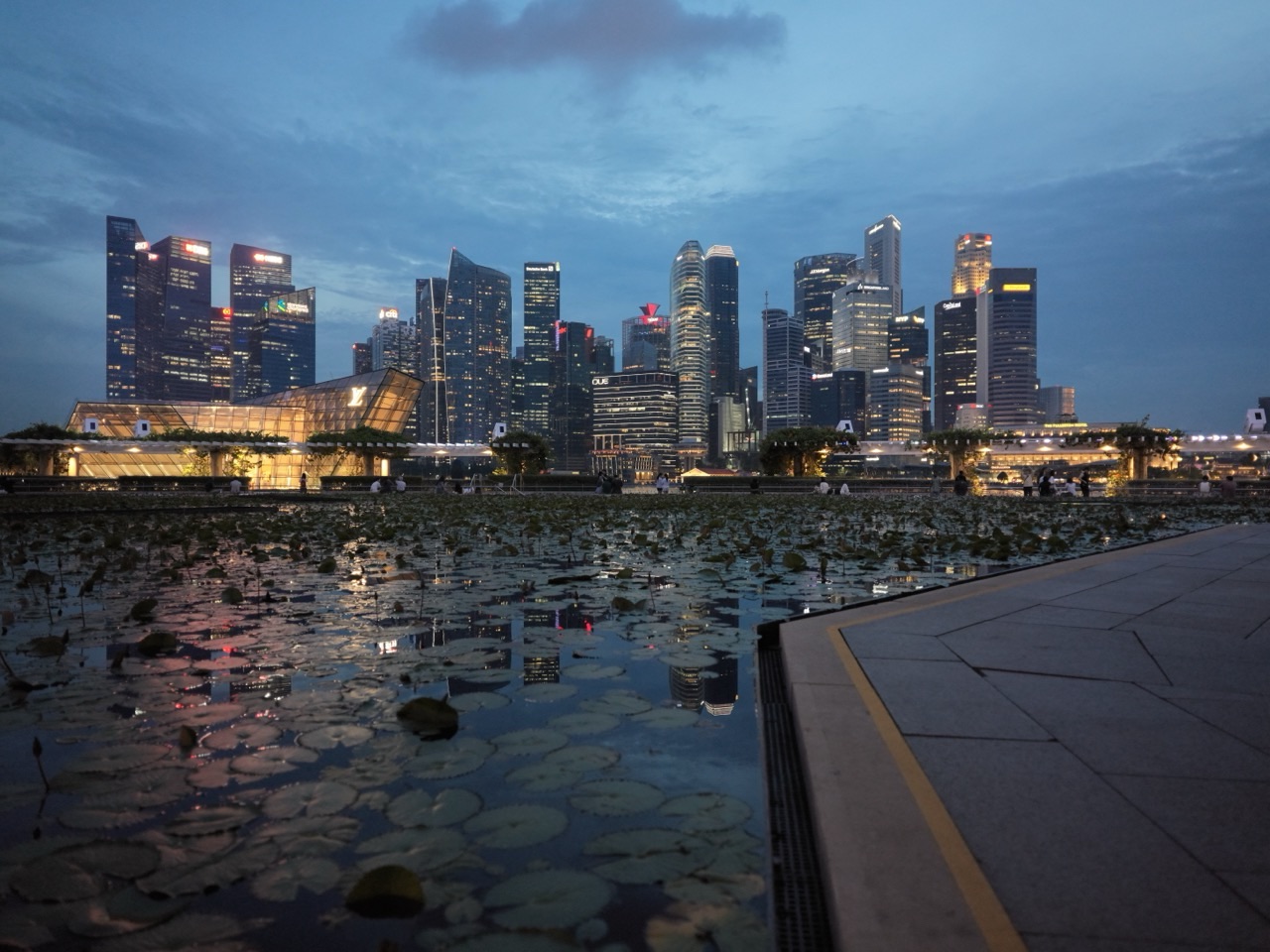
Privacy is the new luxury because modern life makes access easy and separation difficult. Phones reach us everywhere. Cities place more people close together. Work follows us home. Social media encourages constant visibility. Travel can mean queues, crowds, shared spaces and public schedules. In this environment, luxury privacy is not simply being alone. It is having control over who can enter, who can observe, who can contact you, what information is shared and when the outside world is allowed in.
Did you know? Many of the most expensive forms of modern luxury are really purchases of controlled access: a private entrance, a quiet suite, an appointment-only room, a secluded garden, a discreet transfer, a reserved dining space, a villa behind landscape buffers or simply a service team trained not to interrupt unnecessarily. Privacy turns space into sovereignty. It gives a person permission to stop performing for the public and return to a smaller circle of chosen people, chosen moments and chosen information.
This is the privacy chapter of The Art of Luxury | What Is Luxury?, following The Art of Luxury | Time Is the Ultimate Luxury.
Time gives luxury room.
Privacy decides who gets access to that room.
Did You Know? Privacy Is Really About Control
People often define privacy as being hidden from view.
That is only part of it.
A more useful definition is control over access.
Can you decide who enters?
Can you decide when you are reachable?
Can you choose what others know?
Can you move without being watched?
Can you spend time without explaining how you spent it?
Luxury privacy is autonomy wrapped around space, information and time.
The Privacy Equation
A useful way to think about privacy in luxury is:
Privacy = Control of Access + Control of Attention + Control of Information + Control of Time
Remove any one layer and the experience changes.
A room may be physically private but digitally noisy.
A private car may still be stressful if the passenger is constantly contacted.
A secluded villa may feel exposed if staff move through unpredictably.
Real privacy is coordinated.
Space Becomes Luxurious When It Creates Distance
Distance can be measured physically.
Setback from a road.
Distance between neighbouring windows.
A garden between house and street.
A corridor before a bedroom.
A private lobby before a residence.
But distance can also be visual and acoustic.
A person may be physically close yet feel private because screens, landscaping, thick walls or careful orientation remove direct sightlines and noise.
Luxury architecture often creates distance without wasting movement.
The Private Entrance Changes the Whole Experience
A private entrance is not just another door.
It changes who you encounter.
It reduces waiting.
It allows arrivals to happen discreetly.
It separates service traffic from guest traffic.
It can make a large building feel personally controlled.
This is why entrances are such an important luxury-design tool.
Privacy often begins before the room begins.
The Luxury of the Private Lift
A private lift compresses several luxury ideas into one vertical journey.
Less waiting.
Fewer encounters.
Direct arrival.
Controlled access.
It turns a shared tower into a sequence of private worlds.
The mechanism is simple.
The social effect is powerful.
Sound Privacy Can Matter More Than Visual Privacy
You can close a curtain and still hear everything next door.
That does not feel private.
Luxury interiors therefore pay attention to doors, seals, wall assemblies, floors, ceilings, soft furnishings and mechanical noise.
Acoustic privacy protects conversation.
It protects sleep.
It protects concentration.
Silence can be engineered.
The Quiet Room Is One of Modern Luxury’s Great Inventions
A quiet room does something remarkable.
It removes information.
No traffic roar.
No corridor conversation.
No appliance hum.
No door slam.
The brain has fewer things to process.
Quiet is not emptiness.
It is cognitive space.
Privacy Makes Time Feel Longer
Interruption fragments time.
A message arrives.
A knock interrupts.
A stranger enters the conversation.
A public space requires constant awareness of other people.
Privacy reduces these interruptions.
That allows one activity to continue uninterrupted.
Read The Art of Luxury | Time Is the Ultimate Luxury.
Discretion Is Privacy Performed by People
Architecture can protect privacy physically.
Good service protects it socially.
A discreet professional knows when to appear and when not to.
They avoid unnecessary questions.
They do not repeat private information.
They understand boundaries.
They solve problems without turning the solution into a performance.
Discretion is human privacy infrastructure.
Luxury Service Should Know More and Reveal Less
Personalised service requires knowledge.
Preferences.
Schedules.
Dietary needs.
Travel plans.
Family details.
The paradox is obvious.
The better the service knows the guest, the more important confidentiality becomes.
Luxury personalisation without privacy quickly becomes surveillance.
Digital Privacy Is Now Part of Physical Luxury
A beautiful private room is not truly private if its digital environment is careless.
Guest data.
Location information.
Device access.
Payment information.
Communication history.
All of these form part of modern privacy.
Luxury has moved from protecting the room to protecting the data generated inside the room.
Anonymity Can Be Luxurious
Fame makes privacy scarce.
So does professional visibility.
So does constant online presence.
For people who are frequently recognised, anonymity can become a rare pleasure.
Walking without being noticed.
Eating without being photographed.
Travel without public commentary.
Luxury can mean returning temporarily to ordinary invisibility.
Private Dining Is About Conversation as Much as Food
A private dining room changes the meal even if the menu is identical.
Conversation can become more candid.
Children can move more freely.
Business discussions can remain contained.
Pacing can be adjusted.
Music and temperature can be controlled more closely.
The luxury is not just the walls.
It is the different behaviour the walls allow.
Private Travel Changes the Social Geometry of Movement
Public transport, commercial terminals and group tours place travellers inside shared systems.
Private travel reduces the number of people involved.
Private car.
Private boat.
Private guide.
Private lounge.
Private aviation.
The cost may be extreme, but the mechanism is simple.
Fewer shared decisions mean more control.
A Private Guide Creates Intellectual Privacy
A private guide does more than remove strangers from the group.
The questions become yours.
The pace becomes yours.
The route can follow curiosity rather than a fixed script.
This creates intellectual privacy: the freedom to explore without performing knowledge in front of a crowd.
It can make museums, architecture and cultural sites feel completely different.
The Private Garden Is a Luxury Machine
A garden can create several forms of privacy simultaneously.
Plants block views.
Distance reduces noise.
Shade creates enclosure.
Water masks urban sound.
Paths slow movement.
The garden turns outside space into protected interiority.
It is architecture made partly from living material.
Views Need Privacy Too
A panoramic view is luxurious.
But a panoramic view can create exposure.
Large windows work best when orientation, elevation, glazing, screens, curtains and neighbouring sightlines are considered together.
The goal is asymmetry.
You want to see out.
You do not necessarily want everyone seeing in.
Luxury Bedrooms Are Designed Around Vulnerability
Sleep is a vulnerable state.
That is why good bedrooms feel protected.
Acoustic separation.
Blackout control.
Temperature stability.
Secure access.
Separation from circulation.
A sense of enclosure without claustrophobia.
Luxury sleeping space is really the design of protected unconsciousness.
Bathrooms May Be the Most Private Rooms in Luxury Architecture
Bathrooms combine privacy, ritual, material and time.
A large bath.
A separate dressing area.
Steam.
Warm stone.
Controlled light.
Views protected from outside observation.
The luxury bathroom is not simply about expensive surfaces.
It is a room where the body can stop being public.
Private Clubs Turn Access into Social Architecture
Private clubs are interesting because they do not eliminate society.
They filter it.
Membership defines who can enter.
Rules define behaviour.
Repeated encounters create familiarity.
The luxury is not solitude.
It is a controlled social environment.
Exclusivity and Privacy Are Related but Not Identical
Exclusivity asks who is allowed in.
Privacy asks what happens once you are inside.
A room can be exclusive but not private if everyone is observing one another.
A room can be private without being socially exclusive if an ordinary family simply closes the door.
Luxury often combines both, but the concepts should not be confused.
Security Protects Privacy but Can Also Destroy It
Security and privacy have a complicated relationship.
Gates, guards, cameras and access control can protect a private space from intrusion.
But excessive surveillance can make the protected person feel observed constantly.
The best systems are effective without making daily life feel militarised.
Luxury security aims for protection with psychological calm.
Privacy Is a Scarcity Economy
Privacy becomes expensive where density, fame, tourism or demand make separation difficult.
That is why private gardens, large setbacks, private lifts, secluded villas and controlled-access residences can command enormous premiums.
What is being purchased is not empty space alone.
It is a buffer from unwanted access.
Read Crazy Rich Monaco | Monaco Real Estate, Property Prices and the Scarcity Economy.
Monaco: Privacy in a Place Where Everyone Is Close
Monaco makes privacy fascinating because geography forces extraordinary proximity.
Residences, roads, hotels, marinas, restaurants and public spaces occupy a tiny territory.
This means privacy often has to be engineered vertically and operationally rather than through vast distance.
Private lifts.
Controlled lobbies.
High-floor residences.
Discreet service.
Secure access.
Privacy under density becomes a design achievement.
Singapore: Privacy in a High-Density Tropical City
Singapore offers another useful privacy laboratory.
High-rise living can create extraordinary views while bringing neighbours visually close.
Tropical design also values ventilation, shade and outdoor connection.
That creates a design puzzle.
How do you remain open to air, landscape and light without becoming visually exposed?
Landscape screens, fins, planting, balcony depth, orientation and carefully placed openings can all help.
Luxury privacy in the tropics is not simply closing everything.
It is filtering.
China: Privacy, Courtyards and the Art of Layered Thresholds
For bilingual English–Chinese readers, traditional courtyard planning offers a useful way to think about privacy.
Privacy does not always require one enormous wall between public and private life.
It can be created through layers.
Street.
Gate.
Threshold.
Courtyard.
Inner room.
Each transition reduces public access a little more.
This idea remains powerful in contemporary architecture because privacy can be gradual rather than binary.
The Luxury of Not Being Photographed
Tourism has become extremely visual.
Phones are everywhere.
Dining rooms become content.
Hotel lobbies become backdrops.
Events become live feeds.
A space where photography is limited or socially discouraged can therefore feel surprisingly luxurious.
People begin paying attention to one another again.
Privacy Can Make Relationships Better
Relationships change when audiences disappear.
People speak differently in private.
Families relax differently.
Children behave differently.
Friends can be silly without being recorded.
Privacy creates a protected rehearsal space for being human.
That is why some of the deepest luxury experiences are not public spectacles.
They are private memories.
The Luxury Home Is a System of Privacy Gradients
A well-designed home rarely has only two categories: public and private.
There are gradients.
- arrival spaces;
- formal entertaining spaces;
- family spaces;
- work spaces;
- bedrooms;
- bathrooms;
- service spaces;
- outdoor retreats.
The architecture determines who can reach each layer and under what circumstances.
Luxury is often the ability to choose the level of social exposure appropriate to the moment.
Privacy Is Not Isolation
This distinction matters.
Isolation removes relationships.
Privacy gives relationships boundaries.
A private dinner can be highly social.
A family villa can be full of people.
A club can be lively.
A secluded garden can host conversation.
Luxury privacy is not necessarily solitude.
It is chosen company.
The Ethical Luxury of Respecting Other People’s Privacy
Privacy should not be treated only as something wealthy people buy.
It is also something everyone can practise.
Do not photograph strangers unnecessarily.
Do not publish private conversations.
Ask before sharing someone else’s location.
Respect closed doors.
Do not turn service staff into content without consent.
One of the most refined forms of luxury behaviour is helping other people feel unobserved.
English–Chinese Privacy Luxury Vocabulary | 隐私与奢华词汇
- privacy — 隐私 / 私密性
- private — 私人的 / 私密的
- secluded — 隐蔽的 / 幽静的
- discreet — 低调的 / 谨慎周到的
- confidential — 保密的
- exclusive access — 专属使用权 / 专属通道
- private entrance — 私人入口
- private lift — 私人电梯 / 专属电梯
- private dining room — 私人包间 / 私人餐厅
- soundproof — 隔音的
- screened — 有遮挡的 / 有屏障的
- restricted access — 限制进入
- by appointment only — 仅限预约
- confidentiality — 保密性
- personal data — 个人数据
Visit and Touring Vocabulary | Private Travel and Discreet Service · 私人旅行与低调服务
1. Is there a private entrance? · 有私人入口吗?
Useful for hotels, residences and event venues. 中文:有私人入口吗?
2. Is the room soundproof? · 房间隔音吗?
A practical privacy question for accommodation. 中文:房间隔音吗?
3. Can we have a private dining room? · 可以安排私人包间吗?
Useful for family meals or confidential conversations. 中文:可以安排私人包间吗?
4. Is photography allowed? · 可以拍照吗?
Always useful in galleries, private properties and workshops. 中文:可以拍照吗?
5. Please do not share our details. · 请不要透露我们的信息。
A clear confidentiality request. 中文:请不要透露我们的信息。
6. Can the guide be private? · 可以安排私人导游吗?
Useful for personalised touring. 中文:可以安排私人导游吗?
7. Is there a quiet area? · 有安静的区域吗?
Useful in hotels, lounges and restaurants. 中文:有安静的区域吗?
8. Can we avoid the main entrance? · 我们可以避开正门吗?
Useful where discreet arrivals are possible. 中文:我们可以避开正门吗?
9. Is this area restricted to guests? · 这个区域仅限住客吗?
Useful for pools, lounges and private facilities. 中文:这个区域仅限住客吗?
10. We prefer discreet service. · 我们希望服务低调一些。
A polite way to state a privacy preference. 中文:我们希望服务低调一些。
11. Please knock before entering. · 进入前请先敲门。
A simple boundary-setting phrase. 中文:进入前请先敲门。
12. Is there a private terrace? · 有私人露台吗?
Useful when outdoor privacy matters. 中文:有私人露台吗?
Continue with the Top 100 Vocabulary for Visiting and Touring | World City Directory.
How to Design More Privacy Without Spending More
- Turn off unnecessary notifications.
- Create one room or corner with no work devices.
- Use curtains, plants and furniture to reduce direct sightlines.
- Choose quieter travel times.
- Ask before photographing other people.
- Keep some meals phone-free.
- Protect one hour from incoming messages.
- Share less information by default.
Privacy does not always require walls.
Sometimes it begins with boundaries.
What Students Can Learn from Privacy Luxury
Architecture
Orientation, thresholds, setbacks, sightlines, acoustic separation and circulation all influence privacy.
Psychology
Privacy affects concentration, relaxation, autonomy and the ability to control social exposure.
Technology
Digital systems create new privacy questions around data, location, devices and personalisation.
Economics
Privacy becomes more valuable where density, demand or visibility make it scarce.
Hospitality
Discretion, confidentiality and predictable service boundaries are part of premium guest experience.
Citizenship
Respecting privacy is also a social skill: responsible people think carefully before recording, sharing or entering someone else’s space.
Frequently Asked Questions
Why is privacy considered a luxury?
Because dense cities, digital connectivity, public visibility and constant communication make control over access increasingly scarce.
What is luxury privacy?
Luxury privacy is a high degree of control over space, information, attention, time and who is allowed access.
Is privacy the same as exclusivity?
No. Exclusivity limits who may enter. Privacy controls what others can see, hear, know or interrupt once access is considered.
Why do private entrances feel luxurious?
They reduce encounters, waiting and public visibility while giving the user more direct control over arrival and departure.
Why is soundproofing important in luxury spaces?
Acoustic privacy protects sleep, conversation and concentration. A room can look private while still feeling exposed if sound travels easily.
How is digital privacy connected to luxury?
Premium service often relies on personal information. Protecting that information is essential if personalisation is to feel helpful rather than intrusive.
Can privacy exist in a dense city?
Yes. Architecture can create privacy through layered thresholds, acoustic separation, elevation, landscaping, controlled access and careful orientation.
Does privacy require being alone?
No. Privacy can mean being with chosen people in a protected environment.
What is discreet service?
Discreet service is attentive assistance delivered without unnecessary visibility, interruption or disclosure of private information.
What is the simplest privacy luxury?
An uninterrupted hour in a place where you feel safe, unobserved and free to choose what happens next.
Helpful Reading Across the eduKate Knowledge Graph
- The Art of Luxury | What Is Luxury?
- The Art of Luxury | Time Is the Ultimate Luxury
- The Art of Luxury | Craftsmanship
- The Art of Luxury | Materials
- Crazy Rich Monaco | Monaco Real Estate, Property Prices and the Scarcity Economy
- Top 100 Vocabulary for Visiting and Touring | World City Directory
- Crazy Rich World | Countries, Culture, Wealth, Travel and How the World Works
The Art of Luxury Is Choosing Who Gets Access
Privacy can be a wall.
A door.
A garden.
A quiet room.
A private dining table.
An unread notification.
A photograph that was never taken.
A conversation that stays between the people who were there.
Did you know? Perhaps the most luxurious sentence in a connected world is simply: this moment does not belong to everyone.
Return to The Art of Luxury | What Is Luxury?
Series navigation: The Art of Luxury | Complete Series Directory · Luxury | World Directory · Crazy Rich World