
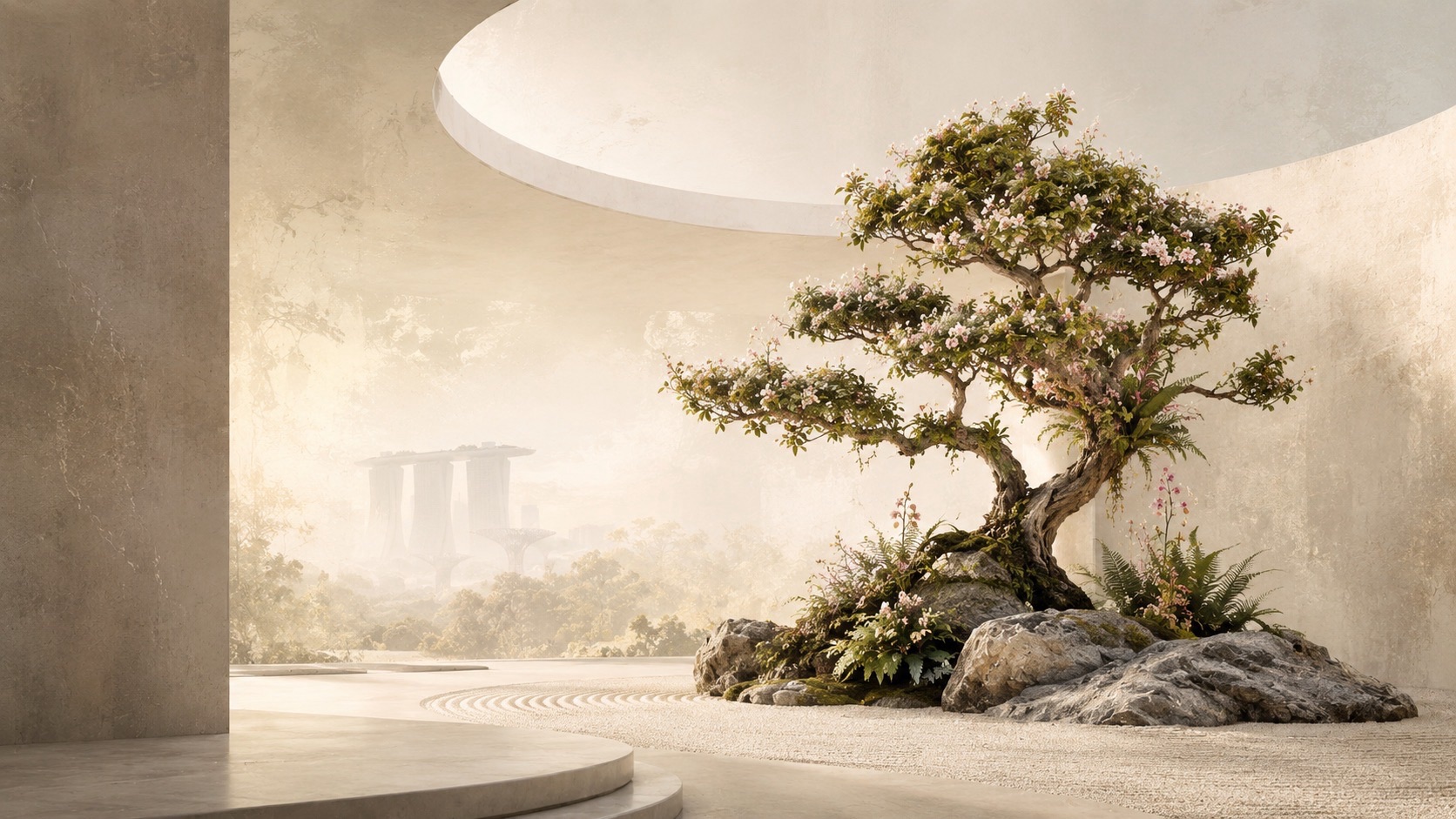
Luxury comfort is not softness alone. It is the engineered condition in which the body, mind and senses encounter less friction: the temperature is right, the chair supports correctly, noise is controlled, movement is easy, lighting is gentle, materials feel good, service arrives at the right moment and nothing unnecessary demands attention. People searching for what makes something luxurious, luxury comfort, premium comfort, luxury interiors and five-star comfort are often describing the same hidden system: many small decisions working together so well that the user simply feels at ease.
Did you know? True luxury comfort is often invisible until it disappears. You notice the wrong mattress, the noisy air-conditioning, the awkward chair height, the glare from a badly placed light, the long walk to a bathroom, the draft beside a window or the room that is too hot at night. But when comfort is designed beautifully, almost nothing calls attention to itself. The body relaxes. That is why the art of luxury comfort belongs to architecture, engineering, materials, psychology, hospitality and service all at once.
This is the comfort chapter of The Art of Luxury | What Is Luxury?.
Materials shape touch.
Craftsmanship shapes precision.
Space shapes movement.
Privacy protects calm.
Service removes friction.
Comfort is what the body feels when all of them cooperate.
Did You Know? Comfort Is a Systems Problem
A beautiful chair can still be uncomfortable.
A large room can still feel unpleasant.
A luxurious bed can still sleep badly if the room is too warm or noisy.
Comfort is therefore not an object.
It is an outcome.
The outcome depends on many systems working together:
- temperature;
- humidity;
- air movement;
- sound;
- light;
- ergonomics;
- materials;
- space;
- privacy;
- service.
Luxury comfort is systems integration for human beings.
The Comfort Equation
A useful way to think about luxury comfort is:
Comfort = Physical Ease + Sensory Calm + Predictability + Personal Control
Physical ease supports the body.
Sensory calm reduces overload.
Predictability lowers anxiety.
Personal control allows adjustment.
Luxury appears when these four are not treated separately.
Temperature Is One of the First Luxury Comfort Variables
The body notices temperature immediately.
Too hot and attention becomes restless.
Too cold and the body becomes tense.
Luxury environments reduce this problem by controlling temperature more precisely and, importantly, allowing personal adjustment.
The most expensive room is not necessarily the most comfortable.
The comfortable room is the one that suits the person inside it.
Humidity Changes Comfort More Than Most People Realise
Humidity affects how the body experiences heat.
It also affects materials.
Textiles dry differently.
Wood moves.
Leather behaves differently.
Mould risk changes.
This is especially important in tropical cities.
Luxury comfort in Singapore cannot simply copy a dry-climate interior and hope for the same result.
Climate is part of design.
Air Movement Can Feel More Luxurious Than Lower Temperature
Moving air helps the body cool itself.
This means comfort can sometimes be improved without making a room dramatically colder.
Ceiling fans, cross ventilation, shaded terraces and carefully directed air can create a more natural sense of comfort.
Luxury is not always stronger machinery.
Sometimes it is smarter airflow.
Silence Is Comfort for the Nervous System
Sound is one of the fastest ways to destroy comfort.
Traffic.
Doors.
Lifts.
Mechanical vibration.
Conversations through walls.
Luxury acoustics reduce unnecessary sound and control reverberation.
The goal is not total silence in every room.
The goal is the right sound environment for the activity.
Read The Art of Luxury | Privacy Is the New Luxury.
Lighting Comfort Is About Contrast, Not Brightness Alone
A room can be bright and still uncomfortable.
Glare tires the eyes.
Harsh contrast creates strain.
Light directly above the face can feel unflattering.
Luxury lighting layers illumination.
- ambient light for the room;
- task light for reading and work;
- accent light for art and architecture;
- natural light where possible;
- control when darkness is needed.
Comfort comes from being able to see easily without constantly noticing the light source.
The Luxury Bed Is an Engineering Problem Disguised as Softness
A comfortable bed depends on more than plushness.
Support matters.
Pressure distribution matters.
Temperature matters.
Ventilation matters.
Pillow height matters.
Noise and light matter.
Luxury sleep is therefore a room-level system, not a mattress-level feature.
Ergonomics Is the Geometry of Comfort
Ergonomics studies how tools, furniture and environments fit human bodies.
Seat height.
Back angle.
Arm position.
Desk height.
Reach distance.
Handle position.
Luxury furniture feels “right” because proportions align with the body.
The beauty may be visual.
The comfort is geometric.
Softness Is Useful — Until It Removes Support
People often equate luxury with softness.
Deep carpet.
Soft mattress.
Plush sofa.
Thick robe.
But excessive softness can become tiring.
The body needs support.
True comfort balances yielding surfaces with structure.
Luxury is often calibrated softness.
Materials Change Comfort Through Touch
Stone feels cool.
Wood feels warmer.
Leather changes with temperature and use.
Wool softens acoustics and contact.
Silk changes how fabric moves against skin.
Metal communicates precision but can feel cold.
Luxury interiors combine materials so the body receives variety rather than one repeated sensation.
Continue with The Art of Luxury | Luxury Materials.
Space Is Comfort When Movement Becomes Effortless
A room feels uncomfortable when circulation is constantly blocked.
You bump into furniture.
You turn sideways.
Doors collide.
Luggage has nowhere to go.
Luxury space gives movement a margin.
That margin is felt as ease.
Read The Art of Luxury | Space Is the New Luxury.
Privacy Is Comfort Because It Reduces Social Vigilance
In public, people monitor themselves.
Who is nearby?
Who can hear?
Who can see?
Is somebody waiting for this table?
Is the room too exposed?
Privacy reduces this vigilance.
The body relaxes because it no longer needs to manage so many social signals.
Luxury privacy is therefore a comfort technology.
Service Is Comfort When You Stop Managing the System
A luxurious service experience reduces management.
You do not chase the car.
You do not repeat the reservation.
You do not coordinate five departments.
You do not wonder whether the request was understood.
The reduction in cognitive effort is itself comfort.
Read The Art of Luxury | Service Is the Invisible Luxury.
Predictability Is an Underrated Luxury
Comfort grows when systems behave as expected.
The shower reaches the right temperature quickly.
The room key works.
The transfer appears on time.
The lighting controls make sense.
The restaurant remembers the reservation.
Reliability reduces uncertainty.
Uncertainty consumes attention.
Luxury comfort returns that attention to the person.
Personal Control Makes Comfort More Powerful
People differ.
One guest likes a cooler room.
Another wants warmer lighting.
One person sleeps with a firm pillow.
Another needs blackout darkness.
Luxury comfort therefore improves when users can adjust the environment easily.
The best control is powerful without being complicated.
Too many controls create new friction.
The Best Technology Disappears into Comfort
A room full of screens is not automatically intelligent.
Technology becomes luxurious when it reduces effort.
One obvious control for lights.
Climate that remembers preference.
Blinds that move quietly.
Charging where devices are actually placed.
Good technology is present in capability and absent in irritation.
Luxury Cars Are Comfort Laboratories
A vehicle has to create comfort inside a difficult environment.
The road moves.
The engine vibrates.
Wind makes noise.
Sunlight heats glass.
The body accelerates, turns and brakes.
Luxury automotive comfort therefore combines suspension, seat geometry, acoustic insulation, climate control and material touch.
The passenger experiences calm because engineering fights motion.
Luxury Aviation Sells Comfort Against Physics
Aircraft cabins must deal with noise, pressure, dry air, constrained space and long periods of sitting.
Luxury tries to soften these conditions.
More personal space.
Better seating.
Better bedding.
More privacy.
Better timing of meals and rest.
The underlying luxury is not altitude.
It is making an unnatural environment feel more human.
Bathrooms Are Comfort Engineering at Its Most Personal
Bathrooms combine water, temperature, touch, privacy, lighting and hygiene.
A warm floor.
A shower with stable pressure.
A towel within reach.
A mirror that is lit correctly.
A surface that is easy to clean.
Luxury comfort often comes from tiny sequencing decisions.
You notice them most when they are wrong.
Luxury Dining Comfort Goes Beyond the Chair
A meal becomes tiring if the room is too loud, too cold, too bright or too crowded.
Table spacing matters.
Chair geometry matters.
Lighting matters.
Acoustics matter.
Pacing matters.
Fine dining is therefore partly environmental design.
The food may be extraordinary, but the body still has to enjoy sitting there.
Wellness Luxury Is Comfort Directed Toward Recovery
Wellness spaces intentionally reduce stimulation.
Softer sound.
Lower light.
Warm materials.
Controlled temperature.
Slower pacing.
The aim is not merely pleasure.
It is to help the nervous system shift away from vigilance.
Explore Crazy Rich Monaco | Thermes Marins, Spa, Seawater and the Wellness Economy.
Everyday Comfort Can Be More Luxurious Than Occasional Spectacle
A spectacular lobby is experienced for minutes.
A comfortable mattress is experienced for hours.
A beautiful staircase is admired occasionally.
A well-designed handle is touched every day.
Luxury that improves repeated ordinary actions can deliver more human value than luxury that exists only for photographs.
Comfort rewards frequency.
Japan Shows How Everyday Comfort Can Become Design Culture
One of the most interesting ideas in the wider eduKate luxury graph is that ordinary objects can become luxurious when designed with unusual care.
The lesson is larger than bathrooms.
Comfort can become cultural infrastructure.
When ordinary systems are thoughtfully designed, daily life itself becomes more refined.
Singapore: Luxury Comfort in the Tropics
Singapore is a brilliant place to study comfort because tropical climate makes environmental design unavoidable.
Shade matters.
Air movement matters.
Rain protection matters.
Air-conditioning matters.
Humidity management matters.
Transitions between hot outdoor spaces and cool interiors matter.
Luxury comfort here is not simply “make everything colder.”
It is designing a sequence of microclimates that feels natural to move through.
Monaco: Comfort Under Spatial Scarcity
Monaco faces a different design problem.
Space is extraordinarily valuable.
That means comfort often has to be compressed intelligently.
Storage must disappear.
Circulation must work.
Acoustics must protect privacy.
Views must extend perceived space.
Service must reduce operational clutter.
Luxury comfort becomes the ability to make compact geography feel generous.
Read Crazy Rich Monaco | Monaco Real Estate, Property Prices and the Scarcity Economy.
China: Comfort Through Layered Space and Ritual
For English–Chinese readers, traditional spatial ideas offer another useful comfort lesson.
Comfort can be created gradually.
Street.
Gate.
Courtyard.
Hall.
Inner room.
Each threshold reduces noise, exposure and public pressure.
Comfort can emerge from sequence, not just softness.
Comfort Is Cultural
People do not agree universally on what is comfortable.
Preferred temperatures differ.
Seating habits differ.
Meal pacing differs.
Personal-space expectations differ.
Bed firmness differs.
Luxury hospitality becomes more sophisticated when it understands that comfort must be interpreted culturally and personally.
Comfort Should Not Become Sedation
There is a fascinating limit to comfort.
If everything becomes too easy, people can lose stimulation.
A journey with no challenge may feel forgettable.
A chair too soft may become tiring.
A room too silent may feel uncanny.
Luxury comfort should support life, not flatten it.
The goal is not zero sensation.
It is the right amount of sensation.
Comfort and Craftsmanship Are Closely Related
A well-made object often feels comfortable because the craftsperson solved many tiny interface problems.
Edges are softened where hands touch.
Surfaces align.
Weight is balanced.
Mechanisms move smoothly.
Materials are selected for the right contact point.
Craftsmanship is one way comfort becomes precise.
Read The Art of Luxury | Craftsmanship.
The Highest Comfort Often Feels Ordinary
This is the paradox.
A truly comfortable room does not constantly remind you that it is luxurious.
You sit down.
You breathe.
You sleep.
You talk.
You stop adjusting things.
The design disappears into normal life.
That disappearance is one of luxury’s greatest achievements.
English–Chinese Luxury Comfort Vocabulary | 奢华舒适词汇
- comfort — 舒适
- comfortable — 舒适的
- ergonomic — 符合人体工学的
- supportive — 有支撑性的
- temperature control — 温度控制
- humidity — 湿度
- ventilation — 通风
- airflow — 气流
- acoustic comfort — 声学舒适度
- soundproof — 隔音的
- ambient lighting — 环境照明
- glare — 眩光
- firm mattress — 偏硬床垫
- soft pillow — 软枕
- adjustable — 可调节的
Visit and Touring Vocabulary | Hotels, Rooms and Comfort · 酒店、客房与舒适度
1. Could you adjust the temperature? · 可以调一下温度吗?
Useful when the room is too warm or too cool. 中文:可以调一下温度吗?
2. Is there a firmer pillow? · 有硬一点的枕头吗?
Useful when pillow support matters. 中文:有硬一点的枕头吗?
3. Is there a softer pillow? · 有软一点的枕头吗?
A simple accommodation request. 中文:有软一点的枕头吗?
4. Is the room soundproof? · 房间隔音吗?
Useful when sleep and privacy matter. 中文:房间隔音吗?
5. Could we have a quieter room? · 可以给我们一个更安静的房间吗?
Useful when corridor or street noise is a problem. 中文:可以给我们一个更安静的房间吗?
6. Can the lights be dimmed? · 灯光可以调暗吗?
Useful for bedrooms, restaurants and lounges. 中文:灯光可以调暗吗?
7. Is there blackout shading? · 有遮光帘吗?
Useful for sleep, especially after long-distance travel. 中文:有遮光帘吗?
8. Is the mattress firm or soft? · 床垫偏硬还是偏软?
Useful for longer stays. 中文:床垫偏硬还是偏软?
9. Could we have an extra blanket? · 可以多给一条毯子吗?
A basic but useful comfort request. 中文:可以多给一条毯子吗?
10. Is there good ventilation? · 通风好吗?
Useful for rooms in warm or humid climates. 中文:通风好吗?
11. Could someone check the air-conditioning? · 可以请人检查一下空调吗?
Useful when climate control is not working properly. 中文:可以请人检查一下空调吗?
12. Could we sit somewhere more comfortable? · 我们可以坐到更舒适的位置吗?
Useful in lounges, restaurants or waiting areas. 中文:我们可以坐到更舒适的位置吗?
Continue with the Top 100 Vocabulary for Visiting and Touring | World City Directory.
How to Read Comfort When You Enter a Luxury Space
- Notice whether you immediately want to adjust the temperature.
- Listen for mechanical noise.
- Sit in the chair rather than only looking at it.
- Notice glare from windows and lights.
- Notice where your luggage naturally goes.
- Notice whether switches and controls are obvious.
- Notice whether you can move without navigating obstacles.
- Notice whether the environment becomes easier to ignore after a few minutes.
If the room becomes less noticeable as you settle in, the comfort system is probably doing its job.
What Students Can Learn from Luxury Comfort
Physics
Heat transfer, airflow, acoustics and light all shape comfort directly.
Biology
The body regulates temperature, posture, sleep and sensory response continuously.
Engineering
Comfort depends on systems for ventilation, cooling, sound control, lighting and ergonomic support.
Architecture
Proportion, circulation, orientation, privacy and material choice affect how comfortable spaces feel.
Hospitality
Service adds comfort by reducing uncertainty, effort and repeated decision-making.
Systems Thinking
Comfort rarely comes from one expensive feature. It emerges from many systems working together.
Frequently Asked Questions
What is luxury comfort?
Luxury comfort is a high level of physical and sensory ease created through careful control of temperature, sound, light, ergonomics, space, materials, privacy and service.
Why is comfort important in luxury?
Because expensive materials and impressive design have limited value if the person using them cannot relax, sleep, move or concentrate comfortably.
Is softness the same as comfort?
No. Softness can help, but the body also needs support. Comfortable design balances softness with structure.
Why is acoustic comfort luxurious?
Because unwanted noise disrupts sleep, privacy, conversation and concentration. Quiet environments reduce sensory load.
Why does humidity matter?
Humidity changes how people experience heat and also affects materials, ventilation and mould risk.
Can technology improve luxury comfort?
Yes, when controls are intuitive and technology reduces effort. Technology that adds complexity can reduce comfort instead.
Can small spaces be comfortable?
Absolutely. Good circulation, storage, light, acoustics, ventilation and ergonomic furniture can make compact spaces feel highly comfortable.
Why is service part of comfort?
Service reduces cognitive effort by handling logistics, remembering preferences and solving problems before they consume the guest’s attention.
Is comfort culturally different?
Yes. Preferences for temperature, seating, personal space, bed firmness and daily routines vary across people and cultures.
What is the simplest sign of luxury comfort?
You stop thinking about the room because nothing in it demands correction.
Helpful Reading Across the eduKate Knowledge Graph
- The Art of Luxury | What Is Luxury?
- The Art of Luxury | Luxury Materials
- The Art of Luxury | Craftsmanship
- The Art of Luxury | Time Is the Ultimate Luxury
- The Art of Luxury | Privacy Is the New Luxury
- The Art of Luxury | Space Is the New Luxury
- The Art of Luxury | Service Is the Invisible Luxury
- Crazy Rich Monaco | Thermes Marins, Spa, Seawater and the Wellness Economy
- Top 100 Vocabulary for Visiting and Touring | World City Directory
The Art of Luxury Is Comfort You Stop Noticing
The air feels right.
The chair supports.
The room is quiet enough.
The light does not fight the eyes.
The controls make sense.
The service appears when needed.
The body stops adjusting.
Did you know? Perhaps the most luxurious comfort is not when everything feels spectacular. It is when nothing feels wrong.
Return to The Art of Luxury | What Is Luxury?
Series navigation: The Art of Luxury | Complete Series Directory · Luxury | World Directory · Crazy Rich World