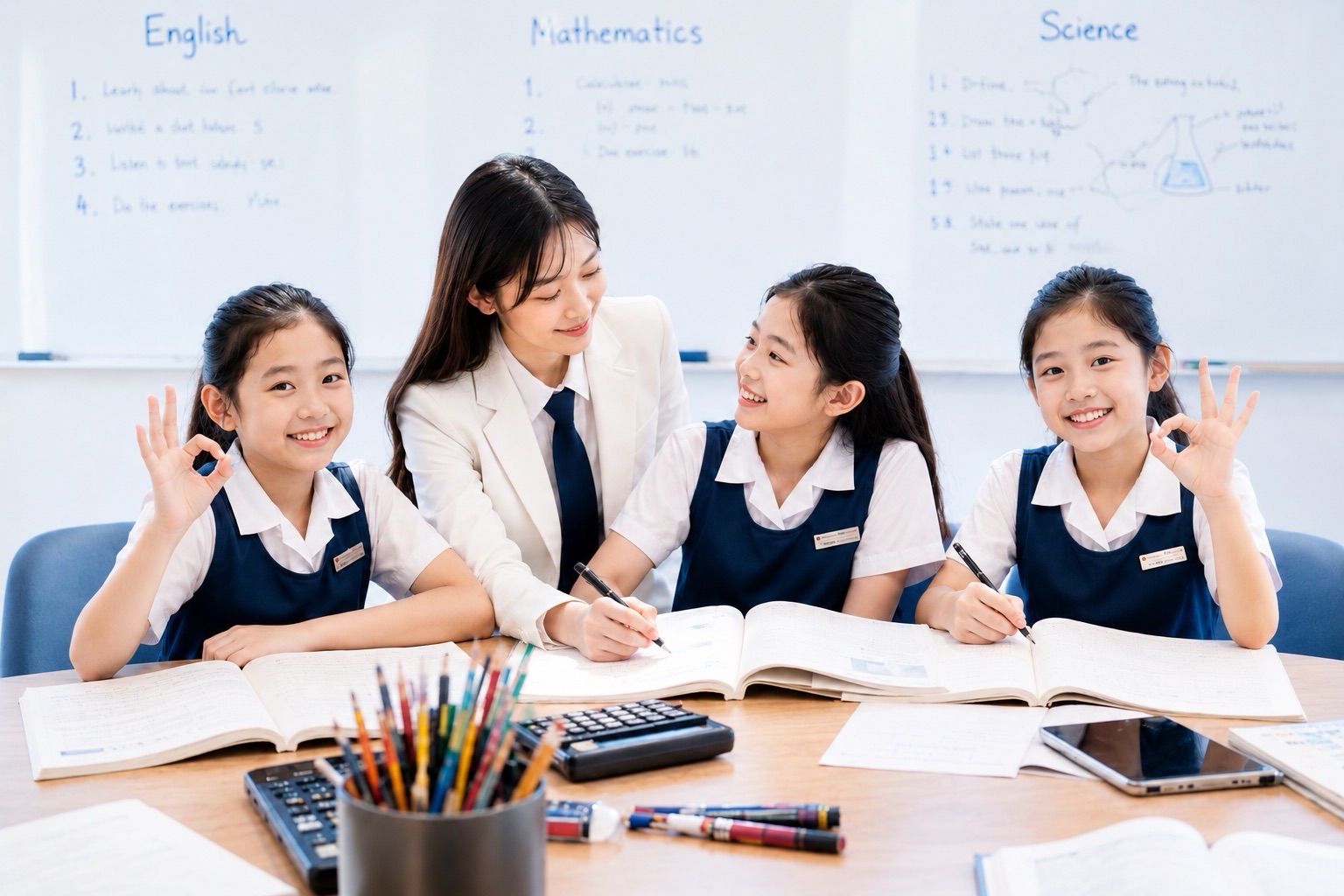
Singapore works because it makes possibilities tangible.
That is the deeper idea behind this whole series.
The Reverse Hydra pulls many futures into one body.
The lattice tumbler creates spaces where people and problems can fit.
The Table, the Sky, the Strategist, the General, the Receiver, and the Nobody explain the people inside the system.
The Z0 to Z6 layers explain the systems that connect us all.
The compatibility layer explains how many cultures run on one Singapore OS.
Infrastructure lowers friction.
The invisible web connects Singapore to the world.
The iceberg shows that what we see is only the surface.
Education keeps the top open, the middle moving, and the bottom repairable.
But underneath all of that is one simple human truth:
A person moves when possibility becomes tangible.
Not just possible in theory.
Tangible.
Seen.
Felt.
Touched.
Named.
Mapped.
Practised.
Entered.
A child must be able to look at the world and say:
That is possible.
That path exists.
That person did it.
That school leads somewhere.
That subject matters.
That skill opens a door.
That effort has direction.
That future can be mine.
That is why education matters.
Education makes possibility tangible.
In eduKateSG language, we call this the Hero.
How Singapore Works | The Hero
A civilisation cannot survive on systems alone.
It needs people who make the system feel real.
It needs someone a child can look at and say:
That is possible.
That path exists.
That person did it.
That school leads somewhere.
That subject matters.
That skill opens a door.
That effort has direction.
That future can be mine.
That is why education matters.
Education makes possibility tangible.
And in eduKateSG language, we call this person:
The Hero.
Not because the Hero is famous.
Not because the Hero is perfect.
Not because the Hero wears a uniform, wins a medal, appears in the news, or becomes a national icon.
The Hero is the person who turns an invisible possibility into something visible enough for another person to move toward.
The Hero is proof.
Proof that sacrifice exists.
Proof that courage exists.
Proof that care exists.
Proof that effort can be directed.
Proof that a future can be built before the child fully understands it.
The Hero is the person who makes the child believe that the world has doors.
1. The Hero Is Not Only a Mentor
A mentor advises.
A Hero shows.
That is the difference.
A mentor may say:
Work hard.
Study properly.
Choose the right pathway.
Prepare for the future.
Do not give up.
Those words matter.
But the Hero does something more powerful.
The Hero makes the advice tangible.
The mother who works extra hours so her child can attend tuition is not only giving advice.
She is showing the child that education has value.
She is turning sacrifice into a receipt.
She is saying, without saying it:
Your future is worth my tiredness.
Your chance is worth my extra hour.
Your pathway is worth something real.
The father who uses his lunch break to fetch the child home is not only managing logistics.
He is showing the child that time can be rearranged around love.
He plans the day.
He leaves work.
He makes the journey.
He fetches the child.
He gets the child safely home.
Then he returns to work.
There is no speech.
No grand announcement.
No dramatic lesson.
But the child sees it.
The child sees that someone is willing to bend the day around them.
That is the Hero.
Not someone who breaks the system.
Someone who carries responsibility inside the system.
The Hero shows that love has structure.
Sacrifice has timing.
Care has logistics.
And a child’s future is not built only by big national policies.
It is also built by small acts repeated by ordinary people.
It is human heroism.
The Hero sometimes carries contradiction.
The Hero is not above the Table.
The Hero acts inside the Table.
And the Table must still hold everyone.
2. The Hero Makes the Tangible Visible
A child does not grow from abstract possibility alone.
A child needs to see.
A child needs evidence.
It is not enough to say:
Education matters.
The child must see education mattering.
A child must see someone who studied and opened a door.
Someone who struggled and improved.
Someone who entered a school and found a pathway.
Someone who learned a subject and used it.
Someone who failed once but did not collapse.
Someone who began as Nobody and became Somebody.
This is why the Hero is central to education.
The Hero gives the child a model of motion.
Not fantasy.
Motion.
From confusion to skill.
From fear to attempt.
From attempt to improvement.
From improvement to confidence.
From confidence to future.
This is where education becomes tangible.
Mathematics is not just marks.
It becomes the subject that opens engineering, finance, computing, science, design, economics, architecture, artificial intelligence, and disciplined problem-solving.
English is not just grammar.
It becomes voice, argument, leadership, persuasion, comprehension, career movement, and social confidence.
Science is not just facts.
It becomes the ability to understand the world, ask better questions, read evidence, and see cause and effect.
School is not just school.
It becomes a station.
A doorway.
A bridge.
A proof that the child is not trapped where the child began.
MOE states that Singapore’s public schools should provide quality education pathways for all students, regardless of background, and help them realise their fullest potential. It also recognises that ITE, polytechnics, and universities offer different paths for students to achieve their aspirations. That is the system language.
The Hero is the human version of that language.
The system says pathways exist.
The Hero shows the child how a pathway looks when someone actually walks it.
3. The Hero Is Often Ordinary
Singapore’s Hero is often not dramatic.
The Hero may be the mother at the kitchen table.
The father in the car.
The teacher staying after class.
The tutor who notices the child is pretending to understand.
The older sibling explaining algebra.
The neighbour who checks on an elderly resident.
The nurse who comforts a family.
The cleaner who keeps a school usable.
The bus captain who carries the morning city.
The volunteer who reports cruelty because silence feels wrong.
The citizen who sees something broken and refuses to pretend it is not there.
These people may never appear in the national story.
But they make Singapore work.
The Hero is often the person who makes civilisation breathable for someone else.
A mother pays the tuition fee.
A father makes the journey.
A teacher names the gap.
A volunteer protects the vulnerable.
A worker maintains the system.
A citizen reports the problem.
A caregiver holds the home together.
A child watches all this.
And slowly the child learns:
This is what responsibility looks like.
This is what love looks like.
This is what society looks like when people do not only live for themselves.
4. The Volunteer Hero
There is another type of Hero.
The volunteer.
The person who does not need to act, but acts anyway.
In Singapore, community animal welfare volunteers and feeders often operate in this space. They are not always officials. They are not always paid. They are often ordinary people who notice suffering and decide that silence is not acceptable.
CNA reported in 2025 on community cat-abuse concerns, including volunteers and feeders who believed they had found evidence of suspected abuse after community cats were found dead or injured. The same report noted that animal cruelty and welfare cases in Singapore had reached a 12-year high. SPCA’s public work also includes animal rescue and welfare support for animals in distress.
This matters because the volunteer Hero shows the child something different from career success.
The volunteer Hero shows moral direction.
Not every value is measured by salary.
Not every act must be rewarded.
Not every responsibility is assigned by job title.
Sometimes, the right thing to do becomes the reason to act.
But again, the Hero must stay inside the Singapore Table.
To “hunt” cruelty must not mean vigilantism.
It must mean noticing, documenting, reporting, cooperating, protecting, and pushing the system to see what it may have missed.
The Hero does not replace law.
The Hero awakens responsibility.
That is a mature Hero.
Not chaos.
Conscience with discipline.
5. The Hero and the Nobody
The Hero matters because the Hero often sees the Nobody.
The quiet child.
The tired parent.
The struggling worker.
The animal nobody protects.
The elderly person nobody visits.
The classmate falling behind.
The neighbour in difficulty.
The small suffering that has not yet become visible to the system.
The Nobody is not unimportant.
The Nobody is often simply unnamed.
The Hero is the person who names the Nobody.
The teacher says:
This child is slipping.
The parent says:
My child needs help.
The volunteer says:
This cruelty must be seen.
The caregiver says:
My mother still matters.
The tutor says:
This student is not weak. The bridge is missing.
That is how a Nobody becomes visible.
And once visible, a pathway can be built.
The Hero is therefore not only the person who succeeds.
The Hero is also the person who refuses to let another person disappear.
6. The Hero Makes Sacrifice Legible
Children do not always understand sacrifice immediately.
They see the tuition class.
They do not see the extra work hours.
They see the ride home.
They do not see the parent’s lunch skipped.
They see the school uniform.
They do not see the budgeting behind it.
They see the clean classroom.
They do not see the cleaner.
They see the lesson.
They do not see the preparation.
They see the safe neighbourhood.
They do not see the volunteers, officers, neighbours, and unseen people who hold it together.
The Hero makes sacrifice legible.
Not by complaining.
Not by demanding worship.
But by allowing the child to eventually understand that every visible opportunity has an invisible cost.
This is important because entitlement grows when sacrifice becomes invisible.
A child may think the system simply exists.
The class simply exists.
The road simply exists.
The future simply exists.
But nothing simply exists.
The Iceberg must be maintained.
The Table must be arranged.
The General must execute.
The Receiver must be helped.
The Nobody must be found.
The Hero must pay some price so possibility becomes visible.
When the child understands this, education changes.
The child no longer sees tuition as punishment.
The child sees it as investment.
The child no longer sees effort as random.
The child sees effort as direction.
The child no longer sees school as a place adults force them into.
The child sees school as one of the doors civilization built for them.
That is tangibility.
7. The Hero Is Not Perfect
This is important.
The Hero is not perfect.
The mother may be tired and impatient.
The father may make a bad driving decision.
The teacher may miss something.
The volunteer may be angry.
The tutor may have to correct sharply.
The caregiver may feel resentment.
The worker may make mistakes.
The citizen may be frustrated.
Real Heroes are not flawless statues.
They are people under pressure trying to do the right thing with limited energy, limited time, limited money, and incomplete information.
That is why the Hero is believable.
A perfect Hero becomes distant.
An imperfect Hero becomes human.
A child can learn from both the sacrifice and the mistake.
The father who speeds and faces court teaches two things at once:
Love has urgency.
Law has consequence.
Both are true.
The mother who works extra hours teaches:
The future has cost.
But the child must also learn not to waste the mother’s life.
The volunteer who protects animals teaches:
Compassion must act.
But action must remain responsible.
The Hero is not the person who escapes the Table.
The Hero is the person who acts within constraint.
That is why the Hero belongs inside How Singapore Works.
Singapore is a constrained country.
The Hero is a constrained person.
Both must make direction out of limitation.
8. The Hero and Education
Education is one of Singapore’s strongest Hero-making systems.
Not because every student becomes famous.
Not because every child takes the same path.
Not because every school journey is smooth.
Education matters because it gives possibility a structure.
A child can move from Primary school to Secondary school.
From Secondary school to ITE, Polytechnic, Junior College, or other pathways.
From skills to work.
From work to contribution.
From Nobody to Somebody.
Singapore’s compulsory education framework requires Singapore Citizens born after 1 January 1996 and living in Singapore to attend a national primary school unless exempted. That is the basic national promise: the child must enter the system.
But entering is not enough.
The child must see why it matters.
That is where the Hero comes in.
The Hero connects the school system to lived possibility.
The Hero says:
This subject matters because it opens a door.
This exam matters because it tests readiness.
This skill matters because it becomes independence.
This habit matters because it becomes trust.
This effort matters because it compounds.
This pathway matters because someone has walked it before.
The Hero turns education from instruction into direction.
And direction is what gives effort meaning.
A child can work very hard and still feel lost if the child cannot see where the work leads.
The Hero gives the child a line of sight.
9. The Hero Is Tangibility
The Hero is where the future stops being abstract.
The child does not only need ambition.
The child needs tangibility.
A dream without a path becomes fantasy.
A path without proof becomes theory.
A proof without human example becomes cold.
The Hero warms the path.
The Hero shows:
It can be done.
It has been done.
It is difficult, but not impossible.
It requires sacrifice, but the sacrifice has direction.
It requires discipline, but discipline is not meaningless.
It requires correction, but correction is not rejection.
It requires failure, but failure is not final.
This is why the Hero is more than a mentor.
The Hero is evidence.
In a society full of systems, policies, exams, pathways, and institutions, the Hero is the person who turns all of that into something a child can feel.
A child may not understand manpower policy.
But the child understands the parent working overtime.
A child may not understand education economics.
But the child understands the older student who made it.
A child may not understand civic responsibility.
But the child understands the volunteer who protects the vulnerable.
A child may not understand national planning.
But the child understands a school, a teacher, a lesson, a future.
The Hero is the translation layer.
From system to child.
From abstract to tangible.
From possible to believable.
10. The Hero and Singapore
Singapore needs Heroes because Singapore is built on future belief.
A small country cannot survive if its people stop believing that effort leads somewhere.
If the child thinks school leads nowhere, education weakens.
If the parent thinks sacrifice leads nowhere, family effort weakens.
If the worker thinks training leads nowhere, economic renewal weakens.
If the citizen thinks responsibility leads nowhere, trust weakens.
If the volunteer thinks reporting leads nowhere, compassion weakens.
If the Nobody thinks nobody sees them, society weakens.
The Hero repairs that belief.
Not by propaganda.
Not by slogans.
But by lived proof.
The mother pays the fee.
The father makes the trip.
The teacher notices the gap.
The tutor builds the bridge.
The volunteer acts.
The worker maintains the system.
The child sees.
And the child begins to believe:
Maybe I can move too.
That is the beginning of social mobility.
Not only money.
Not only grades.
But the belief that movement is possible.
A civilisation must protect this belief.
Because when possibility becomes intangible, people stop moving.
When possibility becomes tangible, people find courage.
11. The Hero Is Not Above the System
The Hero does not replace Singapore.
The Hero completes Singapore.
Systems are necessary.
Schools are necessary.
Transport is necessary.
Law is necessary.
Healthcare is necessary.
Housing is necessary.
Public order is necessary.
But systems alone can feel cold.
The Hero gives the system human temperature.
The school becomes real because a teacher cares.
The pathway becomes real because a parent sacrifices.
The law becomes real because a mistake has consequence.
The community becomes real because a volunteer acts.
The future becomes real because someone shows it can be reached.
This is why Singapore works best when the Hero and the system see each other.
The system gives the Hero a pathway.
The Hero gives the system meaning.
The system builds the door.
The Hero shows the child how to walk through it.
The system creates the station.
The Hero helps the child board the train.
The system creates the possibility.
The Hero makes possibility tangible.
12. eduKateSG’s Frame
The Hero is the person who makes possibility visible.
The Hero is the mother who works extra hours.
The father who rushes because love has a schedule, and then learns that love must still live inside the law.
The teacher who sees the quiet child.
The tutor who builds the missing bridge.
The volunteer who protects what cannot protect itself.
The caregiver who holds the home together.
The worker who maintains the invisible system.
The citizen who refuses to let Nobody remain unseen.
The Hero is not always famous.
The Hero is not always clean.
The Hero is not always perfect.
But the Hero is necessary.
Because a child must be able to look at the world and say:
That is possible.
That path exists.
That person did it.
That school leads somewhere.
That subject matters.
That skill opens a door.
That effort has direction.
That future can be mine.
That is why education matters.
Education makes possibility tangible.
And when possibility becomes tangible, the child begins to move.
That is the Hero.
Not the person who saves the whole civilisation alone.
But the person who shows one child, one Receiver, one Nobody, one family, one classroom, one community, that the future is reachable.
Singapore works when its systems create pathways.
Singapore becomes humane when its Heroes make those pathways visible.
The system builds the road.
The Hero points and says:
Walk.
It can be done.
1. Possibility Must Become Visible
A possibility that cannot be seen is weak.
It may exist, but it does not move the child.
A child may technically be able to become a doctor, engineer, teacher, writer, pilot, scientist, entrepreneur, designer, nurse, programmer, lawyer, researcher, chef, architect, civil servant, artist, technician, business owner, diplomat, or leader.
But if the child cannot see the route, the possibility remains fog.
And fog does not create drive.
Fog creates drifting.
The child does not know where to spend energy.
The parent does not know what to support.
The teacher does not know what picture to build.
The student does not know why today’s work matters.
This is why tangibility is so important.
A possibility must become visible before it becomes motivational.
Once visible, it becomes a target.
Once it becomes a target, effort can organise itself.
Once effort organises itself, the child begins to move.
2. Education Is the Tangibility Machine
Education turns the abstract into something a child can hold.
A word becomes a sentence.
A sentence becomes a paragraph.
A paragraph becomes a composition.
A number becomes a method.
A method becomes a solution.
A solution becomes confidence.
A science fact becomes an explanation.
An explanation becomes a model of the world.
A mistake becomes feedback.
Feedback becomes repair.
Repair becomes progress.
Progress becomes identity.
Identity becomes ambition.
This is how education works at its best.
It makes the future smaller, clearer, and reachable.
A child cannot grasp “future success.”
That is too large.
But a child can grasp one spelling list.
One vocabulary word.
One Mathematics method.
One Science explanation.
One composition paragraph.
One oral answer.
One exam skill.
One small success.
Then the next.
Then the next.
Then suddenly, the far future begins to appear.
Education takes a distant possibility and breaks it into graspable pieces.
That is tangibility.
3. Tangibility Creates Direction
Possibility alone is not enough.
A child can be told:
You can be anything.
But that is too wide.
Too much possibility without direction becomes noise.
A child needs possibility with direction.
This is why education must not only inspire.
It must structure.
The train metaphor matters here.
The child needs rails.
Not rails that trap.
Rails that guide.
A child must know:
What am I learning?
Why does it matter?
Where does this lead?
What is the next station?
What must I practise now?
What skill am I building?
What becomes possible if I master this?
When the route is visible, effort has a place to go.
Without direction, effort leaks away.
With direction, effort gathers.
That is how drive forms.
Drive is not only desire.
Drive is desire with a road.
4. Tangibility Creates Courage
Courage is not created by vague hope.
Courage grows when the child can see the next reachable step.
A child who sees only a mountain may freeze.
A child who sees the next step can climb.
This is why good teaching is so important.
A good teacher does not merely say:
Work harder.
A good teacher says:
Here is the problem.
Here is why it feels hard.
Here is the first step.
Here is the method.
Here is the pattern.
Here is the mistake.
Here is the repair.
Here is the next attempt.
Here is how far you have already moved.
That makes courage possible.
The child realises:
This is not magic.
This is not only for clever people.
This can be learned.
This can be practised.
This can be improved.
This can become mine.
That moment matters.
It is the moment the invisible becomes tangible.
5. Tangibility Turns Energy Into Meaning
Children have energy.
But energy without meaning scatters.
A child may play, scroll, avoid, drift, complain, delay, or give up.
Not because the child has no ability.
Often because the child has no meaningful direction.
When education makes possibility tangible, energy changes shape.
Homework becomes not just homework.
It becomes a tool.
Vocabulary becomes not just spelling.
It becomes expression.
Mathematics becomes not just numbers.
It becomes control over complexity.
Science becomes not just facts.
It becomes understanding how the world works.
English becomes not just grammar.
It becomes voice, argument, clarity, persuasion, and future access.
Exams become not just pressure.
They become checkpoints.
Effort becomes not just obedience.
It becomes investment.
This is the education transformation.
The same work feels different when the child knows what it is building.
6. Tangibility Makes Civilisation Real
A civilisation cannot run only on abstract ideals.
Justice.
Progress.
Opportunity.
Meritocracy.
Mobility.
Resilience.
Innovation.
Harmony.
These are important words.
But they must become tangible.
Justice becomes tangible when people trust the law.
Opportunity becomes tangible when a child can move through school into a career.
Mobility becomes tangible when a family can rise across generations.
Harmony becomes tangible when neighbours of different cultures share daily life peacefully.
Resilience becomes tangible when water, food, transport, healthcare, and digital systems keep working during stress.
Innovation becomes tangible when research becomes industry, and industry becomes jobs.
Planning becomes tangible when a future town becomes a real home.
Infrastructure becomes tangible when a parent can reach work and return to the child on time.
Civilisation is not only the idea.
It is the idea made usable.
Singapore works when big national ideas become things people can touch.
A flat.
A school.
A train.
A clinic.
A path.
A scholarship.
A job.
A course.
A passport.
A digital identity.
A hawker centre.
A port.
An airport.
A safe street.
A future that feels reachable.
That is tangibility.
7. Singapore Makes the Future Physical
Singapore is powerful because it often takes invisible futures and makes them physical.
A future family becomes a BTO project.
A future commuter becomes an MRT line.
A future child cohort becomes a school.
A future ageing society becomes healthcare and community care planning.
A future water risk becomes reservoirs, NEWater, desalination, and deep infrastructure.
A future trade need becomes a port.
A future air hub need becomes Terminal 5.
A future digital economy becomes cables, data centres, cloud systems, digital identity, and payment rails.
A future workforce need becomes SkillsFuture and lifelong learning.
A future social compact becomes public conversation, policy, and support.
This is the Reverse Hydra made tangible.
The future sends signals backward.
Singapore turns those signals into visible structures.
That is why what we see now is not only now.
It is the future made physical before the future fully arrives.
8. Education Makes the Child’s Future Physical
The same thing happens inside the child.
A future writer begins with vocabulary.
A future engineer begins with numbers.
A future scientist begins with curiosity.
A future doctor begins with biology and discipline.
A future lawyer begins with language and reasoning.
A future entrepreneur begins with problem-solving.
A future leader begins with responsibility.
A future skilled worker begins with craft and pride.
A future citizen begins with values.
The child does not see the full future at first.
So education gives physical pieces.
A worksheet.
A book.
A lesson.
A correction.
A model answer.
A worked example.
A science experiment.
A composition plan.
A mistake ledger.
A vocabulary list.
A timetable.
A teacher’s explanation.
A parent’s encouragement.
These are not small things.
They are handles.
The child holds the handle and pulls the future closer.
9. The Tangible Reduces Fear
Fear grows when the future is shapeless.
A child fears Mathematics because the problem looks like a wall.
A parent fears PSLE because the pathway looks foggy.
A student fears Secondary school because the system changes.
A teenager fears O-Levels because the stakes feel huge.
A worker fears AI because the future of work seems invisible.
A family fears cost because the next step feels uncertain.
Tangibility reduces fear.
It says:
Here is the pathway.
Here is the syllabus.
Here is the method.
Here is the timeline.
Here is the checkpoint.
Here is the support.
Here is the next action.
Here is what to do when you fall.
Here is how to recover.
Fear does not disappear completely.
But it becomes manageable.
This is why education must make things clear.
Clarity is emotional infrastructure.
10. The Tangible Gives the Child a Reason
A child needs a reason.
Not always a grand reason.
Sometimes a simple one.
I want to understand.
I want to improve.
I want to make my parents proud.
I want to get into a course.
I want to become strong.
I want to stop feeling lost.
I want to prove I can do it.
I want to build a life.
I want to have choices.
I want to be useful.
I want to become someone.
Education gives shape to these reasons.
Without education, possibility remains distant.
With education, the child can say:
This subject matters because it gives me access.
This skill matters because it gives me power.
This effort matters because it changes my next station.
This is where drive comes from.
Drive is not forced motivation.
Drive is the result of seeing a path worth walking.
11. Tangibility and the Top With No Ceiling
The previous article said:
The top has no ceiling.
The middle came from the bottom.
The bottom can rise to the top.
But this only works if the path is tangible.
A child at the bottom cannot rise through an invisible ladder.
The ladder must be seen.
The rungs must be named.
The climb must be taught.
The risks must be explained.
The wrong turns must be recoverable.
The child must know that people like them can move.
That is why representation matters.
That is why pathways matter.
That is why guidance matters.
That is why school matters.
That is why teachers matter.
That is why parents matter.
That is why small wins matter.
A ceiling may be open in theory.
But if the ladder is invisible, the child still cannot climb.
Education makes the ladder visible.
12. Tangibility and Meritocracy
Meritocracy depends on tangibility.
If success routes are hidden, the already-informed win.
If opportunities are invisible, the well-connected find them first.
If pathways are confusing, the child with educated parents gains advantage.
If the system is technically open but practically unreadable, then mobility weakens.
So Singapore’s meritocracy must constantly make routes more tangible.
Subject choices.
Post-secondary pathways.
Scholarships.
Skills pathways.
Polytechnic routes.
ITE routes.
University routes.
Work-study routes.
Lifelong learning routes.
Career guidance.
Financial support.
Support for disadvantaged students.
A fair system does not merely open doors.
It puts signs on them.
It teaches people how to enter.
It ensures the handle is within reach.
13. Tangibility and eduKateSG
This is where eduKateSG’s role becomes clear.
eduKateSG is not only saying:
Study harder.
Get better grades.
Do more homework.
Prepare earlier.
Those are surface instructions.
The deeper eduKateSG message is:
Make possibility tangible.
A child who cannot see possibility will not sustain effort.
A child who does not understand the route will not know where to put energy.
A child who feels lost will spend energy on fear instead of learning.
A parent who cannot see the system will either panic, overreact, or wait too long.
So the job is to make the invisible visible.
Show the syllabus.
Show the timeline.
Show the mistake.
Show the method.
Show the bridge from Primary to Secondary.
Show the PSLE pathway.
Show the O-Level pathway.
Show how English becomes career language.
Show how Mathematics becomes problem-solving structure.
Show how Science becomes explanation power.
Show how vocabulary becomes thought.
Show how small-group tuition can lower friction.
Show how a child moves from confusion to clarity.
This is education as tangibility.
14. The Child Must Be Able to Grasp It
The word “grasp” matters.
To grasp is physical.
The hand closes around something.
The mind does the same.
A child cannot grasp a vague future.
But a child can grasp:
This word.
This sentence.
This method.
This formula.
This paragraph.
This answer structure.
This correction.
This one better mark.
This one improved composition.
This one solved problem.
This one teacher saying, “Now you see it.”
That is the moment education becomes real.
The child feels the future enter the hand.
Not the whole future.
Just one handle.
And that is enough to begin.
15. Tangibility Creates Identity
Repeated tangible success changes identity.
At first, the child says:
I cannot do this.
Then:
I can do this one part.
Then:
I improved.
Then:
I understand this topic.
Then:
I am getting better.
Then:
I am the kind of person who can learn.
Then:
I am the kind of person who can solve problems.
Then:
I am the kind of person who can build a future.
This is one of the most powerful effects of education.
It does not only change knowledge.
It changes self-concept.
A child who experiences tangible progress begins to believe effort can change reality.
That belief is civilisation fuel.
People build because they believe effort matters.
Students study because they believe progress is possible.
Parents sacrifice because they believe the child can rise.
Teachers teach because they believe the next generation can become stronger.
A society plans because it believes the future can be shaped.
Tangibility is what makes that belief credible.
16. The Opposite of Tangible Is Helplessness
When possibility is not tangible, people become helpless.
The child says:
I do not know what to do.
The parent says:
I do not understand this system.
The worker says:
I do not know how to change career.
The family says:
I do not know where we are going.
The citizen says:
The future is moving without me.
This is dangerous.
Helplessness wastes human potential.
It turns uncertainty into fear.
Fear into avoidance.
Avoidance into delay.
Delay into decline.
Singapore cannot afford this.
A small country must turn more people into capable people.
That means making pathways tangible.
Not only for the strongest.
Especially for those who cannot see the path yet.
That is where education becomes national infrastructure.
17. Tangibility and the Nobody
The Nobody is the person the system has not yet seen.
Tangibility is how the Nobody becomes someone.
A quiet student becomes visible when the teacher identifies the gap.
A struggling worker becomes visible when a retraining route is clear.
A confused family becomes visible when support is explained.
A child with hidden ability becomes visible when given the right challenge.
A person at the bottom becomes visible when the ladder is brought close enough.
The Nobody does not need pity.
The Nobody needs a tangible route.
Name the problem.
Show the path.
Build the bridge.
Lower the friction.
Create the space.
Make the next step reachable.
Then the Nobody can move.
18. Tangibility and the Iceberg
The Iceberg article said Singapore’s visible 10% rests on a hidden 90%.
Education works the same way.
A student’s visible result is only 10%.
The hidden 90% includes:
vocabulary,
reading habits,
number sense,
conceptual understanding,
mistake correction,
family support,
teacher quality,
practice routines,
sleep,
confidence,
attention,
resilience,
language exposure,
feedback,
values,
identity,
and time.
If we only look at the mark, we miss the iceberg.
Good education makes the hidden 90% tangible.
It does not only say:
Your marks are weak.
It says:
Your vocabulary is thin.
Your inference is not stable.
Your algebra steps are breaking here.
Your open-ended Science answers are missing cause-and-effect.
Your composition has ideas but lacks structure.
Your time management is causing careless loss.
Your confidence drops when questions look unfamiliar.
Now the problem is tangible.
And once the problem is tangible, repair becomes possible.
19. Tangibility and the Friction Layer
Confusion is friction.
Fear is friction.
Vague instruction is friction.
Hidden pathways are friction.
Unclear standards are friction.
A child wastes energy when the learning path is unclear.
A parent wastes energy when the education system feels like fog.
A teacher wastes energy when students do not know why the work matters.
Tangibility lowers educational friction.
It makes the task visible.
It makes the next step clear.
It makes progress measurable.
It makes the child’s energy usable.
This is why a good lesson feels like air after struggling underwater.
The child realises:
I can breathe here.
I can move here.
I know what to do next.
That is the educational version of Singapore lowering friction.
20. Tangibility and the Invisible Web
Singapore connects to the world through the invisible web.
Ports.
Airports.
Cargo.
Data.
Finance.
Trade.
Diplomacy.
Digital systems.
Education makes this web tangible to the child.
A student learning English is not only learning a subject.
They are learning access to a global language.
A student learning Mathematics is not only learning exam questions.
They are learning the logic behind engineering, finance, science, coding, economics, and technology.
A student learning Science is not only memorising facts.
They are learning how the physical world behaves.
A student learning humanities is not only writing essays.
They are learning society, power, history, culture, and judgment.
A student learning digital skills is not only using devices.
They are entering the modern web.
Education connects the child to the invisible world.
It turns the global web into personal possibility.
21. The Tangible Is the Reason to Spend Energy
Energy is precious.
A child has limited attention.
A family has limited money.
A teacher has limited time.
A society has limited resources.
People will spend energy when they believe the effort can become something.
Something visible.
Something useful.
Something reachable.
Something valuable.
Something that changes life.
This is why tangibility creates drive.
A child works harder when the child can see the link between effort and future.
A parent sacrifices more when the parent can see the child’s path.
A teacher teaches better when the teacher can see progress.
A society invests more when it can see education becoming capability.
Possibility without tangibility is fantasy.
Tangibility turns possibility into strategy.
22. What Makes Life Worth It
A human being needs more than survival.
A child needs more than grades.
A family needs more than income.
A country needs more than GDP.
People need a reason to spend themselves.
To wake up.
To try.
To fail and repair.
To sacrifice.
To learn.
To build.
To care.
To become.
Education gives that reason when it makes possibility tangible.
It shows a child that life can be shaped.
Not completely controlled.
Not guaranteed.
Not easy.
But shaped.
The child learns:
My mind can grow.
My words can improve.
My methods can sharpen.
My mistakes can teach me.
My future is not fully fixed.
That is a profound thing to give a child.
It is not just academic.
It is existential.
It makes life worth effort.
23. Singapore as a Tangibility Civilisation
Singapore itself is a tangibility civilisation.
It turns survival into water systems.
It turns movement into MRT lines.
It turns trade into ports.
It turns global access into Changi.
It turns housing into HDB towns.
It turns diversity into shared civic OS.
It turns future demand into master plans.
It turns friction reduction into infrastructure.
It turns invisibility into systems.
It turns a small island into a global node.
This is the same logic education uses.
Take something abstract.
Make it real.
Take possibility.
Make it tangible.
Take future.
Build it now.
That is why this article belongs at the centre of the whole series.
How Singapore Works is not only about government, planning, infrastructure, or systems.
It is about turning possibility into something people can use.
24. The eduKateSG Statement
This whole series is eduKateSG’s way of saying the obvious:
Education makes possibilities tangible.
But the obvious is often hidden.
Parents know education matters.
Children know school matters.
Singapore knows human capital matters.
But the deeper reason is this:
Education gives shape to what a child could become.
When a child sees it, feels it, grasps it, and understands it, suddenly the future is not fog.
It has form.
It has route.
It has stations.
It has handles.
It has methods.
It has examples.
It has a reason.
And once the child sees what is possible, drive appears.
Not blind drive.
Directed drive.
Courage appears.
Not empty courage.
Courage with a next step.
Energy appears.
Not scattered energy.
Energy aimed toward life.
That is what education does.
It makes the possible tangible enough to be pursued.
25. Final Frame
How does Singapore work?
It makes possibility tangible.
A future city becomes infrastructure.
A future family becomes housing.
A future commuter becomes an MRT line.
A future economy becomes skills.
A future water risk becomes national taps.
A future global role becomes airport, port, cargo, digital web, and diplomacy.
A future society becomes schools, shared spaces, laws, culture, and trust.
And inside the child, the same thing happens.
A future adult becomes a student.
A future skill becomes a lesson.
A future voice becomes vocabulary.
A future profession becomes subject mastery.
A future confidence becomes one solved problem.
A future life becomes one tangible step at a time.
Tangibility is important to civilisation because people must be able to see, feel, and grasp what they are building.
A civilisation cannot run on fog.
A child cannot be motivated by fog.
A family cannot sacrifice for fog.
A country cannot plan for fog.
Possibility must become visible.
Then it becomes believable.
Then it becomes reachable.
Then it becomes worth energy.
Then it becomes courage.
Then it becomes life.
That is how Singapore works.
And that is why education matters.
Education is the machine that turns invisible possibility into a tangible future.
How Singapore Works | The Classes of Heroes
The Hero is not one kind of person.
That is the mistake.
When people hear the word “Hero,” they may think of the famous person.
The national figure.
The medal winner.
The billionaire.
The champion.
The founder.
The leader.
The person on stage.
But in How Singapore Works, the Hero is not defined by fame.
The Hero is defined by tangibility.
The Hero is the person who makes possibility visible.
The Hero is the person who shows a child, a family, a worker, a Receiver, or a Nobody that movement is possible.
That the path exists.
That effort has direction.
That sacrifice can build something.
That care can hold a world together.
That the future is not just a word.
It can be touched.
It can be reached.
It can be walked toward.
So there is not one Hero.
There are classes of Heroes.
Not classes as rank.
Not classes as social hierarchy.
Not upper Hero and lower Hero.
But classes as operating types.
Different Hero functions inside Singapore.
Different ways people make civilisation real.
The Parent Hero.
The Teacher Hero.
The Tutor Hero.
The Caregiver Hero.
The Worker Hero.
The Volunteer Hero.
The Quiet Hero.
The Institutional Hero.
The Child Hero.
The Future Hero.
Each one does something different.
Each one lowers a different friction.
Each one makes a different possibility tangible.
And Singapore works best when all these Heroes are seen.
1. The Parent Hero
The Parent Hero is often the first Hero a child sees.
Not because the parent is perfect.
But because the parent is near.
The mother who works extra hours for tuition fees.
The father who uses his lunch break to fetch the child home.
The parent who waits outside the school.
The parent who checks the bag.
The parent who worries about results.
The parent who reads the message from the teacher.
The parent who asks, “What happened?”
The parent who quietly calculates whether this month can stretch.
The parent who gives up comfort so the child can have one more doorway.
This is not glamorous.
It is logistics.
It is budgeting.
It is time.
It is food.
It is transport.
It is discipline.
It is emotional labour.
It is invisible planning.
But to the child, it becomes proof.
Someone believes my future is worth effort.
Someone is spending real energy on my possibility.
Someone is showing me that education is not just words.
The Parent Hero makes education tangible before the school does.
The parent gives education a cost.
Not cost as punishment.
Cost as value.
When a child eventually understands that the tuition fee came from extra work, that the ride came from a rearranged day, that the school book came from a parent’s sacrifice, education becomes heavier in the right way.
It becomes meaningful.
The Parent Hero tells the child:
Your future is not cheap.
But it is worth building.
2. The Teacher Hero
The Teacher Hero makes the classroom a place where the child can become visible.
A good teacher does not only deliver syllabus.
A good teacher notices.
The quiet student.
The careless mistake.
The child pretending to understand.
The child who has stopped trying.
The child who is bored because the work is too easy.
The child who is anxious because the work is too hard.
The child who has become Nobody inside the class.
The Teacher Hero names the gap.
That is powerful.
Because many children do not fall suddenly.
They slip quietly.
One topic.
One concept.
One weak foundation.
One bad test.
One loss of confidence.
One moment when the child decides:
Maybe I am not good at this.
The Teacher Hero interrupts that conclusion.
The Teacher Hero says:
No.
You are not finished.
You are missing a bridge.
Let us build it.
This is why the Teacher Hero is central to Singapore.
Singapore’s education system is a national pathway.
But the teacher is the human doorway into that pathway.
The system may say every child can learn.
The Teacher Hero must make that sentence real in the room.
The Teacher Hero turns curriculum into confidence.
The Teacher Hero turns standards into growth.
The Teacher Hero turns assessment into feedback.
The Teacher Hero turns a child from hidden to seen.
3. The Tutor Hero
The Tutor Hero appears where the school path and the child’s current ability do not yet meet.
This is important.
A tutor is not only someone who gives more work.
At the highest level, a tutor is a bridge-builder.
The Tutor Hero asks:
Where did the child disconnect?
What was missed?
What is weak?
What is misunderstood?
What has become fear?
What has become habit?
What has become avoidance?
What does the child need to see next?
In eduKateSG language, the Tutor Hero makes possibility tangible by showing the child that improvement has a route.
Not magic.
Route.
Step 1.
Step 2.
Step 3.
Repair basics.
Connect concepts.
Practise properly.
Review mistakes.
Strengthen language.
Build exam craft.
Move again.
The Tutor Hero is important because many children know they are struggling, but they do not know how to move.
They only feel the wall.
The Tutor Hero shows the door.
That changes everything.
A child who says, “I cannot do this,” may actually mean:
I cannot see the path.
The Tutor Hero makes the path visible.
That is why tuition, when done properly, is not only extra education.
It is tangibility work.
It turns a vague future into a sequence the child can follow.
4. The Caregiver Hero
The Caregiver Hero is often invisible to the public system.
This may be the daughter looking after a sickly mother.
The son managing hospital appointments.
The spouse remembering medication.
The grandparent caring for grandchildren.
The helper holding the household together.
The sibling quietly carrying another sibling.
The person who looks like Nobody outside but is Somebody at home.
This Hero is very important.
Because the home is a civilisation unit.
If the home collapses, the person collapses.
If caregiving collapses, the family absorbs shock.
If the family absorbs too much shock, the child feels it.
The Caregiver Hero may not stand on a stage.
But the Caregiver Hero keeps the private world from breaking.
This is why Nobody is never truly Nobody.
A person may be unseen in national data.
But at home, that person may be the General.
The one arranging the schedule.
The one calling the clinic.
The one cooking.
The one cleaning.
The one listening.
The one sacrificing sleep.
The one preventing a crisis.
The Caregiver Hero shows the child that love is not only emotion.
Love is maintenance.
Love is remembering.
Love is carrying.
Love is showing up again tomorrow.
This is civilisation at the smallest scale.
One person keeping one home alive.
5. The Worker Hero
The Worker Hero is the person who keeps the system moving.
The bus captain.
The cleaner.
The nurse.
The technician.
The engineer.
The hawker.
The delivery rider.
The MRT staff.
The airport officer.
The port worker.
The town council worker.
The security guard.
The administrative officer.
The software team.
The person fixing the thing before everyone notices it is broken.
This Hero is usually invisible when everything works.
That is the paradox.
The better the Worker Hero performs, the less visible the Hero becomes.
When the train comes, people board.
When the lights work, people walk.
When the water flows, people drink.
When the classroom is clean, children study.
When the airport clears smoothly, travellers move.
When the payment works, life continues.
People do not always stop and say:
Someone made this possible.
But someone did.
The Worker Hero makes the system breathable.
This Hero lowers friction for everyone else.
The parent can reach work because transport runs.
The child can study because the school is maintained.
The elderly person can move because the lift works.
The family can eat because someone cooked, delivered, stocked, cleaned, repaired, and operated.
The Worker Hero makes Singapore’s normal life possible.
And normal is not automatic.
Normal is maintained.
6. The Volunteer Hero
The Volunteer Hero acts without being forced.
This is the person who helps at the community level.
The person who checks on neighbours.
The person who feeds community animals.
The person who reports cruelty.
The person who joins a cause.
The person who helps vulnerable families.
The person who teaches, guides, cleans, rescues, organises, supports, and shows up.
The Volunteer Hero is important because not every problem is immediately owned by a system.
Some problems first appear as moral discomfort.
Something is wrong.
Something is suffering.
Someone is slipping.
Something has been ignored.
The Volunteer Hero notices.
Then acts.
But the mature Volunteer Hero does not become chaos.
The mature Volunteer Hero works with discipline.
Notice.
Document.
Report.
Coordinate.
Support.
Protect.
Follow through.
The Volunteer Hero does not replace law.
The Volunteer Hero helps conscience reach the system.
This matters for children.
Because the child must learn that society is not only a place where adults work for money.
Society is also a place where people act because something is right.
The Volunteer Hero makes moral possibility tangible.
The child sees:
A person can choose to care.
Even when nobody pays.
Even when nobody is watching.
Even when it is inconvenient.
That is an important kind of Hero.
7. The Quiet Hero
The Quiet Hero is almost invisible.
This is the person who does not announce sacrifice.
The parent who does not complain.
The teacher who prepares carefully.
The cleaner who keeps going.
The caregiver who wakes up early.
The student who tries again after failing.
The worker who supports the team.
The sibling who helps at home.
The friend who listens.
The neighbour who checks.
The citizen who does the right thing quietly.
The Quiet Hero is important because civilisation is mostly held together by quiet reliability.
Not spectacle.
Reliability.
The Quiet Hero teaches that not all impact is loud.
Some of the most important human work is repetitive.
Showing up.
Cleaning again.
Teaching again.
Trying again.
Checking again.
Paying again.
Caring again.
Repairing again.
Encouraging again.
This is how the Iceberg is maintained.
Not by one dramatic act.
By repeated quiet acts.
The Quiet Hero is the rhythm of civilisation.
The child who sees this learns patience.
The child learns that greatness is not always performance.
Sometimes greatness is consistency.
8. The Institutional Hero
This class of Hero is more difficult to see.
Because the Institutional Hero may not be one person.
It may be a team.
A school.
A hospital.
A ministry unit.
A town council team.
A transport operator.
A community organisation.
A policy group.
A public agency.
A company that takes responsibility seriously.
The Institutional Hero creates pathways that outlive one person.
This is important.
A single Hero can save one situation.
But an institution can make help repeatable.
One teacher can notice one child.
A school system can create a process to find many children.
One volunteer can help one family.
An organisation can support many families.
One officer can solve one problem.
A good digital system can route thousands of problems.
One planner can improve one place.
A strong institution can maintain many towns.
The Institutional Hero is what happens when care becomes structure.
This is one of Singapore’s strongest instincts.
Do not leave everything to luck.
Build a system.
Build a pathway.
Build a process.
Build a handover.
Build a standard.
Build a way for help to repeat.
But institutions must be careful.
An institution can become cold.
It can forget the person.
It can treat the Receiver as a case number.
It can miss the Nobody.
So the Institutional Hero must keep its human eyes.
A good institution does not replace human care.
It multiplies it.
9. The Strategist Hero
The Strategist Hero sees what is coming before others feel it.
This may be a national planner.
A principal.
A parent.
A business owner.
A tutor.
A student.
A policymaker.
A community leader.
The Strategist Hero asks:
What future pressure is coming?
What must be prepared now?
What weak link will break later?
What doorway must be built before the child reaches it?
What skills will matter?
What jobs will change?
What support must be ready before crisis arrives?
This Hero makes the future tangible.
Not by predicting everything perfectly.
Nobody can.
But by refusing to live only in the present moment.
The Strategist Hero takes future pressure and pulls it backward into today.
That is why a parent can be a Strategist Hero.
The parent says:
My child is Primary 3 now, but PSLE will come.
My child is Secondary 2 now, but subject choices will matter.
My child is quiet now, but confidence must be built.
My child is good now, but the next level will require stronger habits.
This is not fear.
This is preparation.
The Strategist Hero gives the child a future map.
And a child with a map is less likely to wander blindly.
10. The General Hero
The General Hero executes.
This Hero turns plan into reality.
Many people can talk.
Fewer can organise.
Fewer can carry the work until it is done.
The General Hero asks:
Who does what?
By when?
With what resources?
What happens if it fails?
Who follows up?
Who checks?
Who repairs?
Who explains?
Who owns the handover?
This Hero may be the teacher running the classroom.
The parent managing the week.
The nurse managing the ward.
The engineer managing a system.
The tutor managing a child’s progress.
The officer managing a case.
The principal managing a school.
The family member managing care.
The General Hero is not always glamorous.
Execution is heavy.
It contains details.
Schedules.
People.
Mistakes.
Fatigue.
Miscommunication.
Urgency.
Trade-offs.
But without the General Hero, strategy stays beautiful and useless.
The child cannot eat a strategy.
The patient cannot recover from a plan that was never executed.
The student cannot improve from advice that was never turned into practice.
Singapore depends heavily on General Heroes.
The people who make the plan survive contact with reality.
11. The Receiver Hero
This sounds strange at first.
How can a Receiver be a Hero?
The Receiver Hero is the person who receives help, uses it, and turns it into movement.
A student receives teaching and studies seriously.
A worker receives training and rebuilds a career.
A family receives support and stabilises.
A patient receives care and recovers.
A child receives sacrifice and does not waste it.
This matters because receiving is not always passive.
To receive well can be a heroic act.
The student who has fallen behind must overcome shame.
The worker who retrains must overcome fear.
The parent who asks for help must overcome pride.
The patient who follows treatment must endure difficulty.
The child who accepts guidance must give up stubbornness.
The Receiver Hero says:
I will use what has been given.
I will not waste the doorway.
I will move.
This is very important in education.
Parents, teachers, tutors, and systems can build pathways.
But the child must eventually walk.
That walking is also heroic.
A civilisation cannot only give.
People must also receive, respond, and move.
12. The Nobody Hero
The Nobody Hero is one of the deepest classes.
This is the person who looks invisible but is already carrying something important.
The caregiver at home.
The quiet child.
The tired worker.
The elderly person.
The struggling parent.
The student who does not fit.
The person between schemes.
The person not yet counted.
The person not yet understood.
The Nobody Hero matters because being unseen does not mean being useless.
Sometimes the Nobody is holding a family together.
Sometimes the Nobody is absorbing pain so others can continue.
Sometimes the Nobody is one doorway away from becoming visible.
Sometimes the Nobody is the future talent nobody has recognised yet.
Sometimes the Nobody is the warning signal that the system has missed something.
This is why Singapore must not only celebrate the visible Hero.
It must learn to find the hidden Hero.
A country that only sees the already successful will waste too many people.
A country that sees the Nobody early can turn hidden strength into future contribution.
The Nobody Hero teaches the deepest lesson:
Importance is not the same as visibility.
13. The Child Hero
The Child Hero is not heroic because the child already knows the future.
The child is heroic because the child tries.
The child wakes up.
Goes to school.
Learns difficult things.
Makes mistakes.
Faces exams.
Handles pressure.
Tries again.
Changes.
Grows.
Becomes.
Adults sometimes forget that childhood is not easy.
A child is constantly meeting new systems.
New subjects.
New teachers.
New classmates.
New expectations.
New fears.
New comparisons.
New failures.
New decisions.
The child is not only receiving the future.
The child is building the ability to carry it.
So the Child Hero is the young person who learns to move.
Not perfectly.
But honestly.
The child who says:
I do not understand yet, but I will try.
I failed this, but I will repair.
I am afraid, but I will ask.
I was Nobody in this subject, but I can become Somebody.
This is why the Hero article must return to education.
Education is the place where the Child Hero is formed.
Not by praise alone.
Not by pressure alone.
But by visible pathways, proper support, disciplined effort, and adults who make possibility tangible.
14. The Future Hero
The Future Hero has not fully arrived yet.
This is the child grown up.
The student who becomes the teacher.
The patient who becomes the nurse.
The struggling learner who becomes the mentor.
The child of sacrifice who becomes the parent.
The Receiver who becomes the General.
The Nobody who becomes Somebody.
The person who inherits Singapore and continues it.
The Future Hero is the reason all the other Heroes matter.
The Parent Hero sacrifices so the Future Hero can emerge.
The Teacher Hero teaches so the Future Hero can think.
The Tutor Hero builds bridges so the Future Hero can move.
The Caregiver Hero holds the home so the Future Hero can grow.
The Worker Hero maintains the system so the Future Hero can breathe.
The Volunteer Hero shows conscience so the Future Hero can care.
The Strategist Hero prepares so the Future Hero has a doorway.
The General Hero executes so the Future Hero receives something real.
The Nobody Hero reminds the system not to waste hidden people.
The Child Hero begins the movement.
And one day, the Future Hero becomes the next caretaker of the Table.
That is how civilisation continues.
15. How the Classes Work Together
These classes of Heroes are not separate.
They overlap.
One person can be many Heroes at once.
A mother can be a Parent Hero, Worker Hero, Strategist Hero, and Quiet Hero.
A teacher can be a Teacher Hero, General Hero, and Nobody Hero if the system does not see the teacher’s load.
A student can be a Child Hero, Receiver Hero, and Future Hero.
A caregiver can be a Nobody Hero at work but a Caregiver Hero at home.
A volunteer can be a Quiet Hero until one act becomes visible.
A civil servant can be an Institutional Hero, Strategist Hero, and General Hero.
This is exactly how Singapore works.
People move between positions.
Nobody is fixed forever.
Somebody in one room may be Nobody in another.
Nobody in one layer may be the Hero in another.
This is why the classes of Heroes are not ranks.
They are lenses.
They help us see what kind of tangibility a person is creating.
Is this person making sacrifice visible?
That is the Parent Hero.
Is this person making learning visible?
That is the Teacher or Tutor Hero.
Is this person making care visible?
That is the Caregiver Hero.
Is this person making the system breathable?
That is the Worker Hero.
Is this person making conscience visible?
That is the Volunteer Hero.
Is this person making the future visible?
That is the Strategist Hero.
Is this person making plans real?
That is the General Hero.
Is this person turning support into movement?
That is the Receiver Hero.
Is this person invisible but essential?
That is the Nobody Hero.
Is this person growing into tomorrow?
That is the Child Hero.
Together, they create a society where possibility can be seen from many angles.
16. Why Singapore Needs All Classes of Heroes
Singapore cannot survive on one class of Hero.
It cannot rely only on leaders.
It cannot rely only on parents.
It cannot rely only on teachers.
It cannot rely only on workers.
It cannot rely only on institutions.
It cannot rely only on volunteers.
It cannot rely only on children trying harder.
A complete country needs many Hero functions.
The leader may set direction.
But the parent gives the child meaning.
The teacher gives the child structure.
The tutor gives the child repair.
The worker gives the city breath.
The caregiver gives the home continuity.
The volunteer gives society conscience.
The institution gives help repeatability.
The child gives the future a body.
When these Heroes disappear, Singapore becomes colder.
The system may still operate.
But it loses human temperature.
A country can have excellent infrastructure and still feel harsh if the Heroes are unseen, unsupported, or exhausted.
So the question is not only:
Does Singapore have systems?
The question is:
Does Singapore still see the people who make the systems humane?
17. The Hero Must Also Be Protected
Heroes can burn out.
This must be said.
A mother cannot work extra hours forever without cost.
A father cannot keep stretching time without fatigue.
A teacher cannot keep noticing every child if overloaded.
A caregiver cannot carry endlessly without support.
A worker cannot maintain the system if invisible and under-resourced.
A volunteer cannot fight every cruelty alone.
A child cannot be asked to become the future while carrying adult anxiety.
So Singapore must not use the Hero as an excuse to abandon people.
The Hero is not a replacement for good systems.
The Hero is the human proof inside good systems.
A country that says “be heroic” while leaving people unsupported is not humane.
A country that supports its Heroes multiplies them.
This is the balance.
Build systems.
Support Heroes.
Lower friction.
Create pathways.
Make possibility tangible.
Do not romanticise exhaustion.
Do not worship sacrifice until people break.
The best civilisation does not need everyone to suffer heroically all the time.
It creates conditions where ordinary acts of Heroism can produce real movement without destroying the person.
18. Final Frame
How Singapore Works | The Classes of Heroes
The Hero is not one person.
The Hero is a function inside civilisation.
The Parent Hero makes sacrifice tangible.
The Teacher Hero makes learning tangible.
The Tutor Hero makes improvement tangible.
The Caregiver Hero makes love tangible.
The Worker Hero makes normal life tangible.
The Volunteer Hero makes conscience tangible.
The Quiet Hero makes reliability tangible.
The Institutional Hero makes help repeatable.
The Strategist Hero makes the future visible.
The General Hero makes plans real.
The Receiver Hero turns support into movement.
The Nobody Hero reveals hidden importance.
The Child Hero begins the next Singapore.
The Future Hero is the reason the work continues.
These Heroes are not ranked.
They are connected.
They appear in homes, classrooms, trains, hospitals, hawker centres, offices, roads, tuition rooms, community spaces, and quiet private corners where no one is clapping.
They make Singapore human.
Because a country is not made only by policies.
It is made by people who make possibility visible to other people.
A child watches them.
The mother working.
The father fetching.
The teacher teaching.
The tutor repairing.
The worker maintaining.
The volunteer acting.
The caregiver carrying.
The Nobody becoming Somebody.
And the child begins to understand:
That is possible.
That path exists.
That person did it.
That school leads somewhere.
That subject matters.
That skill opens a door.
That effort has direction.
That future can be mine.
That is the work of the Hero.
And that is why Singapore needs all classes of Heroes.
Not to create a country of perfect people.
But to create a country where enough ordinary people make the future visible for the next child.
The system builds the road.
The Hero makes the child believe the road can be walked.
That is how Singapore works.
Start Here: Continue for the Cleaner Hero.