
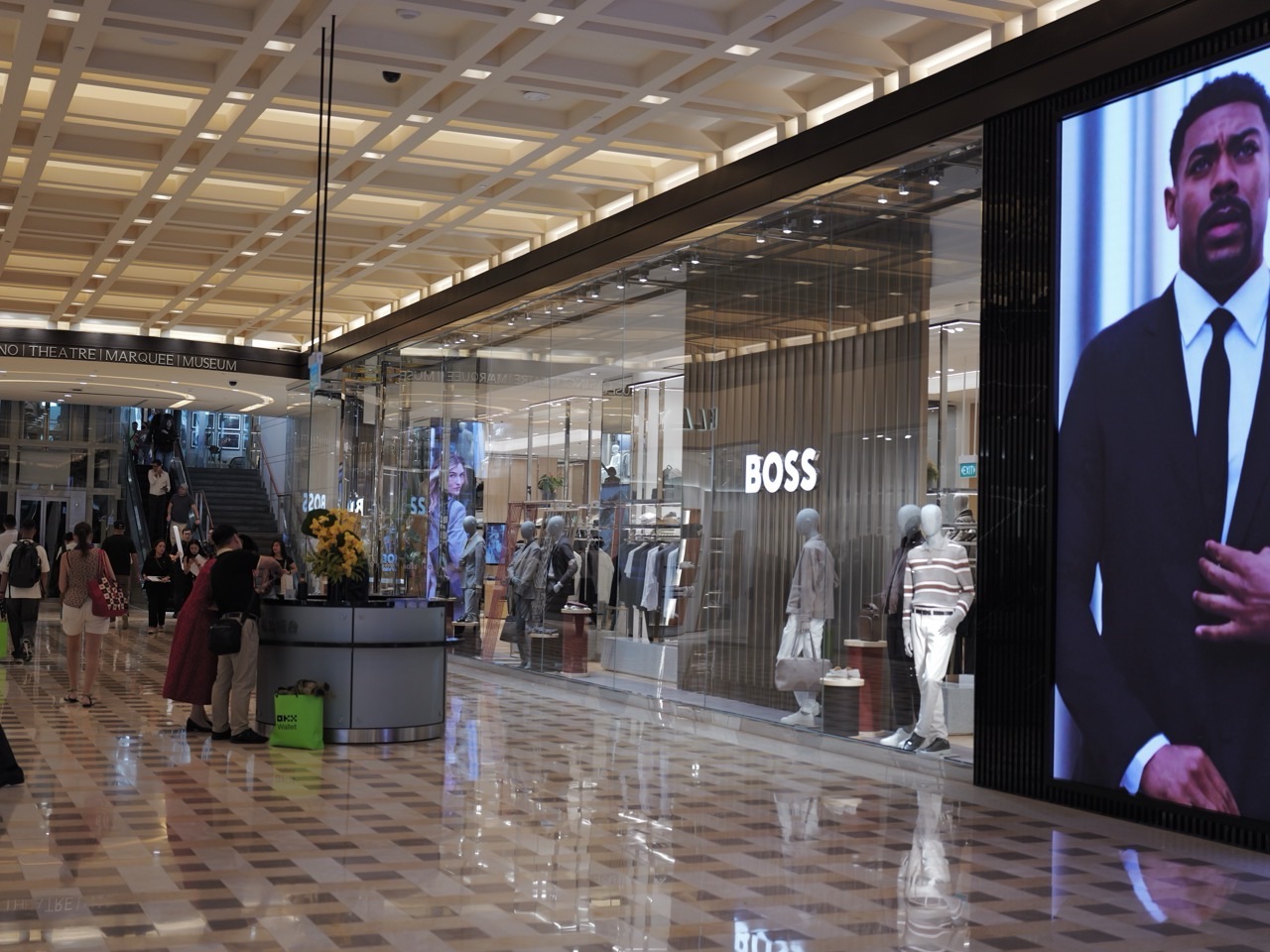
Luxury service is the invisible system that makes difficult things feel easy. People searching for what is luxury service, five-star service, personalised service, butler service, concierge service or luxury hospitality are usually asking about the same deeper idea: how can another human being, or an entire organisation, reduce friction so completely that the guest stops noticing the machinery behind the experience?
Did you know? The finest luxury service often becomes less visible as it becomes better. The room is ready before you ask. The car arrives before you look at the clock. Dietary preferences are remembered without being announced. Luggage appears where it should. A problem is solved quietly. A table is paced correctly. A request is handled once, not repeated five times. Service becomes luxurious when attention, memory, timing, discretion and competence combine so smoothly that the guest experiences not more activity, but less friction.
This is the service chapter of The Art of Luxury | What Is Luxury?, following The Art of Luxury | Space Is the New Luxury.
Space gives luxury room.
Privacy protects it.
Time allows it to unfold.
Service keeps everything moving without making the guest feel the effort.
Did You Know? Service Is Choreography
Think about a great hotel arrival.
The vehicle stops.
The door opens.
Luggage disappears into the right hands.
Someone knows the reservation.
The guest is guided rather than processed.
Behind that apparently simple sequence sits training, staffing, timing, communication and contingency planning.
Luxury service is choreography where the guest should not have to see the rehearsal.
The Service Equation
A useful way to think about luxury service is:
Luxury Service = Attention × Competence × Timing × Memory × Discretion × Recovery
Attention without competence is intrusive.
Competence without timing can still feel clumsy.
Timing without memory forces the guest to repeat themselves.
Memory without discretion feels invasive.
And even excellent systems need recovery because problems will eventually happen.
Anticipation Is the Core Luxury Skill
Reactive service waits for a request.
Luxury service tries to notice the need before the request becomes necessary.
A glass is refilled before it is empty.
An umbrella appears before the guest steps into rain.
The room temperature is adjusted before arrival.
A transfer plan includes enough margin for traffic.
Anticipation reduces the number of times the guest must switch from experiencing life to managing logistics.
That switch is friction.
Butler Service Is Really Coordination
Popular culture often reduces the butler to ceremony.
The deeper function is coordination.
A butler may connect housekeeping, dining, transport, wardrobe, luggage, reservations and guest preferences.
The luxury comes from having one trusted interface instead of contacting six departments.
Complex organisations become easier when one person carries the thread.
Concierge Service Is the Luxury of Local Knowledge
A good concierge does not merely produce a list.
Search engines can produce lists.
The valuable skill is judgement.
Which restaurant suits this family?
Which museum should be visited first?
Which route avoids unnecessary travel?
What is open late?
What should be booked now?
What can be left flexible?
Luxury knowledge is filtered knowledge.
Personalisation Should Feel Like Recognition, Not Surveillance
Remembering a preference can feel wonderful.
Remembering too much, too visibly, can feel unsettling.
The art lies in proportion.
A returning guest may appreciate the same pillow preference or breakfast habit being remembered.
But personal information should never become theatre.
Good service uses memory quietly.
Read The Art of Luxury | Privacy Is the New Luxury.
Discretion Is Service with Restraint
Luxury service knows when not to speak.
When not to interrupt.
When not to ask another question.
When not to repeat a name publicly.
When not to make a guest feel observed.
Discretion is difficult because service workers are trained to help.
The highest skill is knowing that sometimes helping means disappearing.
Luxury Service Protects Time
Service becomes particularly valuable when it saves the guest from avoidable delay.
No repeated form filling.
No unnecessary queue.
No waiting for someone to find the reservation.
No explaining the same dietary requirement three times.
No wondering whether the car is actually coming.
Luxury service turns administrative time back into usable time.
Read The Art of Luxury | Time Is the Ultimate Luxury.
The Best Service Removes Decisions
Luxury is often described as having more choice.
Yet too much choice creates work.
Good service reduces the decision field intelligently.
Instead of fifty restaurant options, three suitable ones.
Instead of five transfer routes, one recommended route with a backup.
Instead of asking the guest twenty operational questions, the service team resolves everything that does not genuinely require the guest’s preference.
Decision reduction is a form of cognitive luxury.
Service Recovery Is Where Luxury Proves Itself
No system is perfect.
A room may not be ready.
A car may be delayed.
A reservation may be wrong.
A meal may miss the mark.
The important question is what happens next.
Luxury recovery should be fast, calm and proportionate.
The guest should not have to become project manager of the mistake.
A problem handled beautifully can build more trust than a routine experience with no problem at all.
Apology Is a Service Skill
A genuine apology is short.
It does not defend the process.
It acknowledges the experience.
Then it moves quickly toward repair.
Luxury service avoids making the guest listen to an internal organisational explanation they never asked for.
The guest needs resolution, not a committee meeting.
Consistency Is More Luxurious Than Occasional Brilliance
One spectacular gesture is memorable.
But luxury service is built on dependable ordinary moments.
The wake-up call happens.
The car is there.
The room is clean.
The requested item arrives.
The reservation details are correct.
Reliability is not glamorous.
It is luxurious precisely because the guest does not need to monitor it.
Luxury Service Is a Memory System
Organisations become luxurious when they can remember without forcing the guest to remember for them.
Arrival time.
Allergies.
Room preferences.
Names.
Previous requests.
The memory may live partly in people and partly in systems.
The guest should experience continuity rather than database management.
The Human Hand Still Matters in Automated Luxury
Technology can make service faster.
Digital check-in can reduce queues.
Messaging can simplify requests.
Automation can predict routine needs.
But luxury requires judgement when the situation leaves the script.
A tired child.
A missed flight.
A family emergency.
An anniversary surprise.
Technology processes patterns.
Humans interpret context.
Luxury Hospitality Is Theatre Backstage and Calm Frontstage
Behind a quiet dining room is a kitchen moving quickly.
Behind a perfect room is housekeeping labour.
Behind a seamless event is an operations team.
Behind a relaxed guest is often an intensely coordinated staff.
This is one of luxury’s great paradoxes.
Calm for the guest may require precision under pressure elsewhere.
That hidden work deserves respect.
Dining Service Controls Pace
Luxury dining is not only food.
Timing changes the meal.
Too fast and the guest feels processed.
Too slow and attention collapses.
Good service reads the table.
Is conversation flowing?
Has everyone finished?
Does someone need more time?
Pacing is a form of social intelligence.
Housekeeping Is One of Luxury’s Most Underrated Crafts
A room can contain beautiful materials and still feel poor if it is badly maintained.
Housekeeping protects surfaces, hygiene, order and comfort.
It also protects the illusion that rooms reset themselves.
They do not.
People reset them.
The invisible labour of maintenance is part of the luxury system.
Drivers Deliver More Than Transport
A professional driver delivers timing, route knowledge, luggage support, vehicle readiness, discretion and contingency planning.
The passenger experiences movement.
The driver manages uncertainty.
That transfer of uncertainty is a form of luxury.
Private Guides Make Knowledge Feel Personal
A private guide can change the entire rhythm of a city.
Questions determine the route.
Interests determine the depth.
The schedule can adjust.
A good guide does not simply transmit facts.
They translate place into meaning.
That is intellectual service.
Service Architecture Separates Guest Space from Work Space
Luxury buildings often contain hidden circulation.
Service corridors.
Back-of-house lifts.
Preparation rooms.
Linen stores.
Staff entrances.
Loading areas.
The guest sees a calm surface because logistics use a separate route.
Architecture itself becomes part of service.
Monaco: Luxury Service in a Compressed World
Monaco makes service especially visible because so much high-value activity is compressed into a tiny geography.
Hotels, residences, restaurants, marinas, events and private wealth coexist at close range.
Discretion matters.
Timing matters.
Coordination matters.
A service error can become public quickly.
A good system therefore has to be both precise and quiet.
Explore Crazy Rich Monaco | Luxury Hotels, Hôtel de Paris and the Hospitality Economy.
Singapore: Service Luxury Through Reliability
Singapore offers another powerful service lesson.
Reliability itself can feel luxurious.
Transport works predictably.
Infrastructure reduces uncertainty.
Digital systems reduce administrative friction.
In this environment, premium service adds another layer: personal recognition on top of systemic reliability.
The city teaches a useful principle.
Luxury service begins where basic reliability becomes so normal that personalisation can build on top of it.
China: Service Luxury Through Ritual and Modern Speed
For English–Chinese readers, China provides a fascinating contrast between traditional hospitality rituals and highly digital contemporary service systems.
Tea service can slow time.
Digital booking can speed coordination.
Private dining rooms can protect conversation.
High-speed transport can compress geography.
Luxury emerges when fast systems support, rather than destroy, human attention.
The Ethical Question: Who Creates Effortlessness?
Luxury service should never make labour invisible in the moral sense.
A guest may experience ease because someone else is working hard.
That work deserves fair conditions, training, respect and recognition.
Elegant service should not depend on degrading the people providing it.
The most sophisticated luxury system respects both sides of the experience.
English–Chinese Luxury Service Vocabulary | 奢华服务词汇
- luxury service — 奢华服务 / 高端服务
- personalised service — 个性化服务
- butler service — 私人管家服务
- concierge — 礼宾服务
- discreet service — 低调周到的服务
- anticipate — 预先想到 / 预判需求
- attentive — 细致周到的
- seamless — 无缝衔接的 / 流畅的
- service recovery — 服务补救
- guest preference — 客人偏好
- special request — 特别要求
- housekeeping — 客房清洁服务
- chauffeur — 专职司机
- private guide — 私人导游
- confidentiality — 保密性
Visit and Touring Vocabulary | Hotels, Dining and Concierge · 酒店、餐饮与礼宾
1. Could the concierge help us? · 礼宾部可以帮我们吗?
A useful first sentence for local arrangements. 中文:礼宾部可以帮我们吗?
2. Is butler service included? · 包含私人管家服务吗?
Useful when booking premium suites or villas. 中文:包含私人管家服务吗?
3. Could you arrange a private transfer? · 可以安排私人接送吗?
Useful for airport, station or hotel transfers. 中文:可以安排私人接送吗?
4. Please note this dietary requirement. · 请记录这个饮食要求。
Useful for hotels and restaurants. 中文:请记录这个饮食要求。
5. Could you recommend somewhere quiet? · 可以推荐一个安静的地方吗?
Useful when seeking calm rather than popularity. 中文:可以推荐一个安静的地方吗?
6. Could you make the reservation for us? · 可以帮我们预订吗?
A practical concierge phrase. 中文:可以帮我们预订吗?
7. We prefer discreet service. · 我们希望服务低调一些。
Useful when privacy matters. 中文:我们希望服务低调一些。
8. Could someone assist with the luggage? · 可以安排人帮忙拿行李吗?
Useful during arrivals and departures. 中文:可以安排人帮忙拿行李吗?
9. Is there a private guide available? · 有私人导游吗?
Useful for personalised sightseeing. 中文:有私人导游吗?
10. Could we have a later checkout? · 可以延迟退房吗?
Useful when protecting travel time. 中文:可以延迟退房吗?
11. Could this be handled privately? · 这件事可以私下处理吗?
A polite phrase for discreet problem-solving. 中文:这件事可以私下处理吗?
12. Thank you for taking care of everything. · 谢谢你们把一切都安排好了。
A useful expression of appreciation when service has been seamless. 中文:谢谢你们把一切都安排好了。
Continue with the Top 100 Vocabulary for Visiting and Touring | World City Directory.
How to Recognise Excellent Service Without Looking at Price
- You do not have to repeat yourself.
- Staff notice without hovering.
- Problems are solved by the person who receives them.
- Timing feels natural.
- Your privacy is respected.
- Information is accurate.
- Transitions are smooth.
- Recovery is calm when something goes wrong.
Luxury service should reduce the amount of management the guest has to perform.
What Students Can Learn from Luxury Service
Operations
Seamless service depends on scheduling, staffing, communication, inventories and contingency planning.
Psychology
People feel cared for when they are recognised, understood and not forced to repeat needs unnecessarily.
Economics
Personal attention is expensive because skilled human time is limited and difficult to scale.
Technology
Digital systems can improve memory and coordination, but privacy and human judgement remain essential.
Language
Hospitality vocabulary teaches how to make requests politely, precisely and efficiently while travelling.
Character
Good service teaches attentiveness, responsibility, discretion and the dignity of doing small things properly.
Frequently Asked Questions
What is luxury service?
Luxury service is highly attentive, competent and personalised service designed to reduce friction, protect time and create a sense of ease.
What makes service feel luxurious?
Anticipation, timing, memory, discretion, consistency and excellent recovery when problems occur.
What does a concierge do?
A concierge helps guests with local information, reservations, transport, tickets, recommendations and special arrangements.
What is butler service?
Butler service provides personalised coordination of guest needs across areas such as luggage, dining, housekeeping, reservations and daily arrangements.
Why is discretion important in luxury service?
Because personalisation often requires private information. Good service uses that information carefully without making the guest feel watched or exposed.
What is service recovery?
Service recovery is how an organisation responds after something goes wrong. Strong recovery is fast, calm, accountable and focused on resolution.
Does luxury service require many staff?
Not necessarily. A small team with excellent judgement, memory and coordination can feel more luxurious than a large team that creates confusion.
Can technology provide luxury service?
Technology can reduce waiting and improve coordination, but complex human situations still benefit from judgement, empathy and contextual understanding.
Why does luxury service often feel invisible?
Because the best systems solve problems before the guest has to notice or manage them.
What is the simplest form of luxury service?
Someone paying close enough attention to make your next step easier without making you ask twice.
Helpful Reading Across the eduKate Knowledge Graph
- The Art of Luxury | What Is Luxury?
- The Art of Luxury | Time Is the Ultimate Luxury
- The Art of Luxury | Privacy Is the New Luxury
- The Art of Luxury | Space Is the New Luxury
- Crazy Rich Monaco | Luxury Hotels, Hôtel de Paris and the Hospitality Economy
- Top 100 Vocabulary for Visiting and Touring | World City Directory
The Art of Luxury Is Making Effort Disappear Without Making People Disappear
Luxury service remembers.
Anticipates.
Coordinates.
Protects.
Repairs.
And then steps back.
Did you know? The highest service does not make the guest think, “Look how many people are serving me.” It makes the guest think something much quieter: everything simply works.
Return to The Art of Luxury | What Is Luxury?
Series navigation: The Art of Luxury | Complete Series Directory · Luxury | World Directory · Crazy Rich World