
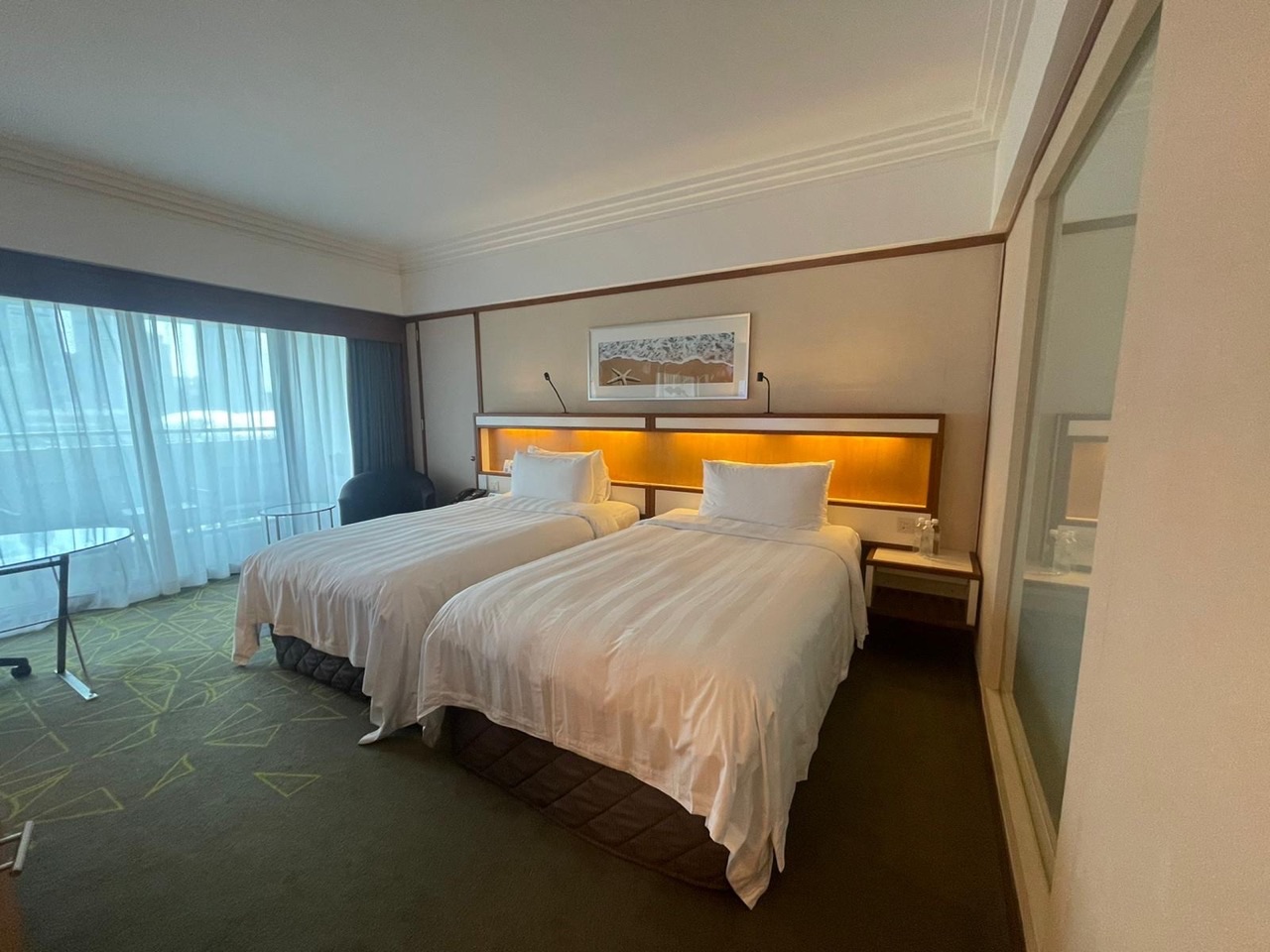
The Gold Standard of Hospitality connects hotels, restaurants, tourism, guest services, accessible accommodation, safe food, events, facilities and responsible travel. The guide gives the standard immediately, explains practical service decisions, and routes into published specialist Gold Standard articles.
Hospitality chapter index
- Chapter 1
- Chapter 2
- Chapter 3
- Chapter 4
- Chapter 5
- Chapter 6
- Chapter 7
- Chapter 8
- Chapter 9
- Chapter 10
- Chapter 11
- Chapter 12
- Chapter 13
- Chapter 14
- Chapter 15
- Chapter 16
- Chapter 17
- Chapter 18
- Chapter 19
- Chapter 20
- Chapter 21
- Chapter 22
- Chapter 23
- Chapter 24
- Chapter 25
- Chapter 26
- Chapter 27
- Chapter 28
- Chapter 29
The Gold Standard of Hospitality is the dependable care of guests through a complete experience: an honest promise before arrival, a welcoming and accessible service, safe accommodation or dining, respectful communication and effective recovery when circumstances change. Good hospitality is not a marble lobby, an expensive menu or a perfect photograph. It is a service that makes people feel properly informed, protected and respected while delivering what they reasonably expected.
A hotel may advertise a room category accurately but lose the reservation during a system handoff. A restaurant may serve a beautiful meal while failing to communicate an important ingredient. An event venue may be attractive but unsuitable for guests who need step-free access. A traveller can receive confirmation of a tour that the local operator never accepted. These are different ways a service fails when the human journey is fragmented.
This subject hub covers accommodation, hotels, food and beverage services, tourism, travel, events, cleaning, facilities, safety, access, sustainability and responsible business operations. It connects existing specialist Gold Standard articles across eduKateSG, from hotel receptionists to restaurants, cleaning, travel agencies, food safety and customer support.
This is an international educational overview, not a hotel classification, safety inspection, tourism licence or a legal determination of guest rights. Standards, obligations and remedies vary by jurisdiction and service type. All worked cases are fictional illustrations, not actual hotel or restaurant incidents.
1. What makes hospitality the gold standard?
Hospitality succeeds when the provider makes a clear promise and helps the guest receive its intended benefit with dignity, safety and predictable support. That may mean a restful night’s stay, a memorable meal, a workable family trip or a well-run gathering.
ISO 22483:2020 describes requirements and recommendations for hotel service that include staff, cleanliness, maintenance, safety, security, supply and guest satisfaction. It applies beyond an individual hotel’s star rating and encompasses the work of subcontractors. The standard was reviewed and confirmed in 2026; its existence does not automatically certify any particular property.
The wider lesson is that hospitality quality is a coordinated process. Excellent reception cannot compensate for a dangerous room, and an attractive room cannot repair a misleading booking or an inaccessible journey.
2. Start with the real purpose of the visit
A business traveller may value reliable work space, quiet rest and a timely checkout. A family may need an appropriate room layout and clear information about facilities. A person visiting for medical treatment may have different access, transport and privacy priorities.
A responsible service asks what was booked, which needs are material and what can genuinely be accommodated. Staff should explain the limits of their service rather than invent assurances or assume every guest wants the same experience.
Good hospitality is not intrusive personalisation. It makes useful options available and respects the guest’s agency, boundaries and desire for privacy.
3. The first guest experience begins before arrival
A traveller encounters the property or service through descriptions, photographs, search results, prices and booking information. The advertised service should reflect what the provider can actually deliver.
A room photograph needs appropriate context if it shows a feature not present in every room of a category. Important restrictions and compulsory charges should be intelligible. A customer should not need to complete payment before discovering a condition that materially changes the offer.
Honest pre-arrival communication reduces disappointment and staff conflict. It is more efficient to correct an expectation before travel than to explain at the front desk that a promised arrangement does not exist.
4. Reservations must connect to authoritative availability
Bookings often involve websites, online travel agents, booking engines, property systems and local operators. If they disagree, the guest may be left with a confirmation that no one can honour.
The system should distinguish provisional requests, confirmed reservations, changes, cancellations and fulfilment. It needs clear ownership when an interface or supplier fails. A reference number alone is not proof that every downstream party received the correct instructions.
Reliable reservations include accurate dates, room or service type, party size when relevant, price terms and a route to correction. These details support the guest’s actual journey rather than merely the transaction record.
5. Pricing, deposits and conditions must be understandable
A guest should be able to understand the amount payable, material taxes and charges, cancellation or amendment rules, deposit conditions and the consequences of a no-show or late change, subject to applicable law.
Complex booking conditions can be legally consequential. A travel itinerary, accommodation stay and event ticket may involve different sellers and contracts. The service should identify who provides what rather than encourage guests to assume one company is responsible for every part.
Fair communication does not require promising universal free cancellation. It requires an accurate account of the actual terms and a sensible process when an error or service failure occurs.
6. Welcome is a practical form of service design
The first moments at a hotel or venue set expectations. Visitors need to know where to go, how to identify the correct counter, which documents or information are required and what will happen next.
Long queues are sometimes unavoidable, but uncertainty and confusion can often be reduced through clear signage, adequate staffing and accurate waiting information. Guests with different needs may require accessible counters or appropriate language support.
A welcoming manner is valuable because it accompanies competent action. Politeness cannot substitute for secure identification, correct bookings or truthful information about unavailable facilities.
7. Accessibility should shape the full stay
A step-free hotel entrance is not enough if an accessible room cannot be reserved, the route to breakfast is interrupted or a guest cannot obtain needed information.
Inclusive hospitality considers the complete journey: transport arrival, entrance, check-in, room, bathroom, public facilities, dining, activities and departure. Different guests may have mobility, visual, hearing, cognitive or temporary limitations.
Staff should understand the actual accessible arrangements rather than make confident assumptions. Where a facility is unavailable, the guest needs honest information and appropriate alternatives under applicable obligations.
8. Rooms and facilities must be fit for real use
Accommodation quality includes hygiene, ventilation, lighting, comfort, safe access, functioning fixtures and reliable maintenance. A room can look immaculate in promotional images while having a persistent noise or drainage problem.
Housekeeping and maintenance require different professional methods but must coordinate. A cleaner can report an unusual odour; a technician investigates the cause. A wet floor may need immediate protection while a plumbing or ventilation problem is diagnosed.
A proper room release process confirms that essential conditions have actually been checked and flags unresolved hazards. Appearance is one part of the guest experience, not a substitute for function.
9. Cleanliness must be real and safely achieved
Cleaning supports comfort, infection prevention where relevant, presentation and safe use of facilities. Different surfaces and circumstances require suitable methods, products and worker competence.
A room that smells strongly of a chemical is not automatically cleaner. Inappropriate cleaning may damage materials or leave unsafe residues. Records and quality checks should reflect actual conditions rather than assuming a completed task code proves the work.
Cleaning staff also deserve safe access, realistic workloads and an effective route to report defects they discover. Hospitality quality depends on people whose contributions are often invisible to the guest.
10. Safety and security are part of the welcome
Guests expect a safe environment and responsible handling of possessions and personal information. Safety and security measures must suit the premises, occupancy and applicable requirements.
Fire protection, accessible escape, lifting equipment, pool facilities, food handling, electrical systems and crowded events may involve specialised obligations. General guest-service staff should know how to raise concerns and refer to qualified personnel rather than improvise technical decisions.
Security should respect dignity and privacy. A comfortable hotel should not become careless about room access or disclosures of guest details merely because staff are trying to be helpful.
11. Food and beverage service connects pleasure with safety
Restaurants, cafés, hotel breakfasts, banquets and room service combine culinary skill, timing, accurate orders, cleanliness and trustworthy ingredient information. Food safety is not optional even in a premium setting.
Guests may need clear answers about ingredients, allergens or dietary suitability. Staff should distinguish verified information from guesses and escalate appropriately when they cannot establish a safe answer.
A meal that arrives in perfect presentation but with the wrong order has not met the customer’s request. Good food service preserves both enjoyment and accurate fulfilment.
12. Hospitality workers need expertise and realistic support
Front-desk agents, housekeepers, cooks, maintenance workers, managers, event teams and guides have different roles. Quality depends on suitable training, supervision, coordination and the authority to resolve problems within safe boundaries.
An employee should not be expected to promise an inaccessible room upgrade, change a medical recommendation or overlook safety procedures to satisfy a guest. Clear escalation supports both service excellence and ethical work.
Respect for staff affects the guest experience. Unrealistic workloads can produce rushed cleaning, errors, poor communication and high turnover. Responsible hospitality protects employees as well as visitors.
13. Guest privacy is an operational responsibility
Hospitality businesses may hold identity documents, booking histories, contact information, payment records and personal preferences. This information should be collected and used according to the relevant purpose and laws.
A reception agent should not casually disclose a guest’s room number or travel details to an unauthorised caller. An event booking form should not gather unnecessary sensitive information simply because the software permits it.
Staff need clear procedures for verifying authorised requests, controlling access, retaining records and reporting incidents. Friendly service must not weaken confidentiality.
14. Service recovery should protect the actual guest need
Disruptions happen: a room is unavailable, equipment fails, a reservation disappears or weather interrupts an excursion. The appropriate response is not to insist that the original process was correct while the guest remains stranded.
A responsible team establishes the real problem, protects safety, checks the booking or service evidence, assigns a case owner and communicates workable options. Remedies depend on the actual circumstances and applicable law.
An apology can be meaningful, but service recovery is demonstrated by a corrected outcome. A voucher does not necessarily resolve the problem of a traveller who needed accessible accommodation that night.
15. Events and banquets depend on coordination
A conference, wedding, exhibition or banquet includes an interlocking plan for venue suitability, food, sound, seating, access, timing, crowd movement and staff responsibility.
An event organiser can meet the decoration brief yet fail the purpose if guests cannot find the correct room or a critical vendor has not confirmed. Plans need clear handoffs, current versions and an appropriate response to changes.
High attendance is not automatically success. Safe movement, truthful ticketing, usable facilities, meaningful experience and appropriate aftercare also matter.
16. Tourism adds destinations and host communities
Tourism services involve travellers, operators, guides, transport, accommodation, attractions and local communities. A complete tour should correspond to its advertised itinerary and actual permissions, access and safety requirements.
UN Tourism’s sustainable tourism framework considers current and future economic, social and environmental impacts alongside the needs of visitors, industry, the environment and host communities. This is a continuous practice rather than a label guaranteeing virtue.
A destination can have high visitor numbers while local residents experience crowding, environmental damage or little economic benefit. Responsible tourism asks who benefits, how impacts are managed and whether local culture and environment are treated respectfully.
17. Travel agencies must verify real bookings and terms
An itinerary may involve flights, accommodation, transfers and activities supplied by different businesses. A traveller needs to know which reservations are confirmed, who is responsible for each service and what conditions apply.
Travel agents should distinguish a proposed plan from a ticketed or otherwise confirmed booking and avoid promising outcomes controlled by independent suppliers or authorities.
Reliable continuity matters when a schedule changes. Guests should have a way to obtain current information and seek appropriate support without having to reconstruct every handoff themselves.
18. Heritage and local culture require respect, not just presentation
Hospitality can introduce visitors to local architecture, food, stories, traditions and landscapes. These experiences should represent communities responsibly and avoid treating culture as decorative material detached from real people.
A heritage hotel or guided tour may depend on rules protecting buildings, objects and sacred or sensitive places. Good operators should understand the relevant permissions and preservation responsibilities.
Respectful hospitality is compatible with commercial viability. The aim is to create meaningful experiences while ensuring that host communities and cultural assets are not damaged for short-term attraction.
19. Sustainability includes water, energy, food and waste
Hotels and hospitality venues use energy, water, cleaning supplies, textiles, food and transport. Responsible management identifies where resources are used and evaluates changes against the actual guest service.
A low-flow fitting can reduce water demand but must still function appropriately. Reusing towels can reduce laundry but cannot excuse poor hygiene. A buffet-waste programme needs credible measurement and safe food-handling practices.
A green label does not replace evidence. The operator should state the boundaries of a claim and avoid implying that one resource-saving initiative makes the entire business environmentally harmless.
20. Maintenance and facilities keep hospitality reliable
Lifts, air conditioning, plumbing, fire protection, lighting, access control and room systems must continue to function after the property opens. Preventive and corrective maintenance should match real failure risks and guest needs.
A completed maintenance work order is not proof that a complaint has been resolved. If a guest reports repeated loss of hot water, the team needs appropriate diagnosis, correction and verification rather than a cosmetic response.
Facilities management coordinates technical work with occupancy, access, safety and communication. The hotel cannot simply shut down an essential route without considering guest impact and applicable obligations.
21. Technology should improve hospitality without excluding people
Online check-in, digital keys, booking engines, payment systems and AI-assisted support can reduce waiting and simplify tasks. They can also create new failure points and accessibility barriers.
A mobile key is useful only if guests can access the room reliably and there is a sensible recovery route when a phone, network or application fails. A chatbot can answer routine questions but should not invent booking status or safety instructions.
Technology quality should be measured through real guest outcomes, security, usability and support rather than adoption statistics alone. People who prefer or need human help should not be made invisible.
22. Hospitality metrics need to measure completed experiences
Occupancy, average daily rate, table turnover and customer satisfaction scores can help managers. They should be read alongside safe operation, booking accuracy, complaints, access and the quality of service recovery.
A guest review may reflect expectations, context or a specific incident rather than the whole operation. Equally, consistently strong aggregate ratings may conceal repeated problems for people with different accessibility needs.
The best improvement process combines reliable operating data with specific guest and staff observations. Complaints are useful evidence when the organisation investigates causes and changes its systems.
23. Worked case: a confirmed accessible room disappears
In a fictional hotel, a guest books a step-free room and receives an email confirmation. At check-in, the room has been assigned to another party because two booking systems do not preserve the same accessibility requirement.
The appropriate response begins with the guest’s immediate accommodation need and the actual accessible facilities available. The hotel should not offer an unsuitable room as though the problem is merely an inconvenience.
A review traces the request, reservation record, property inventory and change history. Suppose the accessibility field was omitted during a system import. The correction must address the software handoff as well as the affected guest’s situation.
The lesson is that hospitality accessibility must survive every booking and operational transition.
24. Worked case: a breakfast buffet shows a complete checklist but an uncertain ingredient
In a fictional hotel, an employee receives a question about a buffet dish’s allergen content. The menu card lists the original recipe, but a supplier substitution occurred that morning and was not communicated to service staff.
The employee must avoid guessing and seek appropriately verified information under the hotel’s food-safety procedures. The kitchen and service teams review ingredient records, current preparation and the information communicated to guests.
Suppose a new ingredient contains an allergen not described by the earlier label. The business needs to follow its applicable product-safety and regulatory duties, protect affected customers and correct the handoff process.
A checklist signed before the ingredient changed is not proof that the current dish is safe for every guest.
25. Worked case: the tour appears confirmed but transport never received it
In a fictional city, a family books a guided excursion through a travel agent. The itinerary shows a vehicle pickup, but the transport provider has no matching order when the scheduled time arrives.
A credible investigation distinguishes the guest’s purchase, the agent’s internal confirmation and actual supplier acceptance. Staff need a responsible case owner and accurate information about available remedies or alternatives.
Suppose an integration failure prevented the vehicle request from reaching the supplier even while a confirmation email was sent. The system needs to align guest-facing status with genuine supplier acceptance and improve exception monitoring.
The gold standard follows the complete travel experience. A beautiful itinerary does not make a service real until the necessary providers are ready to deliver it.
26. Worked case: a luxury room with repeated cooling failure
A fictional guest books a premium room and finds it uncomfortably warm every afternoon. The hotel repeatedly resets the thermostat and records the incident as completed. The problem recurs during the stay.
A quality review considers actual conditions, equipment history, room exposure and whether the corrective action was tested. A thermostat reset may temporarily change a symptom without fixing the underlying cooling problem.
The hotel should address guest comfort honestly, use appropriately qualified maintenance personnel and arrange suitable alternatives or remedies where required. Future reservations should not be sold under unsupported assurances that the problem is solved.
The lesson is that hospitality depends on facility performance as much as staff politeness.
27. Worked case: the event is on schedule but its accessible route is blocked
In a fictional conference venue, presentations begin on time, but construction work blocks the usual step-free route. Staff place a small sign beside the stairs without establishing a suitable alternative.
The operator should protect guests, understand the accessible routes and follow its safety and legal obligations. Event planners and building managers must coordinate changes before visitors arrive and communicate accurately.
An event cannot be called fully successful merely because the speakers and catering met the timetable. The visitor’s ability to participate is part of the service outcome.
The lesson is that hospitality quality must be tested in the actual venue, under current conditions, for different kinds of guests.
28. How to choose a hospitality provider
Customers can examine the accuracy of the offer, material terms, safe and accessible facilities, booking status, staff competence, guest privacy, reviews in context and the provider’s handling of problems.
A hotel or tour with an unusually attractive price may have conditions worth examining, while an expensive service is not automatically better. Ask which provider is responsible for each part of the experience.
Operators can use the same questions for self-assessment. The most dependable providers are not those who promise that nothing will ever go wrong, but those who understand what guests need and can recover responsibly when problems occur.
29. Hospitality quality scorecard
The gold standard asks whether offers and reservations are accurate, prices and conditions are clear, facilities safe and clean, staff competent, important needs accessible, food handled appropriately, privacy protected, service handoffs coordinated and guest complaints resolved through real action.
It also asks whether the operator understands resource impacts, treats workers and host communities responsibly, maintains assets and can recover during disruption.
This scorecard is an educational framework, not an ISO certificate or legal conclusion. Hospitality earns trust when the delivered experience remains consistent with the promise and guests are treated with dignity throughout.
30. The Gold Standard hospitality ecosystem
The published guides below connect the individual occupations and services that create hospitality. This subject root explains their common guest-centred standard without confusing food safety, building engineering, licensed travel services or professional responsibilities.
Hotels, travel, tourism and guest-service professionals
- The Gold Standard of Hotel Receptionists | Accurate Bookings, Welcoming Service and Secure Handoffs
- The Gold Standard of Tourism Companies | Verified Itineraries, Fair Bookings and Traveller Care
- The Gold Standard of Travel Agency Services | Verified Bookings, Clear Terms and Traveller Continuity
- The Gold Standard of Travel Insurance | Defined Protection Away from Home
- The Gold Standard of Customer Experience
- The Gold Standard of Customer Service
- The Gold Standard of Customer Support Services | One Case, One Owner, Verified Resolution
- The Gold Standard of Service Design
- The Gold Standard of Teaching Service Design | Journeys, Touchpoints and Reliable Handoffs
Restaurants, catering and food service
- The Gold Standard of Restaurant Companies | Safe Kitchens, Honest Menus and Consistent Hospitality
- The Gold Standard of Catering Services | Safe Food, Dependable Timing and Accountable Events
- The Gold Standard of Chefs | Service Without Compromising Food Safety
- The Gold Standard of Cooking | Safe Food, Repeatable Technique and Meals That Work
- The Gold Standard of Food Safety
- The Gold Standard of Food Cold Chain Management
- The Gold Standard of Commercial Kitchen Exhaust Cleaning Services | Complete Degreasing, Fire-Safe Access and Verified Records
- The Gold Standard of Bakers | Consistent Bread, Safe Food and Respect for Craft
Cleanliness, facilities, safety and inclusive spaces
- The Gold Standard of Cleaning Services | Clean Results, Safe Methods and Verifiable Handover
- The Gold Standard of Cleaning Companies | Safe Work, Fair Wages and Verified Cleanliness
- The Gold Standard of Carpet Cleaning Services | Correct Fibre Care, Safe Drying and Verified Results
- The Gold Standard of Laundry and Dry Cleaning Services | Garment Care, Honest Custody and Verified Return
- The Gold Standard of Janitors | Clean Spaces, Safe Methods and Truthful Handover
- The Gold Standard of Facilities Management
- The Gold Standard of Air Conditioning Servicing Services | Clean Airflow, Safe Condensers and Verified Cooling
- The Gold Standard of Accessibility Remediation Services | Fixed Barriers and Verified Outcomes
- The Gold Standard of Public Transport Accessibility
Events, cultural experiences and responsible operations
- The Gold Standard of Event Management Companies | Permitted Events, Safe Crowds and Deliverable Promises
- The Gold Standard of Event Planning Services | Safe Openings, Clear Roles and Reliable Delivery
- The Gold Standard of Event Ticketing Services | Fair Inventory, Honest Fees and Verified Admission
- The Gold Standard of Cultural Heritage | Preservation with Intelligible Public Access
- The Gold Standard of Teaching Heritage Conservation | Significance, Condition and Careful Intervention
- The Gold Standard of Teaching Interior Design | Function, Accessibility and Human Experience
- The Gold Standard of Risk Management
- The Gold Standard of Maintenance Management
- The Gold Standard of Energy Management
Connect the subject to the wider eduKateSG ecosystem
- The Gold Standard of Food
- The Gold Standard of Transportation
- The Gold Standard of Business Services
- The Gold Standard of Retail
- The Gold Standard of Maintenance Services
- The Gold Standard of Technology
- The Gold Standard of Environment
- The Gold Standard of Public Services
- The Gold Standard master hub
- The Gold Standard sectors and services directory
Hospitality works through connections. A guest’s stay depends on trustworthy booking information, actual room availability, competent staff, clean and functioning spaces, safe food, accessible movement and support during change. A sustainable destination also depends on the people and environments beyond the individual business.
31. Frequently asked questions
What is the gold standard of hospitality?
Clear and dependable guest care through the complete booking, arrival, service, departure and aftercare journey, with safety, dignity, accessibility and effective recovery.
Is a high hotel star rating proof of every service being excellent?
No. Ratings and classifications depend on their schemes. Operational quality needs current evidence of the actual facilities, staffing, safety, guest support and service delivered.
How is hospitality different from customer service?
Customer service is an important part of hospitality, but hospitality also includes the physical environment, food, accommodation, tourism, events, safety and guest experience over time.
Why does a hotel reservation need system-level verification?
Because websites, booking agents and property systems can disagree. A trustworthy service aligns guest-facing confirmation with the actual inventory and supplier acceptance.
Does a sustainable tourism label guarantee environmental benefit?
Not automatically. Sustainable tourism requires examining economic, social and environmental impacts and the needs of visitors, operators and host communities with honest ongoing monitoring.
Can a chatbot replace all guest support?
No. Digital help may handle routine questions, but material booking failures, safety concerns, accessibility needs and exceptions require appropriate accountable assistance.
Professional and official references
- ISO 22483:2020 — Hotels: Service Requirements (confirmed 2026)
- UN Tourism — Sustainable Tourism
- OECD — Consumer Protection in E-Commerce
- WHO — Five Keys to Safer Food
- The Gold Standard master hub
The gold standard of hospitality is not how impressive a place looks before a guest arrives. It is how competently and respectfully the entire experience is delivered, how clearly limitations are explained, and how reliably people are helped when the unexpected happens.