
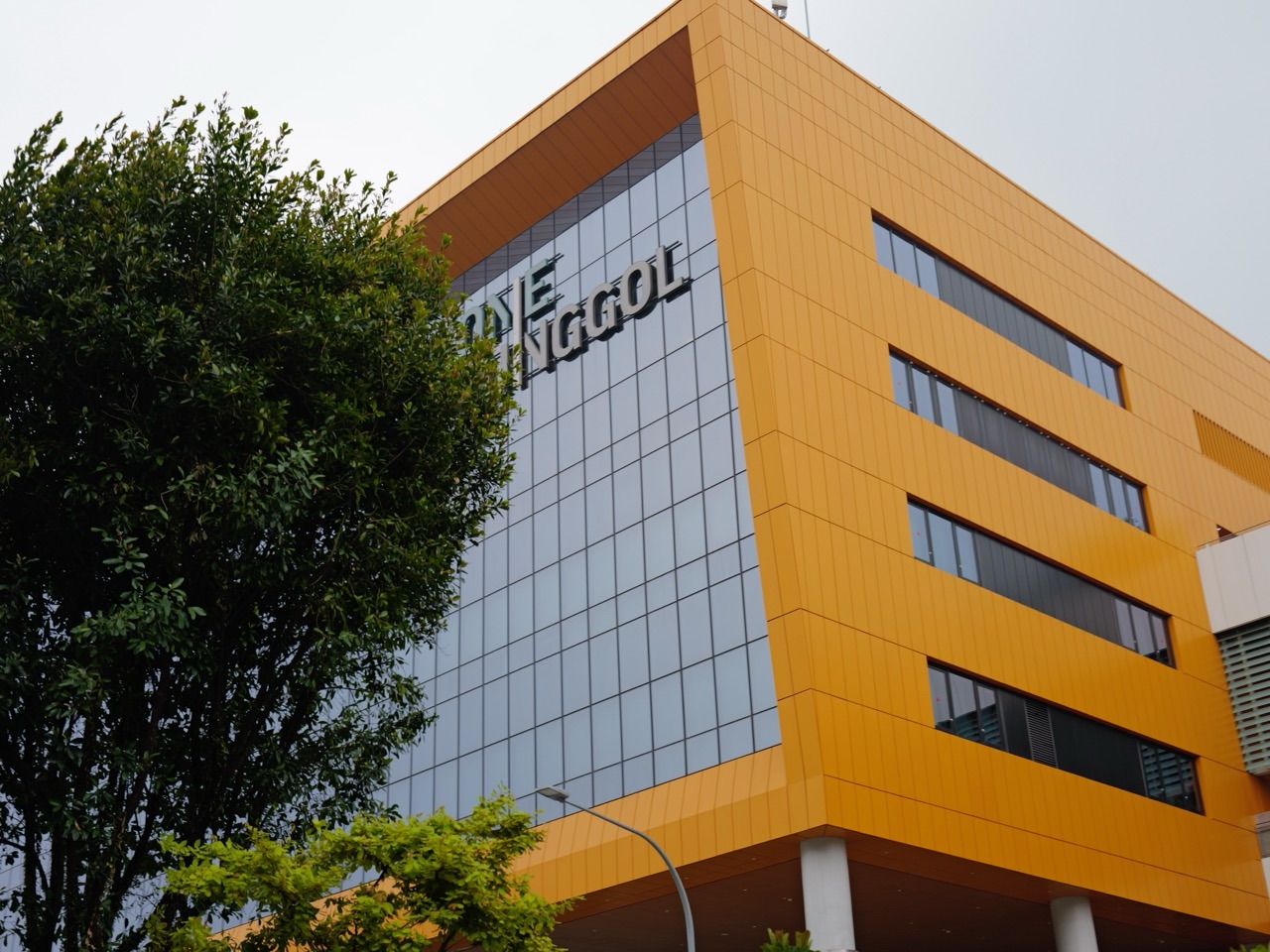
How do community clubs work in Singapore? Community Clubs (CCs) are neighbourhood places where people learn, exercise, volunteer, share interests and build relationships across different backgrounds. The People’s Association (PA), staff and grassroots volunteers support these activities through CCs, Residents’ Committees, Residents’ Networks and other community organisations. Singapore’s community system is not a single building or course catalogue: it is a network designed to turn neighbours into people who can cooperate.
This guide explains what PA does, how Community Clubs run courses, why RCs and RNs have different roles, how to volunteer and how community programmes connect with social services and Town Council maintenance. It also links the wider How Singapore Works Civilisation Atlas to eduKateSG’s detailed community, housing, sport, multicultural and public-service articles.
Start with one simple question: How can a resident who lives among thousands of strangers find a place, activity or person through which participation becomes possible? A good network provides welcoming spaces, repeated encounters, information and safe routes to the right organisations. It does not assume every neighbour must participate in the same way.
Quick answer: the main parts of Singapore’s community network
- People’s Association: a statutory board established in 1960 that encourages community participation
- Community Club: a venue for courses, sports, arts, events and selected community facilities
- Community Club Management Committee: volunteers helping PA staff manage a CC and its programmes
- Residents’ Committee: a grassroots organisation historically focused on HDB estate neighbourliness
- Residents’ Network: a grassroots network linking people across different housing types and backgrounds
- Community Development Council: one of five district-level councils providing distinct community initiatives
- Residents and volunteers: people who organise activities, welcome neighbours and connect concerns to suitable channels
PA’s 2026 organisation overview describes more than 2,000 grassroots organisations and over 100 CCs. Its Community Clubs page, updated on 14 October 2026, says each CC generally serves about 15,000 households or 50,000 people. Individual offerings still depend on the location.
1. Start at the community club after school
A student arrives to use a study area while a parent takes a younger child to an activity. In another room, older residents prepare for exercise, and volunteers discuss the next neighbourhood event. Each group has a different immediate purpose, yet the participants begin seeing familiar faces.
The building’s real contribution is that people have a dependable place to meet. A CC does not create instant friendships, but regular contact makes it easier to ask for help, share information and feel at home. A person may visit only once at first, then gradually join a recurring activity.
This is the lived version of Community Clubs, Residents’ Networks and Neighbourhood Events.
2. What is the People’s Association?
The People’s Association is a statutory board established on 1 July 1960, working through a network of community spaces and grassroots organisations. Its mission is to encourage community participation and strengthen the relationships that support a united society.
PA does not run all schools, police services, libraries, hospitals or public housing maintenance. Those institutions have distinct authorities. PA’s purpose focuses on helping residents connect with one another and participate in community life.
That distinction matters for public accountability. A volunteer can help someone understand a programme without having the authority to approve an official entitlement. Read PA’s About page and Singapore’s Government System.
3. What is a Community Club?
A CC is a shared neighbourhood venue with programmes and facilities suited to its community. Courses may include exercise, arts, language, practical skills and other activities. Selected CCs also offer study space, rental facilities or services provided under particular arrangements.
Not every building offers the same facilities. A person should not assume that the nearest CC has a swimming pool, meeting room, activity or legal-advice service just because another CC provides it.
PA’s Community Clubs overview is the right place to check offerings and access the current location-specific information. The purpose of CCs is to make shared community life possible rather than simply maximise venue occupancy.
4. What makes a CC different from a shopping mall?
Both buildings may contain shops, activities and places to sit, yet their central purposes differ. A shopping mall organises commercial space, while a CC is planned as a public community venue. Some CC courses and rentals have fees, but not every outcome is measured by commercial profit.
An exercise session might create valuable social contact for people who would otherwise spend much of the week alone. A workshop could introduce parents to other families. These outcomes can matter even when a programme never becomes a large business.
A mature town has room for both types of service. The relationship between immediate local amenities, neighbourhood centres and town centres is explained in Town Centres and Everyday Services.
5. How are CC courses and activities chosen?
Programmes need instructors, suitable rooms, materials, schedules, supervision and workable budgets. Organisers consider resident interests and the practical capacity of each location. A programme that attracts plenty of participants in one neighbourhood may not suit another.
Some people attend to acquire a skill, while others value the chance to meet peers. Both outcomes can be legitimate. A children’s craft class may help develop confidence and cooperation even if it is not intended to prepare pupils for a formal examination.
Participants should verify course prices, age requirements, location, timing and registration arrangements. PA’s Join Your Community gives the official route to current opportunities.
6. Who runs a Community Club?
Community Club Management Committees, or CCMCs, are made up of volunteers who work with PA staff. They help plan activities, manage spaces, promote community bonds and keep programmes responsive to residents’ needs.
Management involves decisions beyond choosing an attractive event title: staffing, safety, accessibility, budgets, registrations and how to handle feedback. A club with full classrooms but poor access or inadequate safeguards is not automatically performing well.
PA’s Community Club Management Committees page explains the formal role. The committee and staff provide a framework within which residents can participate.
7. What is a Residents’ Committee?
Residents’ Committees, or RCs, were introduced in 1978 to strengthen neighbourliness, racial harmony and cohesion in HDB estates. They are grassroots organisations run by residents for residents and work with other community bodies and public agencies.
An RC may organise local gatherings, communicate concerns or help identify a community need. It does not automatically control the engineering contractor responsible for an HDB lift or decide every application submitted by a resident.
This division keeps community engagement and formal service responsibilities clear. The historical and current functions are on PA’s RC page.
8. How is a Residents’ Network different?
Residents’ Networks, or RNs, were established in 2018 with a focus on social mixing across public and private housing, age groups and backgrounds. They help neighbours meet and communicate within designated zones.
Imagine a precinct containing both HDB blocks and private residences. An RN may create an opportunity for people who rarely interact to share an activity or raise concerns that affect the area as a whole.
RNs and RCs overlap in community objectives without becoming identical. The published Residents’ Network guidance describes their remit and how to find a local group.
9. Are CCs, RCs and RNs the same organisation?
No. A Community Club is a community venue and programme hub. RCs and RNs are grassroots organisations that mobilise and connect residents. Their goals and people may overlap, and they may cooperate closely, but the roles should not be confused.
Suppose neighbours want a photography group. A local grassroots organisation may help identify interested residents and volunteers, while the CC may provide rooms or a programme structure. PA staff and committee members can contribute different kinds of support.
The result should be one usable activity rather than three organisations competing over labels. See Community Clubs and Residents’ Networks.
10. What do grassroots volunteers do?
Volunteers welcome residents, support activities, share relevant information, help with local outreach and connect people to appropriate services. Their work can be practical, administrative, social or organisational, depending on the specific group.
Volunteering does not confer the legal authority of a police officer, social worker or public agency. Appropriate roles, training, privacy and supervision matter, especially when people may be vulnerable or distressed.
PA’s Grassroots Organisations overview describes the different ways volunteers strengthen communities. Their value often comes from consistent, ordinary effort rather than one spectacular event.
11. How can a person volunteer?
Residents can contact the appropriate CC or grassroots organisation about current opportunities and eligibility. Some groups allow interest-based volunteering while others have nomination, appointment or training arrangements.
A person should ask what the role actually involves, how much time it requires and who will provide guidance. Helping occasionally at an event is different from taking ongoing responsibility for a neighbourhood programme.
A reliable volunteer who makes a manageable commitment can be more useful than someone who promises much more than they can deliver. PA’s participation directory is a starting point.
12. How do programmes help racial and religious harmony?
People from different backgrounds can find common ground in sports, arts, neighbourhood improvement or learning activities. Familiarity does not erase religious or cultural differences, but it can reduce the temptation to treat a stranger as a stereotype.
A festival event or shared meal can offer a starting conversation, but meaningful inclusion also requires respectful listening and access for those who are less comfortable in large gatherings.
Community activities are one part of a wider legal and civic system. Read How Singapore’s Multicultural Society Works and The Compatibility Layer.
13. How do CCs support older residents?
Many older residents value opportunities to remain physically active, learn new skills and have regular contact with others. Suitable community courses and gatherings can support participation even before formal care becomes necessary.
A CC activity is not a replacement for a clinical assessment or a social assistance decision. If a resident needs home care, rehabilitation or financial support, the next step belongs to the appropriate specialist service.
See Active Ageing Centres and Ageing in Place and How Singapore Supports Older Residents.
14. How do CCs serve children and young people?
Appropriate neighbourhood programmes can offer children and young people safe opportunities to learn practical skills, cooperate in groups or explore sport and creative work beyond the formal school day.
These are not all tuition lessons. A music group, art workshop or local sports activity may contribute to confidence, character and friendships even if it produces no formal academic grade.
Parents should still check supervision, instructor arrangements and actual programme suitability. Singapore’s school-based CCA and Holistic Education guide explains a related but different system.
15. How are CC programmes priced?
Some community initiatives are free while selected classes, programmes and rentals carry fees. Pricing may depend on instructors, facilities, membership terms, concessions and the actual service being provided.
It is unsafe to assume every service at every CC is free or that a past year’s programme price remains unchanged. A resident should compare the course details before registering, including the start date, refund terms and capacity.
Public value and cost recovery can coexist. A community institution still needs to pay for safe and sustainable operations while making participation possible for different households.
16. What are PA community sports activities?
Recreational programmes can help residents exercise, learn a sport and meet other people. Unlike a national elite-sports programme, a neighbourhood class can be valuable because it encourages ordinary participation.
ActiveSG operates a different set of sporting facilities and booking services under Sport Singapore. A course organised through PA and a booking at an ActiveSG venue are not automatically interchangeable arrangements.
Read How Singapore’s Sports System Works and ActiveSG Centres and Community Sport.
17. How do arts and cultural groups fit?
Neighbourhood arts, dance, language and music programmes provide accessible ways to participate in culture. A newcomer may begin through a short course and later join a group or perform at a local event.
Community arts should not be assessed only by professional achievements. Enjoyment, skill development and social connection are valuable outcomes in their own right.
The larger cultural system includes national arts institutions, museums and professional organisations. Explore Arts and Heritage in Singapore and Arts Venues and Festivals.
18. Why community spaces help during disruptions
Familiar local venues and networks can help residents receive information or join preparedness programmes. PA lists selected community venues that may support haze shelters or mask collection arrangements when applicable.
That does not mean every CC is a general-purpose emergency shelter or that its doors will be open at any hour during any incident. Professional authorities direct safety responses according to the hazard.
Community readiness complements Emergency Calls and First Response. Residents should follow the instructions appropriate to the event instead of relying on assumptions about buildings.
19. What are Community Emergency and Engagement Committees?
Community Emergency and Engagement Committees are part of PA’s grassroots system for supporting preparedness, community training and coordination. Their role is to strengthen residents’ ability to cooperate and receive appropriate information.
These activities do not replace SCDF firefighting, rescue or medical command. Volunteers may help within their training and authorisation, while the responsible agencies manage professional emergency operations.
The value of local preparation is that people need not discover every contact and relationship for the first time during a difficult incident. See PA’s grassroots directory.
20. Is PA responsible for HDB estate repairs?
Not as a general rule. Town Councils and other asset owners have maintenance responsibilities under their respective frameworks. A damaged common-area light, faulty lift or drainage problem needs assessment by the responsible organisation.
An RC or RN volunteer may help a resident make the concern known, but community engagement is different from carrying out regulated building work or authorising a contract.
For specific repair responsibility, read OneService, Town Councils and Municipal Repairs and HDB Estate Cleaning and Conservancy.
21. What is a Community Development Council?
Singapore has five Community Development Councils within the wider PA network. They coordinate or support distinct district-level initiatives in partnership with relevant organisations.
A district programme may be visible through vouchers, assistance or community-building activities, but participating in a CC class does not automatically create eligibility for every CDC programme.
Households should check the specific programme’s terms and the responsible administering body. The broader public-support system is How Singapore’s Social Safety Net Works.
22. How does PA share government information?
Community spaces and grassroots organisations can help explain programmes, share announcements and collect local feedback. That is particularly useful for residents who are less confident navigating digital portals or complex agency structures.
Information sharing and eligibility approval remain different jobs. A volunteer may direct a resident towards an appropriate application, but a benefit or licence decision belongs to the responsible agency.
The general distinction is explained in How Singapore’s Government Works.
23. Where should municipal feedback go?
If someone notices a broken footpath, damaged playground or overflowing refuse area, the underlying problem may belong to HDB, a Town Council, NParks, LTA or another agency. OneService is designed to help route municipal feedback to the appropriate party.
An informal conversation can provide context, but a documented case gives the responsible organisation a way to assess and track the issue. Some cases require detailed technical work and cannot be resolved instantly.
Read OneService Work Behind the Scenes and OneService and Municipal Repairs.
24. Why accessibility affects participation
A weekday morning timetable can exclude people working during those hours. Stairs can create a barrier to people with mobility needs. Language or digital registration requirements can make the same event much harder for some residents to join.
A good programme considers who it is designed for and how they will reach it. Not every activity can be identical for all users, but information and arrangements can be made clearer and more inclusive.
The physical side belongs to Accessible Public Transport and How HDB Towns Are Planned.
25. How does a new community programme start?
Suppose several neighbours request a chess or photography group. Organisers need to establish genuine interest, find appropriate space, arrange instructors or volunteers, determine costs, advertise responsibly and manage registration.
The programme then requires feedback and adaptation. If demand is low, the timing or format may change. If demand is high, safety, available space and instructor capacity may become the constraint.
This is a small example of practical public-service design. Success is not measured by the number of flyers but by whether people can participate meaningfully.
26. A worked case: two neighbours build trust
An older resident attends a weekly exercise group, while a parent brings a child to another activity. They become familiar faces and exchange information about the neighbourhood. Months later, both volunteer for a community event.
Neither family needs to know every resident personally. The value is modest familiarity and a willingness to cooperate. When a genuine problem occurs, the neighbours are more likely to recognise useful contacts and avoid assuming the worst about one another.
Repeated small interactions are the social infrastructure behind a community’s ability to respond.
27. How should Community Club success be measured?
Programme counts, attendance and facilities are useful, but they do not tell the complete story. A stronger evaluation asks who participates, whether isolated residents can find their way in, and whether activities create lasting connections.
A busy venue should still consider safety and exclusion. An attractive building with little participation may need to change the programme rather than add more advertising.
Singapore’s community system becomes meaningful when these local outcomes contribute to The Shared Table, The People and The Whole Machine.
Explore the Singapore community systems library
People, participation, culture and care
- Community Clubs, RCs, RNs and Neighbourhood Events
- Multiculturalism, Languages and Harmony
- Active Ageing and Home Care
- Social Service Agencies and Volunteers
- Community Sports and ActiveSG
- Arts and Heritage
- Public Libraries and Reading
Housing, municipal support and shared life
- OneService and Municipal Repairs
- HDB Common Property and Conservancy
- Community Disputes and Mediation
- How HDB Towns Are Planned
- Town Centres and Everyday Services
- The Social Safety Net
- Digital Ambassadors
Frequently asked questions
What is PA in Singapore?
The People’s Association, a statutory board established in 1960 to encourage participation and community bonds.
What can I do at a Community Club?
Courses, recreation, activities, selected facilities and community events, depending on the venue.
How many CCs does Singapore have?
PA describes a network of over 100 CCs as of its 2026 information.
Are courses at CCs free?
Not all. Programmes and facilities have varying fees and conditions.
What is a Residents’ Committee?
A grassroots organisation supporting neighbourliness and participation, historically in HDB estates.
What is a Residents’ Network?
A grassroots arrangement encouraging connections across public and private housing.
Can I volunteer?
Yes, subject to available roles and group-specific eligibility or appointment procedures.
Do CCs decide government grants?
No. They may share information, but administering agencies apply actual eligibility rules.
Can I report a broken lift to PA?
A volunteer may help direct a report, but the responsible Town Council or relevant asset owner must address the issue.
What is a CDC?
A Community Development Council, serving one of five districts through specified programmes.
Are all CCs emergency shelters?
No. Only selected locations support certain preparedness programmes under applicable arrangements.
Why do CCs matter in multicultural Singapore?
They create shared spaces and opportunities for people from different backgrounds to meet and cooperate.
28. How do facilities support trust over decades?
A Community Club may be used by several generations of a family. The courses and staff can change, but a familiar venue gives new residents an immediate local reference point and older residents continuity.
Long-term trust depends on maintenance, clear information, respectful treatment and the ability to adapt services as a neighbourhood’s needs change. No amount of nostalgic branding compensates for an unsafe facility or poorly managed programme.
Community buildings therefore belong to the same long-horizon planning system as schools, HDB towns and transport facilities. Their value lies in the ordinary opportunities they create for people year after year.
Official reference desk
- PA — About the People’s Association
- PA — Community Clubs
- PA — CC Management Committees
- PA — Residents’ Committees
- PA — Residents’ Networks
- PA — Grassroots Organisations
This article is a reading guide, not a promise of specific CC facilities, hours or programme prices. Check PA’s official listings for current information. Return to the How Singapore Works Civilisation Atlas for the larger institutional network.