
Did you know that a bus interchange can be planned above street level, alongside shops and homes, instead of occupying a completely separate patch of land? That is the idea behind a proposed integrated transport hub beside Beauty World MRT.
People already use Beauty World to catch Downtown Line trains, buy groceries and meet friends. But a future transport hub could make it easier to transfer between buses, rail and everyday amenities in one connected development.
The quick answer as of October 2026: Beauty World MRT is already operating. By contrast, the integrated transport hub at the nearby Jalan Anak Bukit mixed-use site remains a future project. URA’s winning 2021 concept places a bus interchange on the second storey, with public and commercial spaces around it. URA’s 2025 Master Plan materials still identify Beauty World among Singapore’s upcoming integrated transport hubs. A proposed design should not be mistaken for an interchange that is already open.
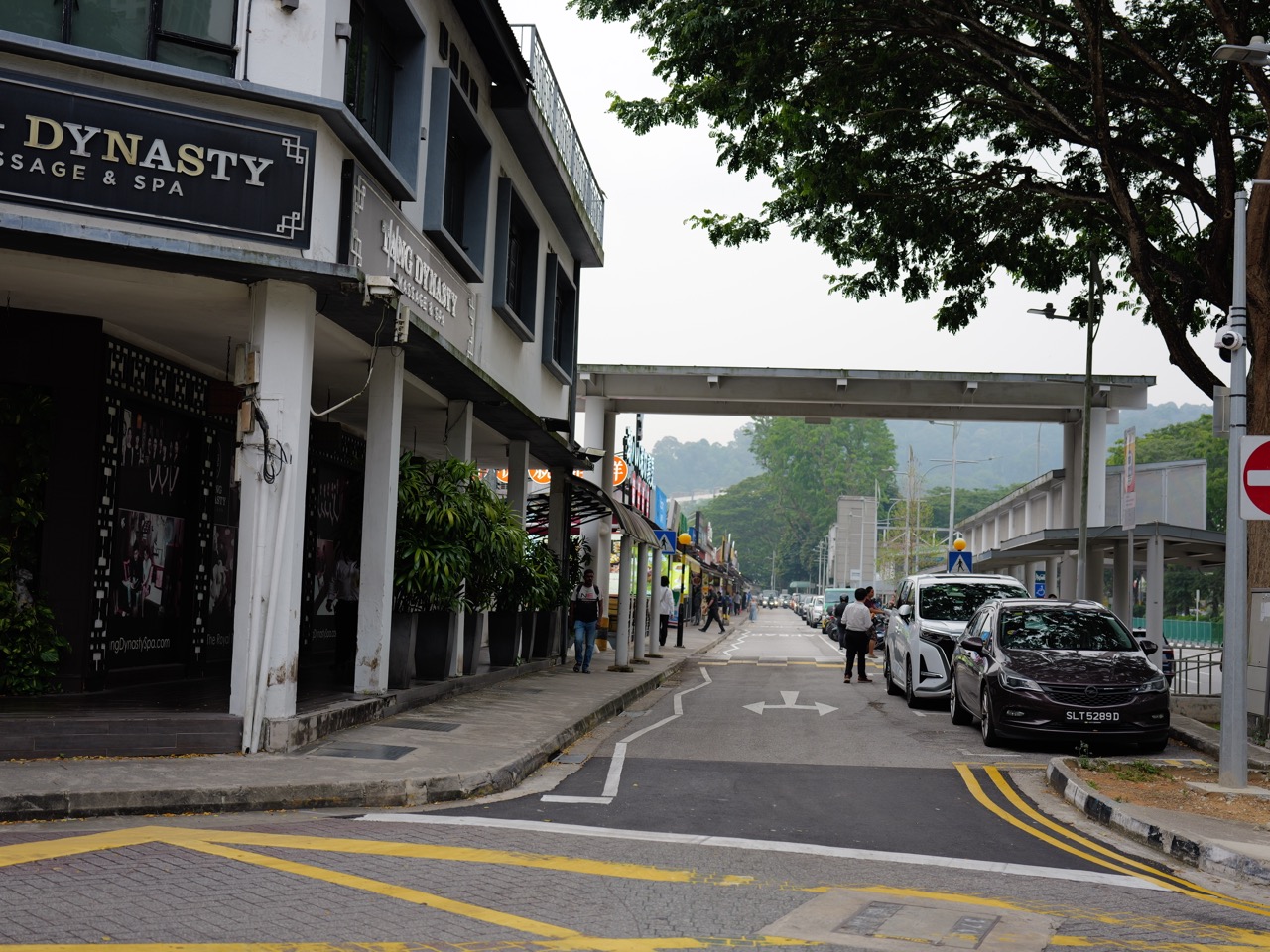
Featured photograph shows the existing Beauty World MRT entrance and nearby shophouses. It is not an image of a completed future bus interchange.
Quick guide: What is an integrated transport hub? · Where is the proposed Beauty World hub? · Why put a bus interchange on the second floor? · What is meant by the ‘Village Centre’ and ‘Forest Gardens’? · How could transfers change for families? · What’s confirmed today, and what’s still a plan? · How does a transport hub change a mature neighbourhood? · What should residents check while waiting for it?
1. What is an integrated transport hub?
An integrated transport hub brings bus services, an MRT station and surrounding amenities into a more connected environment. The exact layout can differ by site, but the planning purpose is consistent: make transfers more convenient and place daily services near commuters.
An ordinary bus stop is not the same as a bus interchange. A bus interchange is a larger operational facility where services can begin or end, with boarding arrangements, staff facilities and vehicle movements. Combining such a facility with homes and shops also introduces design challenges.
Those challenges include safe bus entry and exit, ventilation, access for people with limited mobility, pedestrian routes and keeping noise or service traffic from conflicting with residential use.
2. Where is the proposed Beauty World hub?
In August 2021, URA awarded the 3.22-hectare Jalan Anak Bukit commercial and residential site beside Beauty World MRT, at the meeting of Upper Bukit Timah Road and Jalan Jurong Kechil.
URA envisioned a development with homes, shops, food-and-beverage activities and an integrated transport hub. Its aim was to strengthen Beauty World as an urban neighbourhood with good access to public transport and civic spaces.
That means readers should distinguish three places: the existing Beauty World MRT station, the older shopping buildings that already serve the district, and the new mixed-use site proposed to include the future transport hub.
3. Why put a bus interchange on the second floor?
The successful 2021 concept proposed a second-storey bus interchange, with civic and commercial activity along the lower levels. Putting transport infrastructure within a mixed-use building requires designers to organise vertical movement instead of laying every use across the same ground level.
Bus traffic needs suitable ramps, turning paths and safety separation. Pedestrians need understandable routes between the interchange, MRT and shops. Lifts and escalators must support different user needs without making transfers unnecessarily complex.
The specific bus interchange layout described in a tender concept may be adjusted through technical design and approvals. The relevant insight is the planning mechanism, not an assurance that every early artist’s impression will be built exactly as drawn.
4. What is meant by the ‘Village Centre’ and ‘Forest Gardens’?
URA described the winning design as including a naturally ventilated central atrium known as the Village Centre, intended for communal events and public activity. The concept also included third-storey Forest Gardens visible from major roads.
These features respond to a familiar problem: transport complexes can feel like corridors people hurry through. Communal gathering spaces and greenery are intended to make the site more pleasant to use even when someone is not catching a bus.
However, access details, completed landscape design, retail tenants and actual event programmes should be checked once official operating arrangements are published. Planning language is not a current visitor timetable.
5. How could transfers change for families?
Imagine a family travelling by bus to an afternoon lesson, then transferring to the Downtown Line to go home. A well-designed integrated hub should make that movement clearer and more weather-protected than a journey involving several separate outdoor stops.
Travel time is not only the number of minutes spent on a vehicle. Walking, waiting, finding the correct boarding point and crossing roads all matter, especially for younger children, older adults or people using mobility aids.
For families living near Sixth Avenue, King Albert Park or Beauty World, the value of an eventual hub would depend on actual routes and service frequency. No responsible 2026 guide should invent confirmed future bus service numbers or exact journey-time savings.
6. What’s confirmed today, and what’s still a plan?
Existing: Beauty World MRT has operated on the Downtown Line since December 2015. Nearby shopping centres, eateries and bus stops serve the district today.
Confirmed planning background: URA awarded the Jalan Anak Bukit site in 2021 with a winning concept incorporating a future integrated transport hub. URA’s Master Plan 2025 material includes Beauty World among upcoming hubs.
Not established by those announcements: an exact public opening day, the final assigned bus routes, finished tenant directories and the exact form of every proposed green space.
Watch for later announcements from LTA, URA and the developer when construction milestones and operating arrangements are confirmed.
7. How does a transport hub change a mature neighbourhood?
New transport access can increase pedestrian movement and demand for services. It can also shift the routes people take past older businesses, which matters in an area where local shopping streets developed well before the MRT.
That is why an integrated hub should not be seen in isolation. Sidewalks, crossings, sheltered walkways, traffic signals, active shopfronts and sensitive treatment of the surrounding neighbourhood all contribute to the result.
A beautifully designed interchange that is difficult to reach from the opposite side of the road would leave an important part of its promise unfulfilled.
8. What should residents check while waiting for it?
The useful idea to take away is this: a transport hub succeeds when it serves the complete journey rather than treating buses, trains, homes and shops as isolated projects. That is the problem Beauty World’s future development is intended to solve.
- For journeys today, rely on the current Beauty World MRT exits and operating bus stops, not a future interchange diagram.
- Check LTA’s current route and service information before planning school or work travel.
- Follow URA announcements for changes to the approved development and pedestrian connectivity.
- Treat renderings, promotional concepts and completion estimates as separate from confirmed operational details.
- When the hub eventually opens, compare actual transfer times and walking routes with your family’s everyday needs.
Frequently asked questions
Is the Beauty World integrated transport hub open in October 2026?
No. Beauty World MRT is open, but the bus interchange within the planned Jalan Anak Bukit integrated transport hub is a future facility.
Where is the hub planned?
URA’s integrated mixed-use project site is at Jalan Anak Bukit, next to Beauty World MRT at the junction of Upper Bukit Timah Road and Jalan Jurong Kechil.
Will there be a second-storey bus interchange?
URA’s winning 2021 concept proposed a bus interchange on the second storey. Final arrangements should be checked against later official approvals and operating announcements.
Is there a confirmed public opening date and bus route list?
The official sources used in this guide do not establish final operational dates or route allocations. Check LTA and URA updates.
References and further reading
Official records and dated sources distinguish historical facts from future plans. Check the relevant authority for changes to opening arrangements and infrastructure timelines.
- URA: 2021 award of Jalan Anak Bukit mixed-use site and integrated transport hub
- URA: Convenient and People-Centric Journeys — Master Plan 2025, updated June 2026
- LTA: Downtown Line network
More in the How Bukit Timah Works series
- How Bukit Timah Works | Why Granite, Quarries and Hills Shaped the Area
- How Bukit Timah Works | How the Rainforest Survives Inside Singapore
- How Bukit Timah Works | How the Rail Corridor Connects History and Nature
- How Bukit Timah Works | Why Schools and MRT Stations Follow the Main Road
- How Bukit Timah Works | Why Floods Happen and How the 2026 Canal Upgrade Helps
- How Bukit Timah Works | How Beauty World Grew from a Market into a Town Centre
- How Bukit Timah Works | How Kampongs, Temples and Fuyong Estate Shaped the Neighbourhood
- How Bukit Timah Works | Why Bukit Timah Was Crucial in World War II
- How Bukit Timah Works | How Dairy Farm Became a Nature Park
- How Bukit Timah Works | Why Hawkers Moved to an Interim Market
- How Bukit Timah Works | How the Former Fire Station Became a Community Hub
- How Bukit Timah Works | Why Singapore Botanic Gardens Is UNESCO Heritage
- How Bukit Timah Works | How Hume MRT Connects Homes, History and the Rail Corridor
- How Bukit Timah Works | How Rifle Range Nature Park Restores a Quarry and Protects Wildlife
- How Bukit Timah Works | How Turf City Is Becoming a New Housing Estate
- How Bukit Timah Works | Why Bukit Timah Plaza Still Serves the Neighbourhood
- How Bukit Timah Works | Why Four Streets Remember the Cheong Family
- How Bukit Timah Works | How Jalan Jurong Kechil’s Shophouses Were Conserved
- How Bukit Timah Works | How the Future Beauty World Transport Hub Will Connect Journeys (this article)
- How Bukit Timah Works | Why the 1891 Waterworks Could Become a Heritage Museum
Nearby education and commuting context: Secondary 1 Mathematics tutorials near Sixth Avenue.