
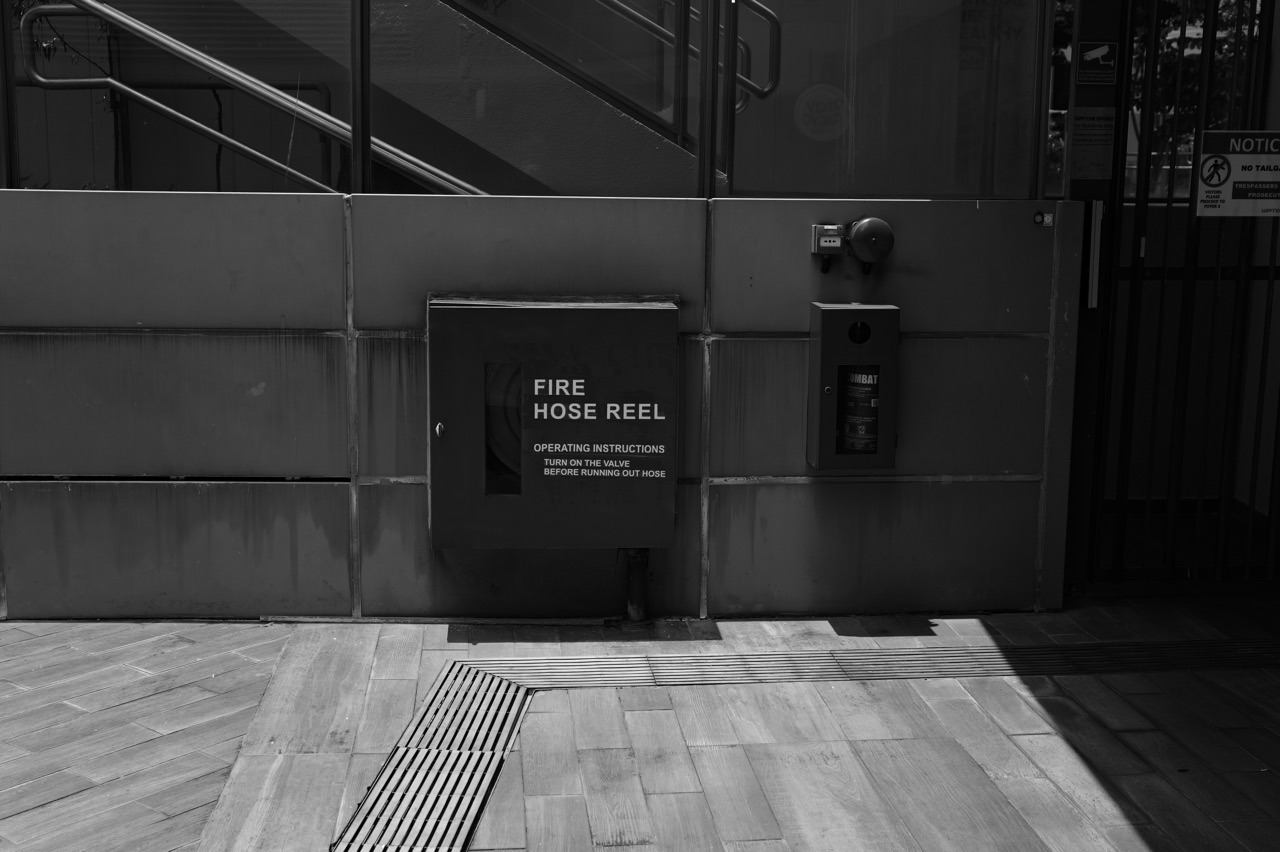
How does Singapore keep buildings safe? It combines professional design and construction with continuing inspections, maintenance and fire-safety requirements. BCA oversees structural safety, façade inspections, lifts and other fixed installations; SCDF regulates fire safety; and owners or management bodies remain responsible for keeping buildings fit for use. A completed building must continue to work safely long after the first residents or customers arrive.
If you are asking how often Singapore buildings must be inspected, who maintains HDB lifts, what the façade inspection rules are, why windows can be a safety issue or whether fire certificates last three years in 2026, this guide joins the answers. It also links the detailed How Singapore Connects articles on structural checks, building management, utilities and emergencies.
The essential distinction is between structural stability, falling-object risk, fixed-installation safety, fire protection and ordinary maintenance. They overlap but are not one inspection with one deadline. Keeping a building safe means knowing which hazard is being addressed and who must act.
Quick answer: six layers of building safety
- Design and completion: professional plans, inspections and appropriate TOP or CSC before lawful occupation
- Structural checks: qualifying buildings undergo Periodic Structural Inspection under BCA rules
- Façade checks: qualifying older buildings undergo Periodic Façade Inspection
- Fixed installations: lifts, escalators and mechanised parking systems require appropriate permits and maintenance
- Fire protection: SCDF rules cover fire-safety systems, certificates and specified Fire Safety Managers
- Owners and residents: maintenance, safe use, defect reporting and proper renovations continue through the building’s life
Under BCA’s current regime, non-residential buildings generally undergo Periodic Structural Inspection every five years and residential buildings every ten years, subject to exemptions. Qualifying façades on buildings over twenty years old are generally inspected every seven years. SCDF introduced a three-year Fire Certificate regime from April 2026, while relevant annual fire-system inspections continue. These are distinct requirements with different scopes.
1. Start at the lift lobby
A resident steps out of the flat, calls the lift, crosses a corridor and walks beneath a building façade. Nothing feels special because everything works. Yet the journey relies on maintained machinery, stable structure, safe windows, correct fire protection and management that responds when equipment fails.
The most important question is not whether a building looked impressive when it opened. It is whether the building can keep serving people safely through years of weather, daily use and repairs.
Singapore has separate requirements for different hazards. BCA’s Periodic Building Inspections explains the physical structure and façade regimes, while other authorities oversee fire or workplace matters.
2. Building safety begins before people move in
Architects and engineers design a building with structural, fire, accessibility and building-services considerations. Plans and approvals then guide construction, testing and completion. A project must satisfy applicable conditions before occupation.
That initial process cannot foresee every future misuse, defect or maintenance problem. A building that met standards at handover still needs responsible operation over its lifetime.
Read How Construction Works in Singapore and BCA’s TOP/CSC guide for the handoff from construction to occupation.
3. Who is responsible for an occupied building?
The legal owner or relevant management body has responsibilities for the building under applicable rules. In a strata-titled development, the Management Corporation Strata Title (MCST) has specified common-property functions; public housing uses different ownership and Town Council arrangements.
The person living in a unit may have responsibilities for windows or private alterations, while the entity maintaining the common areas may be a different party. That distinction is essential when a defect is found.
Always identify the exact asset and legal responsibility before assuming one organisation must repair everything. The town-level owner is explained in Estate Cleaning, Conservancy and Common Property.
4. What is Periodic Structural Inspection?
Periodic Structural Inspection, or PSI, is BCA’s regulatory regime for checking whether qualifying buildings remain structurally safe for their intended use. The owner must appoint an appropriately qualified Structural Engineer when required and address relevant findings.
Structural issues can develop through deterioration, wear, overloading or improper maintenance. The inspection is not a substitute for sensible day-to-day care, and owners should not wait for a statutory notice when a serious hazard becomes visible.
BCA’s PSI guide, updated July 2026, sets out inspection intervals and duties.
5. How often are periodic structural inspections required?
BCA’s current schedule generally requires non-residential buildings to undergo PSI every five years and residential buildings every ten years. Certain houses and temporary buildings are excluded from these specified frequencies.
These are regulatory intervals for relevant building categories, not a promise that owners can ignore problems between inspections. If a building’s condition raises concern, professional assessment should be arranged regardless of when the next routine inspection is due.
Read the detailed exceptions on BCA’s official PSI page rather than copying a single number into every property situation.
6. What does a structural engineer inspect?
The inspection concerns relevant structural integrity: signs of unusual cracking, deterioration, deformation, overloading and other conditions that may affect safety. The engineer evaluates findings using professional judgement and appropriate inspection methods.
A hairline surface crack and a structural defect are not identical. Residents should avoid self-diagnosing from one photograph, while owners should not dismiss unusual or progressive damage without assessment.
After the inspection, the owner may need further investigation or rectification. The specialised Structural Inspections, Façade Checks and Building Safety follows the formal chain.
7. What is Periodic Façade Inspection?
Periodic Façade Inspection, or PFI, addresses the safety of external building features such as façade elements that can deteriorate and potentially fall. Owners of qualifying buildings must appoint a Competent Person to conduct inspections and respond to identified defects.
This risk is different from the stability of the entire building. A structure can remain generally sound while an external panel, fixing or other feature requires maintenance. A falling object can endanger people in adjacent walkways.
BCA’s PFI guide, updated September 2026, explains the responsibilities and inspection framework.
8. How often are façade inspections required?
The PFI regime generally covers specified buildings more than twenty years old with inspections every seven years, subject to listed exceptions and the relevant notices.
Owners should not assume an attractive exterior or recent repaint means inspection is unnecessary. The critical issue is whether external features and their fixings remain safe under age and weather exposure.
Likewise, a seven-year interval is not a licence to leave an obvious dangerous defect for years. Immediate risk requires appropriate safety actions and professional attention. The details are at BCA — Periodic Façade Inspection.
9. Why façade problems may be hard to see from below
Cladding, panels, façade fixtures and high-level components are difficult to examine from the pavement. Corrosion, water infiltration, loose anchors or hidden deterioration may require close-range inspection and specialised access.
A visual photograph of the complete building can be useful context but cannot replace a professional inspection of concealed conditions. Drones and other methods may assist under suitable rules and competent supervision.
The owner’s duty is to organise appropriate inspection and repair, not merely collect photographic evidence. Professional responsibility is covered in the façade specialist guide.
10. Why window safety matters
Windows experience wind, rain and repeated opening and closing. Hinges, rivets, latches, stoppers and frames can deteriorate, and failure may allow a component to fall outside the building.
BCA recommends a check-clean-change approach: inspect suitable parts, clean and maintain the windows, and replace damaged components through competent service providers where necessary.
Residents should not lean dangerously out of windows or attempt repairs for which they lack training. The official BCA Window Safety guide provides the relevant advice.
11. What about air-conditioning units outside windows?
Outdoor air-conditioning units are attached to the building using structural supports and fixings. Weather, vibration and corrosion can affect those components over time, making maintenance important.
A unit may cool a room effectively yet have a deteriorating bracket that deserves attention. Performance of the appliance and safety of its support system are separate matters.
Owners should engage competent personnel for relevant inspection and repair, especially where work involves height or electrical risk. BCA includes air-conditioning safety within its building-safety resources.
12. Why lifts are a special regulatory system
Lifts support vertical travel for residents, visitors, workers and people with mobility limitations. Their doors, drive systems, controls and safety devices need appropriate installation, maintenance and testing.
A lift that stops unexpectedly may be inconvenient or dangerous depending on the situation. The correct response for someone trapped is to use appropriate emergency communication and instructions, not attempt to force doors or climb out.
BCA’s fixed-installation rules define duties for owners and registered contractors. The everyday journey is in Lifts and Escalators.
13. What changed for lifts and escalators in 2025?
The Building Control (Fixed Installations) Regulations 2025 took effect from 1 October 2025, introducing an updated framework for lifts, escalators and mechanised car parking systems.
The regulations include owner and contractor duties, maintenance and testing requirements, and reportable-matters provisions. They distinguish the responsibility to design or install a fixed installation from the continuing duty to operate it safely.
BCA’s regulatory updates should be used rather than an old lift-maintenance summary.
14. How often must lifts and escalators be maintained?
Most ordinary lifts and escalators require maintenance on an appropriate schedule, commonly at least monthly for standard categories under the current rules, while specified special-use installations can follow different provisions.
BCA also requires annual examination and testing by appropriate registered parties for the relevant fixed installations. A lift serving a single residential unit or approved remote-monitoring configuration may have different requirements.
Do not apply one interval to every stairlift, escalator or car parking system. Check the exact classes in BCA’s 2026 periodic maintenance requirements.
15. What is a lift Permit to Operate?
A Permit to Operate is a regulatory permission relevant to operating a fixed installation under the applicable framework. It supports assurance that prescribed checks and approvals have been obtained.
Owners should not assume that a machine may be put into passenger use simply because it can move up and down during a test. The legal process for first operation and major alterations must be followed.
BCA’s fixed-installation legislation and its August 2026 stairlift owner reminder illustrate the distinction.
16. Why is a registered contractor important?
Installing or maintaining regulated equipment can require contractors holding the correct BCA registration, not merely a company name or UEN. Corporate registration alone does not demonstrate competence for specialist fixed-installation work.
An owner should verify the contractor’s current registration and the scope of its authorisation before appointing it. This is particularly relevant for lifts or vertical platform devices serving vulnerable users.
Using an unauthorised provider can create safety, liability and compliance risks. BCA explicitly makes this point in its 24 August 2026 reminder.
17. What are mechanised car parking systems?
Mechanised car parking systems move or store vehicles using powered machinery. They may save land in dense developments but introduce controls, user interactions and equipment safety risks different from a conventional ramped car park.
Singapore’s updated fixed-installation rules regulate relevant systems, including the man-machine interface through which a driver interacts with equipment. The system must avoid exposing users to unsafe movements.
BCA published a relevant code of practice in September 2026. Read its mechanised parking guidance.
18. How do fire-safety systems fit into a building?
Buildings may require alarms, detection, emergency exits, fire doors, suppression systems and other protection according to their category and applicable Fire Code. These features need correct design and continued maintenance.
A fire door that cannot close properly or an exit obstructed by storage can undermine the protection intended by the approved design. Everyday habits and management therefore matter alongside expensive installed systems.
SCDF’s fire-safety services explain the various approvals and duties. The broader emergency route is Emergency Preparedness.
19. What is a Fire Safety Certificate?
A Fire Safety Certificate, or FSC, confirms completion of the fire-safety works required for the particular project under SCDF’s approval process. Owners and Qualified Persons must obtain the applicable certificate before using or occupying premises where the law requires it.
A Temporary Fire Permit may allow limited use in appropriate circumstances before the full FSC is obtained. These fire-safety approvals are distinct from BCA’s TOP and CSC, even though their processes can interact.
Read SCDF — FSC and Temporary Fire Permit for the requirements.
20. What is a Fire Certificate?
SCDF’s Fire Certificate scheme applies to specified premises and is intended to maintain fire-safety systems in proper working order after occupation. It is different from the Fire Safety Certificate issued in connection with completed fire-safety works.
From 1 April 2026, eligible Fire Certificates have a three-year validity arrangement under SCDF’s updated regime, subject to conditions. This does not remove ongoing inspection and maintenance obligations.
SCDF’s Fire Certificate guidance explains which premises require certificates and how renewals work.
21. Does the three-year Fire Certificate mean checks every three years?
No. The 2026 extension of Fire Certificate validity does not remove annual inspections of the fire-safety systems under the applicable SCDF requirements. The paperwork renewal interval and technical inspection obligations are separate.
Owners must still keep systems maintained, engage the appropriate professionals and submit necessary certifications or records in line with the framework. SCDF also conducts selective audits and enforcement.
This distinction is especially important for managers reading an announcement about reduced paperwork costs. The underlying safety work remains essential. See SCDF’s 2026 three-year regime.
22. What is a Fire Safety Manager?
Specified buildings are required to appoint an appropriately qualified Fire Safety Manager, or FSM. The FSM helps coordinate fire prevention, training, emergency response planning and relevant safety responsibilities.
Not every small private building falls under identical FSM requirements. SCDF identifies categories using factors such as floor area, occupancy and building use.
Read SCDF — Fire Safety Manager for the current thresholds and appointment duties.
23. Why emergency stairs and exits must remain usable
Emergency routes are part of the building’s safety design. Placing storage, furniture or locked barriers in inappropriate exit paths can prevent people from leaving safely during a fire or other incident.
Clear signs and suitable lighting help, but users must also know the route and building management must ensure it remains available. A perfect floor plan is ineffective when the actual corridor is obstructed.
Residents should report hazardous blocked exits to the responsible building manager or safety authority rather than dismantling equipment themselves. See HDB Common Spaces and Shared Corridors.
24. How is building accessibility related to safety?
Accessible routes, lifts, ramps and suitable signage support people with mobility limitations, strollers or heavy luggage. In emergencies, occupants may need different assistance according to their capabilities and the nature of the hazard.
A building can look complete yet create serious barriers if a lift is repeatedly unavailable or an alternative route depends on inaccessible stairs. Inclusive design and operational maintenance must work together.
The connection extends outside the building to pathways, public transport and shops. Read Barrier-Free Routes and Public Transport.
25. How do water tanks and pumps affect building safety?
High-rise buildings need suitable water supply, often involving tanks, pumps and pressure management. These must be maintained to provide usable water and avoid related failures or contamination risks.
Leaks can also damage finishes, electrical systems or structures if neglected. A stain on a ceiling may be a plumbing problem, but the actual cause can require careful investigation rather than casual demolition.
Read High-Rise Water Tanks and Pumps and Household Utilities.
26. Why electrical maintenance is a safety issue
Common-area lighting, switchgear, lifts and building management equipment depend on electricity. Loose connections, unsafe modifications or poorly maintained installations can create fire or shock hazards.
Electrical work should be undertaken by appropriately qualified professionals and in accordance with the applicable rules. A resident should not open a distribution board or attempt repairs simply because a light is flickering.
Electricity reliability and safe wiring are related but separate concerns. The national network is explained in Singapore’s Electricity System.
27. What do building management systems do?
Modern buildings can use sensors and management software to monitor equipment such as ventilation, air-conditioning, energy use and selected alarms. These systems can help staff detect faults and coordinate maintenance.
But a dashboard cannot replace professional judgement, physical inspection or the legal responsibilities of owners. Data can be incomplete or misleading if sensors malfunction or the interpretation is wrong.
Read Building Management Systems, Sensors and Smart Buildings for the detailed role of monitoring.
28. How are HDB buildings managed differently from condominiums?
Public housing involves HDB, Town Councils and residents with distinct roles in private and common areas. Strata-titled condominium developments generally involve a management corporation and strata rules for common property.
Consequently, a resident should not assume that every common-area complaint in every residential development goes to the same organisation. The issue may belong to a private managing agent, Town Council or another asset owner.
The community interface is OneService and Town Councils. The relevant management body must still arrange competent technical work.
29. What happens when structural defects are discovered?
The responsible owner and professional must assess the seriousness of the finding. Actions may include restricting access, arranging more testing, carrying out repairs or reporting matters to BCA as required.
A report of a defect is not proof that an entire building is unsafe, but neither should occupants dismiss warning signs or assume a fresh coat of paint is a substitute for repair.
Follow BCA’s structural inspection guidance and seek qualified assessment rather than making do-it-yourself structural alterations.
30. Why a renovation can affect building safety
Interior renovation can involve partitions, wet areas, electrical work, walls and other components. Some works require approval or supervision, especially if they affect structural or common elements.
An owner should not assume that a contractor’s enthusiasm or low quotation makes an alteration lawful. Unauthorised work can endanger occupants and neighbours, including people in other units.
Read Public Housing Renovation Permits and Contractors and Construction Approvals.
31. A worked example: a loose façade panel
A resident notices that an external panel appears unstable above a walkway. The safe first action is to avoid the hazard, protect others where possible without approaching danger, and inform the responsible manager or appropriate authority promptly.
The owner arranges competent inspection to establish the condition and any immediate safety measures. Specialists may need controlled access equipment, testing and repairs, followed by verification that the hazard is resolved.
At each stage, the issue passes from observation to professional judgment to remedial work. A photograph may start the report, but it is not the final engineering assessment.
32. A worked example: a lift that repeatedly stops
Residents notice intermittent faults in a common-area lift. The managing organisation should investigate through its maintenance provider and arrange checks under relevant fixed-installation rules.
The fault might require mechanical, electrical or control-system diagnosis. Repeated resets without finding the cause may not provide a sustainable outcome, and trapped occupants need the appropriate emergency instructions.
Quality is measured not just by the speed of closing one complaint but by whether the equipment reliably and safely serves the residents again. The specialist Lifts and Escalators follows that mechanism.
33. How do building inspections connect to wider city life?
A building’s safety affects neighbouring pedestrians, schools, roads, businesses and emergency responders. A loose exterior element might endanger people who do not own or even enter the building.
That is why regulated inspection and maintenance are public interests as well as private property responsibilities. Safety standards create justified constraints on what owners can change or postpone.
This joins the asset-management story with Municipal Repairs and Emergency Preparedness.
34. What does a successful building safety system look like?
Success involves good initial design, competent construction, effective maintenance, timely inspection, reliable emergency equipment and clear responsibility when conditions change.
One impressive new building does not prove the system succeeds over decades. The real result appears when an elderly resident can use the lift, a family can leave safely during an emergency and a pedestrian does not face avoidable falling-object hazards.
Building safety is one way Singapore lowers risk through coordinated rules and professional work. It connects The Infrastructure, Resilience and Future Upgrade and The Whole Machine.
Singapore building safety: connected reading map
Building inspections, systems and owners
- Structural Inspections and Façade Checks
- Lifts, Escalators and Vertical Mobility
- Building Management Systems and Sensors
- High-Rise Water Supply
- Household Utilities
- HDB Estate Maintenance
Building construction, fire safety and public access
- BCA, CORENET X and Construction
- SCDF, Emergency Warnings and Response
- HDB Renovation Permits
- Accessible Routes
- Municipal Problems and OneService
- How HDB Towns Are Planned
Frequently asked questions about building safety
Who checks structural building safety in Singapore?
BCA administers the Periodic Structural Inspection framework; owners appoint appropriately qualified engineers and implement required actions.
How often are structural inspections required?
Generally every five years for qualifying non-residential buildings and every ten years for qualifying residential buildings, with exclusions.
What is Periodic Façade Inspection?
A BCA regime requiring designated older buildings to have external features professionally inspected under specified conditions.
How often does PFI take place?
Generally every seven years for qualifying buildings more than twenty years old, subject to exemptions.
Does a new paint job replace a façade inspection?
No. Surface appearance alone does not establish the condition of fixings or concealed materials.
How often are ordinary lifts maintained?
Standard lifts generally have at least monthly maintenance requirements under relevant rules; special categories and approved arrangements can differ.
Do lifts require annual tests?
Applicable fixed installations require annual inspection and testing under current BCA provisions.
What happened to lift rules in 2025?
The Building Control (Fixed Installations) Regulations 2025 introduced revised responsibilities and procedures from 1 October 2025.
Do stairlifts require qualified providers?
Relevant stairlifts and vertical platform lifts fall under BCA fixed-installation rules and need suitable registered contractors and permissions.
What is a Fire Safety Certificate?
A certificate relevant to completion of fire-safety works before the premises are used as applicable under SCDF requirements.
What is a Fire Certificate?
A continuing certification regime for specified premises to ensure required fire-safety systems remain properly maintained.
Do Fire Certificates last three years now?
For validity commencing from 1 April 2026 under the revised regime, eligible Fire Certificates have a 36-month term subject to conditions.
Can owners skip annual fire-system inspections?
No. The longer Fire Certificate validity does not remove relevant annual inspection and testing obligations.
Who maintains common-area lifts in HDB estates?
The relevant estate or asset-management party arranges specialised maintenance under applicable requirements.
What should a resident do about a suspected serious defect?
Avoid immediate danger and inform the responsible manager or appropriate authority promptly; do not attempt unsafe structural or electrical repairs.
Does a TOP mean every building issue is finished?
No. TOP and CSC are distinct completion milestones, and occupied buildings still need maintenance and inspections.
Continue the How Singapore Works series
- How Construction Works
- How Municipal Services Work
- How Emergency Preparedness Works
- How Singapore Plans Land
The original hub is the How Singapore Works Civilisation Atlas. This overview is the connection map; specialist inspections and safety guides retain their detailed subject ownership.
Official sources
- BCA — Periodic Structural Inspection, July 2026
- BCA — Periodic Façade Inspection, September 2026
- BCA — Window Safety
- BCA — Fixed Installations 2025 Regulations
- BCA — Lift and Escalator Maintenance 2026
- SCDF — Fire Certificate and Three-Year Regime
- SCDF — Fire Safety Manager
Safety note: This is educational information, not a building safety inspection or engineering certification. Suspected hazards require appropriate qualified assessment and urgent dangers require the correct emergency response. Regulatory intervals and exemptions depend on the building and equipment. Editorial review: October 2026.